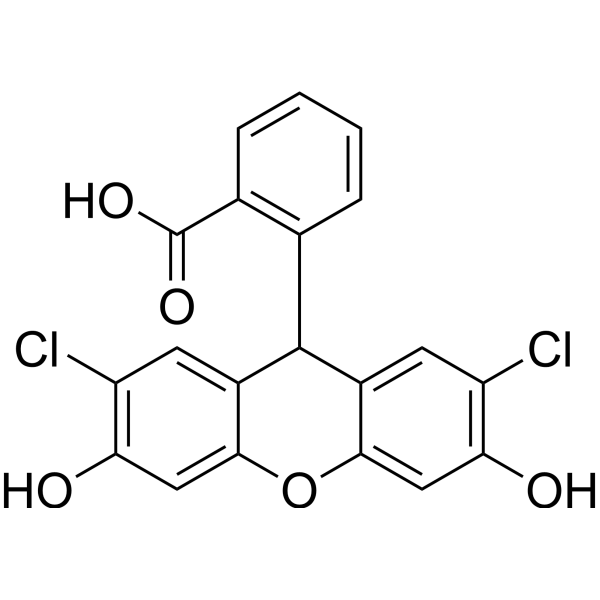
2,7-Dichlorodihydrofluorescein (DCFH2) is a non-fluorescent probe specifically designed to detect reactive oxygen species (ROS). Upon hydrolysis by intracellular esterases, DCFH2 reacts with various ROS, including hydroxyl radicals, hydrogen peroxide, and peroxynitrite, to produce the highly fluorescent compound 2,7-dichlorofluorescein (DCF). The fluorescence intensity of DCF directly correlates with ROS levels, making it an essential reagent for quantitatively assessing oxidative stress. This compound is suitable for both in vitro and in vivo applications, including oxidative stress analysis in cell models and targeted delivery studies, such as those utilizing liver-targeted liposomes.
2,7-Dichlorodihydrofluorescein (DCFH2) is a non-fluorescent probe specifically designed to detect reactive oxygen species (ROS). Upon hydrolysis by intracellular esterases, DCFH2 reacts with various ROS, including hydroxyl radicals, hydrogen peroxide, and peroxynitrite, to produce the highly fluorescent compound 2,7-dichlorofluorescein (DCF). The fluorescence intensity of DCF directly correlates with ROS levels, making it an essential reagent for quantitatively assessing oxidative stress. This compound is suitable for both in vitro and in vivo applications, including oxidative stress analysis in cell models and targeted delivery studies, such as those utilizing liver-targeted liposomes.
This calculator helps you calculate mass of compound based on solution concentration, volume and molecular weight in a specific solution using the formula: