GHSR

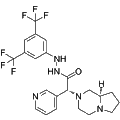
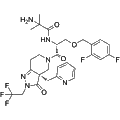
Ghrelin receptor agonists and antagonists act on the growth hormone secretagogue receptor (GHSR). The receptor was cloned in 1996 from pituitary and hypothalamus as the target of synthetic growth hormone secretagogues. Its endogenous ligand, ghrelin, was identified in 1999 as an acylated stomach peptide that releases growth hormone. GHSR signaling links growth hormone release with appetite and energy balance, which makes the receptor a frequent subject in metabolism research. Anamorelin, capromorelin and ulimorelin are small-molecule GHSR agonists, and des-Gln14-Ghrelin is a natural ghrelin variant. PF-5190457 acts as an inverse agonist, while liver-expressed antimicrobial peptide 2 (LEAP-2) antagonizes the receptor.

Items 26-50 of 57

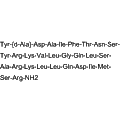
  • (D-Ala2)-GRF (1-29) amide (human)
    Cat. No.
    A60549

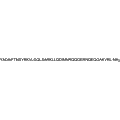
    (D-Ala2)-GRF (1-29) amide (human)

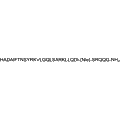
    (D-Ala2)-GRF (1-29) amide (human) is a superagonist of Growth Hormone-Releasing Factor (GRF), demonstrating approximately 50 times the GH-releasing potency compared to GRF (1-29) in both pig and rat models. This compound is essential for studies focused on growth hormone modulation, metabolic research, and endocrine system regulation. Its enhanced activity makes it a valuable tool for exploring the physiological roles of growth hormone in various biological processes.

    0.5 mg
    $230.00
    1 mg
    $360.00
    All 3 sizes
  • Relamorelin
    Cat. No.
    A60550

    Relamorelin

    Synonyms: RM-131; BIM-28131

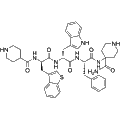
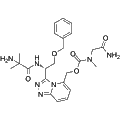
    Relamorelin is a potent agonist of the growth hormone secretagogue receptor (GHSR), specifically targeting the GHS-1a receptor with a Ki of 0.42 nM. This pentapeptide ghrelin analog exhibits the ability to enhance growth hormone secretion and facilitate gastric emptying. Relamorelin is valuable for research applications in understanding and treating conditions such as cachexia, gastroparesis, and gastrointestinal dysmobility disorders.

    1 mg
    $400.00
    5 mg
    $945.00
    All 6 sizes
  • Relamorelin acetate
    Cat. No.
    A60551

    Relamorelin acetate

    Synonyms: RM-131 acetate; BIM-28131 acetate

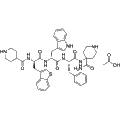
    Relamorelin acetate is a selective agonist for the growth hormone secretagogue receptor (GHSR), exhibiting a Ki value of 0.42 nM for the GHS-1a receptor. This pentapeptide ghrelin analog effectively increases growth hormone levels and enhances gastric emptying. Utilized in research, Relamorelin acetate shows promise for addressing conditions such as cachexia, gastroparesis, and various gastric or intestinal dysmotility disorders.

    25 mg
    $1,275.00
    All 1 sizes
  • Ghrelin receptor full agonist-2
    Cat. No.
    A60552

    Ghrelin receptor full agonist-2

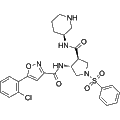
    Ghrelin receptor full agonist-2 (compound 12j) is a potent agonist of the ghrelin receptor (GHSR), facilitating enhanced signaling through this target. This compound demonstrates significant biological activity associated with ghrelin's roles in appetite regulation, energy homeostasis, and growth hormone secretion. Its applications extend to studies investigating metabolic disorders, neuroendocrine functions, and potential therapeutic strategies in obesity and related conditions.

    5 mg
    $795.00
    All 1 sizes
  • GSK894490A
    Cat. No.
    A60553

    GSK894490A

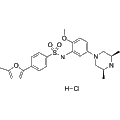
    GSK894490A is a non-peptide agonist of the growth hormone secretagogue receptor (GHSR). It elicits biological activity by enhancing ghrelin signaling, thereby promoting growth hormone release. This compound is valuable for research focused on metabolic regulation, appetite modulation, and potential therapeutic targets for growth hormone-related disorders.

    25 mg
    $1,405.00
    50 mg
    $1,790.00
    All 3 sizes
  • GSK1614343
    Cat. No.
    A60554

    GSK1614343

    GSK1614343 is a selective antagonist of growth hormone secretagogues type 1a (GHS1a) receptors. It effectively inhibits the calcium response induced by ghrelin, exhibiting a pIC50 value of 7.90. This compound serves as a valuable tool for exploring the physiological roles of the ghrelin signaling pathway in various research applications, particularly in rodent models.

    Out of stock

    All 3 sizes
  • [His1,Nle27] GHRF (1-32), amide, human
    Cat. No.
    A60555

    [His1,Nle27] GHRF (1-32), amide, human

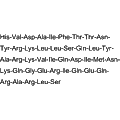
    [His1,Nle27] GHRF (1-32), amide, human is a potent analog of growth hormone-releasing hormone (GHRH) that primarily targets the growth hormone secretagogue receptor (GHRHR). This compound exhibits strong receptor affinity, making it a valuable tool in research applications focused on growth hormone regulation and related metabolic processes. Its use may enhance studies related to pituitary function and endocrine signaling pathways.

    Out of stock

    All 3 sizes
  • BMS-604992 free base
    Cat. No.
    A60556

    BMS-604992 free base

    Synonyms: EX-1314 free base

    BMS-604992 free base is a selective agonist of the growth hormone secretagogue receptor (GHSR). It exhibits high-affinity binding with an inhibition constant (Ki) of 2.3 nM and potent functional activity, characterized by an EC50 value of 0.4 nM. This compound has been shown to effectively stimulate food intake in rodent models, making it a valuable tool for research in the fields of appetite regulation and metabolic disorders.

    Out of stock

    All 3 sizes
  • CP-464709
    Cat. No.
    A60557

    CP-464709

    CP-464709 is a potent agonist of the ghrelin receptor, capable of crossing the blood-brain barrier. This compound induces a biphasic blood pressure response when administered intravenously and elicits a pressor response following intrathecal administration by activating pre-sympathetic neurons in the spinal cord. CP-464709 is valuable for research on cardiovascular conditions and the mechanisms regulating blood pressure dynamics.

    Out of stock

    All 3 sizes
  • PF-6870961
    Cat. No.
    A60558

    PF-6870961

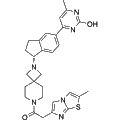
    PF-6870961 is a selective inverse agonist of the growth hormone secretagogue receptor 1a (GHSR1a). It demonstrates Ki values of 73.6 nM for human GHSR, 239 nM for rat GHSR, and 217 nM for canine GHSR. This compound effectively inhibits constitutive GHSR1a-induced inositol phosphate accumulation with an IC50 of 300 nM and also blocks β-arrestin mobilization with an IC50 of 1.10 nM. PF-6870961 serves as a valuable tool in research focused on GHSR signaling pathways and their physiological roles.

    Out of stock

    All 3 sizes
  • L-163255 free base
    Cat. No.
    A60559

    L-163255 free base

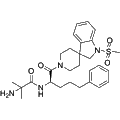
    L-163255 free base is an orally active spiropiperidine that functions as a growth hormone (GH) secretagogue. This compound has been shown to elevate plasma levels of insulin-like growth factor I (IGF-I), making it a valuable tool for research into GH regulation and its effects on various physiological processes. Its unique mechanism of action supports studies in endocrinology and metabolic research.

    25 mg
    $1,780.00
    50 mg
    $2,280.00
    All 3 sizes
  • GHRF, mouse
    Cat. No.
    A60560

    GHRF, mouse

    Synonyms: Mouse growth hormone-releasing factor

    GHRF, mouse is a peptide composed of 44 amino acids that acts as a growth hormone-releasing factor primarily targeting GHSR. This reagent stimulates the release and synthesis of growth hormone, playing a crucial role in growth regulation and metabolic functions. It is widely utilized in research applications focusing on endocrinology, growth disorders, and the mechanisms of hormone action.

    Out of stock

    All 3 sizes
  • Obestatin(rat)
    Cat. No.
    A60561

    Obestatin(rat)

    Obestatin (rat) is a 23-amino acid peptide encoded by the Ghrelin gene that primarily targets the G-protein coupled receptor 39 (GHSR). It plays a critical role in regulating food intake, inhibiting jejunal contractions, and promoting weight management. Additionally, obestatin exhibits anti-inflammatory, cardioprotective, and antioxidant properties, making it a valuable reagent for research in metabolic disorders and cardiovascular health.

    5 mg
    $295.00
    10 mg
    $455.00
    All 2 sizes
  • AZ-GHS-22
    Cat. No.
    A60562

    AZ-GHS-22

    AZ-GHS-22 is a potent inverse agonist targeting the growth hormone secretagogue receptor type 1a (GHS-R1a) with an IC50 of 0.77 nM. This compound exhibits significant inhibition of receptor activity, making it a valuable tool for research into metabolic regulation and appetite control. AZ-GHS-22 is particularly useful for studies focused on obesity and related disorders, enabling exploration of the physiological roles of GHS-R1a in non-central nervous system contexts.

    1 mg
    $135.00
    5 mg
    $925.00
    All 3 sizes
  • GHRF, porcine
    Cat. No.
    A60563

    GHRF, porcine

    GHRF, porcine is a growth hormone releasing factor peptide that acts as a potent inducer of growth hormone (GH) release. By binding to the growth hormone secretagogue receptor (GHSR), it stimulates the secretion of GH from the anterior pituitary gland. This reagent is valuable in studies focused on growth hormone regulation, metabolic processes, and endocrine signaling pathways.

    Out of stock

    All 3 sizes
  • BMS-604992
    Cat. No.
    A60564

    BMS-604992

    Synonyms: EX-1314

    BMS-604992 is a selective, orally active agonist of the growth hormone secretagogue receptor (GHSR). It exhibits high-affinity binding with a Ki of 2.3 nM and demonstrates potent functional activity with an EC50 of 0.4 nM. This compound has been shown to effectively stimulate food intake in rodent models, making it valuable for research in appetite regulation and metabolic studies.

    25 mg
    $1,780.00
    50 mg
    $2,280.00
    All 3 sizes
  • PF-6870961 hydrochloride
    Cat. No.
    A60565

    PF-6870961 hydrochloride

    PF-6870961 hydrochloride is a potent inverse agonist of GHSR1a, exhibiting Ki values of 73.6 nM for human GHSR, 239 nM for rat GHSR, and 217 nM for dog GHSR. It effectively inhibits GHSR1a-induced inositol phosphate (IP) accumulation with an IC50 of 300 nM and demonstrates a strong inhibition of constitutive GHSR1a β-arrestin mobilization with an IC50 of 1.10 nM. This compound is relevant for research applications exploring the physiological roles of GHSR1a in metabolic and neuroendocrine processes.

    Out of stock

    All 3 sizes
  • GHRF, bovine
    Cat. No.
    A60566

    GHRF, bovine

    Synonyms: bGRF(1-44)-NH2

    GHRF, bovine (bGRF(1-44)-NH2) is a peptide that functions as the Growth Hormone-releasing Factor, stimulating the secretion of bovine growth hormone (GH). This compound is essential for studying GH release mechanisms and is utilized in research involving growth regulation and metabolic processes. Furthermore, GHRF, bovine exhibits a synergistic effect when combined with Hydrocortisone, enhancing its biological activity.

    Out of stock

    All 3 sizes
  • K-(D-1-Nal)-FwLL-NH2
    Cat. No.
    A60567

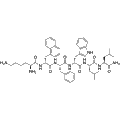
    K-(D-1-Nal)-FwLL-NH2

    K-(D-1-Nal)-FwLL-NH2 is a potent inverse agonist of the ghrelin receptor, exhibiting a high affinity with an EC50 of 3.4 nM and a Ki of 4.9 nM. This compound is instrumental for studies related to obesity, providing valuable insights into the regulation of appetite and energy balance. Its specificity and efficacy make it a relevant tool for investigating the physiological and pathological roles of ghrelin signaling.

    Out of stock

    All 3 sizes
  • Macimorelin
    Cat. No.
    A60569

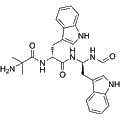
    Macimorelin

    Synonyms: EP-1572; AEZS-130

    Macimorelin is a potent GHSR agonist that serves as a growth hormone secretagogue. It effectively stimulates the release of growth hormone, making it a valuable tool in the investigation of adult growth hormone deficiency (AGHD) and cancer anorexia-cachexia syndrome (CACS). This compound is instrumental in research aimed at understanding the physiological roles of growth hormone and its potential therapeutic applications in these conditions.

    Out of stock

    All 3 sizes
  • BMS-604992 dihydrochloride
    Cat. No.
    A60570

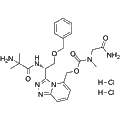
    BMS-604992 dihydrochloride

    Synonyms: EX-1314 dihydrochloride

    BMS-604992 dihydrochloride is a selective agonist of the growth hormone secretagogue receptor (GHSR), exhibiting high-affinity binding with a Ki of 2.3 nM and potent functional activity with an EC50 of 0.4 nM. This small-molecule compound has been shown to stimulate food intake in rodent models, making it a valuable tool for studies related to appetite regulation and metabolic disorders. Its distinctive mechanism and efficacy position BMS-604992 dihydrochloride as an important reagent for research in endocrinology and neurobiology.

    5 mg
    $795.00
    All 1 sizes
  • KARI 201
    Cat. No.
    A60571

    KARI 201

    KARI 201 is a selective, brain-penetrant competitive inhibitor of acid sphingomyelinase (ASM), exhibiting an IC50 of 338.3 nM. This compound acts as a ghrelin receptor agonist and demonstrates significant potential in ameliorating neuropathological features associated with Alzheimer's disease. KARI 201 is valuable for research investigating the modulation of ASM activity and its implications in neurodegenerative disorders.

    Out of stock

    All 3 sizes
  • BMS-317180
    Cat. No.
    A60572

    BMS-317180

    BMS-317180 is a potent and orally active agonist of the growth hormone secretagogue receptor (GHS-R), with an EC50 of 7.9 nM. This compound effectively stimulates the endogenous release of growth hormone. BMS-317180 is suitable for research applications related to age-related frailty, osteoporosis, and cancer cachexia.

    25 mg
    $1,780.00
    50 mg
    $2,280.00
    All 3 sizes
  • Tezusomant
    Cat. No.
    A60573

    Tezusomant

    Tezusomant is a growth hormone receptor antagonist that effectively inhibits the activity of growth hormone. This compound is instrumental in investigating conditions related to excessive growth hormone secretion, such as acromegaly and related endocrine disorders. Tezusomant facilitates research aimed at understanding the underlying mechanisms of these diseases and exploring potential therapeutic interventions.

    Out of stock

    All 3 sizes
  • JV-1-36
    Cat. No.
    A60574

    JV-1-36

    JV-1-36 is a growth hormone-releasing hormone (GHRH) antagonist. This compound effectively inhibits the production of reactive oxygen species in A549 lung cancer cells, making it a valuable tool for investigating the biological effects of GHRH antagonists. Research applications include in vitro studies focused on cancer biology and role of GHRH in tumorigenesis.

    Out of stock

    All 3 sizes

Items 26-50 of 57

Added to your cart

View Cart Checkout

    Loading...