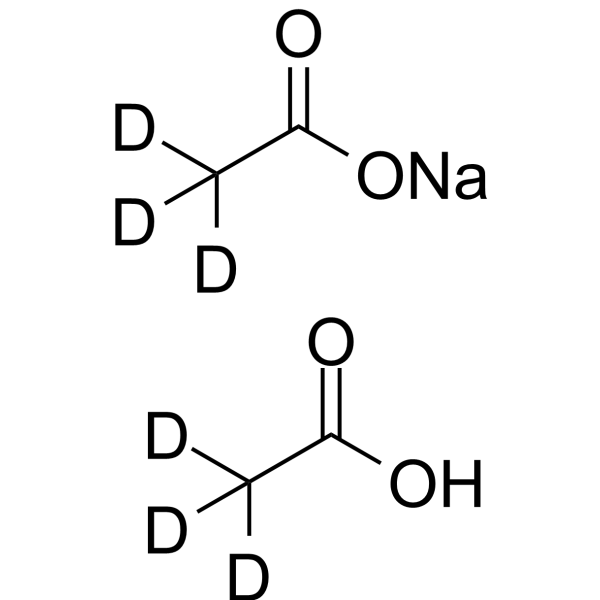
Acetic acid-d3 sodium is a deuterated form of acetic acid, serving as a stable isotope for various scientific applications. Acetic acid functions primarily by activating AMP-activated protein kinase (AMPK) and modulating reactive oxygen species (ROS) levels, as well as impacting crucial pathways such as PPARα and SREBP-1c. It demonstrates significant biological activities including antifungal effects against Saccharomyces cerevisiae and has been implicated in regulating energy metabolism, with potential anticancer properties against gastric cancer. This reagent is valuable for research focusing on gastric cancer, ulcerative colitis, hepatic steatosis, and pain management studies.
Acetic acid-d3 sodium is a deuterated form of acetic acid, serving as a stable isotope for various scientific applications. Acetic acid functions primarily by activating AMP-activated protein kinase (AMPK) and modulating reactive oxygen species (ROS) levels, as well as impacting crucial pathways such as PPARα and SREBP-1c. It demonstrates significant biological activities including antifungal effects against Saccharomyces cerevisiae and has been implicated in regulating energy metabolism, with potential anticancer properties against gastric cancer. This reagent is valuable for research focusing on gastric cancer, ulcerative colitis, hepatic steatosis, and pain management studies.
This calculator helps you calculate mass of compound based on solution concentration, volume and molecular weight in a specific solution using the formula: