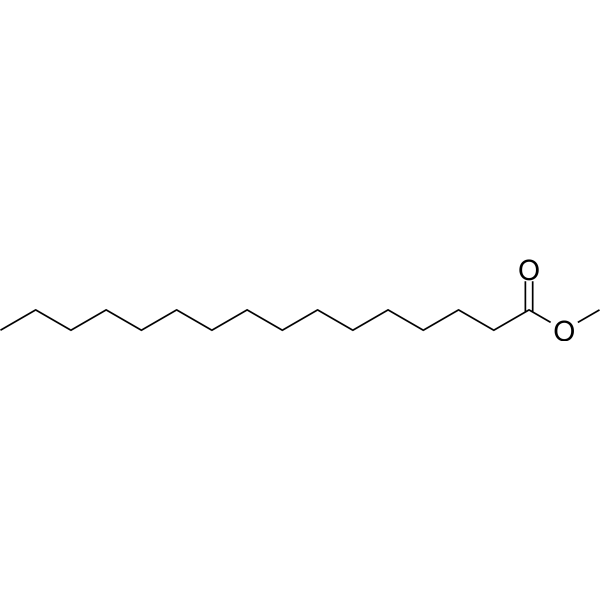
Methyl palmitate is a naturally occurring fatty acid ester that serves as a potent inhibitor of ΙκB phosphorylation. This compound exhibits significant anti-inflammatory properties by modulating macrophage activity and down-regulating pro-inflammatory mediators, including TNF-α and nitric oxide. Methyl palmitate has demonstrated the ability to inhibit LPS-induced activation in Kupffer cells and rat peritoneal macrophages while also reducing phagocytic function in RAW cells. Additionally, it displays cardioprotective effects in models of ischemia/reperfusion injury and shows high toxicity against the pest species T. cinnabarinus, providing valuable insights for both therapeutic and ecological applications.
Methyl palmitate is a naturally occurring fatty acid ester that serves as a potent inhibitor of ΙκB phosphorylation. This compound exhibits significant anti-inflammatory properties by modulating macrophage activity and down-regulating pro-inflammatory mediators, including TNF-α and nitric oxide. Methyl palmitate has demonstrated the ability to inhibit LPS-induced activation in Kupffer cells and rat peritoneal macrophages while also reducing phagocytic function in RAW cells. Additionally, it displays cardioprotective effects in models of ischemia/reperfusion injury and shows high toxicity against the pest species T. cinnabarinus, providing valuable insights for both therapeutic and ecological applications.
This calculator helps you calculate mass of compound based on solution concentration, volume and molecular weight in a specific solution using the formula: