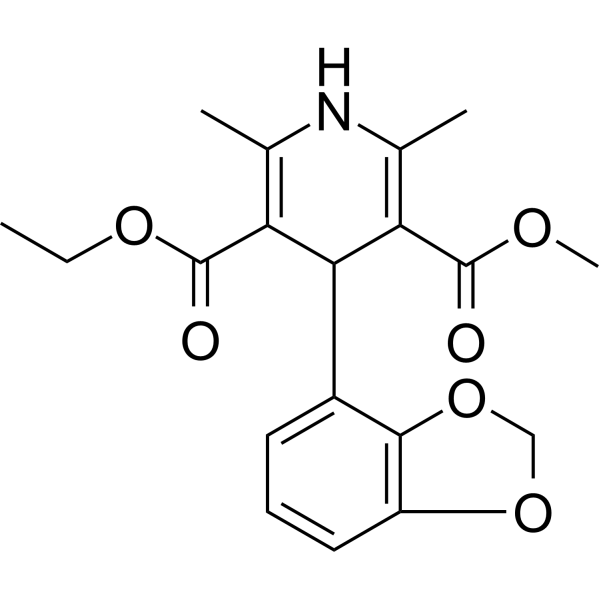
Oxodipine is a dihydropyridine-based calcium channel blocker that primarily targets L-type and T-type calcium channels. It effectively inhibits KCl-induced aortic contractions in rabbit models and demonstrates a reduction in cardiac contractility in rat ventricular preparations. In cultured rat neonatal ventricular myocytes, Oxodipine decreases L-type calcium currents with an IC50 of 0.24 μM and T-type currents with an IC50 of 0.41 μM. Additionally, it is noted to cause gastrointestinal effects in mice and gingival hyperplasia in canine studies, making it relevant for cardiovascular and gastrointestinal research.
Oxodipine is a dihydropyridine-based calcium channel blocker that primarily targets L-type and T-type calcium channels. It effectively inhibits KCl-induced aortic contractions in rabbit models and demonstrates a reduction in cardiac contractility in rat ventricular preparations. In cultured rat neonatal ventricular myocytes, Oxodipine decreases L-type calcium currents with an IC50 of 0.24 μM and T-type currents with an IC50 of 0.41 μM. Additionally, it is noted to cause gastrointestinal effects in mice and gingival hyperplasia in canine studies, making it relevant for cardiovascular and gastrointestinal research.
This calculator helps you calculate mass of compound based on solution concentration, volume and molecular weight in a specific solution using the formula: