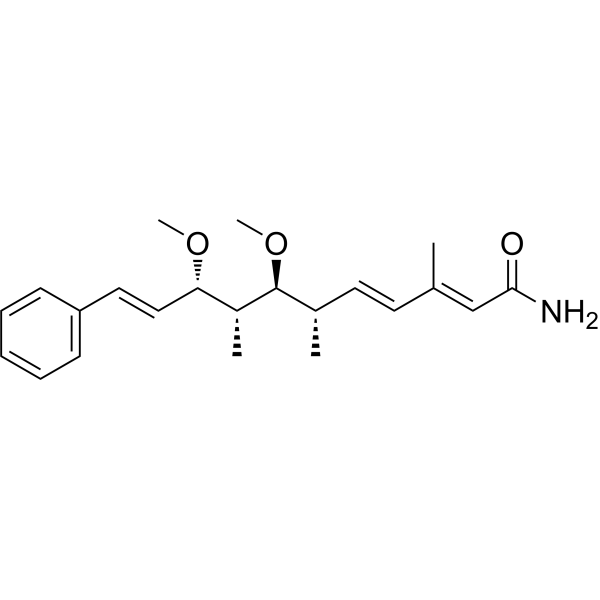
Crocacin C functions as an anti-fungal agent, exhibiting significant activity against both yeast and filamentous fungi. In studies, it has been shown to inhibit mouse fibroblast L929 cells, highlighting its potential cytotoxic effects. Additionally, Crocacin C disrupts the bc1 segment of electronic transmission in calf heart microsomes, resulting in a redshift of the 569 nm peak in the cytochrome B reduction spectrum. These properties make it a valuable reagent for research in fungal pathogenesis and cellular bioenergetics.
Crocacin C functions as an anti-fungal agent, exhibiting significant activity against both yeast and filamentous fungi. In studies, it has been shown to inhibit mouse fibroblast L929 cells, highlighting its potential cytotoxic effects. Additionally, Crocacin C disrupts the bc1 segment of electronic transmission in calf heart microsomes, resulting in a redshift of the 569 nm peak in the cytochrome B reduction spectrum. These properties make it a valuable reagent for research in fungal pathogenesis and cellular bioenergetics.
This calculator helps you calculate mass of compound based on solution concentration, volume and molecular weight in a specific solution using the formula: