






Epigenetics
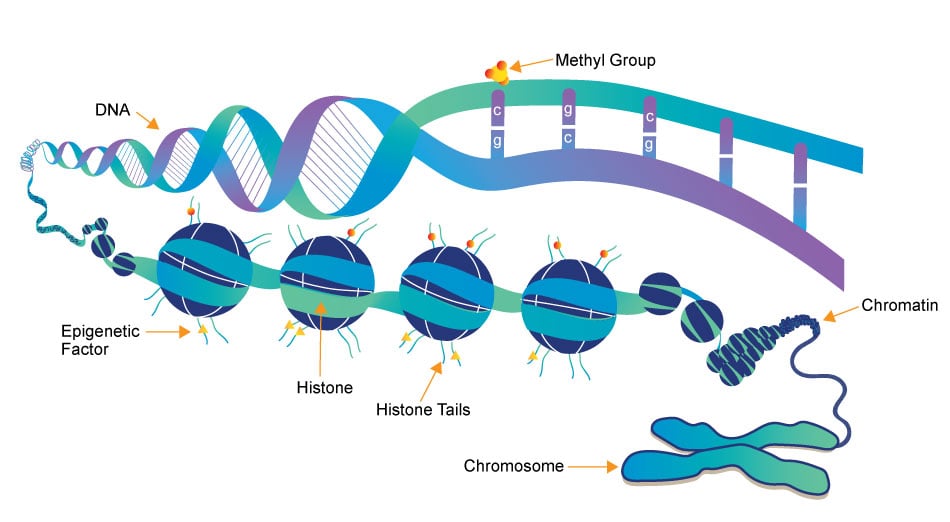
Epigenetics research delves into the molecular mechanisms that control gene expression and cellular traits without altering the underlying DNA sequence. One crucial aspect of this field is the role of small molecules, which act as powerful regulators of epigenetic modifications. These small compounds, typically comprising a few dozen to a few hundred atoms, have emerged as essential tools in understanding and manipulating the epigenome.
- DNA Methylation Inhibitors: Small molecules like 5-azacytidine and 5-aza-2'-deoxycytidine are DNA methyltransferase inhibitors. They block the addition of methyl groups to DNA, leading to DNA demethylation. This can reactivate silenced genes, potentially offering therapeutic avenues for conditions like cancer.
- HDAC inhibitors: HDACs remove acetyl groups from histone proteins, contributing to gene repression. Small molecule HDAC inhibitors, such as Vorinostat and Romidepsin, can reverse this process by increasing histone acetylation, allowing genes to be more accessible for transcription. These inhibitors are being explored for cancer therapy and other conditions.
- Histone Methyltransferase Inhibitors: Small molecules like GSK126 inhibit specific histone methyltransferases, affecting histone methylation patterns. This can alter gene expression, making them promising candidates for cancer and other diseases with epigenetic dysregulation.
- RNA Modulators: Small molecules can also target non-coding RNAs involved in epigenetic regulation. For instance, small molecules called small interfering RNAs (siRNAs) can be designed to target and degrade specific long non-coding RNAs, influencing gene expression.
- Epigenetic Reader Domain Inhibitors: These small molecules target proteins that recognize and bind to specific epigenetic marks. Examples include inhibitors of bromodomain-containing proteins (BET inhibitors), which can disrupt gene regulation by interfering with protein-DNA interactions.
Small molecules in epigenetics research not only provide insights into the fundamental biology of gene regulation but also hold immense promise for developing novel therapeutics. Their ability to selectively modulate specific epigenetic marks and pathways has led to ongoing clinical trials and drug development efforts for various diseases, including cancer, neurological disorders, and inflammatory conditions. Understanding and harnessing the power of these small molecules is at the forefront of modern epigenetics research, offering new hope for precision medicine and targeted therapies.
3 key components involved in the regulation of epigenetic modifications
Epigenetics Writer
Epigenetics writers are enzymes responsible for adding chemical marks or modifications to DNA or histone proteins. These marks include DNA methylation (addition of methyl groups to DNA) and histone modifications (such as acetylation, methylation, phosphorylation, etc.).
Epigenetics Reader
Function: Epigenetics readers are proteins that can recognize and bind to specific epigenetic marks on DNA or histones. These reader proteins interpret the epigenetic code and facilitate downstream cellular processes, such as gene activation or repression.
Epigenetics Eraser
Function: Epigenetics erasers are enzymes responsible for removing or reversing epigenetic marks on DNA or histones. This process allows for the dynamic regulation of gene expression and the resetting of epigenetic states during various stages of development and in response to environmental changes.
-
SMARCA2 PROTAC degrader
YD54 is a PROTAC designed to induce degradation of the SMARCA2 protein, exhibiting a DC50 of 3.5 nM. This compound utilizes a targeted approach to promote the ubiquitination and proteasomal degradation of SMARCA2, making it a valuable tool for studying SMARCA2-dependent biological processes. YD54 is suitable for applications in cancer research and cellular signaling investigations, where modulation of SWI/SNF complex activity is critical. -
EGFR PARP Dual-targeting PROTAC Molecule
DP-C-4 is a Cereblon-based dual-targeting PROTAC molecule designed for the concurrent degradation of epidermal growth factor receptor (EGFR) and poly (ADP-ribose) polymerase (PARP). This compound demonstrates significant biological activity by promoting the targeted destruction of these proteins, which can be crucial in cancer research and therapeutic applications. DP-C-4 may facilitate studies investigating the interplay between EGFR and PARP pathways, potentially leading to new insights in oncology and the development of innovative treatment strategies. -
SMARCA2 Degrader
PROTAC SMARCA2 degrader-8 is a selective degrader targeting the SMARCA2 protein, exhibiting a DC50 of 28 nM in A375 cells. This compound facilitates the ubiquitination and subsequent proteasomal degradation of SMARCA2, thereby effectively reducing its cellular levels. It is particularly useful for studies investigating the role of SMARCA2 in various cancer types and for elucidating its mechanisms of action in cellular processes. -
BRD4 PROTAC
MS83 is a novel PROTAC that employs a KEAP1 ligand to target and degrade BRD4, along with its homologs BRD3 and BRD2. By harnessing the ubiquitin-proteasome system, MS83 facilitates targeted protein degradation, providing a powerful tool for dissecting the functional roles of BRD4 in cellular processes. This compound is particularly relevant for research on cancer and epigenetic regulation, offering insights into therapeutic strategies that leverage targeted protein degradation. -
BRD9 Degrader PROTAC
PROTAC BRD9 Degrader-5 is a proteolysis-targeting chimera (PROTAC) that facilitates the targeted degradation of the bromodomain-containing protein BRD9. This compound employs the cellular ubiquitin-proteasome pathway to promote the selective elimination of BRD9, leading to the modulation of biological pathways associated with cancer and other diseases. It serves as a valuable tool for researchers investigating the role of BRD9 in various cellular processes and therapeutic interventions. -
SMARCA2 Degrader degrader
SMARCA2 degrader-20 is a potent PROTAC that targets the SMARCA2 protein for degradation, exhibiting a DC50 of less than 100 nM in A549 cells. This degrader is valuable for studying the functional consequences of SMARCA2 depletion in cancer biology and epigenetic regulation. Its high efficacy facilitates research into targeted protein degradation strategies and their therapeutic potential in oncology. -
PROTAC Linkers
6-Hydroxy-1-(4-(2-hydroxyethyl)piperazin-1-yl)hexan-1-one serves as a key linker in the development of PROTAC molecules targeting METTL3. This compound is integral for facilitating the degradation of specific proteins, thereby enabling cellular pathway modulation and functional studies. Researchers can employ this linker to explore targeted protein degradation applications in various biological contexts. -
SMARCA2 PROTAC degrader
PROTAC SMARCA2 degrader-17 (compound I-290) is a potent PROTAC degrader designed to selectively target and degrade the SMARCA2 protein. It demonstrates effective degradation in A549 cells with a DC50 value of less than 100 nM and achieves a maximum degradation rate exceeding 90% after 24 hours of treatment. This reagent is valuable for research in cancer biology and the investigation of SMARCA2-related pathways. -
SMARCA2 PROTAC degrader
PROTAC SMARCA2 degrader-16 (compound I-278) is a PROTAC designed to selectively degrade the SMARCA2 protein. It demonstrates significant biological activity by efficiently reducing SMARCA2 levels in A549 cells, achieving a DC50 value of less than 100 nM and a maximum degradation rate exceeding 90% after 24 hours of treatment. This compound is invaluable for research applications involving the modulation of SMARCA2 in cancer biology and therapeutic development. -
SMARCA2 Degrader
PROTAC SMARCA2 degrader-25 is a potent heterobifunctional molecule that targets SMARCA2 for degradation via the proteasome pathway. With a DC50 value of less than 0.01 μM, this compound efficiently engages the target protein using a specific ligand, a link to facilitate the interaction, and an E3 ligase ligand to promote ubiquitination. Its high efficiency makes it a valuable tool in investigating the role of SMARCA2 in various biological processes and diseases. -
SMARCA2/4 PROTAC degrader
PROTAC SMARCA2/4-degrader-32 is a PROTAC degrader that targets SMARCA2 and SMARCA4 proteins. It demonstrates effective degradation of these proteins in A549 cells, achieving DC50 values below 100 nM and a maximum degradation rate exceeding 90% after 24 hours of treatment. This compound is suitable for research applications focusing on the regulation of chromatin remodeling and its implications in various cancers. -
SMARCA2/4 PROTAC degrader
PROTAC SMARCA2/4-degrader-16 (compound I-337) is a potent PROTAC degrader designed to selectively target and degrade SMARCA2 and SMARCA4 proteins. It demonstrates significant biological activity in A549 cells, achieving DC50 values of less than 100 nM and over 90% maximum degradation rate (Dmax%) after 24 hours of treatment. This compound is valuable for research applications focused on understanding the role of SMARCA2 and SMARCA4 in tumor biology and for exploring targeted protein degradation strategies. -
SMARCA2 PROTAC degrader
PROTAC SMARCA2 degrader-12 is a molecule specifically designed to induce degradation of the SMARCA2 protein. This PROTAC exhibits potent biological activity, effectively degrading SMARCA2 proteins in A549 cells with a DC50 value of less than 100 nM and achieving over 90% maximum degradation after 24 hours of treatment. This reagent is suitable for research applications focusing on targeted protein degradation and the functional analysis of SMARCA2 in cancer biology. -
SMARCA2/4 Degrader
PROTAC SMARCA2/4-degrader-35 is an efficient degrader targeting the SMARCA2 and SMARCA4 proteins, demonstrating a DC50 of less than 2.5 nM. This compound promotes the ubiquitination and subsequent degradation of the target proteins via the recruitment of E3 ligases. Its potent biological activity makes it valuable for research applications focused on epigenetics and cancer biology, particularly in studies targeting the modulation of chromatin remodeling complexes. -
SMARCA2 PROTAC degrader
PROTAC SMARCA2 degrader-14 is a targeted protein degradation compound designed to selectively degrade the SMARCA2 protein. Demonstrating a DC50 value of less than 100 nM, it achieves maximum degradation rates exceeding 90% in A549 cells following a 24-hour treatment. This reagent serves as a valuable tool for research applications focused on elucidating the role of SMARCA2 in various biological processes and therapeutic contexts. -
SMARCA2/4 PROTAC Degrader
PROTAC SMARCA2/4 degrader-41 is a potent degrader targeting the SMARCA2 and SMARCA4 proteins, exhibiting DC50 and IC50 values both below 0.1 μM. This compound facilitates the selective degradation of these ATP-dependent chromatin remodelers, making it a valuable tool for studying SMARCA2/4-related or SMARCA2/4-deficient cancers. Its application in cancer research can aid in elucidating the role of these proteins in tumorigenesis and therapeutic resistance. -
SMARCA2/4 PROTAC degrader
PROTAC SMARCA2/4-degrader-7 is a selective protein degrader that targets SMARCA2 and SMARCA4 proteins. Demonstrating effective degradation in A549 cells, it achieves DC50 values of less than 100 nM and results in more than 90% degradation after 24 hours of treatment. This compound serves as a valuable tool for investigating the roles of SMARCA2 and SMARCA4 in cancer biology and other research applications involving epigenetic regulation. -
SMARCA2/4 PROTAC degrader
PROTAC SMARCA2/4-degrader-22 is a targeted protein degradation reagent designed to selectively degrade SMARCA2 and SMARCA4 proteins. This compound effectively reduces SMARCA2 and SMARCA4 levels in A549 cells, achieving DC50 values of less than 100 nM and exceeding 90% maximum degradation rate after 24 hours of treatment. It is a valuable tool for research into the role of these proteins in various biological processes and disease states. -
BRD9 PROTAC Degrader
PROTAC BRD9 Degrader-8 is a selective BRD9 PROTAC degrader that operates through targeted protein degradation, exhibiting a DC50 of 16 pM. This compound effectively induces cell cycle arrest in the G1 phase and promotes apoptosis, making it a valuable tool for studies focused on acute myeloid leukemia and diffuse large B-cell lymphoma. Its mechanism provides a unique approach to modulating BRD9 levels in therapeutic research. -
SMARCA2 PROTAC degrader
PROTAC SMARCA2 degrader-15 is a targeted PROTAC that selectively degrades the SMARCA2 protein. Demonstrating a DC50 value of less than 100 nM, this compound achieves over 90% maximum degradation (Dmax%) within 24 hours in A549 cells. Its ability to modulate SMARCA2 levels makes it a valuable tool for research exploring the role of this protein in cancer biology and epigenetic regulation. -
SMARCA2/4 PROTAC degrader
PROTAC SMARCA2/4-degrader-23 is a targeted proteolysis-targeting chimera (PROTAC) designed to degrade SMARCA2 and SMARCA4 proteins. This compound effectively induces degradation of both targets in A549 cells, exhibiting a DC50 of less than 100 nM and achieving a maximum degradation rate exceeding 90% after 24 hours of treatment. It is suitable for use in studies aimed at understanding the functional roles of SWI/SNF chromatin remodeling complexes in cancer and other disease models. -
SMARCA2 PROTAC degrader
PROTAC SMARCA2 degrader-10 is a targeted protein degrader that specifically engages and promotes the degradation of SMARCA2. This compound demonstrates effective degradation of SMARCA2 proteins in A549 cells, achieving a DC50 value of less than 100 nM and a maximum degradation rate exceeding 90% after 24 hours of treatment. It serves as a valuable tool for research applications focused on elucidating the biological roles of SMARCA2 and its implications in cancer biology and therapeutics. -
SMARCA2 PROTAC degrader
PROTAC SMARCA2 degrader-6 (compound I-427) is a PROTAC agent specifically designed to target and induce the degradation of SMARCA2 proteins. This compound effectively degrades SMARCA2 in A549 cells, achieving a DC50 value of less than 100 nM and demonstrating a maximum degradation rate exceeding 90% within 24 hours of treatment. It serves as a powerful tool for investigating the role of SMARCA2 in various biological processes and potential therapeutic applications in cancer research. -
SMARCA2/4 Degrader
PROTAC SMARCA2/4-degrader-3 is a potent SMARCA2/4 degrader that utilizes the VH032-NH2 framework for targeted protein degradation. It exhibits a degradation potency (DC50) of less than 100 nM in MV4-11 cells, facilitating the selective depletion of SMARCA2 and SMARCA4 proteins. This compound is valuable for research applications involving chromatin remodeling and cancer biology, providing insights into the functional roles of these proteins in various cellular contexts. -
SMARCA2/4 PROTAC degrader
PROTAC SMARCA2/4-degrader-1 is a PROTAC degrader specifically designed to target SMARCA2 and SMARCA4 proteins. It effectively degrades these proteins in A549 cells, exhibiting a DC50 of less than 100 nM and achieving over 90% degradation after 24 hours of treatment. This compound is suitable for research applications focused on understanding the role of SMARCA2 and SMARCA4 in various biological processes and disease models. -
SMARCA2/4 PROTAC degrader
PROTAC SMARCA2/4-degrader-2 is a molecular degrader specifically designed to target SMARCA2 and SMARCA4 proteins. It effectively induces degradation of these proteins in A549 cell lines with degradation concentrations (DC50s) less than 100 nM, achieving a maximum degradation rate (Dmax%) exceeding 90% after 24 hours of exposure. This compound is valuable for investigating the roles of SMARCA2 and SMARCA4 in various biological processes and may have applications in cancer research and therapeutic development. -
SMARCA2 PROTAC degrader
PROTAC SMARCA2 degrader-13 is a novel PROTAC targeted at the degradation of SMARCA2 proteins. This compound effectively induces the degradation of SMARCA2 in A549 cells with a DC50 of less than 100 nM, achieving over 90% degradation after 24 hours of treatment. It serves as a valuable tool for studying the functional role of SMARCA2 in cancer biology and other cellular processes. -
SMARCA2/4 PROTAC degrader
PROTAC SMARCA2/4-degrader-33 (compound I-277) is a targeted protein degradation compound that engages and induces degradation of SMARCA2 and SMARCA4. It demonstrates effective biological activity in A549 cells, with degradation concentrations (DC50s) below 100 nM, achieving over 90% protein degradation (Dmax%) after 24 hours of treatment. This reagent is suitable for research applications involving epigenetic regulation and cancer biology. -
SMARCA2 PROTAC degrader
PROTAC SMARCA2 degrader-9 (compound I-285) is an innovative PROTAC agent designed to selectively degrade SMARCA2 proteins. It demonstrates potent biological activity with a DC50 value of less than 100 nM, achieving over 90% degradation of SMARCA2 in A549 cell lines after 24 hours of treatment. This compound serves as a valuable tool for research applications aimed at elucidating the role of SMARCA2 in cancer biology and exploring targeted protein degradation strategies. -
HDAC8 Modulator
LG190119 is a selective modulator of HDAC8, primarily targeting Schistosoma mansoni with reduced affinity for human HDAC8. This compound has been shown to induce apoptosis in schistosome cells, making it a valuable tool for research in anti-parasitic agents. Its ability to selectively affect parasitic cells underscores its potential in developing effective treatments against schistosomiasis. -
PAD Inhibitor
YW3-56 hydrochloride is a potent inhibitor of peptidylarginine deiminases (PADs). It is known to activate p53 target genes and modulate the ATF pathway, effectively blocking autophagic flux. Additionally, YW3-56 induces endoplasmic reticulum (ER) stress through the PERK-eIF2α-ATF4 signaling cascade while inhibiting the mTOR pathway. This compound has demonstrated potential in the treatment of triple-negative breast cancer, making it a valuable reagent for cancer research and therapeutic studies. -
PARP1 Inhibitor
Palacaparib is a potent inhibitor of PARP1, demonstrating over 8000-fold selectivity for PARP1 relative to PARP2, PARP3, PARP5a, and PARP6. It functions by selectively inhibiting PARP1 and trapping it at sites of single-strand breaks (SSBs), impeding DNA repair. This compound is investigated primarily for its anti-cancer properties, particularly in research related to HRD+ breast cancer and various advanced solid tumors. -
SIRT1/3 Inhibitor
SPC-180002 is a dual inhibitor of SIRT1 and SIRT3, exhibiting IC50 values of 1.13 μM and 5.41 μM, respectively. This compound disrupts redox homeostasis through reactive oxygen species (ROS) generation, resulting in enhanced stability of the p21 protein and consequential mitochondrial dysfunction. SPC-180002 effectively inhibits cell cycle progression and reduces cancer cell proliferation, while also activating the Nrf2 signaling pathway, making it a valuable tool for cancer research and studies on metabolic dysregulation. -
PRMT6 Inhibitor
EPZ020411 dihydrochloride is a selective inhibitor of protein arginine methyltransferase 6 (PRMT6) with a robust IC50 of 0.010 μM. This compound effectively blocks PRMT6-mediated methylation of histone H3 at arginine 2, which enhances cellular oxidative stress responses by reducing reactive oxygen species (ROS) production and inhibiting apoptosis. EPZ020411 dihydrochloride has significant implications for research in fields including neuropathic pain, colorectal cancer, ototoxicity, hearing loss, and glioblastoma. -
SIRT1 Activator
SRT 1720 dihydrochloride is a selective activator of SIRT1, exhibiting an EC50 of 0.10 μM. This compound demonstrates lower activity toward SIRT2 and SIRT3, making it an important tool for investigating SIRT1-related biological pathways. Its ability to modulate SIRT1 activity is particularly relevant in studies of metabolism, aging, and neuroprotection. -
SMARCA2 PROTAC Degrader
PROTAC SMARCA2 degrader-35 is a selective degrader targeting SMARCA2 with a DC50 potency of less than 0.1 μM. This compound exhibits significant anticancer activity by regulating cell proliferation and growth, primarily through mechanisms of cell cycle arrest and inhibition of DNA replication in SMARCA4-deleted cancer cells. It is a valuable tool for research focused on targeted protein degradation and its implications in cancer therapy. -
DNA/RNA Synthesi
PROTAC WDR5 degrader 1 is a bifunctional degrader that selectively targets WDR5, promoting its proteasomal degradation via a VHL-type E3 ligase mechanism. This compound consists of a WDR5 ligand, a VHL ligand, and a PROTAC linker, facilitating the targeted degradation of WDR5 in cellular environments. Its distinct mechanism of action makes it a valuable tool for investigating WDR5-related biological pathways and their involvement in various diseases, including cancer and developmental disorders. Researchers can utilize this reagent for studies in targeted protein degradation and gene regulation. -
Citrulline Probe
Citrulline-specific probe-rhodamine hydrate is a fluorescence-based probe targeting citrulline, a metabolite produced from arginine by protein arginine deiminases (PADs). Increased PAD activity is associated with various diseases, resulting in elevated citrulline levels. This probe enables the detection of abnormal PAD activity and can be effectively utilized in animal models, particularly in studies of ulcerative colitis, aiding in the exploration of disease mechanisms and potential therapeutic targets. -
BAZ2A Bromodomain Inhibitor
4-Chloro-N-methylpicolinamide is a selective inhibitor of the BAZ2A bromodomain, exhibiting a Kd of over 500 μM. This compound interacts through a weak hydrogen bond with the carbonyl oxygen of Pro1817, offering insights into bromodomain-targeted therapies. It is applicable in the study of invasive prostate cancer, contributing to research focused on cancer biology and therapeutic strategies. -
PB1(5)/SMARCA2/4 Inhibitor
SGC-SMARCA-BRDVIII is a potent and selective inhibitor targeting SMARCA2/4 and PB1(5) with dissociation constants (Kds) of 35 nM, 36 nM, and 13 nM, respectively. This compound also demonstrates inhibitory activity against PB1(2) and PB1(3), with Kds of 3.7 μM and 2.0 μM, respectively. SGC-SMARCA-BRDVIII effectively inhibits adipogenesis in 3T3-L1 murine fibroblasts, making it a valuable tool for research in epigenetics and obesity-related studies. -
BRD4 Inhibitor
Biotinylated-JQ1 is a biotinylated derivative of JQ1 that selectively inhibits BRD4 by binding with high affinity to its bromodomain. This compound exhibits significant anti-proliferative activity in MM1.S multiple myeloma cells, with an EC50 value of 0.4 μM. Biotinylated-JQ1 is suitable for research applications targeting BRD4-mediated pathways in cancer biology and epigenetic regulation studies. -
BRD9 Degradation Agent
dBRD9 is a targeted proteolysis-tethering compound that selectively induces the degradation of BRD9. By enhancing bromodomain binding, dBRD9 demonstrates reduced binding activity across the entire BET family of proteins. This compound serves as a valuable tool for researchers studying the role of BRD9 in various biological processes and its implications in diseases such as cancer. -
BET Inhibitor
Trotabresib is a reversible and orally active Bromodomain and Extra-Terminal (BET) inhibitor. It demonstrates significant inhibition of BET proteins, which play a crucial role in regulating gene expression associated with cancer progression. Trotabresib is primarily utilized in research focused on advanced solid tumors, providing insights into potential therapeutic strategies for tackling malignancies driven by aberrant transcriptional regulation. -
SMARCA4/SMARCA2/PBRM1 Inhibtor
GNE-064 is a selective inhibitor targeting the bromodomains of SMARCA4, SMARCA2, and PBRM1. This compound exhibits an IC50 of 0.035 μM for SMARCA4 and an EC50 of 0.10 μM for SMARCA2, demonstrating potent inhibition. With binding affinities (Kd) of 0.01 μM, 0.016 μM, 0.018 μM, and 0.049 μM for SMARCA4, SMARCA2, and the two bromodomains of PBRM1 respectively, GNE-064 serves as an effective chemical probe for investigating chromatin regulation and related biological processes in research settings. -
BRD4 Inhibitor
MS645 is a bivalent inhibitor targeting the bromodomains of BRD4 with a Ki value of 18.4 nM for BRD4-BD1/BD2. This compound effectively spatially constrains bivalent inhibition, leading to sustained repression of BRD4 transcriptional activity in solid tumor cells. MS645 is suitable for research applications exploring the regulation of gene expression and potential therapeutic strategies in oncology. -
PBRM1 Bromodomain Inhibitor
PBRM1-BD2-IN-5 is a selective inhibitor targeting the bromodomain of the PBRM1 protein, demonstrating Kd values of 1.5 μM for PBRM1-BD2 and 3.9 μM for PBRM1-BD5. It exhibits an IC50 of 0.26 μM for PBRM1-BD2, effectively disrupting the interaction between PBRM1 and acetylated histone peptides within the PBAF complex in cell lysates. This compound is valuable for investigating the role of PBRM1 in cancer biology and may contribute to the development of novel anticancer therapeutics. -
Pan-BD2 BET Inhibitor
GSK973 is a highly selective pan-BD2 bromodomain and extraterminal (BET) inhibitor that targets the second bromodomains of the BET protein family. It exhibits potent inhibitory activity with a pIC50 of 7.8 for BRD4 BD2 and notable selectivity, showing a 1600-fold preference for BRD4 BD2 over BRD4 BD1. Additionally, GSK973 demonstrates efficacy against BRD2 BD2, BRD3 BD2, and BRDT BD2, with pIC50 values ranging from 7.4 to 7.8. This compound is valuable for research applications focused on epigenetic regulation and BET protein functions in various disease models, including cancer. -
BET Inhibitor
PROTAC BRD4 ligand-1 functions as a potent inhibitor of Bromodomain and Extra-Terminal (BET) proteins, targeting the BRD4 protein. This compound is utilized in research applications aimed at investigating BET inhibition and its implications in various cancers and inflammatory diseases. By facilitating the targeted degradation of BRD4, PROTAC BRD4 ligand-1 serves as a valuable tool for studying the role of BET proteins in gene regulation and cellular processes. -
BRD4 BD1 Inhibitor
ZL0590 is a potent, orally bioavailable inhibitor of the bromodomain-containing protein 4 (BRD4) BD1 with an IC50 value of 90 nM for human BRD4 BD1. This compound demonstrates significant anti-inflammatory properties, effectively reducing mucosal inflammation in animal models of inflammatory bowel disease and restoring tissue architecture. ZL0590 is suitable for research applications targeting inflammatory diseases, particularly those associated with the gastrointestinal tract. -
BD2-Selective BET Inhibitor
RVX-297 is a selective bromodomain inhibitor targeting the BD2 domain of BET proteins. This compound demonstrates potent inhibition with IC50 values of 0.08 μM for BRD2, 0.05 μM for BRD3, and 0.02 μM for BRD4 at the BD2 site. RVX-297 effectively suppresses inflammatory gene expression in various immune cell types and shows promise in models of acute inflammation and autoimmune disorders, making it a valuable tool for research in inflammatory diseases.
