






Epigenetics
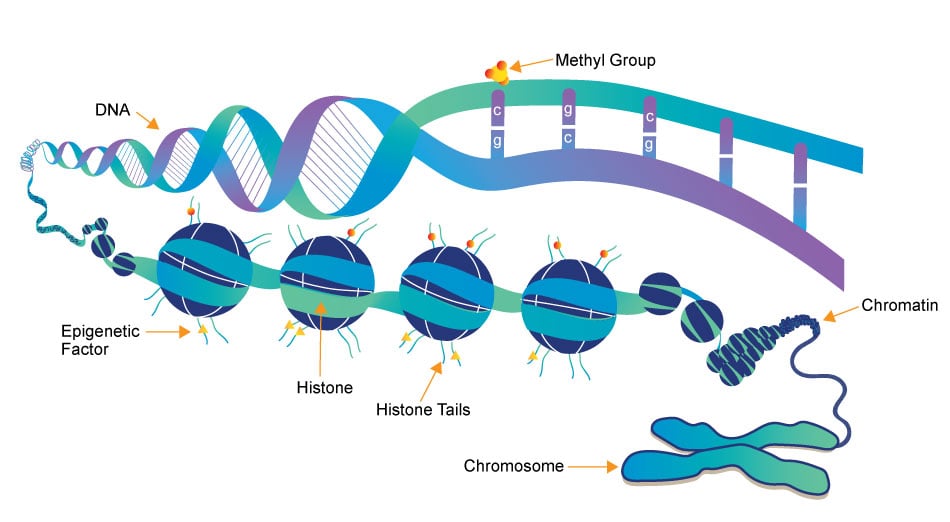
Epigenetics research delves into the molecular mechanisms that control gene expression and cellular traits without altering the underlying DNA sequence. One crucial aspect of this field is the role of small molecules, which act as powerful regulators of epigenetic modifications. These small compounds, typically comprising a few dozen to a few hundred atoms, have emerged as essential tools in understanding and manipulating the epigenome.
- DNA Methylation Inhibitors: Small molecules like 5-azacytidine and 5-aza-2'-deoxycytidine are DNA methyltransferase inhibitors. They block the addition of methyl groups to DNA, leading to DNA demethylation. This can reactivate silenced genes, potentially offering therapeutic avenues for conditions like cancer.
- HDAC inhibitors: HDACs remove acetyl groups from histone proteins, contributing to gene repression. Small molecule HDAC inhibitors, such as Vorinostat and Romidepsin, can reverse this process by increasing histone acetylation, allowing genes to be more accessible for transcription. These inhibitors are being explored for cancer therapy and other conditions.
- Histone Methyltransferase Inhibitors: Small molecules like GSK126 inhibit specific histone methyltransferases, affecting histone methylation patterns. This can alter gene expression, making them promising candidates for cancer and other diseases with epigenetic dysregulation.
- RNA Modulators: Small molecules can also target non-coding RNAs involved in epigenetic regulation. For instance, small molecules called small interfering RNAs (siRNAs) can be designed to target and degrade specific long non-coding RNAs, influencing gene expression.
- Epigenetic Reader Domain Inhibitors: These small molecules target proteins that recognize and bind to specific epigenetic marks. Examples include inhibitors of bromodomain-containing proteins (BET inhibitors), which can disrupt gene regulation by interfering with protein-DNA interactions.
Small molecules in epigenetics research not only provide insights into the fundamental biology of gene regulation but also hold immense promise for developing novel therapeutics. Their ability to selectively modulate specific epigenetic marks and pathways has led to ongoing clinical trials and drug development efforts for various diseases, including cancer, neurological disorders, and inflammatory conditions. Understanding and harnessing the power of these small molecules is at the forefront of modern epigenetics research, offering new hope for precision medicine and targeted therapies.
3 key components involved in the regulation of epigenetic modifications
Epigenetics Writer
Epigenetics writers are enzymes responsible for adding chemical marks or modifications to DNA or histone proteins. These marks include DNA methylation (addition of methyl groups to DNA) and histone modifications (such as acetylation, methylation, phosphorylation, etc.).
Epigenetics Reader
Function: Epigenetics readers are proteins that can recognize and bind to specific epigenetic marks on DNA or histones. These reader proteins interpret the epigenetic code and facilitate downstream cellular processes, such as gene activation or repression.
Epigenetics Eraser
Function: Epigenetics erasers are enzymes responsible for removing or reversing epigenetic marks on DNA or histones. This process allows for the dynamic regulation of gene expression and the resetting of epigenetic states during various stages of development and in response to environmental changes.
-
PARP Inhibitor
PARP1-IN-7 is a selective inhibitor of poly(ADP-ribose) polymerase-1 (PARP1), primarily functioning to disrupt DNA repair mechanisms in cancer cells. By inhibiting PARP1 activity, it enhances the cytotoxic effects of DNA-damaging agents, making it a valuable tool in cancer research. Its applications include studying mechanisms of tumorigenesis, evaluating synthetic lethality in cancer therapies, and exploring potential combinations with other anticancer agents. -
PARP Inhibitor
E7016 is a potent orally bioavailable inhibitor of PARP (Poly(ADP-ribose) polymerase). By inhibiting DNA repair mechanisms, E7016 enhances the radiosensitivity of tumor cells both in vitro and in vivo, making it a promising candidate for cancer therapeutics. This compound is useful in research applications focused on cancer treatment strategies involving DNA damage response and repair pathways. -
PARP Inhibitor
ART-IN-1 is a selective inhibitor of poly(ADP-ribose) polymerases (PARPs), with IC50 values of 19 µM for PARP2, 22 µM for TNKS2, 2.4 µM for PARP10, greater than 100 µM for PARP14, and 1.1 µM for PARP15. This compound is utilized in research focused on DNA damage repair mechanisms and cancer therapeutics, making it a valuable tool for studying PARP-related pathways and their implications in various diseases. ART-IN-1 is instrumental in elucidating the role of PARP inhibition in enhancing the efficacy of chemotherapy and targeted therapies. -
USP1/PARP1 Inhibitor
KSQ-4279 (gentisate) is a potent inhibitor of USP1 and selectively targets PARP1. This compound demonstrates significant potential in cancer research, showcasing its ability to disrupt key pathways involved in tumor progression and repair mechanisms. Its unique inhibitory properties make it a valuable tool for studying the molecular underpinnings of various cancer types and developing targeted therapeutic strategies. -
PARP1/2 Inhibitor
iVeliparib-AP6 is a proteolysis-targeting chimera (PROTAC) that functions as a potent inhibitor of PARP1 and PARP2. It demonstrates DC50 values for PARP1 and PARP2 degradation at 36 nM and 63 nM, respectively, with IC50 values of 69 nM and 21 nM. The compound contains a Veliparib-based PARP inhibitor warhead linked to a CRBN E3 ligase binder, utilizing Thalidomide to recruit CRBN E3 ubiquitin ligase, thereby facilitating effective degradation of PARP2. This innovative mechanism positions iVeliparib-AP6 as a valuable tool for studying PARP-related pathways and therapeutic strategies in cancer research. -
PARP-1 Inhibitor
PARP-1-IN-4 is a selective inhibitor of PARP-1, exhibiting an IC50 value of 302 μM. This compound is utilized in research focused on lung adenocarcinoma, where inhibiting PARP-1 activity may contribute to understanding cancer pathophysiology and therapeutic strategies. Its specificity for PARP-1 makes it a valuable tool in studying DNA repair mechanisms and their impact on cancer cell proliferation and survival. -
ARTD3/PARP3 Inhibitor
ARTD3/PARP3-IN-1 is an unselective inhibitor targeting diphtheria toxin-like ADP-ribosyltransferase 3 (ARTD3) and PARP3. This compound modulates ADP-ribosylation processes, influencing cellular responses to DNA damage and stress. It is primarily used in research applications investigating the roles of ARTD3 and PARP3 in cellular signaling, cell survival, and cancer biology. -
PARP-1 Inhibitor
LS-75 is a potent inhibitor of PARP-1, exhibiting an IC50 value of 18 μM and demonstrating blood-brain barrier permeability. This compound is recognized for its neuroprotective properties, making it a valuable tool for research in neurodegenerative diseases and cellular response to DNA damage. Its selective inhibition of PARP-1 activity lends itself to investigations of therapeutic strategies aimed at neurological health and related disorders. -
PARP Inhibitor
Rucaparib tartrate is a potent inhibitor of PARP proteins, specifically targeting PARP-1, PARP-2, and PARP-3, with a Ki value of 1.4 nM for PARP-1. This compound also exhibits modest inhibitory activity against hexose-6-phosphate dehydrogenase (H6PD). Rucaparib tartrate is primarily utilized in research related to castration-resistant prostate cancer (CRPC), making it a valuable reagent for studies involving DNA repair mechanisms and cancer therapeutics. -
PARP-1 Inhibitor
PARP1-IN-5 is a potent and selective inhibitor of PARP-1, exhibiting an IC50 of 14.7 nM. This compound demonstrates low toxicity and is orally active, making it suitable for in vivo studies. PARP1-IN-5 is primarily used in cancer research to elucidate the role of PARP-1 in DNA repair mechanisms and its potential as a therapeutic target in oncology. -
PARP Inhibitor
Venadaparib hydrochloride is a potent and selective inhibitor of poly(ADP-ribose) polymerase (PARP) with demonstrated anticancer activity. This compound is primarily utilized in research focused on solid tumors, aiding in the exploration of cancer therapies targeting DNA repair mechanisms. -
PARP Inhibitor
Rucaparib acetate is a potent oral inhibitor of PARP proteins, primarily PARP-1, with a Ki of 1.4 nM. By targeting PARP-1, PARP-2, and PARP-3, Rucaparib acetate induces synthetic lethality in cancer cells with defective homologous recombination. Its unique profile also includes modest inhibition of hexose-6-phosphate dehydrogenase (H6PD). This reagent is applicable in research for castration-resistant prostate cancer (CRPC) and other malignancies characterized by DNA repair deficiencies. -
PARP Inhibitor
Rucaparib hydrochloride is a potent, orally active inhibitor of PARP proteins, specifically targeting PARP-1, PARP-2, and PARP-3, with a Ki value of 1.4 nM for PARP-1. In addition to its principal function as a PARP inhibitor, Rucaparib exhibits modest inhibitory activity toward hexose-6-phosphate dehydrogenase (H6PD). This compound is primarily utilized in research focused on castration-resistant prostate cancer (CRPC), contributing to studies aimed at better understanding and overcoming resistance mechanisms in cancer therapy. -
PARP Inhibitor
Mefuparib is a potent poly ADP-ribose polymerase (PARP) inhibitor that demonstrates significant brain penetration attributed to its high protein binding affinity. This compound is utilized in cancer research to investigate the therapeutic potential of PARP inhibition in various malignancies. Its ability to interfere with DNA repair mechanisms makes it a valuable tool for studying tumor biology and treatment resistance. -
PARP7 Inhibitor
PARP7-IN-19 is a potent inhibitor of PARP7, exhibiting an IC50 of less than 10 nM. This compound is valuable for research focused on the role of PARP7 in tumor biology, enabling investigations into cancer progression and therapeutic targeting. Its high specificity makes it an important tool for studying the mechanisms underlying PARP7-related pathways in various cancer models. -
PARP Inhibitor
Lerzeparib is a potent inhibitor of poly(ADP-ribose) polymerase (PARP), demonstrating significant antineoplastic activity. By obstructing the PARP enzyme, Lerzeparib effectively disrupts DNA repair mechanisms in cancer cells, leading to increased cellular apoptosis. This compound is primarily utilized in cancer research to explore therapeutic strategies for tumors with homologous recombination deficiencies, such as BRCA-mutated cancers. -
PARP1 Inhibitor
PARP1-IN-9 is a potent inhibitor of PARP1, exhibiting an IC50 value of 30.51 nM. This compound effectively induces apoptosis in cancer cells, demonstrating significant anticancer activity. PARP1-IN-9 is useful for research applications related to cancer treatment and the study of DNA repair mechanisms. -
PARP1 Inhibitor
PARP1-IN-42 is a potent inhibitor of PARP1, exhibiting an IC50 value of less than 10 nM. This compound has demonstrated significant biological activity in disrupting DNA repair mechanisms, making it a valuable tool in cancer research. Its application can provide insights into the efficacy of PARP1 inhibition in various cancer models. -
PARP1 Degrader
iRucaparib-TP3 is a selective degrader of PARP1, exhibiting a DC50 of 36 nM. This compound is instrumental in research focused on oncology, particularly in the context of BRCA-mutated cancers, as well as in the investigation of neurodegenerative diseases. Its ability to modulate PARP1 levels positions it as a valuable tool for understanding the mechanisms underlying these diseases. -
PARP Inhibitor
ARTD10/PARP10-IN-1 is a potent and non-selective inhibitor of Poly(ADP-ribose) polymerases (PARPs), including ARTD7/PARP15, ARTD8/PARP14, ARTD10/PARP10, and ARTD1/PARP1, exhibiting IC50 values of 1.7 μM, 1.6 μM, 0.8 μM, and 4.4 μM respectively. This compound serves as a valuable tool for investigating the roles of mono-ADP-ribosylation and poly(ADP-ribosylation) in cellular processes. Its ability to inhibit multiple PARP family members makes it suitable for various research applications, including studies on DNA damage repair, cell proliferation, and apoptosis. -
PARP Inhibitor
GPI 15427 is a selective inhibitor of poly (ADP-ribose) polymerase-1 (PARP-1), an enzyme implicated in inflammatory responses. This compound exhibits significant anti-inflammatory activity, particularly in rodent models of gut injury such as splanchnic artery occlusion shock and dinitrobenzene sulfonic acid-induced colitis. GPI 15427 effectively reduces inflammatory cell infiltration, mitigates histological damage, and prevents poly (ADP-ribose) accumulation in the ileum and colon. Its application in research is valuable for studying the role of PARP-1 in inflammatory diseases and potential therapeutic strategies. -
HDAC Inhibitor
MHY219 is a potent histone deacetylase (HDAC) inhibitor with an IC50 of 0.276 μM, effectively inhibiting total HDAC enzyme activity. This compound promotes histone H3 and H4 hyperacetylation, leading to cell cycle arrest, apoptosis, and reduced proliferation in cancer cells. Additionally, MHY219 enhances cleavage of PARP, Bax, and cytochrome c levels, while upregulating androgen receptor expression and downregulating Bcl-2 expression. It serves as a valuable research tool for studying prostate cancer mechanisms and potential therapeutic strategies. -
PARP-1 Inhibitor
PARP-1-IN-13 is a potent inhibitor of the enzyme PARP-1, exhibiting an IC50 value of 26 nM. This compound effectively disrupts DNA single-strand break repair mechanisms and exacerbates DNA double-strand breakage. Through the activation of the mitochondrial apoptosis pathway, PARP-1-IN-13 promotes apoptosis in cancer cells, making it a valuable tool for research in cancer therapy and DNA repair pathways. -
PARP1/2 Inhibitor
YCH3292 is a highly potent and selective inhibitor of PARP1 and PARP2, displaying an IC50 of less than 0.001 nM. This compound enhances the stability of PARP-DNA complexes and demonstrates significant antiproliferative effects by inducing double-strand breaks in DNA and increasing the expression levels of γH2AX, P-RPA32, and P-Chk1. YCH3292 effectively causes cell cycle arrest in the S and G2/M phases and promotes apoptosis in tumor cells, making it a valuable reagent for cancer research, particularly in exploring therapeutic strategies targeting PARP pathways. In vivo studies indicate that YCH3292 inhibits tumor growth in the MC38 xenograft mouse model. -
PARP-1 Inhibitor
PARP-1-IN-1 is a highly selective and orally active inhibitor of PARP-1, exhibiting an IC50 of 0.96 nM. This compound demonstrates excellent tolerability and significant single-dose efficacy in the MDA-MB-436 xenotransplantation model. PARP-1-IN-1 is valuable for research in cancer biology and therapeutic applications targeting DNA repair mechanisms. -
PARP1 Inhibitor
PARP1-IN-54 is a selective inhibitor of the poly(ADP-ribose) polymerase 1 (PARP1) enzyme, which plays a crucial role in DNA repair mechanisms. This compound exhibits significant antitumor activity, making it a valuable tool in cancer research. Its inhibition of PARP1 can effectively enhance the therapeutic efficacy of DNA-damaging agents, and it is particularly relevant in studies focusing on cancer biology and treatment strategies involving synthetic lethality. -
PARP1 Inhibitor
PARP1-IN-47 is a highly selective inhibitor of the enzyme PARP1, demonstrating an IC50 value of less than 100 nM. By effectively blocking poly(ADP-ribosyl)ation, PARP1-IN-47 disrupts DNA damage repair mechanisms, leading to apoptosis in tumor cells. This compound holds potential for research applications in both solid tumors and hematological malignancies. -
PARP14 Inhibitor
PARP14 inhibitor 1 is a selective inhibitor of the poly(ADP-ribose) polymerase 14 (PARP14), demonstrating an IC50 of 5.52 nM. This compound exhibits anti-inflammatory properties and a half-life of 182 minutes in mouse liver microsomes. Its efficacy makes it a valuable tool for research in atopic dermatitis and related inflammatory disorders. -
PARP Probe
NCT-TFP is a PARP probe designed for the identification of Poly(ADP-ribose) polymerases (PARP) inhibitors, facilitating research in cancer therapeutics and DNA repair mechanisms. This reagent enables the assessment of PARP activity and its modulation, which is critical for studying cellular responses to DNA damage. NCT-TFP is essential for investigating the role of PARP in various biological processes and for developing targeted therapies. -
PARP-1/2 Inhibitor
PARP-1/2-IN-5 is a potent inhibitor of PARP-1 and PARP-2, with IC50 values of 118 nM and 11 nM, respectively. This compound is ideal for investigating its role in inflammatory diseases and neurodegenerative disorders, providing valuable insights into the therapeutic potential of PARP inhibition in these conditions. Researchers can utilize PARP-1/2-IN-5 to explore the molecular mechanisms underlying these diseases and assess potential treatment strategies. -
PARP-1/2 Inhibitor
HYDAMTIQ is a potent inhibitor of PARP-1 and PARP-2, exhibiting an IC50 range of 29-38 nM. It demonstrates significant anticancer activity, targeting various malignancies such as ovarian, breast, prostate, pancreatic cancers, and glioblastoma multiforme. Additionally, HYDAMTIQ shows anti-inflammatory properties by reducing pulmonary PARP activity and can alleviate symptoms associated with allergen-induced cough and dyspnea. It also exhibits protective effects in in vivo models of cerebral ischemia, asthma, and cancer. -
PARP1/2 Inhibitor
(rac)-Talazoparib is a potent inhibitor of PARP1 and PARP2, with Ki values of 1.2 nM and 0.87 nM, respectively. This orally active compound effectively inhibits cellular PARylation, demonstrating an EC50 of 2.51 nM. It induces DNA damage accumulation and significantly suppresses the proliferation of BRCA1/2-mutated cell lines, including MX-1 and Capan-1, with IC50 values of 0.3 nM and 5 nM, respectively. Additionally, (rac)-Talazoparib shows antitumor efficacy in various mouse models, making it a valuable tool for cancer research. -
PARP1 Inhibitor
PARP1-IN-8 is a potent inhibitor of the PARP1 enzyme, exhibiting an IC50 of 97 nM. This compound demonstrates significant anti-proliferative effects on the human lung adenocarcinoma cell line A549. It is suitable for research applications focused on cancer biology and the therapeutic potential of PARP1 modulation in oncology. -
PARP Inhibitor
Itareparib is a PARP inhibitor that demonstrates significant antineoplastic activity by preventing the repair of DNA damage in cancer cells. This mechanism enhances cell death in tumor tissues, making it a valuable reagent for cancer research, particularly in studies involving homologous recombination repair deficiencies. Its application extends to exploring combination therapies and resistance mechanisms in oncology. -
PARP11 Inhibitor
PARP11 inhibitor ITK7 is a potent and selective inhibitor targeting PARP11. It demonstrates strong inhibitory activity with an IC50 of 14 nM, making it a valuable tool for investigating the biological roles of PARP11. This compound can be utilized in research exploring cellular localization and the functional implications of PARP11 in various cellular contexts. -
PARP Inhibitor
FeTMPyP is an orally active poly (ADP-ribose) polymerase (PARP) inhibitor that exerts protective effects against cell death and mitochondrial dysfunction. It significantly mitigates nitrotyrosine formation and depolarization of the mitochondrial transmembrane potential. FeTMPyP has been shown to alleviate homocysteine-induced nitrosative stress, improve functional and behavioral outcomes in neuropathic pain models, and reduce acute cerebral infarction in ischemic conditions. This compound is valuable for research related to renal aging, ischemic penumbra, and hyperglycemic strokes. -
PARP14 Inhibitor
RBN-3143 is a potent NAD+-competitive inhibitor of PARP14, exhibiting an IC50 of 4 nM. This compound effectively inhibits PARP14-mediated ADP-ribosylation and stabilizes the enzyme in cellular contexts. RBN-3143 is ideal for investigating the role of PARP14 in lung inflammation and other related research applications. -
PARP16 Inhibitor
DB008 is a selective inhibitor of the enzyme PARP16, demonstrating a potent inhibitory effect with an IC50 value of 0.27 μM. This compound features a membrane-permeable acrylamide electrophilic moiety, enabling specific targeting of PARP16. Additionally, DB008 contains an alkyne group that allows for click chemistry applications, specifically facilitating copper-catalyzed azide-alkyne cycloaddition (CuAAc) with azide-containing molecules. Its unique properties make it a valuable tool for biochemical and molecular biology research involving PARP16. -
PARP-1 Inhibitor
DPQ is a selective inhibitor of PARP-1, effectively blocking PARP-1-mediated DNA repair mechanisms and reducing the consumption of NAD+ and ATP. This inhibition leads to a decrease in NF-κB pathway activation, resulting in lowered expression of pro-inflammatory cytokines such as TNF-α and IL-6, along with a reduction in oxidative stress levels. DPQ is applicable in research focused on inflammation-related conditions including acute lung injury, myocardial infarction, and neurodegenerative diseases. -
PARP1/2 Inhibitor
Senaparib is a potent and selective inhibitor of PARP1 and PARP2, functioning through the inhibition of DNA repair pathways. Its mechanism disrupts the ability of cancer cells to repair DNA damage, leading to increased antitumor activity. Senaparib has demonstrated significant efficacy in various preclinical cancer models, making it a valuable tool for research in cancer biology and therapeutic development. -
PARP 1/2 Inhibitor
Venadaparib is a selective and potent inhibitor of PARP1 and PARP2, exhibiting IC50 values of 1.4 nM and 1.0 nM, respectively. This orally active compound effectively impedes the repair of DNA single-strand breaks (SSB). Venadaparib is relevant for research applications targeting solid tumors and investigating the role of PARP in DNA damage response pathways. -
PARP Inhibitor
1,5-Isoquinolinediol is a potent inhibitor of poly(ADP-ribose) polymerase (PARP), exhibiting an IC50 range of 0.18-0.37 μM. This compound is particularly effective in mitigating diabetes-induced oxidative stress through the inhibition of NADPH oxidase in retinal tissues. Its ability to modulate cellular responses to oxidative stress makes it a valuable tool for research into diabetes-related complications and neuroprotection. -
PARP Inhibitor
N-Descyclopropanecarbaldehyde Olaparib is a potent PARP inhibitor, serving as an analogue of Olaparib with a DOTA moiety. This compound is utilized in the synthesis of novel dual EGFR and PARP PROTAC, designated as DP-C-4. Additionally, N-Descyclopropanecarbaldehyde Olaparib can be radiolabeled with F-18 or fluorophores, enabling its application in positron emission tomography (PET) and optical imaging for various tumor types. -
PARP1 Inhibitor
PARPi-FL is a small-molecule fluorescent inhibitor targeting PARP1. It binds selectively to PARP1 and is utilized as a fluorescent imaging agent, facilitating tumor detection, diagnosis, and surgical guidance. This compound serves as a valuable tool in cancer research, offering insights into PARP1 activity in various biological contexts. -
PARP7 Inhibitor
PARP7-IN-15 is a selective inhibitor of PARP7, exhibiting an IC50 of 0.56 nM. This compound demonstrates significant antitumor activity, making it a valuable tool for cancer research. Its potency in inhibiting PARP7 can facilitate studies focused on DNA repair mechanisms and cancer cell proliferation. -
PARP Inhibitor
Nesuparib is a potent inhibitor of PARP 1 and 2, as well as Tankyrase 1 and 2, with IC50 values of 5 nM, 1 nM, and 2 nM, respectively. This orally bioavailable compound demonstrates significant antitumor activity, making it a valuable tool for researching advanced solid tumors. Its selective inhibition of critical DNA repair pathways highlights its potential in cancer therapy and provides important insights into targeted treatment strategies. -
PARP1/2/6 Inhibitor
AZ9482 is a potent inhibitor of PARP1, PARP2, and PARP6, exhibiting IC50 values of 1 nM for both PARP1 and PARP2, and 640 nM for PARP6. This compound effectively disrupts the DNA repair pathway in cancer cells, making it a valuable tool for studying cellular response to DNA damage. AZ9482 is appropriate for applications in cancer research, particularly in the context of synthetic lethality and therapeutic resistance. -
PARP-1/2/7 Inhibitor
PARP7-IN-16 is a selective and orally bioavailable inhibitor of PARP-1, PARP-2, and PARP-7, exhibiting IC50 values of 0.94 nM, 0.87 nM, and 0.21 nM, respectively. This compound serves as a valuable research tool for investigating the roles of PARP enzymes in cellular processes and their implications in oncogenesis. It is particularly relevant for studies focusing on breast cancer and prostate cancer, providing insights into therapeutic strategies that target DNA repair mechanisms. -
PROTAC PARP1 Degrader
PROTAC PARP1 degrader-1 is a potent degrader targeting PARP1 through the PROTAC mechanism. This compound facilitates the activation of the cGAS/STING immune pathway, enhancing T cell-mediated cytotoxicity against tumor cells. Additionally, by inhibiting DNA damage repair, PROTAC PARP1 degrader-1 promotes the accumulation of cytosolic DNA fragments, making it a valuable tool for research in cancer immunotherapy and the study of DNA repair mechanisms. -
PARP Inhibitor
K-756 is a selective tankyrase (TNKS) inhibitor that effectively inhibits the ADP-ribosylation activity of TNKS1 and TNKS2, exhibiting IC50 values of 31 nM and 36 nM, respectively. This compound plays a significant role in the study of various cancer-related pathways and cellular processes influenced by tankyrase activity. K-756 is applicable in research focused on DNA repair mechanisms, cellular signaling, and the modulation of Wnt signaling pathways.
