






Epigenetics
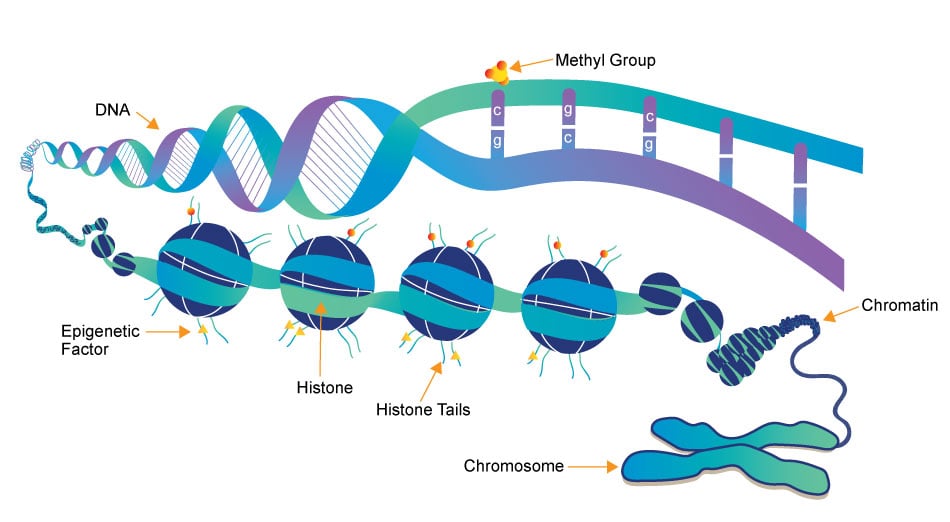
Epigenetics research delves into the molecular mechanisms that control gene expression and cellular traits without altering the underlying DNA sequence. One crucial aspect of this field is the role of small molecules, which act as powerful regulators of epigenetic modifications. These small compounds, typically comprising a few dozen to a few hundred atoms, have emerged as essential tools in understanding and manipulating the epigenome.
- DNA Methylation Inhibitors: Small molecules like 5-azacytidine and 5-aza-2'-deoxycytidine are DNA methyltransferase inhibitors. They block the addition of methyl groups to DNA, leading to DNA demethylation. This can reactivate silenced genes, potentially offering therapeutic avenues for conditions like cancer.
- HDAC inhibitors: HDACs remove acetyl groups from histone proteins, contributing to gene repression. Small molecule HDAC inhibitors, such as Vorinostat and Romidepsin, can reverse this process by increasing histone acetylation, allowing genes to be more accessible for transcription. These inhibitors are being explored for cancer therapy and other conditions.
- Histone Methyltransferase Inhibitors: Small molecules like GSK126 inhibit specific histone methyltransferases, affecting histone methylation patterns. This can alter gene expression, making them promising candidates for cancer and other diseases with epigenetic dysregulation.
- RNA Modulators: Small molecules can also target non-coding RNAs involved in epigenetic regulation. For instance, small molecules called small interfering RNAs (siRNAs) can be designed to target and degrade specific long non-coding RNAs, influencing gene expression.
- Epigenetic Reader Domain Inhibitors: These small molecules target proteins that recognize and bind to specific epigenetic marks. Examples include inhibitors of bromodomain-containing proteins (BET inhibitors), which can disrupt gene regulation by interfering with protein-DNA interactions.
Small molecules in epigenetics research not only provide insights into the fundamental biology of gene regulation but also hold immense promise for developing novel therapeutics. Their ability to selectively modulate specific epigenetic marks and pathways has led to ongoing clinical trials and drug development efforts for various diseases, including cancer, neurological disorders, and inflammatory conditions. Understanding and harnessing the power of these small molecules is at the forefront of modern epigenetics research, offering new hope for precision medicine and targeted therapies.
3 key components involved in the regulation of epigenetic modifications
Epigenetics Writer
Epigenetics writers are enzymes responsible for adding chemical marks or modifications to DNA or histone proteins. These marks include DNA methylation (addition of methyl groups to DNA) and histone modifications (such as acetylation, methylation, phosphorylation, etc.).
Epigenetics Reader
Function: Epigenetics readers are proteins that can recognize and bind to specific epigenetic marks on DNA or histones. These reader proteins interpret the epigenetic code and facilitate downstream cellular processes, such as gene activation or repression.
Epigenetics Eraser
Function: Epigenetics erasers are enzymes responsible for removing or reversing epigenetic marks on DNA or histones. This process allows for the dynamic regulation of gene expression and the resetting of epigenetic states during various stages of development and in response to environmental changes.
-
LSD1 Inhibitor
LSD1-IN-29 is a potent inhibitor of Lysine-specific demethylase 1 (LSD1), demonstrating an IC50 value of 19 nM. This compound effectively modulates LSD1 activity, making it a valuable tool for investigating epigenetic regulation and gene expression mechanisms. It is applicable in research focusing on cancer biology, neurodegenerative diseases, and other conditions influenced by methylation status. -
LSD1 Inhibitor
NCD-25 is a selective inhibitor of lysine-specific demethylase 1 (LSD1), exhibiting an IC50 of 0.48 μM. This compound is effective in modulating epigenetic regulation through its inhibition of LSD1, which plays a key role in the demethylation of histone proteins. NCD-25 is valuable for research applications focused on cancer biology, developmental processes, and drug discovery involving epigenetic mechanisms. -
LSD1 Inhibitor
rel-OG-L002 (hydrochloride) is a selective inhibitor of lysine-specific demethylase 1 (LSD1). It demonstrates potent inhibition of LSD1 activity, leading to increased levels of methylated histones, which can influence gene expression regulation. This compound is valuable for research in cancer biology, epigenetics, and the study of histone methylation pathways. -
LSD1 Inhibitor
OG-L002 hydrochloride is a selective inhibitor of lysine-specific demethylase 1 (LSD1) with an IC50 value of 0.02 μM, demonstrating robust inhibition of this target. Additionally, it acts as a potent monoamine oxidase (MAO) inhibitor, with IC50 values of 1.38 μM and 0.72 μM for MAO-A and MAO-B, respectively. This compound has potential applications in research related to gene expression regulation and the modulation of herpes simplex virus immediate early genes. -
LSD1 Inhibitor
LSD1-IN-46 is a potent and orally bioavailable inhibitor of Lysine-specific demethylase 1 (LSD1), exhibiting an IC50 of 0.082 μM. By disrupting the β-catenin-mediated transcriptional program, LSD1-IN-46 effectively diminishes the stemness characteristics of gastric cancer cells. This compound demonstrates significant anti-tumor activity, making it a valuable reagent for research into gastric cancer therapeutics. -
LSD1 Inhibitor
LSD1-IN-22 is a potent inhibitor of Lysine-specific demethylase 1 (LSD1) with an inhibitory constant (Ki) of 98 nM. This compound exhibits anti-proliferative activity in various cancer cell lines, making it a valuable tool for studying the role of LSD1 in cancer biology. Its inhibition of LSD1 can aid in exploring therapeutic strategies targeting epigenetic modifications in cancer treatment. -
LSD1 Inhibitor
LSD1-IN-39 is a reversible inhibitor of lysine-specific demethylase 1 (LSD1) with an IC50 of 0.18 μM. This compound demonstrates significant anti-proliferative effects across various cancer cell lines, effectively inhibits HepG2 cell migration, and prevents epithelial-mesenchymal transition. Furthermore, LSD1-IN-39 exhibits notable antitumor activity in murine models, making it a valuable tool for cancer research. -
KDM5B Inhibitor
KDM5B-IN-3 is a selective inhibitor of histone lysine-specific demethylase 5B (KDM5B/JARID1B), displaying an IC50 of 9.32 μM. This compound is instrumental in studying the epigenetic regulation associated with gastric cancer. It provides a valuable tool for researchers investigating KDM5B's role in tumorigenesis and therapeutic strategies targeting histone modifications. -
LSD1 Inhibitor
LSD1-IN-19 is a potent and selective inhibitor of the lysine-specific demethylase 1 (LSD1), exhibiting a Ki value of 0.108 μM and a KD of 0.068 μM. This compound demonstrates significant antiproliferative activity in THP-1 leukemia cells and MDA-MB-231 breast cancer cells, with IC50 values of 0.17 μM and 0.40 μM, respectively, over a 72-hour treatment period. LSD1-IN-19 is valuable for investigating the role of LSD1 in cancer biology and may serve as a potential therapeutic candidate in the treatment of cancers driven by epigenetic regulation. -
LSD1 Inhibitor
LSD1-IN-12 is a potent inhibitor of lysine-specific demethylase 1 (LSD1), exhibiting a Ki value of 1.1 μM for LSD1. Additionally, it demonstrates moderate inhibition of LSD2, MAO-A, and MAO-B with Ki values of 61 μM, 2.3 μM, and 3.5 μM, respectively. This compound is valuable for studying the role of LSD1 in epigenetic regulation and its implications in various diseases, including cancer and neurodegenerative disorders. -
LSD1 Inhibitor
LSD1-IN-13 is a potent inhibitor of lysine-specific demethylase 1 (LSD1), exhibiting an IC50 of 24.43 nM. This orally active compound has been shown to enhance CD86 expression with an EC50 of 470 nM. Additionally, LSD1-IN-13 promotes differentiation in acute myeloid leukemia (AML) cell lines, making it a valuable tool for investigating epigenetic regulation in cancer research. -
LSD1 Inhibitor
LSD1/2-IN-3 is a selective inhibitor of lysine-specific demethylase 1 (LSD1) with a Ki value of 11 nM, demonstrating significantly lower affinity for LSD2 (7 μM). This compound effectively inhibits LSD1-mediated cell proliferation, particularly in cancer stem cells, highlighting its potential for oncological research. It is valuable for investigations into epigenetic regulation and therapeutic strategies targeting LSD1 in cancer. -
JMJD7 Inhibitor
JMJD7-IN-1 is a selective inhibitor of the JMJD7 enzyme, exhibiting an IC50 value of 6.62 μM. This compound effectively inhibits JMJD7 activity in cells with elevated JMJD7 expression levels. It serves as a valuable tool for investigating the biological functions of JMJD7 and its role in various cellular processes. This compound is suitable for research applications in epigenetics and cancer biology. -
LSD1 Inhibitor
LSD1-IN-24 is a selective inhibitor of lysine-specific demethylase 1 (LSD1) with an IC50 of 0.247 μM. This compound has been shown to modulate the expression of PD-L1, thereby enhancing T cell-mediated cytotoxicity. It is primarily utilized in cancer research to explore the effects of LSD1 inhibition on immune response and tumor progression. -
LSD1 Inhibitor
Pulrodemstat is a potent and reversible inhibitor of lysine specific demethylase-1 (LSD1), exhibiting an IC50 of 0.25 nM, while demonstrating minimal inhibition of LSD2, MAO-A, and MAO-B. This compound effectively promotes differentiation in acute myeloid leukemia (AML) and small cell lung cancer (SCLC) cells, showcasing its significant anticancer properties. Due to its selective action, Pulrodemstat serves as a valuable tool for exploring the therapeutic potential of LSD1 inhibition in cancer research. -
LSD1 Inhibitor
INCB059872 dihydrochloride is a selective and irreversible inhibitor of Lysine-Specific Demethylase 1 (LSD1). This compound demonstrates potent biological activity and is primarily utilized in research focused on myeloid leukemia. Its ability to modulate LSD1 activity makes it a valuable tool for exploring demethylation processes in cancer biology. -
LSD1 Inhibitor
CBB1007 trihydrochloride is a reversible and selective inhibitor of lysine-specific demethylase 1 (LSD1), exhibiting an IC50 of 5.27 µM for human LSD1. It effectively inhibits LSD1's demethylase activity on H3K4Me2 and H3K4Me, demonstrating notable selectivity for LSD1 over LSD2 and JARID1A. This compound has significant implications in cancer research, particularly in non-pluripotent models, as it promotes the expression of differentiation-related genes in pluripotent cells and is being explored in the context of teratocarcinoma, embryonic carcinoma, and seminoma. -
LSD1 Inhibitor
Bizine is a selective inhibitor of lysine-specific demethylase 1 (LSD1), exhibiting a Ki value of 59 nM. This compound effectively modulates bulk histone methylation in cancer cells, contributing to alterations in gene expression. Additionally, Bizine demonstrates neuroprotective properties, making it a valuable tool for research into mechanisms of neurodegeneration and cancer biology. -
LSD1 Inhibitor
LSD1-IN-30 is a potent inhibitor of lysine-specific demethylase 1 (LSD1), exhibiting an IC50 value of 0.291 μM. This compound effectively inhibits LSD1 activity, making it a valuable tool for studies investigating epigenetic regulation and its implications in various biological processes. Additionally, LSD1-IN-30 can be utilized in research related to cancer, neurobiology, and other disorders associated with dysregulated histone methylation. -
KDM4D Inhibitor
Zavondemstat L-lysine is a selective inhibitor of histone lysine demethylase 4D (KDM4D), a crucial enzyme involved in histone modification and epigenetic regulation. This compound exhibits notable antineoplastic activity, making it valuable in cancer research and investigations into epigenetic therapies. Its ability to modulate histone methylation contributes to the understanding of tumor biology and the development of novel therapeutic strategies targeting KDM4D-related pathways. -
KDM5 Inhibitor
KDOAM-25 is a selective inhibitor of histone lysine demethylases 5 (KDM5) with reported IC50 values of 71 nM, 19 nM, 69 nM, and 69 nM for KDM5A, KDM5B, KDM5C, and KDM5D, respectively. This compound enhances global H3K4 methylation at transcriptional start sites, thereby modulating gene expression. KDOAM-25 demonstrates potential in addressing proliferative disorders, particularly in multiple myeloma cell lines such as MM1S, making it a valuable tool for investigating epigenetic regulation and its implications in cancer research. -
KDM4 inhibitor
NCDM-32B is a selective inhibitor of KDM4, demonstrating IC50 values of 3.0 μM for KDM4A and 1.0 μM for KDM4C in in vitro enzyme assays. This compound significantly enhances global levels of H3K9me3/me2 in basal breast cancer cells, contributing to impaired cell viability in KDM4C-amplified breast cancer cell lines such as HCC1954 and Colo824. NCDM-32B serves as a valuable tool for investigating the role of KDM4 in breast cancer research and therapeutic development. -
LSD1 Inhibitor
CBB1007 hydrochloride is a reversible and selective inhibitor of lysine-specific demethylase 1 (LSD1), exhibiting an IC50 of 5.27 µM for human LSD1. It effectively inhibits the demethylase activity of LSD1 on histone substrates H3K4Me2 and H3K4Me, demonstrating selectivity over LSD2 and JARID1A. This compound is involved in promoting the expression of differentiation-related genes in pluripotent cells and finds applications in cancer research, particularly in the study of teratocarcinoma, embryonic carcinoma, and seminoma. -
LSD1 Inhititor
Pulrodemstat Methylbenzenesulfonate is a selective, reversible inhibitor of lysine-specific demethylase-1 (LSD1), exhibiting an IC50 of 0.25 nM. This compound demonstrates minimal inhibition of LSD2, monoamine oxidase A, and monoamine oxidase B. Pulrodemstat Methylbenzenesulfonate effectively induces differentiation in acute myeloid leukemia (AML) and small cell lung cancer (SCLC) cells, showcasing significant anticancer activity. Its targeted action positions it as a valuable reagent in cancer research and therapeutic studies. -
EGFR/LSD1 Inhibitor
ZJY-54 is a potent dual-target inhibitor of EGFR and LSD1, exhibiting IC50 values of 3.8 nM and 0.6 μM, respectively. This compound effectively inhibits the proliferation of non-small cell lung cancer cells and promotes the accumulation of H3K4me2 and H3K9me2 modifications. Additionally, ZJY-54 disrupts the phosphorylation of the EGFR signaling pathway, demonstrating significant anti-tumor activity suitable for cancer research applications. -
LSD1 Inhibitor
T-448 free base is a selective, orally active, and irreversible inhibitor of lysine-specific demethylase 1 (LSD1), targeting H3K4 demethylation with an IC50 of 22 nM. This compound promotes H3K4 methylation in primary cultured rat neurons, making it a valuable tool for investigating epigenetic regulation in neurobiology and related research applications. -
EP300/CBP Inhibitor
DS17701585 is a selective inhibitor of EP300 and CBP, demonstrating IC50 values of 0.040 µM for CBP, 0.15 µM for EP300, 0.45 µM for H3K27, and 0.70 µM for SOX2. This compound is orally active and is primarily utilized in cancer research to explore the roles of histone acetyltransferases and related transcriptional regulators in tumorigenesis. Its specificity and potency make it a valuable tool for investigating the epigenetic mechanisms underlying various cancers. -
LSD1 Inhibitor
LSD1-IN-13 hydrochloride is a potent inhibitor of the lysine-specific demethylase 1 (LSD1) enzyme, exhibiting an IC50 of 24.43 nM. This compound enhances CD86 expression with an EC50 of 470 nM and promotes the differentiation of acute myeloid leukemia (AML) cell lines. It serves as a valuable tool for research focused on epigenetic regulation and the therapeutic modulation of leukemia. -
LSD1 Inhibitor
Namoline is a selective and reversible inhibitor of Lysine-specific demethylase 1 (LSD1), exhibiting an IC50 of 51 μM in HRP-coupled enzymatic assays. This compound effectively impairs the demethylase activity of LSD1, resulting in the inhibition of cell proliferation. Namoline shows promise for applications in research related to androgen-dependent prostate cancer. -
LSD1 Inhibitor
MC2652 is a potent inhibitor of the lysine-specific demethylase 1 (LSD1). It exhibits significant inhibitory effects in MV4-11 and NB4 leukemia cells, indicating strong potential for hematological research. Additionally, MC2652 demonstrates antiproliferative activity against prostate cancer LNCaP cells, making it a valuable tool for exploring therapeutic strategies in oncology. -
LSD1 Inhibitor
FY-21 is a selective inhibitor of lysine-specific demethylase 1 (LSD1), exhibiting an IC50 of 340 nM. This compound demonstrates significant anti-proliferative effects and inhibits colony formation in cancer cells. Additionally, FY-21 enhances p53 expression while down-regulating HOXA9 and MEIS1, contributing to its potential in inducing differentiation in leukemia cells, thereby providing a promising avenue for antitumor research applications. -
KDM4 Inhibitor
KDM4-IN-4 is a potent inhibitor of histone lysine demethylase 4 (KDM4), specifically targeting the Tudor domain of KDM4A with a binding affinity of approximately 80 µM. This compound demonstrates the ability to inhibit the interaction of H3K4Me3 with the Tudor domain in cellular contexts, exhibiting an EC50 value of 105 µM. KDM4-IN-4 is utilized in anticancer research to explore its role in epigenetic regulation and potential therapeutic applications. -
LSD1 Inhibitor
LSD1-IN-34 is a potent inhibitor of Lysine-specific demethylase 1 (LSD1) and monoamine oxidase A (MAO). It demonstrates IC50 values of 4.51 nM for LSD1 and 18.46 nM for MAO A, effectively blocking the activation of neonatal rat myocardial fibroblasts (NRCFs) induced by Ang II, with minimal toxicity at 20 μM. Furthermore, LSD1-IN-34 disrupts the TGFβ/Smad signaling pathway, providing therapeutic potential in ameliorating heart failure in mouse models. The compound also shows favorable pharmacokinetic properties in rats, supporting its use in cardiovascular research. -
LSD1 Inhibitor
LSD1-IN-27 is a potent inhibitor of the lysine-specific demethylase 1 (LSD1), exhibiting an IC50 of 13 nM. This compound effectively inhibits the stemness and migratory capacity of gastric cancer cells while decreasing PD-L1 expression in BGC-823 and MFC cell lines. Additionally, LSD1-IN-27 has been shown to enhance T cell immune responses in the context of gastric cancer, making it a valuable tool for research in cancer immunotherapy and cellular differentiation studies. -
LSD1/EGFR Inhibitor
LSD1/EGFR-IN-1 is a potent inhibitor of lysine-specific demethylase 1 (LSD1) and several mutant forms of the epidermal growth factor receptor (EGFR), specifically EGFRT790M/L858R and EGFRL858R/T790M/C797S, exhibiting IC50 values of 6.24 μM, 2.06 μM, and 5.01 μM, respectively. This compound is significant for cancer research, particularly in studies focusing on targeted therapies and resistance mechanisms associated with EGFR mutations. Its application in preclinical models can aid in the understanding of tumorigenesis and the efficacy of combination therapies. -
HSP90/LSD1 Inhibitor
HSP90/LSD1-IN-1 is a dual inhibitor targeting HSP90 and LSD1, effectively disrupting their interaction and function. This compound demonstrates significant antiproliferative activity in prostate cancer cell lines, exhibiting GI50 values of 0.24 μM for PC-3 and 0.30 μM for DU145. It is a valuable tool for research into therapeutic strategies against prostate cancer and the role of chaperone proteins and histone demethylases in tumor biology. -
JARID1B Inhibitor
YU185530 is a selective inhibitor of JARID1B, a histone demethylase involved in the regulation of gene expression. It has demonstrated biological activity in modulating epigenetic landscapes associated with cancer progression. This compound is primarily utilized in cancer research to explore the therapeutic potential of targeting JARID1B in various malignancies. -
KDM1A Inhibitor
DDP-38003 is a potent inhibitor of KDM1A/LSD1, with an IC50 value measured at 84 nM. This compound demonstrates significant anticancer activity, particularly against promyelocytic leukemia cells. DDP-38003 is suitable for research applications focused on gene regulation, epigenetic modulation, and cancer therapeutics. -
LSD1 Inhibitor
LSD1-UM-109 is a potent and reversible inhibitor of lysine-specific demethylase 1 (LSD1), exhibiting an IC50 of 3.1 nM. It demonstrates significant antiproliferative activity, with IC50 values of 0.6 nM in the MV4;11 acute leukemia cell line and 1.1 nM in the H1417 small-cell lung cancer cell line. This compound is valuable for research into cancer biology and the epigenetic regulation of gene expression, making it a crucial tool for studying LSD1’s role in various malignancies. -
LSD1 Inhibitor
LSD1-IN-41 is a potent and selective inhibitor of lysine-specific demethylase 1 (LSD1). It demonstrates significant biological activity in cancer research, particularly in the context of diffuse intrinsic pontine glioma (DIPG), especially when used in combination with histone deacetylase (HDAC) inhibitors. This compound serves as a valuable tool for investigating epigenetic regulation and therapeutic strategies in cancer treatment. -
KDM4C Inhibitor
KDM4C-IN-2 is a selective inhibitor of the histone lysine demethylase KDM4C, exhibiting an IC50 value of 147 μM and a Ki of 51 μM. This compound plays a crucial role in regulating histone methylation, making it valuable for cancer research, particularly in the study of prostate and breast cancer. KDM4C-IN-2 can aid in understanding the epigenetic mechanisms underlying tumorigenesis and potential therapeutic strategies. -
LSD1 Inhibitor
INCB059872 tosylate is a potent, selective inhibitor of lysine-specific demethylase 1 (LSD1). By binding to and inhibiting LSD1, this compound enhances H3K4 methylation, which increases the expression of tumor suppressor genes. Additionally, the inhibition of LSD1 promotes H3K9 methylation, leading to a decrease in the transcription of genes associated with tumor promotion. Its properties make INCB059872 tosylate valuable for research on epigenetic regulation and cancer therapy. -
LSD1 Inhibitor
S1427 is a tranylcypromine-derived inhibitor of lysine-specific demethylase 1 (LSD1) with an IC50 of 390 nM and a Ki of 80 nM. This compound demonstrates selective inhibition of the hERG channel and displays favorable microsomal stability profiles. S1427 has been shown to partially reduce the proliferation of cancer cells, making it a valuable tool for research in cancer biology and epigenetic regulation. -
LSD1 Inhibitor
LSD1-IN-23 is a mixed inhibitor of lysine-specific demethylase 1 (LSD1), exhibiting both competitive and non-competitive inhibition patterns. With an IC50 value of 0.58 μM, it effectively inhibits LSD1 activity, making it a valuable tool for investigating the role of LSD1 in neuroblastoma (NB) research and related studies on cancer epigenetics. -
LSD Inhibitor
LSD1/2-IN-4 is an inhibitor of lysine-specific demethylase 1 (LSD1) and lysine-specific demethylase 2 (LSD2), exhibiting Ki values of 0.11 μM and 130 μM, respectively. This compound selectively inhibits demethylase activity, making it valuable for studying epigenetic regulation in various biological processes. LSD1/2-IN-4 has potential applications in cancer research, including investigations into T-cell acute lymphoblastic leukemia (TALL), providing insights into therapeutic strategies targeting demethylase pathways. -
LSD1 Inhibitor
NCL1 is a selective inhibitor of Lysine-specific demethylase 1 (LSD1), a pivotal enzyme in the regulation of gene expression through histone modification. With an IC50 value of 2.5 μM for LSD1 and 26 μM for LSD2, NCL1 demonstrates a preferential inhibition of LSD1 over its close homolog. This compound is primarily utilized in research applications related to epigenetics, cancer biology, and neurodegenerative disorders, facilitating investigations into the molecular mechanisms of gene regulation. -
LSD1 Inhibitor
cis-4-Br-2,5-F2-PCPA is a selective inhibitor of lysine-specific demethylase 1 (LSD1), demonstrating a Ki value of 94 nM for LSD1 compared to 8.4 μM for LSD2. This compound effectively inhibits LSD1 activity, resulting in reduced proliferation of cancer stem cells by increasing the levels of dimethylated histone H3 at lysine 4 (H3K4) in CCRF-CEM cells. Its selective action makes cis-4-Br-2,5-F2-PCPA a valuable tool for research on epigenetic regulation and cancer biology. -
KDM5 Demethylases Inhibitor
KDM5-C49 is a potent and selective inhibitor of KDM5 demethylases, exhibiting IC50 values of 40 nM, 160 nM, and 100 nM for KDM5A, KDM5B, and KDM5C, respectively. This compound plays a critical role in epigenetic research, particularly in the study of cancer biology. It provides valuable insights into the mechanisms of gene regulation and the potential therapeutic strategies targeting KDM5 demethylases in cancer treatment. -
LSD1 Inhibitor
LSD1-IN-48 is a selective inhibitor of lysine-specific demethylase 1 (LSD1), featuring a tranylcypromine-pyrimidine structure with a human IC50 of 7.87 nM. This compound enhances histone methylation levels of H3K4me1 and H3K4me2, promoting apoptosis in cancer cells. Additionally, LSD1-IN-48 upregulates CD86 and downregulates SOX2 and CD44, leading to reduced cell proliferation. It is particularly useful for research into acute myeloid leukemia. -
LSD1 Inhibitor
LSD1-IN-35 is a selective inhibitor of lysine-specific demethylase 1 (LSD1) with an IC50 of 108 nM. By inhibiting the demethylation of H3K4me1/2, LSD1-IN-35 acts as an immunomodulator, enhancing the response of gastric cancer cells to T-cell-mediated cytotoxicity. This compound decreases PD-L1 expression, thereby mitigating the PD-1/PD-L1 interaction, which is critical in tumor immune evasion. Its potential applications include cancer research and the study of immune regulation in tumor microenvironments.
