






Epigenetics
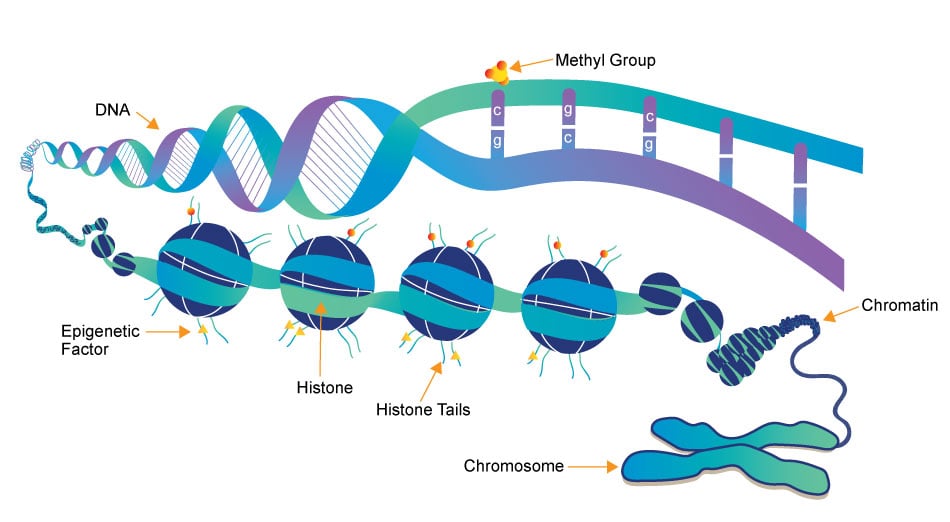
Epigenetics research delves into the molecular mechanisms that control gene expression and cellular traits without altering the underlying DNA sequence. One crucial aspect of this field is the role of small molecules, which act as powerful regulators of epigenetic modifications. These small compounds, typically comprising a few dozen to a few hundred atoms, have emerged as essential tools in understanding and manipulating the epigenome.
- DNA Methylation Inhibitors: Small molecules like 5-azacytidine and 5-aza-2'-deoxycytidine are DNA methyltransferase inhibitors. They block the addition of methyl groups to DNA, leading to DNA demethylation. This can reactivate silenced genes, potentially offering therapeutic avenues for conditions like cancer.
- HDAC inhibitors: HDACs remove acetyl groups from histone proteins, contributing to gene repression. Small molecule HDAC inhibitors, such as Vorinostat and Romidepsin, can reverse this process by increasing histone acetylation, allowing genes to be more accessible for transcription. These inhibitors are being explored for cancer therapy and other conditions.
- Histone Methyltransferase Inhibitors: Small molecules like GSK126 inhibit specific histone methyltransferases, affecting histone methylation patterns. This can alter gene expression, making them promising candidates for cancer and other diseases with epigenetic dysregulation.
- RNA Modulators: Small molecules can also target non-coding RNAs involved in epigenetic regulation. For instance, small molecules called small interfering RNAs (siRNAs) can be designed to target and degrade specific long non-coding RNAs, influencing gene expression.
- Epigenetic Reader Domain Inhibitors: These small molecules target proteins that recognize and bind to specific epigenetic marks. Examples include inhibitors of bromodomain-containing proteins (BET inhibitors), which can disrupt gene regulation by interfering with protein-DNA interactions.
Small molecules in epigenetics research not only provide insights into the fundamental biology of gene regulation but also hold immense promise for developing novel therapeutics. Their ability to selectively modulate specific epigenetic marks and pathways has led to ongoing clinical trials and drug development efforts for various diseases, including cancer, neurological disorders, and inflammatory conditions. Understanding and harnessing the power of these small molecules is at the forefront of modern epigenetics research, offering new hope for precision medicine and targeted therapies.
3 key components involved in the regulation of epigenetic modifications
Epigenetics Writer
Epigenetics writers are enzymes responsible for adding chemical marks or modifications to DNA or histone proteins. These marks include DNA methylation (addition of methyl groups to DNA) and histone modifications (such as acetylation, methylation, phosphorylation, etc.).
Epigenetics Reader
Function: Epigenetics readers are proteins that can recognize and bind to specific epigenetic marks on DNA or histones. These reader proteins interpret the epigenetic code and facilitate downstream cellular processes, such as gene activation or repression.
Epigenetics Eraser
Function: Epigenetics erasers are enzymes responsible for removing or reversing epigenetic marks on DNA or histones. This process allows for the dynamic regulation of gene expression and the resetting of epigenetic states during various stages of development and in response to environmental changes.
-
HDAC6 Inhibitor
KA2507 monohydrochloride is a potent and highly selective inhibitor of the histone deacetylase enzyme HDAC6, exhibiting an IC50 value of 2.5 nM. This compound demonstrates significant antitumor efficacy and has been found to modulate immune responses, making it valuable for research into cancer therapies and immunological studies. Researchers may utilize KA2507 monohydrochloride to explore novel treatment strategies in oncology and immune regulation. -
LSD1/HDAC6 Inhibitor
LSD1/HDAC6-IN-1 is a dual inhibitor targeting lysine-specific demethylase 1 (LSD1) and histone deacetylase 6 (HDAC6), demonstrating significant anti-tumor activity. This compound is particularly relevant for research into multiple myeloma (MM), providing insights into epigenetic regulation and potential therapeutic strategies. Its oral bioavailability makes it suitable for in vivo studies in cancer research. -
Anti-malarial HDAC Inhibitor
FNDR-20123 free base is a potent, orally active anti-malarial agent that functions as a histone deacetylase (HDAC) inhibitor. It demonstrates significant inhibitory activity against Plasmodium falciparum, achieving IC50 values of 41 nM during the asexual stage and 190 nM for male gametocytes. In addition, FNDR-20123 free base selectively inhibits various HDAC isoforms, including HDAC1, HDAC2, HDAC3, HDAC6, and HDAC8, with respective IC50 values of 25 nM, 29 nM, 2 nM, 11 nM, and 282 nM. This compound is a valuable tool for research into the treatment of malaria and the role of HDACs in cellular regulation. -
MAO A/HDAC Inhibitor
MAO A/HDAC-IN-1 is a dual inhibitor targeting monoamine oxidase A (MAO A) and histone deacetylases (HDAC). This compound exhibits significant biological activity in glioma research, facilitating studies on tumor biology and epigenetic modifications. Additionally, MAO A/HDAC-IN-1 features an alkyne group that enables copper-catalyzed azide-alkyne cycloaddition (CuAAc), making it a valuable tool for click chemistry applications in investigating cellular processes. -
HDAC Inhibitor
OKI-006 is a potent, orally active inhibitor of histone deacetylase (HDAC). As a unique congener of the natural product HDAC inhibitor largazole, it modulates epigenomic regulation by targeting HDACs, enzymes integral to histone acetylation, which is often dysregulated in various cancers. This compound demonstrates significant potential for research applications in cancer biology and the study of epigenetic alterations in tumorigenesis. -
HDAC6 Inhibitor
HDAC6-IN-6 is a potent inhibitor of histone deacetylase 6 (HDAC6), exhibiting an IC50 of 0.025 μM. This compound is capable of crossing the blood-brain barrier and demonstrates strong inhibitory activity against amyloid-beta peptide (Aβ1-42) self-aggregation and acetylcholinesterase (AChE) with IC50 values of 3.0 μM and 0.72 μM, respectively. Additionally, HDAC6-IN-6 enhances neurite outgrowth while maintaining a favorable safety profile, making it a valuable tool for research in neurodegenerative diseases and related fields. -
HDAC6 Inhibitor
SP-2-225 is a selective inhibitor of Histone Deacetylase 6 (HDAC6). This compound enhances the production of cancer-associated antigens and promotes macrophage antigen cross-presentation to T cells, thereby facilitating immune response. Additionally, SP-2-225 has demonstrated efficacy in reducing tumor volume in a syngeneic SM1 melanoma model, making it a valuable tool for cancer immunotherapy research. -
HDAC Inhibitor
Bocodepsin hydrochloride is a selective histone deacetylase (HDAC) inhibitor that demonstrates notable antitumor activity. It is effective in the suppression of solid tumors as well as hematologic malignancies, making it a valuable tool for cancer research. Bocodepsin hydrochloride is suitable for studies aimed at elucidating the role of HDAC in tumor biology and therapeutic response. -
PROTAC HDAC Degrader
JPS035 is a benzamide-derived HDAC degrader that utilizes the Von Hippel-Lindau (VHL) E3 ligase-mediated PROTAC technology. It specifically targets and degrades class I histone deacetylases (HDAC1 and HDAC2), leading to significant alterations in gene expression and promoting apoptosis in HCT116 colorectal cancer cells. This compound serves as a valuable tool for studies focused on epigenetic modulation and therapeutic strategies against HDAC-related diseases. -
HDAC6 Inhibitor
(S)-Trichostatin A is a selective inhibitor of HDAC6, demonstrating IC50 values of 9.88 nM and 11.1 nM for Zebrafish and Human HDAC6, respectively. It exhibits weak inhibition of other human HDACs, making it a valuable tool for studying HDAC6's role in cellular processes. This compound is useful in research applications related to cancer, neurodegenerative diseases, and epigenetic regulation. -
HDAC Inhibitor
HDAC-IN-72 is a potent inhibitor of histone deacetylases 1 (HDAC1), 2 (HDAC2), and 3 (IC50 values of 0.65 μM, 0.78 μM, and 1.70 μM, respectively). This compound exhibits significant antiproliferative activity, making it a valuable tool for studying epigenetic regulation in cancer. HDAC-IN-72 is particularly relevant for breast cancer research, facilitating investigations into the role of histone deacetylation in tumor biology and potential therapeutic strategies. -
HDAC6/8/BRPF1 Inhibitor
HDAC6/8/BRPF1-IN-1 is a selective dual inhibitor targeting HDAC6, HDAC8, and the bromodomain and PHD finger-containing protein 1 (BRPF1). It demonstrates inhibitory activity against HDAC1, HDAC6, and HDAC8 with IC50 values of 797 nM, 344 nM, and 908 nM, respectively, while also inhibiting BRPF1 with a Kd value of 175.2 nM. This compound is valuable for research in cancer biology, providing insights into the role of histone deacetylases and bromodomain proteins in tumorigenesis and cellular processes. -
HDAC6 Inhibitor
HDAC6-IN-53 is a potent inhibitor of histone deacetylase 6 (HDAC6) with an IC50 of 19.65 nM. This compound effectively suppresses collagen expression induced by TGF-β1, demonstrating therapeutic potential in the treatment of idiopathic pulmonary fibrosis (IPF). Additionally, HDAC6-IN-53 has shown efficacy in a mouse model of pulmonary fibrosis induced by Bleomycin. It is a valuable reagent for studying the molecular mechanisms underlying idiopathic pulmonary fibrosis and related pulmonary diseases. -
LSD Derivative
ALD-52 (1-Acetyl-LSD) serves as a prodrug for LSD, primarily targeting serotonin receptors 5-HT1A, 5-HT2A, and 5-HT2C, with binding affinities of 1054, 174, and 10.2 nM, respectively. Upon conversion to LSD, ALD-52 elicits a head-twitch response (HTR) in vivo, demonstrating its psychoactive properties. This compound is valuable in hallucinogen research, providing insights into its pharmacological effects and the underlying mechanisms of serotonergic activity. -
PARP10/PARP15 Inhibitor
PARP10/15-IN-3 is a dual inhibitor targeting PARP10 and PARP15, exhibiting IC50 values of 0.14 µM and 0.40 µM, respectively. This compound effectively penetrates cellular membranes and has demonstrated the ability to rescue cells from apoptosis. PARP10/15-IN-3 serves as a valuable tool for investigating the roles of PARP10 and PARP15 in cellular processes and offers potential applications in studies related to cancer therapy and cell survival mechanisms. -
JAK2/FLT3 Inhibitor
Flonoltinib TFA is a potent and orally bioavailable inhibitor that targets both JAK2 and FLT3, exhibiting IC50 values of 0.7 nM and 4 nM, respectively, alongside 26 nM and 39 nM for JAK1 and JAK3. This compound possesses significant anti-cancer activity, making it a valuable tool for research in oncology and therapeutic development against malignancies driven by these pathways. Its dual inhibition profile highlights its potential in addressing cancers associated with aberrant JAK2 and FLT3 signaling. -
Pim-1 Kinase Inhibitor
Pim-1 kinase inhibitor 2 specifically targets and inhibits Pim-1 kinase activity, a critical regulator of cell survival and proliferation. This compound has been demonstrated to induce apoptosis in various cell types, making it a valuable tool for cancer research. Its potent inhibitory effects on Pim-1 kinase provide insights into the molecular mechanisms of tumorigenesis and underscore its potential in therapeutic applications for cancer treatment. -
SIRT6 PROTAC Degrader
SZU-B6 is a SIRT6-protein-targeting chimeric degrader that achieves a DC50 of 45 nM and 154 nM in SK-HEP-1 and Huh-7 cell lines, respectively. It effectively inhibits the proliferation of SK-HEP-1 cells with an IC50 of 1.51 μM and suppresses colony formation in both SK-HEP-1 and Huh-7 cells. Additionally, SZU-B6 induces apoptosis and causes a cell cycle arrest in the G2/M phase in SK-HEP-1 cells, demonstrating notable antitumor efficacy in mouse models. This compound serves as a valuable tool for studying the functional roles of SIRT6 in cancer research. -
GSPT1/BRD4 Degrader
DP-15 is a targeted degrader for GSPT1 and BRD4, demonstrating DC50 values of 5.25 nM and 0.48 nM, respectively. This compound exhibits potent anti-proliferative effects against acute myeloid leukemia (AML) and non-Hodgkin lymphoma (NHL) cells, with IC50 values in the nanomolar range. Additionally, DP-15 induces G1 phase cell cycle arrest and promotes apoptosis in MOLM13 cells. In vivo studies have shown its effective anti-leukemia activity in MOLM-13 xenograft mouse models, supporting its potential application in cancer research. -
JAK2 Inhibitor
ZT55 is a potent and selective inhibitor of JAK2, exhibiting an IC50 value of 0.031 μM. This compound effectively inhibits the proliferation of JAK2V617F-expressing HEL cell lines, inducing apoptosis and cell cycle arrest. In vivo, ZT55 demonstrates significant efficacy in inhibiting the growth of HEL xenograft tumors in mouse models. It serves as a valuable tool for research in myeloproliferative neoplasms, including polycythemia vera and primary thrombocythemia. -
STAT3/5 Inhibitor
UC-514321 is a potent inhibitor of STAT3 and STAT5, effectively repressing TET1 expression without affecting TET2 or TET3. This compound demonstrates significant promise for the treatment of acute myeloid leukemia (AML) in both in vitro and in vivo settings. Its selective action and low toxicity profile make it a valuable tool for research in cancer therapeutics. -
CDK6/PIM1 Inhibitor
CDK6/PIM1-IN-1 hydrochloride is a potent dual inhibitor targeting CDK6 and PIM1, exhibiting IC50 values of 39 nM and 88 nM, respectively, along with significant inhibition of CDK4 (IC50=3.6 nM). This compound effectively inhibits the proliferation of acute myeloid leukemia (AML) cells, induces G1 phase cell cycle arrest, and promotes apoptosis. CDK6/PIM1-IN-1 hydrochloride is a valuable tool for research investigating the role of CDK6 and PIM1 in cancer biology, particularly in the context of AML. -
HDAC Class I Inhibitor
HDAC-IN-27 dihydrochloride is a potent inhibitor of class I histone deacetylases (HDAC1-3) with IC50 values ranging from 0.43 to 3.01 nM. This compound displays significant antitumor activity both in vitro and in vivo, particularly against acute myeloid leukemia (AML) cell lines, through mechanisms that include apoptosis induction and increased histone acetylation (AcHH3 and AcHH4). HDAC-IN-27 dihydrochloride is an important tool for investigating the roles of HDACs in cancer biology, specifically within the context of AML research. -
SIRT1 Inhibitor
JGB1741 is a potent and selective inhibitor of SIRT1, exhibiting an IC50 of approximately 15 μM. It displays weak inhibitory effects on SIRT2 and SIRT3, with IC50 values greater than 100 μM. JGB1741 enhances the levels of acetylated p53, promoting p53-mediated apoptosis through modulation of the Bax/Bcl2 ratio, cytochrome c release, and PARP cleavage. This compound is valuable for research applications focusing on breast cancer. -
JAK2 Inhibitor
ON044580 is a potent non-ATP-competitive inhibitor of the JAK2 kinase, demonstrating IC50 values of 1.23 μM and 1.09 μM for wild-type and V617F mutant JAK2, respectively. This compound functions by either binding to the STAT-5 binding domain or an allosteric site of JAK2, leading to the suppression of JAK2 kinase activity. ON044580 effectively induces apoptosis in chronic myelogenous leukemia cells that exhibit resistance to Imatinib, and it also inhibits both wild-type and T315I mutant forms of the BCR-ABL kinase. This reagent holds promise for therapeutic applications in myeloproliferative disorders characterized by dysregulated JAK/STAT signaling. -
LSD1 Inhibitor
GSK-LSD1 is a selective inhibitor of lysine-specific demethylase 1 (LSD1). This compound demonstrates significant biological activity by reducing food intake and body weight, while also enhancing insulin sensitivity and glycemic control in mouse models of obesity. Additionally, GSK-LSD1 shows promise in alleviating non-alcoholic fatty liver disease (NAFLD) and inhibiting cytokine release triggered by SARS-CoV-2 in peripheral blood mononuclear cells from COVID-19 patients. Furthermore, GSK-LSD1 has been identified as a potential therapeutic agent for suppressing cancer growth and metastasis. -
JAK3 Inhibitor
DPPY is a potent JAK3 inhibitor with an IC50 of less than 10 nM, demonstrating high selectivity for protein tyrosine kinases including EGFR and BTK. It exhibits significant anti-proliferative activity against B-cell lymphoma cells. DPPY holds potential for research applications related to idiopathic pulmonary fibrosis (IPF) and other conditions involving aberrant JAK3 signaling. -
JAK Inhibitor
MJ04 is a selective inhibitor targeting Janus Kinase 3 (JAK 3) with an IC50 of 2.03 nM. This compound effectively inhibits T cell differentiation and reduces pro-inflammatory cytokine production in lipopolysaccharide-induced macrophages. Additionally, MJ04 exhibits favorable pharmacokinetic properties in mice and has demonstrated the ability to promote hair growth in a dihydrotestosterone-induced model of androgenetic alopecia (AGA), showing minimal toxicity (LD50 > 2 g/kg). -
PARP-1 Inhibitor
CEP-6800 is a potent inhibitor of PARP-1, known for its ability to enhance the efficacy of chemotherapeutic agents. It effectively reduces poly(ADP-ribose) accumulation induced by irinotecan and temozolomide in LoVo and HT29 xenograft models. Additionally, CEP-6800 demonstrates potential in suppressing tumor growth in Calu-6. This compound is valuable for research in cancer biology and therapy development. -
PARP
PARP-1/2-IN-1 is a highly effective inhibitor of the poly(ADP-ribose) polymerases PARP-1 and PARP-2, exhibiting IC50 values of 0.51 nM and 23.11 nM, respectively. This compound plays a critical role in cancer research by targeting DNA repair mechanisms, enhancing the efficacy of chemotherapeutic agents, and potentially improving cancer treatment outcomes. It is a valuable tool for studying PARP-related cellular processes and investigating therapeutic strategies in oncology. -
PARP-1/-2 inhibitor
CEP-9722 is a selective, orally active inhibitor of PARP-1 and PARP-2, exhibiting IC50 values of 20 nM and 6 nM, respectively. This compound demonstrates significant anticancer activity, making it a valuable tool for research in cancer therapy and DNA repair mechanisms. Its ability to inhibit these critical enzymes positions CEP-9722 as an important reagent for studying cellular responses to DNA damage and tumor susceptibility to therapeutic agents. -
PARP7 Inhibitor
PARP7-IN-21 is a potent inhibitor of PARP7, demonstrating an IC50 of less than 10 nM. This compound effectively interferes with the activity of PARP7, which is involved in the regulation of cellular processes such as DNA repair and signaling pathways related to stress response. PARP7-IN-21 is valuable for research applications focused on cancer biology, neurodegenerative diseases, and other conditions associated with PARP7 dysregulation. -
CDK9/PARP Inhibitor
CDK9/PARP-IN-1 is a potent inhibitor of CDK9 and PARP1, demonstrating IC50 values of 118 nM and 107 nM, respectively. This dual inhibition results in significant antiproliferative effects across various cancer cell lines, making it a valuable tool for cancer research. CDK9/PARP-IN-1 is particularly relevant for studies investigating the therapeutic potential of targeting these pathways in oncology. -
PARP1/CDK12 Inhibitor
Antitumor agent-104 is a potent inhibitor of PARP1 and CDK12, targeting critical pathways in DNA damage repair in tumors. By inhibiting PARP1 enzymatic activity, it effectively reduces PAR protein levels, thus impairing the cellular mechanisms that protect tumor cells. This compound serves as a valuable tool in cancer research, especially in studies focused on understanding tumor biology and exploring novel therapeutic strategies. -
PARP1 Inhibitor
PARP1-IN-53 is a potent PARP1 inhibitor with an IC50 of 0.1 nM, demonstrating high selectivity over PARP2, which has an IC50 of 23 nM. This quinazolinone derivative effectively interferes with the poly(ADP-ribose) polymerase 1 enzyme, making it a valuable compound for cancer research. Its specific action on PARP1 enables detailed studies into the mechanisms of DNA repair and cell survival in oncology. -
PARP PROTAC Degrader
PROTAC PARP1 degrader-2 is a targeted protein degradation compound designed to specifically degrade PARP1. With a DC50 of less than 10 nM in MDA-MB-231 cells, it demonstrates potent efficacy in inducing degradation. Additionally, this compound inhibits cell viability in MDA-MB-436 cells with an IC50 of less than 100 nM, making it a valuable tool for research in cancer therapeutics and the mechanistic study of PARP1 function. -
PARP Inhibitor
INO-1001 mesylate is a selective inhibitor of poly (ADP-ribose) polymerase (PARP), a critical enzyme involved in DNA repair processes. It enhances the sensitivity of cancer cells to radiation therapy by disrupting DNA repair mechanisms, leading to increased necrotic cell death. This compound is of interest in cancer research, particularly in studies aimed at overcoming resistance to radiation and improving therapeutic outcomes in tumorigenesis. -
PARP-1/2 Inhibitor
CEP-8983 is a potent inhibitor of PARP-1 and PARP-2, with IC50 values of 20 nM and 6 nM, respectively. This compound effectively enhances the sensitivity of chemotherapy-resistant cell lines and subcutaneous xenograft models to the anticancer agents Temozolomide and Camptothecin. Its ability to disrupt DNA repair mechanisms makes CEP-8983 a valuable tool for cancer research, particularly in studies focusing on therapeutic resistance and combination therapies. -
PARP-1 Inhibitor
ST7710AA1 is a potent inhibitor of PARP-1, exhibiting an IC50 value of 0.07 µM. This compound demonstrates significant antiproliferative and anticancer activity, making it a valuable tool for research in oncology and cellular biology. Its ability to inhibit PARP-1 can be leveraged to explore mechanisms of cancer cell survival and the effects of DNA damage repair pathways. -
PARP-1 Inhibitor
8-Chloroquinazolin-4-ol is a potent inhibitor of the PARP-1 enzyme, exhibiting an IC50 value of 5.65 μM. This compound serves as a nicotinamide mimic and plays a significant role in research focused on DNA repair mechanisms and cancer therapies. Its ability to modulate PARP-1 activity makes it a valuable tool for exploring therapeutic strategies in various disease models. -
PARP-1 Inhibitor
Benzo[c][1,8]naphthyridin-6(5H)-one is a potent inhibitor of poly(ADP-ribose) polymerase-1 (PARP-1) and aurora kinase A, exhibiting IC50 values of 0.311 μM and 5.5 μM, respectively. This compound demonstrates low micromolar affinity for human adenosine receptors AR A1 and hA2A, with Ki values of 4.6 and 4.8 μM. Due to its mechanistic action, Benzo[c][1,8]naphthyridin-6(5H)-one is valuable for research applications targeting DNA repair pathways and cancer therapies. -
PARP-1 Inhibitor
BSI-401 is an orally active inhibitor of PARP-1, a key enzyme involved in DNA repair processes. This compound demonstrates significant anti-cancer activity, particularly in pancreatic cancer, both as a monotherapy and in combination with Oxaliplatin. BSI-401 is valuable for research into therapeutic strategies targeting DNA damage response pathways in cancer treatment. -
PARP-2 Inhibitor
UPF-1035 is a selective inhibitor of PARP-2, exhibiting an IC50 value of 0.15 μM. This compound has been shown to increase CA1 pyramidal cell loss in the hippocampus, indicating its role in neuroprotection. UPF-1035 can be utilized in research focused on neurodegenerative diseases and the mechanisms of neuronal cell survival. -
PARP1 Inhibitor
PARP1-IN-19 is a potent inhibitor of poly (ADP-ribose) polymerase 1 (PARP1), a key enzyme involved in DNA repair mechanisms. This compound exhibits significant antitumor activity, making it a valuable tool in cancer research and therapeutic development. It is primarily utilized in studies focusing on the modulation of DNA damage response pathways and the exploration of combination therapies in oncology. -
PARP Inhibitor
NU1064 dihydrochloride is a selective inhibitor of poly(ADP-ribose) polymerase (PARP), an enzyme involved in DNA repair mechanisms. This compound enhances the cytotoxic effects of DNA-methylating agents, such as MTIC, in a concentration-dependent manner. It is valuable for research in cancer biology, particularly in studies focusing on enhancing the efficacy of chemotherapeutic agents and understanding mechanisms of DNA repair inhibition. -
PARP Inhibitor
KU-0058684 is a selective PARP inhibitor, exhibiting an IC50 of 3.2 nM for PARP-1. This reagent effectively impairs DNA double strand break repair, making it a valuable tool for investigating DNA damage response mechanisms. Its application extends to studying the therapeutic potential of PARP inhibition in various cancer models. -
PARP Inhibitor
WD2000-012547 is a selective inhibitor of poly(ADP-ribose) polymerase-1 (PARP-1), demonstrating a pKi value of 8.221. This compound effectively interferes with PARP-1 activity, which plays a crucial role in DNA repair and cellular response to DNA damage. WD2000-012547 is instrumental in research applications involving cancer therapeutics, where modulation of DNA repair pathways is of significant interest. -
PARP2 Inhibitor
OUL245 is a selective inhibitor of PARP2, exhibiting an IC50 of 44 nM. It also demonstrates inhibitory activity against other PARP family members and TNKS enzymes, with IC50 values ranging from 2.9 to 8.8 μM. This compound is valuable for research into DNA repair mechanisms and the therapeutic potential of targeting PARP enzymes in various cancer models. -
PARP-1 Inhibitor
5-AIQ hydrochloride is a selective inhibitor of PARP-1, an important enzyme involved in DNA repair. This compound exhibits protective effects against ischemia-reperfusion injury in liver tissue, making it a valuable tool for studying conditions related to hepatic ischemia-reperfusion. Its applications extend to research focused on oxidative stress and cell survival mechanisms, providing insights into potential therapeutic strategies for liver protection. -
PARP1 Inhibitor
PARP1-IN-22 is a highly potent inhibitor of poly (ADP-ribose) polymerase 1 (PARP1) with an IC50 of less than 10 nM. This compound is utilized in research focused on DNA damage repair pathways and cellular responses to oxidative stress. Its ability to inhibit PARP1 makes it valuable for studies in cancer therapy and neurodegenerative diseases, where modulation of DNA repair mechanisms is crucial.
