






Epigenetics
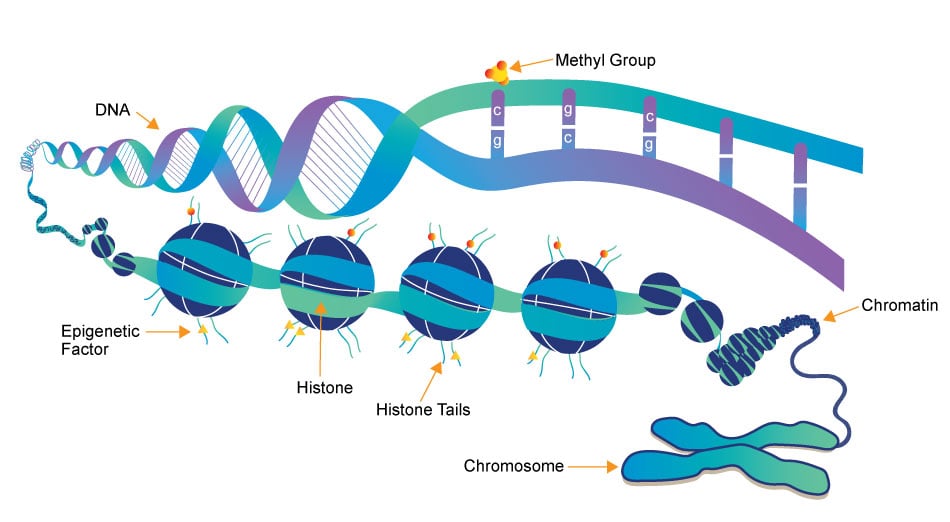
Epigenetics research delves into the molecular mechanisms that control gene expression and cellular traits without altering the underlying DNA sequence. One crucial aspect of this field is the role of small molecules, which act as powerful regulators of epigenetic modifications. These small compounds, typically comprising a few dozen to a few hundred atoms, have emerged as essential tools in understanding and manipulating the epigenome.
- DNA Methylation Inhibitors: Small molecules like 5-azacytidine and 5-aza-2'-deoxycytidine are DNA methyltransferase inhibitors. They block the addition of methyl groups to DNA, leading to DNA demethylation. This can reactivate silenced genes, potentially offering therapeutic avenues for conditions like cancer.
- HDAC inhibitors: HDACs remove acetyl groups from histone proteins, contributing to gene repression. Small molecule HDAC inhibitors, such as Vorinostat and Romidepsin, can reverse this process by increasing histone acetylation, allowing genes to be more accessible for transcription. These inhibitors are being explored for cancer therapy and other conditions.
- Histone Methyltransferase Inhibitors: Small molecules like GSK126 inhibit specific histone methyltransferases, affecting histone methylation patterns. This can alter gene expression, making them promising candidates for cancer and other diseases with epigenetic dysregulation.
- RNA Modulators: Small molecules can also target non-coding RNAs involved in epigenetic regulation. For instance, small molecules called small interfering RNAs (siRNAs) can be designed to target and degrade specific long non-coding RNAs, influencing gene expression.
- Epigenetic Reader Domain Inhibitors: These small molecules target proteins that recognize and bind to specific epigenetic marks. Examples include inhibitors of bromodomain-containing proteins (BET inhibitors), which can disrupt gene regulation by interfering with protein-DNA interactions.
Small molecules in epigenetics research not only provide insights into the fundamental biology of gene regulation but also hold immense promise for developing novel therapeutics. Their ability to selectively modulate specific epigenetic marks and pathways has led to ongoing clinical trials and drug development efforts for various diseases, including cancer, neurological disorders, and inflammatory conditions. Understanding and harnessing the power of these small molecules is at the forefront of modern epigenetics research, offering new hope for precision medicine and targeted therapies.
3 key components involved in the regulation of epigenetic modifications
Epigenetics Writer
Epigenetics writers are enzymes responsible for adding chemical marks or modifications to DNA or histone proteins. These marks include DNA methylation (addition of methyl groups to DNA) and histone modifications (such as acetylation, methylation, phosphorylation, etc.).
Epigenetics Reader
Function: Epigenetics readers are proteins that can recognize and bind to specific epigenetic marks on DNA or histones. These reader proteins interpret the epigenetic code and facilitate downstream cellular processes, such as gene activation or repression.
Epigenetics Eraser
Function: Epigenetics erasers are enzymes responsible for removing or reversing epigenetic marks on DNA or histones. This process allows for the dynamic regulation of gene expression and the resetting of epigenetic states during various stages of development and in response to environmental changes.
-
JAK Inhibitor
(3S,4R)-Tofacitinib is a less active enantiomer of Tofacitinib, primarily targeting Janus kinase 3 (JAK3) as a potent inhibitor. It exhibits an IC50 of 1 nM, highlighting its potential for modulating immune responses and inflammatory processes. This compound is valuable for research in immunology and the development of therapies targeting JAK-mediated signaling pathways. -
JAK Inhibitor
AS2553627 is a selective JAK inhibitor, exhibiting IC50 values of 0.46 nM for JAK1, 0.30 nM for JAK2, 0.14 nM for JAK3, and 2.0 nM for TYK2. This compound effectively inhibits the proliferation of human and rat T cells in response to IL-2, with IC50 values of 2.4 nM and 4.3 nM, respectively. In preclinical studies, AS2553627 has demonstrated a capacity to mitigate cardiac allograft vasculopathy and fibrosis in rat heart transplant models, thereby improving survival rates and showing potential for use in preventing acute and chronic rejection in heart transplantation. -
JAKs Inhibitor
JAK-IN-34 is a potent inhibitor of Janus kinases (JAKs), demonstrating low nanomolar IC50 values of 0.40 nM for JAK1, 0.83 nM for JAK2, 2.10 nM for JAK3, and 1.95 nM for TYK2. This compound effectively reduces joint swelling, indicating its potential application in inflammatory diseases and autoimmune disorders. Its favorable safety profile makes it a valuable tool for research focused on JAK signaling pathways and related therapeutic interventions. -
JAK Inhibitor
JAK3-IN-7 is a potent and selective inhibitor of Janus kinase 3 (JAK3) with an IC50 of less than 0.01 μM. This compound effectively modulates JAK3-mediated signaling pathways, which are critical for immune response and hematopoiesis. JAK3-IN-7 is valuable for research applications focused on autoimmune diseases, inflammatory disorders, and hematological malignancies. -
LSD1 Inhibitor
S2116 is a potent inhibitor of lysine-specific demethylase 1 (LSD1), derived from N-alkylated tranylcypromine (TCP). This compound enhances H3K9 methylation while concurrently promoting H3K27 deacetylation at super-enhancer regions. S2116 effectively induces apoptosis in TCP-resistant T-cell acute lymphoblastic leukemia (T-ALL) cells by downregulating the transcription of NOTCH3 and TAL1 genes, and it has demonstrated significant growth inhibition of T-ALL cells in xenotransplanted mouse models. This reagent holds potential for research applications in cancer biology and epigenetic regulation. -
JAK Inhibitor
Dehydrocrenatidine is a natural alkaloid that functions as a selective inhibitor of Janus kinases (JAK). This compound exhibits significant biological activity by inhibiting voltage-gated sodium channels, which may alleviate mechanical allodynia in neuropathic pain models. Dehydrocrenatidine serves as a valuable tool for research in pain mechanisms and the therapeutic targeting of JAK pathways. -
PARP10/PARP15 Inhibitor
PARP10/15-IN-2 is a potent dual inhibitor of PARP10 and PARP15, exhibiting IC50 values of 0.15 µM and 0.37 µM, respectively. This compound has demonstrated the ability to penetrate cellular membranes and effectively rescue cells from apoptosis. PARP10/15-IN-2 serves as a valuable tool for research into cell survival mechanisms and the modulation of PARP-related signaling pathways. -
HDAC/JAK/BRD4 Inhibitor
HDAC/JAK/BRD4-IN-1 is a potent inhibitor targeting histone deacetylases (HDAC), Janus kinases (JAK), and bromodomain-containing protein 4 (BRD4). This compound demonstrates significant anti-proliferative effects and promotes apoptosis in MDA-MB-231 breast cancer cells. Additionally, HDAC/JAK/BRD4-IN-1 exhibits promising anticancer activity in vivo, making it a valuable tool for research in cancer therapeutics and the study of epigenetic and signaling pathways. -
SMARCA2 Degrader
A947 is a selective SMARCA2 proteolysis-targeting chimera (PROTAC) that functions as a potent degrader of SMARCA2. It exhibits a binding affinity to the SMARCA2 bromodomain with a Kd value of 93 nM, establishing its effectiveness in mediating targeted protein degradation. This compound has significant applications in cancer research, facilitating studies on the role of SMARCA2 in tumorigenesis and potential therapeutic interventions. -
PARP/PI3K Inhibitor
PARP/PI3K-IN-1 is a potent inhibitor of both PARP and PI3K, exhibiting pIC50 values of 8.22 for PARP-1, 8.44 for PARP-2, and varying activity against PI3K isoforms with values of 8.25 for PI3Kα, 6.54 for PI3Kβ, 8.13 for PI3Kδ, and 6.08 for PI3Kγ. This compound demonstrates significant anticancer activity and is suitable for research applications targeting a variety of oncological disorders. Its dual inhibition may provide insights into therapeutic strategies for cancer treatment. -
LSD1 Inhibitor
S2157 is a potent inhibitor of lysine-specific demethylase 1 (LSD1), derived from N-alkylated tranylcypromine (TCP). It enhances H3K9 methylation while concurrently promoting H3K27 deacetylation at super-enhancer regions, contributing to its apoptotic effects in TCP-resistant T-cell acute lymphoblastic leukemia (T-ALL) cells through the repression of NOTCH3 and TAL1 gene transcription. Additionally, S2157 demonstrates efficient penetration of the blood-brain barrier, effectively eliminating CNS leukemia in mouse models transplanted with T-ALL cells, making it a valuable tool for cancer research. -
Sirtuin Inhibitor
Sirt1/2-IN-2 is a dual inhibitor targeting SIRT1 and SIRT2, exhibiting IC50 values of 1.8 μM and 2.4 μM, respectively. This compound effectively prevents the deacetylation of p53 while promoting acetylation of p53 and α-tubulin. Sirt1/2-IN-2 demonstrates pro-apoptotic properties and exhibits anti-proliferative effects on human leukemia cell lines, making it a valuable tool in cancer research and therapeutic studies targeting the sirtuin family. -
Aurora kinase Inhibitor
Aurora kinase-IN-8 is an orally active inhibitor of Aurora kinases, specifically targeting Aurora A and B kinases with IC50 values of 2.8 nM and 28.1 nM, respectively. This compound effectively disrupts spindle formation, induces G2/M phase arrest, and promotes apoptosis in cancer cells. It is particularly relevant for research applications focused on malignancies, including triple-negative breast cancer. -
Pim-1 Inhibitor
Pim-1 kinase inhibitor 8 is a selective inhibitor of the PIM-1 kinase, exhibiting an IC50 value of 14.3 nM. This compound effectively disrupts cellular proliferation and migration by inhibiting PIM-1, leading to the induction of apoptosis and autophagy. In vivo studies demonstrate its capability to inhibit solid tumor growth in Solid Ehrlich Carcinoma (SEC)-bearing mice. Pim-1 kinase inhibitor 8 is valuable for research focused on breast and liver cancer. -
LSD1 Inhibitor
Geranylgeranoic acid is a Lysine-specific demethylase 1 (LSD1) inhibitor, exhibiting an IC50 value of 46.97 µM. This isoprenoid compound has demonstrated significant apoptosis-inducing properties through the disruption of mitochondrial membrane potential and the activation of caspase pathways, specifically interleukin-1β-converting enzyme (ICE) and cysteine protease precursor 32 (CPP32). Geranylgeranoic acid is applicable in cancer research and is derived from S. chinensis, highlighting its potential as an anticancer agent in studies involving human hepatoma cells and mouse hepatocytes. -
HDAC1-3 Inhibitor
HDAC-IN-53 is a selective inhibitor of histone deacetylases 1-3, demonstrating IC50 values of 47 nM, 125 nM, and 450 nM for HDAC1, HDAC2, and HDAC3, respectively. This compound exhibits minimal off-target effects, as it does not inhibit class II HDACs (IC50 > 10 μM). HDAC-IN-53 promotes caspase-dependent apoptosis and has been shown to inhibit the growth of human tumor xenografts in nude mice, as well as murine tumors in immune-competent mice bearing MC38 colon cancer. It serves as a valuable tool for studying cancer biology and potential therapeutic strategies targeting HDAC pathways. -
CDK6/PIM1 Inhibitor
CDK6/PIM1-IN-1 is a potent dual inhibitor targeting CDK6 and PIM1, with IC50 values of 39 nM and 88 nM, respectively, and an additional inhibition of CDK4 at an IC50 of 3.6 nM. This reagent significantly inhibits the proliferation of acute myeloid leukemia (AML) cells, induces G1 phase cell cycle arrest, and promotes apoptosis. CDK6/PIM1-IN-1 demonstrates strong anti-AML activity, making it a valuable tool for research in cancer biology and therapeutic development. -
HDAC6 Inhibitor
QTX125 TFA is a potent and highly selective inhibitor of Histone Deacetylase 6 (HDAC6). This compound demonstrates exceptional selectivity for HDAC6 over other isoforms, making it a valuable tool for studying the role of HDAC6 in various biological processes. QTX125 TFA has shown promising antitumor effects, indicating its potential for use in cancer research and therapeutic applications targeting HDAC6-related pathways. -
CBP Inhibitor
DC-CPin711 is a potent and selective inhibitor of the CREB-binding protein (CBP) bromodomain, demonstrating an IC50 of 0.0626 μM. This compound effectively induces apoptosis and arrests the cell cycle at the G1 phase, making it a valuable tool for research into cellular proliferation and death pathways. Its specificity for CBP enhances its utility in investigating the role of bromodomain-containing proteins in various biological processes and diseases. -
HDAC Inhibitor
CRA-026440 hydrochloride is a potent, broad-spectrum histone deacetylase (HDAC) inhibitor, exhibiting Ki values against recombinant HDAC isoenzymes of 4 nM for HDAC1, 14 nM for HDAC2, 11 nM for HDAC3, 15 nM for HDAC6, 7 nM for HDAC8, and 20 nM for HDAC10. This compound demonstrates significant antitumor and antiangiogenic activities, making it relevant for studies in cancer biology. Additionally, CRA-026440 hydrochloride possesses an alkyne functional group, enabling it to participate in copper-catalyzed azide-alkyne cycloaddition (CuAAc), facilitating its use in click chemistry applications for bioconjugation studies. -
PARP1 Inhibitor
KU-0058948 is a potent inhibitor of PARP1, exhibiting an IC50 value of 3.4 nM. This compound induces cell cycle arrest and apoptosis in primary myeloid leukemic cells as well as established myeloid leukemic cell lines. It is suitable for research applications focused on cancer biology and the exploration of PARP1's role in cellular processes. -
Aurora A Kinase Inhibitor
Alisertib sodium is a selective inhibitor of Aurora A kinase, exhibiting an IC50 of 1.2 nM. This compound disrupts mitotic spindle formation and leads to mitotic accumulation, thereby inducing apoptosis and autophagy in leukemic cells via the AKT/mTOR/AMPK/p38 signaling pathway. Alisertib sodium demonstrates significant antitumor activity, making it a valuable reagent for cancer research and therapeutic applications. -
JAK2/FLT3 Inhibitor
Flonoltinib sulfate is a potent, orally active dual inhibitor targeting JAK2 and FLT3. It demonstrates significant biological activity with IC50 values of 0.7 nM for JAK2 and 4 nM for FLT3, along with activity against JAK1 and JAK3 at 26 nM and 39 nM, respectively. This compound is primarily utilized in cancer research, particularly in the study of hematological malignancies influenced by aberrant JAK2 and FLT3 signaling pathways. -
HDAC1/2 and CDK2 Inhibitor
HDAC1/2 and CDK2-IN-1 is a dual inhibitor targeting HDAC1, HDAC2, and CDK2, with IC50 values of 70.7 μM, 23.1 μM, and 0.80 μM, respectively. This compound effectively disrupts the cell cycle and promotes apoptosis in tumor cells, demonstrating significant in vivo antitumor activity. It is suitable for research applications focused on cancer biology and therapeutic interventions targeting histone deacetylases and cyclin-dependent kinases. -
HDAC/MBLAC2 Inhibitor
Pracinostat dihydrochloride is a potent inhibitor of histone deacetylases (HDACs), demonstrating IC50 values in the range of 40-140 nM, making it a valuable tool in cancer research. In addition, it effectively inhibits metallo-β-lactamase domain-containing protein 2 (MBLAC2) with an EC50 below 10 nM, highlighting its potential use in studies related to epigenetic regulation and resistance mechanisms in cancer therapies. -
PAD1 Inhibitor
D-Cl-amidine is a selective inhibitor of the peptidylarginine deiminase 1 (PAD1) enzyme. It exhibits significant biological activity in modulating citrullination processes involved in various physiological and pathological conditions. This reagent is primarily utilized in research applications focusing on inflammatory diseases, neurodegeneration, and cancer biology, providing essential insights into the role of PAD1 in cellular functions. D-Cl-amidine demonstrates a favorable toxicity profile, supporting its use in experimental settings. -
Aurora B Inhibitor
Barasertib dihydrochloride is a selective inhibitor of Aurora B kinase, exhibiting an IC50 of 0.37 nM in cell-free assays. This compound effectively induces growth arrest and apoptosis in various cancer cell lines, making it a valuable tool for cancer research. Its mechanism of action provides insights into the role of Aurora B in cell cycle regulation and tumorigenesis. -
JAK1 Inhibitor
Ivarmacitinib sulfate is a selective inhibitor of the Janus kinase 1 (JAK1) pathway, exhibiting a significant preference over JAK2, JAK3, and Tyk2. This compound effectively inhibits JAK1-STAT3 phosphorylation, leading to the apoptosis of hepatic stellate cells. Ivarmacitinib sulfate demonstrates notable anti-proliferative and anti-inflammatory properties, making it a valuable tool for research on hepatic diseases and inflammation-related disorders. -
Aurora/JAK Inhibitor
AT9283 lactic acid is a multi-targeted kinase inhibitor primarily targeting Aurora A/B and JAK2/3. It demonstrates potent biological activity against various cancers, exhibiting IC50 values between 1 to 30 nM for its targets. AT9283 lactic acid effectively inhibits the growth and survival of multiple solid tumors in both in vitro and in vivo models, making it a valuable reagent for cancer research applications. -
BRD4 Inhibitor
BRD4 Inhibitor-18 is a potent inhibitor of the Bromodomain-containing protein 4 (BRD4), exhibiting an IC50 value of 110 nM. This compound features a hydrophobic acetylcyclopentanyl side chain and significantly reduces the proliferation of MV-4-11 leukemia cells, which are characterized by high BRD4 expression. In addition, BRD4 Inhibitor-18 promotes apoptosis and induces G0/G1 cell cycle arrest, making it a valuable tool for research into cancer therapeutics and cell cycle regulation. -
CDK6/BRD4 Inhibitor
BC13 is a selective inhibitor of CDK6 and BRD4, demonstrating IC50 values of 234 nM and 36 nM, respectively. This compound exhibits notable antiproliferative effects, facilitating cell apoptosis and inducing DNA damage in various cell lines. Additionally, BC13 has been shown to elevate reactive oxygen species (ROS) levels, making it a valuable tool for research in cancer biology and therapeutic development targeting cell cycle regulation. -
Sirtuin Inhibitor
Sirt1/2-IN-3 is a dual inhibitor of the sirtuin family, specifically targeting SIRT1 and SIRT2 with IC50 values of 1.4 μM and 2.0 μM, respectively. This compound effectively prevents the deacetylation of p53, leading to increased acetylation of both p53 and α-tubulin. Sirt1/2-IN-3 has been demonstrated to induce apoptosis and exhibit anti-proliferative effects on human leukemia cell lines, making it a valuable tool for cancer research and the study of cellular aging mechanisms. -
SIRT Inhibitor
SIRT-IN-7 is a selective inhibitor targeting the SIRT family of proteins, specifically SIRT1, SIRT2, and SIRT3. This compound enhances the acetylation and activation of the tumor suppressor protein p53, leading to the inhibition of proliferation and the induction of apoptosis and autophagy in breast cancer cells. SIRT-IN-7 demonstrates significant anti-tumor activity, making it a valuable tool for research in cancer biology and therapeutic development. -
PARP-2 Inhibitor
PARP-2-IN-3 is a potent inhibitor of PARP-2, exhibiting an IC50 of 0.07 μM. This compound effectively induces apoptosis and necrosis in cancer cells, making it a valuable tool for cancer research. Additionally, PARP-2-IN-3 demonstrates favorable pharmacokinetic properties and oral bioavailability, supporting its potential use in therapeutic applications targeting PARP-2 related pathways. -
HDAC Inhibitor
HDAC-IN-73 is a potent histone deacetylase (HDAC) inhibitor targeting HDAC1 and HDAC6, with IC50 values of 0.17 µM and 0.49 µM, respectively. Its enhanced activity against HDAC6 demonstrates a nine-fold greater potency compared to PsA, making it a valuable compound in the field of cancer research. HDAC-IN-73 exhibits significant antiproliferative effects, induces apoptosis, and triggers G2/M cell cycle arrest, positioning it as a promising candidate for investigating therapies in colon cancer and other malignancies. -
HDAC Inhibitor
HDAC-IN-96 is a selective inhibitor of histone deacetylases 1 and 2 (HDAC1/2), exhibiting IC50 values of 457.1 nM and 433.7 nM, respectively. This compound demonstrates significant cytotoxicity against various hematological tumor cell lines, including RS4;11, K562, RPMI-8226, and U266, with IC50 values between 2.11 and 5.35 μM. HDAC-IN-96 has been shown to induce apoptosis and cause S phase arrest in cancer cells, making it a valuable tool for research in hematological malignancies such as acute lymphoblastic leukemia. -
PROTAC BRD4 Degrader
PROTAC BRD4 Degrader-17 is a potent protein degrader targeting bromodomain-containing protein 4 (BRD4). It exhibits IC50 values of 29.54 nM for BRD4 (BD1) and 3.82 nM for BRD4 (BD2). This compound effectively inhibits G2/M cell cycle progression, leading to decreased expression of Cyclin B1, and significantly induces apoptosis in MV-4-11 cells. PROTAC BRD4 Degrader-17 is valuable for research applications focused on cancer cell biology and the development of targeted degraders in therapeutic strategies. -
Aurora A/Aurora B/HDAC1/HDAC2 Inhibitor
Aurora kinase/HDAC-IN-1 is a potent dual inhibitor targeting Aurora A, Aurora B, HDAC1, and HDAC2. This compound promotes histone H3 acetylation, inhibits Aurora A phosphorylation and downstream signaling, and induces apoptosis through G2/M cell-cycle arrest. It demonstrates significant antiproliferative activity in colorectal cancer cells, with an IC50 of 30.2 nM in HCT-116 cells, and effectively suppresses tumor growth in HCT-116 colorectal cancer xenograft mouse models. This reagent is valuable for research in cancer biology and therapeutic application development. -
HDAC1/CDK7 Inhibitor
HDAC1/CDK7-IN-1 is a dual inhibitor targeting HDAC1 and CDK7, exhibiting IC50 values of 893 nM and 248 nM, respectively. This compound effectively inhibits the proliferation of cancer cell lines, including MDA-MB-231, MCF-7, A549, and HCT-116. Additionally, HDAC1/CDK7-IN-1 induces cell cycle arrest and apoptosis specifically in HCT-116 cells, while also disrupting their migratory capacity. These properties make it a valuable tool for cancer research, particularly in exploring therapeutic strategies that target epigenetic regulation and cell cycle dynamics. -
HDAC Inhibitor
WMJ-J-09 is a potent HDAC inhibitor with sub-nanomolar activity, exhibiting IC50 values of 7.5 nM against HDAC1 and 3.9 nM against HDAC6, along with notable activity towards HDAC2, HDAC3, and HDAC8. This compound effectively disrupts the cell cycle and promotes apoptosis in cancer cells through the LKB1-AMPK-p38MAPK-p63-survivin signaling pathway. By inhibiting HDAC enzyme activity, WMJ-J-09 leads to the acetylation of critical proteins, thus contributing to the regulation of cell death in cancer models, such as HCT116 and FaDu cells. -
HDAC Inhibitor
TH-6 is a potent inhibitor of histone deacetylases (HDACs), demonstrating IC50 values of 0.115 µM for HDAC1, 0.135 µM for HDAC2, 0.242 µM for HDAC3, 0.138 µM for HDAC6, and 2.120 µM for HDAC8. This compound effectively inhibits cell migration and invasion while promoting apoptosis and inducing cell cycle arrest in the G2/M phase. TH-6 exhibits significant anti-tumor activity, making it a valuable tool for cancer research and therapeutic studies. -
JAK2/3 Inhibitor
JAK-2/3-IN-3 is a potent inhibitor of JAK2 and JAK3, demonstrating IC50 values of 13.00 nM and 14.86 nM, respectively. It effectively inhibits the autophosphorylation of JAK2 and promotes apoptosis in a dose- and time-dependent manner. This compound is valuable for research into lymphoid malignancies and leukemia, providing insights into the role of JAK signaling pathways in these diseases. -
HDAC Inhibitor
HDAC-IN-36 is a potent HDAC (histone deacetylase) inhibitor that targets HDAC6 with an IC50 of 11.68 nM. This compound demonstrates significant biological activity by promoting apoptosis, enhancing autophagy, and inhibiting cellular migration. HDAC-IN-36 is applicable in cancer research, particularly in studies focusing on anti-tumor and anti-metastatic mechanisms in breast cancer. -
HDAC Inhibitor
Trichostatin C is an HDAC inhibitor that plays a crucial role in modulating gene expression by preventing the deacetylation of histones. This compound exhibits significant anticancer activity, inducing apoptosis and causing cell cycle arrest in the G2/M phase, making it particularly effective against lung cancer and urothelial bladder cancer. Additionally, Trichostatin C promotes differentiation in Friend leukemic cells and demonstrates antifungal properties, highlighting its potential in various research applications related to cancer biology and fungal infections. -
JMJD3/HDAC1/HDAC6 Inhibitor
JMJD3/HDAC-IN-1 is a dual inhibitor targeting both Jumonji domain-containing protein demethylase 3 (JMJD3) and histone deacetylases HDAC1 and HDAC6. With an IC50 value of 16 nM for HDAC1, this compound induces hypermethylation of histone H3K27 and hyperacetylation of H3K9, promoting apoptosis through cleavage of caspase-7 and PARP. JMJD3/HDAC-IN-1 demonstrates significant anti-cancer activity by inhibiting cell cloning, migration, and invasion, making it valuable in cancer research and therapeutic studies. -
p300 Activator
CTB is a potent activator of the p300 histone acetyltransferase, known for its role in regulating gene expression through histone acetylation. This compound has demonstrated the ability to induce apoptosis in MCF-7 breast cancer cells, making it a valuable tool for research into cancer biology and therapeutic approaches targeting acetylation pathways. Its specificity for p300 highlights its potential in studies of transcriptional regulation and chromatin dynamics. -
KDM1A Inhibitor
Iadademstat is a selective inhibitor of KDM1A (LSD1) that demonstrates potent antileukemic activity. This orally active compound is particularly relevant for research involving relapsed or refractory acute myeloid leukemia. Its mechanism of action and specificity make it a valuable tool for exploring the therapeutic potential of KDM1A inhibition in hematological malignancies. -
HDAC3/p-STAT3 Inhibitor
1-Stearoyl-sn-glycero-3-phosphocholine is an inhibitor of histone deacetylase 3 (HDAC3) and the phosphorylation of signal transducer and activator of transcription 3 (p-STAT3). This compound has demonstrated the ability to induce apoptosis and exhibits significant anticancer activity in chronic myelogenous leukemia (CML) K562 cells. It serves as a valuable tool for researchers investigating the therapeutic potential of HDAC inhibitors in cancer treatment. -
SIRT7 Inhibitor
SIRT7 Inhibitor 97491 is a selective inhibitor of the SIRT7 enzyme, exhibiting an IC50 of 325 nM and effectively reducing its deacetylase activity in a dose-dependent manner. This compound enhances tumor suppression by stabilizing the p53 protein through acetylation at lysine residues K373 and K382. Additionally, SIRT7 Inhibitor 97491 promotes apoptosis via the caspase signaling pathway, making it a valuable tool for cancer research and studies focused on elucidating the role of SIRT7 in tumor progression. -
JMJD6 Inhibitor
SKLB325 is a selective inhibitor of Jumonji domain-containing 6 (JMJD6) with a binding affinity (KD) of 0.755 μM and an IC50 value of 0.7797 μM. This compound demonstrates significant antitumor activity against ovarian cancer in both in vivo and in vitro models, effectively inducing apoptosis. Additionally, SKLB325 has shown impressive efficacy in renal cell carcinoma (RCC), making it a valuable tool for cancer research and therapeutic exploration.
