






-
Androgen-receptor Antagonist
WB2838 is a non-steroidal androgen receptor antagonist, exhibiting an IC50 of 0.8 μM for partially purified rat prostate cytosol receptors. This compound demonstrates significant anti-cancer activity against androgen-responsive breast cancer and effectively inhibits the growth of the ventral prostate induced by testosterone propionate. WB2838 is a valuable tool for research on androgen pathway modulation and cancer therapeutic strategies. -
AR Pure Antagonist
CH5137291 is a potent pure antagonist of the androgen receptor (AR) that operates by preventing the translocation of AR from the cytoplasm to the nucleus, thereby inhibiting AR-mediated signaling. This compound demonstrates significant biological activity by completely suppressing tumor growth in both cell lines and mouse models of castration-resistant prostate cancer (CRPC). CH5137291 is a valuable tool for researchers investigating the mechanisms and therapeutic approaches related to CRPC. -
Antiandrogen Agent
Pentomone, also known as LY-113935, functions as an antiandrogen agent through the inhibition of androgen receptor activity. Its primary biological activity is the suppression of prostate growth, making it a valuable tool for research related to prostate cancer and androgen-related disorders. Pentomone can be utilized to investigate the mechanisms of hormone signaling and the therapeutic potential of antiandrogens in cancer treatment. -
Androgen Receptor Antagonist
JNJ-26146900 is a potent nonsteroidal androgen receptor antagonist, exhibiting a Ki value of 400 nM for the rat androgen receptor. This compound is effective in reducing prostate tumor size and preventing bone loss, making it valuable for cancer research applications. JNJ-26146900 serves as a critical tool for investigating the roles of androgen receptors in prostate cancer progression and therapeutic strategies. -
Androgen Receptor Antagonist
Androgen Receptor Antagonist 5 is a potent inhibitor of the androgen receptor (AR) with an IC50 value of 6.17 μM. This compound effectively hinders AR nuclear translocation, lowering nuclear AR levels and disrupting AR-mediated gene regulation. It demonstrates antiproliferative effects against LNCaP cells and exhibits antitumor activity in LNCaP xenograft mouse models. Androgen Receptor Antagonist 5 is suitable for research applications focused on prostate cancer. -
AR Antagonist
JJ-450 is a non-competitive antagonist of the androgen receptor (AR) that effectively inhibits both wild-type AR and the mutant variant ARF876L. With an IC50 ranging from 1-10 μM in PC3 cells, JJ-450 selectively binds to AR without competing with androgens for the ligand binding domain. It disrupts AR nuclear translocation and promotes the degradation of unliganded AR, leading to decreased transcriptional activity. This compound is relevant for research applications involving castration-resistant prostate cancer (CRPC), particularly in studies focusing on resistance to Enzalutamide. -
Androgen Receptor Antagonist
Androgen Receptor Antagonist 8 is a potent antagonist of the androgen receptor, effectively inhibiting prostate-specific antigen (PSA) secretion in LNCaP cells with an IC50 of 88 nM. This compound serves as a valuable tool in prostate cancer research, helping to elucidate the role of androgen signaling in tumorigenesis and potential therapeutic interventions. -
Androgen Receptor Dimerization Inhibitor
M17-B15 is an androgen receptor dimerization inhibitor that demonstrates an IC50 of 30 nM. By effectively disrupting androgen receptor self-association, M17-B15 suppresses androgen receptor signaling pathways. This compound exhibits significant anti-prostate cancer efficacy in both in vitro studies and in mouse xenograft tumor models, making it a valuable tool for research in prostate cancer biology. -
Androgen Receptor Antagonist
AR Antagonist 17 is a potent, selective androgen receptor (AR) antagonist, exhibiting an IC50 value of 0.010 μM. This compound effectively inhibits AR dimerization and nuclear translocation, demonstrating significant efficacy in castration-resistant prostate cancer (CRPC) cell lines, including those with drug-resistant AR mutations. In preclinical models, AR Antagonist 17 has shown the ability to suppress tumor growth in LNCaP xenografts without noticeable toxicity. This reagent serves as a valuable tool for investigations into CRPC mechanisms and potential therapeutic strategies. -
ERβ Agonist And AR Antagonist
ERβ agonist-1 is a selective agonist for estrogen receptor beta (ERβ) with an EC50 of 46.8 nM, while also functioning as an androgen receptor (AR) antagonist with an IC50 of 1555 nM. This compound activates ERβ signaling through specific binding, simultaneously inhibiting AR activity. It is particularly valuable in research applications related to prostate cancer and demonstrates selective ERβ agonist effects in mouse models, supporting investigations into hormone-related pathologies. -
Stable Isotope
Ketodarolutamide-d3 is a deuterium-labeled derivative of Ketodarolutamide, a potent and high-affinity nonsteroidal androgen receptor (AR) antagonist. It exhibits a Ki value of 8 nM for rat wild-type AR and an IC50 of 38 nM in AR-HEK293 cells, effectively inhibiting testosterone-induced nuclear translocation of the AR. This compound specifically suppresses the proliferation of AR-dependent prostate cancer cells and demonstrates antitumor activity in models of castration-resistant prostate cancer (CRPC). Ketodarolutamide-d3 is a valuable tool for mechanistic and therapeutic research in prostate cancer studies. -
Androgen Receptor Degrader
Androgen Receptor Degrader-5 is a selective degrader of the androgen receptor (AR), promoting targeted degradation of AR proteins. This compound exhibits potent antiproliferative effects in androgen-dependent cancer models, making it an ideal tool for studying AR signaling and its role in tumor growth. Its utility extends to research applications in hormone-sensitive cancers and androgen receptor-related signaling pathways. -
Androgen Receptor Antagonist
Androgen Receptor Antagonist 3 is an effective antagonist of the androgen receptor, exhibiting an IC50 of 2.4 μM. This compound demonstrates significant anticancer activities, making it a valuable tool in the study of androgen-dependent cancers. Researchers can utilize Androgen Receptor Antagonist 3 to explore mechanisms of tumor growth inhibition and to develop targeted therapies in androgen-related malignancies. -
Antiandrogen
VPC-13789 is a selective antiandrogen that effectively inhibits androgen receptor (AR) transcriptional activity, with an IC50 value of 0.19 μM in LNCaP cells. This compound is orally bioavailable and serves as a valuable research tool in the study of castration-resistant prostate cancer (CRPC) therapeutics. Its potency and specificity make it suitable for elucidating AR-mediated signaling pathways and developing targeted treatment strategies. -
Androgen Receptor Modulator
LG-121071 is an orally active selective modulator of the androgen receptor, exhibiting a binding affinity (Ki) of 17 nM. This compound demonstrates significant potential in the study of androgen receptor signaling pathways and offers valuable insights into therapeutic applications related to muscle wasting, osteoporosis, and androgen-related disorders. Its specificity makes it a useful tool for investigating the role of androgen receptors in various biological processes. -
Androgen Receptor Antagonist
p-Hydroxyphenylacetone is an androgen receptor (AR) antagonist, demonstrating an IC50 of 420 μM in MDA-kb2 human breast cancer cells. This compound can be utilized in breast cancer research to investigate the role of androgen signaling pathways and their potential implications in disease progression and therapeutic strategies. -
Androgen Receptor Antagonist
VPC-3033 is a potent androgen receptor antagonist that effectively inhibits androgen receptor transcriptional activity with an IC50 of 0.3 µM. This compound demonstrates significant degradation of the androgen receptor, enhancing its efficacy in therapeutic contexts. VPC-3033 is particularly valuable in research involving prostate cancer cells resistant to Enzalutamide, providing a critical tool for studying anti-androgen resistance mechanisms and developing novel treatment strategies. -
Androgen Receptor Modulator
LGD-2941 is a potent and selective androgen receptor modulator (SARM) that exhibits significant anabolic effects on muscle tissue while minimizing impact on the prostate. In preclinical studies involving hypogonadic rat models, LGD-2941 has demonstrated substantial muscle-building properties. Additionally, this compound enhances bone strength in rat models simulating post-menopausal osteoporosis, making it a valuable tool for research in muscle and bone health. -
Androgen Receptor Modulator
FL442 is an androgen receptor (AR) modulator that demonstrates potent inhibitory effects in AR-dependent prostate cancer cells. It exhibits comparable efficacy to traditional antiandrogen therapies while retaining activity against the AR mutant F876L, known for its resistance to standard treatments. Pharmacokinetic studies in mice reveal a long half-life of 8 hours, favorable targeting of prostate tissue, and metabolic stability. FL442 effectively inhibits LNCaP tumor growth at low plasma concentrations, positioning it as a valuable tool for research in prostate cancer therapeutics. -
Androgen Receptor Inhibitor
Androgen receptor-IN-3 is a selective inhibitor of the androgen receptor (AR), effectively reducing AR-driven transcriptional activity in LNCaP prostate cancer cells, with an IC50 of 5.04 μM. This compound is primarily utilized in research applications investigating androgen receptor signaling pathways and their role in prostate cancer progression. Its inhibitory effects on AR activity present a valuable tool for studying potential therapeutic strategies targeting androgen-dependent tumors. -
Androgen Receptor
(3β,4β,17β)-17-(2-Pyridinylmethyl)androst-5-ene-3,4,17-triol is a selective androgen receptor modulator that exhibits potential anticancer activity. This compound is primarily used in research to investigate androgen receptor signaling pathways and the development of targeted therapies for hormone-driven cancers. Its unique structure enables modulation of androgenic effects, making it an important tool for studying the role of androgens in cancer biology. -
AR Antagonist
(+)-JJ-74-138 is a novel non-competitive antagonist of the androgen receptor (AR) that demonstrates significant potency against Enzalutamide-resistant castration-resistant prostate cancer (CRPC). This compound effectively inhibits AR signaling, making it a valuable tool for investigating alternative therapeutic strategies in prostate cancer research. Its application in preclinical studies may provide insights into overcoming resistance mechanisms in androgen-targeted therapies. -
AR Antagonist
Zanoterone is an orally active antagonist of the androgen receptor (AR), exhibiting a Ki of 2.2 μM. By inhibiting the binding of androgens, including testosterone and dihydrotestosterone (DHT), Zanoterone effectively disrupts the androgen signaling pathway. This action is significant for reducing androgen-dependent conditions such as prostate hyperplasia and prostate cancer growth, making it a valuable tool in androgen-related research and therapeutic development. -
Nonsteroidal Antiandrogen
Inocoterone acetate is a nonsteroidal antiandrogen that selectively binds to the androgen receptor, exerting antiandrogenic activity. This compound has been demonstrated to reduce inflammatory papules and pustules in various animal models. It serves as a valuable reagent for research into conditions driven by androgenic activity, including acne and other androgen-related disorders. -
Androgen Receptor
ONC1-13B is a potent antagonist of the androgen receptor (AR), effectively inhibiting PSA expression in prostate cancer cells. This compound markedly reduces prostate cancer cell proliferation in the presence of dihydrotestosterone (DHT) stimulation. ONC1-13B exerts its anti-tumor effects by preventing androgen binding to AR and inhibiting its nuclear translocation, making it a valuable tool for prostate cancer research. -
Androgenic Steroid
Trestolone acetate is a synthetic anabolic androgenic steroid that primarily targets androgen receptors. It exhibits strong anabolic activity, promoting muscle growth and strength enhancements. This compound is commonly utilized in research focused on hormone regulation, anabolic processes, and potential therapeutic applications in conditions associated with muscle wasting and hormonal imbalances. -
Androgen Receptor Agonist
Mebolazine is an androgen receptor agonist that exhibits both androgenic and anabolic properties. Its binding to the androgen receptor facilitates the modulation of gene expression associated with muscle growth and development. This compound is commonly utilized in research settings to investigate the physiological effects of androgens and their role in anabolic processes. -
Androgen Receptor
Silandrone is a synthetic anabolic-androgenic steroid (AAS) that functions primarily as an androgen receptor modulator. It exhibits significant anabolic activity, promoting muscle growth and strength gains while also exhibiting properties that can help mitigate muscle wasting. Silandrone is utilized in research applications related to androgen receptor signaling, performance enhancement, and muscle physiology studies. -
Androgen Receptor Antagonist
Topterone is an androgen receptor antagonist that specifically inhibits the action of androgens. It demonstrates potent antiandrogenic activity, making it valuable for research focused on androgen-related conditions. This compound is primarily utilized in studies investigating skin conditions and hormonal therapies. -
Androgen Receptor Inhibitor
Carbazole derivative 1 is an androgen receptor inhibitor that effectively reduces androgen and estrogen levels in mammals, including humans. This compound demonstrates significant potential in research applications focusing on hormone-related disorders and cancer treatments involving hormonal regulation. Its unique mechanism may provide insights into therapeutic strategies for managing conditions influenced by androgen and estrogen signaling pathways. -
Selective Estrogen Receptor Modulator
Raloxifene is a selective estrogen receptor modulator (SERM) derived from benzothiophene. Its primary mechanism involves exerting estrogen-agonistic effects on bone and lipid metabolism while acting as an estrogen antagonist in breast and uterine tissues. Raloxifene is utilized in research focused on breast cancer and osteoporosis, offering insights into estrogen modulation for therapeutic applications. -
Estrogen Receptor Antagonist
Camizestrant is a potent and orally active estrogen receptor (ER) antagonist. It is primarily utilized in research related to estrogen receptor-positive (ER+) HER2-negative advanced breast cancer, facilitating investigations into its therapeutic potential and mechanisms of action. This compound serves as a valuable tool for understanding ER signaling and developing targeted therapies in breast cancer treatment. -
Estrogen Receptor Degrader
Imlunestrant is a potent and selective estrogen receptor degrader (SERD) that functions as a pure antagonist of the estrogen receptor. This compound effectively leads to sustained inhibition of estrogen receptor-dependent gene transcription and cell proliferation. Imlunestrant is primarily utilized in research focused on ER-positive (ER+) advanced breast cancer (aBC) and endometrial endometrioid cancer (EEC). -
Estrogen Receptor/ERR Inhibitor
Coumestrol is a phytoestrogen that targets the estrogen receptor, functioning as an ERR inhibitor. It demonstrates significant anti-proliferative activity against ES2 cells, with an IC50 value of 50 μM. Coumestrol is of interest in research related to cancer, neurological disorders, and autoimmune diseases due to its potential therapeutic effects. -
Estrogen Receptor Antagonist
Palazestrant is a potent estrogen receptor antagonist with significant antineoplastic properties. It effectively inhibits the activity of 17β-estradiol (E2) with an IC50 value of 6.4 nM and demonstrates strong anti-proliferative effects on MCF7 and CAMA-1 breast cancer cell lines with IC50 values ranging from 1.4 to 1.6 nM. Palazestrant is particularly relevant for research involving ER+/HER2+ cancer models, making it a valuable tool in cancer biology studies. -
Estrogen Receptor Modulator
Lasofoxifene is a selective estrogen receptor modulator (SERM) with oral bioactivity. It demonstrates significant anti-osteoporotic properties while also inhibiting primary tumor growth and metastatic spread. This compound is valuable for research related to breast cancer and postmenopausal osteoporosis. -
Estrogen Receptor/ERR
Isoflavone is a bioactive compound primarily targeting estrogen receptors, exerting its effects as a phytoestrogen derived from soy. It demonstrates lipid-lowering and antioxidant activities, contributing to the modulation of fatty acid oxidation in the liver and influencing gene expression in adipose tissue. Isoflavone is of significant interest in research related to chronic diseases, including cancer and cardiovascular disorders. -
Estrogen Receptor/ERR Agonist
Equilin (7-Dehydroestrone) is an estrogen receptor (ER) agonist that plays a significant role in modulating estrogenic activity. This compound promotes the growth of cortical neurons through a mechanism that is dependent on NMDA receptor activation. It is valuable for research applications investigating neuroprotection and the effects of estrogens on neuronal development and function. -
Estrogen Receptor/ERR Modulator
Dihydroresveratrol is a potent modulator of estrogen receptors, functioning as a phytoestrogen with significant biological activity. It exhibits proliferative effects in androgen-independent prostate and breast cancer cell lines, demonstrating activity at picomolar and nanomolar concentrations. This compound is valuable for research applications focused on hormone receptor signaling and cancer biology. -
Estrogen Receptor Degrader
Imlunestrant tosylate is a potent and selective estrogen receptor degrader (SERD) that exhibits pure antagonistic properties. This compound effectively leads to prolonged inhibition of estrogen receptor-dependent gene transcription and cellular proliferation. Imlunestrant tosylate is valuable for research focused on estrogen receptor-positive advanced breast cancer (ER+ aBC) and endometrial endometrioid cancer (EEC). -
Estrogen Receptor Modulator
Pipendoxifene is a selective estrogen receptor modulator (SERM) that targets estrogen receptors to modulate their activity. It exhibits key biological activity by influencing estrogenic effects in tissues, making it useful in the study of estrogen-related physiological processes and diseases. Its applications include research into hormone-dependent cancers, osteoporosis, and other conditions linked to estrogen signaling. -
Androgen Receptor Antagonist/Degrader
UT-34 is a selective, orally bioactive second-generation pan-androgen receptor (AR) antagonist and degrader. It exhibits potent inhibition with IC50 values of 211.7 nM, 262.4 nM, and 215.7 nM for wild-type AR and variants F876L-AR and W741L-AR, respectively. By binding to the ligand-binding domain and the functional AF-1 domain of AR, UT-34 employs the ubiquitin-proteasome pathway to facilitate AR degradation. This compound demonstrates promising anti-prostate cancer activity, making it valuable for research in androgen signaling and cancer therapeutics. -
Estrogen Receptor/ERR Inhibitor
α-Zearalenol is a mycotoxin that acts as an inhibitor of estrogen receptors (ER). As a derivative of zearalenone, it exhibits a high affinity for these receptors, leading to significant xenoestrogenic effects that can result in reproductive disorders in animals. This compound is utilized in research to study the impact of estrogenic exposure and its implications in endocrine disruption and reproductive health. -
Estrogen Receptor/ERR Antagonist
Nafoxidine is a nonsteroidal estrogen receptor (ER) antagonist that exhibits notable antitumor activity, particularly in breast cancer models. By inhibiting estrogen receptor-mediated signaling pathways, Nafoxidine is instrumental in studying the biological effects of estrogen in cancer research. Its ability to block ER activity makes it a valuable tool for investigating therapeutic strategies and understanding estrogen's role in tumor progression. -
Estrogen Receptor Modulator
(E)-4-Hydroxytamoxifen is an estrogen receptor modulator that exhibits anti-estrogenic activity. As a selective agent, it is primarily utilized in research related to breast cancer, where it helps to investigate the effects of estrogen receptor signaling on tumor growth and progression. This compound serves as a valuable tool in studies exploring therapeutic approaches to hormone-responsive cancers. -
Estrogen Receptor/ERR Modulator
Idoxifene is a selective estrogen receptor modulator (SERM) that exhibits tissue-specific activity. Its primary mechanism involves selective modulation of estrogen receptors, influencing estrogen-dependent biological processes. Idoxifene has shown promise in research applications related to hormone-responsive cancers and other conditions influenced by estrogen signaling. Its unique properties make it a valuable tool for investigating the role of estrogens in various biological contexts. -
Estrogen Receptor Degrader
Taragarestrant meglumine is a selective estrogen receptor degrader (SERD) known for its potent activity against estrogen receptors. This compound effectively inhibits the growth of estrogen receptor-positive (ER+) breast cancer cell lines and demonstrates significant efficacy in xenograft models. It serves as a valuable tool for research into targeted therapies for ER+ breast cancer, aiding in the understanding of estrogen receptor biology and the potential for innovative treatment strategies. -
Androgen blocker
Cyproterone is an antiandrogen that functions by blocking androgen receptors, thereby inhibiting the actions of testosterone. It is primarily utilized in research investigating hypersexuality and prostate cancer, offering insights into hormonal regulation and therapeutic approaches to these conditions. Cyproterone serves as a valuable tool in studying androgen-mediated pathways and their implications in various diseases. -
Estrogen Receptor Antagonist
(Rac)-Acolbifene is a racemic estrogen receptor antagonist with dual anti-estrogenic and estrogenic properties. It features a piperidine ring in its structure and demonstrates a relative binding affinity (RBA) of 380. This compound is utilized in research applications focused on endocrine regulation, potential therapies for hormone-related conditions, and studies exploring estrogen receptor signaling pathways. -
Estrogen Receptor Antagonist
Enclomiphene is a potent non-steroidal estrogen receptor antagonist, primarily acting through its antioestrogenic properties. This compound is instrumental in research related to ovarian dysfunction, testosterone deficiency, male hypogonadism, and type 2 diabetes. Its oral bioavailability allows for convenient administration in various experimental settings.
Endocrinology-Hormones
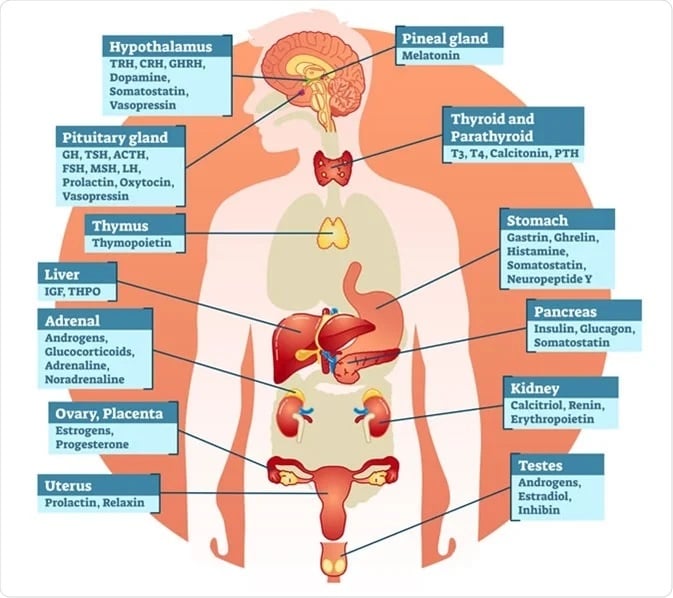
Small molecules play a pivotal role in Endocrinology Research. These are low molecular weight compounds that have a significant impact on the endocrine system, hormones, and their receptors. Here are some key aspects of how small molecules are involved in this field:
- Hormone Mimetics and Inhibitors: Small molecules are used to develop synthetic compounds that mimic the actions of hormones or inhibit their effects. For example, drugs like metformin for diabetes management and selective estrogen receptor modulators (SERMs) for breast cancer treatment are used to either mimic or block hormonal activity.
- Receptor Modulation: Small molecules can bind to hormone receptors and modulate their activity. This is crucial in developing drugs that target specific hormone receptors, like the use of small molecule agonists and antagonists to regulate thyroid hormone receptors.
- Metabolism Regulation: Endocrinology research often focuses on metabolism and how hormones like insulin regulate it. Small molecules are employed to understand and develop drugs targeting enzymes involved in metabolism, such as glucagon-like peptide-1 (GLP-1) agonists for diabetes treatment.
- Steroid Hormone Production: Small molecules may be utilized to influence the production of steroid hormones in the adrenal glands or gonads. This is essential for conditions like Cushing's syndrome or polycystic ovary syndrome (PCOS).
- Hormone Assays: In laboratory research, small molecules are used as tracers or markers in hormone assays. For instance, small molecule fluorophores can be attached to antibodies to detect hormone levels in blood samples.
Drug Development: Endocrinology research relies on small molecules as potential drug candidates. Researchers design and test small molecules for their effectiveness in modulating hormonal pathways, with the goal of developing new therapies for endocrine disorders.
In summary, small molecules are indispensable tools in Endocrinology Research, enabling scientists to better understand the endocrine system's intricacies and develop novel treatments for a wide range of hormonal disorders and conditions. Their versatility and specificity make them valuable assets in advancing our knowledge of endocrinology and improving patient care.
Endocrinology Disease Products
Endocrinology Research Products
Kisspeptin Receptor
Leptin Receptors
Melanocortin (MC) Receptors
Mineralocorticoid Receptors
Galanin Receptors
TRH Receptors
Ghrelin Receptors
Natriuretic Peptide Receptors
NPY Receptors
Motilin Receptor
PTH Receptor
