






-
Estrogen Receptor Antagonist
4-Hydroxytoremifene is an estrogen receptor antagonist that effectively inhibits the binding of estradiol to its receptor in target tissues. This compound is utilized in research to explore mechanisms of estrogen action and its role in various hormonal therapies, particularly in the context of breast cancer. Its ability to modulate estrogen signaling makes it a valuable tool for studying hormone-responsive diseases. -
Estrogen Receptor/ERR Agonist
NNC45-0781 is an estrogen receptor (ER) partial agonist with tissue-selective properties. It exhibits key biological activity by modulating ER signaling pathways, making it valuable for research on estrogen-related physiological processes and conditions. NNC45-0781 is particularly relevant in investigations of hormone-dependent cancers and the study of estrogen's role in reproductive biology. -
Progesterone Receptor Agonist
Clogestone acetate is a potent progesterone receptor agonist that demonstrates notable biological activity in modulating reproductive hormones. In preclinical studies, it has been shown to reduce adrenal and ovarian weights, along with serum and adrenocortical ketone levels in rodent models. This compound is utilized in research exploring the roles of progesterone in various physiological processes and may provide insights into hormonal regulation and endocrine function. -
Progesterone Receptor Antagonist
PF-02413873 is a selective, fully competitive, and orally active nonsteroidal antagonist of the progesterone receptor (PR) with a Ki value of 2.6 nM. This compound effectively inhibits progesterone binding and PR nuclear translocation, demonstrating significant activity in blocking endometrial growth in vivo. PF-02413873 is valuable for research applications focused on reproductive biology and related therapeutic strategies. -
Progesterone Receptor Agonist
Promegestone is a potent progesterone receptor (PR) agonist, recognized for its ability to modulate endocrine pathways. This progestin compound serves as a valuable tool in cancer research, enabling investigations into the hormonal regulation of tumor growth and differentiation. Its selective activity on the PR makes it an important reagent for studies focused on reproductive biology and related therapeutic applications. -
Progesterone Receptor
Norgestimate is a synthetic progestin with selective activity for the progesterone receptor, demonstrating minimal androgenic effects. It is primarily utilized as an oral contraceptive due to its effective progestational properties. In addition to its hormonal applications, Norgestimate serves as a click chemistry reagent, featuring an alkyne group that facilitates copper-catalyzed azide-alkyne cycloaddition (CuAAc) with azide-containing compounds, making it valuable for biochemical research and drug development. -
Progesterone Receptor Antagonist
WAY-255348 is a non-steroidal antagonist of the progesterone receptor (PR), exerting its effects by binding to the PR and inhibiting progesterone-induced nuclear translocation, phosphorylation, and promoter interactions. This compound is useful in the study of reproductive disorders and PR-positive breast cancer, providing valuable insights into PR-mediated signaling pathways and potential therapeutic interventions in these conditions. -
Progesterone Receptor Inhibitor
Mifepristone methochloride is a selective progesterone receptor inhibitor. It functions as a glucocorticoid antagonist, effectively blocking peripheral glucocorticoid and progesterone receptors. This compound has demonstrated minimal effects on intraocular pressure in preclinical studies, making it suitable for research into ocular pharmacology. The water-soluble formulation of Mifepristone methochloride is designed to enhance drug penetration in ocular tissues, facilitating studies on its therapeutic potential in eye diseases. -
Progesterone Receptor Antagonist
Onapristone is a potent progesterone receptor antagonist, exhibiting Kd values of 11.6 nM and 11.90 nM for the human endometrium and myometrium progesterone receptors, respectively. It demonstrates significant antitumor activity, making it valuable for research applications in oncology and reproductive biology. This compound is particularly useful for studies focused on the modulation of progesterone signaling pathways in the context of cancer and other related diseases. -
Progesterone Receptor Antagonist
Cymipristone is a potent progesterone receptor antagonist. It exhibits significant biological activity by inhibiting the effects of progesterone, which is crucial for maintaining pregnancy. This compound is primarily investigated for its potential application in the termination of intrauterine pregnancy and may have implications for reproductive health research. -
Progesterone Receptor Agonist
Norgestomet is a synthetic progesterone receptor agonist that exhibits high purity and strong binding affinity for the progesterone receptor. It is utilized in various research applications, including studies on reproductive biology and hormone regulation. The compound's efficacy makes it a valuable tool for exploring the biological mechanisms mediated by progesterone signaling. -
Progesterone Receptor Antagonist
ZK112993 is a potent antagonist of the progesterone receptor (PR). This compound has been shown to significantly inhibit the growth of T61 human tumors in nude mice, making it valuable for research in cancer biology and therapeutic applications targeting hormone-responsive tumors. The utility of ZK112993 extends to studies focused on progesterone signaling pathways and their implications in oncogenesis. -
Progesterone Receptor Agonist
Dexamethasone oxetanone is an antagonist of glucocorticoid receptors, specifically acting as a potent agonist for progesterone receptor isoforms A and B. This compound exhibits significant antiprogestin activity, making it valuable in studies exploring progesterone signaling pathways. Dexamethasone oxetanone is relevant for research applications in reproductive biology and endocrinology, particularly in understanding the modulation of hormone receptors and their biological effects. -
Progesterone Receptor Modulator
Brofoxine is a progesterone receptor modulator that exhibits anti-anxiety properties. It selectively targets the progesterone receptors to modulate their activity, contributing to its potential therapeutic effects. Brofoxine is primarily utilized in research focused on anxiety disorders and the roles of hormone regulation in mental health. -
Progesterone Receptor Inhibitor
CP8754 is a selective antagonist of the human progesterone receptor (hPR), acting primarily by competitively inhibiting the binding of [3H]-progesterone. This compound effectively impedes progesterone-mediated signaling, as evidenced by its ability to inhibit both exogenous luciferase and endogenous alkaline phosphatase expression in vitro, and to suppress rabbit endometrial transformation in vivo. CP8754 exhibits minimal binding affinity for human glucocorticoid receptors, estrogen receptors, and rat androgen receptors, making it a valuable tool for investigating progesterone-related diseases, including breast cancer, endometriosis, uterine fibroids, and hormone-dependent tumors. -
Progesterone Receptor Modulator
ORG 33628 is a potent and selective progesterone receptor modulator with significant anti-progestational and anti-glucocorticoid properties. This compound exhibits ovulation-inhibitory activity, making it valuable for research in reproductive biology. ORG 33628 has potential applications in the study of conditions related to the breast and endometrium, contributing to insights into hormonal regulation and related therapeutic strategies. -
Progesterone Receptor
Gestonorone Capronate is a synthetic progestin that primarily targets the progesterone receptor. It exhibits significant biological activity in regulating hormonal balance, making it useful in the treatment of conditions such as benign prostatic hypertrophy and endometrial cancer. This compound is valuable for research applications related to hormone signaling pathways and therapeutic interventions in progestin-responsive malignancies. -
Thyroid Hormone Receptor
T3-ATA (S-isomer) is an active form of thyroid hormone that selectively targets thyroid hormone receptors. This compound is essential for studying thyroid hormone signaling pathways and their role in metabolic regulation. T3-ATA (S-isomer) can be utilized in research focused on thyroid-related disorders and cellular metabolism, providing insights into hormone-receptor interactions and downstream biological effects. -
Thyroid Hormone Receptor
L-Thyroxine sodium xhydrate (Levothyroxine; T4) is a synthetic thyroid hormone targeting thyroid hormone receptors, primarily used in the treatment of hypothyroidism. It serves as a precursor for the biologically active hormone triiodothyronine (T3), which is generated through the action of deiodinase enzymes. This compound is essential for regulating metabolism, growth, and development, making it a valuable tool for research into thyroid function and related disorders. -
Thyroid Hormone Receptor
T4-ATA (S-isomer) selectively targets the thyroid hormone receptor, functioning as an active form of thyroid hormone. It exhibits significant biological activity in modulating gene expression related to metabolism, growth, and development. This compound is valuable for research applications focused on thyroid hormone signaling pathways and associated disorders. -
Thyroid Hormone Receptor Β Modulator
THR-β modulator-1 is a potent modulator of the thyroid hormone receptor β (THR-β). This compound selectively influences THR-β activity, making it valuable for investigating disorders related to thyroid hormone signaling. It has applications in understanding the physiological and pathological roles of THR-β in various biological contexts. -
Thyroid Hormone Receptor Inhibitor
A 274 is a thyroid hormone receptor inhibitor that functions as an analogue of amiodarone. It effectively inhibits the binding of triiodothyronine (T3) to both α1- and β1-thyroid hormone receptors in vitro, demonstrating significant potential for modulating thyroid hormone signaling. This compound can be utilized in research applications focused on thyroid function and its associated biochemical pathways. -
Thyroid Hormone Receptor Agonist
KB-141 is a potent and selective thyroid hormone receptor beta (TRβ) agonist. It demonstrates strong binding affinities, with IC50 values of 23.9 nM for the human thyroid receptor alpha (hTRα1) and 3.3 nM for the human thyroid receptor beta (hTRβ1). This compound exhibits significant biological activities, including anti-obesity, anti-diabetic, and lipid-lowering effects, making it valuable for research in metabolic disorders and cholesterol regulation. -
Thyroid Hormone Receptor
KAT681 is a selective agonist of the thyroid hormone receptor, primarily affecting liver tissue. It exhibits thyromimetic activity, promoting metabolic processes associated with thyroid hormone signaling. This compound is useful in research applications exploring metabolic disorders, thyroid function, and related therapeutic targets. -
Biochemical Reagent
Triamcinolone acetonide acetate is a synthetic corticosteroid primarily targeting glucocorticoid receptors. It exhibits anti-inflammatory and immunosuppressive properties, making it relevant for research in inflammation, autoimmune diseases, and cancer. This biochemical reagent is also utilized in various assays to study steroid hormone signaling and therapeutic applications. -
Steroid
Alclometasone dipropionate is a topical steroid compound that primarily targets glucocorticoid receptors. It exhibits potent anti-inflammatory and antipruritic activities, making it effective in alleviating symptoms associated with dermatitis and skin itch. This compound is widely utilized in research to investigate its therapeutic potential in dermatological conditions and to better understand the mechanisms underlying skin inflammation. -
Biochemical Assay Reagents
Beclomethasone 21-propionate is a corticosteroid that primarily targets glucocorticoid receptors. It exhibits potent anti-inflammatory properties and is utilized in various biochemical assays related to glycobiology, focusing on the roles of sugars in cellular processes. This compound plays a crucial role in studying carbohydrate chemistry and glycan interactions, contributing to advancements in biomedicine and biotechnology. Its application in research facilitates a deeper understanding of glycan formation, degradation, and recognition mechanisms. -
Biochemical Assay Reagent
17β-Acetoxy-2α-bromo-5α-androstan-3-one is a biochemical assay reagent that functions as a steroid derivative. This compound exhibits significant biological activity as a selective androgen receptor modulator, making it useful for research focused on steroid hormone signaling and metabolic processes. It is valuable for studies investigating androgen-related disorders and the mechanistic pathways influenced by androgens in various biological systems. -
Corticosteroid Ester
Betamethasone 21-valerate is a corticosteroid ester that exhibits potent anti-inflammatory properties. It acts primarily by binding to glucocorticoid receptors, thereby modulating gene expression and reducing inflammation. This compound is commonly utilized in research applications focused on studying inflammatory processes and evaluating therapeutic interventions in various inflammatory diseases. -
Drug Impurity
Betamethasone dipropionate impurity 2 is a known impurity of the corticosteroid, Betamethasone dipropionate, which serves as a glucocorticoid receptor agonist. This compound may be relevant for research involving the purification and characterization of drug formulations, as well as studies on the stability and efficacy of corticosteroid therapies. Understanding this impurity is essential for ensuring quality control in the production of pharmacologically active compounds. -
Drug Impurity
Fluocinolone impurity 1 is a known impurity of the corticosteroid Fluocinolone, which primarily targets glucocorticoid receptors. This compound serves as a reference standard for quality control in the synthesis and formulation of Fluocinolone, aiding in the assessment of purity and regulatory compliance. Its identification and analysis are crucial for ensuring the integrity of corticosteroid products used in therapeutic applications. -
Drug Impurity
Enzalutamide impurity 4 is a recognized impurity associated with Enzalutamide, a potent androgen receptor inhibitor. This compound is essential for analytical research, particularly in assessing the purity and stability of Enzalutamide formulations. It serves as a valuable tool in drug development and quality control processes, facilitating the identification and quantification of impurities in pharmaceutical applications. -
Drug Intermediate
5-Bromo-1,2-difluoro-3-methoxybenzene serves as a crucial drug intermediate in synthetic chemistry. It functions as a precursor for the development of glucocorticoid receptor (GR) ligands, enabling the exploration of GR-targeted therapies. This compound is applicable in pharmaceutical research for the synthesis of novel therapeutic agents. -
Cloticasone Propionate Intermediate
Cloticasone propionate is an intermediate in the synthesis of Fluticasone propionate, a potent topical anti-inflammatory corticosteroid that selectively targets the glucocorticoid receptor. Its key biological activity includes the inhibition of inflammatory responses, making it valuable in the development of therapeutic agents for various inflammatory conditions. This compound is primarily utilized in research focused on corticosteroid synthesis and the evaluation of inflammation-related pathways. -
Drug Derivative
(3β,5α)-Androstan-3-amine hydrochloride is a synthetic derivative of the steroid hormone androstenedione, targeting androgen receptors. This compound exhibits significant biological activity, facilitating research in hormonal studies and androgenic activity. It is particularly relevant for investigating steroid signaling pathways and may have applications in drug discovery and development related to androgen-mediated physiological processes. -
Endogenous metabolites
2α-Methyl androsterone is an anabolic androgenic steroid that acts as a metabolite of mesterolone and drostanolone. It exhibits key biological activities related to androgen receptors, playing a significant role in various androgen-dependent processes. This compound is primarily utilized in research applications focused on steroid hormone metabolism and the development of anabolic therapies. -
Dexamethasone Ester
Dexamethasone dipropionate is an ester derivative of Dexamethasone that primarily acts as a glucocorticoid receptor agonist. It exhibits anti-inflammatory and immunosuppressive properties, making it a valuable tool in the study of various inflammatory conditions, including osteoarthritis. This compound is utilized in research to investigate its effects on joint inflammation and related therapeutic applications. -
Glucocorticoid Steroid
Flurandrenolone Acetate is a synthetic glucocorticoid steroid that functions primarily through the glucocorticoid receptor. It exhibits potent anti-inflammatory and immunosuppressive properties, making it valuable for investigating skin disorders such as eczema and psoriasis. This compound is essential for research focused on therapeutic strategies targeting inflammatory pathways and understanding the mechanisms underlying skin-related conditions. -
Drug Derivative
Flumedroxone acetate is a synthetic glucocorticoid derivative that primarily targets the glucocorticoid receptor. It exhibits anti-inflammatory and immunosuppressive activities, making it useful in research applications related to inflammation, autoimmune diseases, and other disorders governed by the immune system. Its bioactivity enables investigations into the mechanisms of steroid resistance and therapeutic strategies for related pathologies. -
BWA-522 Intermediate
BWA-522 intermediate-3 is a key intermediate in the synthesis of BWA-522, a small molecule protein-targeting chimera (PROTAC). This compound exhibits potent degradation of androgen receptor full-length (AR-FL) and its variant AR-V7. BWA-522 is primarily used in research applications focusing on hormone-resistant prostate cancer and mechanisms of selective protein degradation. -
Estrogen
Estriol is an orally active estrogen that acts as an agonist of estrogen receptors ERα and ERβ. It exhibits antagonistic activity against GPR30 in estrogen receptor-negative breast cancer cells, making it a valuable compound in cancer research. Additionally, Estriol has been shown to mitigate disease severity via immunomodulatory mechanisms that reduce tissue inflammation, while also demonstrating proconvulsant properties. Its diverse biological activities make it relevant for studies on hormone-related disorders and cancer therapeutics. -
Estrogen Receptor/ERR Agonist
Estradiol valerate is a synthetic form of the estrogen hormone with a primary mechanism as an agonist of the estrogen receptor (ER). This compound is utilized in various research applications, including hormone replacement therapy studies and investigations into estrogen-mediated biological processes. Its ability to modulate estrogen receptor activity makes it a valuable reagent for exploring the roles of estrogen in development, reproduction, and endocrine function. -
PTHR1 Agonist
AH3960 is a selective agonist of the parathyroid hormone receptor 1 (PTHR1). It has demonstrated significant biological activity through its ability to activate PTHR1, contributing to studies in bone metabolism and calcium homeostasis. Additionally, AH3960 exhibits inhibitory effects on androgen receptors, specifically targeting both wild-type and the T877 mutant variant, with an IC50 value of 0.82 μM. This dual functionality makes AH3960 a valuable tool for research in endocrine signaling and related pathways. -
Antiestrogenic Lignin
Tracheloside is an antiestrogenic lignin known for promoting keratinocyte proliferation through the stimulation of the ERK1/2 signaling pathway. This compound exhibits significant potential in enhancing wound healing and tissue regeneration processes. Its ability to modulate cellular responses makes Tracheloside a valuable tool for research in dermatological and regenerative medicine applications. -
Glucocorticoid Corticosteroid
Halobetasol propionate is a synthetic glucocorticoid corticosteroid that primarily targets the glucocorticoid receptor. This compound demonstrates significant anti-inflammatory, antipruritic, and vasoconstrictive properties, making it an effective agent in the treatment of inflammatory skin conditions. Halobetasol propionate is commonly utilized in research focused on psoriasis and other related dermatological disorders. -
Androgen Receptor Agonist
Dehydroisoandrosterone 3-acetate is an androgen receptor agonist that serves as a key precursor to testosterone and estrogen. It plays a significant role in modulating vertebrate aggression and has been utilized in research to explore its effects on hormonal pathways and behavioral responses. This compound is particularly useful for studies investigating androgenic activity and its implications in various physiological and psychological processes. -
Glucocorticoid Receptor Agonist
Hydrocortisone cypionate is a synthetic glucocorticoid corticosteroid that acts as a potent agonist of the glucocorticoid receptor. This compound exhibits anti-inflammatory and immunosuppressive properties, making it valuable for research applications related to inflammation, immune response modulation, and endocrine regulation. It is commonly utilized in studies investigating the effects of glucocorticoids on various biological processes and disease models. -
Glucocorticoid Agonist
Methylprednisolone succinate sodium is a prodrug of methylprednisolone and acts as a glucocorticoid agonist. It exhibits significant immunosuppressant and anti-inflammatory properties by binding to cytosolic glucocorticoid receptors, which facilitates the modulation of target gene transcription. This compound influences the expression of key proteins such as Bax, Bcl-2, occludin, and ZO-1, while also attenuating TLR4/NF-κB signaling, suppressing proinflammatory cytokine production, and inhibiting immune cell activation. Methylprednisolone succinate sodium is valuable for research related to intracranial hemorrhage, rheumatoid arthritis, multiple sclerosis, and various inflammatory conditions. -
Antiestrogen
Triphenylethylene is an antiestrogen agent that primarily functions by inhibiting L-type Ca2+ channels. This compound displays weak estrogenic activity and has been shown to relax duodenal intestinal muscle. Triphenylethylene is useful in research applications focusing on estrogen receptor modulation and the investigation of calcium channel dynamics in smooth muscle tissues. -
Estrogen Receptor/ERR
Dienestrol diacetate targets the estrogen receptor, functioning as a synthetic nonsteroidal phenolic compound with established estrogenic activity. It effectively mimics the effects of estrogen in vivo, influencing the reproductive system and associated biological processes. This compound is under investigation for its potential to inhibit hormone-related diseases, including those arising from estrogen deficiency, and may have applications in hormone replacement therapy.
Endocrinology-Hormones
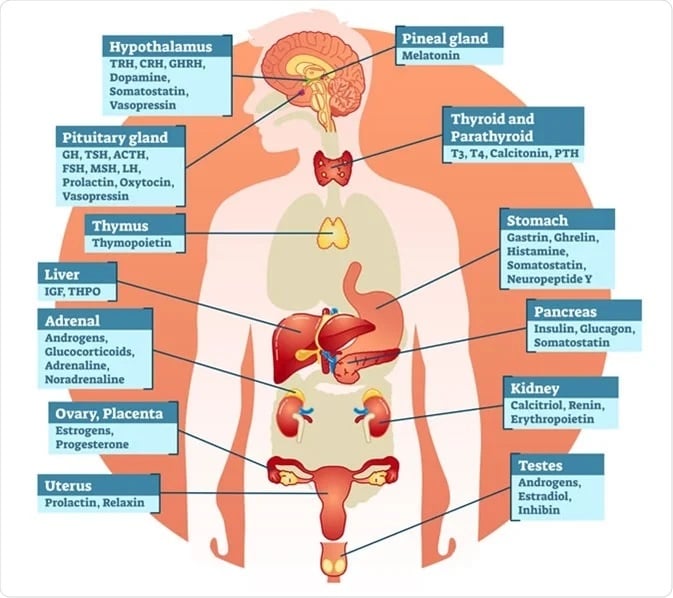
Small molecules play a pivotal role in Endocrinology Research. These are low molecular weight compounds that have a significant impact on the endocrine system, hormones, and their receptors. Here are some key aspects of how small molecules are involved in this field:
- Hormone Mimetics and Inhibitors: Small molecules are used to develop synthetic compounds that mimic the actions of hormones or inhibit their effects. For example, drugs like metformin for diabetes management and selective estrogen receptor modulators (SERMs) for breast cancer treatment are used to either mimic or block hormonal activity.
- Receptor Modulation: Small molecules can bind to hormone receptors and modulate their activity. This is crucial in developing drugs that target specific hormone receptors, like the use of small molecule agonists and antagonists to regulate thyroid hormone receptors.
- Metabolism Regulation: Endocrinology research often focuses on metabolism and how hormones like insulin regulate it. Small molecules are employed to understand and develop drugs targeting enzymes involved in metabolism, such as glucagon-like peptide-1 (GLP-1) agonists for diabetes treatment.
- Steroid Hormone Production: Small molecules may be utilized to influence the production of steroid hormones in the adrenal glands or gonads. This is essential for conditions like Cushing's syndrome or polycystic ovary syndrome (PCOS).
- Hormone Assays: In laboratory research, small molecules are used as tracers or markers in hormone assays. For instance, small molecule fluorophores can be attached to antibodies to detect hormone levels in blood samples.
Drug Development: Endocrinology research relies on small molecules as potential drug candidates. Researchers design and test small molecules for their effectiveness in modulating hormonal pathways, with the goal of developing new therapies for endocrine disorders.
In summary, small molecules are indispensable tools in Endocrinology Research, enabling scientists to better understand the endocrine system's intricacies and develop novel treatments for a wide range of hormonal disorders and conditions. Their versatility and specificity make them valuable assets in advancing our knowledge of endocrinology and improving patient care.
Endocrinology Disease Products
Endocrinology Research Products
Kisspeptin Receptor
Leptin Receptors
Melanocortin (MC) Receptors
Mineralocorticoid Receptors
Galanin Receptors
TRH Receptors
Ghrelin Receptors
Natriuretic Peptide Receptors
NPY Receptors
Motilin Receptor
PTH Receptor
