






Epigenetics
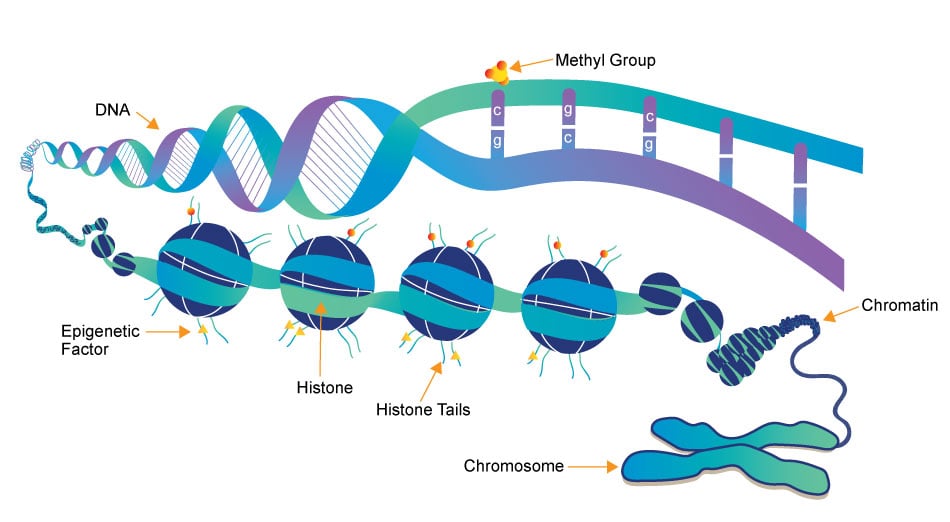
Epigenetics research delves into the molecular mechanisms that control gene expression and cellular traits without altering the underlying DNA sequence. One crucial aspect of this field is the role of small molecules, which act as powerful regulators of epigenetic modifications. These small compounds, typically comprising a few dozen to a few hundred atoms, have emerged as essential tools in understanding and manipulating the epigenome.
- DNA Methylation Inhibitors: Small molecules like 5-azacytidine and 5-aza-2'-deoxycytidine are DNA methyltransferase inhibitors. They block the addition of methyl groups to DNA, leading to DNA demethylation. This can reactivate silenced genes, potentially offering therapeutic avenues for conditions like cancer.
- HDAC inhibitors: HDACs remove acetyl groups from histone proteins, contributing to gene repression. Small molecule HDAC inhibitors, such as Vorinostat and Romidepsin, can reverse this process by increasing histone acetylation, allowing genes to be more accessible for transcription. These inhibitors are being explored for cancer therapy and other conditions.
- Histone Methyltransferase Inhibitors: Small molecules like GSK126 inhibit specific histone methyltransferases, affecting histone methylation patterns. This can alter gene expression, making them promising candidates for cancer and other diseases with epigenetic dysregulation.
- RNA Modulators: Small molecules can also target non-coding RNAs involved in epigenetic regulation. For instance, small molecules called small interfering RNAs (siRNAs) can be designed to target and degrade specific long non-coding RNAs, influencing gene expression.
- Epigenetic Reader Domain Inhibitors: These small molecules target proteins that recognize and bind to specific epigenetic marks. Examples include inhibitors of bromodomain-containing proteins (BET inhibitors), which can disrupt gene regulation by interfering with protein-DNA interactions.
Small molecules in epigenetics research not only provide insights into the fundamental biology of gene regulation but also hold immense promise for developing novel therapeutics. Their ability to selectively modulate specific epigenetic marks and pathways has led to ongoing clinical trials and drug development efforts for various diseases, including cancer, neurological disorders, and inflammatory conditions. Understanding and harnessing the power of these small molecules is at the forefront of modern epigenetics research, offering new hope for precision medicine and targeted therapies.
3 key components involved in the regulation of epigenetic modifications
Epigenetics Writer
Epigenetics writers are enzymes responsible for adding chemical marks or modifications to DNA or histone proteins. These marks include DNA methylation (addition of methyl groups to DNA) and histone modifications (such as acetylation, methylation, phosphorylation, etc.).
Epigenetics Reader
Function: Epigenetics readers are proteins that can recognize and bind to specific epigenetic marks on DNA or histones. These reader proteins interpret the epigenetic code and facilitate downstream cellular processes, such as gene activation or repression.
Epigenetics Eraser
Function: Epigenetics erasers are enzymes responsible for removing or reversing epigenetic marks on DNA or histones. This process allows for the dynamic regulation of gene expression and the resetting of epigenetic states during various stages of development and in response to environmental changes.
-
JAK2 Inhibitor
G5-7 is an orally active allosteric inhibitor of Janus kinase 2 (JAK2), selectively disrupting JAK2-mediated phosphorylation and activation of epidermal growth factor receptor (EGFR) at Tyr1068 and signal transducer and activator of transcription 3 (STAT3). This compound induces cell cycle arrest and apoptosis, demonstrating significant antiangiogenic effects. G5-7 shows promise for research applications in glioma studies, making it a valuable tool for understanding JAK2-related signaling pathways and their implications in cancer. -
PARP Inhibitor
Niraparib tosylate hydrate is a potent inhibitor of PARP1 and PARP2, exhibiting IC50 values of 3.8 nM and 2.1 nM, respectively. This compound functions by disrupting the DNA repair mechanism, leading to the accumulation of DNA damage and subsequent activation of apoptosis. Niraparib tosylate hydrate demonstrates significant anti-tumor activity, making it a valuable tool for cancer research, particularly in studies focused on DNA repair pathways and therapeutic resistance. -
HDAC Inhibitor
Panobinostat lactate is a potent, orally active non-selective histone deacetylase (HDAC) inhibitor. It exhibits significant antineoplastic activity and has been shown to disrupt HIV latency effectively. Additionally, Panobinostat lactate induces apoptosis and autophagy in various cell types. This reagent is valuable for studying refractory or relapsed multiple myeloma and exploring HDAC inhibition in cancer research. -
p300/CBP Inhibitor
DCH36_06 is a selective inhibitor of the p300/CBP acetyltransferases, exhibiting IC50 values of 0.6 μM for p300 and 3.2 μM for CBP. This compound induces hypoacetylation of histone H3 at lysine 18 (H3K18) in leukemic cells, contributing to its anti-tumor properties. DCH36_06 is useful for investigating the role of p300/CBP in transcriptional regulation and potential therapeutic applications in cancer research. -
PROTAC HDAC8 Degrader
SZUH280 is a selective PROTAC degrader targeting HDAC8, demonstrating a DC50 of 0.58 μM in A549 cells. It effectively induces apoptosis in cancer cells and disrupts DNA repair mechanisms, thereby enhancing cellular radiosensitivity. This compound is particularly useful for research related to cancer therapeutics and the study of epigenetic regulation. -
HDAC Inhibitor
Purinostat mesylate is a selective inhibitor of histone deacetylases (HDACs), effectively targeting class I and class IIb HDACs with IC50 values ranging from 0.81 to 11.5 nM. This compound induces apoptosis and influences the cell cycle in LAMA84 and 188 BL-2 cell lines, demonstrating potent anti-leukemic effects in vivo. Purinostat mesylate serves as a valuable tool for researching lymphoblastic leukemia and its therapeutic potential. -
JAK2 Inhibitor
JAK2-IN-7 is a selective inhibitor of JAK2, demonstrating IC50 values of 3 nM for JAK2 and 11.7 nM for SET-2 cells, with an IC50 of 41 nM for Ba/F3V617F cells. This compound exhibits over 14-fold selectivity towards JAK2 compared to JAK1, JAK3, and FLT3. JAK2-IN-7 induces cell cycle arrest in the G0/G1 phase and promotes apoptosis in tumor cells, showcasing its potential for antitumor applications. This efficacy makes JAK2-IN-7 a valuable tool for studying JAK2-related signaling pathways in cancer research. -
METTL3 Inhibitor
UZH1 is a METTL3 inhibitor that comprises a racemic mixture of UZH1a and UZH1b. UZH1a is a highly selective inhibitor, displaying an IC50 of 280 nM, while UZH1b shows minimal activity with an IC50 of 28 µM. UZH1 serves as an effective tool for epitranscriptomic modulation of cellular processes and demonstrates antitumor activity. Additionally, UZH1 can be utilized as a chemical probe for in-depth investigations of METTL3's role in various biological contexts. -
SMARCA2/4 PROTAC Degrader
PROTAC SMARCA2/4 degrader-38 is a dual-targeted PROTAC degrader designed to promote the ubiquitination and subsequent degradation of the SMARCA2 and SMARCA4 proteins. With DC50 values of 3.0 nM and 4.0 nM for SMARCA2 and SMARCA4 respectively, this compound effectively blocks the G0/G1 cell cycle phase and induces apoptosis in cancer cells. It has significant potential for use in research focused on acute myeloid leukemia (AML) and other malignancies involving these chromatin remodeling factors. -
PARP1/2 Inhibitor
Mefuparib hydrochloride is a selective inhibitor of PARP1 and PARP2, demonstrating substrate-competitive activity with IC50 values of 3.2 nM and 1.9 nM, respectively. This potent compound induces apoptosis and exhibits significant anticancer effects in both in vitro and in vivo models. It is valuable for research in cancer therapeutics and cellular response mechanisms to DNA damage. -
Nampt/SIRT1/PRDX5 Activator
Myricanol is a diarylheptanoid that acts as a Nampt activator, enhancing SIRT1 and PRDX5 activities. This compound exhibits notable anti-inflammatory properties and mitigates glucocorticoid-induced muscle atrophy while regulating inflammatory mediators. Additionally, it demonstrates growth inhibition and promotes apoptosis in human lung adenocarcinoma A549 cells. Myricanol is also implicated in neuroprotection via autophagy-mediated clearance of microtubule-associated protein tau and contributes to cardiovascular health by inhibiting key signaling pathways such as PDGFRβ and NF-κB. Its activation of mitochondrial transcription factor A (TFAM) further supports anti-renal fibrosis effects and improves insulin sensitivity through AMPK activation. -
KDM2B Inhibitor
KDM2B-IN-4 is a potent inhibitor of the histone demethylase KDM2B, exhibiting an IC50 of 1.12 nM. This compound plays a crucial role in the modulation of histone methylation, making it valuable for research on hyperproliferative conditions, including various types of cancer. Its ability to inhibit KDM2B provides insights into epigenetic regulation and potential therapeutic strategies for tumorigenesis. -
KDM5A Inhibitor
JQKD82 trihydrochloride is a selective inhibitor of the lysine-specific demethylase KDM5A. By inhibiting KDM5A, JQKD82 trihydrochloride effectively increases levels of trimethylated histone H3 at lysine 4 (H3K4me3), making it a valuable tool for studying epigenetic regulation. This compound is particularly relevant for research applications focused on multiple myeloma and other cancers driven by alterations in histone methylation patterns. -
KDM4 Inhibitor
KDM4-IN-3 is a selective inhibitor of the KDM4 family of lysine demethylases, with an IC50 of 871 nM. This compound demonstrates enhanced potency in biochemical assays and is cell-permeable, effectively inducing cytotoxicity in prostate cancer cell lines at low micromolar concentrations. KDM4-IN-3 inhibits cell growth while increasing the levels of trimethylated histone H3 at lysine 9 (H3K9me3), making it a valuable tool for research focused on prostate cancer biology and epigenetic regulation. -
SIRT6/SIRT2 Inhibitor
SIRT2/6-IN-1 is a dual inhibitor of SIRT6 and SIRT2 with IC50 values of 106 μM and 114 μM, respectively. This compound enhances histone H3K9 acetylation, promotes glucose uptake, and decreases TNF-α secretion in cellular models. SIRT2/6-IN-1 provides valuable insights for research into metabolic regulation and inflammatory responses, making it a useful tool for studying the roles of sirtuins in cellular processes. -
KDM2B Inhibitor
KDM2B-IN-1 is a potent inhibitor of the histone demethylase KDM2B, exhibiting an IC50 of 0.016 nM. This compound is valuable for investigating hyperproliferative diseases, as it modulates epigenetic regulation and gene expression. Its ability to inhibit KDM2B provides essential insights into potential therapeutic strategies targeting cellular growth and transformation. -
LSD1 Inhibitor
Arborinine is a potent inhibitor of lysine-specific demethylase 1 (LSD1), known for its capacity to modulate histone methylation marks, specifically increasing H3K4me1/2 and H3K9me1/2 levels while decreasing UBE2O protein expression. This compound effectively induces cell cycle arrest at the S phase and demonstrates significant antitumor activity. Arborinine serves as a valuable tool for research in cancer biology and epigenetic regulation. -
KDM3B Inhibitor
P3FI-63 is a selective inhibitor of the lysine demethylase KDM3B, with an IC50 value of 7 μM. This compound demonstrates notable antitumor activity, making it a valuable tool for cancer research. Its specificity for KDM3B allows for the exploration of its role in histone methylation dynamics and potential therapeutic applications in oncology. -
LSD Inhibitor
N-Benzylideneaniline is a selective inhibitor of xylinostilbene-α,β-dioxygenase (LSD), a key enzyme involved in the oxidative degradation of lignin. This compound exhibits significant biological activity in influencing lignin metabolism, making it valuable for studies on lignocellulosic biomass conversion. Its applications extend to research focusing on environmental biochemistry and the enzymatic processes governing plant biomass degradation. -
LSD1 Inhibitor
INCB059872 is a potent and selective irreversible inhibitor of Lysine-Specific Demethylase 1 (LSD1). This compound demonstrates strong biological activity in the modulation of histone methylation, making it a valuable tool for investigating epigenetic regulation. INCB059872 is particularly relevant for research applications focused on myeloid leukemia and other hematological malignancies, providing insights into therapeutic strategies targeting LSD1-dependent pathways. -
JAK2 Signal Activator
Coumermycin A1 is a JAK2 signal activator that functions by inhibiting DNA gyrase, leading to the inhibition of bacterial cell division. This compound exhibits notable anti-orthopoxvirus activity, making it valuable for research applications related to bacterial infections and viral pathogenesis. Additionally, its role in modulating JAK2 signaling pathways may provide insights into therapeutic interventions for diseases involving dysregulated signaling. -
JAK1 Inhibitor
Povorcitinib is a selective Janus kinase 1 (JAK1) inhibitor known for its ability to significantly reduce abscesses and inflammatory nodules. Its primary research applications include the study of cutaneous lupus erythematosus (CLE) and lichen planus (LP), making it a valuable tool for understanding and potentially treating these dermatological conditions. -
JAK1 Inhibitor
VVD-118313 is a selective inhibitor of JAK1, acting through an isoform-restricted allosteric cysteine mechanism to prevent JAK1-dependent trans-phosphorylation and cytokine signaling. This compound is instrumental in cancer research, facilitating the study of JAK1-related pathways. Additionally, VVD-118313 functions as a click chemistry reagent, featuring an alkyne group that enables copper-catalyzed azide-alkyne cycloaddition (CuAAc) with azide-containing molecules. -
JAK Inhibitor
Ilunocitinib is a selective inhibitor of the Janus kinase (JAK) signaling pathway, which plays a crucial role in various inflammatory and autoimmune diseases. By inhibiting JAK activity, Ilunocitinib can modulate cytokine signaling, making it a valuable tool in research focused on conditions such as rheumatoid arthritis and psoriasis. Its mechanism of action positions it as a significant candidate for studying JAK-associated pathways and therapeutic interventions in related diseases. -
JAK1 Inhibitor
JAK1-IN-13 is a highly selective inhibitor of Janus kinase 1 (JAK1), exhibiting an IC50 value of 0.044 nM. This compound effectively reduces the phosphorylation of signal transducer and activator of transcription 3 (STAT3), which plays a critical role in various signaling pathways. JAK1-IN-13 is valuable for research focused on JAK1-related pathways, immune responses, and related therapeutic applications. -
JAK1 Inhibitor
Atinvicitinib is a selective inhibitor of JAK1, targeting the signaling pathways involved in the regulation of pruritogenic and pro-inflammatory cytokines, particularly those associated with IL-31, IL-4, and IL-13. This compound demonstrates significant potential for studying pruritus linked to allergic dermatitis as well as canine atopic dermatitis. Its oral bioavailability and specificity make it a valuable tool for researchers investigating inflammatory skin conditions and related therapeutic interventions. -
pan JAK Inhibitor
Izencitinib is a pan Janus kinase (JAK) inhibitor with oral bioavailability and specificity for gut tissue. It exhibits potent inhibition of JAK pathways, making it a valuable tool for investigating therapeutic approaches in ulcerative colitis and other inflammatory bowel diseases. Its non-selective action on multiple JAK isoforms may provide insights into the modulation of immune responses in gastrointestinal disorders. -
JAK2/STAT3/NF-κB Inhibitor
Reticuline acts as a JAK2/STAT3 and NF-κB signaling pathway inhibitor, displaying notable anti-inflammatory properties. It effectively downregulates the mRNA expression of pro-inflammatory cytokines such as TNF-α and IL-6 while also reducing the phosphorylation levels of JAK2 and STAT3. Additionally, Reticuline demonstrates potential cardiovascular effects, making it a valuable tool for research in inflammation and cardiovascular studies. -
JAK2 Inhibitor
JAK2-IN-6 is a selective JAK2 inhibitor that demonstrates significant potency, with an IC50 value of 22.86 μg/mL. This aminothiazole derivative specifically targets JAK2 without exhibiting activity against JAK1 and JAK3. JAK2-IN-6 is primarily utilized in research focused on cancer biology due to its anti-proliferative effects on cancer cells. -
α7 nAchR/JAK2/STAT3 Agonist
α7 nAchR-JAK2-STAT3 agonist 1 is a selective agonist targeting the α7 nicotinic acetylcholine receptor, modulating the JAK2-STAT3 signaling pathway. It demonstrates significant anti-inflammatory activity by inhibiting the expression of inducible nitric oxide synthase (iNOS), interleukin-1 beta (IL-1β), and interleukin-6 (IL-6) in murine RAW264.7 macrophages, with an IC50 of 0.32 μM for nitric oxide production. Additionally, it effectively suppresses lipopolysaccharide (LPS)-induced nitric oxide release, NF-κB activation, and related cytokine production. This compound is valuable for studying sepsis and inflammatory responses. -
JAK Inhibitor
Ifidancitinib is a potent and selective inhibitor of Janus kinase 1 and 3, effectively disrupting gamma common chain (γc) cytokine signaling. This orally bioavailable compound is valuable in the study of allergic conditions, asthma pathophysiology, and various autoimmune diseases. Its specificity for JAK kinases makes it an important tool for exploring therapeutic interventions in these areas of research. -
JAK Inhibitor
JAK-IN-5 hydrochloride is a selective inhibitor of Janus kinase (JAK), targeting the JAK signaling pathway involved in various cellular processes. This compound demonstrates significant activity in modulating cytokine signaling, which is crucial for the regulation of immune responses and hematopoiesis. JAK-IN-5 hydrochloride is applicable in research focused on inflammatory diseases, autoimmune disorders, and hematological malignancies, providing valuable insights into therapeutic interventions targeting the JAK pathway. -
JAK2 JH2 Binder
JAK2 JH2 binder-1 is a potent and selective inhibitor targeting the JAK2 JH2 domain, exhibiting a Kd of 37.1 nM. This compound holds significant promise for research into myeloproliferative neoplasms, offering insights into the mechanisms of JAK2-mediated signaling pathways and potential therapeutic interventions. -
CDK2/JAK2/FLT3 Inhibitor
(E/Z)-Zotiraciclib hydrochloride is a potent inhibitor of CDK2, JAK2, and FLT3, exhibiting IC50 values of 13 nM, 73 nM, and 56 nM, respectively. This orally active compound demonstrates significant efficacy in inhibiting the proliferation of various cancer cell lines. It is a valuable tool for research into therapeutic strategies targeting cell cycle regulation and signal transduction pathways in cancer. -
JAK1/2 Inhibitor
Deuruxolitinib is an orally active inhibitor of Janus kinases JAK1 and JAK2. It has been shown to significantly promote hair regrowth, making it a valuable tool for investigating alopecia areata and related disorders. This compound is essential for research focused on JAK-mediated signaling and therapeutic approaches to hair loss. -
JAK/STAT and NF-κB Inhibitor
JAK-IN-23 is a potent dual inhibitor of the JAK/STAT and NF-κB signaling pathways, targeting JAK1, JAK2, and JAK3 with IC50 values of 8.9 nM, 15 nM, and 46.2 nM, respectively. This compound effectively modulates the expression of interferon-stimulated genes (ISG) and inhibits NF-κB activation, exhibiting IC50 values of 3.3 nM and 150.7 nM, respectively. JAK-IN-23 demonstrates significant anti-inflammatory properties by reducing the release of various pro-inflammatory cytokines. Its applications include research into inflammatory bowel disease (IBD) and other related inflammatory conditions. -
JAK Inhibitor
(3S,4S)-Tofacitinib is a selective JAK inhibitor, primarily targeting JAK3 with an IC50 of 1 nM. This compound exhibits significant anti-inflammatory activity, making it valuable for research in autoimmune diseases and inflammatory conditions. Its unique S-enantiomeric structure contributes to its efficacy and specificity in modulating JAK signaling pathways. -
JAK Inhibitor
JAK-IN-24 is a selective Janus kinase (JAK) inhibitor, demonstrating IC50 values of 0.534 nM and 24 nM in the presence of 4 μM and 1 mM ATP, respectively. This compound effectively inhibits IL-15-induced STAT5 phosphorylation in peripheral blood mononuclear cells (PBMCs) with an IC50 of 86.171 nM. Additionally, JAK-IN-24 features an alkyne functional group, making it suitable for click chemistry applications via copper-catalyzed azide-alkyne cycloaddition (CuAAc) with azide-containing molecules. -
JAK Inhibitor
Lorpucitinib is an orally active pan-JAK inhibitor that targets the JAK/STAT signaling pathway. It demonstrates the ability to reduce serum levels of inflammatory biomarkers, making it a valuable tool for studying inflammatory responses. Research applications of Lorpucitinib include investigations into familial adenomatous polyposis and gastrointestinal inflammatory diseases. Its selectivity and safety profile enhance its utility in both preclinical and clinical research settings. -
JAK1 Inhibitor
Filgotinib maleate is a selective JAK1 inhibitor that exhibits significant anti-inflammatory and antiviral properties. It effectively inhibits JAK1, JAK2, JAK3, and TYK2 with IC50 values of 10 nM, 28 nM, 810 nM, and 116 nM, respectively. Additionally, Filgotinib maleate has been shown to inhibit HIV-1 driven gene transcription and reduce the proliferation of HIV-1 infected cells. This compound is valuable for research applications related to rheumatoid arthritis and inflammatory bowel disease. -
CDK2/JAK2/FLT3 Inhibitor
(E/Z)-Zotiraciclib citrate is a potent inhibitor targeting CDK2, JAK2, and FLT3 kinases. This compound demonstrates significant biological activity in disrupting cell cycle progression and signaling pathways associated with cell proliferation and survival. It is utilized in cancer research applications, particularly for studies involving hematological malignancies and solid tumors where these kinases are dysregulated. -
JAK1 Inhibitor
JAK1-IN-11 is a selective inhibitor of Janus kinase 1 (JAK1) with an IC50 of 0.02 nM, demonstrating strong potency. It also exhibits inhibitory activity against JAK2 with an IC50 of 0.44 nM. Due to its high selectivity for JAK1, JAK1-IN-11 is an essential tool for investigating JAK-dependent signaling pathways and exploring therapeutic strategies in various inflammatory and autoimmune diseases. -
JAK1 Inhibitor
Povorcitinib phosphate is a selective JAK1 inhibitor with demonstrated efficacy in reducing abscesses and inflammatory nodules. This compound is valuable for investigating conditions such as cutaneous lupus erythematosus (CLE) and lichen planus (LP), supporting research into inflammatory skin diseases and potential therapeutic interventions. -
JAK1 Inhibitor
JAK1-IN-8 is a potent inhibitor of Janus kinase 1 (JAK1) with an IC50 of less than 500 nM. This compound demonstrates significant inhibition of JAK1-mediated signaling pathways, making it a valuable tool for studying immune responses and inflammatory conditions. Its application extends to research in cancer biology and other diseases where JAK1 plays a critical role in pathophysiology. -
JAK2 Inhibitor
Pacritinib citrate is a selective inhibitor of Janus kinase 2 (JAK2), effective against both wild-type JAK2 (IC50 = 23 nM) and the JAK2V617F mutant (IC50 = 19 nM). In addition to its primary target, Pacritinib citrate also inhibits FLT3 and its mutant FLT3D835Y (IC50 = 22 nM and 6 nM, respectively). This compound is relevant for research focused on acute myeloid leukemia (AML) and myelofibrosis (MF), providing a valuable tool for elucidating the role of JAK2 and FLT3 in these hematological malignancies. -
JAK3 Inhibitor
Ritlecitinib tosylate is a selective, orally active, irreversible covalent inhibitor of JAK3, exhibiting an IC50 value of 33 nM. It does not inhibit JAK1, JAK2, or TYK2, demonstrating a unique specificity for JAK3. This compound effectively interrupts signaling and downstream STAT phosphorylation induced by common gamma chain cytokines like IL-2 and IL-15. Ritlecitinib tosylate has been shown to inhibit Th1/Th17 cell differentiation and function, making it a valuable tool for research applications related to autoimmune diseases, with demonstrated efficacy in preclinical models of alopecia areata, adjuvant-induced arthritis, and experimental autoimmune encephalomyelitis. -
JAK1 Inhibitor
(R,R)-VVD-118313 is a selective inhibitor of Janus kinase 1 (JAK1), targeting its role in cytokine signaling and trans-phosphorylation. This compound demonstrates significant potential in cancer research by modulating JAK1-mediated pathways. Additionally, (R,R)-VVD-118313 serves as a click chemistry reagent, featuring an alkyne group that enables copper-catalyzed azide-alkyne cycloaddition (CuAAc) with azide-containing compounds, further expanding its utility in chemical biology applications. -
JAK1 Inhibitor
Itacitinib adipate is a selective JAK1 inhibitor that exhibits oral bioavailability. This compound has demonstrated efficacy and safety in phase II clinical trials for the treatment of myelofibrosis. Its mechanism of action, targeting the JAK1 pathway, makes it a valuable tool for research in hematological malignancies and associated signaling pathways. -
JAK3 Inhibitor
(2R,5S)-Ritlecitinib is a selective inhibitor of Janus kinase 3 (JAK3) with an IC50 of 144.8 nM. This compound demonstrates significant biological activity in modulating immune responses and is primarily utilized in research focused on autoimmune diseases and hematological disorders. Its ability to inhibit JAK3 signaling pathways makes it a valuable reagent for studies investigating cytokine signaling and immunological reactions. -
JAK Inhibitor
Methyl 6-(1-(4-methoxybenzyl)-1H-pyrazol-4-yl)-4-oxo-4,5-dihydropyrazolo[1,5-a]pyrazine-2-carboxylate is a selective inhibitor of Janus Kinases (JAK) with demonstrated IC50 values of 6 nM for TYK2, 21 nM for JAK1, 8 nM for JAK2, and 1051 nM for JAK3. This compound effectively inhibits IL-12 production in human whole blood, with an IC50 of 28 nM. It is poised for applications in cancer research and may provide insight into the modulation of signaling pathways mediated by JAK kinases.
