






Epigenetics
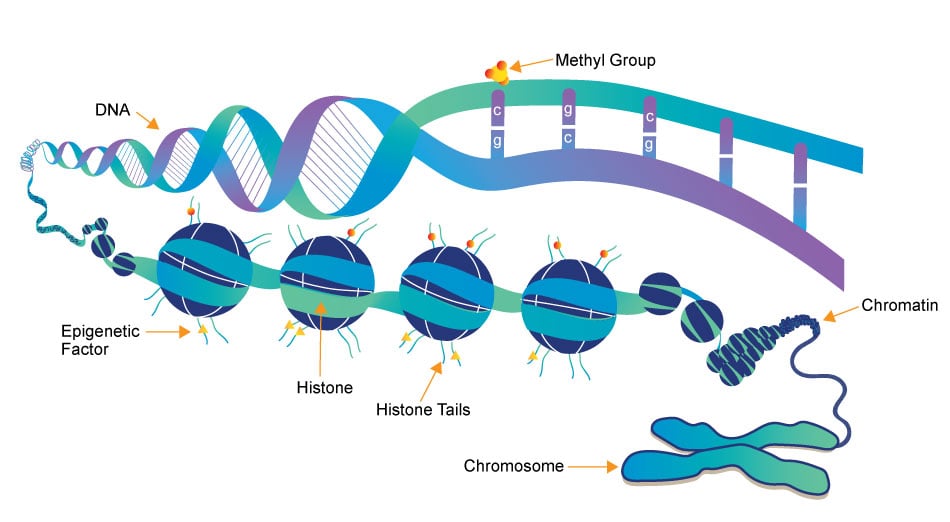
Epigenetics research delves into the molecular mechanisms that control gene expression and cellular traits without altering the underlying DNA sequence. One crucial aspect of this field is the role of small molecules, which act as powerful regulators of epigenetic modifications. These small compounds, typically comprising a few dozen to a few hundred atoms, have emerged as essential tools in understanding and manipulating the epigenome.
- DNA Methylation Inhibitors: Small molecules like 5-azacytidine and 5-aza-2'-deoxycytidine are DNA methyltransferase inhibitors. They block the addition of methyl groups to DNA, leading to DNA demethylation. This can reactivate silenced genes, potentially offering therapeutic avenues for conditions like cancer.
- HDAC inhibitors: HDACs remove acetyl groups from histone proteins, contributing to gene repression. Small molecule HDAC inhibitors, such as Vorinostat and Romidepsin, can reverse this process by increasing histone acetylation, allowing genes to be more accessible for transcription. These inhibitors are being explored for cancer therapy and other conditions.
- Histone Methyltransferase Inhibitors: Small molecules like GSK126 inhibit specific histone methyltransferases, affecting histone methylation patterns. This can alter gene expression, making them promising candidates for cancer and other diseases with epigenetic dysregulation.
- RNA Modulators: Small molecules can also target non-coding RNAs involved in epigenetic regulation. For instance, small molecules called small interfering RNAs (siRNAs) can be designed to target and degrade specific long non-coding RNAs, influencing gene expression.
- Epigenetic Reader Domain Inhibitors: These small molecules target proteins that recognize and bind to specific epigenetic marks. Examples include inhibitors of bromodomain-containing proteins (BET inhibitors), which can disrupt gene regulation by interfering with protein-DNA interactions.
Small molecules in epigenetics research not only provide insights into the fundamental biology of gene regulation but also hold immense promise for developing novel therapeutics. Their ability to selectively modulate specific epigenetic marks and pathways has led to ongoing clinical trials and drug development efforts for various diseases, including cancer, neurological disorders, and inflammatory conditions. Understanding and harnessing the power of these small molecules is at the forefront of modern epigenetics research, offering new hope for precision medicine and targeted therapies.
3 key components involved in the regulation of epigenetic modifications
Epigenetics Writer
Epigenetics writers are enzymes responsible for adding chemical marks or modifications to DNA or histone proteins. These marks include DNA methylation (addition of methyl groups to DNA) and histone modifications (such as acetylation, methylation, phosphorylation, etc.).
Epigenetics Reader
Function: Epigenetics readers are proteins that can recognize and bind to specific epigenetic marks on DNA or histones. These reader proteins interpret the epigenetic code and facilitate downstream cellular processes, such as gene activation or repression.
Epigenetics Eraser
Function: Epigenetics erasers are enzymes responsible for removing or reversing epigenetic marks on DNA or histones. This process allows for the dynamic regulation of gene expression and the resetting of epigenetic states during various stages of development and in response to environmental changes.
-
HDAC Inhibitor
(E/Z)-Dacinostat is a potent histone deacetylase (HDAC) inhibitor that plays a critical role in inducing apoptosis in cancer cells, particularly leukemia. By promoting the generation of reactive oxygen species (ROS) and instigating DNA damage, (E/Z)-Dacinostat enhances the cytotoxic efficacy of fludarabine against leukemia cells. Its mechanism involves modulation of DNA repair pathways and intracellular signaling, making it a valuable tool for cancer research and therapeutic investigations. -
Aurora Kinase Inhibitor
Aurora Kinase Inhibitor-14 is a highly selective inhibitor of Aurora kinases, demonstrating IC50 values of 0.5 nM for Aurora A and 1.2 nM for Aurora B. This compound binds to the ATP-binding site of these kinases, effectively disrupting chromosome segregation during mitosis and promoting apoptosis in tumor cells. Aurora Kinase Inhibitor-14 is a valuable tool for investigating the therapeutic potential in various solid tumors and hematological malignancies, including non-small cell lung cancer, breast cancer, and acute myeloid leukemia. -
HDAC Inhibitor
SK-7041 is a histone deacetylase (HDAC) inhibitor with an IC50 value of 172 nM. This compound promotes hyperacetylation of histones H3 and H4, leading to the inhibition of tumor cell growth both in vitro and in vivo. Additionally, SK-7041 induces apoptosis and causes cell cycle arrest at the G1 phase, making it a valuable tool for cancer research and therapeutic exploration. -
HDAC8 Inhibitor
HDAC8-IN-3 is a potent inhibitor of Histone Deacetylase 8 (HDAC8), exhibiting an IC50 value of 9.3 μM. This compound induces thermal stabilization and demonstrates cytotoxic effects, leading to apoptosis in leukemic cell lines. HDAC8-IN-3 is valuable for research applications focused on cancer metabolism, epigenetic regulation, and therapeutic development for hematological malignancies. -
Hsp90/HDAC6 Inhibitor
HDAC6/HSP90-IN-2 is a dual inhibitor targeting both HDAC6 and Hsp90, exhibiting IC50 values of 105.7 nM and 61 nM, respectively. This compound demonstrates significant potential in cancer research, enabling the study of mechanisms involved in tumorigenesis and the development of novel therapeutic strategies. Its ability to modulate key cellular pathways associated with cancer progression makes it a valuable tool for investigating the role of HDAC6 and Hsp90 in various malignancies. -
DNMT Inhibitor
DNMT1-IN-5 is a selective inhibitor targeting DNA methyltransferases DNMT1 and DNMT3A, with IC50 values of 2.42 μM and 14.4 μM, respectively. This compound demonstrates significant antiproliferative activity across various cancer cell lines, exhibiting IC50 values ranging from 0.19 to 2.37 μM in TMD-8, DOHH2, MOLM-13, THP-1, RPIM-8226, and HCT116. In addition to inducing cell cycle arrest at the G2/M phase, DNMT1-IN-5 promotes apoptosis in TMD-8 and DOHH2 cells and has shown antitumor efficacy in xenograft mouse models. -
Wee1/HDAC Inhibitor
Wee1/HDAC-IN-1 is a dual inhibitor targeting Wee1 and histone deacetylases (HDACs). It demonstrates potent activity with an IC50 of 1.2 nM for Wee1 and varying IC50 values of 196 nM for HDAC1, 156 nM for HDAC3, and 55 nM for HDAC6. This compound displays significant antiproliferative effects in MV4-11 cells, with an IC50 of 0.076 μM, by disrupting DNA damage repair mechanisms and promoting apoptosis. Wee1/HDAC-IN-1 is suited for research on acute myeloid leukemia (AML). -
HDAC/DNMT Inhibitor
J208 is a dual inhibitor targeting histone deacetylase (HDAC) and DNA methyltransferase (DNMT). This compound effectively inhibits the proliferation of cancer cells and reduces the migration and invasion of triple-negative breast cancer (TNBC) cells. J208 also induces apoptosis and halts the cell cycle at the G0/G1 phase, while activating innate immune signaling pathways by promoting the expression of endogenous retroviruses (ERVs) in TNBC. It serves as a valuable tool for investigating epigenetic regulation and cancer therapy. -
ARP-1/HDAC-1 Inhibitor
DLC-50 is a dual inhibitor of PARP-1 and HDAC-1, exhibiting IC50 values of 1.2 nM and 31 nM, respectively. This compound effectively inhibits the proliferation of various breast cancer cell lines, including MDA-MB-436, MDA-MB-231, and MCF-7, with IC50 values of 0.3, 2.7, and 2.41 μM. Additionally, DLC-50 induces apoptosis specifically in MDA-MB-231 cells and causes cell cycle arrest at the G2 phase, making it a valuable tool for cancer research and therapeutic development. -
CDK9/HDAC Dual Inhibitor
CDK9/HDAC1/HDAC3-IN-1 is a dual inhibitor targeting CDK9 and HDACs. With IC50 values of 0.17 μM for CDK9, 1.73 μM for HDAC1, and 1.11 μM for HDAC3, this compound effectively disrupts the activity of these proteins. It induces cancer cell apoptosis and causes cell cycle arrest at the G2/M phase. Additionally, CDK9/HDAC1/HDAC3-IN-1 exhibits broad-spectrum anti-cancer effects, demonstrating efficacy against various malignancies, including breast, cervical, and liver cancers, as evidenced in murine TNBC MDA-MB-231 xenograft models. -
HDAC1/2 Inhibitor
ZWZH-21 is a selective inhibitor of histone deacetylases HDAC1 and HDAC2, demonstrating IC50 values of 34 nM and 41 nM, respectively. This dual-action compound exhibits potent anti-proliferative effects on colorectal cancer cell lines HCT116 and SW480, with IC50 values of 0.524 μM and 1.063 μM, respectively. Additionally, ZWZH-21 effectively inhibits cell migration and prompts apoptosis in multiple colorectal cancer models, making it a valuable tool for cancer research, particularly in the study of colorectal cancer. -
BRD4 Inhibitor
BET-IN-20 is a selective BRD4 bromodomain inhibitor with an IC50 of 1.9 nM. This compound demonstrates significant anticancer activity by inducing apoptosis in acute myeloid leukemia (AML) cells and effectively arresting the cell cycle in the G0/G1 phase. Additionally, BET-IN-20 inhibits c-Myc and CDK6, while enhancing PARP cleavage, making it a valuable tool for cancer research and therapeutic development. -
BRD4 PROTAC Degrader
NEP162 is a potent BRD4 PROTAC degrader, demonstrating DC50 values of 1.2 and 1.6 μM in SW480 and U2OS cell lines, respectively. It exhibits significant antiproliferative activity, effectively inhibiting tumor growth and promoting apoptosis in various cancer models. NEP162 is particularly relevant for research applications in osteosarcoma, colorectal cancer, and non-small cell lung cancer. -
Aurora A Inhibitor
Aurora A Inhibitor 2 is a potent inhibitor of Aurora A kinase, exhibiting an IC50 value of 21.94 nM. This compound has been shown to induce caspase-dependent apoptosis in MDA-MB-231 cells, highlighting its potential as a therapeutic agent in cancer research. It is useful for studies investigating the role of Aurora A in cell cycle regulation and apoptosis. -
HDAC1/HDAC2 Inhibitor
ST13 is a selective inhibitor of HDAC1 and HDAC2, exhibiting IC50 values of 23 nM and 49 nM, respectively. It offers weak inhibition of HDAC3 and HDAC6, with IC50 values of 4.30 μM and >10 μM, respectively. The binding mechanism of ST13 involves an initial rapid formation of a collision complex followed by a slow conversion to a stable complex. This compound has demonstrated the ability to induce apoptosis in cancer cells and is useful for research on melanoma and triple-negative breast cancer. -
Topo II/ HDAC Inhibitor
Topo II/HDAC-IN-1 is a potent dual inhibitor targeting Topoisomerase II (Topo II) and histone deacetylases (HDACs). This compound is known to induce apoptosis in cancer cells, making it a valuable tool for research in cancer biology and therapeutic development. Its ability to simultaneously inhibit these targets can provide insights into novel cancer treatment strategies. -
PDE5/HDAC Inhibitor
PDE5/HDAC-IN-1 is a dual inhibitor of phosphodiesterase 5 (PDE5) and histone deacetylases (HDAC) with IC50 values of 46.3 nM and 14.5 nM, respectively. This compound has demonstrated the capability to induce cell apoptosis and exhibits significant anticancer activities. PDE5/HDAC-IN-1 is a valuable tool for research in cancer therapeutics and epigenetic modulation. -
HDAC3 Inhibitor
HDAC3-IN-6 is a selective inhibitor of histone deacetylase 3 (HDAC3) with an IC50 of 53 nM. This compound effectively induces the expression of PD-L1 in a dose-dependent manner, promoting apoptosis and elevating reactive oxygen species (ROS) production. HDAC3-IN-6 demonstrates significant antitumor efficacy, particularly in colorectal cancer models, making it a valuable tool for research into cancer therapy and immunomodulation. -
HDAC1-3 PROTAC Degrader
JPS004 is a targeted proteolysis targeting chimera (PROTAC) that degrades histone deacetylases HDAC1-3. By inducing the degradation of these enzymes, JPS004 facilitates histone acetylation, which can promote apoptosis in cancer cells. This compound is valuable for research into cancer biology and therapeutic strategies aimed at modulating epigenetic modifications. -
PROTAC BRD4 Degrader
PROTAC BRD4 Degrader-16 is an effective degrader specifically targeting BRD4, with IC50 values of 34.58 nM for BRD4 (BD1) and 40.23 nM for BRD4 (BD2). This compound is known to significantly reduce Cyclin B1 expression, which is associated with G2/M cell cycle progression. Additionally, PROTAC BRD4 Degrader-16 effectively induces apoptosis in MV-4-11 cells, contributing to its potential utility in cancer research and therapeutic applications. -
Anticancer Agent
Tubulosine is an alkaloid that functions as a selective inhibitor of the Janus kinase 3 (JAK3) with an IC50 of 9.9 nM. It exhibits enhanced inhibition of JAK3 compared to other JAK family members, with IC50 values of 69.5 nM for JAK1, 84.9 nM for JAK2, and 76.3 nM for TYK2. Tubulosine induces both apoptotic and necrotic/autophagic cell death in cancer cells and disrupts peptide chain elongation in eukaryotic polysomes. This compound demonstrates promising anticancer activity, particularly in breast cancer cell lines, making it a valuable tool for cancer research. -
JAK2/STAT3 Inhibitor
DPP is a Platinum(IV) complex featuring a pterostilbene-derived axial ligand that specifically targets the JAK2/STAT3 signaling pathway. This compound displays significant antiproliferative activity against breast cancer cells by inducing apoptosis through the activation of caspase-3 and cleavage of poly ADP-ribose polymerase. Additionally, DPP enhances the maturation and antigen presentation capability of dendritic cells, demonstrating favorable safety profiles in in vivo studies, making it a promising candidate for cancer immunotherapy research. -
HDAC Inhibitor
HDAC-IN-60 is a potent inhibitor of histone deacetylases (HDACs). This compound promotes the generation of reactive oxygen species (ROS) within cells, leading to DNA damage and subsequent activation of the mitochondrial apoptotic pathway. Additionally, HDAC-IN-60 can effectively disrupt the cell cycle at the G2/M phase, making it valuable for research in cancer biology and therapeutic interventions targeting HDACs. -
HDAC Inhibitor
MC2590 is a selective histone deacetylase (HDAC) inhibitor that targets class I and IIb HDAC isoforms, including HDAC1-3, -6, -8, and -10, with IC50 values ranging from 0.015 μM to 0.156 μM. It also inhibits other HDAC isoforms, such as HDAC4, HDAC5, HDAC7, HDAC9, and HDAC11, with higher IC50 values between 1.35 μM and 3.98 μM. MC2590 has been shown to induce G2/M cell cycle arrest and influences the expression of pro- and anti-apoptotic microRNAs, leading to the induction of apoptosis. This compound is valuable for research in cancer biology, epigenetics, and cell cycle regulation. -
PARP1/BRD4 Inhibitor
PARP1/BRD4-IN-2 is a selective inhibitor of PARP1 and BRD4, demonstrating IC50 values of 197 nM and 238 nM, respectively. This compound effectively impedes DNA damage repair mechanisms, inhibits the G0/G1 cell cycle transition, and induces apoptotic cell death. PARP1/BRD4-IN-2 has shown significant anti-tumor efficacy in the MDA-MB-468 xenograft mouse model, making it a valuable tool for research in triple-negative breast cancer (TNBC). -
HDAC/CDK Inhibitor
CDK/HDAC-IN-2 is a dual inhibitor of histone deacetylases (HDACs) and cyclin-dependent kinases (CDKs), exhibiting IC50 values of 6.4 nM for HDAC1, 0.25 nM for HDAC2, 45 nM for HDAC3, and >1000 nM for HDAC6,8, as well as 8.63 nM for CDK1, 0.30 nM for CDK2, and >1000 nM for CDK4,6,7. This compound demonstrates significant antiproliferative effects, inducing apoptosis and causing cell cycle arrest in the G2/M phase. CDK/HDAC-IN-2 is particularly valuable in cancer research due to its potent antitumor efficacy. -
HDAC3/6 Inhibitor
HDAC3/6-IN-2 is a selective inhibitor of histone deacetylases HDAC3 and HDAC6, exhibiting IC50 values of 0.368 μM and 0.635 μM, respectively. This compound demonstrates significant antitumor activity by promoting apoptosis in cancer cells. Additionally, HDAC3/6-IN-2 reduces the levels of HDAC3 and HDAC6, leading to the upregulation of acetylated histone H3 and α-tubulin, which may enhance therapeutic outcomes for cancers associated with these targets. -
HDAC Inhibitor
HDAC-IN-71 is a potent histone deacetylase (HDAC) inhibitor that exhibits IC50 values of 12.6 nM for HDAC1, 14.1 nM for HDAC2, 20 nM for HDAC3, 3 nM for HDAC6, and 72 nM for HDAC10. This compound effectively induces apoptosis, making it a valuable tool in cancer research. Its selective inhibition of multiple HDAC isoforms can aid in elucidating the role of histone modification in tumor progression and therapeutic response. -
HDAC6 Inhibitor
C1A is an inhibitor of class I and II histone deacetylases (HDACs) as well as sirtuins, demonstrating an IC50 of 479 nM specifically for HDAC6. This compound promotes sustained acetylation of HDAC6 substrates, including α-tubulin and HSP90, contributing to its potent anticancer properties. C1A has been shown to effectively induce apoptosis in various cancer cell lines, making it a valuable tool for research in cancer biology and therapeutic development. -
LSD1/HDAC Inhibitor
LSD1/HDAC-IN-2 is a potent inhibitor of lysine-specific demethylase 1 (LSD1) and several histone deacetylases (HDAC1, HDAC2, HDAC3, HDAC6, and HDAC8), with IC50 values ranging from 1.0 to 39.0 nM. This compound demonstrates significant biological activity by inhibiting the proliferation of colorectal cancer cells, inducing apoptosis, and causing G2/M cell cycle arrest. Additionally, LSD1/HDAC-IN-2 reduces cell migration and displays antitumor efficacy in mouse models, making it a valuable tool for cancer research and therapeutic development. -
HDAC Inhibitor
HDAC-IN-42 is a potent and selective inhibitor of histone deacetylases (HDACs), displaying IC50 values of 0.19 µM for HDAC1 and 4.98 µM for HDAC6. This compound demonstrates significant anticancer and anti-proliferative effects, inducing apoptosis and causing cell cycle arrest in the G2/M phase. HDAC-IN-42 is valuable for research applications focused on cancer biology and the modulation of gene expression through epigenetic mechanisms. -
PARP1 Inhibitor
PARP1-IN-14 is a potent inhibitor of PARP1, displaying an IC50 of 0.6 ± 0.1 nM. It demonstrates significant antiproliferative effects on MDA-MB-436 (BRCA1−/−) and Capan-1 (BRCA2−/−) cell lines, with IC50 values below 0.3 nM. This compound is valuable for cancer research, particularly in studies focused on DNA repair mechanisms and therapeutic strategies for BRCA-deficient tumors. -
Top/HDAC Dual Inhibitor
Top/HDAC-IN-2 is a dual inhibitor targeting topoisomerase and histone deacetylases (HDACs). This compound demonstrates significant antitumor activity and effectively induces apoptosis in cancer cells. Its ability to concurrently interfere with these critical pathways makes it a valuable tool for researchers investigating cancer therapeutics and cell death mechanisms. -
FLT3/HDAC Inhibitor
HDAC-IN-63 is a dual inhibitor targeting both FLT3 and HDAC, with IC50 values of 0.844 nM for FLT3 and 30.0 nM for HDAC1. It demonstrates potent inhibition of MV4-11 cell proliferation, with an IC50 of 92 nM, and effectively induces apoptosis while arresting the cell cycle in MV4-11 cells. This compound serves as a valuable research tool for the study of acute myeloid leukemia (AML) and the exploration of novel therapeutic strategies. -
PARP-1 Inhibitor
PARP1-IN-46 is a potent PARP-1 inhibitor with an IC50 of 2.4 nM, targeting the PARP-1 enzyme to modulate DNA damage response pathways. It exhibits significant anti-proliferative effects in both rat (C6) and human (U87MG) glioma cell lines by promoting PARP cleavage and inducing reactive oxygen species (ROS), ultimately leading to increased cell apoptosis. Additionally, PARP1-IN-46 effectively inhibits glioma cell migration, invasion, and colony formation, making it a valuable tool for research on glioma biology and potential therapeutic strategies. -
PROTAC HDAC6 Degrader
PROTAC HDAC6 Degrader 1 is a selective compound designed to target and degrade histone deacetylase 6 (HDAC6) through the proteolysis-targeting chimera (PROTAC) mechanism. With a DC50 of 3.5 nM, this degrader exhibits significant antiproliferative effects, particularly by inducing apoptosis in myeloid leukemia cell lines. It serves as a valuable tool for research on cancer therapies and the modulation of histone deacetylation pathways. -
HDAC4 Inhibitor
HDAC4-IN-1 is a selective inhibitor of histone deacetylase 4 (HDAC4), demonstrating an IC50 of 0.077 μM. This compound has been shown to enhance caspase-mediated apoptosis, highlighting its potential in anticancer applications. HDAC4-IN-1 is a valuable tool for research into drug combinations aimed at increasing the efficacy of cancer therapies. -
HDAC6 Inhibitor
HDAC6-IN-45 is a selective inhibitor of histone deacetylase 6 (HDAC6), demonstrating an IC50 of 15.2 nM. This compound has been shown to promote neurotrophic effects by enhancing the expression of GAP43 and Beta-3 tubulin, while also activating the Nrf2 signaling pathway. Further research applications include its ability to mitigate H2O2-induced reactive oxygen species production, inhibit apoptosis in PC12 cells, and confer neuroprotective effects in SCOP-induced zebrafish models of Alzheimer's disease. Additionally, HDAC6-IN-45 exhibits antioxidant properties and possesses favorable blood-brain barrier permeability. -
Topo II/ HDAC Inhibitor
Topo II/HDAC-IN-2 is a potent dual inhibitor targeting topoisomerase II (Topo II) and histone deacetylases (HDAC). This compound is known to induce apoptosis in various cancer cell lines, making it a valuable tool for investigating the mechanisms of tumorigenesis and potential therapeutic interventions. Research applications include studies on cancer biology, drug development, and the modulation of epigenetic regulators. -
DNMT3A Inhibitor
(4aS,8aR)-NPD-001 is a potent allosteric inhibitor targeting DNMT3A, disrupting critical protein-protein interactions essential for its activity. This compound demonstrates significant biological activity by inducing apoptosis in acute myeloid leukemia (AML) cell lines and promoting differentiation in various AML cell types, including those harboring the R882 mutation in DNMT3A. Its specific modulation of DNMT3A makes (4aS,8aR)-NPD-001 a valuable tool for research on epigenetic regulation in hematological malignancies. -
Dual PLK1/BET Inhibitor
WNY0824 is a dual inhibitor targeting Polo-like kinase 1 (PLK1) and the Bromodomain and Extra-Terminal (BET) protein family. It demonstrates potent inhibitory activity, with IC50 values of 22 nmol/L for PLK1 and varying efficacy against BRD2, BRD3, BRD4, and BRDT. WNY0824 induces cell cycle arrest and apoptosis by disrupting AR- and MYC-mediated transcriptional processes, making it valuable for research in cancer biology. Furthermore, it has shown effectiveness in inhibiting tumor growth in Enzalutamide-resistant castration-resistant prostate cancer (CRPC) xenograft models, highlighting its potential in overcoming treatment resistance. -
FLT3/HDAC Inhibitor
FLT3/HDAC-IN-3 is a dual inhibitor targeting FLT3 and HDAC, with a potent inhibitory effect on FLT3 (IC50 = 14 nM) and HDAC isoforms, including HDAC1 (IC50 = 27 nM) and HDAC6 (IC50 = 20 nM). This compound demonstrates selective inhibition, exhibiting reduced activity against HDAC8 and no activity toward HDAC4. FLT3/HDAC-IN-3 has shown anti-proliferative effects across various hematological malignancy cell lines and demonstrates efficacy in the Jeko-1 xenograft model without significant toxicity. It is suitable for research focused on hematological malignancies and the role of dual inhibition in therapeutic strategies. -
HDAC Inhibitor
HDAC-IN-81 is a potent HDAC1 inhibitor, demonstrating an IC50 value of 4.5 nM. This compound exhibits significant anti-cancer activity by effectively inhibiting cell proliferation and inducing apoptosis in cancer cells. It serves as a valuable tool for research applications in cancer biology and epigenetic regulation. -
HDAC Inhibitor
Valproic acid magnesium is an orally active histone deacetylase (HDAC) inhibitor that exhibits an IC50 range of 0.5 to 2 mM, specifically inhibiting HDAC1 with an IC50 of 400 μM while promoting the proteasomal degradation of HDAC2. This compound activates Notch1 signaling and demonstrates anti-proliferative effects in small cell lung cancer (SCLC) cells. Valproic acid magnesium has diverse therapeutic applications, including the treatment of epilepsy, bipolar disorder, metabolic diseases, HIV infection, and the prevention of migraine headaches. -
HDAC Inhibitor
Nanatinostat TFA is a potent, orally active inhibitor of class I histone deacetylases (HDACs), with IC50 values of 3 nM, 4 nM, and 7 nM for HDAC1, HDAC2, and HDAC3, respectively. It demonstrates reduced activity against HDAC5 and HDAC6, with IC50 values of 200 nM and 2100 nM, respectively. Nanatinostat TFA effectively induces apoptosis in myeloma cells and exhibits significant anticancer properties against various malignancies, including advanced solid tumors and colorectal cancer. Its selective inhibition of HDACs positions it as a valuable compound for cancer research and therapeutic development. -
PI3K/HDAC Inhibitor
Fimepinostat mesylate is a potent dual inhibitor targeting class I phosphoinositide 3-kinases (PI3Ks) and histone deacetylases (HDACs). It exhibits IC50 values of 19 nM for PI3Kα, 54 nM for PI3Kβ, 39 nM for PI3Kδ, and 1.7 nM for HDAC1, 5.0 nM for HDAC2, 1.8 nM for HDAC3, and 2.8 nM for HDAC10. This compound is valuable for research applications focusing on cancer biology, epigenetic regulation, and cellular signaling pathways. -
FLT3/JAK2 Inhibitor
JAK2/FLT3-IN-3 is a potent dual inhibitor of FLT3 and JAK2, exhibiting IC50 values of 2.01 nM for JAK2, 0.51 nM for FLT3, and 104.40 nM for JAK3. This compound induces apoptosis in cancer cells and demonstrates significant antitumor activity. Its ability to inhibit both FLT3 and JAK2 pathways makes it a valuable tool for research related to hematological malignancies and targeted cancer therapies. -
PARP 2 Inhibitor
PARP-2-IN-2 is a potent inhibitor of PARP-2, exhibiting an IC50 value of 0.057 μM. This compound effectively induces cell cycle arrest and apoptosis in MCF-7 breast cancer cells, highlighting its potential as a therapeutic agent in cancer research. PARP-2-IN-2 is valuable for investigations into cancer biology and therapeutic strategies targeting DNA repair mechanisms. -
HDAC Inhibitor
MC2625 is a potent histone deacetylase (HDAC) inhibitor, specifically targeting HDAC3 and HDAC6 with IC50 values of 80 nM and 11 nM, respectively. This compound effectively increases levels of acetylated histone H3 and acetylated tubulin, promoting apoptosis in cancer stem cells (CSCs) and inhibiting their growth. MC2625 serves as a valuable tool for research focused on cancer therapeutics and the role of epigenetics in tumor biology. -
JAK2/STAT3 Inhibitor
Cernuumolide J is a selective inhibitor of JAK2/STAT3 signaling pathway. It induces G2/M phase arrest and apoptosis in HEL leukemia cells by downregulating the phosphorylation of JAK2, STAT3, and Erk, while promoting the phosphorylation of JNK and p38 MAPK. Cernuumolide J exhibits a concentration-dependent growth inhibition of HEL leukemia cells, with an IC50 value of 1.79 μM, making it a valuable compound for research in anti-cancer therapy.
