






Epigenetics
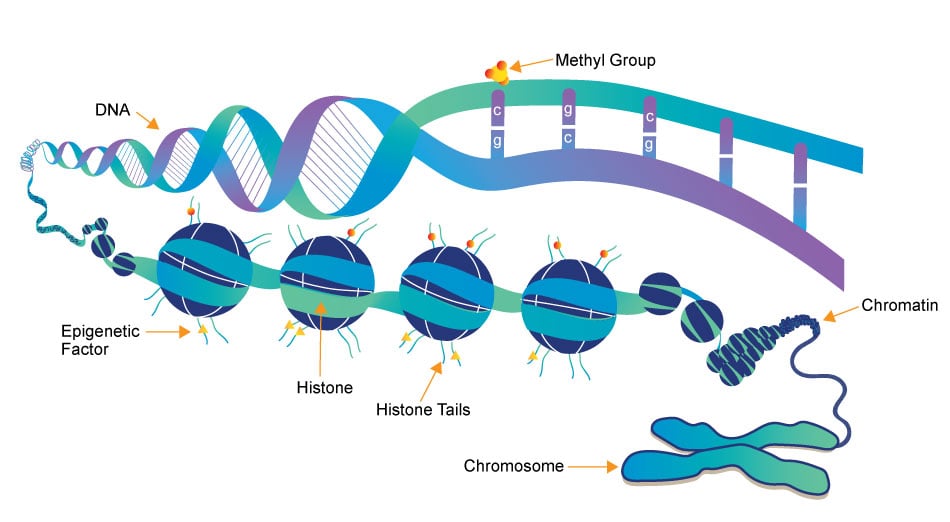
Epigenetics research delves into the molecular mechanisms that control gene expression and cellular traits without altering the underlying DNA sequence. One crucial aspect of this field is the role of small molecules, which act as powerful regulators of epigenetic modifications. These small compounds, typically comprising a few dozen to a few hundred atoms, have emerged as essential tools in understanding and manipulating the epigenome.
- DNA Methylation Inhibitors: Small molecules like 5-azacytidine and 5-aza-2'-deoxycytidine are DNA methyltransferase inhibitors. They block the addition of methyl groups to DNA, leading to DNA demethylation. This can reactivate silenced genes, potentially offering therapeutic avenues for conditions like cancer.
- HDAC inhibitors: HDACs remove acetyl groups from histone proteins, contributing to gene repression. Small molecule HDAC inhibitors, such as Vorinostat and Romidepsin, can reverse this process by increasing histone acetylation, allowing genes to be more accessible for transcription. These inhibitors are being explored for cancer therapy and other conditions.
- Histone Methyltransferase Inhibitors: Small molecules like GSK126 inhibit specific histone methyltransferases, affecting histone methylation patterns. This can alter gene expression, making them promising candidates for cancer and other diseases with epigenetic dysregulation.
- RNA Modulators: Small molecules can also target non-coding RNAs involved in epigenetic regulation. For instance, small molecules called small interfering RNAs (siRNAs) can be designed to target and degrade specific long non-coding RNAs, influencing gene expression.
- Epigenetic Reader Domain Inhibitors: These small molecules target proteins that recognize and bind to specific epigenetic marks. Examples include inhibitors of bromodomain-containing proteins (BET inhibitors), which can disrupt gene regulation by interfering with protein-DNA interactions.
Small molecules in epigenetics research not only provide insights into the fundamental biology of gene regulation but also hold immense promise for developing novel therapeutics. Their ability to selectively modulate specific epigenetic marks and pathways has led to ongoing clinical trials and drug development efforts for various diseases, including cancer, neurological disorders, and inflammatory conditions. Understanding and harnessing the power of these small molecules is at the forefront of modern epigenetics research, offering new hope for precision medicine and targeted therapies.
3 key components involved in the regulation of epigenetic modifications
Epigenetics Writer
Epigenetics writers are enzymes responsible for adding chemical marks or modifications to DNA or histone proteins. These marks include DNA methylation (addition of methyl groups to DNA) and histone modifications (such as acetylation, methylation, phosphorylation, etc.).
Epigenetics Reader
Function: Epigenetics readers are proteins that can recognize and bind to specific epigenetic marks on DNA or histones. These reader proteins interpret the epigenetic code and facilitate downstream cellular processes, such as gene activation or repression.
Epigenetics Eraser
Function: Epigenetics erasers are enzymes responsible for removing or reversing epigenetic marks on DNA or histones. This process allows for the dynamic regulation of gene expression and the resetting of epigenetic states during various stages of development and in response to environmental changes.
-
JMJD1C Inhibitor
JMJD1C-IN-1 is a selective inhibitor of JMJD1C with an IC50 of 0.59 μM and a Kd of 1.96 μM. This compound effectively disrupts the binding of JMJD1C to the H3K9me2 peptide substrate as demonstrated in the HTRF assay, showing an IC50 of 1.47 μM. JMJD1C-IN-1 enhances tumor immunotherapy research by impairing intratumoral regulatory T (Treg) cell fitness through the accumulation of H3K9me2, which downregulates PD1 expression, and by reducing STAT3 demethylation, thereby promoting STAT3 activation. Furthermore, it exhibits dose-dependent antitumor efficacy across various mouse cancer models, including fibrosarcoma, melanoma, lung cancer, hepatocellular carcinoma, and colorectal cancer. -
PRMT1 Inhibitor
Furamidine dihydrochloride is a selective inhibitor of protein arginine methyltransferase 1 (PRMT1), exhibiting an IC50 of 9.4 μM. This compound demonstrates significant selectivity for PRMT1 over PRMT5, PRMT6, and PRMT4, making it an essential tool for studying PRMT-related biological processes. In addition, Furamidine dihydrochloride inhibits tyrosyl-DNA phosphodiesterase 1 (TDP-1) competitively and reversibly, showing enhanced activity with duplex DNA substrates. Furthermore, it possesses antiparasitic properties, expanding its potential applications in chemical and biological research. -
SETD2 Inhibitor
EPZ-719 is a selective inhibitor of the SETD2 enzyme, exhibiting an IC50 value of 0.005 μM. This compound demonstrates significant anticancer activity, making it a valuable tool for research in cancer biology and therapeutic development. EPZ-719 may be utilized to explore the role of SETD2 in tumorigenesis and to evaluate potential treatment strategies targeting this pathway. -
DOT1L Inhibitor
Dot1L-IN-4 is a potent inhibitor of the DOT1L enzyme, exhibiting an IC50 of 0.11 nM. It effectively disrupts the activity of the telomeric silencing 1-like protein, making it a valuable tool for research into epigenetic regulation and gene expression modulation. Its application extends to studies on leukemia and other cancer types where DOT1L is implicated, facilitating investigations into therapeutic approaches targeting this pathway. -
HDAC Inhibitor
HDAC-IN-48 is a potent inhibitor of histone deacetylases (HDACs) that exhibits significant cytotoxicity, with a GI50 of approximately 20 nM. This hybrid molecule incorporates pharmacophores from SAHA and CETZOLE, effectively inducing ferroptosis while inhibiting HDAC activity. Additionally, HDAC-IN-48 features an alkyne group, allowing it to participate in copper-catalyzed azide-alkyne cycloaddition (CuAAc) reactions, making it a valuable tool for click chemistry applications in chemical biology and therapeutic research. -
HDAC11 Inhibitor
HDAC11-IN-3 is a selective inhibitor of HDAC11, exhibiting an IC50 of 4.1 nM. This compound demonstrates potent anti-acute myeloid leukemia (AML) activity against U937 and OCI-AML2 cell lines with an IC50 of 10 μM. It effectively induces apoptosis, cell cycle arrest, and differentiation while upregulating iron transporters transferrin (TF) and transferrin receptor (TFRC). Additionally, HDAC11-IN-3 activates the p62-Keap1-Nrf2-HMOX1 pathway, resulting in elevated intracellular iron levels and subsequent ferroptosis in AML cells. This reagent is suited for studies investigating the molecular mechanisms of AML and can be utilized alone or in combination with other therapeutic agents like Cytarabine. -
LSD1 Inhibitor
Higenamine hydrochloride is a selective inhibitor of LSD1, with an IC50 value of 1.47 μM. This compound exhibits anti-inflammatory and antibacterial properties, and has been shown to attenuate IL-1β-induced apoptosis via the ROS-mediated PI3K/Akt signaling pathway. Additionally, Higenamine hydrochloride protects brain cells from oxygen deprivation and promotes bone formation in osteoporosis through the SMAD2/3 pathway. Its versatile applications make it suitable for research in cancer, inflammation, cardiorenal syndrome, and related diseases. -
PAD Inhibitor
BB-Cl-Amidine hydrochloride is a selective peptidylarginine deiminase (PAD) inhibitor. It demonstrates significant inhibitory activity against PAD enzymes, influencing protein citrullination processes. This compound is utilized in research focused on the role of PAD enzymes in various diseases, such as rheumatoid arthritis and neurodegenerative disorders, as well as for exploring mechanisms of protein modification. -
PAD2 Inhibitor
AFM32a hydrochloride is a selective inhibitor of protein arginine deiminase 2 (PAD2), derived from a benzimidazole structure. It demonstrates high potency and a remarkable selectivity profile, exhibiting a 95-fold preference for PAD2 over PAD4 and a 79-fold preference over PAD3. This compound is valuable for research applications focusing on the regulatory mechanisms of PAD2 in various biological processes. -
PAD4 Inhibitor
GSK484 is a selective inhibitor of peptidylarginine deiminase 4 (PAD4), effectively blocking the enzyme's catalytic activity to inhibit protein citrullination and neutrophil extracellular trap (NET) formation. This compound demonstrates anti-inflammatory properties by reducing histone H3 production, modulating MHC-I expression, and inhibiting CD8+ T cell activation and proliferation. Research applications include studies on rheumatoid arthritis, sickle cell disease, myocardial ischemia-reperfusion injury, and colitis, as well as investigations into intestinal microbial homeostasis and ferroptosis-related dysbiosis. -
PAD4 Inhibitor
JBI-589 is a non-covalent inhibitor selectively targeting the PAD4 isoform. This compound effectively reduces CXCR2 expression and inhibits neutrophil chemotaxis, making it instrumental in the study of inflammatory processes. JBI-589 demonstrates potential in diminishing primary tumors and metastases while enhancing the efficacy of checkpoint inhibitors. It is suitable for various applications in cancer research. -
PAD4 Inhibitor
BMS-P5 free base is a selective inhibitor of peptidylarginine deiminase 4 (PAD4), demonstrating an IC50 of 98 nM. This compound exhibits specificity for PAD4 over PAD1, PAD2, and PAD3. BMS-P5 free base effectively inhibits multiple myeloma (MM)-induced neutrophil extracellular trap (NET) formation and has been shown to delay the progression of MM in syngeneic mouse models, making it a valuable tool for research in cancer and inflammation. -
PAD4 Inhibitor
BMS-P5 is a selective inhibitor of peptidylarginine deiminase 4 (PAD4), demonstrating an IC50 of 98 nM. This compound exhibits notable selectivity for PAD4 over PAD1, PAD2, and PAD3. BMS-P5 effectively inhibits neutrophil extracellular trap (NET) formation induced by multiple myeloma (MM) and has been shown to delay the progression of MM in syngeneic mouse models, making it a valuable tool for research in cancer biology and the study of inflammatory responses. -
PAD4 Inhibitor
PAD-IN-2 is a potent inhibitor of pad4 with an IC50 of less than 1 μM. This compound is valuable in the investigation of various autoimmune diseases and cancers, including rheumatoid arthritis, vasculitis, systemic lupus erythematosus, cutaneous lupus erythematosus, ulcerative colitis, cystic fibrosis, asthma, multiple sclerosis, and psoriasis. Its ability to modulate pad4 activity makes it a significant tool for research aimed at understanding these complex conditions. -
PAD2 inhibitor
KP-302 is a selective inhibitor of protein arginine deiminase PAD2, exhibiting a Ki value of 60 μM. This compound demonstrates significant biological activity by reversing physical disability in the experimental autoimmune encephalomyelitis (EAE) mouse model of multiple sclerosis (MS), as well as reducing T cell infiltration in the central nervous system. KP-302 serves as a valuable research tool for investigating disease-modifying therapies in the context of MS. -
PAD2 Inhibitor
AFM-30a is a selective inhibitor of protein arginine deiminase 2 (PAD2), exhibiting an EC50 of 9.5 μM for PAD2 binding. This compound effectively inhibits H3 citrullination with an EC50 value of 0.4 μM. AFM-30a is useful for investigating the role of PAD2 in various biological processes, particularly in cancer research and the study of autoimmune diseases such as rheumatoid arthritis, multiple sclerosis, lupus, and ulcerative colitis. -
PAD2 Inhibitor
AFM32a is a selective inhibitor of protein arginine deiminase 2 (PAD2), characterized by its benzimidazole structure. This compound demonstrates a remarkable selectivity, exhibiting a 95-fold preference for PAD2 over PAD4 and a 79-fold preference over PAD3. Its potential applications in biochemical research include investigations into the role of PAD2 in various physiological and pathological processes, making it a valuable tool for studying citrullination and related signaling pathways. -
PAD4 Inhibitor
PAD4-IN-2 is a selective inhibitor of the peptidyl arginine deiminase 4 (PAD4) enzyme, with an IC50 value of 1.94 μM. This compound has been shown to inhibit tumor growth in mouse models by specifically targeting the PAD4-H3cit-neutrophil extracellular traps (NETs) pathway in neutrophils. PAD4-IN-2 is useful for research applications exploring cancer biology, inflammation, and neutrophil function. -
PAD4 Inhibitor
TDFA is an irreversible inhibitor of protein arginine deiminase 4 (PAD4), a crucial enzyme involved in the modification of arginine residues to citrulline. This compound exhibits significant biological activity by affecting histone modifications and autoimmunity-related processes. TDFA is valuable for research applications focusing on rheumatoid arthritis, cancer biology, and neurodegenerative diseases, providing insights into the role of PAD4 in various disease mechanisms. -
PAD inhibitor
(Rac)-Cl-amidine is a potent inhibitor of protein arginine deiminase (PAD), demonstrating oral bioavailability and effective inhibition of PAD activity. This compound serves as a valuable tool for investigating PAD functions in cellular contexts, influencing critical biological processes such as gene transcription, cell differentiation, and innate immune responses. Its ability to stabilize epigenetic modifications makes (Rac)-Cl-amidine an important reagent for research in immunology and epigenetics. -
PAD inhibitor
2-PADQZ is a potent inhibitor targeting Protein Arginine Deiminase, demonstrating significant antiviral activity against influenza viruses. It specifically binds to the RNA promoter of the influenza A virus, creating a binding site within the internal loop, which disrupts viral replication. Research involving 2-PADQZ has shown notable inhibitory effects against H1N1, H3N2, and influenza B viruses, making it a valuable tool for investigations into antiviral therapeutics and influenza virus biology. -
PAD4 Inhibitor
PAD4-IN-5 is a potent inhibitor of the enzyme PAD4, exhibiting an IC50 of ≤10 nM under 50 µM Ca2+ conditions and between 101-500 nM under 1 mM Ca2+ conditions. This compound serves as a valuable tool for investigating the role of PAD4 in autoimmune diseases, particularly rheumatoid arthritis. Its specificity and efficacy make it suitable for research focused on the pathophysiology of these disorders and the development of targeted therapies. -
PAD4 Inhibitor
F-Amidine TFA is a selective inhibitor of Protein Arginine Deiminase 4 (PAD4), an enzyme crucial in the process of citrullination, which impacts various inflammatory and autoimmune conditions. This compound has demonstrated significant potential in the study of diseases such as rheumatoid arthritis by modulating PAD4 activity. F-Amidine TFA serves as a valuable tool for researchers exploring the role of PAD4 in immune system dysregulation and related pathologies. -
PAD3 Inhibitor
PAD3-IN-1 is a selective inhibitor of protein arginine deiminase 3 (PAD3), exhibiting over 10-fold selectivity compared to PAD isoforms 1, 2, and 4. With IC50 values of 120 μM for PAD1, 27.5 μM for PAD2, 4.5 μM for PAD3, and 30.5 μM for PAD4, PAD3-IN-1 is particularly effective for targeting PAD3. This isoform is implicated in neurodegenerative processes following spinal cord injury, allowing PAD3-IN-1 to serve as a valuable tool for investigating PAD-related neurological disorders. -
Peptidylarginine Deiminase 4 Inhibitor
GSK147 is a potent inhibitor of Peptidylarginine Deiminase 4 (PAD4), demonstrating a Kd of 0.47 µM. This compound effectively inhibits ionomycin-induced protein citrullination in isolated human neutrophils, making it a valuable tool for studying PAD4 activity and its role in various inflammatory conditions. GSK147 is applicable in research focusing on autoimmune diseases and the modulation of protein citrullination. -
PAD4 Inhibitor
PAD4-IN-3 is a potent inhibitor of protein arginine deiminase 4 (PAD4), exhibiting notable antitumor activity both in vitro and in vivo. It is designed to be covalently linked to an RGD sequence peptide-modified chitosan, resulting in an oxidative stress-responsive nanoagent. This composite, K-CRGDV-PAD4-IN-3, targets tumors effectively, inhibits PAD4 activity, and suppresses the formation of neutrophil extracellular traps (NETs), thereby enhancing the tumor immune microenvironment. Its applications in cancer research focus on improving therapeutic responses and understanding immune modulation within the tumor context. -
PAD Inhibitor
BB-Cl-Yne is a selective inhibitor of protein arginine deiminases (PADs), demonstrating Ki values of 6400, 3600, 10800, and 4900 M-1min-1 for PAD1 to PAD4, respectively. This compound serves as a valuable tool for studying PAD enzymatic activity and its role in various biological processes. Additionally, BB-Cl-Yne can be utilized as a click probe for labeling PAD, facilitating research in epigenetics and signal transduction. -
PAD Inhibitor
BB-F-Yne is a potent inhibitor of protein arginine deiminases (PADs), exhibiting Ki values of 2050, 1700, 1100, and 3100 M^-1 min^-1 for PAD1 through PAD4, respectively. This compound serves as an effective click probe for labeling PAD, facilitating research into its biological roles. BB-F-Yne is valuable for studies investigating the modulation of PAD activity and its implications in various physiological and pathological processes. -
PAD4 Inhibitor
F-Amidine is an inhibitor of Protein arginine deiminase 4 (PAD4), a key enzyme involved in the regulation of protein citrullination. This compound is valuable for studying its role in inflammatory and immune system disorders, particularly in conditions such as rheumatoid arthritis. Researchers can utilize F-Amidine to explore the molecular mechanisms underlying immune responses and identify potential therapeutic targets for related diseases. -
PAD4 Inhibitor
GSK199 analog hydrochloride is a potent inhibitor of protein arginine deiminase 4 (PAD4), an enzyme involved in the post-translational modification of arginine residues. This compound exhibits promising anti-inflammatory properties and is being explored for therapeutic applications in various autoimmune diseases, including rheumatoid arthritis, systemic lupus erythematosus, and vasculitis. Additionally, it shows potential in the treatment of oncological conditions and other disorders characterized by dysregulated citrullination, making it a valuable tool for researchers investigating these diseases. -
PIM-3 Inhibitor
M-110 is a selective, ATP-competitive inhibitor of PIM kinases, prominently targeting PIM-3 with an IC50 of 47 nM. This compound exhibits inhibitory activity against PIM-1 and PIM-2 with IC50 values around 2.5 μM. M-110 has demonstrated efficacy in curtailing the proliferation of prostate cancer cell lines, exhibiting IC50 values ranging from 0.6 to 0.9 μM. This makes M-110 a valuable tool for studying PIM kinase signaling pathways and their role in cancer biology. -
Pim-2 Inhibitor
HJ-PI01, a potent Pim-2 inhibitor, effectively induces apoptosis and autophagic cell death in cancer cells. This compound demonstrates significant anti-tumor activity in vivo, notably inhibiting tumor growth in MDA-MB-231 xenograft mouse models. HJ-PI01 serves as a valuable tool for cancer research, facilitating investigations into the therapeutic implications of Pim-2 inhibition. -
PIM Inhibitor
Uzansertib is a potent, orally active pan-PIM kinase inhibitor that operates through ATP-competitive mechanisms, exhibiting IC50 values of 0.24 nM, 30 nM, and 0.12 nM for PIM1, PIM2, and PIM3, respectively. This compound demonstrates significant anti-proliferative activity across a range of hematologic tumor cell lines, making it a valuable tool for research in cancer biology and therapeutic development. Researchers can utilize Uzansertib to explore the roles of PIM kinases in tumorigenesis and potential treatment strategies. -
Pim-1/2 Kinase Inhibitor
Pim-1/2 kinase inhibitor 1 is a selective inhibitor of Pim-1 and Pim-2 kinases, targeting their phosphorylation activity. This compound effectively disrupts the phosphorylation of key substrates, including 4E-BP1 and p27Kip1, which are crucial for cell cycle regulation and protein synthesis. Pim-1/2 kinase inhibitor 1 is primarily utilized in cancer research, particularly in studies focusing on the mechanisms underlying prostate cancer progression. -
PIM Inhibitor
AZD1897 is a potent inhibitor of PIM1, PIM2, and PIM3 kinases, demonstrating IC50 values of less than 3 nM for each target. This compound exhibits significant anticancer activity, particularly in acute myeloid leukemia (AML) cells, where it shows a synergistic effect when used in combination with Capivasertib. The mechanism of action involves the inhibition of critical cellular pathways, including mTOR and MCL1, making AZD1897 a valuable tool for cancer research. -
Pim Inhibitor
K00135 is a potent and selective inhibitor of PIM kinases, primarily targeting PIM1, PIM2, and PIM3. This compound demonstrates significant inhibition of cell survival and clonogenic growth in acute leukemia cells. Additionally, K00135 effectively reduces the phosphorylation of downstream targets of the PIM signaling pathway, making it a valuable tool for cancer research focusing on PIM kinase-related mechanisms. -
Pim/DAPK3 Inhibitor
HS56 is an ATP-competitive dual inhibitor of Pim kinases and DAPK3, demonstrating Ki values of 0.26 μM for DAPK3, 0.208 μM for Pim-3, and over 100 μM for Pim-2 and Pim-1. This compound effectively inhibits LC20 phosphorylation and smooth muscle contraction, leading to a reduction in blood pressure in spontaneously hypertensive mouse models. HS56 is suitable for research investigating the mechanisms and potential treatments for hypertension. -
Pim-1 Kinase Inhibitor
Pim-1 Kinase Inhibitor 13 is a selective inhibitor of Pim-1 kinase, exhibiting an IC50 of 4.41 μM. This compound is instrumental in the study of immunological processes and cancer biology, providing valuable insights into Pim-1's role in cell survival and proliferation. Its application in research may facilitate the development of targeted therapies for malignancies associated with aberrant Pim-1 activity. -
Pim Inhibitor
DHPCC-9 is a selective inhibitor of Pim kinase, a critical regulator of cell survival and proliferation. This compound demonstrates potent biological activity in modulating cancer cell growth and has significant implications for cancer research, particularly in the investigation of therapeutic strategies targeting the Pim signaling pathway. Researchers can utilize DHPCC-9 to explore its effects on cellular responses and potential applications in developing anti-cancer therapies. -
Pim Inhibitor
R8-T198wt is a cell-permeable peptide that functions as a Pim-1 kinase inhibitor. By targeting the carboxyl-terminal region of p27Kip1, it exhibits significant anti-tumor activity. This reagent is ideal for research applications involving cancer biology and cellular signaling pathways associated with cell cycle regulation and apoptosis. -
Pan-PIM Inhibitor
GDC-0570 is a potent and selective pan-PIM inhibitor designed for oral administration. It exhibits pronounced antitumor activity and has shown synergistic effects when combined with Sotorasib in models of acquired KRAS-resistant non-small cell lung cancer (NSCLC). This compound serves as a valuable tool for investigating the role of PIM kinases in cancer biology and therapeutic resistance. -
PIM-1 Inhibitor
PIM1-IN-7 is a potent inhibitor of the PIM-1 kinase, exhibiting an IC50 of 0.67 μM. This compound demonstrates significant cytotoxicity against HCT-116 and MCF-7 cancer cell lines, with IC50 values of 42.9 μM and 7.68 μM, respectively. Its ability to selectively inhibit PIM-1 makes it a valuable tool for investigating the role of this kinase in cancer biology and for exploring potential therapeutic strategies. -
Pim-1 Inhibitor
Pim-1 kinase inhibitor 5 is a selective inhibitor of Pim-1 kinase, exhibiting an IC50 value of 0.61 μM. This compound demonstrates significant cytotoxicity across various cancer cell lines, including HepG2, MCF-7, PC3, and HCT-116, with IC50 values ranging from 6.95 to 20.19 μM. It serves as a valuable tool for researching the modulation of Pim-1 in cancer biology and therapeutic applications. -
PIM Inhibitor
FD1024 is a potent PIM inhibitor with IC50 values of 1.96 nM, 38.9 nM, and 4.17 nM for PIM1, PIM2, and PIM3, respectively. This compound exhibits strong antiproliferative activity against various acute myeloid leukemia (AML) cell lines, showing effective concentrations of 0.16 μM, 0.12 μM, 1.05 μM, and 1.39 μM for EOL-1, MV-4-11, KG-1, and MOLM-16 cells. Additionally, FD1024 demonstrates significant antitumor efficacy in in vivo mouse models, making it a valuable tool for research into AML therapeutic strategies. -
PIM-1 Inhibitor
PIM1-IN-6 is a potent inhibitor of Pim-1 kinase, exhibiting an IC50 of 0.60 μM. This compound demonstrates significant cytotoxic activity in HCT-116 and MCF-7 cancer cell lines, with IC50 values of 1.51 μM and 15.2 μM, respectively. PIM1-IN-6 holds promise for research applications in cancer biology, particularly in studies aimed at elucidating the role of Pim-1 in tumor proliferation and survival. -
Pim-1 Kinase Inhibitor
10-DEBC is a selective inhibitor of Pim-1 kinase, demonstrating potent inhibitory activity with an IC50 of 1.28 μM. This compound plays a critical role in regulating cell proliferation and survival, making it a valuable tool for research in cancer biology and therapeutic interventions. Its specificity for Pim-1 kinase supports its use in studies exploring signal transduction pathways and the development of targeted cancer therapies. -
PIM1 Inhibitor
PIM1-IN-4 is a selective inhibitor of PIM1 kinase, demonstrating potent activity in blocking PIM1-mediated signaling. In addition to PIM1, PIM1-IN-4 exhibits significant inhibition of several other kinases, including SGK-1, PKA, CaMK-1, GSK3β, and MSK1. This compound is valuable for investigating its role in cancer biology and therapeutic strategies targeting PIM1-related pathways. -
Pim-1 Inhibitor
Pim-1 kinase inhibitor 3 (Compound H5) is a selective inhibitor of Pim-1 kinase, exhibiting an IC50 of 35.13 nM. This compound effectively modulates the activity of Pim-1, a serine/threonine kinase involved in cell growth and survival signaling pathways. It is valuable for studying the role of Pim-1 in cancer and other diseases where its dysregulation is implicated. -
Pim Inhibitor
MNK/PIM-IN-1 is a dual inhibitor targeting MNK and PIM kinases, showcasing a favorable pharmacokinetic profile. This reagent exhibits significant antitumor activity and is applicable in studying the roles of MNK and PIM signaling pathways in cancer biology. It is an essential tool for researchers investigating the mechanisms of cell proliferation and survival in various malignancies. -
PIM1 Inhibitor
NMS-P645 is a potent PIM1 inhibitor that exhibits anti-proliferative activity, particularly when used in combination with GDC-0941 in both TMPRSS2/ERG positive and negative prostate cancer cells. By reversing PIM1-induced pro-survival signals, NMS-P645 contributes valuable insights into the mechanisms underlying prostate cancer resistance and cell survival. This compound is suitable for research applications focused on prostate cancer treatment and the exploration of PIM1 signaling pathways.
