






Epigenetics
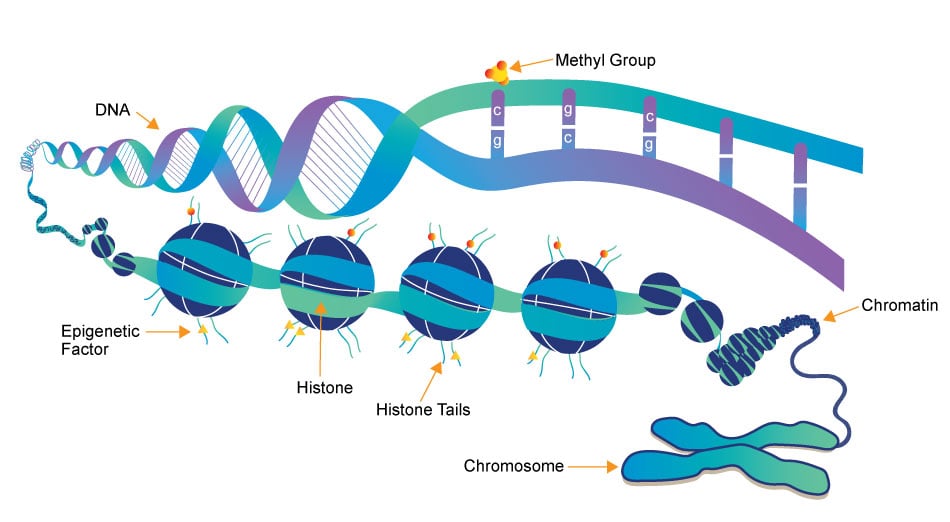
Epigenetics research delves into the molecular mechanisms that control gene expression and cellular traits without altering the underlying DNA sequence. One crucial aspect of this field is the role of small molecules, which act as powerful regulators of epigenetic modifications. These small compounds, typically comprising a few dozen to a few hundred atoms, have emerged as essential tools in understanding and manipulating the epigenome.
- DNA Methylation Inhibitors: Small molecules like 5-azacytidine and 5-aza-2'-deoxycytidine are DNA methyltransferase inhibitors. They block the addition of methyl groups to DNA, leading to DNA demethylation. This can reactivate silenced genes, potentially offering therapeutic avenues for conditions like cancer.
- HDAC inhibitors: HDACs remove acetyl groups from histone proteins, contributing to gene repression. Small molecule HDAC inhibitors, such as Vorinostat and Romidepsin, can reverse this process by increasing histone acetylation, allowing genes to be more accessible for transcription. These inhibitors are being explored for cancer therapy and other conditions.
- Histone Methyltransferase Inhibitors: Small molecules like GSK126 inhibit specific histone methyltransferases, affecting histone methylation patterns. This can alter gene expression, making them promising candidates for cancer and other diseases with epigenetic dysregulation.
- RNA Modulators: Small molecules can also target non-coding RNAs involved in epigenetic regulation. For instance, small molecules called small interfering RNAs (siRNAs) can be designed to target and degrade specific long non-coding RNAs, influencing gene expression.
- Epigenetic Reader Domain Inhibitors: These small molecules target proteins that recognize and bind to specific epigenetic marks. Examples include inhibitors of bromodomain-containing proteins (BET inhibitors), which can disrupt gene regulation by interfering with protein-DNA interactions.
Small molecules in epigenetics research not only provide insights into the fundamental biology of gene regulation but also hold immense promise for developing novel therapeutics. Their ability to selectively modulate specific epigenetic marks and pathways has led to ongoing clinical trials and drug development efforts for various diseases, including cancer, neurological disorders, and inflammatory conditions. Understanding and harnessing the power of these small molecules is at the forefront of modern epigenetics research, offering new hope for precision medicine and targeted therapies.
3 key components involved in the regulation of epigenetic modifications
Epigenetics Writer
Epigenetics writers are enzymes responsible for adding chemical marks or modifications to DNA or histone proteins. These marks include DNA methylation (addition of methyl groups to DNA) and histone modifications (such as acetylation, methylation, phosphorylation, etc.).
Epigenetics Reader
Function: Epigenetics readers are proteins that can recognize and bind to specific epigenetic marks on DNA or histones. These reader proteins interpret the epigenetic code and facilitate downstream cellular processes, such as gene activation or repression.
Epigenetics Eraser
Function: Epigenetics erasers are enzymes responsible for removing or reversing epigenetic marks on DNA or histones. This process allows for the dynamic regulation of gene expression and the resetting of epigenetic states during various stages of development and in response to environmental changes.
-
LSD1 Inhibitor
LSD1-IN-18 is a selective, non-covalent inhibitor of LSD1, exhibiting a Ki of 0.156 μM and a KD of 0.075 μM. It demonstrates significant antiproliferative effects in THP-1 leukemia cells and MDA-MB-231 breast cancer cells, with calculated IC50 values of 0.16 μM and 0.21 μM, respectively, after 72 hours of treatment. This compound provides a valuable tool for investigating the role of LSD1 in cancer biology and therapeutic applications. -
KDM5A/5B Histone Lysine Demethylase Inhibitor
N19-0881 is a selective inhibitor of KDM5A and KDM5B histone lysine demethylases, exhibiting potent activity with IC50 values of 0.013 μM and 0.002 μM, respectively. This compound demonstrates significant potential in the study of epigenetically dysregulated tumors, particularly in applications related to breast cancer research. Its oral bioactivity makes it an effective tool for investigating the role of histone modification in cancer biology and therapeutic development. -
LSD1 Inhibitor
Bizine di(hydrochloride) is a potent and selective inhibitor of the lysine-specific demethylase 1 (LSD1) enzyme, exhibiting a Ki value of 59 nM. This compound effectively modulates bulk histone methylation in cancer cells, making it valuable for epigenetic studies related to cancer biology. Additionally, Bizine di(hydrochloride) demonstrates neuroprotective effects, supporting its potential applications in neurological research. -
LSD1 Inhibitor
3β-Acetoxyl-atractylenolide I is a potent inhibitor of lysine-specific demethylase 1 (LSD1), demonstrating an IC50 of 57 μM. This compound has been shown to effectively block tumor growth, metastasis, and invasion across various cancer types. It is utilized in research focusing on prostate cancer, breast cancer, neuroblastoma, gastric cancer, colon cancer, bladder cancer, esophageal cancer, acute myeloid leukemia, and retinoblastoma. -
JMJD3/UTX Inhibitor
GSK-J4 hydrochloride is a potent dual inhibitor of the demethylases JMJD3 (KDM6B) and UTX (KDM6A), with IC50 values of 8.6 μM and 6.6 μM, respectively. This compound demonstrates significant inhibition of LPS-induced TNF-α production in human primary macrophages, with an IC50 of 9 μM. GSK-J4 hydrochloride serves as a cell-permeable proagent of GSK-J1 and is valuable for research into epigenetic regulation and inflammation-related pathways. -
KDM5 Inhibitor
KDM5-C70 is a potent and cell-permeable pan-KDM5 histone demethylase inhibitor, derived from KDM5-C49 as an ethyl ester. It exhibits significant antiproliferative activity in myeloma cells, effectively increasing global levels of H3K4me3. KDM5-C70 is valuable for research exploring epigenetic regulation and its implications in cancer biology. -
LSD1/KDM1A Inhibitor
GSK2879552 dihydrochloride is a selective and irreversible inhibitor of lysine specific demethylase 1 (LSD1/KDM1A). This compound exhibits potential antineoplastic activity, making it valuable in cancer research. Its ability to modify epigenetic regulation through LSD1 inhibition allows for exploration of therapeutic strategies in malignancies where LSD1 is implicated. -
KDM5 Inhibitor
KDOAM-25 citrate is a selective inhibitor of histone lysine demethylases 5 (KDM5) with IC50 values of 71 nM, 19 nM, 69 nM, and 69 nM for KDM5A, KDM5B, KDM5C, and KDM5D, respectively. This compound is known to enhance global H3K4 methylation at transcriptional start sites, thereby influencing gene expression. Its activity contributes to the inhibition of proliferation in multiple myeloma MM1S cells, making it a valuable tool for research in epigenetics and cancer biology. -
KDM5B Inhibitor
TK-129 is a potent inhibitor of KDM5B, exhibiting low toxicity and high affinity with an IC50 of 44 nM. By targeting KDM5B, TK-129 disrupts the KDM5B-associated Wnt signaling pathway, resulting in cardioprotective effects. This compound effectively reduces angiotensin II-induced activation of cardiac fibroblasts in vitro and mitigates isoprenaline-induced myocardial remodeling and fibrosis in vivo. TK-129 is valuable for research in cardiovascular disease mechanisms and therapeutic strategies. -
JMJD6 Inhibitor
JMJD6-IN-1 is a selective inhibitor of JMJD6, demonstrating an inhibition rate of 82% at a concentration of 10 μM. It effectively reduces the proliferation of MCF-7 and HCC4006 cancer cell lines, with IC50 values of 19.2 μM and 25.2 μM, respectively. This compound is suitable for research applications focused on cancer biology and the exploration of JMJD6’s role in tumorigenesis. -
KDM4C Inhibitor
KDM4C-IN-1 is a potent inhibitor of the lysine demethylase KDM4C, exhibiting an IC50 of 8 nM. This compound has demonstrated significant biological activity by inhibiting the proliferation of HepG2 and A549 cancer cell lines, with IC50 values of 0.8 µM and 1.1 µM, respectively. KDM4C-IN-1 is a valuable tool for research applications related to cancer biology and epigenetic regulation. -
KDM1A/LSD1 Inhibitor
DDP-38003 dihydrochloride is a novel orally bioavailable inhibitor of the lysine-specific demethylase 1A (KDM1A/LSD1) enzyme, demonstrating an IC50 of 84 nM. This compound is valuable for research applications involving epigenetic regulation and modulation of gene expression. Its inhibitory properties make it a pertinent tool for studies in cancer biology and potential therapeutic strategies targeting KDM1A/LSD1 pathways. -
LSD1 Enzyme Inhibitor
TAK-418 is a selective inhibitor of the lysine-specific demethylase 1 (LSD1, KDM1A) enzyme, exhibiting an IC50 of 2.9 nM. This compound modulates epigenetic regulation and has demonstrated efficacy in improving symptoms associated with autism in neurodevelopmental disorder models. Its ability to target LSD1 makes it a valuable tool for research into epigenetic mechanisms and potential therapeutic strategies for related disorders. -
KDM4A/KDM4B Inhibitor
NSC636819 is a competitive and selective inhibitor of the lysine demethylases KDM4A and KDM4B. By targeting these enzymes, NSC636819 may impede the progression of prostate cancer, thereby serving as a valuable tool in cancer research. Its application is particularly relevant for studies aimed at understanding the role of KDM4A/KDM4B in oncogenesis and potential therapeutic strategies for prostate cancer. -
KDM2B Inhibitor
KDM2B-IN-2 is a potent inhibitor of the histone demethylase KDM2B, demonstrating an IC50 of 0.021 μM in a KDM2B TR-FRET assay. This compound is utilized in research focused on hyperproliferative diseases, providing insights into epigenetic regulation and potential therapeutic applications. Its high specificity and efficacy make it a valuable tool for studying the role of KDM2B in various biological contexts. -
KDM5 Demethylases Inhibitor
KDM5-C49 hydrochloride is a potent and selective inhibitor of KDM5 demethylases, demonstrating IC50 values of 40 nM, 160 nM, and 100 nM for KDM5A, KDM5B, and KDM5C, respectively. This compound is instrumental for research investigating the role of KDM5 demethylases in cancer biology. Its specificity and inhibitory potency make KDM5-C49 hydrochloride a valuable tool for elucidating the mechanisms of cancer progression and potential therapeutic targets. -
LSD1 Inhibitor
Seclidemstat mesylate is a potent noncompetitive and reversible inhibitor of the lysine-specific demethylase 1A (LSD1/KDM1A), with a Ki of 31 nM and an IC50 of 13 nM. This compound enhances antitumor immunity in ovarian cancer associated with SWI/SNF complex mutations and demonstrates efficacy in inhibiting viral production, DNA replication, and late gene expression. Seclidemstat mesylate is suitable for research applications in Ewing Sarcoma and other malignancies involving LSD1 modulation. -
KDM5 Inhibitor
CPI-455 hydrochloride is a potent pan-KDM5 inhibitor, exhibiting an IC50 of 10 nM for KDM5A. This compound effectively inhibits KDM5 activity, leading to an increase in global levels of H3K4me3. It has demonstrated the ability to reduce the population of drug-tolerant persister cancer cells across various cancer cell line models subjected to standard chemotherapy or targeted treatments, making it a valuable tool for cancer research and therapeutic development. - Phoenixin-20 (PNX-20) is a bioactive peptide with hormone-like actions in vertebrates, and can stimulates hypothalamo-pituitary-gonadal hormones and regulate reproductive processes in mammals. Phoenixin-20 promotes neuronal mitochondrial biogenesis via CREB-PGC-1α pathway. Phoenixin-20 has anxiolytic effect.
-
HDAC PROTAC Inhibitor
JPS016 is a class I histone deacetylase (HDAC) PROTAC inhibitor that targets HDAC1, HDAC2, and HDAC3 for ubiquitination and proteasomal degradation via VHL E3 ligase recruitment. This compound demonstrates significant anticancer activity by reducing the viability of colon cancer cells and inducing apoptosis. Additionally, JPS016 activates the PINK1/Parkin-mediated mitochondrial autophagy pathway, enhancing cardiomyocyte viability, alleviating mitochondrial damage, and decreasing mitochondrial ROS production. It is valuable for research into colon cancer and sepsis-related cardiac dysfunction. -
HDAC Inhibitor
STR-V-53 is a histone deacetylase (HDAC) inhibitor with a low nanomolar IC50. By inhibiting HDAC activity, STR-V-53 increases histone acetylation, leading to altered gene expression. This compound exhibits significant anti-tumor properties, inhibiting proliferation and promoting apoptosis in cancer cells. It serves as a valuable research tool for studying epigenetic regulation and potential therapeutic strategies in oncology. -
HDAC Inhibitor
HDAC-IN-56 is a potent, orally active inhibitor of class I histone deacetylases (HDACs), demonstrating IC50 values of 56.0 ± 6.0 nM for HDAC1, 90.0 ± 5.9 nM for HDAC2, and 422.2 ± 105.1 nM for HDAC3, with minimal activity against HDAC4-11. This compound effectively increases intracellular levels of acetylated histone H3 and P21, leading to G1 cell cycle arrest and apoptosis in tumor cells. HDAC-IN-56 is utilized in cancer research to investigate its therapeutic potential and mechanisms involving HDAC inhibition. -
A2A Receptor/HDAC Inhibitor
IHCH-3064 is a dual-target compound that inhibits the Adenosine A2A Receptor and histone deacetylase (HDAC). It demonstrates potent binding affinity for the A2A receptor (Ki = 2.2 nM) and selectively inhibits HDAC1 with an IC50 of 80.2 nM. This compound exhibits significant antiproliferative activity against various tumor cell lines in vitro, making it a valuable tool for tumor immunotherapy research applications. -
HDAC6 Inhibitor
HDAC6-IN-50 is a potent HDAC6 inhibitor with an IC50 of 35 nM. This compound is valuable in the investigation of neurodegenerative disorders, particularly in the context of Parkinson's disease (PD) and Alzheimer's disease (AD). HDAC6-IN-50 facilitates research on the epigenetic regulation involved in these diseases, contributing to the understanding of their pathogenesis and potential therapeutic strategies. -
HDAC6 Inhibitor
ITF5924 is a potent and highly selective inhibitor of HDAC6, exhibiting an IC50 of 7.7 nM. This compound demonstrates over 104-fold selectivity for HDAC6 compared to other HDAC subtypes. The unique difluoromethyl-1,3,4-oxadiazole (DFMO) moiety allows ITF5924 to function as a slow-binding substrate analog, undergoing an enzyme-catalyzed ring-opening reaction that forms a stable and long-lasting enzyme-inhibitor complex. ITF5924 is valuable for studies exploring the role of HDAC6 in various cellular processes and disease states, making it an essential tool for epigenetic research. -
HDAC1 Inhibitor
HDAC1-IN-8 is a selective inhibitor of histone deacetylase 1 (HDAC1) with an IC50 of 11.94 µM. It exhibits significant antiproliferative activity and has been shown to induce cell cycle arrest at both G1 and G2/M phases. Additionally, HDAC1-IN-8 promotes autophagy and demonstrates anticancer potential, making it a valuable tool for research in lung cancer and other malignancies. -
HDAC1 Activator
HDAC1 activator-1 is a selective activator of histone deacetylase 1 (HDAC1), demonstrating oral bioavailability and minimal cross-reactivity with other HDAC family members. This compound exhibits neuroprotective properties, enhancing cognitive and motor functions by mitigating neuronal loss and gliosis. HDAC1 activator-1 effectively activates HDAC1 in SH-SY5Y neuroblastoma cells, influencing cell cycle regulation and DNA damage responses. It is applicable in research investigating TDP-43 proteinopathy-related neurodegenerative disorders, including Amyotrophic Lateral Sclerosis (ALS) and cerebral ischemia-associated neurological injuries. -
HDAC3 Inhibitor
HDAC3-IN-1 is a potent and selective inhibitor of histone deacetylase 3 (HDAC3), exhibiting an IC50 value of 5.96 nM. This compound effectively modulates gene expression through the inhibition of histone deacetylation, making it a valuable tool for studying epigenetic regulation and cellular signaling pathways. HDAC3-IN-1 is applicable in research areas such as cancer biology, neurodegenerative disorders, and potential therapeutic development for various diseases involving epigenetic dysregulation. -
HDAC Inhibitor
NT376 is a potent and selective inhibitor of class-IIa Histone deacetylases (HDAC), demonstrating an IC50 value of 32 nM in HT-29 cells. It exhibits significant biological activity that supports its role in cancer research and the investigation of central nervous system disorders, including Alzheimer's and Huntington's diseases. NT376 serves as a valuable tool for studying the epigenetic regulation of gene expression and potential therapeutic pathways in these conditions. -
HDAC6 Inhibitor
HDAC6-IN-66 is a potent and selective inhibitor of histone deacetylase 6 (HDAC6), exhibiting an IC50 of 1.8 nM. This compound effectively induces acetylation of α-tubulin while preferentially impacting histone H3. HDAC6-IN-66 serves as a valuable tool for cancer research, facilitating studies on the role of HDAC6 in oncogenic processes and potential therapeutic interventions. -
HDAC6 Inhibitor
HDAC6-IN-9 is a potent and selective inhibitor of HDAC6, demonstrating IC50 values of 4.2 nM for HDAC6 and significantly lower values for HDAC1, HDAC3, HDAC8, and HDAC10. This compound exhibits notable anti-proliferative activity, making it a valuable tool for research in cancer biology and therapeutic development. Its selectivity enables investigations into the specific roles of HDAC6 in cellular processes and disease states. -
HDAC Inhibitor
HDAC-IN-45 is a small molecule inhibitor targeting histone deacetylases (HDACs), specifically demonstrating significant inhibition of HDAC1, HDAC2, and HDAC3 with IC50 values of 0.108 µM, 0.585 µM, and 0.563 µM, respectively. This compound exhibits pronounced anticancer activity and forms a hydrogen bond with the Y303 residue, which may contribute to its mechanism of action. HDAC-IN-45 is valuable for cancer research, particularly in studies focused on epigenetic regulation and therapeutic interventions in tumorigenesis. -
HDAC Inhibitor
4-Iodo-SAHA is an orally active inhibitor of class I and class II histone deacetylases (HDACs), demonstrating EC50 values of 1.1, 0.95, 0.12, 0.24, 0.85, and 1.3 μM across the Skbr3, HT29, U937, JA16, and HL60 cell lines, respectively. This compound exhibits significant potential for tumor growth inhibition and is valuable for cancer research applications, including the investigation of epigenetic regulation and therapeutic interventions in HDAC-related malignancies. -
HDAC Inhibitor
HDAC-IN-26 is a highly selective inhibitor of class I histone deacetylases (HDACs), exhibiting an EC50 value of 4.7 nM. This compound plays a crucial role in modulating gene expression by preventing the deacetylation of histones, thereby facilitating an open chromatin state. HDAC-IN-26 is valuable for research applications involving cancer biology, neurodegenerative diseases, and epigenetic regulation. -
BChE/HDAC6 Inhibitor
BChE/HDAC6-IN-1 is a selective dual inhibitor targeting both butyrylcholinesterase (BChE) and histone deacetylase 6 (HDAC6), with IC50 values of 4 nM and 8.9 nM, respectively. This compound demonstrates significant potential in ameliorating cognitive impairment in an Aβ1–42-induced mouse model, making it a valuable tool in Alzheimer's disease research. Its ability to modulate both cholinergic and epigenetic pathways positions BChE/HDAC6-IN-1 as a promising candidate for studies focused on neurodegenerative disorders. -
HDAC2 Inhibitor
HDAC2-IN-1 is a competitive inhibitor of histone deacetylase 2 (HDAC2), demonstrating an IC50 of 0.5 μM. This orally active compound exhibits additional inhibitory effects on HDAC1 and HDAC8, with IC50 values of 1.61 μM and 0.98 μM, respectively. Its ability to penetrate the blood-brain barrier positions HDAC2-IN-1 as a valuable tool for investigating the role of HDACs in neurodegenerative diseases and other neurological disorders. -
HDAC6 Inhibitor
HDAC6-IN-52 is a potent inhibitor of histone deacetylase 6 (HDAC6), demonstrating a complete inhibition at 10 μM. This compound is significant in the context of central nervous system diseases, particularly neurodegenerative disorders such as Alzheimer’s disease and progressive supranuclear palsy. HDAC6-IN-52 is valuable for research investigating the therapeutic potential of HDAC6 modulation in neurological conditions. -
HDAC Inhibitor
HDAC-IN-20 is a potent inhibitor of histone deacetylases (HDACs), offering oral bioavailability. It exhibits significant anti-cancer activity, making it a valuable tool for investigating tumor biology and exploring epigenetic regulation in cancer research. This compound facilitates the study of HDAC's role in oncogenesis and therapeutic responses, thereby contributing to the understanding of cancer treatment strategies. -
HDAC6 Inhibitor
MPT0G413 is a selective HDAC6 inhibitor with an IC50 of 3.92 nM, demonstrating potent oral bioavailability and the ability to penetrate the blood-brain barrier. This compound effectively reduces tau protein phosphorylation and aggregation, thereby addressing cognitive deficits related to memory and learning. MPT0G413 is suitable for research applications in neurological disorders, including Alzheimer's disease. -
HDAC6 Inhibitor
NR160 is a selective inhibitor of histone deacetylase 6 (HDAC6), exhibiting an IC50 value of 30 nM. This compound demonstrates low cytotoxicity in leukemia cell lines and enhances the induction of apoptosis when used in conjunction with proteasome inhibitor Bortezomib, as well as chemotherapeutic agents Epirubicin and Daunorubicin. NR160 serves as a valuable tool for researchers investigating the therapeutic potential of HDAC6 inhibition in cancer treatment. -
PHD2/HDACs Inhibitor
PHD2/HDACs-IN-1 is a dual inhibitor targeting both PHD2 and various HDACs, demonstrating potent inhibitory activity with IC50 values of 1.15 μM for PHD2, 19.75 μM for HDAC1, 26.60 μM for HDAC2, and 15.98 μM for HDAC6. This compound showcases low toxicity and exhibits renoprotective effects, making it suitable for research related to cisplatin-induced acute kidney injury (AKI). Its ability to modulate epigenetic regulation and hypoxic signaling pathways positions it as a valuable tool in exploring the underlying mechanisms of renal stress responses. -
HDAC Inhibitor
YF479 is a potent inhibitor of histone deacetylases (HDACs), demonstrating significant biological activity in the modulation of gene expression. This compound impairs cell viability and suppresses both colony formation and tumor cell motility. Additionally, YF479 effectively inhibits breast tumor growth and metastasis, making it a valuable tool for research in breast cancer clinical trials. -
CYP17A1/HDAC6 Inhibitor
CYP17A1/HDAC6-IN-1 is a dual inhibitor targeting both CYP17A1 and HDAC6, exhibiting IC50 values of 0.284 μM and 0.6015 μM, respectively. This compound demonstrates significant anti-tumor activity, making it a valuable tool for research in cancer biology. Its ability to simultaneously inhibit these targets suggests potential applications in therapeutic strategies against malignancies driven by steroidogenesis and histone deacetylation. -
HDAC8 Inhibitor
HDAC8-IN-2 is a potent inhibitor of histone deacetylase 8 (HDAC8) with IC50 values of 0.27 μM for Schistosoma mansoni HDAC8 and 0.32 μM for human HDAC8. This compound demonstrates significant efficacy in killing schistosome larvae and markedly reduces the egg-laying capacity of adult worm pairs. These properties make HDAC8-IN-2 a valuable tool for research focused on schistosomiasis and histone deacetylation processes. -
HDAC3 Inhibitor
HDAC3-IN-4 is a selective inhibitor of histone deacetylase 3 (HDAC3) with an IC50 of 89 nM, demonstrating effective targeting of this enzyme. It promotes the degradation of PD-L1 through the modulation of cathepsin B (CTSB) activity in lysosomes, exhibiting a DC50 of 5.7 μM. HDAC3-IN-4 shows high selectivity for HDAC3 compared to other HDAC isoforms, including HDAC1, HDAC6, HDAC7, and HDAC8, making it a valuable tool for studying epigenetic regulation and potential immunotherapeutic approaches. -
HDAC Inhibitor
FITC-SAHA is a fluorescein-conjugated derivative of SAHA, serving as a potent inhibitor of histone deacetylases (HDACs). This compound effectively modulates histone acetylation, influencing gene expression and cellular processes. FITC-SAHA is primarily utilized in cancer research and studies related to Alzheimer's disease, facilitating the investigation of HDAC's role in these conditions. Its fluorescent labeling aids in the visualization and analysis of cellular and molecular interactions. -
PfHDAC1 Inhibitor
HDAC1-IN-4 is a potent inhibitor of Plasmodium falciparum histone deacetylase 1 (PfHDAC1), demonstrating significant antimalarial activity with an IC50 of less than 5 nM. This compound exhibits a favorable safety profile with reduced cytotoxicity. HDAC1-IN-4 serves as a valuable tool for investigating the role of histone deacetylases in malaria research and may provide insights for novel therapeutic strategies against Plasmodium falciparum infections. -
PI3K/HDAC Inhibitor
PI3K/HDAC-IN-2 is a potent dual inhibitor of phosphoinositide 3-kinase (PI3K) and histone deacetylase (HDAC), demonstrating IC50 values of 226 nM for PI3Kα, 279 nM for PI3Kβ, 467 nM for PI3Kγ, and 29 nM for PI3Kδ. It also exhibits selective inhibition with IC50 values of 1.3 nM for HDAC1, 3.4 nM for HDAC2, 972 nM for HDAC4, 17 nM for HDAC6, and 12 nM for HDAC8. Due to its significant anticancer properties, PI3K/HDAC-IN-2 is valuable for research applications in cancer biology and therapeutic development. -
HDAC
Estrogen Receptor β/HDAC Probe 1 is a near-infrared fluorescent probe designed to simultaneously target the estrogen receptor β and histone deacetylase (HDAC). This probe enables the study of dynamic interactions between these two critical proteins, facilitating the investigation of their roles in cellular signaling and gene regulation. It is particularly useful in cancer research and other studies involving estrogen signaling pathways and epigenetic modifications. -
mTOR/HDAC Inhibitor
mTOR/HDAC-IN-1 is a dual inhibitor targeting mTOR and HDAC, exhibiting IC50 values of 0.49 nM and 0.91 nM for mTOR and HDAC1, respectively. This compound demonstrates significant anti-cancer activity, making it a valuable tool for research in cancer therapeutics and signaling pathways. Its selective inhibition profile offers potential for elucidating the roles of mTOR and HDAC in tumorigenesis and for developing novel cancer treatment strategies.
