






Epigenetics
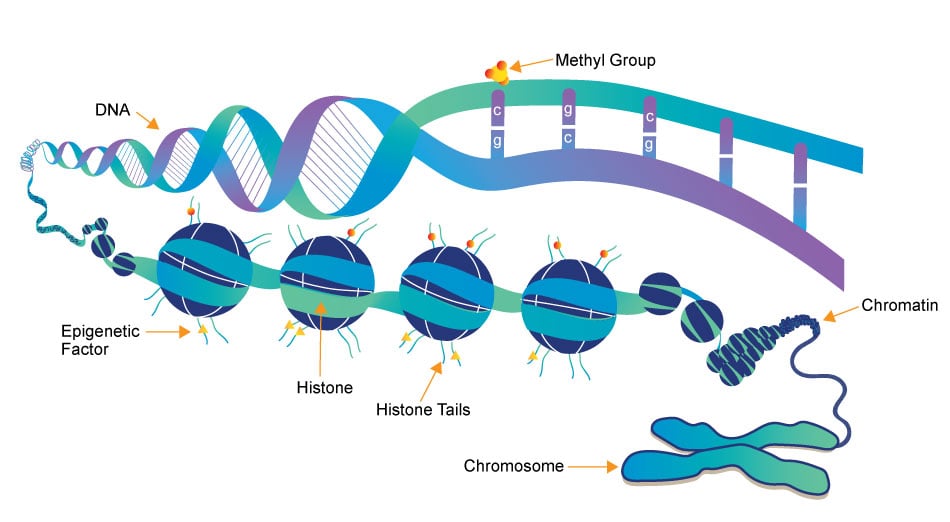
Epigenetics research delves into the molecular mechanisms that control gene expression and cellular traits without altering the underlying DNA sequence. One crucial aspect of this field is the role of small molecules, which act as powerful regulators of epigenetic modifications. These small compounds, typically comprising a few dozen to a few hundred atoms, have emerged as essential tools in understanding and manipulating the epigenome.
- DNA Methylation Inhibitors: Small molecules like 5-azacytidine and 5-aza-2'-deoxycytidine are DNA methyltransferase inhibitors. They block the addition of methyl groups to DNA, leading to DNA demethylation. This can reactivate silenced genes, potentially offering therapeutic avenues for conditions like cancer.
- HDAC inhibitors: HDACs remove acetyl groups from histone proteins, contributing to gene repression. Small molecule HDAC inhibitors, such as Vorinostat and Romidepsin, can reverse this process by increasing histone acetylation, allowing genes to be more accessible for transcription. These inhibitors are being explored for cancer therapy and other conditions.
- Histone Methyltransferase Inhibitors: Small molecules like GSK126 inhibit specific histone methyltransferases, affecting histone methylation patterns. This can alter gene expression, making them promising candidates for cancer and other diseases with epigenetic dysregulation.
- RNA Modulators: Small molecules can also target non-coding RNAs involved in epigenetic regulation. For instance, small molecules called small interfering RNAs (siRNAs) can be designed to target and degrade specific long non-coding RNAs, influencing gene expression.
- Epigenetic Reader Domain Inhibitors: These small molecules target proteins that recognize and bind to specific epigenetic marks. Examples include inhibitors of bromodomain-containing proteins (BET inhibitors), which can disrupt gene regulation by interfering with protein-DNA interactions.
Small molecules in epigenetics research not only provide insights into the fundamental biology of gene regulation but also hold immense promise for developing novel therapeutics. Their ability to selectively modulate specific epigenetic marks and pathways has led to ongoing clinical trials and drug development efforts for various diseases, including cancer, neurological disorders, and inflammatory conditions. Understanding and harnessing the power of these small molecules is at the forefront of modern epigenetics research, offering new hope for precision medicine and targeted therapies.
3 key components involved in the regulation of epigenetic modifications
Epigenetics Writer
Epigenetics writers are enzymes responsible for adding chemical marks or modifications to DNA or histone proteins. These marks include DNA methylation (addition of methyl groups to DNA) and histone modifications (such as acetylation, methylation, phosphorylation, etc.).
Epigenetics Reader
Function: Epigenetics readers are proteins that can recognize and bind to specific epigenetic marks on DNA or histones. These reader proteins interpret the epigenetic code and facilitate downstream cellular processes, such as gene activation or repression.
Epigenetics Eraser
Function: Epigenetics erasers are enzymes responsible for removing or reversing epigenetic marks on DNA or histones. This process allows for the dynamic regulation of gene expression and the resetting of epigenetic states during various stages of development and in response to environmental changes.
-
HDAC6 inhibitor
T-518 is an orally active, selective histone deacetylase 6 (HDAC6) inhibitor with an IC₅₀ of 36 nM for human HDAC6. It is capable of crossing the blood–brain barrier, making it suitable for central nervous system applications. T-518 is particularly useful in tauopathy research, where HDAC6 inhibition may modulate tau pathology and neurodegenerative processes. -
HDAC1 inhibitor
9-Hydroxyoctadecanoic acid (9-HSA) is a naturally derived inhibitor of histone deacetylase 1 (HDAC1), inhibiting approximately 66.4% of HDAC1 enzymatic activity at a concentration of 5 μM. It exhibits notable anticancer activity, likely through epigenetic modulation of gene expression, making it a promising compound for cancer research and therapeutic development targeting HDAC1-regulated pathways. -
HDAC6 inhibitor
SE-7552 is an orally active, highly selective histone deacetylase 6 (HDAC6) inhibitor, based on a 2-(difluoromethyl)-1,3,4-oxadiazole (DFMO) scaffold, with an IC₅₀ of 33 nM. As a non-hydroxamate HDAC6 inhibitor, SE-7552 demonstrates exceptional isoform selectivity, showing over 850-fold preference for HDAC6 compared to other HDAC isozymes. In preclinical studies, SE-7552 effectively inhibits multiple myeloma tumor growth in vivo and also exhibits anti-obesity effects in diet-induced obese mouse models, highlighting its therapeutic potential in both oncology and metabolic disease research. -
COX-1/HDAC/Tyrosinase Inhibitor
Gnetol is a bioactive phenolic compound isolated from the root of *Gnetum montanum* with diverse pharmacological properties. It potently inhibits cyclooxygenase-1 (COX-1) with an IC₅₀ of 0.78 μM and exhibits histone deacetylase (HDAC) inhibitory activity. Gnetol is also a strong tyrosinase inhibitor, with an IC₅₀ of 4.5 μM against murine tyrosinase, leading to suppression of melanin biosynthesis. In addition to its antioxidant, antiproliferative, anticancer, and hepatoprotective effects, Gnetol modulates metabolic enzymes in a concentration-dependent manner, including α-amylase, α-glucosidase, and adipogenesis pathways, making it a promising candidate for research in oncology, dermatology, and metabolic disorders. -
HDAC inhibitor
Marein is a natural compound with multifaceted pharmacological properties, including HDAC inhibition with an IC₅₀ of 100 μM. It exerts neuroprotective effects by preserving mitochondrial function and activating the AMPK signaling pathway. In HepG2 cells, Marein improves high glucose–induced insulin resistance by enhancing glucose uptake via the CaMKK/AMPK/GLUT1 pathway, promoting glycogen synthesis through the IRS/Akt/GSK-3β pathway, and suppressing gluconeogenesis via the Akt/FoxO1 axis. Additionally, Marein possesses antioxidative, antihypertensive, antihyperlipidemic, and antidiabetic properties, making it a promising candidate for metabolic and neurodegenerative disease research. -
HDAC inhibitor
Crebinostat is a potent, broad-spectrum histone deacetylase (HDAC) inhibitor with IC₅₀ values of 0.7 nM (HDAC1), 1.0 nM (HDAC2), 2.0 nM (HDAC3), and 9.3 nM (HDAC6). It effectively induces acetylation of histone H3 and H4, and enhances the expression of Egr1, a cAMP response element-binding protein (CREB) target gene. In cultured neurons, Crebinostat increases the density of synapsin-1 puncta along dendrites, indicating enhanced synaptic connectivity. By modulating chromatin-mediated neuroplasticity, Crebinostat has been shown to improve memory performance in mice, supporting its potential for neuropsychiatric and cognitive disorder research. -
HDAC inhibitor
Bakkenolide A is a natural sesquiterpene lactone isolated from *Petasites tricholobus*. It exhibits anti-leukemic activity by modulating epigenetic and signaling pathways, specifically through inhibition of histone deacetylase 3 (HDAC3) and regulation of the PI3K/Akt signaling cascade. These combined effects contribute to its potential as a therapeutic agent in leukemia research. -
HDAC8 inhibitor
NCC-149 is a selective inhibitor of histone deacetylase 8 (HDAC8), making it a valuable tool for studying HDAC8-specific functions. It has shown utility in promoting neural differentiation, and is particularly useful in research focused on neurodevelopmental processes and potential therapeutic strategies for neurological disorders involving epigenetic dysregulation. -
HDAC inhibitor
CM-1758 is a histone deacetylase (HDAC) inhibitor with demonstrated antitumor activity in vivo. In acute myeloid leukemia (AML) cells, CM-1758 induces the acetylation of non-histone proteins, suggesting a broader epigenetic and post-translational regulatory effect beyond chromatin remodeling. Its dual impact on tumor growth and protein acetylation supports its potential as a therapeutic agent in hematologic malignancies. -
HDAC6 inhibitor
MPT0G211 is a highly potent, orally bioavailable, and selective histone deacetylase 6 (HDAC6) inhibitor, with an IC₅₀ of 0.291 nM and over 1000-fold selectivity against other HDAC isoforms. It efficiently crosses the blood–brain barrier and demonstrates neuroprotective effects by reducing tau phosphorylation and improving cognitive function in Alzheimer's disease models. Additionally, MPT0G211 exhibits anti-metastatic and anticancer activities, making it a promising therapeutic candidate for both neurodegenerative disorders and oncology research. -
HDAC inhibitor
MPT0B390 is a potent arylsulfonamide-based histone deacetylase (HDAC) inhibitor that also functions as an inducer of tissue inhibitor of metalloproteinases 3 (TIMP3). It exhibits strong antitumor properties, including inhibition of tumor growth, metastasis, and angiogenesis. MPT0B390 shows significant antiproliferative activity against the human colon cancer cell line HCT116, with a GI₅₀ of 0.03 μM, highlighting its potential as a promising candidate for cancer therapy. -
class-IIa HDAC inhibitor
NT160 is a highly potent inhibitor of class IIa histone deacetylases (HDACs), with an IC₅₀ value of 0.046 μM. Due to its strong inhibitory activity and potential central nervous system (CNS) penetration, NT160 is a valuable compound for investigating the role of class IIa HDACs in CNS-related disorders, including neurodegenerative and neuropsychiatric diseases. -
DNA Methyltransferase Inhibitor
RSC133 is a dual epigenetic modulator that inhibits both histone deacetylases (HDACs) and DNA methyltransferases (DNMTs). It effectively enhances the reprogramming of human somatic cells into induced pluripotent stem cells (iPSCs) and supports the maintenance of pluripotency by promoting an undifferentiated state. RSC133 is a valuable tool for stem cell research and epigenetic reprogramming studies. -
HDAC inhibitor
Alteminostat (CKD-581) is a potent, broad-spectrum histone deacetylase (HDAC) inhibitor that targets both class I and class II HDAC isoforms. It promotes histone H3 and α-tubulin acetylation, indicating effective inhibition of nuclear and cytoplasmic HDAC activity. Alteminostat is being investigated for its therapeutic potential in hematologic malignancies, including lymphoma and multiple myeloma, and serves as a valuable tool in epigenetic cancer research. -
HDAC6 inhibitor
CG347B is a selective inhibitor of histone deacetylase 6 (HDAC6) and also serves as a structural scaffold in the synthesis of other metalloenzyme inhibitors. Due to its HDAC6 selectivity, CG347B is a valuable tool for research in oncology, immunology, and neurology, where HDAC6 plays key roles in regulating protein homeostasis, immune response, and neurodegenerative processes. -
HDAC inhibitor
MC1742 is a potent pan-HDAC inhibitor with broad activity across multiple HDAC isoforms, exhibiting IC₅₀ values of 0.1 μM (HDAC1), 0.11 μM (HDAC2), 0.02 μM (HDAC3), 0.007 μM (HDAC6), 0.61 μM (HDAC8), 0.04 μM (HDAC10), and 0.1 μM (HDAC11). It effectively increases acetylation of histone H3 and α-tubulin, markers of HDAC inhibition. MC1742 inhibits the growth of cancer stem cells (CSCs), and induces growth arrest, apoptosis, and differentiation, particularly in sarcoma CSC models, making it a promising candidate for targeting therapy-resistant cancer cell populations. -
HDAC1 inhibitor
SB-429201 is a potent and selective inhibitor of histone deacetylase 1 (HDAC1), with an IC₅₀ of approximately 1.5 μM. It exhibits at least a 20-fold selectivity for HDAC1 over other class I isoforms, including HDAC3 and HDAC8. SB-429201 serves as a valuable tool for studying HDAC1-specific functions and may have potential applications in epigenetic and cancer research. -
HDAC1/HDAC2 inhibitor
BRD2492 (compound 6d) is a potent and selective inhibitor of histone deacetylases HDAC1 and HDAC2, with IC₅₀ values of 13.2 nM and 77.2 nM, respectively. It exhibits over 100-fold selectivity for HDAC1/2 compared to HDAC3 and HDAC6. BRD2492 effectively inhibits the proliferation of breast cancer cell lines, with IC₅₀ values of 1.01 μM for T-47D cells and 11.13 μM for MCF-7 cells, highlighting its potential as a targeted epigenetic therapeutic in breast cancer research. -
HDAC8 inhibitor
1-Naphthohydroxamic acid (Compound 2) is a potent and selective inhibitor of histone deacetylase 8 (HDAC8), with an IC₅₀ of 14 μM. It demonstrates high selectivity for HDAC8 over other HDAC isoforms, showing minimal activity against class I HDAC1 and class II HDAC6 (IC₅₀ > 100 μM). Unlike broad-spectrum HDAC inhibitors, 1-Naphthohydroxamic acid does not increase global histone H4 acetylation or reduce total intracellular HDAC activity, but it effectively induces tubulin acetylation. This selective profile makes it a valuable tool for studying HDAC8-specific functions. -
HDAC inhibitor
YSR734 (Compound 21) is a covalent histone deacetylase (HDAC) inhibitor with IC₅₀ values of 110 nM, 154 nM, and 143 nM for HDAC1, HDAC2, and HDAC3, respectively. It induces apoptosis in leukemia cells and promotes myoblast differentiation, making it a valuable compound for both cancer research and studies related to muscle regeneration. YSR734 is particularly relevant in the investigation of therapeutic strategies for Duchenne muscular dystrophy. -
HDAC6 inhibitor
PB131 is a highly selective and brain-permeable histone deacetylase 6 (HDAC6) inhibitor, exhibiting strong binding affinity with an IC₅₀ of 1.8 nM. It possesses potent anti-inflammatory activity and is particularly suited for research in inflammation-related disorders, including neuroinflammation, due to its effective central nervous system penetration and HDAC6 specificity. -
HDAC2/HDAC3 inhibitor
MI-192 is a selective inhibitor of histone deacetylases HDAC2 and HDAC3, with IC₅₀ values of 30 nM and 16 nM, respectively. It demonstrates high selectivity for HDAC2/3 over other HDAC isoforms. MI-192 induces apoptosis in myeloid leukemia cells and exhibits both anticancer and neuroprotective activities, making it a valuable compound for research in oncology and neurodegenerative diseases. -
HDAC inhibitor
Pivanex (AN-9) is an orally active histone deacetylase (HDAC) inhibitor derived from butyric acid. It downregulates BCR-ABL protein expression and promotes apoptosis, contributing to its antitumor effects. In addition, Pivanex exhibits antimetastatic and antiangiogenic properties, making it a promising candidate for research in hematologic malignancies and solid tumors. -
HDAC inhibitor
BRD4884 is a potent histone deacetylase (HDAC) inhibitor that selectively targets class I HDACs. It exhibits IC₅₀ values of 29 nM for HDAC1, 62 nM for HDAC2, and 1.09 µM for HDAC3. Its differential potency across HDAC isoforms makes BRD4884 a valuable tool for investigating HDAC1/2-mediated epigenetic regulation and their roles in disease pathogenesis. -
HDAC inhibitor
FNDR-20123 is a first-in-class, orally active histone deacetylase (HDAC) inhibitor developed for antimalarial therapy. It demonstrates potent inhibitory activity against both Plasmodium and human HDACs, with IC₅₀ values of 31 nM and 3 nM, respectively. FNDR-20123 effectively targets multiple stages of *Plasmodium falciparum*, with IC₅₀ values of 41 nM for the asexual blood stage and 190 nM for male gametocytes. It inhibits HDAC1, HDAC2, HDAC3, HDAC6, and HDAC8 with IC₅₀ values of 25, 29, 2, 11, and 282 nM, respectively, and also exhibits nanomolar-level inhibition of Class III HDAC isoforms. FNDR-20123 shows a favorable safety profile, supporting its potential as a novel antimalarial agent targeting epigenetic regulation. -
HDAC inhibitor
Pomiferin (NSC 5113) is a natural compound that functions as a dual inhibitor of histone deacetylases (HDACs) and the mammalian target of rapamycin (mTOR). It exhibits an IC₅₀ of 1.05 μM for HDAC inhibition and an IC₅₀ of 6.2 μM for mTOR. With its dual-targeting activity, Pomiferin holds potential for anticancer research, particularly in pathways involving epigenetic regulation and cell growth signaling. -
HDAC inhibitor
m-Carboxycinnamic acid bishydroxamide is a potent histone deacetylase (HDAC) inhibitor, demonstrating in vitro ID₅₀ values of 10 nM for HDAC1 and 70 nM for HDAC3. It effectively induces apoptosis and suppresses tumor growth, making it a promising candidate for epigenetic cancer therapy and research focused on HDAC1/3-regulated pathways. -
HDAC6 inhibitor
HPB is a selective histone deacetylase 6 (HDAC6) inhibitor with an IC₅₀ of 31 nM. It demonstrates over 30-fold selectivity for HDAC6 compared to HDAC1, making it a valuable tool for studying HDAC6-specific biological functions and a promising candidate for the development of targeted therapies in diseases involving HDAC6 dysregulation.
-
HDAC6 inhibitor
SelSA is a selective and orally active histone deacetylase 6 (HDAC6) inhibitor with an IC₅₀ of 56.9 nM. It also inhibits ERK1/2 phosphorylation, contributing to its anticancer effects. SelSA suppresses the proliferation of breast cancer and hepatocellular carcinoma cells with IC₅₀ values ranging from 0.58 to 2.6 μM, inhibits migration and invasion of Huh7 cells, and induces apoptosis. In vivo, SelSA demonstrates significant antitumor activity, supporting its potential as a therapeutic agent for solid tumors. -
HDAC inhibitor
KH16 is a potent histone deacetylase (HDAC) inhibitor with low nanomolar activity, selectively targeting class I HDACs—HDAC1, HDAC2, and HDAC3—with IC₅₀ values ranging from 6 to 34 nM. It effectively induces apoptosis and exhibits broad-spectrum antitumor activity across cancer cells with diverse gene expression profiles, making it a promising candidate for epigenetic cancer therapy research. -
HDAC11 inhibitor
PB94 is a selective inhibitor of histone deacetylase 11 (HDAC11), with an IC₅₀ of 108 nM. It can be radiolabeled as [¹¹C]-PB94 for positron emission tomography (PET) imaging, enabling in vivo assessment of brain uptake and metabolic properties. PB94 has demonstrated efficacy in alleviating neuropathic pain in mouse models and holds potential as a research tool for investigating HDAC11-related mechanisms in neurological disorders. -
HDAC6 inhibitor
AES-350 is a potent and orally bioavailable histone deacetylase 6 (HDAC6) inhibitor, with an IC₅₀ of 0.0244 μM and a Kᵢ of 0.035 μM. It also exhibits inhibitory activity against HDAC3 and HDAC8, with IC₅₀ values of 0.187 μM and 0.245 μM, respectively. AES-350 induces apoptosis in acute myeloid leukemia (AML) cells through HDAC inhibition, making it a promising compound for AML research and the development of epigenetic-based cancer therapies. -
HDAC6 inhibitor
ITF 3756 is a potent and selective inhibitor of histone deacetylase 6 (HDAC6). In vitro, it effectively reduces the expression of PD-L1 on human monocytes and CD8⁺ T cells, suggesting immunomodulatory potential. ITF 3756 also exhibits antitumor activity, making it a promising candidate for cancer immunotherapy and epigenetic modulation research. -
HDAC inhibitor
HL23 is a histone deacetylase (HDAC) inhibitor with demonstrated efficacy against hepatocellular carcinoma (HCC). It enhances acetylation at the TXNIP promoter, leading to upregulation of TXNIP expression and modulation of potassium channel activity, ultimately inducing TXNIP-dependent potassium deprivation. HL23 effectively suppresses HCC progression and metastasis, and exhibits a synergistic antitumor effect when combined with Sorafenib, outperforming the combination of Sorafenib and Vorinostat in preclinical models. -
POLA1-HDAC11 Inhibitor
GEM144 is a potent and orally bioavailable dual inhibitor of DNA polymerase α (POLA1) and histone deacetylase 11 (HDAC11). It promotes p53 acetylation, induces p21 activation, and triggers G1/S cell cycle arrest followed by apoptosis. GEM144 exhibits significant antitumor efficacy in human orthotopic malignant pleural mesothelioma xenograft models, highlighting its potential as a targeted therapeutic agent for aggressive thoracic malignancies. -
HDAC inhibitor
F-SAHA is a histone deacetylase inhibitor (HDACi) structurally derived from suberoylanilide hydroxamic acid (SAHA). Its fluorine-18 (^18F) labeled derivative enables non-invasive imaging of HDAC expression and activity, making F-SAHA a valuable tool for tumor imaging research and the assessment of epigenetic modulation in vivo. -
POLA1/HDAC 11 Inhibitor
MIR002 is a potent, orally bioavailable dual inhibitor targeting DNA polymerase α (POLA1) and histone deacetylase 11 (HDAC11). It induces p53 acetylation, upregulates p21 expression, and triggers G1/S cell cycle arrest followed by apoptosis. MIR002 demonstrates significant antitumor efficacy in vivo, highlighting its potential as a therapeutic agent for cancers driven by POLA1 and HDAC11 dysregulation. -
HDAC1 and HDAC2 inhibitor
KPZ560 is a potent inhibitor of histone deacetylases HDAC1 and HDAC2, with IC₅₀ values of 12 nM and 68 nM, respectively. It has been shown to enhance dendritic spine density in granule neurons of mice, indicating potential neurotrophic effects. Additionally, KPZ560 inhibits the proliferation of MCF breast cancer cells, supporting its potential application in both neurobiological and oncological research. -
HDAC6 inhibitor
MPI_5a is a potent and selective inhibitor of histone deacetylase 6 (HDAC6), with an IC₅₀ of 36 nM. It exhibits minimal activity against other HDAC isoforms, demonstrating high isoform selectivity. In cellular assays, MPI_5a effectively inhibits acylated tubulin accumulation with an IC₅₀ of 210 nM, highlighting its utility in modulating HDAC6-dependent processes for potential therapeutic applications. -
HDAC6 inhibitor
QTX125 is a potent and highly selective inhibitor of histone deacetylase 6 (HDAC6), demonstrating excellent specificity over other HDAC isoforms. It exhibits significant antitumor activity through selective inhibition of HDAC6-mediated pathways. Both the salt and free base forms of QTX125 display comparable biological activity at equivalent molar concentrations, ensuring consistent pharmacological effects across different formulations. -
PRMT5 inhibitor
CMP-5 is a potent and highly selective inhibitor of PRMT5, exhibiting no inhibitory activity against related enzymes PRMT1, PRMT4, or PRMT7. It specifically blocks the symmetric dimethylation of histone H4 at arginine 3 (H4R3me2s) by targeting PRMT5-mediated methyltransferase activity. CMP-5 effectively prevents Epstein-Barr virus (EBV)-induced transformation of B lymphocytes while sparing normal B cells, highlighting its potential as a selective epigenetic modulator in virus-associated malignancies. -
SETD2 inhibitor
EZM0414 is a potent, selective, and orally bioavailable inhibitor of the histone methyltransferase SETD2, exhibiting an IC₅₀ of 18 nM in biochemical assays and 34 nM in cellular assays. It is being investigated for its therapeutic potential in relapsed or refractory multiple myeloma and diffuse large B-cell lymphoma (DLBCL), making it a valuable tool for studying SETD2-mediated epigenetic regulation in hematologic malignancies. -
PRMT5 inhibitor
TNG-462 is an orally active and selective inhibitor of PRMT5, designed to exploit vulnerabilities in cancers characterized by methylthioadenosine phosphorylase (MTAP) deficiency and/or elevated methylthioadenosine (MTA) levels. By targeting MTA-sensitized PRMT5 activity, TNG-462 demonstrates potent antitumor efficacy in preclinical models of MTAP-deleted cancers. -
PRMT5 inhibitor
AMG 193 is an orally bioavailable, MTA-cooperative inhibitor of protein arginine methyltransferase 5 (PRMT5), exhibiting potent antitumor activity. By leveraging the accumulation of methylthioadenosine (MTA) in MTAP-deficient cells, AMG 193 selectively inhibits PRMT5 with an IC₅₀ of 0.107 μM, leading to preferential suppression of tumor cell growth while sparing normal cells with intact MTAP function. -
Histone methyltransferase inhibitor
SGC3027 is a potent, selective, and cell-permeable inhibitor of the protein arginine methyltransferase PRMT7, serving as the first validated chemical probe for this target. As a histone methyltransferase inhibitor, SGC3027 enables the functional study of PRMT7-mediated arginine methylation and its role in epigenetic regulation. -
SUV39H1 methyltransferase inhibitor
F5446 (Compound 1) is a selective small-molecule inhibitor of the histone methyltransferase SUV39H1. By reducing H3K9 trimethylation (H3K9me3) at the Fas promoter, F5446 upregulates Fas expression and enhances the sensitivity of colorectal carcinoma cells to Fas ligand (FasL)-induced apoptosis in vitro. In vivo, F5446 effectively suppresses the growth of human colorectal tumor xenografts, highlighting its potential as an epigenetic therapeutic agent in cancer treatment. -
PRDM9 inhibitor
MRK-740 is a potent and selective small-molecule inhibitor of the histone methyltransferase PRDM9, acting in a substrate-competitive manner with an IC₅₀ of 80 nM. It exhibits high selectivity for PRDM9 over other histone methyltransferases and non-epigenetic targets. MRK-740 effectively inhibits PRDM9-mediated trimethylation of histone H3 at lysine 4 (H3K4me3), with an IC₅₀ of 0.8 µM in cellular assays. -
METTL3 inhibitor
STM2457 is a first-in-class, orally bioavailable small molecule inhibitor that selectively targets METTL3, a key component of the RNA N6-methyladenosine (m6A) methyltransferase complex. With an IC₅₀ of 16.9 nM, STM2457 exhibits high potency in inhibiting METTL3 activity. This compound has been demonstrated to impair leukemogenic gene expression programs and inhibit proliferation in METTL3-dependent acute myeloid leukemia (AML) models, making it a valuable chemical probe for epitranscriptomic regulation and a promising tool for AML research. -
MAO/LSD1 Inhibitor
Tranylcypromine hemisulfate is an irreversible, nonselective inhibitor of monoamine oxidase (MAO) and also acts as a lysine-specific demethylase 1 (LSD1) inhibitor. This compound demonstrates notable antidepressant effects and is utilized in the treatment of depression. Additionally, tranylcypromine hemisulfate has been shown to suppress lesion growth and alleviate generalized hyperalgesia in mouse models of induced endometriosis, making it a valuable tool for research in both psychiatric and pain-related studies. -
PI3K/BRD4 Inhibitor
PI3Kα-IN-28 is a potent dual-target inhibitor of PI3K and BRD4. This compound effectively suppresses cell proliferation in various cancer cell lines, including KYSE180 and KYSE450, while also inhibiting migration and colony formation. Additionally, PI3Kα-IN-28 induces G0/G1 phase cell cycle arrest and promotes cellular senescence by enhancing the proportion of senescent cells. Mechanistically, it decreases the levels of p-AKT and c-Myc, while activating the AMPK-p27 pathway, making it a valuable tool for cancer research, particularly in esophageal cancer studies.
