






Epigenetics
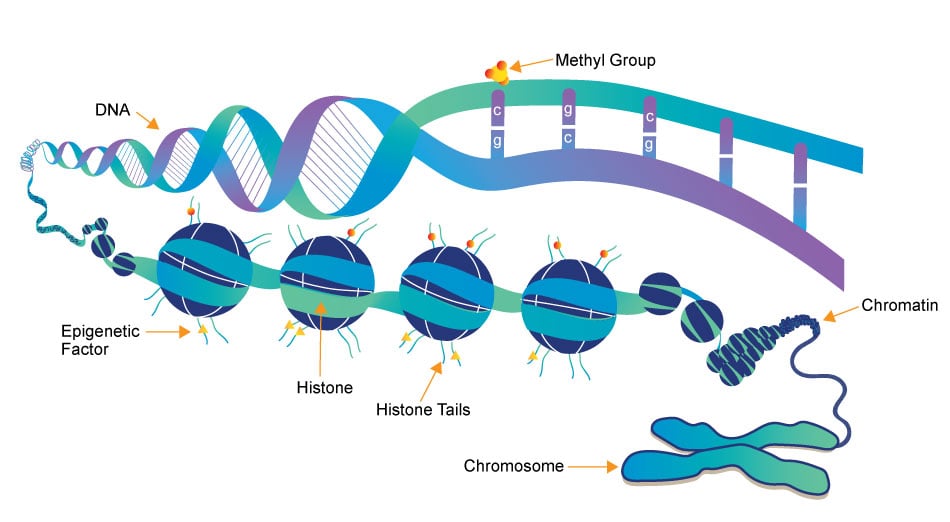
Epigenetics research delves into the molecular mechanisms that control gene expression and cellular traits without altering the underlying DNA sequence. One crucial aspect of this field is the role of small molecules, which act as powerful regulators of epigenetic modifications. These small compounds, typically comprising a few dozen to a few hundred atoms, have emerged as essential tools in understanding and manipulating the epigenome.
- DNA Methylation Inhibitors: Small molecules like 5-azacytidine and 5-aza-2'-deoxycytidine are DNA methyltransferase inhibitors. They block the addition of methyl groups to DNA, leading to DNA demethylation. This can reactivate silenced genes, potentially offering therapeutic avenues for conditions like cancer.
- HDAC inhibitors: HDACs remove acetyl groups from histone proteins, contributing to gene repression. Small molecule HDAC inhibitors, such as Vorinostat and Romidepsin, can reverse this process by increasing histone acetylation, allowing genes to be more accessible for transcription. These inhibitors are being explored for cancer therapy and other conditions.
- Histone Methyltransferase Inhibitors: Small molecules like GSK126 inhibit specific histone methyltransferases, affecting histone methylation patterns. This can alter gene expression, making them promising candidates for cancer and other diseases with epigenetic dysregulation.
- RNA Modulators: Small molecules can also target non-coding RNAs involved in epigenetic regulation. For instance, small molecules called small interfering RNAs (siRNAs) can be designed to target and degrade specific long non-coding RNAs, influencing gene expression.
- Epigenetic Reader Domain Inhibitors: These small molecules target proteins that recognize and bind to specific epigenetic marks. Examples include inhibitors of bromodomain-containing proteins (BET inhibitors), which can disrupt gene regulation by interfering with protein-DNA interactions.
Small molecules in epigenetics research not only provide insights into the fundamental biology of gene regulation but also hold immense promise for developing novel therapeutics. Their ability to selectively modulate specific epigenetic marks and pathways has led to ongoing clinical trials and drug development efforts for various diseases, including cancer, neurological disorders, and inflammatory conditions. Understanding and harnessing the power of these small molecules is at the forefront of modern epigenetics research, offering new hope for precision medicine and targeted therapies.
3 key components involved in the regulation of epigenetic modifications
Epigenetics Writer
Epigenetics writers are enzymes responsible for adding chemical marks or modifications to DNA or histone proteins. These marks include DNA methylation (addition of methyl groups to DNA) and histone modifications (such as acetylation, methylation, phosphorylation, etc.).
Epigenetics Reader
Function: Epigenetics readers are proteins that can recognize and bind to specific epigenetic marks on DNA or histones. These reader proteins interpret the epigenetic code and facilitate downstream cellular processes, such as gene activation or repression.
Epigenetics Eraser
Function: Epigenetics erasers are enzymes responsible for removing or reversing epigenetic marks on DNA or histones. This process allows for the dynamic regulation of gene expression and the resetting of epigenetic states during various stages of development and in response to environmental changes.
-
PROTAC FLT3/JAK2/BRD4 Degrader
PROTAC FLT3/JAK2/BRD4 Degrader-1 is a potent PROTAC degrader that simultaneously targets FLT3, JAK2, and BRD4, exhibiting DC50 values of 5.23 nM, 0.678 nM, and 1.17 nM, respectively. It demonstrates significant antiproliferative activity against MV4;11 cells with an IC50 of 0.79 nM, inducing apoptosis in these cells. Additionally, PROTAC FLT3/JAK2/BRD4 Degrader-1 shows marked anti-tumor efficacy in MV4;11 xenograft models in NOD SCID mice. This compound is valuable for research into acute myeloid leukemia (AML). -
JAK3/BTK Inhibitor
JAK3/BTK-IN-3 is a selective inhibitor of Janus kinase 3 (JAK3) and Bruton's tyrosine kinase (BTK). Targeting both JAK3 and BTK can provide synergistic effects beneficial for the therapeutic intervention of autoimmune diseases. This compound is suitable for research applications focused on elucidating the roles of JAK3 and BTK in various disease mechanisms, facilitating the development of novel treatment strategies. -
JAK Inhibitor
JAK-IN-28 is a potent JAK inhibitor that selectively targets Janus kinases, which are critical mediators of cytokine signaling pathways. This compound exhibits significant anti-inflammatory properties and is valuable for research in cancer and various inflammatory diseases. Its effectiveness in modulating JAK-mediated signaling makes it an essential tool for studying therapeutic strategies in related pathological conditions. -
JAK2/FLT3 Inhibitor
SB1578 is a selective inhibitor of JAK2 and FLT3, exhibiting IC50 values of 46 nM and 60 nM, respectively. This compound demonstrates high selectivity for other kinase targets, making it a valuable tool for research. SB1578 is particularly useful in studying non-oncological indications, such as rheumatoid arthritis, offering insights into potential therapeutic applications in inflammatory diseases. -
JAK Inhibitor
CP-352664 is a selective Janus kinase (JAK) inhibitor that specifically targets JAK3 with an EC50 value of 210 nM. This compound exhibits significant potential in research related to organ transplant rejection and autoimmune disorders, including rheumatoid arthritis. It serves as an important tool for investigating the therapeutic modulation of immune responses in various pathological conditions. -
JAK3/BTK Inhibitor
JAK3/BTK-IN-7 is a potent inhibitor targeting Janus kinase 3 (JAK3) and Bruton’s tyrosine kinase (BTK), demonstrating IC50 values of 2 nM and 14 nM, respectively. This compound exhibits significant anti-inflammatory activity, making it a valuable tool for investigating the underlying mechanisms of rheumatoid arthritis. Its efficacy in modulating inflammatory pathways highlights its potential in related therapeutic research applications. -
JAK2/3 Inhibitor
JAK-2/3-IN-1 is a highly selective inhibitor of Janus kinase 2 (JAK-2) and Janus kinase 3 (JAK-3), exhibiting Ki values of less than 250 nM for both isoforms. This compound is relevant for research applications focused on inflammatory diseases and hematological malignancies where JAK signaling plays a crucial role. Its potency and specificity make it suitable for studying the molecular mechanisms of JAK-related pathways and evaluating potential therapeutic strategies. -
Bioactive Peptide
Jak3tide is a biologically active peptide that serves as a substrate for Janus kinase 3 (JAK3). It contains a phosphorylation site at Tyr7, making it suitable for kinase assay applications. This peptide can be utilized in various research settings to study JAK3-mediated signaling pathways and its role in cellular activities. -
JAK3 Inhibitor
JAK3-IN-16 is a covalent inhibitor of Janus kinase 3 (JAK3), targeting the enzymatic activity that regulates cytokine signaling pathways. This compound exhibits potent inhibition of JAK3, making it a valuable tool for research into immune response modulation and related therapeutic applications. JAK3-IN-16 is particularly useful in studies focused on autoimmune diseases and hematological disorders. -
JAK Inhibitor
MMT3-72-M2 is a selective inhibitor targeting Janus kinase 1 (JAK1). This compound exhibits potent inhibition of JAK1 with an IC50 value of 10.8 nM, and also inhibits JAK2, TYK2, and JAK3 with IC50 values of 26.3 nM, 91.6 nM, and 328.7 nM, respectively. MMT3-72-M2 is valuable for research in signaling pathways related to immune responses and inflammation. -
Peptide
Tyrosine Protein Kinase JAK 2 (Phospho-Tyr8, 9) is a peptide derived from amino acids 475 to 491 of the mouse JAK2 protein. This peptide serves as a substrate for the examination of JAK2 phosphorylation at tyrosine residues 8 and 9, providing insights into its regulatory mechanisms. It is valuable for studying JAK2-related signaling pathways and their implications in various cellular processes and diseases, including hematopoiesis and immune response. -
JAK Inhibitor
Peficitinib hydrochloride is a selective Janus kinase (JAK) inhibitor that effectively targets JAK1, JAK2, JAK3, and Tyk2, with IC50 values of 3.9 nM, 5.0 nM, 0.7 nM, and 4.8 nM, respectively. This compound is primarily used in research to investigate JAK-dependent signaling pathways and for studies related to inflammatory and autoimmune diseases. Its potent inhibitory activity makes it a valuable tool for exploring therapeutic options against conditions such as rheumatoid arthritis and psoriasis. -
JAK3/JAK1/TBK1 Inhibitor
CS12192 is a JAK3/JAK1/TBK1 inhibitor that modulates immune responses by inhibiting key signaling pathways involved in inflammatory processes. This compound has demonstrated efficacy in improving survival and promoting weight gain. CS12192 holds potential for research applications in graft-versus-host disease (GVHD), offering insights into therapeutic strategies for managing this condition. -
JAK2 Inhibitor
JAK2-IN-15 is a potent and selective inhibitor of JAK2, exhibiting an IC50 value of 1.17 nM. It effectively targets the JAK2-STAT signaling pathway, making it a valuable tool for investigating therapeutic strategies. In preclinical studies, JAK2-IN-15 has demonstrated significant improvements in hematocrit levels and reductions in splenomegaly in an Epoetin beta-induced mouse model. This compound is particularly relevant for research into Polycythemia Vera (PV) and related hematological disorders. -
IKKβ/JAK2 Inhibitor
EC-70124 is an orally active multikinase inhibitor that targets IKKβ and JAK2. By blocking IkB phosphorylation and the activation of STAT3 (Tyr705), EC-70124 inhibits NF-κB nuclear translocation and impedes STAT3 transcriptional activity. This compound has demonstrated the ability to reduce tumor growth and diminish cancer stem cell populations in prostate cancer cells and xenograft models, making it a valuable tool for research in prostate cancer. -
JAK Inhibitor
JAK-IN-30 is a potent and water-soluble inhibitor of Janus kinases (JAKs), exhibiting IC50 values of 2 nM for JAK2, 15 nM for JAK1, 18 nM for JAK3, and 2 nM for TYK2. This compound demonstrates significant biological activity in modulating JAK signaling pathways, making it a valuable tool for investigating inflammatory conditions. Its applicability in research extends to the study of dry eye disease (DED) and other JAK-related disorders. -
JAK3 Inhibitor
JANEX-1 hydrochloride is a selective inhibitor of Janus kinase 3 (JAK3), exhibiting a Ki value of 2.3 μM and an IC50 of 78 μM for JAK3 inhibition. This compound does not inhibit JAK1 or JAK2, making it a valuable tool for studying JAK3-specific signaling pathways. JANEX-1 hydrochloride is suitable for research applications focused on immune responses and hematological disorders where JAK3 plays a critical role. -
BRD4 Inhibitor
BRD4-IN-41 is a selective BRD4 inhibitor that targets the acetyl-lysine binding site with an IC50 of 34 nM. In addition to inhibiting BRD4, it also affects multiple kinases, including JAK2, FLT3, and NTRK3, with IC50 values ranging from 0.9 nM to 43 nM. This compound downregulates c-MYC, lowers phosphorylated STAT3 levels, and induces G1 cell cycle arrest and apoptosis, demonstrating significant anti-cancer activity. BRD4-IN-41 is particularly relevant for research on hematological malignancies such as multiple myeloma and acute myeloid leukemia. -
JAK1 Inhibitor
JAK1-IN-20 is a selective inhibitor of Janus kinase 1 (JAK1) with an IC50 of less than 0.5 nM, demonstrating potent inhibition of its enzymatic activity. By reducing the production of proinflammatory cytokines such as TNF-α and IL-6, JAK1-IN-20 effectively suppresses the phosphorylation of STAT3. This compound shows promise in ameliorating ulcerative colitis and serves as a valuable tool in the research of inflammatory bowel disease. -
CDK2/JAK2/FLT3 Inhibitor
Zotiraciclib hydrochloride is a novel small molecule inhibitor targeting cyclin-dependent kinase 2 (CDK2), Janus kinase 2 (JAK2), and Fms-like tyrosine kinase 3 (FLT3). This reagent demonstrates anti-tumor activity by downregulating the Myc oncogene through CDK9 inhibition, contributing to reduced tumor growth. Zotiraciclib hydrochloride is particularly relevant for research into cancers capable of crossing the blood-brain barrier, and elevated levels of the MCL-1 protein may indicate its potential as a prognostic marker and therapeutic target in cancer studies. -
JAK2/STAT3 Pathway Inhibitor
WP1193 is a potent inhibitor of the JAK2/STAT3 signaling pathway. It effectively suppresses the phosphorylation of both JAK2 and STAT3, leading to a decrease in the expression of key stem cell markers such as CD133 and c-myc. This compound is valuable for research into glioblastoma and other cancers associated with aberrant activation of the JAK2/STAT3 pathway. -
JAK1/JAK2 Inhibitor
Momelotinib dihydrochloride is a selective JAK1/JAK2 inhibitor that also targets ACVR1, resulting in decreased Hepcidin expression which enhances iron availability for erythropoiesis. This compound has demonstrated efficacy in reducing transfusion dependency and alleviating splenomegaly associated with myelofibrosis. Its unique mechanism and biological activity make Momelotinib dihydrochloride a valuable tool for research in myelofibrosis and related hematological conditions. -
JAK3 Inhibitor
Thi-DPPY is a potent and orally active inhibitor of JAK3, exhibiting IC50 values of 62.4 nM for BTK and 1.38 nM for JAK. This compound demonstrates significant anti-proliferative effects on human bronchial epithelial (HBE) cells and possesses anti-inflammatory properties in vivo. Thi-DPPY is a valuable tool for investigating potential therapeutic applications in idiopathic pulmonary fibrosis (IPF). -
TYK2/JAK1 Inhibitor
JAK1/TYK2-IN-3 is a selective, orally bioavailable dual inhibitor of TYK2 and JAK1, exhibiting IC50 values of 6 nM and 37 nM, respectively. This compound demonstrates notable selectivity towards JAK2 and JAK3, with IC50 values of 140 nM and 362 nM, respectively. JAK1/TYK2-IN-3 is recognized for its significant anti-inflammatory effects through the modulation of TYK2/JAK1-regulated genes and the differentiation of Th1, Th2, and Th17 cells, making it a valuable tool for research in autoimmune diseases and inflammation. -
JAK Inhibitor
PF-00956980 is a reversible pan-JAK inhibitor that demonstrates inhibitory activity with IC50 values of 2.2 μM for JAK1, 23.1 μM for JAK2, and 59.9 μM for JAK3. This compound is utilized in research focusing on lung and skin inflammatory diseases, providing valuable insights into JAK signaling pathways and their role in inflammatory responses. Its broad inhibitory profile makes it a suitable tool for studying the therapeutic potential of JAK inhibition. -
Tyk2 Inhibitor
Tyk2-IN-20 is a highly potent inhibitor of Tyk2, exhibiting an IC50 of less than 5 nM. Additionally, it demonstrates inhibitory activity against JAK1, JAK2, and JAK3 with IC50 values under 100 nM. This compound is valuable for investigating inflammatory diseases and related signaling pathways, making it a critical tool for research in immunology and therapeutic development. -
JAK Inhibitor
JAK-IN-18 is a potent Janus kinase (JAK) inhibitor that disrupts JAK signaling pathways. This reagent demonstrates significant biological activity in research applications related to various diseases, including ocular, skin, and respiratory disorders. Its ability to modulate JAK activity makes it a valuable tool for studying the underlying mechanisms and potential treatments for these conditions. -
JAK Inhibitor
TK4b is a potent Janus kinase (JAK) inhibitor, exhibiting IC50 values of 19.40 nM for JAK2 and 18.42 nM for JAK3. This compound demonstrates significant anti-proliferative effects and is relevant for research in lymphoid-derived diseases and leukemia. Its selective inhibition of JAK2 and JAK3 makes TK4b a valuable tool for studying the role of JAK signaling pathways in cancer biology. -
JAK2 Inhibitor
JAK2-IN-18 is a selective JAK2 inhibitor that disrupts JAK-STAT signaling pathways with an IC50 of less than 100 nM for pSTAT5 in HEL9217 cells. This reagent effectively inhibits the proliferation of aberrantly proliferating myeloid cells, making it a valuable tool for studying myeloproliferative disorders, such as essential thrombocythemia. Its specificity and potency facilitate research aimed at understanding the molecular mechanisms underlying these conditions. -
JAK/STAT Inhibitor
JAK-STAT-IN-1 is a selective inhibitor of the JAK-STAT signaling pathway. This compound exhibits potent inhibitory activity, making it a valuable tool in the investigation of autoimmune disorders. Its specificity for JAK-STAT modulation facilitates research into the underlying mechanisms of inflammation and immune response regulation. -
JAK3 Inhibitor
JAK3-IN-9 is a selective inhibitor of JAK3, exhibiting an IC50 value of 1.7 nM, making it a potent candidate for the treatment of arthritis. This compound demonstrates low toxicity and high oral bioavailability, contributing to its effectiveness in anti-arthritic applications. JAK3-IN-9 is suitable for use in research focused on autoimmune diseases, particularly those involving JAK3 signaling pathways. -
JAK Inhibitor
Delgocitinib ethanolate is a selective inhibitor of Janus kinases (JAKs), demonstrating IC50 values of 2.8 nM for JAK1, 2.6 nM for JAK2, 13 nM for JAK3, and 58 nM for Tyk2. This compound effectively modulates signaling pathways associated with inflammatory responses and immune regulation. It is primarily used in research applications involving autoimmune diseases and other conditions where JAK signaling is implicated. -
JAK3/BTK Inhibitor
JAK3/BTK-IN-2 is a potent dual inhibitor of Janus kinase 3 (JAK3) and Bruton's tyrosine kinase (BTK). By simultaneously targeting the BTK/JAK3 signaling pathway, this compound demonstrates synergistic effects that may enhance therapeutic outcomes in autoimmune diseases. JAK3/BTK-IN-2 is suitable for research applications focused on JAK3 and BTK-related pathologies, facilitating studies on their roles in immune regulation and disease progression. -
JAK Inhibitor
HAT-SIL-TG-1&AT is a Janus tyrosine kinase (JAK) inhibitor designed to selectively target JAK-STAT signaling pathways in tumor tissues. This hypoxia-activated prodrug exhibits significant antitumor activity by inhibiting cell proliferation in HEL cells and reducing levels of phosphorylated STAT3 and STAT5 under hypoxic conditions. HAT-SIL-TG-1&AT is relevant for researchers investigating the impact of JAK inhibition in cancer therapies and the underlying mechanisms of tumor hypoxia. -
JAK2 Inhibitor
JAK2-IN-1 is a selective JAK2 inhibitor designed to modulate signaling pathways associated with various diseases. This compound demonstrates potential in the treatment of proliferative disorders, inflammatory diseases, and renal pathologies by inhibiting JAK2 activity. It serves as a valuable tool for researchers investigating the role of JAK2 in cellular processes and disease mechanisms. -
Multi-kinase Inhibitor
Debio 0617B is a multi-kinase inhibitor that targets key kinases involved in the regulation of STAT3/STAT5 signaling, including JAK, SRC, ABL, and class III/V receptor tyrosine kinases. This compound effectively reduces the maintenance and self-renewal of primary human acute myeloid leukemia (AML) CD34+ stem/progenitor cells. Additionally, Debio 0617B has demonstrated efficacy in preclinical models of STAT3-driven solid tumors, making it a valuable tool for cancer research and therapeutic development. -
JAK3 Inhibitor
JAK3-IN-11 is a potent, irreversible inhibitor of Janus kinase 3 (JAK3) with an IC50 value of 1.7 nM, demonstrating exceptional selectivity with over 588-fold distinction from other JAK isoforms. This orally active compound covalently binds to the ATP-binding pocket of JAK3, effectively attenuating JAK3-dependent signaling pathways and T cell proliferation. JAK3-IN-11 is a valuable reagent for investigating autoimmune diseases and related immunological research. -
JAK Inhibitor
JAK-IN-31 is a potent JAK inhibitor targeting JAK1, JAK2, JAK3, and Tyk2 with IC50 values of ≤0.01 µM for JAK1, JAK2, and Tyk2, and 0.01-0.1 µM for JAK3. This compound demonstrates significant activity in inhibiting JAK signaling pathways, making it a valuable tool for investigating the role of JAKs in various cancers. JAK-IN-31 is suitable for applications in cancer research, particularly in studies focused on JAK-mediated signaling and its implications in tumor biology. -
Insulin Receptor Substrate
Axltide is a peptide derived from murine Insulin Receptor Substrate 1, specifically encompassing the sequence from amino acids 979 to 989. It serves as a substrate for several kinases, including Axl, DDR2, Mst1, and JAK2. This compound is valuable for research focused on insulin signaling pathways and kinase activity, aiding in the understanding of cellular processes such as metabolism and growth regulation. -
JAK2/3 Inhibitor
JAK-2/3-IN-2 is a selective inhibitor of JAK2 and JAK3, exhibiting IC50 values of 23.85 nM and 18.9 nM, respectively. This compound effectively modulates the JAK-STAT signaling pathway, which is critical in hematopoiesis and immune response. JAK-2/3-IN-2 is primarily utilized in research focused on inflammatory diseases, autoimmune disorders, and hematological malignancies. -
JAK2 V617F Inhibitor
JAK2-IN-16 is a selective inhibitor of the JAK2 V617F mutation, a prominent target in the treatment of various hematological malignancies. This compound demonstrates potent inhibitory activity against JAK2, making it a valuable tool for elucidating the role of JAK2 signaling in cancer pathogenesis. Research applications include the investigation of JAK-STAT pathway modulation and potential therapeutic strategies for JAK2-dependent tumors. -
JAK1/TYK2 Inhibitor
JAK1/TYK2-IN-5 is a potent inhibitor of JAK1 and TYK2, exhibiting Ki values of 0.0044 nM for TYK2 JH2 and 0.02 nM for JAK1 JH2, demonstrating high specificity and potency. This compound effectively inhibits interferon-alpha (IFNα) induced activation of the STAT signaling pathway mediated by TYK2 and JAK1. JAK1/TYK2-IN-5 is useful in research applications focused on cytokine signaling, immune response modulation, and the development of therapies targeting autoimmune diseases and inflammatory conditions. -
JAK Inhibitor
JAK-IN-33 is a selective Janus kinase (JAK) inhibitor that effectively modulates JAK signaling pathways. This compound demonstrates potent biological activity in inhibiting cytokine-driven signaling, making it a valuable tool for research in autoimmune diseases and hematological disorders. Its specificity for JAK pathways allows for targeted investigation into JAK-related mechanisms in various cellular contexts. -
JAK1 Inhibitor
JAK1-IN-18 is a selective inhibitor of Janus kinase 1 (JAK1), exhibiting an IC50 of 0.15 nM for JAK1 while demonstrating significantly reduced activity against JAK2 and JAK3. This compound has been shown to effectively diminish inflammation in preclinical models of ulcerative colitis and Crohn's disease. It is suitable for research applications targeting autoimmune diseases, viral infections, and hematological malignancies, making it a valuable tool in the study of these conditions. -
JAK2 Inhibitor
AC-430 is a selective inhibitor of JAK2, targeting the Janus kinase signaling pathway. It demonstrates significant biological activity in modulating cytokine signaling, making it a valuable tool for investigating inflammatory processes. AC-430 is particularly relevant for research applications related to rheumatoid arthritis and other autoimmune diseases. -
JAK Inhibitor
Milpecitinib is a selective Janus tyrosine kinase (JAK) inhibitor that exhibits significant anti-inflammatory activity. This compound has shown promise in the exploration of various cancers and inflammatory disorders. Its ability to modulate JAK signaling pathways makes it a valuable tool for research in pathologies associated with dysregulated immune responses. -
JAK1 Inhibitor
JAK1-IN-12 is a selective inhibitor of Janus kinase 1 (JAK1), exhibiting an IC50 of 0.0246 μM, and demonstrating weaker inhibition of JAK2, JAK3, and TYK2 with IC50 values of 0.423 μM, 0.410 μM, and 1.12 μM, respectively. This compound has been shown to promote hair growth in murine models. JAK1-IN-12 is a valuable tool for investigating immune and inflammatory diseases, providing insights into JAK1-mediated signaling pathways. -
Tyk2 Inhibitor
Tyk2-IN-23 is a selective TYK2 inhibitor with an IC50 of 18 nM, demonstrating over 70-fold selectivity against JAK isoforms 1, 2, and 3. This compound effectively inhibits phosphorylated STAT3 in TYK2-dependent signaling pathways activated by interferon-alpha (IFN-α) and interleukin-10 (IL-10). Additionally, Tyk2-IN-23 significantly reduces IFN-α-induced STAT1 phosphorylation in H9 cells, making it a valuable tool for the investigation of alopecia areata and allergic rhinitis. -
PTPN2/1 Dual Inhibitor
PTPN2/1-IN-4 is a potent dual inhibitor of PTPN1 and PTPN2, exhibiting IC50 values of 12.8 nM and 5.8 nM, respectively. This compound effectively modulates the IFNγ-JAK-STAT signaling pathway, resulting in enhanced CD8+ T-cell infiltration into tumors. PTPN2/1-IN-4 demonstrates significant anticancer activity, inhibiting tumor growth both as a standalone treatment and in combination with anti-PD-1 antibodies in B16-OVA syngeneic mouse models, making it a valuable tool for cancer research. -
JAK1 Inhibitor
JAK1-IN-9 is a potent and selective inhibitor of Janus kinase 1 (JAK1), with an IC50 of 72 nM. This compound demonstrates notable selectivity over other JAK family members, exhibiting an inhibition of 12-fold or more. JAK1-IN-9 is valuable for research applications focused on unraveling the roles of JAK1 in cellular signaling pathways and the development of therapeutic strategies for diseases involving JAK1 dysregulation.
