






Epigenetics
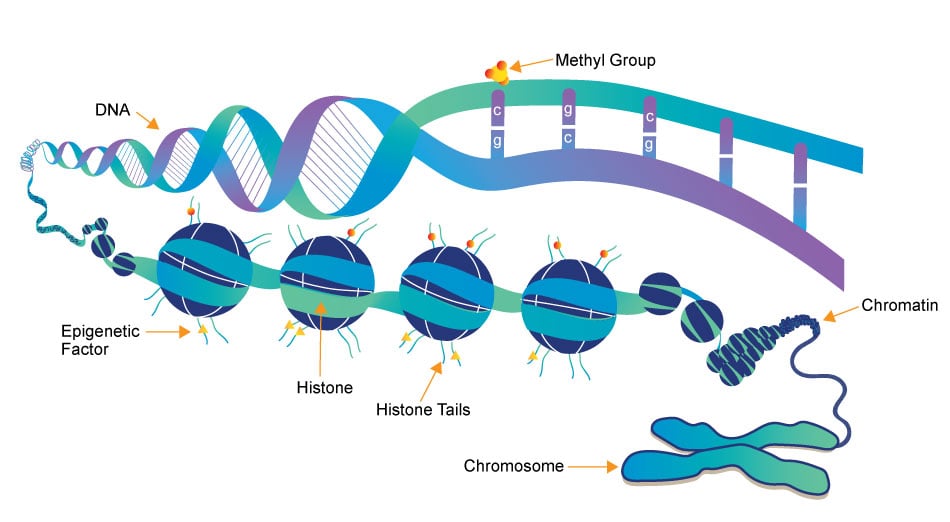
Epigenetics research delves into the molecular mechanisms that control gene expression and cellular traits without altering the underlying DNA sequence. One crucial aspect of this field is the role of small molecules, which act as powerful regulators of epigenetic modifications. These small compounds, typically comprising a few dozen to a few hundred atoms, have emerged as essential tools in understanding and manipulating the epigenome.
- DNA Methylation Inhibitors: Small molecules like 5-azacytidine and 5-aza-2'-deoxycytidine are DNA methyltransferase inhibitors. They block the addition of methyl groups to DNA, leading to DNA demethylation. This can reactivate silenced genes, potentially offering therapeutic avenues for conditions like cancer.
- HDAC inhibitors: HDACs remove acetyl groups from histone proteins, contributing to gene repression. Small molecule HDAC inhibitors, such as Vorinostat and Romidepsin, can reverse this process by increasing histone acetylation, allowing genes to be more accessible for transcription. These inhibitors are being explored for cancer therapy and other conditions.
- Histone Methyltransferase Inhibitors: Small molecules like GSK126 inhibit specific histone methyltransferases, affecting histone methylation patterns. This can alter gene expression, making them promising candidates for cancer and other diseases with epigenetic dysregulation.
- RNA Modulators: Small molecules can also target non-coding RNAs involved in epigenetic regulation. For instance, small molecules called small interfering RNAs (siRNAs) can be designed to target and degrade specific long non-coding RNAs, influencing gene expression.
- Epigenetic Reader Domain Inhibitors: These small molecules target proteins that recognize and bind to specific epigenetic marks. Examples include inhibitors of bromodomain-containing proteins (BET inhibitors), which can disrupt gene regulation by interfering with protein-DNA interactions.
Small molecules in epigenetics research not only provide insights into the fundamental biology of gene regulation but also hold immense promise for developing novel therapeutics. Their ability to selectively modulate specific epigenetic marks and pathways has led to ongoing clinical trials and drug development efforts for various diseases, including cancer, neurological disorders, and inflammatory conditions. Understanding and harnessing the power of these small molecules is at the forefront of modern epigenetics research, offering new hope for precision medicine and targeted therapies.
3 key components involved in the regulation of epigenetic modifications
Epigenetics Writer
Epigenetics writers are enzymes responsible for adding chemical marks or modifications to DNA or histone proteins. These marks include DNA methylation (addition of methyl groups to DNA) and histone modifications (such as acetylation, methylation, phosphorylation, etc.).
Epigenetics Reader
Function: Epigenetics readers are proteins that can recognize and bind to specific epigenetic marks on DNA or histones. These reader proteins interpret the epigenetic code and facilitate downstream cellular processes, such as gene activation or repression.
Epigenetics Eraser
Function: Epigenetics erasers are enzymes responsible for removing or reversing epigenetic marks on DNA or histones. This process allows for the dynamic regulation of gene expression and the resetting of epigenetic states during various stages of development and in response to environmental changes.
-
JAK2 Inhibitor
Pacritinib citrate is a selective inhibitor of Janus kinase 2 (JAK2), effective against both wild-type JAK2 (IC50 = 23 nM) and the JAK2V617F mutant (IC50 = 19 nM). In addition to its primary target, Pacritinib citrate also inhibits FLT3 and its mutant FLT3D835Y (IC50 = 22 nM and 6 nM, respectively). This compound is relevant for research focused on acute myeloid leukemia (AML) and myelofibrosis (MF), providing a valuable tool for elucidating the role of JAK2 and FLT3 in these hematological malignancies. -
JAK3 Inhibitor
Ritlecitinib tosylate is a selective, orally active, irreversible covalent inhibitor of JAK3, exhibiting an IC50 value of 33 nM. It does not inhibit JAK1, JAK2, or TYK2, demonstrating a unique specificity for JAK3. This compound effectively interrupts signaling and downstream STAT phosphorylation induced by common gamma chain cytokines like IL-2 and IL-15. Ritlecitinib tosylate has been shown to inhibit Th1/Th17 cell differentiation and function, making it a valuable tool for research applications related to autoimmune diseases, with demonstrated efficacy in preclinical models of alopecia areata, adjuvant-induced arthritis, and experimental autoimmune encephalomyelitis. -
JAK1 Inhibitor
(R,R)-VVD-118313 is a selective inhibitor of Janus kinase 1 (JAK1), targeting its role in cytokine signaling and trans-phosphorylation. This compound demonstrates significant potential in cancer research by modulating JAK1-mediated pathways. Additionally, (R,R)-VVD-118313 serves as a click chemistry reagent, featuring an alkyne group that enables copper-catalyzed azide-alkyne cycloaddition (CuAAc) with azide-containing compounds, further expanding its utility in chemical biology applications. -
JAK1 Inhibitor
Itacitinib adipate is a selective JAK1 inhibitor that exhibits oral bioavailability. This compound has demonstrated efficacy and safety in phase II clinical trials for the treatment of myelofibrosis. Its mechanism of action, targeting the JAK1 pathway, makes it a valuable tool for research in hematological malignancies and associated signaling pathways. -
JAK3 Inhibitor
(2R,5S)-Ritlecitinib is a selective inhibitor of Janus kinase 3 (JAK3) with an IC50 of 144.8 nM. This compound demonstrates significant biological activity in modulating immune responses and is primarily utilized in research focused on autoimmune diseases and hematological disorders. Its ability to inhibit JAK3 signaling pathways makes it a valuable reagent for studies investigating cytokine signaling and immunological reactions. -
JAK Inhibitor
Methyl 6-(1-(4-methoxybenzyl)-1H-pyrazol-4-yl)-4-oxo-4,5-dihydropyrazolo[1,5-a]pyrazine-2-carboxylate is a selective inhibitor of Janus Kinases (JAK) with demonstrated IC50 values of 6 nM for TYK2, 21 nM for JAK1, 8 nM for JAK2, and 1051 nM for JAK3. This compound effectively inhibits IL-12 production in human whole blood, with an IC50 of 28 nM. It is poised for applications in cancer research and may provide insight into the modulation of signaling pathways mediated by JAK kinases. -
JAK Inhibitor
Lepzacitinib is a selective Janus kinase (JAK) inhibitor specifically targeting JAK1 and JAK3. It demonstrates significant anti-inflammatory activity, making it a valuable tool for investigating therapeutic strategies in atopic dermatitis and other inflammatory skin conditions. This compound is essential for research focused on cytokine signaling pathways and their role in skin disorders. -
JAK1/2 Inhibitor
JAK1/2-IN-1 is a selective inhibitor of Janus Kinase 1 (JAK1) and Janus Kinase 2 (JAK2), exhibiting IC50 values of 0.4 nM and 8.1 nM, respectively. In addition to its action on JAK1 and JAK2, it also demonstrates inhibitory effects on interleukin-4 (IL-4) and interleukin-13 (IL-13) with IC50 values of 136.5 nM and 19.1 nM, respectively. This compound is valuable for research applications focused on cytokine signaling and its role in inflammatory diseases. -
JAK Inhibitor
(3R,4S)-Tofacitinib is a selective JAK inhibitor, primarily targeting JAK3 with an IC50 of 1 nM. This enantiomer exhibits reduced biological activity compared to its counterpart, making it a useful tool for dissecting the role of JAK signaling in various biological processes. It is applicable in research focused on autoimmune diseases, inflammation, and related therapeutic areas. -
JAK1/TYK2 Inhibitor
Quecitinib is an orally active dual inhibitor of JAK1 and TYK2, functioning by obstructing their enzymatic activity. This compound exhibits significant biological activity relevant to the modulation of immune responses, making it valuable in research on atopic dermatitis and various autoimmune diseases. Favorable pharmacokinetic properties, along with a safety profile attributed to its metabolism via cytochrome P450 3A, enhance its potential as a therapeutic agent in related studies. -
JAK Inhibitor
Pumecitinib is a selective Janus kinase (JAK) inhibitor that exhibits significant anti-inflammatory activity. By targeting the JAK signaling pathway, it has been shown to modulate immune responses and reduce inflammation. This compound is valuable for research into inflammatory diseases and conditions driven by aberrant JAK signaling. -
ITK/JAK3 Inhibitor
Modzatinib is a selective, covalent inhibitor targeting ITK and JAK3, demonstrating IC50 values of 8 nM and 23 nM, respectively. Its potent anti-inflammatory properties make it a valuable tool for research in autoimmune and inflammatory diseases, facilitating the exploration of therapeutic interventions in these areas. Researchers can leverage modzatinib to study the mechanistic roles of ITK and JAK3 in immune responses and disease pathology. -
JAK1 Inhibitor
GS-829845 is a JAK1 inhibitor that serves as a significant active metabolite of Filgotinib. This compound preferentially inhibits JAK1, exhibiting approximately 10-fold lower potency than its parent compound while demonstrating an extended half-life. GS-829845 is primarily utilized in research related to autoimmune disorders and other inflammatory conditions, contributing to the understanding of JAK pathway modulation in therapeutic applications. -
JAK1 Inhibitor
GDC-4379 is a selective inhibitor of JAK1, a key enzyme involved in the signaling pathways of various cytokines. This compound demonstrates significant biological activity in the modulation of immune responses, making it relevant for research applications in asthma and other inflammatory diseases. Its ability to inhibit JAK1 signaling offers insights into the therapeutic potential for treating pathologies associated with dysregulated immune function. -
Type II JAK2 Inhibitor
YLIU-4-105-1 is a Type II JAK2 inhibitor that selectively targets the ATP-binding pocket of the JH1 domain. This compound demonstrates significant biological activity, effectively inhibiting phosphorylated STAT5 (pSTAT5) signaling pathways. Research applications include studies on myeloproliferative neoplasms and other diseases associated with JAK2 mutations, with in vivo pharmacodynamic effects such as reduction in spleen-to-body weight ratio and decreased blood reticulocyte counts observed in a dose-dependent manner. -
JAK1/2 inhibitor
iJak-381 is a selective inhibitor of JAK1 and JAK2, exhibiting significant anti-inflammatory properties. This compound effectively disrupts IL-13 signaling, along with inhibiting the IL-4 and IL-6 pathways, leading to a reduction in phosphorylated STAT6 levels. Additionally, iJak-381 demonstrates the ability to diminish the influx of inflammatory cells in the lungs of murine models, thereby alleviating airway hyperresponsiveness (AHR). It serves as a valuable tool for research into therapeutic strategies targeting inflammatory diseases. -
JAK Inhibitor
JAK-IN-20 is a potent, pan-selective Janus kinase (JAK) inhibitor, exhibiting IC50 values of 7 nM, 5 nM, and 14 nM for JAK1, JAK2, and JAK3, respectively. This orally active compound demonstrates favorable pharmacokinetic properties and exerts significant anti-inflammatory effects in vivo. JAK-IN-20 is suitable for research applications targeting JAK signaling pathways, particularly in the contexts of autoimmune diseases and chronic inflammation. -
JAK Inhibitor
Nimucitinib is a Janus kinase (JAK) inhibitor that interferes with the JAK-STAT signaling pathway. It exhibits anti-inflammatory properties and is utilized in various research applications, including the study of autoimmune diseases and inflammatory conditions. Nimucitinib's ability to modulate cytokine signaling makes it a valuable tool for investigating therapeutic strategies in hematological and oncological research. -
JAK2/STAT3 Inhibitor
SD-1029 is a selective JAK2/STAT3 inhibitor that impedes the phosphorylation of JAK2, thereby obstructing STAT3 activation. By inhibiting STAT3 nuclear translocation, SD-1029 serves as a valuable tool for studying the JAK2/STAT3 signaling pathway. This compound is relevant in research applications involving cancer, autoimmune disorders, and other diseases associated with dysregulated STAT3 activity. -
JAK3 Inhibitor
JAK 3i is a highly selective inhibitor of JAK3, exhibiting an IC50 of 0.43 nM. It forms a covalent bond with a specific cysteine residue in the JAK3 kinase domain, demonstrating minimal interaction with JAK1, JAK2, or TYK2. JAK 3i effectively inhibits IL-2-driven T-cell proliferation in vivo, making it a valuable tool for research applications in autoimmune diseases and related therapeutic studies. -
Tubulin/JAK2-IN-1 inhibitor, Antitumor
Tubulin/JAK2-IN-1 is a dual inhibitor targeting Janus kinase 2 (JAK2) and microtubules, exhibiting potent antitumor activity. This compound demonstrates significant antiproliferative effects against various cancer cell lines, making it a valuable tool in cancer research. Its dual mechanism of action supports investigations into therapies that disrupt cell division and signaling pathways in malignancies. -
JAK1 Inhibitor
Blovacitinib is a selective inhibitor of Janus kinase 1 (JAK1), demonstrating high potency with IC50 values of 3, 37, 1517, and 36 nM against JAK1, JAK2, JAK3, and TYK2, respectively. This oral agent is primarily utilized in research focused on rheumatoid arthritis, targeting inflammatory pathways associated with this condition. Its specificity for JAK1 makes it an important tool for investigating JAK-STAT signaling mechanisms in various cellular contexts. -
JAK Inhibitor
(1R)-AZD-1480 is an ATP-competitive inhibitor targeting Janus kinase 1 (JAK1) and Janus kinase 2 (JAK2). It exhibits potent inhibitory activity and is utilized in research applications focused on cytokine signaling, immune response modulation, and the investigation of various hematological malignancies. This compound serves as a valuable tool for exploring JAK-related pathways and therapeutic strategies in malignancies and autoimmune disorders. -
JAK Inhibitor
JAK-IN-11 is a potent and selective Janus kinase (JAK) inhibitor designed for the treatment of skin disorders, including cutaneous lupus. This compound exhibits significant biological activity by modulating JAK signaling pathways, making it a valuable tool for research in inflammatory conditions. Additionally, JAK-IN-11 functions as a click chemistry reagent, featuring an alkyne group that enables copper-catalyzed azide-alkyne cycloaddition (CuAAc) with azide-containing molecules, facilitating its application in chemical biology studies. -
JAK Inihibitor
AC-430 hydrobromide is a potent JAK2 inhibitor that specifically targets the Janus kinase family, playing a crucial role in the signaling pathways of hematopoiesis. This compound demonstrates significant biological activity in the context of myeloproliferative disorders and certain cancers, making it a valuable reagent for research in these areas. Its inhibition of JAK2 provides insights into therapeutic strategies for related malignancies and inflammatory conditions. -
JAK Inhibitor
JAK-IN-10 is a selective Janus kinase (JAK) inhibitor that modulates inflammatory pathways by inhibiting JAK signaling. It is particularly valuable in the study of dry eye disorders, providing insights into the underlying mechanisms of inflammation. Additionally, JAK-IN-10 features an alkyne functional group and is suitable for click chemistry applications, enabling efficient copper-catalyzed azide-alkyne cycloaddition (CuAAc) with azide-containing compounds. This property enhances its utility in chemical biology and medicinal chemistry research. -
JAK Inhibitor
Frevecitinib is a potent pan-JAK inhibitor, targeting JAK1, JAK2, JAK3, and TYK2. This compound is useful for investigating mechanisms involved in asthma and other respiratory conditions, including chronic obstructive pulmonary disease (COPD). Its ability to modulate JAK signaling pathways makes it a valuable tool in research focused on inflammatory diseases and immune response. -
JAK2 Inhibitor
JAK-IN-35 is a selective JAK2 inhibitor that targets the Janus kinase 2 enzyme. This compound demonstrates significant anti-proliferative activity in various cancer cells, making it a valuable tool for cancer research. Its ability to modulate JAK2 signaling pathways can aid in the exploration of therapeutic strategies for malignancies driven by aberrant JAK2 activity. -
JAK Inhibitor
JAK-IN-26 is an orally active Janus kinase (JAK) inhibitor that effectively targets the JAK-STAT signaling pathway. It demonstrates significant inhibitory activity on IFN-α2B-induced phosphorylation of STAT3 in Jurkat cells, with an IC50 value of 17.2 nM. This compound is valuable for research applications focused on cytokine signaling, immune response modulation, and the study of JAK-related signaling pathways in various disease contexts. -
JAK1 Inhibitor
JAK-IN-14 is a selective inhibitor of Janus kinase 1 (JAK1), exhibiting an IC50 of less than 5 μM. This compound demonstrates over eightfold selectivity for JAK1 compared to JAK2 and JAK3. JAK-IN-14 is valuable for research applications focused on elucidating the role of JAK1 in various inflammatory and autoimmune conditions. -
JAK Inhibitor
Lirucitinib is a selective JAK inhibitor with significant anti-inflammatory activity. It effectively inhibits the signaling of various cytokines involved in itch and inflammation, particularly those that rely on JAK1 enzyme activity, as well as cytokines related to allergic responses. This compound is valuable for research applications focused on pruritic skin diseases and associated inflammatory conditions. -
JAK2 V617F Inhibitor
JAK2-IN-10 is a potent inhibitor targeting the JAK2 V617F mutation, exhibiting an IC50 value of ≤10 nM. This compound demonstrates significant activity in suppressing the JAK/STAT signaling pathway, which is often dysregulated in various hematological malignancies. JAK2-IN-10 is suitable for research applications focused on understanding myeloproliferative neoplasms and developing targeted therapies. -
JAK Inhibitor
JAK-IN-21 is a selective and potent inhibitor of Janus kinase (JAK), demonstrating inhibitory concentrations (IC50) of 1.73 nM for JAK1, 2.04 nM for JAK2, 109 nM for the J2V617F mutant, and 62.9 nM for TYK2. This compound is useful in research applications focused on elucidating the role of JAK signaling pathways in various diseases, including hematological malignancies and autoimmune disorders. JAK-IN-21 serves as a valuable tool for studying the therapeutic potential of JAK inhibition. -
PROTAC JAK2 Degrader
SJ1008030 is a PROTAC compound designed to selectively degrade Janus kinase 2 (JAK2). This compound exhibits potent inhibitory activity against MHH–CALL-4 cell growth, with an IC50 of 5.4 nM. SJ1008030 is valuable for research applications focusing on leukemia, facilitating the study of JAK2-related pathways and therapeutic interventions. -
Negative Control of FM-381
FM-479 serves as the negative control for FM-381, a potent covalent reversible inhibitor of JAK3 that targets the unique Cys909 residue. FM-479 demonstrates no activity against JAK3 or other kinases, allowing researchers to effectively discern the specific effects of FM-381 in experimental settings. This control reagent is essential for validating experimental results in studies focused on JAK3-mediated pathways and related signaling processes. -
Tyk-2 Inhibitor
Tyk2-IN-8 is a selective inhibitor of Tyk-2, exhibiting an IC50 of 5.7 nM for TYK2-JH2 and 3.0 nM for JAK1-JH1. This compound is instrumental in investigating the role of Tyk-2 in various biological processes. Tyk2-IN-8 is particularly relevant for research focused on autoimmune diseases, enabling studies on signaling pathways involved in immune regulation and inflammation. -
Cathepsin L/JAK Inhibitor
Dual Cathepsin L/JAK-IN-1 is a dual inhibitor targeting Cathepsin L (CTSL) and Janus kinases (JAK), exhibiting IC50 values of 0.68 μM for CTSL, 337.1 nM for JAK1, 5.251 nM for JAK2, 27.29 nM for JAK3, and 172.6 nM for TYK2. This compound effectively inhibits the activation of key signaling pathways, including MAPK, NF-κB, and JAK/STAT, thereby providing substantial anti-inflammatory effects. Dual Cathepsin L/JAK-IN-1 is useful for investigating mechanisms underlying acute lung injury (ALI) and other inflammatory conditions. -
JAK1 Inhibitor
Upadacitinib tartrate tetrahydrate is a selective inhibitor of Janus kinase 1 (JAK1) with an IC50 value of 43 nM. It exhibits approximately 74-fold selectivity for JAK1 over JAK2 in assays utilizing specific cytokines. This compound is widely applicable in research focused on autoimmune disorders, providing insights into the modulation of immune responses through JAK1 inhibition. -
JAK Inhibitor
JAK1/TYK2-IN-1 is a potent dual inhibitor targeting Janus kinase 1 (JAK1) and tyrosine kinase 2 (TYK2), with reported IC50 values of 29 nM and 41 nM, respectively. This compound exhibits significant anti-inflammatory and immunomodulatory effects, making it a valuable tool for research related to autoimmune disorders and cytokine signaling pathways. Its ability to selectively inhibit JAK1 and TYK2 enhances its potential for studying the mechanisms of JAK-mediated signaling in various biological contexts. -
JAK Inhibitor
Peficitinib hydrobromide is a selective Janus kinase (JAK) inhibitor, exhibiting IC50 values of 3.9 nM for JAK1, 5.0 nM for JAK2, 0.7 nM for JAK3, and 4.8 nM for Tyk2. This compound is primarily utilized in research related to autoimmune diseases and inflammatory conditions, demonstrating potential therapeutic efficacy in modulating immune responses. Its oral bioavailability makes it a valuable tool for studying JAK signaling pathways in various biological models. -
JAK1/JAK2 Inhibitor
RAI-20 is a potent orally active dual inhibitor of JAK1 and JAK2, demonstrating IC50 values of 15.1 nM and 22.7 nM, respectively. This compound features favorable pharmacokinetic characteristics, including enhanced plasma stability and extended systemic exposure. In preclinical studies using a collagen-induced arthritis rat model, RAI-20 exhibited significant anti-inflammatory and anti-arthritic effects, effectively decreasing paw swelling volume and overall arthritis index. RAI-20 serves as a valuable tool for investigating the mechanisms underlying rheumatoid arthritis pathology. -
JAK3 Inhibitor
Ritlecitinib (malonate) is a selective, orally bioavailable, irreversible inhibitor of JAK3, exhibiting an IC50 of 33 nM. This compound effectively inactivates JAK3, thereby disrupting signaling pathways and downstream STAT phosphorylation triggered by common gamma chain cytokines, including IL-2 and IL-15. Ritlecitinib (malonate) is particularly useful for research into immune-related conditions, as it diminishes Th1/Th17 cell differentiation and function, and has shown efficacy in preclinical models of alopecia areata, adjuvant-induced arthritis, and experimental autoimmune encephalomyelitis. -
JAK Inhibitor
NVP-BSK805 trihydrochloride is an ATP-competitive inhibitor of Janus kinase 2 (JAK2), exhibiting IC50 values of 0.48 nM for JAK2 JH1, 31.63 nM for JAK1 JH1, 18.68 nM for JAK3 JH1, and 10.76 nM for TYK2 JH1. This compound is valuable for studying the roles of JAK family kinases in various biological processes and diseases, including inflammation, hematopoiesis, and cancer. Research applications include preclinical evaluation of therapeutic strategies targeting JAK signaling pathways. -
JAK Inhibitor
Fosifidancitinib is a potent and selective inhibitor of Janus kinase (JAK) 1 and JAK 3. This compound demonstrates significant biological activity by modulating cytokine signaling pathways, making it valuable in research related to allergies, asthma, and autoimmune diseases. Its specificity for JAK kinases supports detailed investigations into JAK-mediated mechanisms and therapeutic strategies. -
JAK Inhibitor
Nezulcitinib is a pan-Janus kinase (JAK) inhibitor with a targeted delivery system for lung tissues. This compound exhibits significant biological activity in modulating inflammatory pathways, making it a valuable tool for research on COVID-19-associated acute lung injury and impaired oxygenation. Its selective action offers potential insights into therapeutic strategies for respiratory conditions linked to JAK activation. -
JAK Inhibitor
LNK01004 is a potent JAK inhibitor, displaying strong inhibitory activity against JAK1 (IC50: 10 nM), JAK2 (IC50: <0.51 nM), and TYK2 (IC50: 1.0 nM). This compound effectively suppresses multiple cytokine-induced p-STAT signaling pathways, making it a valuable tool for the investigation of diseases, particularly atopic dermatitis. Its selective inhibition profile provides insights into therapeutic strategies targeting JAK-mediated pathways. -
JAK2/FLT3 Inhibitor
Pacritinib hydrochloride is a selective inhibitor targeting JAK2 and FLT3, demonstrating inhibitory potency against wild-type JAK2 (IC50=23 nM), the JAK2V617F mutant (IC50=19 nM), and FLT3 (IC50=22 nM) as well as the FLT3D835Y mutant (IC50=6 nM). This compound is primarily utilized in research related to acute myeloid leukemia (AML) and myelofibrosis (MF), making it a valuable tool for studying these hematological malignancies and the associated signaling pathways. -
SYK/JAK Inhibitor
Gusacitinib hydrochloride is a potent dual inhibitor of SYK and JAK kinases, demonstrating IC50 values of 5 nM, 46 nM, 4 nM, 11 nM, and 8 nM for SYK, JAK1, JAK2, JAK3, and TYK2, respectively. This compound effectively suppresses critical inflammatory pathways linked to the pathogenesis of atopic dermatitis. Gusacitinib hydrochloride is suitable for research applications involving chronic hand eczema and various cancers, including basal cell carcinoma. -
JAK-3 Inhibitor
WYE-151650 is a selective inhibitor of Janus kinase 3 (JAK-3), targeting key signaling in immune response. This compound effectively suppresses interleukin-2 (IL-2)-induced phosphorylation of signal transducer and activator of transcription 5 (STAT-5), resulting in decreased cell proliferation associated with JAK-3 activity. WYE-151650 demonstrates potential for research applications in autoimmune diseases and related immunological studies. -
JAK3 Inhibitor
EP009 is a selective inhibitor of JAK3, primarily targeting IL-2-mediated JAK3 tyrosine phosphorylation with an IC50 of 10-20 μM in Kit225 cells. This compound does not influence IL-3-induced JAK2 phosphorylation at concentrations up to 50 μM in BaF/3 cells. Notably, EP009 exhibits significant cytotoxicity in Kit225 cells, reducing cell viability with an LD50 of 5.0 μM, while leaving BaF/3 cells unaffected. This specificity makes EP009 a valuable reagent for research applications involving JAK3 signaling pathways.
