






-
FSH Antagonist
FSH receptor-binding inhibitor fragment (bi-10) is a specific antagonist of the follicle-stimulating hormone (FSH) receptor (FSHR). This compound effectively inhibits FSH from binding to its receptor, thereby modifying FSH activity at the receptor level. Research indicates that bi-10 can suppress ovulation and induce follicular atresia in murine models. Additionally, it may offer potential therapeutic strategies for mitigating ovarian cancer by downregulating the overexpression of FSHR and estrogen receptor beta (ERβ) in ovarian tissues. -
GnRH-R Antagonist
GnRH-R antagonist-3 is a potent gonadotropin-releasing hormone receptor (GnRH-R) antagonist with IC50 values of 94 nM for rat GnRH-R and 275 nM for human GnRH-R. This compound demonstrates significant potential in the study of hormone-dependent diseases, including endometriosis, breast cancer, and prostate cancer. It serves as a valuable tool for researchers investigating the therapeutic mechanisms and biological pathways associated with these conditions. -
LHRH Antagonist
Ramorelix is an LHRH antagonist that inhibits the action of luteinizing hormone, thereby interfering with hormone-driven tumor progression. This compound is primarily utilized in cancer research focused on hormone-sensitive tumors, offering insights into therapeutic strategies targeting the endocrine system. Ramorelix's biological activity makes it a valuable tool for exploring mechanisms of tumor inhibition and advancing anti-cancer therapies. -
Endogenous Ligand for GPR54
Kisspeptin-54 (human) is an endogenous ligand for the GPR54 receptor, also known as KISS1. It exhibits high binding affinity, with Ki values of 1.81 nM for rat GPR54 and 1.45 nM for human GPR54. This peptide plays a crucial role in inhibiting tumor metastasis and promoting the secretion of gonadotropins, such as luteinizing hormone (LH), as well as testosterone. It is valuable in research applications related to reproductive biology and cancer metastasis. -
LH-R Antagonist
BAY-298 is a selective luteinizing hormone receptor (LH-R) antagonist with an IC50 of 96 nM for human LH, 23 nM for rat LH, and 78 nM for cynomolgus monkey LH. This orally active compound effectively reduces sex hormone levels, making it a valuable tool for research focused on reproductive biology and endocrine regulation. Its specificity and potency position BAY-298 as a critical reagent for studies investigating LH-R signaling pathways and potential therapeutic applications in hormone-related disorders. -
GnRH Analogue
Lecirelin is a synthetic gonadotropin-releasing hormone (GnRH) analogue that functions as a GnRH agonist. It plays a crucial role in the regulation of reproductive hormones and is primarily utilized in the study of bovine ovarian follicular cysts. This compound is essential for investigating reproductive physiology and addressing disorders related to ovarian function in cattle. -
GnRHR Agonist
DCOIT is a potent agonist of the gonadotropin-releasing hormone receptor (GnRHR), promoting the synthesis of follicle-stimulating hormone and luteinizing hormone in the brain. This isothiazolinone compound engages G protein-coupled receptors, influencing MAPK and calcium signaling pathways. Its capacity to modulate hormone production makes DCOIT valuable for studies related to reproductive biology and endocrinology. -
GnRH Agonist
(Des-Gly10,D-Ala6,Pro-NHEt9)-LHRH is a potent agonist of gonadotropin-releasing hormone (GnRH). This compound exhibits significant biological activity in the modulation of hormone secretion and can be utilized as an internal standard for LC-MS analysis of leuprorelin acetate. (Des-Gly10,D-Ala6,Pro-NHEt9)-LHRH is relevant in biochemical research and has potential applications in the study of fertility and reproductive health. -
Luteinizing Hormone-releasing Hormone
Luteinizing Hormone Releasing Hormone (LH-RH), salmon is a decapeptide that primarily targets the hypothalamus to regulate the release of luteinizing hormone. This peptide plays a critical role in controlling reproductive functions, influencing both male and female gonadal activity. LH-RH is widely used in research applications related to endocrinology, reproductive biology, and hormone regulation. -
LH-R Agonist
Org 43553 is a selective luteinizing hormone receptor (LH-R) agonist characterized by its oral bioactivity and low molecular weight. It exhibits potent agonistic effects on human LH and follicle-stimulating hormone (FSH) receptors, with EC50 values of 3.7 nM and 110 nM, respectively. This compound is valuable for research focusing on endocrine signaling and receptor-mediated pathways. -
LHRH Antagonist
Antide (D-21074) is a potent LHRH antagonist that specifically inhibits luteinizing hormone-releasing hormone receptors. It displays significant biological activity in blocking the secretion of gonadotropins, making it instrumental in research related to hormone-dependent cancers, particularly prostatic cancer. This compound serves as a valuable tool for studying the effects of LHRH modulation in various therapeutic applications. -
GnRH-R Antagonist
BAY-784 is a gonadotropin-releasing hormone receptor (GnRH-R) antagonist that demonstrates inhibitory activity with IC50 values of 21 nM for human and 24 nM for rat GnRH-R. This compound is utilized in research to investigate the role of GnRH-R in reproductive biology and endocrine signaling. Its effectiveness makes it a valuable tool for studying hormonal regulation and potential therapeutic applications in reproductive disorders. -
GnRH Antagonist
Ganirelix is a competitive and selective gonadotropin-releasing hormone (GnRH) antagonist. It effectively inhibits the action of endogenous GnRH, thereby preventing the release of luteinizing hormone (LH) and follicle-stimulating hormone (FSH). This compound is primarily utilized in reproductive research and in the management of controlled ovarian stimulation protocols in assisted reproductive technology. -
GPR10 Ligand
Prolactin Releasing Peptide (1-31), human is a potent ligand for the GPR10 receptor, facilitating the release of prolactin. This peptide exhibits high affinity binding, with Ki values of 1.03 nM for human GPR10 and 0.33 nM for rat GPR10. It is a valuable tool for investigating the hypothalamo-pituitary axis and studying prolactin-related physiological processes. -
GnRH Antagonist
Linzagolix is a potent non-peptide gonadotropin-releasing hormone (GnRH) antagonist that is orally active. It has demonstrated significant biological activity in the modulation of hormone secretion and is utilized in research focused on uterine fibroids, endometriosis, and adenomyosis. This compound provides a valuable tool for investigating reproductive health and therapeutic interventions in related disorders. -
BAY-899 R-enantiomer
(R)-BAY-899 is the R-enantiomer of the selective luteinizing hormone receptor (LH-R) antagonist BAY-899. This compound exhibits IC50 values of 185 nM for human LH and 46 nM for rat LH, indicating its potency in blocking LH signaling pathways. It is primarily used in research applications focusing on reproductive biology and investigating the effects of LH antagonism in various physiological processes. -
GnRH Receptor Antagonist
Lumigolix is a GnRH receptor antagonist that effectively inhibits gonadotropin-releasing hormone signaling. This compound demonstrates potential in the treatment and research of endometriosis by modulating hormone levels and preventing the effects of GnRH on pituitary hormone release. Its role in lowering estrogen production makes it a valuable reagent for studying reproductive health and related disorders. -
Reproductive Regulator
[Gln8]-C517 (LH-RH), chicken is an avian hypothalamic peptide that acts as a reproductive regulator by stimulating the release of gonadotropins from the anterior pituitary gland. This compound plays a crucial role in regulating reproductive functions in avian species. It is valuable for research applications focused on reproductive endocrinology and the hormonal regulation of fertility in poultry and other avian models. -
recLH and Org 43553 Inhibitor
LUF5771 is an allosteric inhibitor targeting recombinant luteinizing hormone (recLH) and Org 43553. This compound exhibits the ability to partially activate the LH receptor with low efficacy, making it relevant for studies on LH receptor modulation. Its unique pharmacological profile positions LUF5771 as a valuable tool in research exploring reproductive physiology and endocrine signaling pathways. -
hGnRH-R Antagonist
BAY 1214784 is a potent and selective antagonist of the human gonadotropin-releasing hormone receptor (hGnRH-R), classified as a spiroindoline derivative. This compound effectively reduces plasma luteinizing hormone levels by up to 49%, demonstrating low pharmacokinetic variability and good tolerability in biological assays. BAY 1214784 holds promise for research applications related to uterine fibroids, providing a valuable tool for studies in reproductive health and hormone regulation. -
GnRH Agonist
LGnRH-III, derived from the sea lamprey, acts as a weak agonist of gonadotropin-releasing hormone (GnRH). This compound has been explored for its potential antitumor activities, making it a valuable tool in cancer research. Its mechanism involves the modulation of hormonal pathways, which may provide insights into therapeutic strategies targeting GnRH receptors in various malignancies. -
GnRH Antagonist
Abarelix Acetate is a potent gonadotropin-releasing hormone (GnRH) antagonist targeting GnRH receptors. It is primarily utilized in prostate cancer research, where it plays a crucial role in inhibiting the release of luteinizing hormone (LH) and follicle-stimulating hormone (FSH). This compound is instrumental in exploring therapeutic strategies for androgen-dependent tumors through its effects on hormone regulation. -
GnRH Analogue
sGnRH-A is a salmon gonadotropin-releasing hormone (GnRH) analogue that primarily targets the GnRH receptors. This compound effectively stimulates the secretion of growth hormone, making it valuable in studies related to hormonal regulation. Additionally, sGnRH-A serves as an inducer of ovulation and is commonly utilized in artificial insemination protocols for reproductive research and agricultural applications. -
GnRH Receptor Antagonist
AG-045572 is a potent antagonist of the gonadotropin-releasing hormone (GnRH) receptor, exhibiting Ki values of 6.0 nM for the human and 3.8 nM for the rat GnRH receptor. This compound is metabolized by CYP3A and effectively represses testosterone levels, making it valuable for research on reproductive hormone regulation and potential therapeutic applications in hormone-dependent conditions. Its specific activity highlights its relevance in pharmacological studies focusing on reproductive health and endocrine function. -
GnRH-R Antagonist
GnRH-R antagonist 1 is a potent GnRH receptor antagonist that exhibits high binding affinity with an IC50 of 0.57 nM and strong in vitro antagonistic activity at an IC50 of 2.18 nM. This compound is membrane-permeable and orally bioavailable, making it suitable for various research applications. It is particularly valuable in studies focused on advanced prostate cancer and in investigating the prevention of premature luteinizing hormone peaks. -
GnRH Antagonist
Merigolix is a potent gonadotropin-releasing hormone (GnRH) antagonist that effectively inhibits the release of gonadotropins such as luteinizing hormone (LH) and follicle-stimulating hormone (FSH). This compound is primarily utilized in research related to reproductive biology and endocrinology, facilitating the study of hormonal regulation and the modulation of reproductive functions. Its application in animal models can aid in the exploration of fertility treatments and hormonal therapies. -
GnRH Antagonist
Linzagolix choline is a non-peptide gonadotropin-releasing hormone (GnRH) antagonist that acts by binding to GnRH receptors in the pituitary gland, thereby inhibiting the secretion of endogenous gonadotropins, including luteinizing hormone (LH) and follicle-stimulating hormone (FSH). This mechanism leads to decreased levels of sex hormones such as estrogen and progesterone, making it valuable for investigating sex hormone-dependent conditions. Linzagolix choline is particularly relevant in the research of disorders such as endometriosis and uterine fibroids. -
LHRH Analogue
(D-Ser(tBu)6,D-Leu7,Azagly10)-LHRH is an analogue of luteinizing hormone-releasing hormone (LHRH) that primarily targets the LHRH receptor. This compound is designed to modulate reproductive hormone release by stimulating the secretion of pituitary luteinizing hormone (LH) and follicle-stimulating hormone (FSH). It serves as a valuable tool in reproductive biology and endocrinology research, particularly in studies related to fertility and hormonal regulation. -
GnRH Agonist
Avorelin is a gonadotropin-releasing hormone (GnRH) agonist that stimulates the release of luteinizing hormone (LH) and follicle-stimulating hormone (FSH). This compound is primarily utilized in research related to hormone regulation and reproductive biology. Avorelin is particularly relevant for studies investigating prostate cancer, as it can influence hormone-dependent tumor growth and serve as a potential therapeutic agent. -
LHRH Antagonist
Argtide is a luteinizing hormone-releasing hormone (LHRH) antagonist that effectively inhibits the release of gonadotropins. This compound is utilized in research related to endometriosis and hormone-sensitive cancers, providing valuable insights into therapeutic strategies and mechanisms of action. Its role in modulating LHRH signaling pathways makes it an important tool for studying reproductive and oncological health. -
GnRH analogue
Federelin is a gonadotropin-releasing hormone (GnRH) analog that acts by binding to GnRH receptors to stimulate the secretion of luteinizing hormone (LH) and follicle-stimulating hormone (FSH). This compound plays a significant role in reproductive biology and is used in research applications involving hormonal regulation, fertility studies, and endocrine system investigations. Its ability to modulate hormone levels makes it a valuable tool in studying reproductive health and related disorders. -
Gonadotropic Function Blocker
Metallibure is a dithiocarbamoylhydrazine derivative that functions as a gonadotropic function blocker. It effectively inhibits the action of pituitary gonadotropins in teleost fish, subsequently blocking germ cell maturation. Additionally, Metallibure has been shown to reduce the nuclear volume of thyroid epithelial cells without causing significant histological changes to the thyroid gland. This compound is valuable for investigating endocrine disorders and related biological processes. -
GnRH Receptor Antagonist
ORG 30276 is a potent GnRH receptor antagonist that effectively inhibits gonadotropin secretion by reducing serum LH and FSH levels. It decreases the expression of unoccupied pituitary GnRH receptors, resulting in significant downregulation of gonadotropin beta-subunit mRNA in the pituitary gland. The modulatory effects of ORG 30276 on gonadotropin dynamics can be selectively reversed by the administration of specific sex steroids, particularly androgens, which notably influence FSH beta-subunit mRNA levels. This compound is valuable for research in reproductive biology and endocrine regulation. -
GnRH Receptor Agonist
[Ala6]-LHRH is a synthetic analog of luteinizing hormone-releasing hormone (GnRH) that functions as a potent agonist for GnRH receptors. This compound effectively stimulates the secretion of luteinizing hormone from the pituitary gland, thereby enhancing reproductive hormone regulation. [Ala6]-LHRH is instrumental in fertility treatments and plays a significant role in managing conditions associated with hormone imbalances. -
GnRH Receptor Agonist
Histrelin is a GnRH receptor agonist that functions by stimulating the release of luteinizing hormone (LH) and follicle-stimulating hormone (FSH), leading to elevated testosterone levels. This compound serves as a valuable tool in research related to prostate cancer and endometriosis by modulating hormonal pathways. Histrelin's ability to influence reproductive hormone levels makes it instrumental in exploring treatments for hormone-dependent conditions. -
LHRH Analogue
(D-Ser4,D-Ser(tBu)6,Azagly10)-LHRH is an analogue of luteinizing hormone-releasing hormone (LHRH), targeting the LHRH receptor. This compound enhances the release of luteinizing hormone (LH) and follicle-stimulating hormone (FSH), playing a crucial role in regulating reproductive functions. It is valuable for research applications focused on reproductive biology and hormone signaling pathways. -
GnRH Receptor Antagonist
Elagolix is a selective, non-peptide antagonist of the gonadotropin-releasing hormone receptor (GnRH receptor) with a dissociation constant (KD) of 54 pM. This compound exhibits potent biological activity in modulating hormonal signaling and is primarily utilized in research focused on endometriosis-related pain mechanisms. Its ability to inhibit NFAT pathways further expands its potential applications in investigating reproductive health and endocrine disorders. -
GnRH
LH-RH (4-10) is a heptapeptide derived from luteinizing hormone-releasing hormone (LHRH) through enzymatic degradation in the pituitary and hypothalamus. This peptide plays a crucial role in the regulation of gonadotropin secretion and is known to influence reproductive functions. LH-RH (4-10) is valuable in research applications including studies on hormonal regulation, reproductive physiology, and neuroendocrine signaling pathways. -
LHRH Analogue
[D-Glp1,D-Phe2,D-Trp3,6]-LH-RH is a potent Luteinizing-hormone-releasing hormone (LHRH) analogue that functions as a GnRH receptor antagonist. This compound demonstrates significant activity in inhibiting luteinizing hormone release, making it valuable for research in reproductive biology and endocrinology. Its application extends to studies investigating hormone regulation and potential therapeutic interventions in hormone-sensitive conditions. -
LHRH Antagonist
[D-Phe2,6, Pro3]-LH-RH is a potent luteinizing hormone-releasing hormone (LHRH) antagonist that effectively inhibits the action of LHRH. This compound plays a critical role in regulating reproductive physiology by blocking the secretion of luteinizing hormone and follicle-stimulating hormone. It is widely used in research applications focused on hormone regulation, reproductive biology, and the study of pituitary function. -
LHRH Analogue
Onvitrelin ucalontide is an analogue of luteinizing hormone-releasing hormone (LHRH) that demonstrates antineoplastic activity. This peptide, with the sequence KFAKFAKKFAKFAKKFAKQHWSYGLRPG, has been shown to effectively inhibit the growth of breast cancer, ovarian cancer, and prostate cancer xenografts in mouse models. Its application in cancer research provides insights into hormonal regulation and therapeutic strategies targeting LHRH pathways. -
GnRH Antagonist
GnRH Antagonist 3 is a potent gonadotropin-releasing hormone (GnRH) antagonist, exhibiting an IC50 value of 7 nM. This compound effectively inhibits GnRH activity, making it a valuable tool for research into hormone-dependent diseases. Its use may extend to studies in reproductive biology and the development of therapeutics targeting GnRH-related conditions. -
GnRH Receptor Agonist
[D-pGlu1,D-Phe2,D-NaI3,6]-Gn-RH is a potent gonadotropin-releasing hormone (GnRH) receptor agonist. This compound exhibits dose-dependent inhibition of progesterone secretion from cultured human granulosa cells, making it a valuable tool for studying reproductive hormone regulation. Its applications extend to research in reproductive biology and endocrinology, providing insights into GnRH signaling mechanisms. -
GnRH Receptor Antagonist
Azaline is a potent gonadotropin-releasing hormone (GnRH) receptor antagonist, exhibiting a KD value of 0.48 nM. It effectively induces histamine release, comparable to GnRH, and can completely inhibit ovulation in female rats at doses of 2.0-3.0 μg. Azaline holds potential applications in the investigation of reproductive functions and hormonal regulation. -
Stable Isotope
Elagolix-d9 is a deuterium-labeled version of Elagolix, a selective, non-peptide gonadotropin-releasing hormone receptor (GnRH receptor) antagonist with a binding affinity (KD) of 54 pM. This stable isotope is valuable for studies related to endometriosis-associated pain, enabling researchers to track metabolic pathways and enhance understanding of GnRH receptor modulation. Elagolix-d9 serves as a useful tool for elucidating the mechanisms of action and therapeutic potential in reproductive health research. -
GnRH
Lamprey LH-RH I is a gonadotropin-releasing hormone (GnRH) that primarily stimulates the release of gonadotropins. It induces an increase in plasma steroid levels and facilitates ovulation in lampreys, demonstrating specific biological activity in this model organism. This compound is useful for studies focused on reproductive physiology and endocrine regulation in aquatic vertebrates. -
GnRH Analog
Fertirelin acetate is a gonadotropin-releasing hormone (GnRH) analog that primarily targets the GnRH receptor. It is involved in regulating reproductive hormone secretion and is used in research to study the reversal of follicular cysts in cows. This compound serves as an important tool for investigating reproductive health and management in veterinary science. -
LHRH Antagonist
A-75998 is a luteinizing hormone-releasing hormone (LHRH) antagonist that inhibits the action of LHRH at its receptor. This compound is primarily utilized in the study of hormone-sensitive cancers and endometriosis, where modulation of LHRH signaling may provide therapeutic benefits. Its ability to disrupt hormone signaling pathways makes it a valuable reagent for research into treatments targeting these conditions. -
GnRH-R Antagonist
WAY-207024 is an orally active antagonist of the gonadotropin-releasing hormone receptor (GnRH-R), exhibiting an IC50 of 12 nM for human GnRH and 71 nM for rat GnRH. This compound effectively inhibits luteinizing hormone (LH) release in rats, with an IC50 of 350 nM, and significantly reduces plasma LH levels following oral administration. WAY-207024 is a valuable tool for research into reproductive biology and potential therapeutic interventions targeting hormonal regulation. -
GnRH Antagonist
Acyline is a GnRH antagonist that effectively inhibits gonadotropin release, leading to decreased testosterone levels. Its primary mechanism involves blocking the GnRH receptor, making it valuable in studies of hormonal regulation and reproductive biology. Acyline is widely used in research applications focused on fertility control, hormone-dependent diseases, and endocrine disruption.
Endocrinology-Hormones
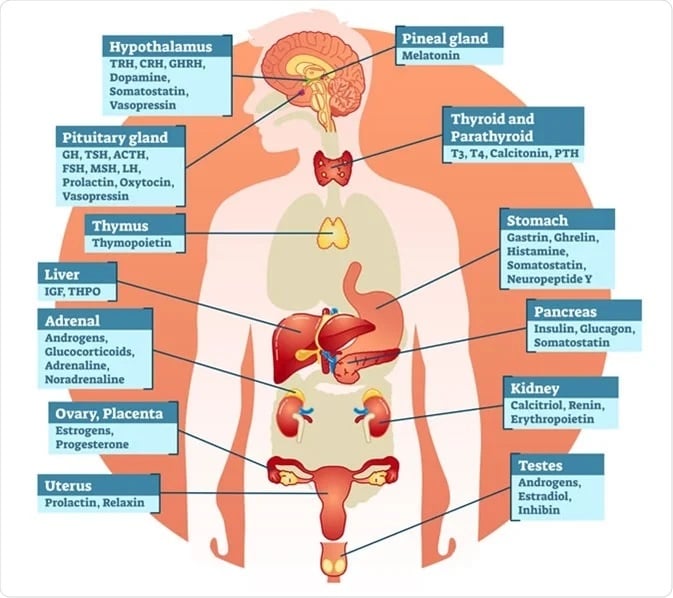
Small molecules play a pivotal role in Endocrinology Research. These are low molecular weight compounds that have a significant impact on the endocrine system, hormones, and their receptors. Here are some key aspects of how small molecules are involved in this field:
- Hormone Mimetics and Inhibitors: Small molecules are used to develop synthetic compounds that mimic the actions of hormones or inhibit their effects. For example, drugs like metformin for diabetes management and selective estrogen receptor modulators (SERMs) for breast cancer treatment are used to either mimic or block hormonal activity.
- Receptor Modulation: Small molecules can bind to hormone receptors and modulate their activity. This is crucial in developing drugs that target specific hormone receptors, like the use of small molecule agonists and antagonists to regulate thyroid hormone receptors.
- Metabolism Regulation: Endocrinology research often focuses on metabolism and how hormones like insulin regulate it. Small molecules are employed to understand and develop drugs targeting enzymes involved in metabolism, such as glucagon-like peptide-1 (GLP-1) agonists for diabetes treatment.
- Steroid Hormone Production: Small molecules may be utilized to influence the production of steroid hormones in the adrenal glands or gonads. This is essential for conditions like Cushing's syndrome or polycystic ovary syndrome (PCOS).
- Hormone Assays: In laboratory research, small molecules are used as tracers or markers in hormone assays. For instance, small molecule fluorophores can be attached to antibodies to detect hormone levels in blood samples.
Drug Development: Endocrinology research relies on small molecules as potential drug candidates. Researchers design and test small molecules for their effectiveness in modulating hormonal pathways, with the goal of developing new therapies for endocrine disorders.
In summary, small molecules are indispensable tools in Endocrinology Research, enabling scientists to better understand the endocrine system's intricacies and develop novel treatments for a wide range of hormonal disorders and conditions. Their versatility and specificity make them valuable assets in advancing our knowledge of endocrinology and improving patient care.
Endocrinology Disease Products
Endocrinology Research Products
Kisspeptin Receptor
Leptin Receptors
Melanocortin (MC) Receptors
Mineralocorticoid Receptors
Galanin Receptors
TRH Receptors
Ghrelin Receptors
Natriuretic Peptide Receptors
NPY Receptors
Motilin Receptor
PTH Receptor
