






-
GPR52 Agonist
PW0729 is an agonist of the orphan GPR52 receptor, engaging in mechanisms that may influence neural signaling pathways. This compound shows potential in research focused on neuropsychiatric and neurological disorders through GPR52 activation and signaling bias. Further optimization of its brain exposure characteristics is needed to fully explore its therapeutic applications. -
GPR55 Agonist
O-1602 is a potent agonist of GPR55, a G protein-coupled receptor involved in various neuroinflammatory processes. It has been shown to reduce both the number and activation of hippocampal microglia triggered by methamphetamine exposure. Additionally, O-1602 decreases the expression of key proteins associated with the NLRP3 inflammasome, including NLRP3, ASC, and Caspase-1, making it a valuable tool for studies related to neuroinflammation and neurodegenerative disease research. -
GPR55 Agonist
ML-184 is a selective agonist for the GPR55 receptor, exhibiting an EC50 value of 250 nM and demonstrating over 100-fold selectivity for GPR55 compared to GPR35, CB1, and CB2. This compound triggers phosphorylation of ERK1/2 and facilitates the translocation of PKCβII to the plasma membrane through GPR55 activation. Additionally, ML-184 enhances the proliferation of neural stem cells and promotes neuronal differentiation in vitro, making it a valuable tool for research in neurobiology and cellular signaling pathways. -
GPR55 Ligand
L-α-lysophosphatidylinositol (Soy) sodium is a potent endogenous ligand for the GPR55 receptor. As a lysophospholipid and endocannabinoid neurotransmitter, it plays a crucial role in various signaling pathways. It is primarily utilized in research applications focusing on cannabinoid receptor modulation, cell signaling processes, and neurobiology studies. -
GPR55 Agonist
GPR55 Agonist 4 is a potent agonist for the G protein-coupled receptor GPR55, exhibiting an EC50 of 131 nM for human GPR55 and 1.41 nM for rat GPR55. This compound effectively induces β-arrestin recruitment, making it a valuable tool for studying GPR55 signaling pathways and its biological implications. It serves as a useful reagent in various research applications focused on neurobiology, metabolism, and inflammation. -
GPR55 Agonist
GPR55 agonist 3 is a selective agonist for the GPR55 receptor, exhibiting an EC50 of 0.239 nM for human GPR55 and 1.76 nM for rat GPR55. This compound functions by inducing β-arrestin recruitment to human GPR55 with an EC50 of 6.2 nM, facilitating various signaling pathways associated with this receptor. GPR55 agonist 3 is valuable for research applications in exploring the physiological roles and therapeutic potential of the GPR55 signaling axis. -
GPR55 Antagonist
KLS-13019 is an orally active antagonist of the GPR55 receptor, structurally related to cannabidiol (CBD). This compound has demonstrated the ability to prevent and reverse chemotherapy-induced peripheral neuropathy (CIPN) in a dose-dependent manner in rat models. Its selectivity for GPR55 makes it a valuable tool for investigating the role of this receptor in neuropathic pain and related therapeutic applications. -
GPR55 Agonist
CID1792197 is a potent agonist of the GPR55 receptor, exhibiting an EC50 value of 0.11 μM. This compound is useful in research applications focused on understanding the role of GPR55 in various pathological processes, including inflammation and pain modulation. Its ability to activate GPR55 makes it a valuable tool for exploring the therapeutic potential of this receptor in cannabinoid signaling pathways. -
GPR55 Ligand
GSK494581A is a selective ligand for the human GPR55 receptor, exhibiting a pEC50 value of 6.8, and serves as an inhibitor of glycine transporter subtype 1 (GlyT1). This compound is implicated in various biological processes, including the modulation of pain signaling, promotion of bone morphogenesis, and enhancement of vascular endothelial cell formation through its action on GPR55. Its specificity and dual activity make GSK494581A a valuable tool for research in pain management and vascular biology. -
GPR55 Agonist
CID1172084 is a selective agonist of the GPR55 receptor, exhibiting an EC50 value of 0.16 μM. This compound demonstrates over 100-fold selectivity for GPR55 compared to GPR35, CB1, and CB2 receptors. CID1172084 serves as a valuable tool for investigating the biological functions and signaling pathways associated with GPR55, facilitating research in various applications including pharmacology and neurobiology. -
GPR6 Inverse Agonist
Solangepras is a selective inverse agonist of GPR6, exhibiting a Ki of 9.4 nM and an EC50 of 38 nM. This compound is capable of penetrating the blood-brain barrier, making it a valuable tool for investigating the role of GPR6 in neurological conditions. Solangepras holds potential for advancing research in Parkinson's disease and related disorders. -
GPR6 Modulator
(S)-CVN424 is a potent modulator of G-Protein-Coupled Receptor 6 (GPR6), involved in various signaling pathways in the nervous system. This compound shows promise in the investigation of neurological and psychiatric disorders, particularly in the context of Parkinson's disease. Its ability to selectively target GPR6 makes it a valuable tool for research aimed at understanding the underlying mechanisms of these conditions. -
GPR6 Inverse Agonist
GPR6 inverse agonist 2 is a selective inverse agonist targeting the GPR6 receptor, exhibiting an IC50 of less than 0.1 μM. This compound shows notable selectivity over GPR3, with IC50 values ranging from 1 to 30 μM, and demonstrates preliminary cardiac safety with an IC50 of 21.71 μM for hERG. GPR6 inverse agonist 2 is suitable for research applications investigating movement disorders, including Parkinson's disease, offering valuable insights into therapeutic avenues for these conditions. -
GPR6 Inverse Agonist
GPR6 inverse agonist 1 is a selective inverse agonist for the GPR6 receptor, demonstrating an IC50 of less than 100 nM. This compound is essential for research investigating the pathological mechanisms of neurodegenerative disorders, particularly Parkinson's disease and Huntington's disease. Its ability to modulate GPR6 activity makes it a valuable tool for studying these conditions and exploring potential therapeutic strategies. -
GPR65 Agonist
MLS001006105 is an allosteric agonist of GPR65, demonstrating significant activity at pH 8.40. This compound is valuable for research applications focusing on the modulation of GPR65 signaling pathways, particularly in acidic microenvironments. Its unique pH-dependent mechanism offers insights into the role of GPR65 in various physiological conditions and disease states. -
GPR68 Positive Allosteric Modulator
MS48107 is a potent and selective positive allosteric modulator of G protein-coupled receptor 68 (GPR68). This compound exhibits high selectivity for GPR68, minimizing off-target effects on related proton GPCRs, neurotransmitter transporters, and hERG ion channels. Additionally, MS48107 demonstrates the ability to effectively cross the blood-brain barrier in murine models, making it a valuable tool for neurobiological research and studies involving GPR68-related pathways. -
GPR84 Antagonist
GLPG1205 is a potent and selective antagonist of GPR84, a G-protein-coupled receptor implicated in various inflammatory processes. This compound demonstrates anti-inflammatory activity and is being investigated for its potential in treating pulmonary fibrosis. Additionally, GLPG1205 features an alkyne group, enabling its use as a click chemistry reagent for copper-catalyzed azide-alkyne cycloaddition (CuAAc) with azide-containing compounds. -
GPR84 Agonist
LY237 is an efficacious agonist of the G protein-coupled receptor GPR84, exhibiting a high potency with a pEC50 of 10.15. This compound is important for investigating the roles of GPR84 in various biological processes, particularly in the context of inflammation and fibrosis. Its activation of GPR84 may provide valuable insights into therapeutic strategies for related diseases. -
GPR84 Antagonist
GPR84 Antagonist 10 is a potent and orally bioavailable inhibitor of GPR84, a receptor implicated in various inflammatory pathways. This compound is useful for investigating GPR84-related diseases, particularly those driven by inflammation, such as inflammatory pain conditions. Its selective antagonism facilitates research in understanding the role of GPR84 in disease mechanisms and therapeutic potential. -
GPR84 Agonist
PSB-17365 is a potent agonist of the GPR84 receptor, demonstrating EC50 values of 2.5 nM in cAMP accumulation assays and 100 nM in β-arrestin 2 recruitment assays. This compound effectively stimulates GPR84 activity, making it a valuable tool for investigating the role of this receptor in inflammatory responses and immune modulation. Research applications include studies in metabolic disorders and the examination of GPR84's involvement in various physiological processes. -
GPR84 Antagonist
GPR84 Antagonist 3 is a selective antagonist of the G-protein-coupled receptor 84 (GPR84). This compound effectively inhibits GTPγS binding with a pIC50 value of 8.28, demonstrating its potency in modulating GPR84 activity. GPR84 Antagonist 3 is suited for research applications focused on exploring the role of GPR84 in inflammatory processes and metabolic regulation. Its favorable pharmacokinetic profile enhances its utility in pharmacological studies. -
GPR84 Agonist
ZQ-16 is a potent and selective agonist for the GPR84 receptor, exhibiting an EC50 value of 0.213 μM. This compound demonstrates specificity by showing no activity on other free fatty acid receptors (FFARs), including GPR40, GPR41, GPR119, and GPR120. ZQ-16 is useful in studies related to inflammation and immune responses, providing valuable insights into GPR84-mediated signaling pathways. -
GPR84 Agonist
OX04528 is a potent agonist of the GPR84 receptor, exhibiting G-protein biased activity. This compound demonstrates a remarkable ability to inhibit cAMP production, with an EC50 value of 0.00598 nM, and shows no signs of cytotoxicity. It is suitable for research applications focused on studying GPR84-related biological pathways and therapeutic targets. -
GPR84 Agonist
TUG-2208 is a potent agonist of GPR84, exhibiting a pEC50 of 8.98. This compound is characterized by its low lipophilicity, good solubility, and favorable in vitro permeability and microsomal stability. TUG-2208 is suitable for research applications investigating the role of GPR84 in various biological processes and potential therapeutic targets. -
GPR84 Antagonist
GPR84 antagonist 2 is a selective oral antagonist of the GPR84 receptor, exhibiting an IC50 of 8.95 nM. It demonstrates enhanced potency in calcium mobilization assays and effectively inhibits the chemotaxis of neutrophils and macrophages activated by GPR84. This compound is valuable for research into conditions such as ulcerative colitis, providing insights into immune regulation and inflammation. -
GPR84 Agonist
DL-175 is a selective GPR84 agonist known for its biased agonistic activity. This compound selectively activates functional responses in immune cells, promoting enhanced chemotaxis and phagocytosis in human bone marrow cells. As a potential chemical probe, DL-175 is valuable for research focused on immune response modulation and associated pathways. -
GPR84 Antagonist
GPR84 Antagonist 1 is a potent and selective competitive antagonist of human GPR84. It demonstrates high affinity for the receptor, making it an essential tool for investigating the role of GPR84 in inflammatory processes and immune responses. This compound is valuable in research applications focused on understanding GPR84-mediated signaling pathways and potential therapeutic interventions in related diseases. -
GPR84 Antagonist
GPR84 antagonist 9 is a selective antagonist of the G protein-coupled receptor GPR84, demonstrating an IC50 value of 0.012 μM. This compound is primarily utilized in research focusing on inflammatory-driven pain diseases, facilitating the investigation of its role in pain modulation and potential therapeutic applications. Its oral bioactivity supports in vivo studies aimed at understanding GPR84's contribution to inflammatory processes. -
GPR84 Agonist
GPR84 agonist-1 is a selective agonist of the GPR84 receptor, exhibiting an EC50 value of 2.479 μM. This compound is crucial for studying the physiological and pathological roles of GPR84 in immune responses, particularly in the context of septicemia. Researchers may utilize GPR84 agonist-1 to explore its potential therapeutic applications in inflammatory diseases and immune modulation. -
GPR84 Agonist
PSB-16434 is a selective agonist of G protein-coupled receptor 84 (GPR84). This compound demonstrates potential in the study of inflammatory diseases, metabolic disorders, and immune regulation by activating GPR84 signaling pathways. Its role in modulating immune responses makes it a valuable tool for researchers investigating novel therapeutic approaches in these areas. -
GPR88 Inhibitor
GPR88-IN-1 is a selective inhibitor of GPR88, a G protein-coupled receptor involved in modulating dopaminergic signaling. This compound demonstrates potential for investigating the role of GPR88 in various central nervous system disorders, including schizophrenia and drug addiction. It serves as a valuable tool for researchers exploring therapeutic pathways related to neuropsychiatric conditions. -
GPR88 Agonist
GPR88 agonist 2 is a potent agonist for the GPR88 receptor, exhibiting an EC50 of 14 µM in cAMP functional assays. This compound is notable for its ability to penetrate the blood-brain barrier, making it a valuable tool for neurological research. Its specific action on GPR88 provides insights into its role in neuropharmacology and related biological pathways. This compound is suitable for studies investigating the modulation of GPR88 in various physiological and pathological contexts. -
GPR88 Agonist
RTI-122 is a potent agonist of the GPR88 receptor, demonstrating effective brain penetration and a half-life of 5.8 hours in murine models. This compound exhibits a cAMP EC50 value of 11 nM, making it a valuable tool for investigating mechanisms associated with excessive drinking behaviors. Its metabolic stability and selective activity position RTI-122 as a significant reagent for research in addiction neuroscience and related fields. -
GPR88 Agonist
GPR88 Agonist 3 is a selective agonist of the G protein-coupled receptor GPR88, exhibiting an EC50 value of 204 nM. This compound is valuable for research into psychiatric and neurodegenerative disorders, providing insights into the modulation of signaling pathways involved in these conditions. Its GPR88 activation can contribute to understanding GPR88's role in brain function and potential therapeutic interventions. -
GPR81 Agonist
3-Chloro-5-hydroxybenzoic acid is a selective agonist of the lactate receptor GPR81, with an EC50 of 16 μM for human GPR81. This compound demonstrates significant biological activity, promoting lipolysis in a murine obesity model. It serves as a valuable tool for research focused on metabolic regulation and obesity-related pathways. -
GPR81 Agonist
GPR81 agonist 1 is a selective agonist targeting the GPR81 receptor, demonstrating EC50 values of 58 nM for human GPR81 and 50 nM for mouse GPR81. This compound effectively inhibits lipolysis in differentiated 3T3-L1 adipocytes and demonstrates an ability to suppress lipolysis in vivo in mouse models without causing cutaneous flushing. GPR81 agonist 1 exhibits significant selectivity for GPR81 over GPR109a, making it a valuable tool for research into metabolic regulation and adipocyte biology. -
GPR81 Agonist
3,5-Dihydroxybenzoic acid is an agonist of the hydroxycarboxylic acid receptor 1 (HCA1, also referred to as GPR81), known for its role in inhibiting lipolysis in adipocytes. This compound serves as a potential biomarker for the consumption of various food products, including beer, nuts, peanuts, and pulses. Additionally, 3,5-Dihydroxybenzoic acid acts as a competitive inhibitor for tyrosine phenol-lyase (TPL), with an affinity constant of Ki = 25.7 μM. Its oral bioactivity makes it suitable for various research applications in metabolic studies. -
GPR81 Agonist
GPR81 Agonist 2 specifically targets the GPR81 receptor, exhibiting potent agonistic activity with EC50 values of 0.023 µM for human GPR81 and 0.123 µM for human GPR109A. This compound is valuable for research in metabolic regulation, insulin sensitivity, and tumor metabolism. Its ability to selectively activate GPR81 makes it a useful tool for probing signaling pathways related to energy homeostasis and lipid metabolism. -
GPR54 Ligand
Kisspeptin-10, human is a potent ligand for the GPR54 receptor, playing a significant role in multiple biological processes. It functions as an inhibitor of angiogenesis and a tumor metastasis suppressor. The Kisspeptin-10/GPR54 signaling pathway is also crucial in embryonic kidney development and promotes osteoblast differentiation through NFATc4-mediated BMP2 expression. This makes Kisspeptin-10 a valuable reagent for research in developmental biology and cancer metastasis. -
KISS1/GPR54 Antagonist
Kisspeptin 234 TFA is a 10 amino acid peptide that acts as an antagonist of the kisspeptin receptor, specifically KISS1/GPR54. This reagent serves as a valuable tool in research applications related to reproductive physiology, neuroendocrine function, and the regulation of puberty. Its ability to modulate the kisspeptin signaling pathway makes it important for investigating the roles of kisspeptins in various biological processes. -
GPR54 Activator
Kisspeptin-14 human is a peptide hormone that serves as an endogenous ligand for the G protein-coupled receptor, GPR54. It plays a crucial role in reproductive function and has been shown to activate various intracellular signaling pathways upon binding to KISS1R. This compound is instrumental in research focused on reproductive development and the mechanisms underlying tumor metastasis. Kisspeptin-14 human exhibits receptor binding efficiency and potency comparable to full-length kisspeptin, making it a valuable tool in beta-cell and endocrine research. -
GPR54 Ligand
Kisspeptin-10 (mouse, rat) is a specific ligand for the GPR54 receptor, primarily influencing reproductive functions. This peptide demonstrates significant vasoconstrictive properties and acts as an inhibitor of angiogenesis. Additionally, Kisspeptin-10 has been shown to mitigate Methotrexate-induced reproductive toxicity, suggesting its potential role as an antioxidant in various research applications. -
Metastin/GPR54 Agonist
TAK-683 is a potent full agonist of the KISS1 receptor (KISS1R), exhibiting an IC50 value of 170 pM and a remarkable metabolic stability. As a nonapeptide analog of metastin, TAK-683 demonstrates significant agonistic activity with EC50 values of 0.96 nM and 1.6 nM for human and rat KISS1R, respectively. This compound effectively depletes GnRH in the hypothalamus and subsequently lowers plasma levels of FSH, LH, and testosterone. TAK-683 is valuable for investigating hormone-dependent prostate cancer and related endocrine research applications. -
KISS1/GPR54 Antagonist
Kisspeptin 234 is a 10-amino acid peptide that acts as an antagonist of the kisspeptin receptor (KISS1, GPR54). This compound is a structural analog of Kisspeptin 10 and is utilized in research to investigate the role of kisspeptin signaling in reproductive biology and neuroendocrine regulation. Its ability to inhibit KISS1/GPR54 interactions makes it a valuable tool for studying the modulation of hormonal pathways and physiological responses associated with reproductive health. -
LPA5/GPR92 Antagonist
TC LPA5 4 is a selective antagonist of LPA5 (GPR92) with a non-lipid structure. It effectively inhibits LPA-induced aggregation of isolated human platelets, demonstrating an IC50 value of 800 nM. Additionally, TC LPA5 4 shows potent inhibition of cell proliferation and migration in thyroid cancer cells, making it a valuable tool for research in cancer biology and cell signaling pathways associated with LPA5. -
GPR92 Receptor Activator
1-Octadecyl lysophosphatidic acid is a GPR92 receptor (LPA5) activator implicated in various biological processes. This compound exhibits potential flavoring effects and is useful in research applications focused on cellular signaling pathways involving lysophosphatidic acid. Its role in modulating receptor activity makes it a valuable tool for investigating the physiological effects mediated by GPR92. -
GPR183 Agonist
7α,25-Dihydroxycholesterol is a potent agonist of the orphan G protein-coupled receptor GPR183 (EBI2). This compound exhibits high efficacy in activating EBI2, with an EC50 of 140 pM and a Kd of 450 pM. It plays a critical role in chemokine signaling, directing the migration of immune cells such as B cells, T cells, and dendritic cells, making it valuable for research in immunology and cell signaling pathways. -
GPR183 Antagonist
SAE-14 is a selective antagonist of GPR183, exhibiting an IC50 value of 28.5 nM. It effectively inhibits 7α, 25-OHC–induced calcium mobilization in HL-60 cells with an IC50 under 50 nM. SAE-14 has demonstrated potential in reversing allodynia in murine models, making it a valuable tool for research into pain mechanisms and immune regulation. -
Dual RORγt/DHODH Inhibitor
RORγt/DHODH-IN-1 is a dual inhibitor targeting retinoic acid receptor-related orphan receptor gamma t (RORγt) and dihydroorotate dehydrogenase (DHODH). With IC50 values of 0.083 μM for RORγt and 0.172 μM for DHODH, this compound demonstrates significant potency. RORγt/DHODH-IN-1 has been shown to possess notable in vivo anti-inflammatory activity, making it a valuable tool for research in immunology and inflammation-related studies. -
Dual RORγt/DHODH Inhibitor
RORγt/DHODH-IN-3 is a dual inhibitor targeting both RORγt and dihydroorotate dehydrogenase (DHODH), exhibiting IC50 values of 0.098 μM for RORγt and 0.432 μM for DHODH. This compound demonstrates significant in vivo anti-inflammatory activity, making it a valuable tool for researchers investigating autoimmune diseases and other inflammatory conditions. Its dual mechanism of action positions it as a promising candidate for therapeutic development in these areas.
Endocrinology-Hormones
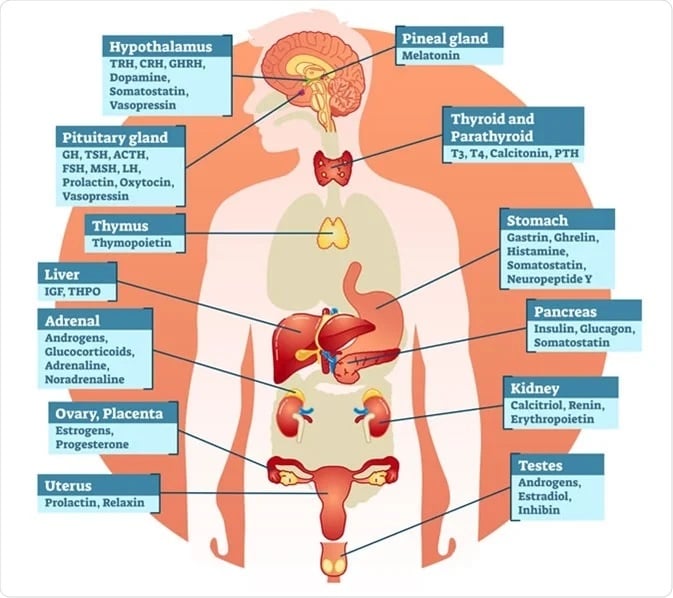
Small molecules play a pivotal role in Endocrinology Research. These are low molecular weight compounds that have a significant impact on the endocrine system, hormones, and their receptors. Here are some key aspects of how small molecules are involved in this field:
- Hormone Mimetics and Inhibitors: Small molecules are used to develop synthetic compounds that mimic the actions of hormones or inhibit their effects. For example, drugs like metformin for diabetes management and selective estrogen receptor modulators (SERMs) for breast cancer treatment are used to either mimic or block hormonal activity.
- Receptor Modulation: Small molecules can bind to hormone receptors and modulate their activity. This is crucial in developing drugs that target specific hormone receptors, like the use of small molecule agonists and antagonists to regulate thyroid hormone receptors.
- Metabolism Regulation: Endocrinology research often focuses on metabolism and how hormones like insulin regulate it. Small molecules are employed to understand and develop drugs targeting enzymes involved in metabolism, such as glucagon-like peptide-1 (GLP-1) agonists for diabetes treatment.
- Steroid Hormone Production: Small molecules may be utilized to influence the production of steroid hormones in the adrenal glands or gonads. This is essential for conditions like Cushing's syndrome or polycystic ovary syndrome (PCOS).
- Hormone Assays: In laboratory research, small molecules are used as tracers or markers in hormone assays. For instance, small molecule fluorophores can be attached to antibodies to detect hormone levels in blood samples.
Drug Development: Endocrinology research relies on small molecules as potential drug candidates. Researchers design and test small molecules for their effectiveness in modulating hormonal pathways, with the goal of developing new therapies for endocrine disorders.
In summary, small molecules are indispensable tools in Endocrinology Research, enabling scientists to better understand the endocrine system's intricacies and develop novel treatments for a wide range of hormonal disorders and conditions. Their versatility and specificity make them valuable assets in advancing our knowledge of endocrinology and improving patient care.
Endocrinology Disease Products
Endocrinology Research Products
Kisspeptin Receptor
Leptin Receptors
Melanocortin (MC) Receptors
Mineralocorticoid Receptors
Galanin Receptors
TRH Receptors
Ghrelin Receptors
Natriuretic Peptide Receptors
NPY Receptors
Motilin Receptor
PTH Receptor
