- Cat. No.
- A10338
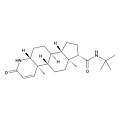
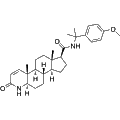
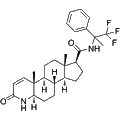
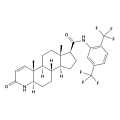
Dutasteride
Synonyms: Avodart
Dutasteride is a dual 5-a reductase inhibitor that inhibits conversion of testosterone to dihydrotestosterone (DHT).
Search by product name, CAS, target or catalog number. Press Down Arrow to reach product suggestions, Tab to move between links, and Escape to close suggestions.
5-alpha-reductase inhibitors block the enzymes that convert testosterone into dihydrotestosterone (DHT). Steroid 5α-reductases are membrane-bound enzymes that use NADPH (reduced nicotinamide adenine dinucleotide phosphate) to reduce a double bond in the steroid A ring. Human and rat forms of the enzyme were cloned and characterized in 1990. A second isozyme, steroid 5α-reductase 2 (SRD5A2), was reported in 1991, when deletions of its gene were found in male pseudohermaphroditism. Inhibitors are used to study androgen action in the prostate, skin and hair follicles. Finasteride and epristeride are steroidal inhibitors, and dutasteride blocks both isozymes. Plant-derived inhibitors in the category include β-sitosterol and the prenylated flavonoid Kushenol Q.
Synonyms: Avodart
Dutasteride is a dual 5-a reductase inhibitor that inhibits conversion of testosterone to dihydrotestosterone (DHT).
Synonyms: Proscar; Propecia
Finasteride is a synthetic type II 5α-reductase inhibitor. This enzyme converts testosterone to dihydrotestosterone (DHT).
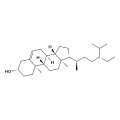
β-sitosterol reduces blood levels of cholesterol, and is sometimes used in treating hypercholesterolemia. β-Sitosterol inhibits cholesterol absorption in the intestine. When the sterol is absorbed in the intestine, it is transported by lipoproteins and incorporated into the cellular membrane.
Synonyms: ONO 9302; SK&F 105657; SKF 105657
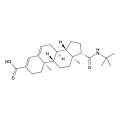
Epristeride is a selective and specific uncompetitive inhibitor of human steroid 5 alpha-reductase isoform 2.
Synonyms: MK-906 acetate; MK906
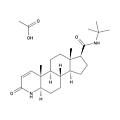
Finasteride (acetate) is an orally active testosterone 5-alpha-reductase inhibitor.
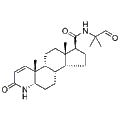
Finasteride Carboxaldehyde is a metabolite of Finasteride in human bile (M2 metabolite) that can be used for proteomics research.
Synonyms: Cornusiin A
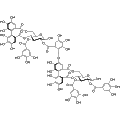
Eucalbanin B, a dimeric tannic acid, functions as a potent inhibitor of 5α-reductase, thereby decreasing dihydrotestosterone (DHT) production. This compound exhibits notable anti-inflammatory properties, effectively diminishing the levels of pro-inflammatory cytokines such as IL-6, IL-8, IL-1β, and TNF-α. Additionally, Eucalbanin B demonstrates strong inhibitory effects on the proliferation of benign prostatic hyperplasia (BPH) cell lines and promotes apoptosis in BPH cells. It is a valuable reagent for research focused on BPH and related inflammatory conditions.
Out of stock
All 3 sizes
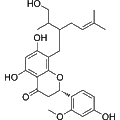
Kushenol Q is an inhibitor of testosterone 5α-reductase and the 5α-dihydrotestosterone receptor. This compound demonstrates significant biological activity in modulating androgen signaling pathways, making it useful in studies related to hormone-related disorders. Additionally, Kushenol Q exhibits antibacterial properties against Gram-positive bacteria, indicating its potential in antimicrobial research applications.
Out of stock
All 3 sizes
Synonyms: 12-Methoxycarnosic acid
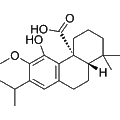
12-O-Methylcarnosic acid is a potent inhibitor of 5 alpha reductase, exhibiting an IC50 value of 61.7 μM. Isolated from the acetone extract of Salvia microphylla, this diterpene demonstrates significant anti-proliferative effects in LNCaP prostate cancer cells. In addition to its role in cancer research, 12-O-Methylcarnosic acid also possesses antioxidant and antimicrobial properties, making it a valuable reagent for various biological studies.
Synonyms: CS 891
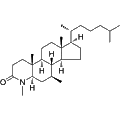
Lapisteride is a potent 5α-reductase inhibitor, demonstrating efficacy in the modulation of androgen metabolism. This compound effectively inhibits 5α-reductase activity within hair follicles, making it a valuable tool for investigating prostatic hyperplasia and androgenic alopecia. Its applications extend to research aimed at understanding androgen-related disorders and developing targeted therapies.
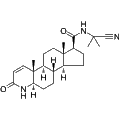
CGP-53153 is a steroidal inhibitor of 5-alpha reductase, exhibiting IC50 values of 36 nM in rat prostatic tissue and 262 nM in human prostatic tissue. This compound is primarily utilized in research to investigate the inhibition of 5-alpha reductase, which plays a crucial role in androgen metabolism. Its biological activity makes it a valuable tool for studying conditions related to androgen levels, such as benign prostatic hyperplasia and prostate cancer.
Synonyms: LY 320236
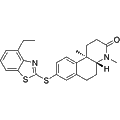
Izonsteride is a potent inhibitor of 5α-reductase, demonstrating IC50 values of 11.6 nM for type I and 7.37 nM for type II isoforms. By hindering the enzyme responsible for converting testosterone to dihydrotestosterone, Izonsteride effectively reduces androgenic activity. This compound has been shown to significantly inhibit the growth of LNCaP tumors in thymic mice, indicating its potential as a therapeutic agent in prostate cancer research, with minimal host toxicity observed.
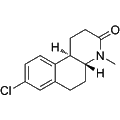
LY300503 is the enantiomer of LY191704, a selective inhibitor of human type I 5α-reductase. This compound serves as a valuable tool in studies focused on androgen metabolism and its related disorders, particularly in the context of hormone-related conditions. Its inhibition of 5α-reductase activities is critical for research into therapeutic interventions for conditions such as androgenetic alopecia and benign prostatic hyperplasia.
Out of stock
All 3 sizes
Synonyms: L-733692
MK 386 is a selective inhibitor of 5-alpha reductase type I, which plays a critical role in the metabolism of testosterone into dihydrotestosterone (DHT). By inhibiting this enzyme, MK 386 is utilized in research focused on prostate cancer treatment and hormone-related disorders. Its specificity for 5-alpha reductase I makes it a valuable tool for studying the effects of DHT modulation on cellular and molecular pathways associated with prostate cancer progression.
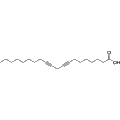
8,11-Eicosadiynoic acid is a steroid 5α-reductase inhibitor that exhibits potent biological activity in the modulation of androgen metabolism. This unsaturated fatty acid is primarily utilized in research related to acne and other androgen-mediated conditions. Its ability to inhibit 5α-reductase makes it a valuable tool for investigating pathways involved in sebaceous gland function and acne pathology.
Out of stock
All 3 sizes
Synonyms: LY300502
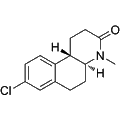
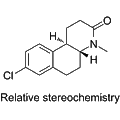
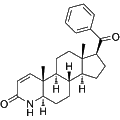
Bexlosteride is a benzoquinolinone that acts as a specific inhibitor of human type I 5α-reductase. It exhibits significant metabolic inhibitory, antiproliferative, and antisecretory effects in LNCaP human prostatic adenocarcinoma cell cultures. This compound is valuable for research focused on prostate cancer, providing insights into the modulation of androgen pathways and potential therapeutic interventions.
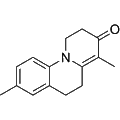
AS-601811 is a potent inhibitor of 5α-reductase 1, demonstrating an IC50 of 20 nM. This compound is valuable for investigating conditions such as alopecia and hirsutism by modulating androgen metabolism. Its specificity for 5α-reductase 1 makes it an essential tool for research into related endocrine and dermatological disorders.
ONO-3805 is a non-steroidal 5α-reductase inhibitor that selectively targets the enzyme responsible for converting testosterone to dihydrotestosterone. It exhibits potential therapeutic benefits in the management of benign prostatic hyperplasia and may contribute to the reduction of associated symptoms. This compound is primarily utilized in endocrine-related research and studies focusing on androgen modulation in prostatic disorders.
LY191704 is a selective, nonsteroidal inhibitor of human type I 5α-reductase, exhibiting noncompetitive inhibition. This compound, a racemic mixture of LY300502 and LY300503, demonstrates potent activity in modulating the enzymatic conversion of testosterone to dihydrotestosterone (DHT). LY191704 is valuable for investigating human endocrine disorders linked to elevated DHT levels, offering insights into potential therapeutic approaches for conditions such as androgenetic alopecia and benign prostatic hyperplasia.
FCE 28260 is a selective inhibitor of 5α-reductase (5αR), targeting both 5αR type 1 and type 2 with IC₅₀ values of 36 nM and 3.3 nM, respectively. This compound effectively reduces dihydrotestosterone (DHT) levels in prostate and peripheral tissues, demonstrating IC₅₀ values of 16 nM and 15 nM in human and rat prostate respectively. FCE 28260 significantly prevents testosterone-induced prostatic and seminal vesicle hyperplasia in rat models, while exhibiting no inhibitory effect on prostate growth in DHT implantation models. This reagent is suitable for studies related to DHT-dependent conditions, including benign prostatic hyperplasia (BPH).
L-751788 is a selective inhibitor of type I 5α-reductase, a key enzyme involved in steroid metabolism. This compound demonstrates significant potential in reducing dihydrotestosterone levels without adversely affecting fetal external genitalia, as evidenced by studies conducted in pregnant rhesus monkeys. L-751788 is valuable for research applications investigating disorders of androgen metabolism and related therapeutic interventions.
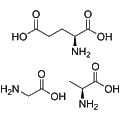
Glutamic acid-alanine-glycine mixture serves as an activator of testosterone 5α-reductase, enhancing its enzymatic activity and promoting prostate function through elevated free amino acid levels. This compound demonstrates a complex interaction with testosterone and estradiol, as it inhibits 5α-reductase activity in combination, leading to decreased free amino acids. The mixture is valuable for research into prostate health and endocrine disorders, providing insights into regulatory mechanisms of steroid metabolism.
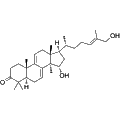
(15α)-15,26-Dihydroxylanosta-7,9(11),24-trien-3-one is a potent inhibitor of 5α-reductase, exhibiting an IC50 value of 41.9 μM. This compound effectively inhibits testosterone-induced growth in the ventral prostate of rat models. It holds potential for research applications focused on benign prostatic hyperplasia (BPH) and other conditions linked to 5α-dihydrotestosterone (DHT), including acne and male pattern baldness.
Out of stock
All 3 sizes
Synonyms: FCE 26073
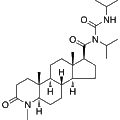
Turosteride is a selective inhibitor of 5 alpha-reductase, demonstrating IC50 values of 55 nM and 53 nM for human and rat prostatic enzymes, respectively. This compound effectively reduces prostate and seminal vesicle weights, making it valuable in research related to benign prostatic hyperplasia and androgenic activity modulation. Turosteride can be instrumental in studies investigating the role of 5 alpha-reductase in prostatic diseases and hormone regulation.
MK-0434 is an orally active inhibitor of steroid 5α-reductase, acting primarily to inhibit the conversion of testosterone into dihydrotestosterone (DHT). By reducing DHT levels, MK-0434 plays a significant role in the investigation of benign prostatic hyperplasia and other androgen-mediated conditions. This compound serves as a useful tool for researchers studying the hormonal pathways involved in prostate health and related disorders.