






-
GPR119 Agonist
AS-1669058 free base is a potent agonist of the GPR119 receptor, making it a candidate for diabetes treatment. It stimulates insulin secretion in response to elevated glucose levels both in vitro and in vivo, enhancing insulin promoter activity. In preclinical studies, AS-1669058 demonstrated the ability to improve glucose tolerance and lower blood glucose levels in db/db mice, supporting its potential in metabolic research. -
GPR119 Agonist
AS-1669058 is a selective agonist of the GPR119 receptor, showing promise in the management of type 2 diabetes. This compound enhances insulin secretion in response to elevated blood glucose levels both in vitro and in vivo, while also stimulating insulin promoter activity. In studies using db/db mice, AS-1669058 demonstrated significant improvements in glucose tolerance and reductions in blood glucose levels, indicating its potential utility in diabetes research. -
GPR139 Agonist
Zelatriazin is a selective agonist of the GPR139 receptor, exhibiting a potency with an EC50 of 22 nM. This compound is of particular interest in the study of negative symptoms associated with schizophrenia. Its ability to selectively activate GPR139 makes it a valuable tool for exploring the underlying mechanisms of this psychiatric disorder. -
GPR139 Antagonist
LP-471756 is a potent antagonist of the GPR139 receptor, exhibiting an IC50 value of 640 nM. This compound effectively inhibits cAMP production stimulated by LP-360924, making it a valuable tool for researchers investigating GPR139 signaling pathways and related biological processes. Its application extends to studies in neurobiology and metabolic regulation, where GPR139 plays a crucial role. -
GPR139 Agonist
GPR139 agonist-2 is a selective agonist targeting the GPR139 receptor, demonstrating a potent EC50 of 24.7 nM. This compound has shown promising biological activity by rescuing social interaction deficits and ameliorating cognitive impairments in murine models of schizophrenia. GPR139 agonist-2 holds potential for use in antipsychotic drug research and the exploration of novel therapeutic strategies for schizophrenia. -
GPR171 Agonist
MS15203 is a potent and selective agonist of GPR171, a G protein-coupled receptor involved in neuropeptide signaling. This compound is known to enhance food intake and body weight, likely through the stimulation of neuronal activity. Additionally, MS15203 significantly increases the mRNA levels of proSAAS, neuropeptide Y (NPY), and agouti-related peptide (AgRP), making it a valuable tool for research in appetite regulation and metabolic disorders. -
GPR171 Agonist
BigLEN (mouse) is a highly potent and selective agonist of the orphan G protein-coupled receptor 171 (GPR171), demonstrating a Kd of approximately 0.5 nM. This compound is instrumental in modulating biological processes related to food intake and metabolism, making it valuable for research in appetite regulation and metabolic studies. -
GPR35 Antagonist
CID 2745687 is a selective, reversible antagonist of GPR35, exhibiting a binding affinity with a Ki value of 12.8 nM. This compound is valuable for studies investigating the role of GPR35 in various physiological processes and disease states, making it a useful tool in pharmacology and drug discovery research. Its specificity allows for the exploration of GPR35-related signaling pathways and potential therapeutic interventions. -
GPR35 Antagonist
CID1231538 is a potent antagonist of the GPR35 receptor, a member of the G protein-coupled receptors (GPCRs) family. This benzothiazole analog demonstrates selective inhibition, exhibiting no significant activity against rodent orthologs of GPR35. Its unique properties make it a valuable tool for exploring GPR35-related biological pathways and for investigating potential therapeutic applications in diseases where this receptor is implicated. -
GPR35 Agonist
GPR35 Agonist 4 is a selective activator of the GPR35 receptor, exhibiting a potency with an pEC50 value of 5.86. This compound demonstrates significant biological activity in both human and rat models, making it a valuable tool for studying GPR35 signaling pathways. Notably, mutation of the arginine at position 3.36 negates the agonistic effect of GPR35 Agonist 4, underscoring its mechanism of action. This reagent can be utilized in pharmacological research investigating the role of GPR35 in various physiological and pathological processes. -
GPR35 Agonist
YE120 is a potent agonist of the GPR35 receptor, exhibiting an EC50 of 32.5 nM. This compound activates GPR35, which is involved in various physiological processes, including inflammation and metabolic regulation. YE120 is utilized in research applications focused on understanding GPR35 signaling pathways and its potential roles in disease modulation. -
GPR35 Agonist
GPR35 agonist 5 (3,5-dinitro-bisphenol A; compound 6) functions as a weak agonist of the GPR35 receptor. This compound has been shown to induce cell cycle arrest in CHO-S cells at the G1/G0 phase, highlighting its potential role in cell proliferation studies. GPR35 agonist 5 may be useful for research applications focused on understanding GPR35 signaling pathways and their implications in various biological processes. -
Gpr35 Modulator
Gpr35 Modulator 1 is a potent GPR35 modulator, exhibiting an IC50 of ≤ 100 nM in HEK293 cells stably expressing human GPR35. This compound is valuable for investigating the physiological and pathological roles of GPR35 in various biological processes. Research applications include studies on inflammation, metabolic disorders, and gastrointestinal functions, facilitating the exploration of GPR35 as a therapeutic target. -
GPR35 Modulator
Gpr35 modulator 2 is a selective modulator of the GPR35 receptor, which plays a critical role in various physiological processes. This compound is valuable for investigating GPR35-related disorders and elucidating the receptor's role in cellular signaling pathways. It presents a useful tool for researchers studying the pathophysiology associated with GPR35 and exploring potential therapeutic avenues. -
GPR35 Activator
GPR35 activator-1 is a highly potent activator of the GPR35 receptor, exhibiting an inhibition constant (Ki) of 0.08 nM for human GPR35. This compound is valuable for research involving GPR35 signaling pathways, making it applicable in studies of immune response, gastrointestinal function, and neurobiology. Its high potency makes it a useful tool for elucidating the biological roles and therapeutic potential of GPR35 in various physiological and pathological contexts. -
GPR35 Agonist
GPR35 Agonist 3 is a synthetic compound that selectively activates the GPR35 receptor, exhibiting an EC50 value of 1.4 μM. This reagent is valuable for investigating a range of biological mechanisms and disease states, including gastric cancer, type 2 diabetes, cardiovascular disorders, and immune system functions. Researchers can utilize GPR35 Agonist 3 to explore its therapeutic potential and the role of GPR35 in various physiological processes. -
GPR Agonist
ML301 is a small molecule G-protein coupled receptor (GPCR) agonist that activates GPR signaling pathways. This compound exhibits potent biological activity, effectively competing for 125I-NT binding and demonstrating inhibition by SR142948A with an IC50 of approximately 63 nM. ML301 is useful for research applications exploring GPCR mechanisms, signal transduction, and receptor pharmacology. -
GPR35
Diethyl-Lodoxamide is a potent agonist of the GPR35 receptor, demonstrating significant potential for the treatment of inflammatory bowel disease. It activates GPR35 in human, mouse, and rat models, exhibiting similar EC50 values across these species. Notably, Diethyl-Lodoxamide has been shown to alleviate clinical symptoms in DSS-induced mouse models of inflammatory bowel disease, offering a more effective solution compared to traditional therapies such as 5-ASA. The compound's pharmaceutical properties have been carefully optimized to align with advanced drug design requirements. -
GPR39 Agonist
Lithocholic acid 3-sulfate (disodium) is a GPR39 agonist demonstrating robust activation with EC50 values of 0.88 μM in the presence of Zn2+ and 41 μM in its absence, in relevant cell lines. This compound initiates intracellular calcium signaling through GPR39, not relying on Zn2+-binding sites. Additionally, it functions as a ligand for RORγt, selectively inhibiting Th17 cell differentiation. Lithocholic acid 3-sulfate (disodium) is valuable for investigations into cholestatic liver diseases and related immunological studies. -
GPR39 Agonist
Taurolithocholic acid 3-sulfate disodium is an agonist of the GPR39 receptor, demonstrating EC50 values of 71.6 μM and 69.4 μM in the absence of Zn2+ and 9 μM and 9.6 μM in the presence of Zn2+, as observed in M39-20 and hGPR39-2 cell lines, respectively. This compound activates GPR39 to promote intracellular calcium signaling while functioning independently of Zn2+ binding sites H17 and H19. Taurolithocholic acid 3-sulfate disodium is suitable for investigations related to gallbladder disease and its underlying mechanisms. -
GPR52 Agonist
PW0787 is a potent and selective agonist of the GPR52 receptor, exhibiting an EC50 of 135 nM. This compound demonstrates significant brain penetration and has been shown to effectively suppress psychostimulant behavior. It is valuable for research applications in neuropharmacology and the study of GPR52's role in modulating psychiatric disorders. -
GPR52 Antagonist
GPR52 antagonist-1 is a selective antagonist of the GPR52 receptor, exhibiting an IC50 of 0.63 μM. This compound effectively reduces levels of the mutant huntingtin protein (mHTT) and supports the survival of mouse primary striatal neurons. GPR52 antagonist-1 is important for research applications investigating neurodegenerative disorders, particularly Huntington's disease, and offers insights into the role of GPR52 in neuronal health. -
GPR52 Agonist
NXE0041178 is a potent full agonist of the GPR52 receptor, exhibiting a pEC50 of 7.5 for human GPR52 and an EC50 of 27.5 nM for rat GPR52. This compound demonstrates an ability to penetrate the blood-brain barrier and shows minimal inhibition of hERG, hNaV1.5, and cytochrome P450 isoforms. Notably, NXE0041178 effectively reduces d-amphetamine-induced hyperactivity in rat models, making it a valuable tool for research related to neurological disorders. -
GPR52 Antagonist
GPR52 Agonist-1 is a potent GPR52 agonist with an pEC50 value of 7.53, demonstrating oral bioactivity and the ability to penetrate the blood-brain barrier. This compound enhances cAMP accumulation through direct engagement with the GPR52 receptor. GPR52 Agonist-1 has shown significant efficacy in suppressing methamphetamine-induced hyperactivity in murine models, indicating potential antipsychotic effects. It serves as a valuable tool for research into psychotropic medications and related neurological conditions. -
Metandienone Metabolite
6β-Hydroxy Metandienone is a metabolic derivative of the anabolic androgenic steroid Metandienone, primarily acting as an androgen receptor agonist. This compound exhibits anabolic properties, contributing to muscle growth and strength enhancement. Its biological activity makes it valuable for research in steroid metabolism, performance enhancement, and the study of anabolic steroid effects in various biological systems. -
Estrogen Receptor Antagonist
6-Raloxifene-β-D-glucopyranoside functions as a selective estrogen receptor antagonist, exhibiting a strong affinity for estrogen receptors. This compound is known for its biological activities in inhibiting bone loss and resorption, as well as in reducing lipid levels. It has potential applications in research related to osteoporosis and cardiovascular health, providing insights into estrogen-related metabolic processes. -
Stable Isotope
p,p'-DDE-13C12 is a stable isotope-labeled variant of p,p'-DDE, a well-known metabolite of the persistent pesticide dichlorodiphenyltrichloroethane (DDT). This compound functions as a potent antagonist of the androgen receptor, exhibiting an IC50 value of 5 μM and a Ki of 3.5 μM. p,p'-DDE-13C12 can be utilized in biological research to study endocrine disruption and receptor signaling pathways related to androgen activity. -
Fluticasone Dimer Impurity
Fluticasone dimer impurity is a dimeric form of Fluticasone Propionate, a potent corticosteroid known for its high affinity for glucocorticoid receptors. This impurity may be of interest in investigations related to the stability, purity, and efficacy of Fluticasone formulations. Its assessment can be essential for ensuring quality control in pharmaceutical development and research on corticosteroid activity. -
Abiraterone acetate Degradation Product x
Anhydro abiraterone is a degradation product of Abiraterone acetate, a selective and irreversible inhibitor of CYP17A1, known for its antiandrogen activity. This compound plays a critical role in the study of metabolic pathways and pharmacokinetics of steroidogenesis inhibitors. Research applications include the investigation of androgen receptor signaling and the development of therapeutic strategies for prostate cancer. -
Abiraterone Metabolism
5,6-Dihydroabiraterone is a metabolic derivative of Abiraterone, an irreversible inhibitor of CYP17A1 that exhibits significant antiandrogen effects. This compound plays a crucial role in studying the metabolic pathways of Abiraterone and contributes to understanding its antitumor activity in castration-resistant prostate cancer (CRPC). Research applications include evaluating the pharmacokinetics and metabolic fate of androgen receptor-targeting agents in cancer models. -
Aromatase Inhibitor/AR Agonist
17β-Hydroxy exemestane is an aromatase inhibitor and androgen receptor (AR) agonist with an IC50 of 69 nM and 39.6 nM, respectively. This compound exhibits selective binding towards the AR compared to estrogen receptor α (ERα), demonstrating an IC50 of 21.2 μM. In biological assays, 17β-Hydroxy exemestane promotes the growth of AR- and ERα-positive MCF-7 cells and T47D breast cancer cells, with EC50 values of 2.7 μM and 0.43 nM for AR-mediated growth. Notably, it also mitigates proliferation in testosterone-treated aromatase-overexpressing MCF-7 cells and demonstrates protective effects on serum cholesterol and bone density in ovariectomized rat models. -
Glutathione Depletor
Phorone, a glutathione (GSH) depletor, functions by specifically and reversibly depleting free GSH through enzymatic interaction with glutathione S-transferase (Km = 0.9 mM). This compound has been demonstrated to reversibly affect the binding and nuclear uptake of glucocorticoid receptors in rat liver, correlating with fluctuations in GSH levels. Phorone is valuable for research focused on liver toxicity mechanisms and the role of oxidative stress in cellular dysfunction. -
CYP11A1 Inhibitor
CYP11A1-IN-1 is an inhibitor of cytochrome P450 11A1 (CYP11A1), exhibiting an IC50 range of 201-2000 nM. This compound is valuable for research focusing on steroid hormone synthesis and the role of androgens in diseases such as prostate cancer. It offers potential applications in studies related to androgen receptor-dependent pathways and their therapeutic implications. -
Androgen Receptor Antagonist
N-Desmethyl-Apalutamide is an active metabolite of Apalutamide, primarily functioning as an androgen receptor antagonist. This compound exhibits moderate potency in inhibiting androgen receptor activity and accounts for approximately one-third of the pharmacological effect of its parent compound. N-Desmethyl-Apalutamide is predominantly metabolized by CYP2C8 and CYP3A4 enzymes, while also serving as a moderate to strong inducer of CYP3A4 and CYP2B6. Its high plasma protein-binding capacity further enhances its utility in research applications related to androgen receptor modulation and therapeutic exploration in prostate cancer treatment. -
Flutamide Metabolite
Flu-6 is a metabolite of Flutamide, primarily targeting androgen receptors. It is generated in the liver through the action of NADPH: cytochrome P450 reductase (CPR). Flu-6 exhibits significant biological activity in inhibiting the progression of prostate cancer, making it a valuable reagent for research in oncology and drug metabolism studies. -
Stable Isotope
Abiraterone acetate-d4 is the deuterium-labeled form of Abiraterone acetate, a potent and selective irreversible inhibitor of CYP17A1 with notable antiandrogen activity. This stable isotope is utilized in various biological research applications, including pharmacokinetic studies and metabolic profiling, allowing for precise tracking of the compound's fate in biological systems. As a proagent of Abiraterone, it provides valuable insights into androgen receptor signaling pathways and related therapeutic interventions. -
ERα Degrader
ERα degrader 6 (Compound 31q) is a selective degrader of estrogen receptor alpha (ERα), exhibiting a binding affinity (KI) of 75 nM. It also demonstrates impressive inhibitory activity against aromatase (ARO) with an IC50 of 37.7 nM. This compound has been shown to effectively inhibit tumor growth in the MCF-7 tumor xenograft model, making it a valuable tool for breast cancer research and therapeutic studies. -
Mineralocorticoid Receptor Antagonist
Finerenone is a selective nonsteroidal mineralocorticoid receptor (MR) antagonist with a reported IC50 of 18 nM. It demonstrates high selectivity against glucocorticoid, androgen, and progesterone receptors, with over 500-fold preference. Finerenone is relevant for researching therapeutic interventions in cardiorenal diseases, particularly in the context of type 2 diabetes mellitus and chronic kidney disease. -
Mineralocorticoid Receptor Modulator
Balcinrenone (AZD9977) is a selective, orally active modulator of the mineralocorticoid receptor (MR). It demonstrates significant biological activity in the context of heart failure and chronic kidney disease research. This compound is primarily utilized in studies investigating MR-related pathways and their implications in cardiovascular and renal health. -
Corticosteroid Receptor Antagonist
Ocedurenone is a corticosteroid receptor antagonist, primarily targeting the glucocorticoid receptor. This compound exhibits significant biological activity by inhibiting corticosteroid signaling pathways, making it a valuable tool for research applications related to kidney disease and other corticosteroid-mediated disorders. Its utility in investigating the role of corticosteroids in various pathophysiological conditions renders Ocedurenone a critical reagent for scientific studies. -
Finerenone Racemate
(Rac)-Finerenone is a racemate of the selective, orally bioavailable nonsteroidal mineralocorticoid receptor (MR) antagonist, exhibiting an IC50 value of 18 nM. This compound demonstrates significant selectivity over glucocorticoid receptors (GR), androgen receptors (AR), and progesterone receptors, with a selective ratio exceeding 500-fold. (Rac)-Finerenone is utilized in research applications focused on cardiovascular and renal health, and is being investigated for its potential therapeutic benefits in managing disorders related to mineralocorticoid receptor activation. -
Mineralocorticoid Receptor Modulator
Felodipine 3,5-Dimethyl Ester is a dihydropyridine derivative functioning primarily as a mineralocorticoid receptor modulator and a selective inhibitor of the voltage-dependent L-type calcium channel CaV1.2. This compound exhibits significant pharmacological activity by affecting calcium ion flux, which plays a crucial role in cardiovascular and renal physiology. Its applications extend to research in hypertension, heart failure, and other cardiovascular disorders related to calcium channel dysregulation. -
Mineralocorticoid Receptor Antagonists
RU 26752 is a mineralocorticoid receptor antagonist that modulates the activity of steroid hormone receptors. It effectively inhibits hypertension induced by aldosterone in preclinical models, making it a valuable tool for studying cardiovascular diseases and related conditions. This compound is useful for researchers investigating the role of mineralocorticoid receptors in hypertension and its pathophysiological mechanisms. -
Mineralocorticoid Receptor Control
21-Hydroxyeplerenone is a major metabolite of the mineralocorticoid receptor antagonist Eplerenone, produced through the action of the cytochrome P450 isoform CYP3A4. As a potent mineralocorticoid receptor modulator, it plays a crucial role in regulating blood pressure and electrolyte balance. This compound is useful for research focused on cardiovascular health, renal function, and the therapeutic potential of mineralocorticoid receptor antagonism. -
Mineralocorticoid Receptors Antagonist
RU 752 is a potent antagonist of mineralocorticoid receptors (MR). It effectively binds to these receptors, inhibiting their activity and modulating mineralocorticoid signaling pathways. This compound has significant potential in research applications related to cardiovascular diseases, hypertension, and disorders associated with excessive mineralocorticoid activity. -
Mineralocorticoid Receptor Antagonist
Dicirenone is a mineralocorticoid receptor antagonist that inhibits the actions of aldosterone. It effectively reduces urinary potassium to sodium ratios and impedes the binding of [3H]aldosterone to renal cytoplasmic and nuclear receptors. This compound is utilized in research related to hypertension, heart failure, and electrolyte balance. -
Antiestrogenic Agent
2-Hydroxyestrone is a specific receptor-mediated antiestrogenic agent that plays a significant role in modulating estrogen-related pathways. This compound exhibits anticarcinogenic properties, making it valuable in cancer research and therapeutic studies. Its ability to interact with estrogen receptors positions it as a key reagent for investigating the effects of estrogen in various biological contexts. -
Steroid
Flumethasone 21-acetate is a synthetic corticosteroid that functions primarily by binding to glucocorticoid receptors, leading to anti-inflammatory and immunosuppressive effects. Its lipophilic properties enhance its ability to penetrate cellular membranes, facilitating therapeutic applications in various inflammatory and autoimmune conditions. This compound is valuable for research focused on corticosteroid mechanisms, inflammatory response modulation, and the development of novel therapeutic strategies. -
hAR Antagonist
3-Oxochol-5-en-24-oic acid is a potent antagonist of the human androgen receptor (hAR) with an IC50 value of 119.4 nM. This bile acid, produced by the intestinal microbiota, demonstrates significant inhibitory effects on prostate cancer cell growth. Additionally, it enhances the efficacy of anti-PD-1 therapy in animal models by modulating the differentiation of CD8+ T cells. 3-Oxochol-5-en-24-oic acid is valuable for research into host immunity regulation and anti-tumor mechanisms. -
Phenylurea Herbicide
Linuron is a phenylurea herbicide that functions primarily as a photosystem II inhibitor, effectively controlling the growth of grasses and weeds in diverse agricultural settings. In addition to its herbicidal properties, Linuron acts as an orally active competitive antagonist of the androgen receptor, displaying an EC50 of 200 μM in rat systems and 20 μM in human systems. Notably, Linuron is associated with reproductive toxicity in animal models and exhibits endocrine-disrupting capabilities, making it a significant compound for research into environmental health and toxicology.
Endocrinology-Hormones
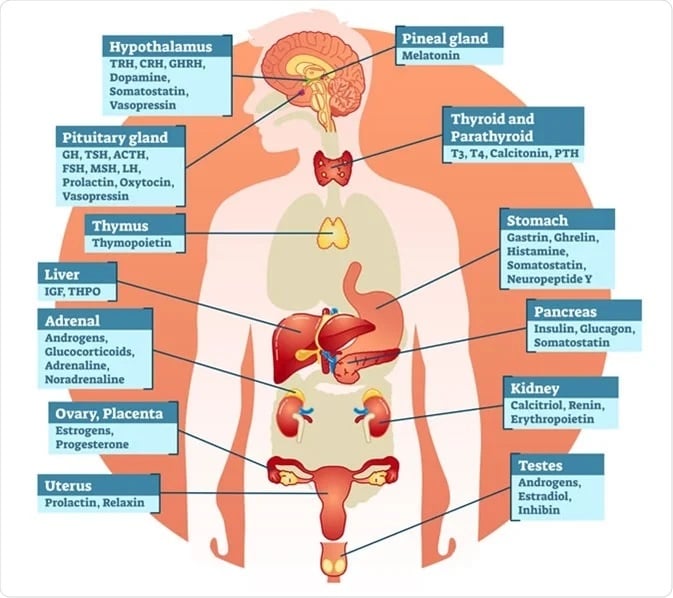
Small molecules play a pivotal role in Endocrinology Research. These are low molecular weight compounds that have a significant impact on the endocrine system, hormones, and their receptors. Here are some key aspects of how small molecules are involved in this field:
- Hormone Mimetics and Inhibitors: Small molecules are used to develop synthetic compounds that mimic the actions of hormones or inhibit their effects. For example, drugs like metformin for diabetes management and selective estrogen receptor modulators (SERMs) for breast cancer treatment are used to either mimic or block hormonal activity.
- Receptor Modulation: Small molecules can bind to hormone receptors and modulate their activity. This is crucial in developing drugs that target specific hormone receptors, like the use of small molecule agonists and antagonists to regulate thyroid hormone receptors.
- Metabolism Regulation: Endocrinology research often focuses on metabolism and how hormones like insulin regulate it. Small molecules are employed to understand and develop drugs targeting enzymes involved in metabolism, such as glucagon-like peptide-1 (GLP-1) agonists for diabetes treatment.
- Steroid Hormone Production: Small molecules may be utilized to influence the production of steroid hormones in the adrenal glands or gonads. This is essential for conditions like Cushing's syndrome or polycystic ovary syndrome (PCOS).
- Hormone Assays: In laboratory research, small molecules are used as tracers or markers in hormone assays. For instance, small molecule fluorophores can be attached to antibodies to detect hormone levels in blood samples.
Drug Development: Endocrinology research relies on small molecules as potential drug candidates. Researchers design and test small molecules for their effectiveness in modulating hormonal pathways, with the goal of developing new therapies for endocrine disorders.
In summary, small molecules are indispensable tools in Endocrinology Research, enabling scientists to better understand the endocrine system's intricacies and develop novel treatments for a wide range of hormonal disorders and conditions. Their versatility and specificity make them valuable assets in advancing our knowledge of endocrinology and improving patient care.
Endocrinology Disease Products
Endocrinology Research Products
Kisspeptin Receptor
Leptin Receptors
Melanocortin (MC) Receptors
Mineralocorticoid Receptors
Galanin Receptors
TRH Receptors
Ghrelin Receptors
Natriuretic Peptide Receptors
NPY Receptors
Motilin Receptor
PTH Receptor
