






-
RORγt/DHODH Inhibitor
RORγt/DHODH-IN-2 is a potent dual inhibitor of RORγt and DHODH, targeting key pathways involved in immune regulation and inflammation. This compound exhibits significant biological activity that can be leveraged in the investigation of inflammatory bowel disease (IBD) and related immune disorders. Its dual action provides a valuable tool for research into therapeutic strategies aimed at modulating RORγt and DHODH activity in inflammatory contexts. -
Glucocorticoid/Progesterone Receptor Agoinst
Megestrol is an orally active glucocorticoid and progesterone receptor agonist. It is primarily utilized to stimulate appetite and promote weight gain in patients experiencing anorexia or cachexia, particularly in those with acquired immunodeficiency syndrome (AIDS). Additionally, megestrol may produce effects similar to glucocorticoids and has the potential to elevate the risk of certain mental health disorders. -
Apalutamide Metabolite
Apalutamide-COOH is a metabolite of the androgen receptor antagonist, Apalutamide, which exhibits competitive inhibition with an IC50 of 16 nM. This compound is useful in biological research for studying metabolite activity and its implications in androgen receptor signaling pathways. Its application can aid in understanding the pharmacokinetics and dynamics of Apalutamide in various cellular contexts. -
Abiraterone Metabolite
Abiraterone sulfate is a metabolite of Abiraterone, functioning as a potent and irreversible inhibitor of the CYP17A1 enzyme. This compound exhibits antiandrogen activity, making it significant in the study of androgen receptor signaling pathways. It is primarily utilized in cancer research, particularly for investigating therapies targeting prostate cancer and androgen biosynthesis. -
5α-Reductase Isozyme Inhibitor
Dihydro Dutasteride is a metabolite of Dutasteride, functioning as a potent inhibitor of both isoforms of the 5α-reductase enzyme. This compound exhibits significant biological activity in the modulation of androgen levels, making it valuable for research applications related to prostate health and hair loss disorders. Its inhibitory effects on 5α-reductase facilitate investigations into androgen metabolism and related pathologies. -
Stable Isotope
p,p'-DDE-d8 is a deuterated form of p,p'-DDE, a significant metabolite of the environmental contaminant dichlorodiphenyltrichloroethane (DDT). This compound acts as a potent antagonist of the androgen receptor, exhibiting an IC50 value of 5 μM and a Ki of 3.5 μM. p,p'-DDE-d8 is valuable in biological research for studying receptor interactions and the environmental impact of DDT metabolites on endocrine function. -
Metabolite
Abiraterone sulfate N-oxide is a significant metabolite of Abiraterone, primarily functioning as a carboxylic acid. This compound plays a crucial role in the study of prostate cancer by providing insights into the metabolic pathways and therapeutic effects of Abiraterone. Its biological activity is of interest in research focused on androgen receptor modulation and cancer progression. -
5α-Reductase Isozyme Inhibitor
5β-Dutasteride is a selective inhibitor of both isoforms of 5α-reductase. By inhibiting this enzyme, it effectively reduces the conversion of testosterone to dihydrotestosterone (DHT), making it valuable in studying androgen-related disorders. Its potent biological activity supports research applications in androgen-related conditions, including benign prostatic hyperplasia and androgenetic alopecia. -
Abiraterone Metabolite
Abiraterone N-oxide is a metabolite of Abiraterone, a potent and irreversible inhibitor of CYP17A1. This compound exhibits significant antiandrogen activity, making it valuable for research on prostate cancer and androgen-dependent tumors. Abiraterone N-oxide can be utilized in studies investigating metabolic pathways and resistance mechanisms associated with androgen receptor signaling. -
Androgen Receptor Antagonist
RU 56279 is a potent androgen receptor (AR) antagonist that exhibits strong systemic anti-androgenic activity. As a significant metabolite of RU 56187 and RU 58841, it serves as a valuable tool for constructing AR-targeted prodrug systems. RU 56279 is applicable in research focused on AR-positive tumor cells, facilitating studies of AR signaling pathways and potential therapeutic interventions. -
GPR40 Partial Agonist
MK-8666 is a potent and selective partial agonist of GPR40, with an EC50 of 0.54 nM for human GPR40. This compound exhibits significant selectivity over other G-protein-coupled receptors, including GPR119, GPR43, GPR41, and GPR120. MK-8666 has demonstrated the ability to lower glucose levels in rodent models, making it a valuable tool in type 2 diabetes research and related metabolic studies. -
GPR40/GPR84 Modulator
Fezagepras is a selective modulator of GPR40 and GPR84, functioning as an oral agonist for GPR40 while acting as an antagonist or inverse agonist for GPR84. This compound has demonstrated significant anti-fibrotic, anti-inflammatory, and anti-proliferative activities, effectively reducing renal, liver, and pancreatic fibrosis. Fezagepras holds promise for research related to metabolic disorders and fibrotic diseases, facilitating insights into the roles of GPR40 and GPR84 in various pathological conditions. -
GPR40 Agonist
SCO-267 is an allosteric full agonist of the GPR40 receptor, primarily involved in enhancing insulin secretion. This compound exhibits significant potential in the study of chronic metabolic disorders, particularly diabetes mellitus. Its distinct mechanism of action enhances glucose-dependent insulin release, making it a valuable tool for investigating therapeutic strategies in diabetes management and related metabolic diseases. -
FFAR4/GPR120 Agonist
13Z,16Z-Docosadienoic acid is an agonist of the free fatty acid receptor 4 (FFAR4 or GPR120), which is a receptor for long-chain fatty acids. This ω-6 polyunsaturated fatty acid exhibits anti-borreliae activity, making it relevant in the study of bacterial infections. Its role in modulating receptor activity positions it as a valuable tool for research on metabolic pathways and inflammatory responses associated with FFAR4 signaling. -
GPR40 Agonist
GPR40 Agonist 6 is a potent and selective agonist of the G protein-coupled receptor FFAR1 (GPR40), exhibiting an EC50 of 0.058 μM. This compound is valuable for investigating glucose homeostasis and insulin secretion pathways. It has potential applications in research related to metabolic disorders and therapeutic strategies for type 2 diabetes. -
GPR41 Agonist
GPR41 agonist-1 is a potent agonist of the G-protein coupled receptor 41 (GPR41). This compound plays a significant role in modulating metabolic processes and is particularly useful in the study of insulin-related disorders. Its ability to activate GPR41 makes it a valuable tool for researchers investigating the mechanisms underlying metabolic regulation and related diseases. -
GPR43 Inhibitor
BTI-A-404 is a selective and competitive inverse agonist of the human G protein-coupled receptor GPR43. This compound exhibits potent inhibitory activity, making it valuable for studying mechanisms related to inflammation, obesity, and type 2 diabetes. BTI-A-404 aids in elucidating the role of GPR43 in metabolic disorders and inflammatory responses, providing essential insights for therapeutic development. -
GPR120 Ligand
(±)-Pinocembrin, a GPR120 ligand, is a natural flavonoid known for its significant biological activity in promoting wound healing. It has demonstrated efficacy in modulating cellular responses in the HaCaT cell line, making it a valuable reagent for research in regenerative medicine and skin biology. Investigating its effects can provide insights into therapeutic strategies for enhancing tissue repair and inflammation resolution. -
GPR40/FFA1 Agonist
CPL207280 is an orally active agonist of GPR40/FFA1, known for its antidiabetic properties. This compound enhances glucose-stimulated insulin secretion and improves glucose tolerance in both MIN6 pancreatic β-cells and various rat models, including healthy and diabetic strains. CPL207280 serves as a valuable tool for research into type 2 diabetes mechanisms and potential therapies. -
GPR40 Agonist
LY3104607 is a selective agonist of the G protein-coupled receptor 40 (GPR40). This compound enhances the signaling pathways associated with GPR40, playing a significant role in insulin secretion and glucose metabolism. It is primarily utilized in research focused on diabetes and metabolic disorders, providing insight into potential therapeutic strategies. -
GPR40 (FFAR1) Agonist
BI-2081 is a GPR40 (FFAR1) partial agonist with an EC50 of 4 nM. This compound stimulates glucose-dependent insulin secretion and effectively lowers plasma glucose levels. BI-2081 is valuable for research applications focused on metabolic diseases, particularly type 2 diabetes. -
GPR40/FFA1 Inhibitor
AMG 837 hemicalcium is a potent partial agonist targeting the GPR40/FFA1 receptor, demonstrating high oral bioavailability. This compound inhibits [3H]AMG 837 binding at the human FFA1 receptor with a pIC50 value of 8.13. Research indicates that AMG 837 hemicalcium may enhance insulin secretion and help regulate glucose levels in rodent models, making it valuable for studies in metabolic disorders and diabetes research. -
GPR40 Full Agonist
AM-5262 is a full agonist of the GPR40 receptor, exhibiting an EC50 value of 0.081 μM. This compound is primarily utilized in research focused on type II diabetes and its associated metabolic pathways, providing valuable insights into glucose regulation and insulin secretion mechanisms. -
GPR40 Agonist
TUG-905 is a potent agonist of the GPR40 receptor, exhibiting an pEC50 value of 7.03. It demonstrates significant biological activity by promoting cell proliferation and survival in hypothalamic cells. Additionally, TUG-905 has been shown to reduce body mass while enhancing the expression of pro-opiomelanocortin (POMC) mRNA, making it a valuable tool for research into metabolic regulation and obesity-related studies. -
GPR120 Agonist
GPR120 Agonist 5 is a selective agonist for the GPR120 receptor, exhibiting an EC50 of 1.2 μM. This compound enhances the secretion of glucagon-like peptide-1 (GLP-1) through its interaction with GPR120, leading to increased insulin production and decreased blood glucose levels. Additionally, GPR120 Agonist 5 demonstrates anti-inflammatory properties, making it a valuable tool for studies focused on metabolic disorders, obesity, insulin resistance, and type 2 diabetes. This reagent is essential for investigating the biological functions and therapeutic potential of GPR120 in relevant disease models. -
GPR120 Agonist
GPR120 Agonist 4 is a potent agonist of the GPR120 receptor, demonstrating EC50 values of 1 μM and 0.35 μM for β-arrestin A and Calcium A signaling pathways, respectively. This compound is valuable in the study of type II diabetes mellitus, providing insights into the receptor's role in metabolic regulation and inflammation. Its ability to activate GPR120 makes it a significant tool for investigating therapeutic strategies in related metabolic disorders. -
GPR40 Agonist
(R)-AM-1638 is a R-isomer of AM-1638 and acts as a full agonist of the GPR40 receptor, exhibiting an EC50 of 0.16 μM. This compound plays a significant role in mediating glucose-dependent insulin secretion and is of particular interest in diabetes research. Its selectivity for GPR40 positions it as a valuable tool for studying metabolic disorders and potential therapeutic interventions. -
GPR40 Activator
GPR40 Activator 3 is a selective activator of the GPR40 receptor, known for its role in regulating lipid metabolism and inflammation. This compound demonstrates significant biological activity by mitigating pulmonary fibrosis through the inhibition of M2 macrophage polarization via the GPR40/PKD1/CD36 signaling pathway. It is valuable for research focused on metabolic disorders, immune response modulation, and fibrotic diseases. -
GPR40 Agonist
AS2575959 sodium is a potent agonist of the GPR40 receptor, which plays a crucial role in modulating glucose metabolism. This compound has demonstrated the ability to enhance insulin and incretin secretion, particularly in synergy with Sitagliptin. AS2575959 sodium is valuable for research focusing on type 2 diabetes and associated metabolic disorders. -
GPR40 Full Agonist
AM-6226 is a potent full agonist of the G protein-coupled receptor 40 (GPR40), exhibiting an EC50 of 0.12 μM. This compound effectively activates GPR40 receptors on pancreatic β cells and enteroendocrine L cells, promoting insulin secretion in a glucose-dependent manner while enhancing the release of incretin hormones like GLP-1 and GIP. AM-6226 is valuable for research into metabolic diseases, particularly diabetes, due to its potential to mitigate hypoglycemia risks. -
GPR40 Agonist
GPR40 Agonist 7 is a potent and orally active agonist of the G protein-coupled receptor GPR40. This compound enhances insulin and GLP-1 secretion, demonstrating notable hypoglycemic effects in vivo, with an effective dose (ED50) of 0.58 mg/kg. It serves as a valuable research tool for studying glucose metabolism and related metabolic disorders. -
GPR40 Agonist
Xelaglifam is a potent GPR40 agonist known for its antihyperglycemic activity. In addition to its biological properties, Xelaglifam serves as a click chemistry reagent due to the presence of an alkyne group, enabling copper-catalyzed azide-alkyne cycloaddition (CuAAc) with azide-containing molecules. This dual functionality makes Xelaglifam valuable for both therapeutic research and synthetic applications in chemical biology. -
GPR40 Agonist
MK-8666 tromethamine is a potent agonist of the GPR40 receptor, which is involved in glucose metabolism and insulin secretion. This compound is primarily utilized in the study of type II diabetes, aiding in the exploration of new therapeutic targets related to insulin sensitivity and metabolic regulation. MK-8666 tromethamine's ability to stimulate GPR40 may provide insights into novel treatments for glycemic control. -
GPR40 Agonist
GPR40 agonist 9 is a potent agonist of the G protein-coupled receptor 40 (GPR40), exhibiting an EC50 value of 0.21 nM. This compound is relevant for research focused on metabolic disorders such as type 2 diabetes and obesity, making it a valuable tool for understanding the mechanisms of these diseases and developing therapeutic strategies. -
GPR40 Agonist
BMS-986118 is a selective agonist of GPR40, exhibiting potent biological activity with an EC50 of 0.07 µM. This compound enhances insulin secretion and stimulates GLP-1 release, leading to significant reductions in plasma glucose levels in acute animal models. BMS-986118 is valuable for research in diabetes and metabolic disorders, providing insights into the regulation of glucose homeostasis. -
GPR40 Receptor Agonist
AP5 sodium is a selective GPR40 receptor agonist that functions as a positive allosteric modulator of endogenous ligands (AgoPAM). It exhibits potent biological activity, with EC50 values of 0.49 nM in rat models and 0.8 nM in human assays for inositol monophosphate (IP1) signaling. This compound holds potential for applications in type II diabetes research, contributing to the understanding of glucose metabolism and insulin secretion mechanisms. -
GPR120 Agonist
LXT34 is a potent agonist of the GPR120 receptor, demonstrating significant anti-inflammatory activity. This compound enhances GLP-1 production in the gastrointestinal tract and ameliorates insulin resistance in both macrophages and pancreatic cells. LXT34 is applicable in studies related to inflammatory diseases, including type 2 diabetes, obesity, and non-alcoholic fatty liver disease. -
GPR40 Agonist
GPR40 Agonist 8 is a potent GPR40 agonist, exhibiting an EC50 of 5 nM for human GPR40-mediated calcium signaling. This compound plays a crucial role in the activation of GPR40, making it a valuable tool for research focused on metabolic disorders, including Type II diabetes and obesity. Its high specificity and efficacy enable investigations into therapeutic strategies targeting GPR40 pathways. -
GPR40 Agonist
LY2881835 is a selective agonist of the G protein-coupled receptor 40 (GPR40), demonstrating potent activity in promoting the secretion of insulin and GLP-1, while effectively lowering glucose levels in a dose-dependent manner. This compound shows promise for research applications related to type 2 diabetes mellitus. Additionally, LY2881835 features an alkyne group, allowing it to participate in copper-catalyzed azide-alkyne cycloaddition (CuAAc) for click chemistry experiments. -
GPR40 Agonist
AM-3189 is a selective agonist of GPR40, with EC50 values of 33 nM in buffer and 10 μM in 100% human serum. This compound enhances glucose-stimulated insulin secretion from pancreatic β cells, offering potential therapeutic applications in type 2 diabetes research. Importantly, AM-3189 shows minimal activity on GPR41, GPR43, and PPAR subtypes, and exhibits low central nervous system penetration. Its efficacy in reducing blood glucose levels has been demonstrated in humanized GPR40 mouse models, making it a valuable tool for metabolic studies. -
GPR41 Modulator
GPR41 modulator 1 is a potent agonist of the GPR41 receptor, exhibiting an EC50 value of 0.679 µM. This compound is valuable for research exploring the role of GPR41 in metabolic regulation and gut-brain signaling. Its modulatory activity makes it a useful tool for studying the physiological effects mediated by this receptor and its potential implications in metabolic disorders. -
GPR40 Agonist
Fasiglifam hemihydrate is a potent and selective agonist of the GPR40 receptor, exhibiting an EC50 value of 72 nM. This compound enhances glucose-dependent insulin secretion and has demonstrated efficacy in reducing hyperglycemia in type 2 diabetic rat models. It is important to note that Fasiglifam may also induce liver injury, warranting careful consideration in research applications. -
GPBAR1 Agonist/RORγt Inhibitor
Allolithocholic acid functions as a dual agonist of GPBAR1 and an inverse agonist of RORγt, exhibiting an EC50 of 2.7 μM and an IC50 of 3.4 μM, respectively. This compound modulates immune and metabolic pathways by influencing immune cell polarization and preventing the differentiation of M1 macrophages and Th17 CD4 cells. Allolithocholic acid enhances insulin sensitivity and mitigates liver lipid accumulation, while also restoring bile acid homeostasis and modulating intestinal immunity. It is a valuable reagent for research in cancer, inflammation, immunology, and metabolic disorders. -
GPR83 Ligand
PEN (human) is an endogenous ligand of the GPR83 receptor, primarily found in the hypothalamus. This neuropeptide is derived from the proprotein ProSAAS and plays a crucial role in various biological processes, including neuroendocrine regulation and stress responses. Research applications include the investigation of GPR83 signaling pathways and the exploration of its potential roles in metabolic disorders and neuropsychiatric conditions. -
GPR83 Ligand
PEN (rat) is a potent endogenous ligand for the GPR83 receptor, primarily identified in the hypothalamic region. This neuropeptide, derived from the proprotein ProSAAS, plays a critical role in neuroendocrine regulation and appetite control. It is valuable for research focusing on metabolic disorders and neuropeptide signaling pathways. -
GPR132 Antagonist
GPR132 antagonist 1 is a selective antagonist of the GPR132 receptor, exhibiting an EC50 value of 0.075 μM. It promotes insulin secretion with an EC50 value of 0.7 μM, making it a valuable tool for research in diabetes and metabolic regulation. Its ability to modulate insulin release can be utilized in studies exploring therapeutic strategies for metabolic disorders. -
G2A/GPR132 Agonist
T-10418 is a potent and selective agonist of the G2A/GPR132 receptor, exhibiting an EC50 of 0.82 μM for human G2A activation. This compound demonstrates favorable water solubility, metabolic stability, and pharmacokinetic properties, making it suitable for in vitro and in vivo studies. T-10418 is valuable for research into various medical conditions, including neuropathic pain, acute myeloid leukemia, and inflammation. -
GPCR G2A/GPR132 Agonist
Commendamide is a potent agonist of the GPCR G2A/GPR132, exhibiting an EC50 of 11.8 μM. It plays a significant role in modulating immune responses and is valuable for research focused on autoimmunity and atherosclerosis. Its unique mechanism highlights its potential in elucidating GPCR-mediated pathways in these conditions. -
GPR39 Activator
Obestatin (rat) TFA is an endogenous peptide encoded by the Ghrelin gene, consisting of 23 amino acids, that primarily targets the G-protein coupled receptor 39 (GPR39). This compound is known to suppress food intake, inhibit jejunal contractions, and reduce body weight gain. Additionally, Obestatin (rat) TFA exhibits notable anti-inflammatory, cardioprotective, and antioxidant properties, making it valuable for research applications focused on metabolic regulation and cardiovascular health. -
LH-R Antagonist
BAY-899 is a selective luteinizing hormone receptor (LH-R) antagonist, exhibiting IC50 values of 185 nM for human LH and 46 nM for rat LH. This compound effectively reduces sex hormone levels, making it a valuable tool for research in hormonal regulation and reproductive health. BAY-899 can be utilized to study the physiological and pathological roles of LH signaling in various biological contexts.
Endocrinology-Hormones
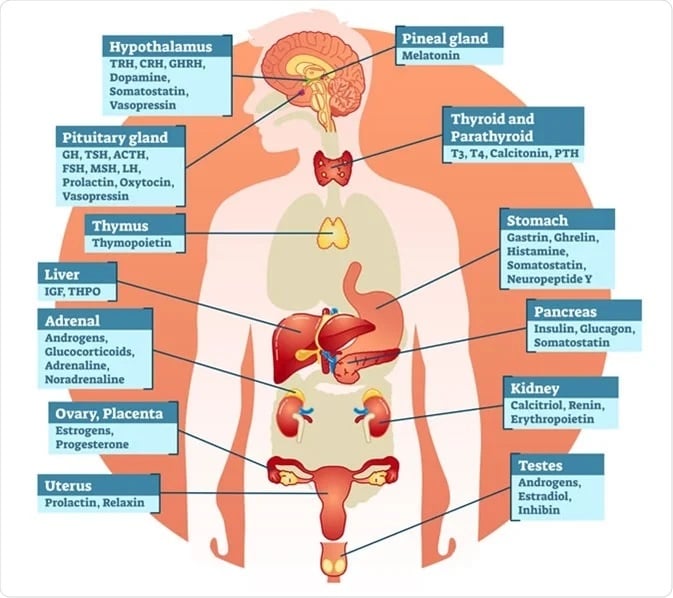
Small molecules play a pivotal role in Endocrinology Research. These are low molecular weight compounds that have a significant impact on the endocrine system, hormones, and their receptors. Here are some key aspects of how small molecules are involved in this field:
- Hormone Mimetics and Inhibitors: Small molecules are used to develop synthetic compounds that mimic the actions of hormones or inhibit their effects. For example, drugs like metformin for diabetes management and selective estrogen receptor modulators (SERMs) for breast cancer treatment are used to either mimic or block hormonal activity.
- Receptor Modulation: Small molecules can bind to hormone receptors and modulate their activity. This is crucial in developing drugs that target specific hormone receptors, like the use of small molecule agonists and antagonists to regulate thyroid hormone receptors.
- Metabolism Regulation: Endocrinology research often focuses on metabolism and how hormones like insulin regulate it. Small molecules are employed to understand and develop drugs targeting enzymes involved in metabolism, such as glucagon-like peptide-1 (GLP-1) agonists for diabetes treatment.
- Steroid Hormone Production: Small molecules may be utilized to influence the production of steroid hormones in the adrenal glands or gonads. This is essential for conditions like Cushing's syndrome or polycystic ovary syndrome (PCOS).
- Hormone Assays: In laboratory research, small molecules are used as tracers or markers in hormone assays. For instance, small molecule fluorophores can be attached to antibodies to detect hormone levels in blood samples.
Drug Development: Endocrinology research relies on small molecules as potential drug candidates. Researchers design and test small molecules for their effectiveness in modulating hormonal pathways, with the goal of developing new therapies for endocrine disorders.
In summary, small molecules are indispensable tools in Endocrinology Research, enabling scientists to better understand the endocrine system's intricacies and develop novel treatments for a wide range of hormonal disorders and conditions. Their versatility and specificity make them valuable assets in advancing our knowledge of endocrinology and improving patient care.
Endocrinology Disease Products
Endocrinology Research Products
Kisspeptin Receptor
Leptin Receptors
Melanocortin (MC) Receptors
Mineralocorticoid Receptors
Galanin Receptors
TRH Receptors
Ghrelin Receptors
Natriuretic Peptide Receptors
NPY Receptors
Motilin Receptor
PTH Receptor
