






-
RORγ/DHODH Inhibitor
RORγ/DHODH-IN-1 is a dual inhibitor targeting RORγ and dihydroorotate dehydrogenase (DHODH) with IC50 values of 9.7 nM and 100 nM, respectively. This compound effectively inhibits the replication of SARS-CoV-2, human cytomegalovirus (HCMV), and adenovirus type 5 (HAdV5), making it a valuable tool in viral research. Its dual mechanism of action allows for potential applications in understanding viral-pathogen interactions and developing therapeutic strategies against viral infections. -
Androgen Receptor Inhibitor
Ac-PPPHPHARIK-NH2 is an androgen receptor inhibitor that disrupts the interaction between the androgen receptor and Src. By preventing this binding, it effectively inhibits androgen or estrogen-induced receptor activation in cancer cells, thereby modulating related signaling pathways. This compound has been shown to impede cell cycle progression and suppress tumor growth, making it a valuable tool for research in cancer biology and hormone receptor signaling. -
GPR75 Inhibitor
(Rac)-AAA is a potent inhibitor of GPR75, targeting the receptor to modulate key signaling pathways. This compound effectively blocks the downregulation of GPR75 expression induced by 20-HETE, leading to the inhibition of downstream pathways such as EGFR, AKT, NF-κB, and FAK. (Rac)-AAA also reverses 20-HETE-mediated epithelial-mesenchymal transition, characterized by the downregulation of vimentin and upregulation of E-Cadherin, while reducing MMP-2 activity and cancer cell migration. Additionally, it mitigates the upregulation of HIC-5 and affects the localization of PKC-α and phosphorylated AKT, making (Rac)-AAA a significant tool in the study of castration-resistant prostate cancer. -
Aromatase inhibitor
Anastrozole is a third-generation nonsteroidal selective aromatase inhibitor. It may offer greater selectivity compared with other aromatase inhibitors, being without any intrinsic endocrine effects and with no apparent effect on the synthesis of adrenal steroids. -
RAAS inhibitor
Benazepril hydrochloride is a non-peptide angiotensin-converting enzyme (ACE) inhibitor. Reduces blood pressure and myocardial hypertrophy in spontaneous hypertensive rats.
-
Aromatase Inhibitor
Chrysin is a naturally occurring flavone chemically extracted from the blue passion flower (Passiflora caerulea). It has been shown to induce an anti-inflammatory effect, most likely by inhibition of COX-2 expression and via IL-6 signaling. In rodent in vivo studies, chrysin was found anxiolytic. -
ACE inhibitor
Enalapril is an angiotensin converting enzyme (ACE) inhibitor used in the treatment of hypertension and some types of chronic heart failure. -
RAAS inhibitor
Enalaprilat is the active metabolite of enalapril. It is the first dicarboxylate-containing ACE inhibitor and was developed partly to overcome these limitations of captopril. -
Aromatase inhibitor
Exemestane is an oral steroidal aromatase inhibitor that is used in ER-positive breast cancer in addition to surgery and/or radiation in post-menopausal women. -
5-alpha reductase inhibitor
β-sitosterol reduces blood levels of cholesterol, and is sometimes used in treating hypercholesterolemia. β-Sitosterol inhibits cholesterol absorption in the intestine. When the sterol is absorbed in the intestine, it is transported by lipoproteins and incorporated into the cellular membrane. -
testosterone 5-alpha-reductase inhibitor
Finasteride (acetate) is an orally active testosterone 5-alpha-reductase inhibitor. -
direct renin inhibitor
Aliskiren D6 Hydrochloride (CGP 60536 D6 Hydrochloride) is is deuterium labeled Aliskiren, which is a direct renin inhibitor with IC50 of 1.5 nM. -
estrogen receptor (ER) inhibitor
WAY-169916 is a pathway-selective inhibitor of estrogen receptor (ER) that acts by inhibiting NF-kB transcriptional activity. -
cell permeable TgPrxII inhibitor
Conoidin A is a cell permeable inhibitor of T. gondii enzyme peroxiredoxin II (TgPrxII). -
5α-reductase inhibitor
Finasteride Carboxaldehyde is a metabolite of Finasteride in human bile (M2 metabolite) that can be used for proteomics research. -
RORγ Inhibitor
W6134 is a potent and selective covalent inhibitor of RORγ, displaying an IC50 of 0.21 μM. This compound demonstrates remarkable selectivity for RORγ over RORα, RXRγ, and ERRγ. W6134 effectively suppresses RORγ transcriptional activity and has been shown to inhibit proliferation and colony formation while inducing apoptosis in castration-resistant prostate cancer (CRPC) cells. It is a valuable tool for investigating the mechanisms and treatment strategies for CRPC. -
EGFR Inhibitor, Estrogen Receptor Inhibitor, Progesterone Receptor Inhibitor
4,7-Dihydroxycoumarin is a potent inhibitor of the epidermal growth factor receptor (EGFR) as well as estrogen and progesterone receptors. It exhibits significant cytotoxicity against breast cancer cells, with an IC50 value of 18.36 μg/mL. This compound is valuable for research focused on breast cancer treatment and the exploration of hormone receptor interactions. -
GPR68 Inhibitor
Ogremorphin is a selective inhibitor of the G protein-coupled receptor GPR68. This compound exhibits notable anti-inflammatory and anti-tumor properties, demonstrating the ability to inhibit the migration of human melanoma cells and induce ferroptosis in glioblastoma cells. Ogremorphin is a valuable tool for researchers investigating the roles of GPR68 in cancer biology and inflammation. -
Estrogen Receptor/ERR Inhibitor
Estradiol cypionate is a 17β-cypionate ester of estradiol that acts as a selective estrogen receptor modulator. It functions by inhibiting the synthesis of endothelin-1 (ET-1), a key factor in vascular biology. This compound is widely utilized in research exploring estrogenic effects, hormonal signaling pathways, and the therapeutic potential of estrogen receptor modulation in various physiological and pathological conditions. -
GPR84 Agonist/AKR1C3 Inhibitor
Pyrone-211 is a potent agonist of the GPR84 receptor and an inhibitor of AKR1C3. This compound plays a significant role in modulating the expanded polyamine pathway, making it valuable for research in inflammation and metabolic diseases. Its dual functionality as both a receptor agonist and enzyme inhibitor positions Pyrone-211 as a useful tool for exploring cellular signaling and therapeutic interventions in related pathways. -
RORγ/DHODH Inhibitor
RORγ/DHODH-IN-2 is a potent dual inhibitor of RORγ and DHODH, exhibiting IC50 values of 11.9 nM and 90 nM, respectively. This compound demonstrates significant antiviral activity against multiple viruses, including SARS-CoV-2, HCMV, HAdV5, and MPXV, with IC50 values of 27 nM, 20 nM, 9.1 nM, and 1.8 nM, respectively. RORγ/DHODH-IN-2 is ideal for research applications targeting immune signaling pathways and viral infections. -
HGPRT Inhibitor
2′-Deoxy-GDP trisodium is a potent inhibitor of hypoxanthine phosphoribosyltransferase (HGPRT), exhibiting an IC50 value of 12.5 μM. As a guanosine monophosphate (GMP) analogue, it plays a significant role in research related to purine metabolism and the recycling pathway in protozoan parasites. This reagent is valuable for studying HGPRT's function and its implications in parasitic diseases. -
Androgen Receptor Inhibitor
AZD9750 is an orally bioavailable proteolysis-targeting chimera (PROTAC) that acts as an androgen receptor (AR) inhibitor. It facilitates the proteasome-dependent degradation of both wild-type AR and the ARL702H resistance mutant by targeting and binding to AR and cereblon (CRBN). In in vitro studies, AZD9750 effectively inhibits AR signaling and demonstrates significant anti-tumor activity in mouse prostate cancer xenograft models. This compound is valuable for research focused on prostate cancer. -
Renin/HIV-1 Protease Inhibitor
PD 134922 is a potent inhibitor of renin and HIV-1 protease, exhibiting an IC50 of 15 nM against HIV-1 protease. This compound is valuable in studies focused on the modulation of blood pressure regulation through renin inhibition and provides insights into HIV-1 protease activity. Its application extends to research in antiviral therapies and blood pressure-related disorders, making it a useful tool for scientists in pharmacological studies. -
RORγ/DHODH Inhibitor
Izumerogant (IMU-935) is an orally active dual inhibitor of RORγ and DHODH, with IC50 values of 10 nM and 98 nM, respectively. This compound effectively disrupts the replication of various viruses, including SARS-CoV-2, HCMV, and HAdV5, demonstrated by EC50 values ranging from 3.6 to 17 nM. Izumerogant serves as a valuable tool for investigating antiviral mechanisms and therapeutic strategies against viral infections. -
HGPRT/TBrHGPRT1 Inhibitor
HGPRT/TBrHGPRT1-IN-1 is a selective inhibitor of human hypoxanthine-guanine phosphoribosyltransferase (HGPRT) and Trypanosoma brucei HGPRT1 (TBrHGPRT1), with a Ki value of 3 nM for both targets. This compound effectively reduces cell growth through its targeted inhibition mechanism. HGPRT/TBrHGPRT1-IN-1 is particularly valuable for research applications in the fields of infectious diseases and oncology. -
Dexamethasone-Glucocorticoid Receptor Inhibitor
Collismycin B is a potent inhibitor of the dexamethasone-glucocorticoid receptor, exhibiting an IC50 value of 10 µM. This compound demonstrates notable antimicrobial activity, making it a valuable tool for research in microbial pathogenesis. Additionally, Collismycin B exhibits cytotoxic properties, offering potential applications in cancer research and therapeutic development. -
Androgen Receptor Inhibitor
Fenarimol is a selective androgen receptor inhibitor with an IC50 value of 19 µM. This compound has been shown to downregulate the mRNA expression of key genes, including PBP C3, ODC, and IGF-1. Fenarimol serves as a valuable tool in research investigating androgen signaling pathways and its role in various biological processes. Additionally, its fungicidal properties may provide insights into the interplay between hormonal regulation and fungal growth mechanisms. -
Dual RORγt/DHODH Inhibitor
RORγt/DHODH-IN-1 is a dual inhibitor targeting retinoic acid receptor-related orphan receptor gamma t (RORγt) and dihydroorotate dehydrogenase (DHODH). With IC50 values of 0.083 μM for RORγt and 0.172 μM for DHODH, this compound demonstrates significant potency. RORγt/DHODH-IN-1 has been shown to possess notable in vivo anti-inflammatory activity, making it a valuable tool for research in immunology and inflammation-related studies. -
Dual RORγt/DHODH Inhibitor
RORγt/DHODH-IN-3 is a dual inhibitor targeting both RORγt and dihydroorotate dehydrogenase (DHODH), exhibiting IC50 values of 0.098 μM for RORγt and 0.432 μM for DHODH. This compound demonstrates significant in vivo anti-inflammatory activity, making it a valuable tool for researchers investigating autoimmune diseases and other inflammatory conditions. Its dual mechanism of action positions it as a promising candidate for therapeutic development in these areas. -
RORγt/DHODH Inhibitor
RORγt/DHODH-IN-2 is a potent dual inhibitor of RORγt and DHODH, targeting key pathways involved in immune regulation and inflammation. This compound exhibits significant biological activity that can be leveraged in the investigation of inflammatory bowel disease (IBD) and related immune disorders. Its dual action provides a valuable tool for research into therapeutic strategies aimed at modulating RORγt and DHODH activity in inflammatory contexts. -
5α-Reductase Isozyme Inhibitor
Dihydro Dutasteride is a metabolite of Dutasteride, functioning as a potent inhibitor of both isoforms of the 5α-reductase enzyme. This compound exhibits significant biological activity in the modulation of androgen levels, making it valuable for research applications related to prostate health and hair loss disorders. Its inhibitory effects on 5α-reductase facilitate investigations into androgen metabolism and related pathologies. -
5α-Reductase Isozyme Inhibitor
5β-Dutasteride is a selective inhibitor of both isoforms of 5α-reductase. By inhibiting this enzyme, it effectively reduces the conversion of testosterone to dihydrotestosterone (DHT), making it valuable in studying androgen-related disorders. Its potent biological activity supports research applications in androgen-related conditions, including benign prostatic hyperplasia and androgenetic alopecia. -
Estrogen Receptor Inhibitor
Indazole-Cl functions as a specific inhibitor of the Estrogen Receptor β, exhibiting anti-inflammatory properties. It effectively impairs the expression of cyclooxygenase-2 induced by hypoxic conditions and reduces reactive oxygen species (ROS) production. Additionally, Indazole-Cl inhibits both cell migration and invasion in response to hypoxia, making it a potent agent against hypoxia-induced inflammation in vascular smooth muscle cells. This compound is valuable for research focusing on estrogen signaling and inflammatory pathways. -
GPR43 Inhibitor
BTI-A-404 is a selective and competitive inverse agonist of the human G protein-coupled receptor GPR43. This compound exhibits potent inhibitory activity, making it valuable for studying mechanisms related to inflammation, obesity, and type 2 diabetes. BTI-A-404 aids in elucidating the role of GPR43 in metabolic disorders and inflammatory responses, providing essential insights for therapeutic development. -
GPR40/FFA1 Inhibitor
AMG 837 hemicalcium is a potent partial agonist targeting the GPR40/FFA1 receptor, demonstrating high oral bioavailability. This compound inhibits [3H]AMG 837 binding at the human FFA1 receptor with a pIC50 value of 8.13. Research indicates that AMG 837 hemicalcium may enhance insulin secretion and help regulate glucose levels in rodent models, making it valuable for studies in metabolic disorders and diabetes research. -
GPBAR1 Agonist/RORγt Inhibitor
Allolithocholic acid functions as a dual agonist of GPBAR1 and an inverse agonist of RORγt, exhibiting an EC50 of 2.7 μM and an IC50 of 3.4 μM, respectively. This compound modulates immune and metabolic pathways by influencing immune cell polarization and preventing the differentiation of M1 macrophages and Th17 CD4 cells. Allolithocholic acid enhances insulin sensitivity and mitigates liver lipid accumulation, while also restoring bile acid homeostasis and modulating intestinal immunity. It is a valuable reagent for research in cancer, inflammation, immunology, and metabolic disorders. -
recLH and Org 43553 Inhibitor
LUF5771 is an allosteric inhibitor targeting recombinant luteinizing hormone (recLH) and Org 43553. This compound exhibits the ability to partially activate the LH receptor with low efficacy, making it relevant for studies on LH receptor modulation. Its unique pharmacological profile positions LUF5771 as a valuable tool in research exploring reproductive physiology and endocrine signaling pathways. -
Androgen Receptor/glucocorticoid Receptor Inhibitor
GA32 is a dual inhibitor of the androgen receptor (AR) and glucocorticoid receptor (GR), exhibiting IC50 values of 0.13 μM for AR and 0.83 μM for GR. This compound effectively inhibits the proliferation of castration-resistant prostate cancer cells that exhibit resistance to Enzalutamide, demonstrating its potential in both in vitro and in vivo research applications. GA32 serves as a valuable tool for studies focused on targeting AR and GR pathways in cancer biology. -
Edema Formation Inhibitor
SQ 26490 is an active corticoid that functions as a moderate-potency inhibitor of edema formation. It demonstrates efficacy in reducing edema in rat models, making it valuable for studying the underlying mechanisms of edema and its potential treatment strategies in various pathological conditions. Researchers can utilize SQ 26490 to explore its effects on fluid retention and inflammation in animal studies. -
Cortisol receptor Inhibitor
Toripristone is a selective cortisol receptor inhibitor that interferes with glucocorticoid signaling. This compound has demonstrated potential in enhancing antibacterial activity, particularly in the context of Mycobacterium avium complex infections when used in combination with clarithromycin. Toripristone is valuable for research in fields involving inflammation, infection, and hormonal regulation. -
NF-κB/AP-1 Inhibitor
Glucocorticoid receptor modulator 1 is a selective non-steroidal modulator that targets the glucocorticoid receptor, exhibiting potent inhibition of NF-κB and AP-1 with IC50 values of 9 nM and 130 nM, respectively. This compound effectively reduces the expression of key inflammatory cytokines, including IL-6, IL-1β, and TNF-α. Additionally, it demonstrates potential in alleviating dermatitis in preclinical models, making it a valuable tool for research in inflammation and immune response. -
GPR18 Inhibitor
PSB-CB-27 is a potent and selective inhibitor of the GPR18 receptor with an IC50 of 0.65 μM. It exhibits a high degree of selectivity over human GPR55, CB1, and CB2 receptors. This compound effectively blocks GPR18 activation induced by Δ9-Tetrahydrocannabinol (THC), making it a valuable tool for investigating the roles of GPR18 in inflammatory diseases and cancer immunotherapy research. -
Renin Inhibitor
CP-69799 is a potent renin inhibitor that functions as a transition-state analogue, specifically targeting hog renin with an IC50 value of 6 nM and human plasma renin with an IC50 of 300 nM. This inhibitor engages the active site of endothiapepsin, inducing domain rotation and impacting thermal dynamics. CP-69799's unique design, featuring a polar lysine residue at the P2' position, allows for effective binding and has implications for hypertension research. Its mechanistic insights make it a valuable reagent for studies focused on modulating renin activity and understanding cardiovascular functions. -
Aromatase Inhibitor/AR Agonist
17β-Hydroxy exemestane is an aromatase inhibitor and androgen receptor (AR) agonist with an IC50 of 69 nM and 39.6 nM, respectively. This compound exhibits selective binding towards the AR compared to estrogen receptor α (ERα), demonstrating an IC50 of 21.2 μM. In biological assays, 17β-Hydroxy exemestane promotes the growth of AR- and ERα-positive MCF-7 cells and T47D breast cancer cells, with EC50 values of 2.7 μM and 0.43 nM for AR-mediated growth. Notably, it also mitigates proliferation in testosterone-treated aromatase-overexpressing MCF-7 cells and demonstrates protective effects on serum cholesterol and bone density in ovariectomized rat models. -
CYP11A1 Inhibitor
CYP11A1-IN-1 is an inhibitor of cytochrome P450 11A1 (CYP11A1), exhibiting an IC50 range of 201-2000 nM. This compound is valuable for research focusing on steroid hormone synthesis and the role of androgens in diseases such as prostate cancer. It offers potential applications in studies related to androgen receptor-dependent pathways and their therapeutic implications. -
3βHSD1 Inhibitor
3βHSD1-IN-1 is a potent inhibitor of 3β-hydroxysteroid dehydrogenase 1 (3βHSD1), demonstrating an IC50 value of 55 nM. This compound effectively suppresses androgen receptor activity, making it a valuable tool for the investigation of androgen-dependent processes. 3βHSD1-IN-1 is applicable in research related to prostate cancer and other disorders linked to steroid hormone metabolism. -
testosterone 5α-reductase Inhibitor, 5α-dihydrotestosterone receptor Inhibitor
Kushenol Q is an inhibitor of testosterone 5α-reductase and the 5α-dihydrotestosterone receptor. This compound demonstrates significant biological activity in modulating androgen signaling pathways, making it useful in studies related to hormone-related disorders. Additionally, Kushenol Q exhibits antibacterial properties against Gram-positive bacteria, indicating its potential in antimicrobial research applications. -
5 alpha Reductase Inhibitor
12-O-Methylcarnosic acid is a potent inhibitor of 5 alpha reductase, exhibiting an IC50 value of 61.7 μM. Isolated from the acetone extract of Salvia microphylla, this diterpene demonstrates significant anti-proliferative effects in LNCaP prostate cancer cells. In addition to its role in cancer research, 12-O-Methylcarnosic acid also possesses antioxidant and antimicrobial properties, making it a valuable reagent for various biological studies.
Endocrinology-Hormones
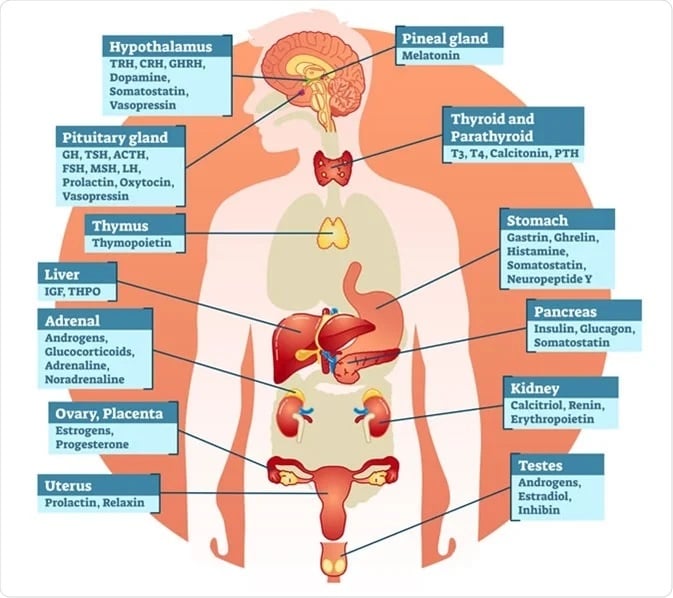
Small molecules play a pivotal role in Endocrinology Research. These are low molecular weight compounds that have a significant impact on the endocrine system, hormones, and their receptors. Here are some key aspects of how small molecules are involved in this field:
- Hormone Mimetics and Inhibitors: Small molecules are used to develop synthetic compounds that mimic the actions of hormones or inhibit their effects. For example, drugs like metformin for diabetes management and selective estrogen receptor modulators (SERMs) for breast cancer treatment are used to either mimic or block hormonal activity.
- Receptor Modulation: Small molecules can bind to hormone receptors and modulate their activity. This is crucial in developing drugs that target specific hormone receptors, like the use of small molecule agonists and antagonists to regulate thyroid hormone receptors.
- Metabolism Regulation: Endocrinology research often focuses on metabolism and how hormones like insulin regulate it. Small molecules are employed to understand and develop drugs targeting enzymes involved in metabolism, such as glucagon-like peptide-1 (GLP-1) agonists for diabetes treatment.
- Steroid Hormone Production: Small molecules may be utilized to influence the production of steroid hormones in the adrenal glands or gonads. This is essential for conditions like Cushing's syndrome or polycystic ovary syndrome (PCOS).
- Hormone Assays: In laboratory research, small molecules are used as tracers or markers in hormone assays. For instance, small molecule fluorophores can be attached to antibodies to detect hormone levels in blood samples.
Drug Development: Endocrinology research relies on small molecules as potential drug candidates. Researchers design and test small molecules for their effectiveness in modulating hormonal pathways, with the goal of developing new therapies for endocrine disorders.
In summary, small molecules are indispensable tools in Endocrinology Research, enabling scientists to better understand the endocrine system's intricacies and develop novel treatments for a wide range of hormonal disorders and conditions. Their versatility and specificity make them valuable assets in advancing our knowledge of endocrinology and improving patient care.
Endocrinology Disease Products
Endocrinology Research Products
Kisspeptin Receptor
Leptin Receptors
Melanocortin (MC) Receptors
Mineralocorticoid Receptors
Galanin Receptors
TRH Receptors
Ghrelin Receptors
Natriuretic Peptide Receptors
NPY Receptors
Motilin Receptor
PTH Receptor
