






-
Renin Inhibitor
CGP 29287 is a potent inhibitor of renin, the enzyme responsible for the conversion of angiotensinogen to angiotensin I in the renin-angiotensin system. By selectively inhibiting renin activity, CGP 29287 plays a critical role in studying the regulation of blood pressure and cardiovascular function. This compound is useful in research applications focusing on hypertension, heart failure, and related metabolic disorders. -
Renin Inhibitor
CP-85339 is a tetrapeptide compound that functions as a selective renin inhibitor, effectively modulating the renin-angiotensin-aldosterone system. It demonstrates significant biological activity by decreasing plasma renin levels, which can contribute to lowering blood pressure. This reagent is utilized in research applications related to cardiovascular diseases and hypertension studies, providing insights into the therapeutic potential of renin inhibition. -
Renin Inhibitor
SQ 30774 is a selective renin inhibitor that demonstrates potent in vitro activity in primate models. This compound effectively reduces plasma renin activity (PRA) and has been shown to lower arterial blood pressure in vivo. SQ 30774 is valuable for research applications focusing on hypertension and the renin-angiotensin system, providing insights into cardiovascular regulation and potential therapeutic interventions. -
Renin Inhibitor
Terlakiren is an orally active renin inhibitor that effectively modulates blood pressure regulation. With an IC50 value of 0.7 nM against human renin, Terlakiren demonstrates potent inhibition, making it a valuable tool for studying hypertension and related cardiovascular conditions. This compound is useful in research focused on renin-angiotensin system modulation and potential therapeutic interventions for hypertension. -
Renin Inhibitor
L-363564 is a potent renin inhibitor that plays a critical role in the modulation of the renin-angiotensin-aldosterone system (RAAS). This compound is primarily utilized in cardiovascular disease research, aiding in the investigation of hypertension and related conditions. Its ability to effectively inhibit renin activity makes it a valuable tool for exploring therapeutic strategies in this area. -
Renin Inhibitor
CGP 44099 is a selective renin inhibitor that plays a critical role in the modulation of the renin-angiotensin system. This compound is particularly valuable for research on ischemic injury and the mechanisms underlying reperfusion arrhythmias in rat heart models, providing insights into cardiovascular pathophysiology and potential therapeutic interventions. -
Renin inhibitor
SR 42128 is a potent renin inhibitor that primarily targets the renin-angiotensin system. This compound demonstrates significant inhibition of primate renin activity, while exhibiting reduced efficacy against renins from other species. SR 42128 is valuable for research applications focused on hypertension, cardiovascular disease, and renal function studies. -
Renin Inhibitor
Ditekiren is a pseudohexapeptide renin inhibitor that targets the renin-angiotensin system. It effectively inhibits renin activity, leading to a reduction in the formation of angiotensin II, a key vasoconstrictor involved in blood pressure regulation. This compound is valuable for research applications focused on hypertension, cardiovascular physiology, and fluid balance studies. -
Renin Inhibitor
U-80125 is a competitive inhibitor of human renin, demonstrating an IC50 value of 2.3 μM. This dansylated peptide is characterized by excitation and emission maxima at 340 and 530 nm, respectively. U-80125 is valuable for research focused on hypertension and cardiovascular disease, facilitating the study of renin's role in the renin-angiotensin-aldosterone system. -
Renin Inhibitor
MK-8141 (ACT-077825) is a selective renin inhibitor that increases immunoreactive renin (ir-AR) levels by up to sevenfold. Its primary research applications are focused on evaluating antihypertensive efficacy in hypertensive models. Although MK-8141 demonstrates changes in ir-AR, it does not result in sustained reductions in plasma renin activity (PRA) and does not produce significant blood pressure-lowering effects. -
Renin Inhibitor
Renin-IN-3 is a potent renin inhibitor that selectively targets the renin-angiotensin system. It has demonstrated significant biological activity in modulating blood pressure, making it a valuable tool for hypertension research. This compound can be utilized to explore mechanisms of renal function and cardiovascular regulation in various experimental models. -
Renin Inhibitor/Microbiota Modulator
Theasinensin C is an orally active renin inhibitor with an IC50 of 40.21 μM, demonstrating significant modulation of gut microbiota. It selectively enhances the population of Akkermansia muciniphila, promoting beneficial hydrolysis of mucin and influencing the gut-kidney-liver metabolic signaling pathways that contribute to creatine biosynthesis. This compound is valuable for studying hypertension and neuroinflammation, especially in the context of high-fructose diets, as it has been shown to improve cognitive function, reduce pro-inflammatory cytokines, and restore intestinal barrier integrity. -
Renin Inhibitor
PD 132002 is a potent, orally active inhibitor of renin, a key enzyme in the renin-angiotensin system. By effectively reducing plasma renin activity, PD 132002 leads to significant decreases in blood pressure. This compound serves as a valuable tool for research into hypertension and related cardiovascular disorders. Additionally, it exhibits weak inhibition of pepsin, highlighting its specific targeting mechanism. -
Renin Inhibitor
CP 71362 is a potent renin inhibitor that acts as a substrate-analog transition state mimic, demonstrating significant antihypertensive activity. It effectively inhibits plasma renin across species, with IC50 values of 3 nM in rats, 0.0033 nM in dogs, and 20 nM in humans. CP 71362 significantly reduces mean arterial pressure in both anesthetized and conscious sodium-depleted models, showing a dose-dependent effect. This compound is valuable for research focused on hypertension and congestive heart failure. -
Renin Inhibitor
A-74273 is an orally active peptide renin inhibitor with an IC50 value of 3.1 nM. This compound competitively inhibits renin by binding to its active site, thereby obstructing the conversion of angiotensinogen to angiotensin I and subsequently reducing angiotensin II levels. A-74273 is utilized in research focused on hypertension and related cardiovascular diseases. -
Renin Inhibitor
Renin inhibitor-1 is a potent, orally active renin inhibitor with IC50 values of 0.9 nM for recombinant human renin and 1.8 nM for human plasma renin activity (hPRA). This compound demonstrates significant antihypertensive efficacy, making it a valuable tool for studying hypertension and related cardiovascular and renal diseases. Its ability to effectively inhibit renin positions it as a key agent in cardiovascular research. -
Oligopeptide Renin Inhibitor
PD 125967 is an oligopeptide renin inhibitor that specifically targets the renin-angiotensin system. It exhibits significant activity in lowering blood pressure, making it a valuable tool for cardiovascular research. This compound is useful for studying hypertension and related disorders, providing insights into the regulation of blood pressure through renin inhibition. -
Renin Inhibitor
Remikiren is a potent and selective inhibitor of renin, demonstrating high specificity with IC50 values of 0.7 nM for human renin and 0.8 nM for human plasma renin. This compound effectively lowers mean arterial blood pressure in sodium-depleted marmosets and squirrel monkeys, making it a valuable tool for research into hypertension. Remikiren serves as a key reagent for exploring the renin-angiotensin system and its implications in cardiovascular diseases. -
Renin Inhibitor
SR 43845 is a selective renin inhibitor that effectively reduces blood pressure by inhibiting plasma renin activity. This compound is primarily used in hypertension research, providing valuable insights into the regulation of blood pressure and the renin-angiotensin system. Its application in preclinical studies can aid in the development of therapeutic strategies for hypertension management. -
Renin Inhibitor
PD-134672 is a potent renin inhibitor featuring a 2-amino-4-thiazolyl substituent. It demonstrates significant in vitro inhibition of monkey renin, while exhibiting only minimal effects on the related protease bovine feline hepsin D. This compound has shown oral hypotensive activity in hyperreninemic normotensive monkeys and has been identified for further evaluation in renal hypertensive models due to its strong efficacy and prolonged effects. PD-134672 is a valuable tool for research exploring mechanisms of hypertension and the therapeutic potential of renin inhibition. -
Renin Inhibitor
EMD 52297 is a potent renin inhibitor that effectively modulates hemodynamic and hormonal responses. In addition to its primary action, EMD 52297 also exhibits activity as an angiotensin-converting enzyme (ACE) inhibitor. This compound is primarily utilized in cardiovascular research and hypertension studies, providing insights into the regulation of blood pressure and renal function. -
Renin Inhibitor
A-65317 is a primate-selective renin inhibitor that exhibits a potent inhibitory effect with an IC50 of 0.37 nM. This compound is known for its long-lasting hypotensive response, making it valuable in cardiovascular research. A-65317 can be utilized in studies focused on hypertension and renal function regulation. -
Renin Inhibitor
Cgp 38560 methanesulfonate is a selective renin inhibitor that modulates the renin-angiotensin system. This compound exhibits a dose-dependent decrease in angiotensin II levels and plasma renin activity, while simultaneously increasing active renin concentrations. Cgp 38560 methanesulfonate is utilized in research focused on hypertension and cardiovascular disease, providing valuable insight into renin regulation and therapeutic interventions. -
Renin Inhibitor
PD125754 is a potent oligopeptide inhibitor of renin, exhibiting an IC50 of 22 nM. This compound effectively reduces renin activity, making it valuable for studies related to hypertension and cardiovascular diseases. Its ability to modulate the renin-angiotensin system can aid in the exploration of mechanisms underlying renal and cardiovascular function. -
Renin Inhibitor
SC-46944 is an orally active renin inhibitor that effectively targets the renin-angiotensin system. It demonstrates significant potential in the study of hypertension by reducing renin activity and subsequently lowering blood pressure. This compound serves as a valuable tool in cardiovascular research and the development of antihypertensive therapies. -
Human Renin Inhibitor
ES 6864 is a potent, orally active competitive inhibitor of human renin, demonstrating an IC50 of 6.9 nM and a Ki of 7.3 nM. It possesses high specificity for both species and enzyme, making it a valuable tool in cardiovascular research. Additionally, ES 6864 exhibits metabolic stability in rat tissue homogenates and effectively lowers blood pressure in rat models and sodium-depleted awake marmosets, supporting its potential applications in hypertension studies. -
Renin Inhibitor
ACT 178882 is a potent renin inhibitor with an IC50 of 1.4 nM. It effectively modulates the renin-angiotensin-aldosterone system, leading to potential applications in the treatment of hypertension and related cardiovascular disorders. This compound serves as a valuable tool for research into the role of renin in blood pressure regulation and the development of novel antihypertensive therapies. -
TH17 Cell Differentiation Inhibitor
3-Oxo-5β-cholanoic acid, also known as Dehydrolithocholic acid, functions as a potent inhibitor of TH17 cell differentiation. This compound achieves its biological activity by directly binding to the transcription factor RORγt, with a dissociation constant (Kd) of 1.13 μM. It is useful in research applications aimed at understanding inflammatory responses and immune modulation. -
RORγt Inhibitor
GSK805 is an orally active RORγt inhibitor that effectively modulates immune responses. Its mechanism involves inhibiting RORγ and the differentiation of Th17 cells, demonstrating pIC50 values of 8.4 and >8.2, respectively. GSK805 further suppresses Th17 cell functionality, making it a valuable tool for investigating immune-related disorders and therapeutic approaches targeting RORγt in inflammatory conditions. -
ROR1 Inhibitor
LDR102 is a potent inhibitor of receptor tyrosine kinase-like orphan receptor 1 (ROR1) with a Ki value of 0.10 μM. This compound effectively inhibits the proliferation of various cancer cell lines, including H1975, A549, and MDA-MB-231, exhibiting IC50 values of 0.36 μM, 1.37 μM, and 0.47 μM, respectively. Additionally, LDR102 demonstrates antitumor efficacy in murine models and displays favorable pharmacokinetic properties in rat studies, making it a valuable tool for cancer research and therapeutic development. -
ROR-γ Inhibitor
JTE-151 is a potent ROR-γ inhibitor that effectively modulates immune responses by inhibiting ROR-γ activity associated with the activation of Th17 cells. This mechanism allows JTE-151 to serve as a valuable tool in the study of autoimmune diseases and related immunological disorders. By suppressing the overactive immune response, it holds promise for advancing research in therapeutic strategies targeting autoimmune conditions. -
RORγt Inhibitor
Vimirogant hydrochloride is a potent and selective RORγt inhibitor, displaying a Ki of 3.5 nM and an IC50 of 17 nM. This compound demonstrates over 1000-fold selectivity for RORγt compared to RORα and RORβ isotypes. Vimirogant hydrochloride effectively inhibits Th17 differentiation and IL-17A secretion from mouse splenocytes with an IC50 of 57 nM, while sparing Th1, Th2, and Treg cell differentiation. This specificity positions Vimirogant hydrochloride as a valuable reagent for research into autoimmune disorders. -
ROR Inhibitor
RORγt Inhibitor 1 is a potent allosteric inhibitor of RORγt, exhibiting an IC50 value of 1 nM. This compound effectively modulates RORγt activity, playing a crucial role in the regulation of immune responses. It is primarily utilized in research related to autoimmune diseases and metabolic disorders, providing valuable insights into the therapeutic potential of RORγt inhibition. -
RORγt Inhibitor
RORγt Inhibitor 4 is a potent inhibitor of the RORγt transcription factor, specifically designed for oral administration and capable of penetrating the central nervous system. This compound demonstrates significant efficacy in modulating immune responses, making it valuable for research into autoimmune conditions, particularly in the context of experimental autoimmune encephalomyelitis. Its ability to selectively inhibit RORγt activity positions it as a promising tool for investigating therapeutic strategies in autoimmune diseases. -
RORγt Inhibitor
RORγt Inhibitor 2 is a selective inhibitor of the RORγt transcription factor, exhibiting an IC50 value of 9.2 nM. This compound demonstrates significant anti-inflammatory and immunomodulatory activity, making it a valuable tool for research into cancer, autoimmune disorders, and inflammatory conditions driven by RORγt signaling. Its specificity and potency enable detailed studies of RORγt's biological roles and therapeutic potential. -
RORγ Inhibitor
RORγ-IN-2 is a selective inhibitor of RAR-related orphan receptor gamma (RORγ) with a Ki of 16.6 nM for human RORγ. This compound is primarily utilized in research focused on IL-17-dependent autoimmune diseases, providing insights into the modulation of immune responses and inflammation. RORγ-IN-2 serves as a valuable tool for investigating the therapeutic potential of targeting RORγ in various pathological conditions. -
STS Inhibitor/ERα Modulator
SR-16157 is a dual-action steroid sulfatase (STS) inhibitor and selective estrogen receptor alpha (ERα) modulator, with an IC50 of 0.1 µM. This compound displays potent STS inhibitory and anti-estrogenic effects in breast cancer cells, making it a valuable tool for understanding the role of estrogen signaling in cancer progression. SR-16157 is applicable in breast cancer research, particularly in studies exploring therapeutic strategies targeting estrogen metabolism and receptor modulation. -
Estrogen Receptor/ERR Inhibitor
BHPI is a selective inhibitor of the estrogen receptor ERα, regulating downstream signaling pathways by activating phospholipase C gamma (PLCγ) and inducing the unfolded protein response (UPR). This compound exhibits significant antitumor activity, making it relevant for research in breast, endometrial, and ovarian cancers. Its ability to modulate estrogen-related signaling pathways positions BHPI as a valuable tool in the study of hormone-driven malignancies and therapeutic interventions. -
Androgen Receptor Inhibitor
Ailanthone (Δ13-Dehydrochaparrinone) is a potent inhibitor of the androgen receptor, exhibiting an IC50 of 69 nM for full-length AR and 309 nM for constitutively active truncated AR splice variants (AR1-651). Its ability to selectively target these receptors makes it a valuable tool for research into androgen signaling pathways. Ailanthone is applicable in studies related to prostate cancer and other conditions influenced by androgen receptor activity. -
Androgen Receptor Inhibitor
Masofaniten is a potent androgen receptor inhibitor, functioning through the selective modulation of androgen receptor activity. It exhibits significant antitumor efficacy against prostate cancer, making it a valuable tool for studying androgen signaling pathways and exploring therapeutic options for prostate cancer treatment. Researchers can utilize Masofaniten to investigate the biological mechanisms of androgen receptor antagonism and its potential in cancer therapy. -
NONO Inhibitor
(R)-SKBG-1 is a covalent inhibitor that targets the RNA binding protein NONO. This compound effectively reduces the expression of the androgen receptor (AR) and its splice variants, demonstrating an IC50 of 3.1 µM for AR-FL mRNA and 5.5 µM for AR-V7 mRNA. By stabilizing the interaction between NONO and mRNA, (R)-SKBG-1 disrupts the gene regulatory networks in cancer cells, thereby inhibiting cell proliferation. This reagent is valuable in research focusing on cancers associated with NONO dysfunction, including prostate cancer. -
AR-DBD Inhibitor
VPC-14449 is a selective inhibitor targeting the DNA-binding domain of the androgen receptor (AR-DBD), demonstrating an IC50 value of 0.34 μM for full-length human AR. This compound effectively diminishes the binding capacity of both full-length AR and its variants to chromatin, thereby influencing androgen receptor-mediated transcription. VPC-14449 is valuable for research focused on prostate cancer and the role of AR in tumor progression. -
Ar-V7 Inhibitor
Ar-V7-IN-1 is a potent inhibitor of the androgen receptor variant 7 (Ar-V7), effectively inhibiting its transcriptional activity. This compound demonstrates an eGFP IC50 value of 1232 nM and a PSA IC50 of 1391 μM. Ar-V7-IN-1 is primarily utilized in research related to prostate cancer, making it a valuable tool for investigating the mechanisms of AR-mediated signaling and the associated implications in cancer biology. -
AR-DBD Inhibitor
VPC-14228 is a selective inhibitor of the androgen receptor DNA binding domain (AR-DBD). It interrupts the interaction between the androgen receptor and DNA, thereby preventing AR-mediated transcriptional activation. VPC-14228 effectively inhibits the activity of both full-length androgen receptors and the splice variant AR-V7 by disrupting AR binding to chromatin, demonstrating high selectivity for other nuclear receptors such as estrogen and progesterone receptors. This compound is applicable for research into prostate cancer. -
Androgen Receptor Inhibitor/GPR142 Antagonist
CLP-3094 is a selective androgen receptor (AR) inhibitor that targets the binding function 3 (BF3) region, effectively reducing AR transcriptional activity with an IC50 of 4 μM. In addition, CLP-3094 serves as a potent antagonist of GPR142, making it a valuable compound for research into androgen receptor modulation and its implications in various biological processes. Its dual function positions CLP-3094 as a useful tool in studies related to androgen signaling and GPR142-related pathways. -
Androgen Receptor Inhibitor
ET516 is a potent inhibitor of the Androgen Receptor (AR), effectively disrupting AR signaling pathways. This compound demonstrates significant anti-proliferative effects and inhibits tumor growth in prostate cancer cells with AR-resistant mutants. ET516 is valuable for research applications focused on understanding AR-related mechanisms in prostate cancer and developing targeted therapies. -
Androgen Receptor Inhibitor
Androgen receptor-IN-6 is a potent inhibitor of the androgen receptor, specifically targeting the disordered N-terminal domain (NTD) with an in vitro IC50 of 0.12 μM. This compound demonstrates favorable membrane permeability in Caco2 cells and exhibits oral bioavailability in male CD-1 mice, with an F/% of 16%. It serves as a valuable tool for research into androgen receptor signaling pathways and the development of therapeutic strategies for androgen-dependent conditions. -
AR NTD Inhibitor
Ralaniten triacetate is an orally active inhibitor that targets the N-terminal domain (NTD) of the androgen receptor (AR). This first-in-class compound demonstrates efficacy against full-length androgen receptors as well as resistance-related variants, including AR-v7. It is primarily utilized in research focusing on androgen receptor signaling pathways and their role in hormone-driven cancers. -
Androgen Receptor Inhibitor
A4B17 is an androgen receptor N-terminal inhibitor that selectively targets the androgen receptor, interfering with its transcriptional activity. It is primarily used in research related to androgen-responsive prostate cancer, allowing for investigations into therapeutic strategies and mechanisms of resistance. A4B17 provides a valuable tool for studying androgen receptor signaling pathways and their implications in tumor progression. -
AR Inhibitor
VPC-13566 is a selective inhibitor of the androgen receptor (AR), exerting its effects via inhibition of AR transcriptional activity. This compound effectively suppresses the proliferation of AR-dependent prostate cancer cell lines in vitro. VPC-13566 is a valuable tool for investigating the AR signaling pathway and identifying novel AR-interacting partners, making it relevant for cancer research applications.
Endocrinology-Hormones
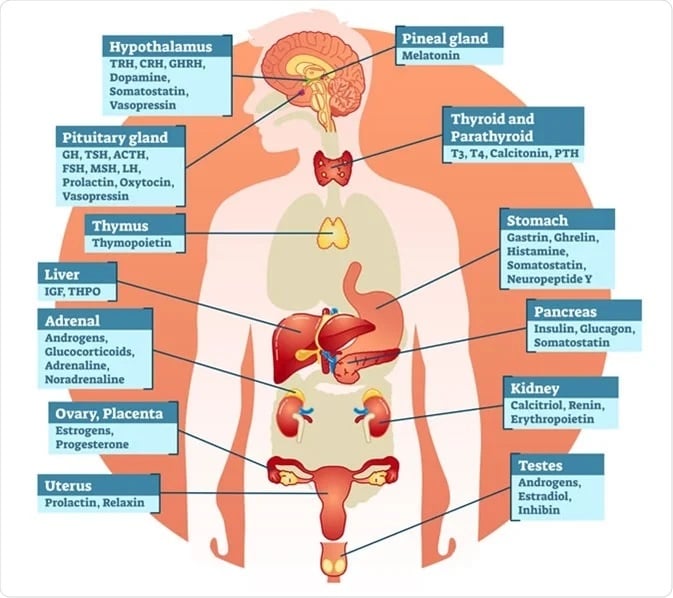
Small molecules play a pivotal role in Endocrinology Research. These are low molecular weight compounds that have a significant impact on the endocrine system, hormones, and their receptors. Here are some key aspects of how small molecules are involved in this field:
- Hormone Mimetics and Inhibitors: Small molecules are used to develop synthetic compounds that mimic the actions of hormones or inhibit their effects. For example, drugs like metformin for diabetes management and selective estrogen receptor modulators (SERMs) for breast cancer treatment are used to either mimic or block hormonal activity.
- Receptor Modulation: Small molecules can bind to hormone receptors and modulate their activity. This is crucial in developing drugs that target specific hormone receptors, like the use of small molecule agonists and antagonists to regulate thyroid hormone receptors.
- Metabolism Regulation: Endocrinology research often focuses on metabolism and how hormones like insulin regulate it. Small molecules are employed to understand and develop drugs targeting enzymes involved in metabolism, such as glucagon-like peptide-1 (GLP-1) agonists for diabetes treatment.
- Steroid Hormone Production: Small molecules may be utilized to influence the production of steroid hormones in the adrenal glands or gonads. This is essential for conditions like Cushing's syndrome or polycystic ovary syndrome (PCOS).
- Hormone Assays: In laboratory research, small molecules are used as tracers or markers in hormone assays. For instance, small molecule fluorophores can be attached to antibodies to detect hormone levels in blood samples.
Drug Development: Endocrinology research relies on small molecules as potential drug candidates. Researchers design and test small molecules for their effectiveness in modulating hormonal pathways, with the goal of developing new therapies for endocrine disorders.
In summary, small molecules are indispensable tools in Endocrinology Research, enabling scientists to better understand the endocrine system's intricacies and develop novel treatments for a wide range of hormonal disorders and conditions. Their versatility and specificity make them valuable assets in advancing our knowledge of endocrinology and improving patient care.
Endocrinology Disease Products
Endocrinology Research Products
Kisspeptin Receptor
Leptin Receptors
Melanocortin (MC) Receptors
Mineralocorticoid Receptors
Galanin Receptors
TRH Receptors
Ghrelin Receptors
Natriuretic Peptide Receptors
NPY Receptors
Motilin Receptor
PTH Receptor
