






-
5 alpha Reductase Inhibitor
ONO-3805 is a non-steroidal 5α-reductase inhibitor that selectively targets the enzyme responsible for converting testosterone to dihydrotestosterone. It exhibits potential therapeutic benefits in the management of benign prostatic hyperplasia and may contribute to the reduction of associated symptoms. This compound is primarily utilized in endocrine-related research and studies focusing on androgen modulation in prostatic disorders. -
Human Type I 5α-Reductase Inhibitor
LY191704 is a selective, nonsteroidal inhibitor of human type I 5α-reductase, exhibiting noncompetitive inhibition. This compound, a racemic mixture of LY300502 and LY300503, demonstrates potent activity in modulating the enzymatic conversion of testosterone to dihydrotestosterone (DHT). LY191704 is valuable for investigating human endocrine disorders linked to elevated DHT levels, offering insights into potential therapeutic approaches for conditions such as androgenetic alopecia and benign prostatic hyperplasia. -
5 alpha Reductase Inhibitor
L-751788 is a selective inhibitor of type I 5α-reductase, a key enzyme involved in steroid metabolism. This compound demonstrates significant potential in reducing dihydrotestosterone levels without adversely affecting fetal external genitalia, as evidenced by studies conducted in pregnant rhesus monkeys. L-751788 is valuable for research applications investigating disorders of androgen metabolism and related therapeutic interventions. -
5a-reductase Inhibitor
(15α)-15,26-Dihydroxylanosta-7,9(11),24-trien-3-one is a potent inhibitor of 5α-reductase, exhibiting an IC50 value of 41.9 μM. This compound effectively inhibits testosterone-induced growth in the ventral prostate of rat models. It holds potential for research applications focused on benign prostatic hyperplasia (BPH) and other conditions linked to 5α-dihydrotestosterone (DHT), including acne and male pattern baldness. -
5 alpha-Reductase Inhibitor
Turosteride is a selective inhibitor of 5 alpha-reductase, demonstrating IC50 values of 55 nM and 53 nM for human and rat prostatic enzymes, respectively. This compound effectively reduces prostate and seminal vesicle weights, making it valuable in research related to benign prostatic hyperplasia and androgenic activity modulation. Turosteride can be instrumental in studies investigating the role of 5 alpha-reductase in prostatic diseases and hormone regulation. -
Steroid 5α-Reductase Inhibitor
MK-0434 is an orally active inhibitor of steroid 5α-reductase, acting primarily to inhibit the conversion of testosterone into dihydrotestosterone (DHT). By reducing DHT levels, MK-0434 plays a significant role in the investigation of benign prostatic hyperplasia and other androgen-mediated conditions. This compound serves as a useful tool for researchers studying the hormonal pathways involved in prostate health and related disorders. -
5α-reductase Inhibitor
MK-0963 is a steroidal inhibitor of 5α-reductase, effectively reducing serum dihydrotestosterone (DHT) levels in a dose-dependent manner. This compound is valuable for studying dihydrotestosterone-related conditions, including benign prostatic hyperplasia (BPH). Its ability to modulate DHT concentrations makes MK-0963 a significant tool in research aimed at understanding and treating disorders associated with androgen metabolism. -
5α-Reductase Inhibitor
FR-146687 is a selective and orally bioavailable inhibitor of 5α-reductase, demonstrating IC50 values of 1.7 nM and 4.6 nM for rat and human enzymes, respectively. This compound exhibits specific inhibitory activity without affecting other steroid oxidoreductases. FR-146687 is utilized in research focused on disorders related to androgen metabolism and can aid in the development of therapeutic interventions targeting 5α-reductase-related pathways. -
5 alpha Reductase Inhibitor
5α-reductase-IN-1 is a potent inhibitor of 5α-reductase, an enzyme implicated in androgen metabolism. This compound is primarily utilized in research focused on androgenetic alopecia and may be investigated in conjunction with minoxidil to explore synergistic effects in hair regrowth studies. Its role in modulating testosterone derivatives offers valuable insights into potential therapeutic strategies for hair loss disorders. -
GPR18 Inhibitor
PSB-CB-27 is a potent and selective inhibitor of the GPR18 receptor with an IC50 of 0.65 μM. It exhibits a high degree of selectivity over human GPR55, CB1, and CB2 receptors. This compound effectively blocks GPR18 activation induced by Δ9-Tetrahydrocannabinol (THC), making it a valuable tool for investigating the roles of GPR18 in inflammatory diseases and cancer immunotherapy research. -
GPR88 Inhibitor
GPR88-IN-1 is a selective inhibitor of GPR88, a G protein-coupled receptor involved in modulating dopaminergic signaling. This compound demonstrates potential for investigating the role of GPR88 in various central nervous system disorders, including schizophrenia and drug addiction. It serves as a valuable tool for researchers exploring therapeutic pathways related to neuropsychiatric conditions. -
recLH and Org 43553 Inhibitor
LUF5771 is an allosteric inhibitor targeting recombinant luteinizing hormone (recLH) and Org 43553. This compound exhibits the ability to partially activate the LH receptor with low efficacy, making it relevant for studies on LH receptor modulation. Its unique pharmacological profile positions LUF5771 as a valuable tool in research exploring reproductive physiology and endocrine signaling pathways. -
Renin Inhibitor
CP-69799 is a potent renin inhibitor that functions as a transition-state analogue, specifically targeting hog renin with an IC50 value of 6 nM and human plasma renin with an IC50 of 300 nM. This inhibitor engages the active site of endothiapepsin, inducing domain rotation and impacting thermal dynamics. CP-69799's unique design, featuring a polar lysine residue at the P2' position, allows for effective binding and has implications for hypertension research. Its mechanistic insights make it a valuable reagent for studies focused on modulating renin activity and understanding cardiovascular functions. -
AR Inhibitor
AR ligand-48 is an inhibitor of the Androgen Receptor (AR), functioning as a ligand for PROTAC applications. By targeting the AR, this compound facilitates the development of PROTAC AR Degrader-12, enabling researchers to investigate AR degradation pathways. Its utility in studying androgen signaling makes it valuable for research in hormone-related diseases and therapeutic development. -
Aromatase Inhibitor/AR Agonist
17β-Hydroxy exemestane is an aromatase inhibitor and androgen receptor (AR) agonist with an IC50 of 69 nM and 39.6 nM, respectively. This compound exhibits selective binding towards the AR compared to estrogen receptor α (ERα), demonstrating an IC50 of 21.2 μM. In biological assays, 17β-Hydroxy exemestane promotes the growth of AR- and ERα-positive MCF-7 cells and T47D breast cancer cells, with EC50 values of 2.7 μM and 0.43 nM for AR-mediated growth. Notably, it also mitigates proliferation in testosterone-treated aromatase-overexpressing MCF-7 cells and demonstrates protective effects on serum cholesterol and bone density in ovariectomized rat models. -
mTORC1 Pathway Inhibitor
CIDD 0067106 is a selective inhibitor of the mTORC1 pathway, specifically designed for targeting androgen receptor-positive (AR+) triple-negative breast cancer (TNBC). It exhibits potent activity against AR+ TNBC cell lines, with a GI50 value of 0.8 μM, indicating its effectiveness in inhibiting cancer cell proliferation. This compound is valuable for research focused on understanding and developing treatments for AR+ TNBC. -
GPR43 Inhibitor
BTI-A-404 is a selective and competitive inverse agonist of the human G protein-coupled receptor GPR43. This compound exhibits potent inhibitory activity, making it valuable for studying mechanisms related to inflammation, obesity, and type 2 diabetes. BTI-A-404 aids in elucidating the role of GPR43 in metabolic disorders and inflammatory responses, providing essential insights for therapeutic development. -
GPR40/FFA1 Inhibitor
AMG 837 hemicalcium is a potent partial agonist targeting the GPR40/FFA1 receptor, demonstrating high oral bioavailability. This compound inhibits [3H]AMG 837 binding at the human FFA1 receptor with a pIC50 value of 8.13. Research indicates that AMG 837 hemicalcium may enhance insulin secretion and help regulate glucose levels in rodent models, making it valuable for studies in metabolic disorders and diabetes research. -
GPBAR1 Agonist/RORγt Inhibitor
Allolithocholic acid functions as a dual agonist of GPBAR1 and an inverse agonist of RORγt, exhibiting an EC50 of 2.7 μM and an IC50 of 3.4 μM, respectively. This compound modulates immune and metabolic pathways by influencing immune cell polarization and preventing the differentiation of M1 macrophages and Th17 CD4 cells. Allolithocholic acid enhances insulin sensitivity and mitigates liver lipid accumulation, while also restoring bile acid homeostasis and modulating intestinal immunity. It is a valuable reagent for research in cancer, inflammation, immunology, and metabolic disorders. -
ERα Inhibitor
VPC-16606 is a selective inhibitor of the estrogen receptor alpha (ERα), specifically targeting its activation function 2 (AF2) domain. This compound effectively disrupts the interaction between ERα and coactivators, inhibiting the activity of both wild-type and drug-resistant mutant forms of ERα. VPC-16606 demonstrates significant potency against hormone-resistant breast cancer cells, making it a valuable tool for research in breast cancer mechanisms and therapeutic development. -
ERR Inhibitor
Millewanin G is a prenylated isoflavonoid that acts as an estrogen-related receptor (ERR) inhibitor, exhibiting antiestrogenic activity with an IC50 of 29 μM. This compound is primarily isolated from the leaves of M. pachycarpa, which is cultivated in Japan. Millewanin G is valuable for research applications focused on understanding ERR's role in various biological processes and its impact on diseases influenced by estrogen signaling. -
ERRγ Inhibitor
ERRγ-IN-1 is a potent ERRγ inhibitor with an IC50 of 0.040 μM. It demonstrates activation of the MAPK (p44/p42) pathway while effectively inhibiting ERRγ activity. ERRγ-IN-1 has been shown to enhance iodine uptake in anaplastic thyroid carcinoma xenografts and to suppress tumor growth in nude mouse models. This compound is valuable for research focused on anaplastic thyroid carcinoma. -
Estrogen Receptor Inhibitor
Yp537 is an estrogen receptor inhibitor that disrupts the dimerization of the human estrogen receptor. This action effectively impedes estrogen-mediated signaling pathways, making it valuable for research on hormone-dependent cancers and other estrogen-related diseases. Yp537 is suitable for studying the molecular mechanisms underlying estrogen receptor activity and evaluating potential therapeutic strategies targeting these pathways. -
ERα Inhibitor
OBHS is an inhibitor of estrogen receptor α (ERα), providing a crucial tool for studying estrogen signaling pathways. This compound is primarily utilized in research applications focusing on hormone-related cancers and endocrine disorders. Additionally, OBHS can function as a blowing agent, offering versatility for various chemical processes. -
ERRα Inhibitor
Estrogen Receptor Modulator 8 is a potent ERRα inhibitor, exhibiting an IC50 of 0.437 nM in MCF-7 cells. This compound effectively inhibits the proliferation of MCF-7 cells with an IC50 value of 0.1 nM. It serves as a valuable tool for studying estrogen receptor signaling pathways and their implications in cancer research. -
Estradiol Inhibitor
Triisopropyl phosphate is an estradiol inhibitor that exerts anti-estrogenic activity by inhibiting TFF1 and EGR3 gene expression. It demonstrates the ability to suppress estradiol-induced proliferation in MCF-7 cells, with an EC50 of 341 μM. Additionally, it inhibits estrogen response element (ERE)-stimulated luciferase activity in MVLN cells with an EC50 of 900 μM, making it a valuable tool for research in estrogen signaling pathways. -
EstrogenReceptor (E2R) Inhibitor
Metahexestrol functions as an estrogen receptor (E2R) inhibitor, demonstrating significant antitumor activity. It effectively inhibits the proliferation of estrogen receptor-positive MCF-7 human breast cancer cells with an ED50 of 1.0 μM. Notably, Metahexestrol also shows inhibitory effects on estrogen receptor-negative MDA-MB-231 cells, indicating that its antiproliferative action may occur independently of the E2R pathway. This compound is valuable for research focused on estrogen-dependent breast cancer. -
COUP-TFII Inhibitor
NR2F2-IN-1 free base is a selective inhibitor targeting the orphan nuclear receptor COUP-TFII (NR2F2). This compound effectively suppresses COUP-TFII-driven expression of the NGFIA reporter by binding to the ligand-binding domain of COUP-TFII, interfering with its interactions with transcriptional regulators such as FOXA1. NR2F2-IN-1 is suitable for research applications focused on elucidating the role of COUP-TFII in gene regulation and its implications in various biological processes. -
SF-1 Inhibitor
SID 7969543 is a selective inhibitor of steroidogenic factor 1 (SF-1, NR5A1) with an IC50 value of 760 nM. This compound effectively inhibits SF-1-mediated luciferase expression with an impressive IC50 of 30 nM. SF-1 plays a crucial role as a transcription factor within the nuclear receptor superfamily, making SID 7969543 valuable for research involving steroidogenesis and related pathways. -
SF-1 Inhibitor
SID7970631 is a selective inhibitor of Steroidogenic Factor-1 (SF-1), exhibiting potent activity with an IC50 of 255 nM. This isoquinolinone analog is primarily utilized in cancer research, facilitating the investigation of SF-1's role in tumorigenesis and potential therapeutic strategies. Its specificity and efficacy make SID7970631 a valuable tool for studying pathways associated with steroidogenesis and related malignancies. -
COUP-TFII Inhibitor
NR2F2-IN-1 is a potent and selective inhibitor of the orphan nuclear receptor COUP-TFII (NR2F2). It significantly inhibits COUP-TFII-driven expression of the NGFIA reporter by directly binding to the ligand-binding domain of COUP-TFII, thereby disrupting its interactions with transcriptional regulators such as FOXA1. This inhibition effectively suppresses COUP-TFII activity on the regulation of target genes, making NR2F2-IN-1 a valuable tool for studying the role of COUP-TFII in various biological processes and diseases. -
Orphan Nuclear Receptor Inhibitor
LRH-1 Inhibitor-3 is a small molecule that specifically inhibits the transcriptional activity of the orphan nuclear receptor LRH-1. By downregulating the expression of genes linked to cell growth and proliferation, this compound has demonstrated potential in reducing proliferation in human pancreatic, colon, and breast adenocarcinoma cell lines. LRH-1 Inhibitor-3 serves as a valuable molecular probe for exploring the role of LRH-1 in various cancer types and may provide insights into targeted cancer therapies. -
Progesterone Receptor Inhibitor
Mifepristone methochloride is a selective progesterone receptor inhibitor. It functions as a glucocorticoid antagonist, effectively blocking peripheral glucocorticoid and progesterone receptors. This compound has demonstrated minimal effects on intraocular pressure in preclinical studies, making it suitable for research into ocular pharmacology. The water-soluble formulation of Mifepristone methochloride is designed to enhance drug penetration in ocular tissues, facilitating studies on its therapeutic potential in eye diseases. -
Progesterone Receptor Inhibitor
CP8754 is a selective antagonist of the human progesterone receptor (hPR), acting primarily by competitively inhibiting the binding of [3H]-progesterone. This compound effectively impedes progesterone-mediated signaling, as evidenced by its ability to inhibit both exogenous luciferase and endogenous alkaline phosphatase expression in vitro, and to suppress rabbit endometrial transformation in vivo. CP8754 exhibits minimal binding affinity for human glucocorticoid receptors, estrogen receptors, and rat androgen receptors, making it a valuable tool for investigating progesterone-related diseases, including breast cancer, endometriosis, uterine fibroids, and hormone-dependent tumors. -
TRα1 Inhibitor
Debutyldronedarone hydrochloride is a selective inhibitor of the thyroid hormone receptor α1 (TRα1), derived from the main metabolite of Dronedarone. This compound effectively inhibits T3 binding to TRα1 and TRβ1 by 77% and 25%, respectively. It is primarily utilized in research related to arrhythmic conditions, providing insights into the mechanisms of thyroid hormone signaling in cardiac physiology. -
TRH-DE Inhibitor
Glp-Asn-Pro-AMC is a selective inhibitor of thyrotropin-releasing hormone degrading enzyme (TRH-DE), exhibiting a Ki value of 0.97 μM. This compound is valuable for studying the role of TRH-DE in metabolic and neuroendocrine regulation. Its inhibitory action on TRH-DE makes it a useful tool in research related to thyroid hormone regulation and potential therapeutic interventions in conditions impacted by TRH signaling. -
T3R Inhibitor
L-6424 is a selective inhibitor of triiodothyronine receptor (T3R) binding, specifically targeting alpha-1 (α1-T3R) and beta-1 (β1-T3R) receptors. Its primary mechanism interferes with T3 binding, making it a useful tool in research focused on thyroid hormone signaling pathways. This compound is applicable in studies investigating the role of T3R in metabolic regulation, cellular differentiation, and various endocrine disorders. -
Thyroid Hormone Receptor Inhibitor
A 274 is a thyroid hormone receptor inhibitor that functions as an analogue of amiodarone. It effectively inhibits the binding of triiodothyronine (T3) to both α1- and β1-thyroid hormone receptors in vitro, demonstrating significant potential for modulating thyroid hormone signaling. This compound can be utilized in research applications focused on thyroid function and its associated biochemical pathways. -
VD/VDR Inhibitor
(R)-Acenocoumarol is a vitamin K epoxide reductase inhibitor, serving as a potent orally active anticoagulant. It exhibits superior in vivo anticoagulant potency compared to Warfarin, attributed to its longer plasma elimination half-life and slower plasma clearance rate. This compound is particularly valuable in research applications focused on coagulation studies and the pharmacodynamics of anticoagulants. Its unique chiral center allows for exploration into the distinct biological activities of its enantiomeric forms. -
Phosphodiesterase Inhibitor
Pefcalcitol, a phosphodiesterase inhibitor, exhibits potential as a therapeutic agent for psoriasis management. Its unique 16-en-22-oxa-vitamin D3 structure contributes to its biological activity, influencing cellular signaling pathways associated with skin inflammation and proliferation. This reagent is instrumental in pharmacological research aimed at understanding psoriasis pathophysiology and developing innovative treatment strategies. -
angiotensin-converting enzyme Inhibitor, renin Inhibitor
Lyciumin D functions as both an angiotensin-converting enzyme inhibitor and a renin inhibitor. This compound demonstrates significant potential in the modulation of the renin-angiotensin system, making it a valuable tool for research into hypertension and related cardiovascular conditions. Its multimodal mechanism can facilitate studies aimed at understanding blood pressure regulation and developing therapeutic strategies for hypertension management. -
Renin Inhibitor
Imarikiren hydrochloride is a potent renin inhibitor that disrupts the renin-angiotensin (RA) system. This compound demonstrates significant biological activity in the context of cardiovascular and renal diseases, making it valuable for research related to hypertension, heart failure, and diabetic nephropathy. Its mechanism of action provides insights into the modulation of blood pressure and kidney function, facilitating the exploration of therapeutic strategies for these conditions. -
Renin Inhibitor
SQ 33800 is a highly potent inhibitor of human renin, exhibiting an IC50 value of 0.35 nM. This compound is instrumental in the study of cardiovascular diseases, providing insights into the regulation of blood pressure and fluid balance. Researchers can utilize SQ 33800 to explore the implications of renin inhibition in various cardiovascular-related conditions. -
Direct Renin Inhibitor
SPH3127 is a highly potent and orally active direct renin inhibitor, demonstrating an IC50 of 0.4 nM against recombinant human renin and 0.45 nM for human plasma renin activity. This compound exhibits significant antihypertensive properties, making it a valuable tool for research focused on essential hypertension and related cardiovascular studies. Its mechanism of action as a direct renin inhibitor allows for detailed investigation into the renin-angiotensin-aldosterone system and its implications in hypertension management. -
Renin Inhibitor
Zankiren is a selective renin inhibitor that reduces the formation of angiotensin II, leading to its renal vasodilator effects. This compound is valuable for research focused on hypertension and cardiovascular diseases, as it specifically modulates renal hemodynamics without interfering with other vasodilatory pathways. Its ability to target renin makes Zankiren an important tool for studying the renin-angiotensin system and its implications in various pathological conditions. -
Renin Inhibitor
SQ 32970 is a tripeptidic inhibitor targeting renin, a key enzyme in the regulation of blood pressure. This compound exhibits potent inhibition of endothia protease activity, making it valuable for studies related to hypertension and cardiovascular research. SQ 32970 serves as a useful tool for investigating the physiological and pathological roles of the renin-angiotensin system. -
Renin Inhibitor
SQ 31844 is a novel renin inhibitor from the imidazolidinol class, specifically targeting the enzyme renin. This compound demonstrates potent in vitro inhibition of primate renin while showing no significant effects on renin from rat, pig, or dog. In vivo studies in sodium-deprived cynomolgus monkeys reveal a dose-dependent reduction in plasma renin activity (PRA) and arterial blood pressure, particularly at higher intravenous doses. Notably, oral administration of SQ 31844 at 50 μmol/kg leads to an 80% reduction in PRA. SQ 31844 serves as a valuable tool for exploring renin-related cardiovascular research and hypertension studies. -
Renin Inhibitor
Renin IN-2 is a selective inhibitor of human renin, exhibiting an IC50 value of 0.059 μM. This compound demonstrates oral efficacy and is applicable in the study of hypertension. Research utilizing Renin IN-2 can provide insights into renin's role in the regulation of blood pressure and related cardiovascular conditions. -
Renin Inhibitor
Renin-IN-4 is a potent renin inhibitor that modulates the renin-angiotensin system. This compound is primarily studied for its implications in cardiovascular diseases, as it plays a crucial role in regulating blood pressure and fluid balance. Renin-IN-4 serves as a valuable tool for investigating the pathophysiology of hypertension and related cardiovascular disorders. -
Renin Inhibitor
Ciprokiren is a potent renin inhibitor, exhibiting IC50 values of 0.07 nM in buffer and 0.65 nM in plasma. This compound can be applied transdermally while maintaining hemodynamic effects without reducing plasma renin activity or plasma immunoreactive angiotensin II levels. Ciprokiren demonstrates significant antihypertensive efficacy, making it a valuable tool for hypertension research and the study of renin-angiotensin system modulation.
Endocrinology-Hormones
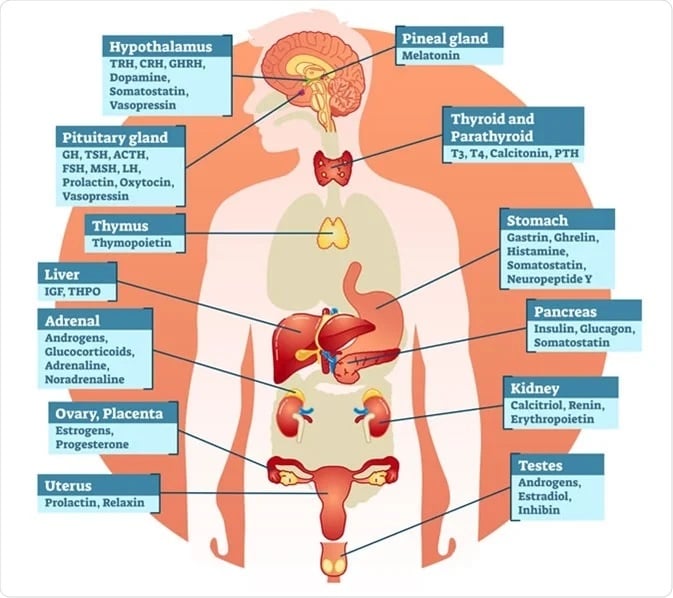
Small molecules play a pivotal role in Endocrinology Research. These are low molecular weight compounds that have a significant impact on the endocrine system, hormones, and their receptors. Here are some key aspects of how small molecules are involved in this field:
- Hormone Mimetics and Inhibitors: Small molecules are used to develop synthetic compounds that mimic the actions of hormones or inhibit their effects. For example, drugs like metformin for diabetes management and selective estrogen receptor modulators (SERMs) for breast cancer treatment are used to either mimic or block hormonal activity.
- Receptor Modulation: Small molecules can bind to hormone receptors and modulate their activity. This is crucial in developing drugs that target specific hormone receptors, like the use of small molecule agonists and antagonists to regulate thyroid hormone receptors.
- Metabolism Regulation: Endocrinology research often focuses on metabolism and how hormones like insulin regulate it. Small molecules are employed to understand and develop drugs targeting enzymes involved in metabolism, such as glucagon-like peptide-1 (GLP-1) agonists for diabetes treatment.
- Steroid Hormone Production: Small molecules may be utilized to influence the production of steroid hormones in the adrenal glands or gonads. This is essential for conditions like Cushing's syndrome or polycystic ovary syndrome (PCOS).
- Hormone Assays: In laboratory research, small molecules are used as tracers or markers in hormone assays. For instance, small molecule fluorophores can be attached to antibodies to detect hormone levels in blood samples.
Drug Development: Endocrinology research relies on small molecules as potential drug candidates. Researchers design and test small molecules for their effectiveness in modulating hormonal pathways, with the goal of developing new therapies for endocrine disorders.
In summary, small molecules are indispensable tools in Endocrinology Research, enabling scientists to better understand the endocrine system's intricacies and develop novel treatments for a wide range of hormonal disorders and conditions. Their versatility and specificity make them valuable assets in advancing our knowledge of endocrinology and improving patient care.
Endocrinology Disease Products
Endocrinology Research Products
Kisspeptin Receptor
Leptin Receptors
Melanocortin (MC) Receptors
Mineralocorticoid Receptors
Galanin Receptors
TRH Receptors
Ghrelin Receptors
Natriuretic Peptide Receptors
NPY Receptors
Motilin Receptor
PTH Receptor
