






Epigenetics
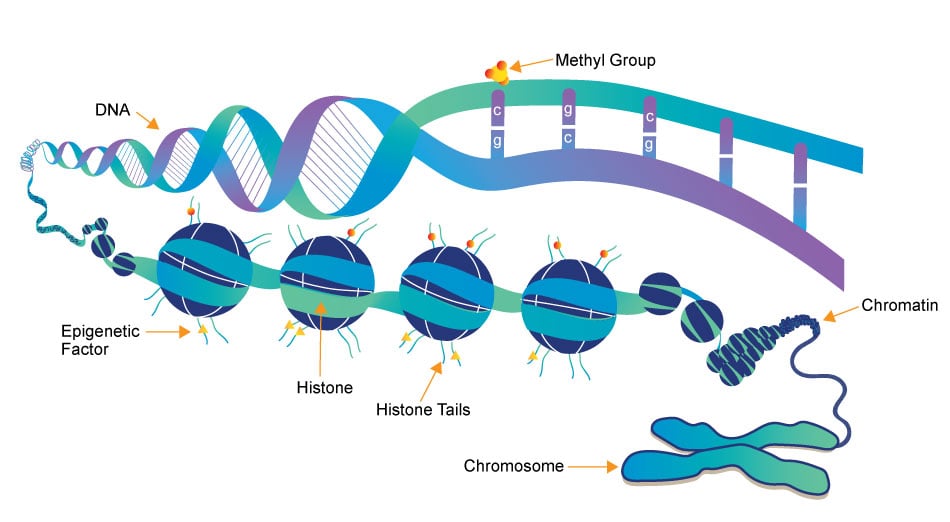
Epigenetics research delves into the molecular mechanisms that control gene expression and cellular traits without altering the underlying DNA sequence. One crucial aspect of this field is the role of small molecules, which act as powerful regulators of epigenetic modifications. These small compounds, typically comprising a few dozen to a few hundred atoms, have emerged as essential tools in understanding and manipulating the epigenome.
- DNA Methylation Inhibitors: Small molecules like 5-azacytidine and 5-aza-2'-deoxycytidine are DNA methyltransferase inhibitors. They block the addition of methyl groups to DNA, leading to DNA demethylation. This can reactivate silenced genes, potentially offering therapeutic avenues for conditions like cancer.
- HDAC inhibitors: HDACs remove acetyl groups from histone proteins, contributing to gene repression. Small molecule HDAC inhibitors, such as Vorinostat and Romidepsin, can reverse this process by increasing histone acetylation, allowing genes to be more accessible for transcription. These inhibitors are being explored for cancer therapy and other conditions.
- Histone Methyltransferase Inhibitors: Small molecules like GSK126 inhibit specific histone methyltransferases, affecting histone methylation patterns. This can alter gene expression, making them promising candidates for cancer and other diseases with epigenetic dysregulation.
- RNA Modulators: Small molecules can also target non-coding RNAs involved in epigenetic regulation. For instance, small molecules called small interfering RNAs (siRNAs) can be designed to target and degrade specific long non-coding RNAs, influencing gene expression.
- Epigenetic Reader Domain Inhibitors: These small molecules target proteins that recognize and bind to specific epigenetic marks. Examples include inhibitors of bromodomain-containing proteins (BET inhibitors), which can disrupt gene regulation by interfering with protein-DNA interactions.
Small molecules in epigenetics research not only provide insights into the fundamental biology of gene regulation but also hold immense promise for developing novel therapeutics. Their ability to selectively modulate specific epigenetic marks and pathways has led to ongoing clinical trials and drug development efforts for various diseases, including cancer, neurological disorders, and inflammatory conditions. Understanding and harnessing the power of these small molecules is at the forefront of modern epigenetics research, offering new hope for precision medicine and targeted therapies.
3 key components involved in the regulation of epigenetic modifications
Epigenetics Writer
Epigenetics writers are enzymes responsible for adding chemical marks or modifications to DNA or histone proteins. These marks include DNA methylation (addition of methyl groups to DNA) and histone modifications (such as acetylation, methylation, phosphorylation, etc.).
Epigenetics Reader
Function: Epigenetics readers are proteins that can recognize and bind to specific epigenetic marks on DNA or histones. These reader proteins interpret the epigenetic code and facilitate downstream cellular processes, such as gene activation or repression.
Epigenetics Eraser
Function: Epigenetics erasers are enzymes responsible for removing or reversing epigenetic marks on DNA or histones. This process allows for the dynamic regulation of gene expression and the resetting of epigenetic states during various stages of development and in response to environmental changes.
-
HDAC6 inhibitor
ITF 3756 is a potent and selective inhibitor of histone deacetylase 6 (HDAC6). In vitro, it effectively reduces the expression of PD-L1 on human monocytes and CD8⁺ T cells, suggesting immunomodulatory potential. ITF 3756 also exhibits antitumor activity, making it a promising candidate for cancer immunotherapy and epigenetic modulation research. -
HDAC inhibitor
HL23 is a histone deacetylase (HDAC) inhibitor with demonstrated efficacy against hepatocellular carcinoma (HCC). It enhances acetylation at the TXNIP promoter, leading to upregulation of TXNIP expression and modulation of potassium channel activity, ultimately inducing TXNIP-dependent potassium deprivation. HL23 effectively suppresses HCC progression and metastasis, and exhibits a synergistic antitumor effect when combined with Sorafenib, outperforming the combination of Sorafenib and Vorinostat in preclinical models. -
POLA1-HDAC11 Inhibitor
GEM144 is a potent and orally bioavailable dual inhibitor of DNA polymerase α (POLA1) and histone deacetylase 11 (HDAC11). It promotes p53 acetylation, induces p21 activation, and triggers G1/S cell cycle arrest followed by apoptosis. GEM144 exhibits significant antitumor efficacy in human orthotopic malignant pleural mesothelioma xenograft models, highlighting its potential as a targeted therapeutic agent for aggressive thoracic malignancies. -
HDAC inhibitor
F-SAHA is a histone deacetylase inhibitor (HDACi) structurally derived from suberoylanilide hydroxamic acid (SAHA). Its fluorine-18 (^18F) labeled derivative enables non-invasive imaging of HDAC expression and activity, making F-SAHA a valuable tool for tumor imaging research and the assessment of epigenetic modulation in vivo. -
POLA1/HDAC 11 Inhibitor
MIR002 is a potent, orally bioavailable dual inhibitor targeting DNA polymerase α (POLA1) and histone deacetylase 11 (HDAC11). It induces p53 acetylation, upregulates p21 expression, and triggers G1/S cell cycle arrest followed by apoptosis. MIR002 demonstrates significant antitumor efficacy in vivo, highlighting its potential as a therapeutic agent for cancers driven by POLA1 and HDAC11 dysregulation. -
HDAC1 and HDAC2 inhibitor
KPZ560 is a potent inhibitor of histone deacetylases HDAC1 and HDAC2, with IC₅₀ values of 12 nM and 68 nM, respectively. It has been shown to enhance dendritic spine density in granule neurons of mice, indicating potential neurotrophic effects. Additionally, KPZ560 inhibits the proliferation of MCF breast cancer cells, supporting its potential application in both neurobiological and oncological research. -
HDAC6 inhibitor
MPI_5a is a potent and selective inhibitor of histone deacetylase 6 (HDAC6), with an IC₅₀ of 36 nM. It exhibits minimal activity against other HDAC isoforms, demonstrating high isoform selectivity. In cellular assays, MPI_5a effectively inhibits acylated tubulin accumulation with an IC₅₀ of 210 nM, highlighting its utility in modulating HDAC6-dependent processes for potential therapeutic applications. -
HDAC6 inhibitor
QTX125 is a potent and highly selective inhibitor of histone deacetylase 6 (HDAC6), demonstrating excellent specificity over other HDAC isoforms. It exhibits significant antitumor activity through selective inhibition of HDAC6-mediated pathways. Both the salt and free base forms of QTX125 display comparable biological activity at equivalent molar concentrations, ensuring consistent pharmacological effects across different formulations. -
VDR agonist
Triciferol is a multifunctional small molecule that acts as both a vitamin D receptor (VDR) agonist and a histone deacetylase (HDAC) antagonist. It binds directly to VDR with an IC₅₀ of 87 nM and exhibits 1,25-dihydroxyvitamin D₃ (1,25D)-like potency in activating multiple VDR target genes. In addition to its transcriptional effects, Triciferol induces significant tubulin hyperacetylation and enhances histone acetylation, contributing to its antiproliferative and cytotoxic activities. This dual mechanism highlights its potential as a therapeutic agent in cancer and epigenetic modulation. -
HDAC3/8 PROTAC degrader
YX968 is a potent and selective PROTAC degrader targeting histone deacetylases HDAC3 and HDAC8, with DC₅₀ values of 1.7 nM and 6.8 nM, respectively. By inducing degradation of these epigenetic regulators, YX968 promotes apoptosis and exhibits significant antitumor activity, representing a promising therapeutic strategy for cancers driven by aberrant HDAC3/8 activity. -
PROTAC BRD4 degrader
dBET23 is a highly potent and selective PROTAC degrader targeting the bromodomain-containing protein BRD4. It exhibits a DC₅₀ of approximately 50 nM at 5 hours for the BRD4 bromodomain 1 (BRD4^BD1) protein, effectively promoting its ubiquitination and proteasomal degradation. dBET23 serves as a valuable chemical tool for studying BRD4-dependent transcriptional regulation and holds potential for therapeutic applications in BRD4-driven cancers. -
PROTAC BET degrader
SJ995973 is a highly potent PROTAC (proteolysis-targeting chimera) designed to selectively degrade bromodomain and extra-terminal domain (BET) family proteins, including BRD2, BRD3, and BRD4. By inducing targeted proteasomal degradation, SJ995973 enables efficient disruption of BET protein function, offering a powerful approach for investigating BET-related transcriptional regulation and for the development of novel anticancer therapies. -
G9a/GLP PROTAC degrader
MS8709 (compound 10) is a first-in-class PROTAC degrader targeting the histone methyltransferases G9a and GLP, with potential anticancer activity. Engineered from the G9a/GLP inhibitor UNC0642, MS8709 recruits the von Hippel–Lindau (VHL) E3 ubiquitin ligase to promote the selective ubiquitination and proteasomal degradation of G9a/GLP proteins. This targeted degradation approach offers a novel therapeutic strategy for disrupting epigenetic dysregulation in cancer. -
PRMT5 inhibitor
CMP-5 is a potent and highly selective inhibitor of PRMT5, exhibiting no inhibitory activity against related enzymes PRMT1, PRMT4, or PRMT7. It specifically blocks the symmetric dimethylation of histone H4 at arginine 3 (H4R3me2s) by targeting PRMT5-mediated methyltransferase activity. CMP-5 effectively prevents Epstein-Barr virus (EBV)-induced transformation of B lymphocytes while sparing normal B cells, highlighting its potential as a selective epigenetic modulator in virus-associated malignancies. -
SETD2 inhibitor
EZM0414 is a potent, selective, and orally bioavailable inhibitor of the histone methyltransferase SETD2, exhibiting an IC₅₀ of 18 nM in biochemical assays and 34 nM in cellular assays. It is being investigated for its therapeutic potential in relapsed or refractory multiple myeloma and diffuse large B-cell lymphoma (DLBCL), making it a valuable tool for studying SETD2-mediated epigenetic regulation in hematologic malignancies. -
PRMT5 inhibitor
TNG-462 is an orally active and selective inhibitor of PRMT5, designed to exploit vulnerabilities in cancers characterized by methylthioadenosine phosphorylase (MTAP) deficiency and/or elevated methylthioadenosine (MTA) levels. By targeting MTA-sensitized PRMT5 activity, TNG-462 demonstrates potent antitumor efficacy in preclinical models of MTAP-deleted cancers. -
PRMT5 inhibitor
AMG 193 is an orally bioavailable, MTA-cooperative inhibitor of protein arginine methyltransferase 5 (PRMT5), exhibiting potent antitumor activity. By leveraging the accumulation of methylthioadenosine (MTA) in MTAP-deficient cells, AMG 193 selectively inhibits PRMT5 with an IC₅₀ of 0.107 μM, leading to preferential suppression of tumor cell growth while sparing normal cells with intact MTAP function. -
Histone methyltransferase inhibitor
SGC3027 is a potent, selective, and cell-permeable inhibitor of the protein arginine methyltransferase PRMT7, serving as the first validated chemical probe for this target. As a histone methyltransferase inhibitor, SGC3027 enables the functional study of PRMT7-mediated arginine methylation and its role in epigenetic regulation. -
SUV39H1 methyltransferase inhibitor
F5446 (Compound 1) is a selective small-molecule inhibitor of the histone methyltransferase SUV39H1. By reducing H3K9 trimethylation (H3K9me3) at the Fas promoter, F5446 upregulates Fas expression and enhances the sensitivity of colorectal carcinoma cells to Fas ligand (FasL)-induced apoptosis in vitro. In vivo, F5446 effectively suppresses the growth of human colorectal tumor xenografts, highlighting its potential as an epigenetic therapeutic agent in cancer treatment. -
FFAR3 agonist
AR420626 is a selective agonist of free fatty acid receptor 3 (FFAR3, also known as GPR41), with an IC₅₀ of 117 nM. It demonstrates anti-inflammatory, antitumor, and antidiabetic activities. AR420626 improves neurogenic diarrhea by modulating neural pathways mediated by nicotinic acetylcholine receptors (nAChRs). In cancer models, it suppresses the growth of HepG2 xenografts and inhibits hepatoma cell proliferation through apoptosis induction. Additionally, AR420626 mitigates allergic asthma and eczema and enhances glucose uptake by activating FFAR3-mediated Ca²⁺ signaling, offering potential therapeutic benefits in metabolic disorders such as diabetes. -
PRDM9 inhibitor
MRK-740 is a potent and selective small-molecule inhibitor of the histone methyltransferase PRDM9, acting in a substrate-competitive manner with an IC₅₀ of 80 nM. It exhibits high selectivity for PRDM9 over other histone methyltransferases and non-epigenetic targets. MRK-740 effectively inhibits PRDM9-mediated trimethylation of histone H3 at lysine 4 (H3K4me3), with an IC₅₀ of 0.8 µM in cellular assays. -
PRC1 PROTAC degrader
MS181 (Compound 1) is a potent PROTAC degrader that targets components of the polycomb repressive complex 1 (PRC1) by recruiting cereblon (CRBN) and binding EED. It effectively reduces the expression of key PRC1 and PRC2 components, including EED, EZH2, SUZ12, BMI1, and RING1B. MS181 exhibits significant antiproliferative activity, making it a valuable tool for studying epigenetic regulation and potential cancer therapeutics. -
PRC1 PROTAC degrader
MS9715 is a potent and selective PROTAC degrader targeting NSD3, designed by conjugating the NSD3 PWWP1 domain binder BI-9321 to a von Hippel-Lindau (VHL) E3 ligase ligand. It effectively induces degradation of NSD3 and holds significant potential for research in NSD3-dependent cancers, offering a novel approach to target epigenetic drivers in oncology. -
PROTAC EZH2 Degrader
PROTAC EZH2 Degrader-2 (Compound E-3P-MDM2) is a PROTAC molecule designed by linking the EZH2 inhibitor Tazemetostat (EPZ6438) to an E3 ligase ligand. It induces dose-dependent degradation of EZH2 in SU-DHL-6 cells, suppresses H3K27me3 expression, and concurrently degrades PRC2 components EED and SUZ12 without altering their mRNA levels. PROTAC EZH2 Degrader-2 exhibits strong anti-cancer and anti-proliferative activity, making it a valuable tool for epigenetic and oncology research. -
METTL3 inhibitor
STM2457 is a first-in-class, orally bioavailable small molecule inhibitor that selectively targets METTL3, a key component of the RNA N6-methyladenosine (m6A) methyltransferase complex. With an IC₅₀ of 16.9 nM, STM2457 exhibits high potency in inhibiting METTL3 activity. This compound has been demonstrated to impair leukemogenic gene expression programs and inhibit proliferation in METTL3-dependent acute myeloid leukemia (AML) models, making it a valuable chemical probe for epitranscriptomic regulation and a promising tool for AML research. -
PROTAC Aurora A degrader
dAURK-4 hydrochloride is a potent and selective PROTAC degrader targeting Aurora A kinase (AURKA), derived from the AURKA inhibitor Alisertib. It effectively induces AURKA degradation and exhibits notable anticancer activity, making it a valuable agent for studying AURKA-driven oncogenic pathways and therapeutic development. -
PROTAC JAK2 degrader
SJ1008030 (Compound 8) formic is a selective PROTAC degrader of JAK2, designed to target and eliminate JAK2 protein via the ubiquitin–proteasome pathway. It effectively inhibits the growth of MHH–CALL-4 leukemia cells with an IC₅₀ of 5.4 nM. SJ1008030 formic is a valuable tool for leukemia research and the study of JAK2-driven signaling pathways. -
Protac smarca2 degrader
SMD-3040 formate is a potent and selective PROTAC degrader targeting SMARCA2, a core ATPase subunit of the SWI/SNF chromatin remodeling complex. It exhibits strong in vivo antitumor activity, making it a promising candidate for cancer research involving epigenetic regulation and synthetic lethality strategies. -
PROTAC CBP/p300 Degrader
CBPD-409 is an orally active PROTAC degrader targeting CBP/p300, with a DC₅₀ of 0.2–0.4 nM. It shows potent antiproliferative activity in AR⁺ prostate cancer cell lines (VCaP, LNCaP, 22Rv1) with IC₅₀ values of 1.2–2.0 nM and demonstrates significant antitumor efficacy. -
HDAC Degrader
JPS016 is a benzamide-based PROTAC that recruits the Von Hippel-Lindau (VHL) E3 ligase to selectively degrade class I histone deacetylases (HDACs). It is a potent degrader of HDAC1/2, leading to broad transcriptional changes and enhanced apoptosis in HCT116 cells, supporting its application in epigenetic and cancer research. -
PROTAC CBP/p300 degrader
JET-209 is a potent PROTAC degrader targeting CBP and p300, with DC₅₀ values of 0.05 nM and 0.2 nM, respectively. It is composed of lenalidomide, a linker, and the bromodomain inhibitor GNE-207. JET-209 is a valuable tool for cancer research involving epigenetic regulation. -
PROTAC EED Degrader
UNC6852 is a selective PROTAC degrader of the polycomb repressive complex 2 (PRC2), incorporating ligands for EED (embryonic ectoderm development) and von Hippel-Lindau (VHL). It targets EED with an IC₅₀ of 247 nM, enabling PRC2 degradation and serving as a valuable tool for epigenetic and cancer research. -
BRD9 Degrader
FHD-609 is a PROTAC degrader and inhibitor of BRD9, a key component of the non-canonical BAF (ncBAF) chromatin remodeling complex. It is designed for studying cancers harboring mutations in BAF complex subunits. FHD-609 shows potential in adrenocortical carcinoma (ACC) treatment, particularly in combination with Telomelysin or INO5401. -
PROTAC EZH2 Degrader
PROTAC EZH2 Degrader-1 (Compound 150d) is a potent PROTAC molecule targeting EZH2, with an IC₅₀ of 2.7 nM for inhibition of its methyltransferase activity. By degrading EZH2, it provides a valuable tool for studying its role in tumorigenesis and cancer progression. -
PROTAC p300/CBP Degrader
dCBP-1 is a potent and selective heterobifunctional PROTAC degrader of p300/CBP, utilizing a cereblon ligand for E3 ligase recruitment. It effectively eliminates oncogenic enhancer activity driving MYC expression and demonstrates strong cytotoxicity against multiple myeloma cells, making it a valuable tool for epigenetic and cancer research. -
PROTAC BRD4 Degrader
GNE-987 is a highly potent PROTAC degrader of BRD4, composed of a BET inhibitor, a von Hippel-Lindau (VHL) ligand, and a ten-methylene linker. It binds both BD1 and BD2 bromodomains of BRD4 with low nanomolar affinity (IC₅₀ = 4.7 and 4.4 nM) and induces BRD4 degradation with a DC₅₀ of 0.03 nM in EOL-1 AML cells. GNE-987 is also suitable for use in PROTAC–Antibody Conjugates (PAC), making it a valuable tool for targeted protein degradation and epigenetic cancer research. -
PROTAC EP300 Degrader
JQAD1 is a CRBN-dependent PROTAC selectively targeting EP300 for degradation. It effectively reduces EP300 protein levels and H3K27ac histone acetylation, resulting in apoptosis. JQAD1 is a valuable tool for investigating EP300 function and epigenetic regulation in cellular processes. -
WDR5 Degrader
MS67 is a highly potent and selective PROTAC degrader of WD40 repeat domain protein 5 (WDR5), exhibiting minimal activity against other protein methyltransferases, kinases, GPCRs, ion channels, and transporters. Its strong anticancer activity highlights its utility as a targeted tool for studying WDR5-related epigenetic regulation and cancer therapy. -
PROTAC SMARCA2/SMARCA4 degrader
AU-15330 is a PROTAC degrader targeting the SWI/SNF chromatin remodeling ATPase subunits SMARCA2 and SMARCA4. It effectively suppresses tumor growth in prostate cancer xenograft models and enhances the therapeutic efficacy of the AR antagonist enzalutamide. AU-15330 also induces remission in castration-resistant prostate cancer models, demonstrating strong antitumor activity with a favorable safety profile. -
SMARCA2/SMARCA4/PBRM1 Degrader
ACBI1 is a potent and cooperative PROTAC degrader targeting SMARCA2, SMARCA4, and PBRM1, with DC₅₀ values of 6 nM, 11 nM, and 32 nM, respectively. It exhibits strong anti-proliferative activity and induces apoptosis, making it a valuable tool for studying chromatin remodeling and cancer therapeutics. -
EZH2 PROTAC Degrader
MS177 is a fast-acting and effective PROTAC degrader targeting EZH2. It comprises a cereblon (CRBN) ligand, a linker, and the potent EZH2 enzymatic inhibitor C24 (IC₅₀: 12 nM). MS177 efficiently depletes both canonical EZH2–PRC2 and noncanonical EZH2–cMyc complexes, leading to inhibition of leukemia cell proliferation, induction of apoptosis, and cell cycle arrest. It is a valuable tool for epigenetic and cancer research. -
PROTAC-based EZH2 Degrader
MS1943 is an orally active, PROTAC-based selective degrader of EZH2 that effectively reduces cellular EZH2 levels. It exhibits strong anticancer activity, showing cytotoxic effects in various triple-negative breast cancer (TNBC) cell lines while sparing normal cells. MS1943 maintains high potency in inhibiting EZH2 methyltransferase activity (IC₅₀ = 120 nM) and demonstrates high selectivity for EZH2, making it a promising candidate for epigenetic and cancer research. -
SMARCA2/SMARCA4/PBRM1 Degrader
AU-24118 is an orally bioavailable PROTAC degrader targeting the mSWI/SNF chromatin remodeling complex ATPases SMARCA2 and SMARCA4, as well as PBRM1. It offers a powerful approach for modulating epigenetic regulation and holds promise for the treatment of cancers driven by alterations in SWI/SNF complex components. -
MAO/LSD1 Inhibitor
Tranylcypromine hemisulfate is an irreversible, nonselective inhibitor of monoamine oxidase (MAO) and also acts as a lysine-specific demethylase 1 (LSD1) inhibitor. This compound demonstrates notable antidepressant effects and is utilized in the treatment of depression. Additionally, tranylcypromine hemisulfate has been shown to suppress lesion growth and alleviate generalized hyperalgesia in mouse models of induced endometriosis, making it a valuable tool for research in both psychiatric and pain-related studies. -
PROTAC BRD9 Degrader
CFT8634 is an orally bioavailable PROTAC that targets the E3 ubiquitin ligase CRBN to degrade BRD9. This heterobifunctional molecule effectively inhibits the growth of tumor cells reliant on BRD9, making it a valuable tool for researching synovial sarcoma and SMARCB1-deficient solid tumors. CFT8634 facilitates targeted degradation through its unique binding properties, offering a strategic approach to investigate the role of BRD9 in SMARCB1-related cancers, including malignant rhabdoid tumors. -
PI3K/BRD4 Inhibitor
PI3Kα-IN-28 is a potent dual-target inhibitor of PI3K and BRD4. This compound effectively suppresses cell proliferation in various cancer cell lines, including KYSE180 and KYSE450, while also inhibiting migration and colony formation. Additionally, PI3Kα-IN-28 induces G0/G1 phase cell cycle arrest and promotes cellular senescence by enhancing the proportion of senescent cells. Mechanistically, it decreases the levels of p-AKT and c-Myc, while activating the AMPK-p27 pathway, making it a valuable tool for cancer research, particularly in esophageal cancer studies. -
PIM/PI3K/AKT/mTOR Inhibitor
IBL-302 is an orally available dual inhibitor targeting PIM and the PI3K/AKT/mTOR pathways. It exhibits significant antitumor activity against breast cancer and neuroblastoma, showing in vivo efficacy in nude mouse xenograft models by overcoming trastuzumab resistance. Additionally, IBL-302 enhances the cytotoxic effects of commonly used chemotherapeutic agents, including cisplatin, doxorubicin, and etoposide, making it a valuable compound for cancer research applications.
