






Epigenetics
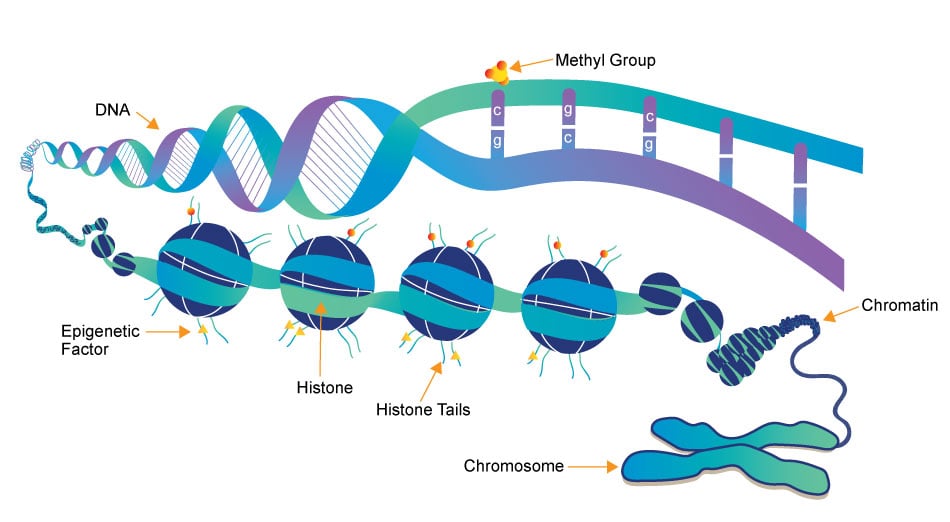
Epigenetics research delves into the molecular mechanisms that control gene expression and cellular traits without altering the underlying DNA sequence. One crucial aspect of this field is the role of small molecules, which act as powerful regulators of epigenetic modifications. These small compounds, typically comprising a few dozen to a few hundred atoms, have emerged as essential tools in understanding and manipulating the epigenome.
- DNA Methylation Inhibitors: Small molecules like 5-azacytidine and 5-aza-2'-deoxycytidine are DNA methyltransferase inhibitors. They block the addition of methyl groups to DNA, leading to DNA demethylation. This can reactivate silenced genes, potentially offering therapeutic avenues for conditions like cancer.
- HDAC inhibitors: HDACs remove acetyl groups from histone proteins, contributing to gene repression. Small molecule HDAC inhibitors, such as Vorinostat and Romidepsin, can reverse this process by increasing histone acetylation, allowing genes to be more accessible for transcription. These inhibitors are being explored for cancer therapy and other conditions.
- Histone Methyltransferase Inhibitors: Small molecules like GSK126 inhibit specific histone methyltransferases, affecting histone methylation patterns. This can alter gene expression, making them promising candidates for cancer and other diseases with epigenetic dysregulation.
- RNA Modulators: Small molecules can also target non-coding RNAs involved in epigenetic regulation. For instance, small molecules called small interfering RNAs (siRNAs) can be designed to target and degrade specific long non-coding RNAs, influencing gene expression.
- Epigenetic Reader Domain Inhibitors: These small molecules target proteins that recognize and bind to specific epigenetic marks. Examples include inhibitors of bromodomain-containing proteins (BET inhibitors), which can disrupt gene regulation by interfering with protein-DNA interactions.
Small molecules in epigenetics research not only provide insights into the fundamental biology of gene regulation but also hold immense promise for developing novel therapeutics. Their ability to selectively modulate specific epigenetic marks and pathways has led to ongoing clinical trials and drug development efforts for various diseases, including cancer, neurological disorders, and inflammatory conditions. Understanding and harnessing the power of these small molecules is at the forefront of modern epigenetics research, offering new hope for precision medicine and targeted therapies.
3 key components involved in the regulation of epigenetic modifications
Epigenetics Writer
Epigenetics writers are enzymes responsible for adding chemical marks or modifications to DNA or histone proteins. These marks include DNA methylation (addition of methyl groups to DNA) and histone modifications (such as acetylation, methylation, phosphorylation, etc.).
Epigenetics Reader
Function: Epigenetics readers are proteins that can recognize and bind to specific epigenetic marks on DNA or histones. These reader proteins interpret the epigenetic code and facilitate downstream cellular processes, such as gene activation or repression.
Epigenetics Eraser
Function: Epigenetics erasers are enzymes responsible for removing or reversing epigenetic marks on DNA or histones. This process allows for the dynamic regulation of gene expression and the resetting of epigenetic states during various stages of development and in response to environmental changes.
-
HDAC Inhibitor
Butyrylhydroxamic acid is a selective inhibitor of histone deacetylase (HDAC), modulating gene expression by preventing histone deacetylation. Its biological activity has been shown to enhance cognitive functions in rodent models, suggesting potential applications in memory enhancement and mood stabilization. Additionally, it is being explored in research related to β-chain hemoglobinopathies, providing valuable insights into therapeutic strategies for related disorders. -
HDAC8 Inhibitor
J1038 is a selective inhibitor of histone deacetylase 8 (HDAC8), targeting the catalytic zinc ion of Schistosoma mansoni HDAC8 (smHDAC8). This compound demonstrates significant inhibition of HDAC8 activity, making it a valuable tool for studying epigenetic regulation and potential therapeutic applications in cancer and neurodegenerative diseases. Researchers can utilize J1038 to explore the biological effects of HDAC8 inhibition in various cellular contexts. -
HDAC Inhibitor
FFK29 is a potent synthetic inhibitor of class II histone deacetylases (HDACs). It effectively impedes the growth and encystation of Acanthamoeba, making it a valuable tool in the study of protozoan and parasitic diseases. Research applications for FFK29 include investigations into the molecular mechanisms of HDAC inhibition and its potential therapeutic effects against parasitic infections. -
HDAC Inhibitor
Diheteropeptin is a potent histone deacetylase (HDAC) inhibitor that modulates various cellular processes. This compound exhibits biological activities similar to those of Transforming Growth Factor-β (TGF-β) and may influence gene expression and cellular differentiation. Diheteropeptin is useful in the study of epigenetic regulation and has potential applications in cancer research and therapeutic development. -
HDAC/NAMPT Inhibitor
HDAC/NAMPT-IN-1 is a potent dual inhibitor of histone deacetylases (HDAC) and nicotinamide adenine dinucleotide (NAD+) biosynthesis enzyme NAMPT, exhibiting IC50 values ranging from 0.72 to 37081 nM for HDAC and 1618 nM for NAMPT. This compound demonstrates significant potential in modulating cellular acetylation levels and metabolic processes associated with cancer and neurodegenerative diseases. Its application in research can facilitate studies on epigenetic regulation and NAD+ metabolism, contributing to a deeper understanding of cellular mechanisms and therapeutic strategies. -
HDAC Inhibitor
HDAC6-IN-10 is a potent and selective inhibitor of histone deacetylase 6 (HDAC6) with an IC50 of 0.73 nM, demonstrating a remarkable 144 to 10,941-fold selectivity over other HDAC isoforms. This compound exhibits significant anti-proliferative activity against multiple myeloma cells, making it a valuable tool for cancer research. Its selectivity and effectiveness support its use in studies exploring the therapeutic potential of HDAC6 inhibition in various malignancies. -
HDAC6 Degrader
HDAC6 degrader-4 is a PROTAC that selectively targets and degrades HDAC6. By combining a non-selective HDAC inhibitor with a thalidomide-type E3 ligase ligand, it effectively modulates histone deacetylation. This reagent is primarily utilized in cancer research to investigate the role of HDAC6 in tumor progression and to evaluate potential therapeutic strategies. -
HDAC Inhibitor
HDAC-IN-38 is a potent inhibitor of histone deacetylases (HDACs), targeting HDAC1, 2, 3, 5, 6, and 8 with micromolar inhibitory activity. This compound has been shown to enhance cerebral blood flow, mitigate cognitive impairment, and reduce hippocampal atrophy. Additionally, HDAC-IN-38 increases histone acetylation levels, specifically H3K14 and H4K5, making it a valuable tool for studying the epigenetic regulation of gene expression and its implications in neurodegenerative disorders. -
HDAC6 Inhibitor
HDAC6-IN-35 is a potent inhibitor of HDAC6, exhibiting an IC50 of 4.7 μM, which allows for effective modulation of histone acetylation. This compound is capable of penetrating the blood-brain barrier (BBB) and demonstrates cytotoxic effects on MDA-MB-231 breast cancer cells, with an EC50 of 40.6 μM. HDAC6-IN-35 is ideal for investigating the role of histone deacetylation in cancer biology and may contribute to therapeutic strategies targeting HDAC-related pathways. -
HDAC1/2 Inhibitor
GK444 is an inhibitor of histone deacetylases HDAC1 and HDAC2, with IC50 values of 100 nM and 92 nM, respectively. This compound demonstrates significant biological activity by inhibiting Caco-2 cell proliferation, showcasing an IC50 of 4.1 μM. Additionally, GK444 effectively reduces TGF-β1 induced COL1A1 mRNA levels in primary normal human lung fibroblasts and has been shown to inhibit Bleomycin-induced lung fibrosis in murine models. Its applications extend to research in cancer, fibrosis, and other HDAC-related pathways. -
HDAC Inhibitor
HDAC-IN-43 is a potent inhibitor of histone deacetylases HDAC1, HDAC3, and HDAC6, exhibiting IC50 values of 82 nM, 45 nM, and 24 nM, respectively. Additionally, it acts as a weak inhibitor of PI3K and mTOR, with IC50 values of 3.6 μM and 3.7 μM. This compound demonstrates significant anti-proliferative activity, making it a valuable tool for research on cancer and epigenetic regulation. -
HDAC Inhibitor
HDAC-IN-44 is a potent histone deacetylase (HDAC) inhibitor with an IC50 value of 61.2 nM. This compound demonstrates significant anticancer activity across various cancer cell lines, making it a valuable tool for research in cancer biology and epigenetic regulation. HDAC-IN-44 can be utilized in studies exploring the role of HDACs in tumor progression and the development of novel therapeutic strategies. -
HDAC Inhibitor
HDAC6-IN-27 is a selective inhibitor of histone deacetylase 6 (HDAC6) with an IC50 of 15.9 nM, exhibiting weaker activity against HDAC8 and HDAC1 with IC50 values of 136.5 nM and 6180.2 nM, respectively. This compound demonstrates significant antiparasitic efficacy, making it a valuable tool for exploring the role of HDAC6 in various biological pathways. It is suitable for research applications focused on epigenetic modulation and potential therapeutic strategies against parasitic infections. -
PI3K/HDAC Inhibitor
PI3K/HDAC-IN-3 is a dual inhibitor targeting PI3K and HDAC, with IC50 values of 0.23 nM for PI3Kα and 172 nM for HDAC1. It effectively suppresses AKT phosphorylation while enhancing H3 acetylation in MV4-11 cells. Additionally, PI3K/HDAC-IN-3 demonstrates notable anticancer efficacy in a dose-dependent manner within an MV4-11 xenograft model, making it a valuable tool for studying cancer biology and potential therapeutic interventions. -
DNMT/HDAC Inhibitor
DNMT/HDAC-IN-2 is a dual inhibitor of DNA methyltransferase (DNMT) and histone deacetylases (HDAC), exhibiting IC50 values of 365 nM for DNMT1, 0.2 nM for HDAC1, and 8.91 nM for HDAC6. This compound effectively inhibits the proliferation of breast cancer cells and demonstrates significant anti-tumor activity in xenograft and transgenic mouse models of breast cancer. DNMT/HDAC-IN-2 serves as a valuable tool for investigating epigenetic modification in breast cancer research. -
PI3Kα/HDAC6 Inhibitor
PI3Kα/HDAC6-IN-1 is a dual inhibitor targeting PI3Kα and HDAC6, exhibiting IC50 values of 2.9 nM and 26 nM, respectively. This compound effectively inhibits AKT (Ser473) phosphorylation and promotes the accumulation of acetylated α-tubulin, while not influencing acetylated histones H3 and H4. Its potent anti-cancer activity is demonstrated in the L-363 cell line with an IC50 of 0.17 μM, highlighting its potential for therapeutic applications in cancer research. -
HDAC Inhibitor
LB-205 is a pan-histone deacetylase inhibitor (HDACi) that modulates histone acetylation, impacting gene expression. This compound demonstrates significant potential in the study of acute traumatic brain injury, providing insights into cellular responses and neuroprotection mechanisms. Its application in research may facilitate the understanding of therapeutic strategies for neurodegenerative conditions. -
HDAC Inhibitor
HDAC-IN-58 is a selective inhibitor of histone deacetylase 6 (HDAC6) with an IC50 value of 2.06 nM. It exhibits important biological activity in modulating protein acetylation, which is crucial for cellular processes linked to chronic diseases. This compound is particularly useful for research applications focused on neurodegenerative disorders and psychiatric conditions, providing insights into potential therapeutic strategies. -
HDAC6 Inhibitor
HDAC6-IN-11 is a selective inhibitor of histone deacetylase 6 (HDAC6), displaying an IC50 value of 20.7 nM and over 300-fold selectivity against other HDAC isoforms. This compound exhibits significant anti-proliferative activity in cancer cell lines, making it a valuable tool for research in oncology and epigenetics. Its specificity and robust biological effects position HDAC6-IN-11 as a potent reagent for investigating HDAC6-related pathways in cancer development and treatment. -
CYP51/HDAC Inhibitor
CYP51/HDAC-IN-1 is a potent dual inhibitor of CYP51 and HDAC, demonstrating significant biological activity in combating virulence factors as well as down-regulating resistance-associated genes. This compound shows promising therapeutic potential for treating tropical candidiasis and cryptococcal meningitis, making it a valuable tool for research in antifungal therapies. -
HDAC1/MAO-B Inhibitor
HDAC1/MAO-B-IN-1 is a selective inhibitor targeting both HDAC1 and MAO-B, exhibiting IC50 values of 21.4 nM and 99.0 nM, respectively. This compound effectively crosses the blood-brain barrier, making it a valuable tool for studying neurological disorders. Its potential applications include research into Alzheimer's disease and related pathologies, facilitating the exploration of epigenetic modifications and monoamine metabolism in the brain. -
HDAC8 Inhibitor
HDAC8-IN-4 is a selective inhibitor of histone deacetylase 8 (HDAC8), demonstrating an IC50 of 0.15 μM for HDAC8 and 12 μM for HDAC3. This compound is crucial for studies focusing on epigenetic regulation and cancer biology, as it modulates histone acetylation and affects gene expression. HDAC8-IN-4 provides a valuable tool for exploring the therapeutic potential of HDAC inhibition in various diseases. -
HDAC Inhibitor
HDAC-IN-41 is a selective class I histone deacetylase (HDAC) inhibitor, exhibiting IC50 values of 0.62 µM for HDAC1, 1.46 µM for HDAC2, and 0.62 µM for HDAC3. This compound is orally active and demonstrates potential in modulating gene expression through HDAC inhibition. Applications in research include studies on cancer, neurodegenerative diseases, and epigenetic regulation. Notably, HDAC-IN-41 does not exhibit NO releasing activity. -
HDAC Inhibitor
2-Hexyl-4-pentynoic acid serves as an HDAC inhibitor, demonstrating an IC50 value of 13 μM. This compound induces HSP70 expression and promotes histone hyperacetylation, providing neuroprotection against glutamate-induced excitotoxicity in cultured neurons. Additionally, it is utilized in breast carcinoma research and acts as a click chemistry reagent, featuring an alkyne group that allows for copper-catalyzed azide-alkyne cycloaddition (CuAAc) with azide-containing molecules. -
HDAC3 Inhibitor
HDAC3-IN-3 is a potent inhibitor of histone deacetylase 3 (HDAC3) that plays a critical role in the regulation of gene expression and chromatin remodeling. By inhibiting HDAC3, this compound exhibits significant biological activity in modulating cell proliferation and apoptosis, making it a valuable tool for cancer research. Its application extends to studying the mechanisms underlying tumorigenesis and developing potential therapeutic strategies for HDAC3-related malignancies. -
HDAC1/3 Inhibitor
GK718 is a potent inhibitor of histone deacetylases 1 and 3 (HDAC1/3), exhibiting IC50 values of 259 nM and 139 nM, respectively. This compound effectively increases the levels of acetylated histone H3 in cells, indicating its potential for altering epigenetic regulation. Additionally, GK718 has demonstrated efficacy in inhibiting Bleomycin-induced pulmonary fibrosis in murine models, making it relevant for research into fibrotic diseases and epigenetic modifications. -
Dual HDAC/HSP90 Inhibitor
HDAC/HSP90-IN-1 is a potent dual inhibitor targeting both histone deacetylases (HDAC) with an IC50 of 194 nM and heat shock protein 90 (HSP90), specifically HSP90α with an IC50 of 153 nM. This compound induces the expression of HSP70, downregulates HSP90 client proteins, and facilitates the acetylation of α-tubulin and histone H3 in cancer cells. Additionally, HDAC/HSP90-IN-1 effectively reduces PD-L1 expression in interferon-gamma treated H1975 cells, making it a valuable tool for cancer research, particularly in lung and colon malignancies. -
HDAC Inhibitor
HDAC-IN-95 is a potent histone deacetylase (HDAC) inhibitor that plays a crucial role in epigenetic regulation. This compound has demonstrated significant biological activity in the context of non-small cell lung cancer (NSCLC), making it a valuable tool for cancer research. Its inhibition of HDAC activity can lead to altered gene expression patterns, facilitating the study of tumor biology and potential therapeutic strategies in NSCLC. -
HDAC8/BRPF1 Inhibitor
HDAC8/BRPF1-IN-1 is a dual inhibitor targeting HDAC8 and BRPF1, demonstrating an IC50 of 443 nM for HDAC8 and a Kd of 67 nM for BRPF1 in human cells. This compound exhibits minimal activity against HDAC1 and HDAC6, making it a selective tool for probing histone deacetylation pathways. It is valuable for investigating the roles of HDAC8 and BRPF1 in gene regulation and potential therapeutic strategies in cancer research. -
HDAC Inhibitor
HDAC-IN-66 is a selective histone deacetylase (HDAC) inhibitor that demonstrates potent activity against hematological tumor cells. As a derivative of Pomalidomide, this compound functions by modulating gene expression through HDAC inhibition, leading to a decrease in tumor cell proliferation and survival. HDAC-IN-66 is primarily utilized in research applications focused on studying the epigenetic regulation of cancer and developing novel therapeutic strategies for hematological malignancies. -
HDAC3 Inhibitor
HDAC3-IN-8 is a selective inhibitor targeting histone deacetylase 3 (HDAC3) with an IC50 of 0.38 nM, along with notable inhibition of HDAC1 and HDAC2 at 3.52 nM and 15.14 nM, respectively. This compound demonstrates high selectivity for HDAC3 and modulates histone deacetylase activity, making it a valuable tool for epigenetic research. HDAC3-IN-8 is particularly applicable in studies focused on acute myeloid leukemia (AML) and can be utilized in the development of HDAC3-targeted PROTAC degraders. -
HDAC Inhibitor
AW01178 is a Class I histone deacetylase (HDAC) inhibitor that plays a critical role in regulating gene expression. This compound has been shown to induce the upregulation of E-cadherin at both the mRNA and protein levels, effectively inhibiting the epithelial-mesenchymal transition (EMT) in breast cancer cells. AW01178 is a valuable tool for researchers investigating the mechanisms of cancer progression and potential therapeutic strategies targeting HDAC activity. -
sEH/HDAC6 inhibitor
sEH/HDAC6-IN-1 is a selective, orally active dual inhibitor of soluble epoxide hydrolase (sEH) and histone deacetylase 6 (HDAC6), exhibiting IC50 values of 2 nM for human sEH, 0.72 nM for murine sEH, and 5 nM for HDAC6. This compound demonstrates notable analgesic and anti-inflammatory properties, making it a valuable tool for research into pain management and inflammatory disorders. The ability to simultaneously target these two enzymes provides insights into their roles in various biological processes. -
HDAC Inhibitor
HDAC6-IN-38 is a potent inhibitor of histone deacetylase 6 (HDAC6) with an IC50 of 3.25 nM. This compound has demonstrated the ability to inhibit the proliferation of MGC 803 cells, making it a valuable tool for studying the role of HDAC6 in cancer biology and potential therapeutic applications. Researchers can utilize HDAC6-IN-38 to explore epigenetic regulation and its implications in various diseases. -
HDAC11 Inhibitor
ZINC000028464438 is a selective inhibitor of histone deacetylase 11 (HDAC11), exhibiting an IC50 of 3.5 µM. This compound demonstrates minimal inhibition of other HDAC isoforms, ensuring specificity in experimental applications. ZINC000028464438 is suitable for research focused on the role of HDAC11 in cellular processes and potential therapeutic interventions in related diseases. -
HDAC/Top Inhibitor
HDAC/Top-IN-1 is a potent dual inhibitor targeting histone deacetylases (HDACs) and topoisomerases, with IC50 values of 0.036 μM, 0.14 μM, 0.059 μM, 0.089 μM, and 9.8 μM for HDAC1, HDAC2, HDAC3, HDAC6, and HDAC8, respectively. This compound effectively induces apoptosis and S phase cell-cycle arrest in HEL cells, demonstrating its antiproliferative properties. Additionally, HDAC/Top-IN-1 exhibits significant in vivo antitumor efficacy, making it a valuable tool for cancer research applications. -
HDAC6 Inhibitor
HDAC6-IN-51 is a selective inhibitor of Histone Deacetylase 6 (HDAC6) with an IC50 value of 42.9 nM, demonstrating potent inhibition. This compound has shown significant anti-lung fibrosis activity, making it a valuable tool for research related to fibrotic diseases and epigenetic regulation. Its specificity for HDAC6 positions it as a promising candidate for studying the role of deacetylation in cellular processes and therapeutic interventions. -
COX-2/HDAC Inhibitor
Andrographidine E is an inhibitor of cyclooxygenase-2 (COX-2) and histone deacetylases (HDAC), with an IC50 of 19 μM for COX-2 and a strong affinity for HDAC1 and HDAC3. This compound selectively binds to macrophages, suggesting its potential as an immunotargeting agent. Andrographidine E is valuable for research applications focused on inflammation and immune modulation. -
HDAC/Sirt2 Inhibitor
Mz325 is a dual inhibitor of histone deacetylases (HDAC) and Sirtuin 2 (Sirt2), with an IC50 of 9.7 μM for Sirt2. By modulating deacetylation processes, Mz325 exhibits bioactivity that can influence cellular pathways involved in cancer progression and neurodegenerative diseases. This compound is useful for research focused on the role of epigenetic regulation in these pathologies. -
HDAC2 Inhibitor
KTT-1 is a kinetically selective and orally bioavailable inhibitor of HDAC2, demonstrating significant selectivity over HDAC1. This compound effectively inhibits osteoclast differentiation by downregulating c-Fos expression. In preclinical models, KTT-1 has shown efficacy in suppressing symptoms of arthritis, particularly in the collagen-induced arthritis (CIA) mouse model. KTT-1 is suitable for research applications related to rheumatoid arthritis and neurodegenerative diseases. -
sEH/HDAC6 Inhibitor
sEH/HDAC6-IN-2 is a potent dual inhibitor targeting soluble epoxide hydrolase (sEH) and histone deacetylase 6 (HDAC6), demonstrating IC50 values of 0.9 nM for human sEH, 46.8 nM for mouse sEH, and 8 nM for HDAC6. This compound is significant for investigating inflammatory pain mechanisms and related biological pathways, potentially aiding in the development of novel analgesics. Its dual activity positions it as a valuable tool in research focused on neuroinflammation and pain management. -
PROTAC HDAC4 Degrader
PROTAC HDAC4 Degrader-1 is a selective PROTAC that targets and promotes the degradation of HDAC4, a histone deacetylase involved in regulating gene expression. This compound effectively decreases HDAC4 protein levels, leading to S phase cell cycle arrest and reduced tumor cell proliferation, as evidenced by its impact on colony formation. Additionally, PROTAC HDAC4 Degrader-1 demonstrates efficacy in vivo in H460 mouse models, making it a valuable tool for cancer research, particularly in studies related to lung cancer. -
HDAC6/Proteasome Inhibitor
AMC-3-030 is a selective inhibitor targeting histone deacetylase 6 (HDAC6) and the chymotrypsin-like activity of the proteasome, demonstrating IC50 values of 884 nM and 4.17 nM, respectively. This compound exhibits a proliferative inhibitory effect and has been shown to reduce levels of α-tubulin and β-actin. AMC-3-030 serves as a valuable tool for investigating mechanisms related to multiple myeloma and other related research applications. -
HDAC/PDE5 Inhibitor
CM-414 is a potent dual inhibitor of phosphodiesterase 5 (PDE5) and histone deacetylases (HDACs), exhibiting IC50 values of 60 nM for PDE5 and ranging from 91 nM to 490 nM for various HDAC isoforms, including HDAC6 and HDAC1. This compound effectively reduces levels of amyloid-beta (Aβ) and phosphorylated tau (pTau) in Tg2576 mouse models, making it a valuable tool for Alzheimer's disease research. Its ability to penetrate the blood-brain barrier enhances its potential for studying neurodegenerative disorders and therapeutic interventions. -
HDAC Inhibitor
H8-A5 is a specific inhibitor of human histone deacetylase 8 (HDAC8) that employs a zinc-binding group (ZBG) within its pharmacophore design to enhance its selectivity. With IC50 values ranging from 1.8 to 1.9 μM, H8-A5 demonstrates potent antiproliferative activity in MDA-MB-231 breast cancer cells, making it a valuable tool for cancer research. Molecular docking and dynamics studies indicate strong binding affinity to HDAC8, suggesting its potential for therapeutic development in targeting HDAC-mediated pathways in oncology. -
HDAC6 Inhibitor
HDAC6-IN-37 is an inhibitor of histone deacetylase 6 (HDAC6) with demonstrated neuroprotective effects. This compound has been shown to restore the morphology of hippocampal neurons and reduce the expression of amyloid-beta (Aβ), Tau, and phosphorylated Tau (p-Tau) proteins in the hippocampus of Alzheimer's disease (AD) model rats. Additionally, HDAC6-IN-37 inhibits the formation of senile plaques and neurofibrillary tangles while regulating oxidative stress and restoring neurotransmitter balance in brain tissue, making it a valuable tool for Alzheimer's disease research and therapeutic exploration. -
CK2/HDAC Inhibitor
IOR-160 is a dual inhibitor targeting casein kinase 2 (CK2) and histone deacetylases (HDACs). It showcases high selectivity for CK2, with an IC50 of 1.7 nM, and demonstrates broad inhibitory effects on HDACs 1, 2, 3, and 6, with IC50 values of 3.3 nM, 24.0 nM, 3.9 nM, and 13.0 nM, respectively. Through the inhibition of AKT phosphorylation and the enhancement of acetylated α-tubulin levels, IOR-160 effectively modulates critical cellular signaling pathways. This compound is particularly relevant in research focused on triple-negative breast cancer, where it has been shown to inhibit tumor growth and reduce tumor burden. -
HDAC5 Activator
G194-0712 is a selective activator of histone deacetylase 5 (HDAC5), exhibiting an EC50 of 7.96 μM and a Kd of 2.53 μM. This compound promotes ACTN4-K417 deacetylation and enhances nuclear import while upregulating CSTA expression. G194-0712 has demonstrated efficacy in accelerating wound closure in chronic wound models, particularly in reducing wound area and epithelial gaps. Its applications extend to the study of chronic skin wounds, including diabetic, ischemic, and radiation injury-related wounds. -
HDACs Inhibitor
NL-103 is a potent histone deacetylase (HDAC) inhibitor, exhibiting IC50 values of 21.3 nM, 57 nM, 74 nM, and 680 nM for HDAC1, HDAC2, HDAC3, and HDAC6, respectively. This compound also targets the Hedgehog signaling pathway, leading to the downregulation of Gli2 expression. NL-103 is primarily utilized in cancer research, providing valuable insights into HDAC regulation and its role in tumor biology. -
Ligand For HDAC6/10
HDAC-IN-90 is a potent ligand for histone deacetylases HDAC6 and HDAC10. This compound exhibits selective inhibition, making it a valuable tool in the study of epigenetic regulation and cellular signaling pathways. It is particularly useful for the synthesis of PROTAC HDAC degrader-2, facilitating targeted degradation of HDAC proteins for research applications related to cancer and neurodegenerative diseases.
