






Epigenetics
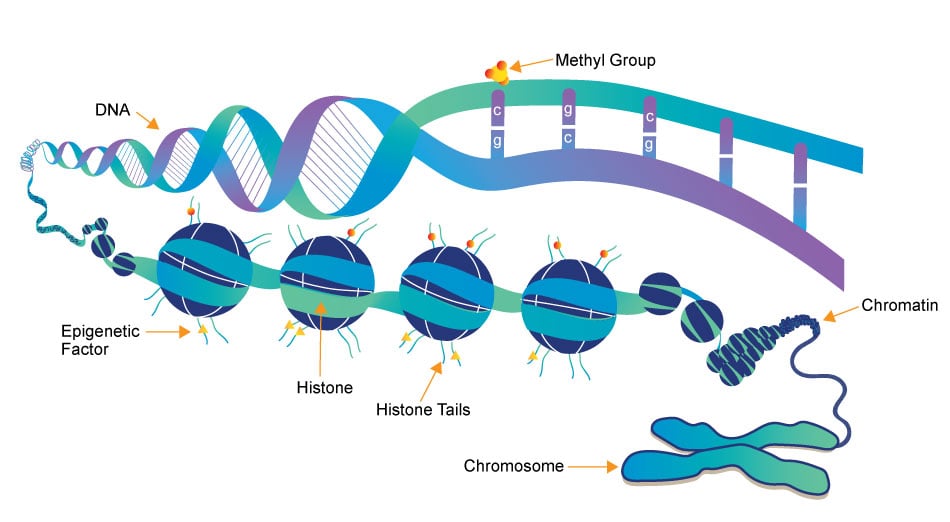
Epigenetics research delves into the molecular mechanisms that control gene expression and cellular traits without altering the underlying DNA sequence. One crucial aspect of this field is the role of small molecules, which act as powerful regulators of epigenetic modifications. These small compounds, typically comprising a few dozen to a few hundred atoms, have emerged as essential tools in understanding and manipulating the epigenome.
- DNA Methylation Inhibitors: Small molecules like 5-azacytidine and 5-aza-2'-deoxycytidine are DNA methyltransferase inhibitors. They block the addition of methyl groups to DNA, leading to DNA demethylation. This can reactivate silenced genes, potentially offering therapeutic avenues for conditions like cancer.
- HDAC inhibitors: HDACs remove acetyl groups from histone proteins, contributing to gene repression. Small molecule HDAC inhibitors, such as Vorinostat and Romidepsin, can reverse this process by increasing histone acetylation, allowing genes to be more accessible for transcription. These inhibitors are being explored for cancer therapy and other conditions.
- Histone Methyltransferase Inhibitors: Small molecules like GSK126 inhibit specific histone methyltransferases, affecting histone methylation patterns. This can alter gene expression, making them promising candidates for cancer and other diseases with epigenetic dysregulation.
- RNA Modulators: Small molecules can also target non-coding RNAs involved in epigenetic regulation. For instance, small molecules called small interfering RNAs (siRNAs) can be designed to target and degrade specific long non-coding RNAs, influencing gene expression.
- Epigenetic Reader Domain Inhibitors: These small molecules target proteins that recognize and bind to specific epigenetic marks. Examples include inhibitors of bromodomain-containing proteins (BET inhibitors), which can disrupt gene regulation by interfering with protein-DNA interactions.
Small molecules in epigenetics research not only provide insights into the fundamental biology of gene regulation but also hold immense promise for developing novel therapeutics. Their ability to selectively modulate specific epigenetic marks and pathways has led to ongoing clinical trials and drug development efforts for various diseases, including cancer, neurological disorders, and inflammatory conditions. Understanding and harnessing the power of these small molecules is at the forefront of modern epigenetics research, offering new hope for precision medicine and targeted therapies.
3 key components involved in the regulation of epigenetic modifications
Epigenetics Writer
Epigenetics writers are enzymes responsible for adding chemical marks or modifications to DNA or histone proteins. These marks include DNA methylation (addition of methyl groups to DNA) and histone modifications (such as acetylation, methylation, phosphorylation, etc.).
Epigenetics Reader
Function: Epigenetics readers are proteins that can recognize and bind to specific epigenetic marks on DNA or histones. These reader proteins interpret the epigenetic code and facilitate downstream cellular processes, such as gene activation or repression.
Epigenetics Eraser
Function: Epigenetics erasers are enzymes responsible for removing or reversing epigenetic marks on DNA or histones. This process allows for the dynamic regulation of gene expression and the resetting of epigenetic states during various stages of development and in response to environmental changes.
-
SIRT6 Inhibitor
SIRT6-IN-3 is a selective inhibitor of SIRT6, exhibiting an IC50 of 7.49 μM. This compound effectively inhibits the proliferation of pancreatic ductal adenocarcinoma (PDAC) cells and promotes apoptosis. Additionally, SIRT6-IN-3 enhances the sensitivity of cancer cells to gemcitabine by obstructing the DNA damage repair pathway, making it a valuable tool in pancreatic cancer research. -
JAK2 Inhibitor
Itacnosertib is a selective inhibitor of JAK2, with an IC50 value of 8540 nM, and it also targets FLT3 and ACVR1 (ALK2) with an IC50 of 8 nM. This compound demonstrates significant anti-leukemic activity, making it valuable for research in hematological malignancies. Itacnosertib is utilized in studies investigating the mechanisms of JAK2-mediated signaling pathways and the development of targeted therapies for related disorders. -
JAK Inhibitor
JAK-IN-39 is a potent inhibitor of the Janus kinase (JAK) family, specifically targeting JAK1, JAK2, and JAK3 with IC50 values of 0.05, 1.18, and 0.03 nM, respectively. This compound effectively reduces the viability of TF-1 cells and inhibits the production of pro-inflammatory cytokines, including TNFα and IFNγ, in vitro. JAK-IN-39 is valuable for research into immune regulation and potential therapeutic applications in inflammatory diseases and hematological malignancies. -
HDAC4 Inhibitor
HDAC-IN-2 is a selective inhibitor of histone deacetylase 4 (HDAC4) with a notable affinity for Class IIa enzymes. This compound is a valuable research tool for the investigation of epigenetic regulation and the modulation of gene expression. It is particularly suitable for high-throughput screening applications and can aid in the development of novel therapeutic strategies targeting HDAC-mediated pathways. -
Natural Product
Curdione, a naturally occurring sesquiterpenoid, exhibits significant anti-platelet aggregation activity and plays a pivotal role in modulating ferroptosis in colorectal cancer through m6A methylation processes involving METTL14 and YTHDF2. This compound is effective in alleviating myocardial infarction-induced oxidative stress via the Keap1/Trx1/GPX4 signaling pathway and mitigating Doxorubicin-induced cardiotoxicity through activation of the Nrf2/HO-1 pathway. Additionally, Curdione demonstrates protective properties against sepsis-induced lung injury, pulmonary fibrosis, and focal cerebral ischemia, while also exhibiting antiproliferative effects against human uterine leiomyosarcoma by targeting IDO1. Its modulation of DNMT1-mediated ERBB4 promoter methylation further supports its vascular protective effects. -
PRMT5 Inhibitor
EPZ015666 is a potent inhibitor of the protein arginine methyltransferase 5 (PRMT5), exhibiting an IC50 of 22 nM. This compound is utilized in research focused on epigenetic regulation and has potential applications in the study of cancer and other diseases associated with aberrant PRMT5 activity. Its selective mode of action makes it a valuable tool for understanding the role of arginine methylation in various biological processes. -
HDAC6 Inhibitor
HDAC6-IN-39 is a potent inhibitor of histone deacetylase 6 (HDAC6) with an IC50 of 0.0096 μM. By selectively targeting HDAC6, this compound modulates protein acetylation levels, influencing various cellular processes including protein aggregation and autophagy. HDAC6-IN-39 is useful in research focused on neurodegenerative diseases, cancer therapy, and the regulation of immune responses. -
HDAC Inhibitor
Martinostat is a hydroxylated dialkylcarbamate compound that functions as a histone deacetylase (HDAC) inhibitor. It exhibits significant biological activity by altering acetylation levels, which can influence gene expression and cellular responses. This reagent has applications in the study of neurological disorders and cancer, as well as potential use in quantitative imaging of HDAC activity in vivo across various tissues, including the central nervous system and major peripheral organs. -
HDAC Inhibitor
YF438 is a potent histone deacetylase (HDAC) inhibitor that exhibits significant anti-cancer activity both in vitro and in vivo. It effectively impedes the growth and metastasis of triple-negative breast cancer (TNBC) cells by disrupting the interaction between HDAC and MDM2, leading to the dissociation of MDM2-MDMX complexes and promoting MDM2 degradation. This compound is valuable for research focused on cancer biology and the development of targeted therapies for aggressive tumor types. -
HDAC inhibitor
KBH-A42 is a potent histone deacetylase (HDAC) inhibitor that exhibits notable anti-inflammatory activity. It effectively reduces TNF-α and nitric oxide (NO) production in LPS-induced murine macrophage RAW 264.7 cells, demonstrating IC50 values of 1.10 µM and 2.71 µM, respectively. This compound is valuable for research applications focused on inflammation and related signaling pathways. -
HDAC Inhibitor
BRD4097 is a potent inhibitor of histone deacetylases (HDACs), particularly targeting HDAC1, 2, and 3. By employing metal chelation and spatial rejection mechanisms, BRD4097 effectively modulates HDAC activity, leading to alterations in gene expression and chromatin structure. This compound is valuable for investigating the role of HDACs in cholesterol metabolism and Niemann-Pick C1 (NPC1) disease models. -
HDAC Inhibitor x
(Rac)-Nanatinostat is a potent histone deacetylase (HDAC) inhibitor, exhibiting an IC50 of <330 nM. This compound demonstrates significant anticancer activity, effectively inhibiting cell growth in various cancer cell lines, including HeLa, U937, and HUT cells. It serves as a valuable tool for researching the role of HDACs in cancer biology and potential therapeutic applications in oncology. -
HDAC Inhibitor
MD 85 is a potent histone deacetylase (HDAC) inhibitor with an EC50 of 5 μM. It effectively modulates epigenetic regulation by inhibiting HDAC activity, which can lead to altered gene expression. MD 85 is primarily utilized in cancer research to explore mechanisms of tumorigenesis and potential therapeutic strategies. -
HDAC8 Inhibitor
J1075 is a selective inhibitor of the histone deacetylase 8 (HDAC8) enzyme in Schistosoma mansoni, exhibiting reduced affinity for human HDAC8. This compound has been shown to induce apoptosis and cell death in schistosome cells. J1075 serves as a valuable tool in the investigation of anti-parasitic agents, contributing to the understanding of therapeutic strategies against schistosomiasis. -
BET/HDAC Inhibitor
TW9 is a potent dual inhibitor that targets bromodomain and extraterminal (BET) proteins and histone deacetylases (HDAC) with KDs of 0.069 μM and 0.231 μM for BRD4(1) and BRD4(2), respectively, and an IC50 of 0.29 μM for HDAC1. This compound is a novel derivative of the BET inhibitor (+)-JQ1 and the class I HDAC inhibitor CI994. TW9 demonstrates significant anti-tumor activity in pancreatic ductal adenocarcinoma (PDAC) and enhances the efficacy of the chemotherapeutic agent Gemcitabine, making it a valuable tool for cancer research applications. -
HDACi
ZYJ-25e is a potent histone deacetylase inhibitor (HDACi) that selectively targets HDAC6 and HDAC8, exhibiting IC50 values of 0.047 μM and 0.139 μM, respectively. As a tetrahydroisoquinoline-bearing hydroxamic acid analogue, ZYJ-25e demonstrates significant antitumor efficacy in the MDA-MB231 xenograft model. This compound is valuable for research applications exploring the role of HDAC inhibition in cancer therapeutics. -
JAK/HDAC Inhibitor
JAK/HDAC-IN-3 is a dual inhibitor targeting Janus kinase (JAK) and histone deacetylases (HDAC). It exhibits potent inhibitory activity with IC50 values of 25.36 nM for JAK2, and 0.2 μM and 0.43 μM for HDAC and HDAC1, respectively. This compound is valuable for investigating the roles of JAK and HDAC pathways in cellular processes and disease models, particularly in cancer and inflammatory research. -
HDAC Inhibitor
J27644 is a potent inhibitor of histone deacetylases (HDACs), demonstrating efficacy in mitigating TGF-β-induced pulmonary fibrosis. This compound not only modulates histone acetylation but also influences cellular pathways associated with fibrosis, making it a valuable tool for studying mechanisms underlying fibrotic diseases. Its unique profile supports research applications aimed at elucidating the role of HDACs in various pathological conditions. -
HDAC Inhibitor
HDAC/BET-IN-1 is a potent inhibitor of histone deacetylases HDAC1 and HDAC6, with IC50 values of 0.163 μM and 0.067 μM, respectively. Additionally, it targets BRD4 with a Ki of 0.076 μM. This compound demonstrates significant antileukemia activity, making it a valuable tool for studying epigenetic regulation and potential therapeutic applications in leukemia research. -
HDAC8/PGNGdacs Inhibitor
NHNB is a selective inhibitor of histone deacetylase 8 (HDAC8) and Peptidoglycan N-acetylglucosamine deacetylases (PGNGdacs), with an IC50 value of 66.0 μM. This compound exhibits significant antibacterial and bactericidal activity against Bacillus anthracis and Bacillus cereus. NHNB is particularly useful in research related to acute myeloid leukemia and infections caused by these pathogenic bacteria. -
HDAC6 Inhibitor
HDAC6-IN-71 is a selective inhibitor of histone deacetylase 6 (HDAC6), exhibiting an IC50 of 13.68 nM for HDAC6 and 443.12 nM for HDAC1. This compound effectively reduces nitric oxide production in mouse macrophages, with an IC50 of 2.31 μM. By inhibiting the HDAC6-NF-κB signaling pathway, HDAC6-IN-71 leads to decreased phosphorylation of IκB-α and IKK-α/β, and downregulates the expression of key inflammatory mediators such as COX-2 and iNOS. Its efficacy has been demonstrated in models of ulcerative colitis, highlighting its potential for therapeutic applications in inflammatory diseases. -
HDAC6 Inhibitor
HDAC6-IN-14 is a selective inhibitor of histone deacetylase 6 (HDAC6), exhibiting an IC50 of 42 nM. This compound demonstrates over 100-fold selectivity against HDAC1, HDAC2, HDAC3, and HDAC4. HDAC6-IN-14 is utilized in research focused on cellular processes related to neurodegenerative diseases, cancer, and immunological responses, making it a valuable tool for studying histone acetylation and its effects on gene expression. -
HDAC Inhibitor
(R)-Dihydrolipoic acid is a selective inhibitor of histone deacetylase 6 (HDAC6). It demonstrates the ability to modulate HDAC6 activity through specific interactions, thereby contributing to the regulation of gene expression and cellular functions. This compound is valuable for research into the interplay between HDAC function and oxidative stress, offering insights into potential therapeutic strategies for conditions linked to epigenetic modifications. -
HDAC Inhibitor
ZG-126 is a potent histone deacetylase (HDAC) inhibitor with an IC50 range of 0.63-67.6 μM, also functioning as an agonist for the vitamin D receptor (VDR). This compound demonstrates significant cytotoxicity against cancer cell lines, including MDA-MB-231 and 4T1. In murine models, ZG-126 exhibits robust antitumor and anti-metastatic effects, particularly in melanoma and triple-negative breast cancer (TNBC). Additionally, it displays anti-inflammatory properties by reducing macrophage infiltration and promoting a shift away from immunosuppressive M2 polarization. -
PD-L1/HDAC6 Inhibitor
PD-L1/HDAC6-IN-1 is a dual inhibitor targeting PD-L1 and HDAC6, effectively disrupting the PD-L1/PD-1 interaction with IC50 values of 26.8 nM and 69 nM, respectively. This compound significantly enhances the cytotoxicity of Jurkat T cells against HepG2 cells with an IC50 of 3.4 μM. Additionally, PD-L1/HDAC6-IN-1 demonstrates favorable pharmacokinetics in rat models, achieving a drug exposure level of 871.62 ng·h/mL, and shows promising antitumor efficacy in B16-F10 xenograft models in mice. -
HDAC6 Inhibitor
HDAC6-IN-64 is a selective inhibitor of histone deacetylase 6 (HDAC6) with an IC50 of 11.9 nM. It demonstrates potent antitumor activity and is particularly relevant in the context of chemotherapy for non-small cell lung cancer (NSCLC) research. Despite its poor cell permeability, HDAC6-IN-64 can provide valuable insights into the role of HDAC6 in cancer biology and potential therapeutic interventions. -
HDAC Inhibitor
HDAC-IN-30 is a potent multi-target histone deacetylase (HDAC) inhibitor, demonstrating strong inhibition of HDAC1 (IC50 = 13.4 nM), HDAC2 (IC50 = 28.0 nM), HDAC3 (IC50 = 9.18 nM), HDAC6 (IC50 = 42.7 nM), and HDAC8 (IC50 = 131 nM). This compound exhibits significant antitumor activity, making it a valuable tool for cancer research and potential therapeutic applications in oncology. Its ability to modulate gene expression through HDAC inhibition positions HDAC-IN-30 as an important reagent in epigenetic studies and cancer treatment research. -
HDAC/CK2 Inhibitor
HDAC/CK2-IN-1 is an inhibitor targeting histone deacetylases HDAC1 and HDAC6, with IC50 values of 1.46 μM and 0.66 μM, respectively, as well as casein kinase 2 (CK2) with an IC50 of 3.67 μM. This compound demonstrates significant antiproliferative effects on various cancer cell lines, including Jurkat, MCF-7, HCT-116, and HL-60. It serves as an important research tool for studying the roles of histone modifications and CK2 in tumor biology and could have potential implications in the development of cancer therapeutics. -
HDAC6 Inhibitor
HDAC6-IN-76 is a selective inhibitor of histone deacetylase 6 (HDAC6) with an IC50 of 12 nM. This compound promotes autophagy and apoptosis in a p53-dependent manner, demonstrating potential therapeutic implications in cancer research. HDAC6-IN-76 exhibits significant anticancer activity, particularly against hematologic malignancies such as acute myeloid leukemia, making it a valuable tool for investigating the role of HDAC6 in cancer biology and treatment strategies. -
A2AAR/HDAC Dual Inhibitor
A2AAR/HDAC-IN-2 is a potent dual inhibitor targeting the adenosine A2A receptor (A2AAR) and histone deacetylase 1 (HDAC1). It demonstrates a strong binding affinity for A2AAR with a Ki value of 10.3 nM and exhibits significant inhibitory activity against HDAC1 with an IC50 of 18.5 nM. This compound is applicable in cancer research, particularly in studies exploring antitumor mechanisms and therapeutic efficacy. -
HDAC6 Inhibitor
HDAC6-IN-60 is a selective inhibitor of histone deacetylase 6 (HDAC6) that is orally active. By inhibiting the enzymatic activity of HDAC6, this compound regulates pathways associated with protein homeostasis and modulates tumor cell proliferation. HDAC6-IN-60 is valuable for investigating the role of HDAC6 in various cancer types and therapeutic applications related to HDAC6-associated malignancies. -
HDAC6/HDAC1 Inhibitor
HDAC6-IN-59 is a selective inhibitor of histone deacetylase 6 (HDAC6) with an IC50 of 3.12 nM and a remarkable 352-fold selectivity over HDAC1. This compound is valuable for investigating the role of HDAC6 in various biological processes and is particularly relevant in esophageal cancer research. Its potency and specificity make HDAC6-IN-59 an important tool for exploring therapeutic strategies targeting HDAC6-related pathways. -
HDAC Inhibitor
HDAC-IN-33 is a potent inhibitor of histone deacetylases (HDACs), exhibiting IC50 values of 24 nM, 46 nM, and 47 nM for HDAC1, HDAC2, and HDAC6, respectively. This compound demonstrates significant antiproliferative activity against various tumor cell lines, contributing to its potential as an anticancer agent. Furthermore, HDAC-IN-33 has shown promising antitumor efficacy in vivo, promoting antitumor immune responses that may enhance its therapeutic potential in cancer research applications. -
HDAC6 Inhibitor
HDAC6-IN-43 is a selective inhibitor of histone deacetylase 6 (HDAC6) with an IC50 value of 11 nM, demonstrating potent activity against other HDACs, including HDAC1 and HDAC2 (IC50 < 150 nM). By inhibiting HDAC6, this compound contributes to the modulation of acetylation processes, which are critical for cellular functions. HDAC6-IN-43 is relevant for research applications in autosomal dominant polycystic kidney disease (ADPKD) and other conditions involving dysregulated histone modification. -
HDAC1/3 Inhibitor
HDAC1/3-IN-1 is a selective inhibitor targeting histone deacetylases HDAC1 and HDAC3, exhibiting IC50 values of 256 nM and 340.3 nM, respectively. This compound has been shown to increase the SubG1 cell population and promote apoptosis in glioma cells and glioblastoma stem cells. HDAC1/3-IN-1 is ideal for research applications focused on investigating glioblastoma and exploring therapeutic strategies for glioma-related disorders. -
pan-HDAC Inhibitor
Quisinostat hydrochloride is a potent pan-HDAC inhibitor, exhibiting IC50 values between 0.11 nM and 0.64 nM for multiple HDAC targets including HDAC1, HDAC2, HDAC4, HDAC10, and HDAC11. This compound demonstrates significant antitumoral activity across various cancer models. Additionally, Quisinostat hydrochloride has been shown to induce autophagy in neuroblastoma cells, making it a valuable tool for research in cancer biology and therapeutic development. -
HDAC/CoREST Inhibitor
Rodin-A is a selective histone deacetylase (HDAC) and CoREST complex inhibitor, demonstrating an IC50 of 1.80 μM for the CoREST complex, 0.15 μM for HDAC1, and 0.43 μM for HDAC2. This orally active compound enhances histone H3K9 acetylation and upregulates neuron-related gene expression, which promotes dendritic spine density and the colocalization of synaptic proteins such as SV2A and PSD95. Additionally, Rodin-A improves hippocampal long-term potentiation, indicating its potential for neuroprotective and restorative applications in research on neurodegenerative diseases, particularly Alzheimer’s disease. -
HDAC Inhibitor
YPX-C-05 is a hydroxamic acid-derived inhibitor of histone deacetylases (HDACs). It demonstrates notable vasodilatory effects while promoting acetylation of histone H4 in endothelial cells. This compound is applicable in hypertension research, providing insights into the mechanisms underlying vascular regulation and potential therapeutic strategies. -
HDAC inhibitor
HDAC-IN-28 is a potent inhibitor of histone deacetylases (HDACs), which play a crucial role in regulating gene expression and cellular function. This compound exhibits significant anti-tumor activity, effectively inhibiting tumor growth and metastasis. HDAC-IN-28 is valuable for research applications focused on cancer biology, epigenetic regulation, and potential therapeutic strategies for malignancies. -
LSD1/HDAC Inhibitor
LSD1/HDAC-IN-1 is a potent inhibitor of histone deacetylases (HDACs) and lysine-specific demethylase 1 (LSD1), demonstrating impressive inhibitory activity with IC50 values of 0.125 nM for HDAC1, 0.373 nM for HDAC2, 0.0118 nM for HDAC6, 0.103 nM for HDAC8, and 0.571 μM for LSD1. This compound is significant in cancer research, as it influences gene expression and histone modification, making it a valuable tool for studies addressing epigenetic regulation and potential therapeutic interventions. -
PROTAC HDAC Degrader
JPS014 is a benzamide-based HDAC degrader designed to engage the Von Hippel-Lindau (VHL) E3 ligase for targeted proteolysis. It effectively degrades class I histone deacetylases (HDAC1 and HDAC2), leading to significant alterations in gene expression profiles and promoting apoptotic pathways in HCT116 cancer cells. This compound is particularly useful for studying the role of HDAC inhibition in cancer biology and elucidating mechanisms of resistance to therapies. -
HDAC1/2 Inhibitor
M122 is a selective inhibitor of histone deacetylases HDAC1 and HDAC2, demonstrating IC50 values of 0.48 μM and 0.47 μM, respectively. This compound exhibits significant antitumor activity, making it a valuable tool for cancer research. Its ability to modulate gene expression through epigenetic mechanisms positions M122 as a potential candidate for studies in cancer therapeutics and epigenetic regulation. -
HDACi
ZYJ-34c is a potent histone deacetylase inhibitor (HDACi) that effectively targets HDAC6 and HDAC8, exhibiting IC50 values of 0.056 μM and 0.146 μM, respectively. At low concentrations, ZYJ-34c induces G1 phase cell cycle arrest and demonstrates significant antiproliferative activity. In preclinical studies, it shows substantial antitumor effects in MDA-MB-231 and HCT116 xenograft models and reveals antimetastatic potential in a mouse hepatoma-22 (H22) pulmonary metastasis model, highlighting its applicability in cancer research. -
HDAC6 Inhibitor
HDAC6-IN-40 is a selective inhibitor of histone deacetylase 6 (HDAC6), demonstrating an IC50 of 0.029 μM. This compound plays a significant role in the regulation of protein acetylation, impacting cellular processes such as stress response and neurodegeneration. It is particularly relevant for research applications focused on cancer, neurodegenerative diseases, and the modulation of immune responses. -
HDAC6 Inhibitor
KT-531 is a potent and selective inhibitor of histone deacetylase 6 (HDAC6), exhibiting an IC50 of 8.5 nM. This compound demonstrates significant cytotoxic activity in SUP-T11 cells, with an IC50 of 0.42 μM. KT-531 is suitable for research applications focused on hematological cancers, enabling the investigation of HDAC6's role in tumor progression and potential therapeutic strategies. -
HDAC Inhibitor
M133 is a selective inhibitor of HDAC1 and HDAC2, demonstrating potent antiproliferative activity against various human tumor cell lines with IC50 values ranging from 0.75 to 1.94 μM. This compound serves as a valuable tool for cancer research, facilitating the investigation of histone deacetylase activity and its implications in tumor biology. -
HDAC Inhibitor
Dihydrochlamydocin analog-1 is a potent histone deacetylase (HDAC) inhibitor that demonstrates significant activity by inhibiting histone H4 peptide deacetylation with an IC50 of 30 nM. This compound is useful for studying the role of HDACs in gene regulation, cellular differentiation, and cancer therapy. It may also serve as a valuable tool in epigenetic research and therapeutic development targeting HDAC-related disorders. -
HDAC Substrate
Z-MAL is a potent HDAC substrate that efficiently targets class I and II histone deacetylases, as well as class III SIRT1. This compound demonstrates significant conversion activity, making it suitable for studies focused on structure-activity relationships, subtype selectivity, and inhibitor screening of histone deacetylases. Z-MAL is an essential tool for advancing research in epigenetics and related biological pathways. -
PD-L1/HDAC Inhibitor
PD-L1/HDAC-IN-1 is a dual inhibitor targeting PD-L1, HDAC2, and HDAC3, with IC50 values of 88.10 nM, 27.98 nM, and 14.47 nM, respectively. This compound effectively disrupts the PD-1/PD-L1 interaction and demonstrates minimal cytotoxicity in MCF-7 cells (IC50=19.34 μM). PD-L1/HDAC-IN-1 enhances the expression of PD-L1 and CXCL10, thereby facilitating an anti-tumor immune response through increased T-cell recruitment into the tumor microenvironment (TME). Its unique mechanism positions it as a valuable tool for research in cancer immunotherapy. -
HDAC Inhibitor
BATCP is an inhibitor of histone deacetylases (HDACs), which play a crucial role in the regulation of gene expression through the removal of acetyl groups from histone proteins. This compound exhibits potent HDAC inhibitory activity, potentially leading to increased acetylation of histones and altered transcriptional outcomes. BATCP is suitable for research applications focusing on epigenetic regulation, cancer biology, and related therapeutic strategies.
