






Epigenetics
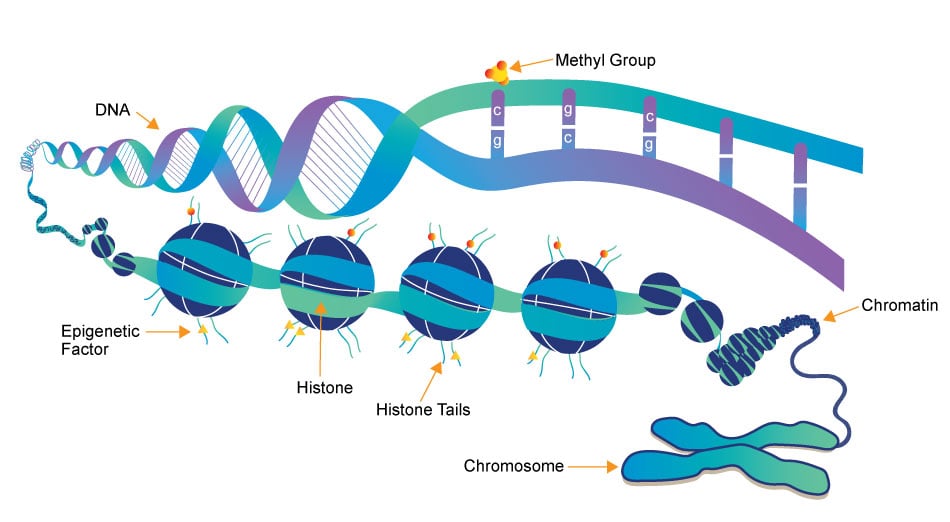
Epigenetics research delves into the molecular mechanisms that control gene expression and cellular traits without altering the underlying DNA sequence. One crucial aspect of this field is the role of small molecules, which act as powerful regulators of epigenetic modifications. These small compounds, typically comprising a few dozen to a few hundred atoms, have emerged as essential tools in understanding and manipulating the epigenome.
- DNA Methylation Inhibitors: Small molecules like 5-azacytidine and 5-aza-2'-deoxycytidine are DNA methyltransferase inhibitors. They block the addition of methyl groups to DNA, leading to DNA demethylation. This can reactivate silenced genes, potentially offering therapeutic avenues for conditions like cancer.
- HDAC inhibitors: HDACs remove acetyl groups from histone proteins, contributing to gene repression. Small molecule HDAC inhibitors, such as Vorinostat and Romidepsin, can reverse this process by increasing histone acetylation, allowing genes to be more accessible for transcription. These inhibitors are being explored for cancer therapy and other conditions.
- Histone Methyltransferase Inhibitors: Small molecules like GSK126 inhibit specific histone methyltransferases, affecting histone methylation patterns. This can alter gene expression, making them promising candidates for cancer and other diseases with epigenetic dysregulation.
- RNA Modulators: Small molecules can also target non-coding RNAs involved in epigenetic regulation. For instance, small molecules called small interfering RNAs (siRNAs) can be designed to target and degrade specific long non-coding RNAs, influencing gene expression.
- Epigenetic Reader Domain Inhibitors: These small molecules target proteins that recognize and bind to specific epigenetic marks. Examples include inhibitors of bromodomain-containing proteins (BET inhibitors), which can disrupt gene regulation by interfering with protein-DNA interactions.
Small molecules in epigenetics research not only provide insights into the fundamental biology of gene regulation but also hold immense promise for developing novel therapeutics. Their ability to selectively modulate specific epigenetic marks and pathways has led to ongoing clinical trials and drug development efforts for various diseases, including cancer, neurological disorders, and inflammatory conditions. Understanding and harnessing the power of these small molecules is at the forefront of modern epigenetics research, offering new hope for precision medicine and targeted therapies.
3 key components involved in the regulation of epigenetic modifications
Epigenetics Writer
Epigenetics writers are enzymes responsible for adding chemical marks or modifications to DNA or histone proteins. These marks include DNA methylation (addition of methyl groups to DNA) and histone modifications (such as acetylation, methylation, phosphorylation, etc.).
Epigenetics Reader
Function: Epigenetics readers are proteins that can recognize and bind to specific epigenetic marks on DNA or histones. These reader proteins interpret the epigenetic code and facilitate downstream cellular processes, such as gene activation or repression.
Epigenetics Eraser
Function: Epigenetics erasers are enzymes responsible for removing or reversing epigenetic marks on DNA or histones. This process allows for the dynamic regulation of gene expression and the resetting of epigenetic states during various stages of development and in response to environmental changes.
-
JAK2 inhibitor
NVP-BSK805 dihydrochloride (BSK805 dihydrochloride) is an ATP-competitive JAK2 inhibitor, with IC50s of 0.48 nM, 31.63 nM, 18.68 nM, and 10.76 nM for JAK2 JH1 (JAK homology 1), JAK1 JH1, JAK3 JH1, and TYK2 JH1, respectively. -
Pim inhibitor
INCB053914 phosphate is an inhibitor of Pim extracted from patent WO 2017044730 A1, compound 1; has an IC50 of less than 35 nM. -
HDAC inhibitor
Givinostat hydrochloride (ITF-2357 hydrochloride) is a HDAC inhibitor with an IC50 of 198 and 157 nM for HDAC1 and HDAC3, respectively. -
HDAC1 and HDAC3 inhibitor
Suberoyl bis-hydroxamic acid (Suberohydroxamic acid; SBHA) is a competitive and cell-permeable HDAC1 and HDAC3 inhibitor with ID50 values of 0.25 μM and 0.30 μM, respectively. -
SIRT1/SIRT3 inhibitor
4'-bromo-Resveratrol is a potent inhibitor of the deacetylases sirtuin 1 (SIRT1) and 3 (SIRT3).
-
HuR-ARE Interaction Inhibitor
CMLD-2 is an inhibitor of the HuR-ARE interaction that competitively binds to the HuR protein, disrupting its binding to adenine-uridine rich elements (ARE) within mRNAs (Ki=350 nM). This compound induces apoptosis and exhibits notable antitumor activity across various cancer cell lines, including colon, pancreatic, thyroid, and lung cancers. HuR (Hu antigen R) is a critical RNA-binding protein involved in the regulation of mRNA stability and translation, making CMLD-2 a valuable tool for studying post-transcriptional regulation in cancer research. -
METTL3 Inhibitor
METTL3-IN-9 is an inhibitor of the methyltransferase-like protein METTL3, which functions as an RNA methyltransferase to catalyze the N6-methyladenosine (m6A) modification of mRNA in eukaryotic cells. This compound demonstrates significant biological activity in regulating gene expression through m6A modification. METTL3-IN-9 is essential for research applications focused on RNA biology, epitranscriptomics, and the study of mRNA modifications. -
METTL3-METTL14 Inhibitor
STM2120 is a selective inhibitor of the METTL3-METTL14 complex, exhibiting an IC50 of 64.5 μM. This compound disrupts the methyltransferase activity of METTL3, impacting RNA methylation processes. STM2120 is valuable for investigating the roles of RNA modifications in cellular functions and disease mechanisms, particularly in cancer research. -
METTL3 Inhibitor
UZH2 is a potent and selective inhibitor of the METTL3 enzyme, demonstrating an IC50 value of 5 nM. This compound is crucial for research focusing on mRNA methylation and epitranscriptomics, providing insights into gene regulation and potential therapeutic targets in various diseases. UZH2 is ideal for studies investigating the role of METTL3 in cellular processes and its implications in cancer biology. -
METTL3 Inhibitor
STC-15 is a selective inhibitor of the RNA methyltransferase METTL3, known for its potential in modulating anti-tumor immunity and altering the tumor microenvironment. By inhibiting METTL3, STC-15 enhances anti-cancer immune responses through increased interferon signaling and shows synergy with T-cell checkpoint blockade. This compound is relevant for research in proliferative diseases, including various forms of cancer and autoimmune disorders. -
METTL3 Inhibitor
STM3006 is a highly potent and selective inhibitor of METTL3, exhibiting an IC50 of 5 nM. This compound reduces m6A methylation levels, promotes double-stranded RNA formation, and triggers a cell-intrinsic interferon response, thereby enhancing T cell-mediated tumor cell elimination. STM3006 demonstrates significant anti-tumor activity and shows improved efficacy when combined with anti-PD-1 immunotherapy, making it a valuable tool for cancer research and therapeutic development. -
METTL3 Inhibitor
EP652 is a potent METTL3 inhibitor, demonstrating an IC50 of 2 nM in the SPA assay, with additional IC50 values of less than 10 nM and 37 nM in intracellular and ATPlite assays, respectively. This compound is essential for research related to liquid and solid tumors, providing a valuable tool for investigating the role of METTL3 in cancer biology and therapeutic development. -
METTL3 Inhibitor
METTL3-IN-8 is a potent inhibitor of the methyltransferase METTL3. This compound significantly alleviates colitis induced by Dextran sulfate sodium salt (DSS), highlighting its potential application in the study of inflammatory bowel disease (IBD). METTL3-IN-8 serves as a valuable tool for research aimed at understanding the mechanistic role of METTL3 in IBD and related inflammatory conditions. -
Hu Antigen R Inhibitor
KH-3 is an effective inhibitor of the RNA-binding protein Hu antigen R (HuR), exhibiting an IC50 value of 0.35 μM. This compound demonstrates notable anti-proliferative activity and is capable of suppressing breast cancer cell invasion. Additionally, KH-3 delays the initiation of lung colonies by disrupting the interaction between HuR and FOXQ1 mRNA, making it a valuable tool for research in cancer biology. -
SIRT2 Inhibitor
SIRT2-IN-8 is a selective inhibitor of SIRT2 (Sirtuin 2), a member of the sirtuin family of proteins implicated in various cellular processes. This compound exhibits strong inhibition of SIRT2 activity, making it a valuable tool for investigating the role of SIRT2 in neurodegenerative diseases, particularly Huntington's and Parkinson's diseases. Its use in research can contribute to a better understanding of the molecular mechanisms underlying these conditions and aid in the development of therapeutic strategies. -
HDAC Inhibitor
HC-Toxin is a potent histone deacetylase (HDAC) inhibitor with an IC50 of 30 nM. This cyclic tetrapeptide effectively induces apoptosis in tumor cells, demonstrating significant anticancer activity. Its mechanism of action makes it valuable for research in cancer therapy and the modulation of gene expression. -
SIRT Inhibitor
Nicotinamide is a form of vitamin B3 or niacin. Nicotinamide Hydrochloride inhibits SIRT2 activity (IC50: 2 μM). Nicotinamide also inhibits SIRT1. Nicotinamide increases cellular NAD+, ATP, ROS levels. Nicotinamide inhibits tumor growth and improves survival. Nicotinamide also has anti-HBV activity. -
PTPN1/PTPN2 Inhibitor
Osunprotafib (ABBV-CLS-484) is an orally active and selective active site PTPN1 (IC50: 2.5 nM) and PTPN2(IC50: 1.8 nM) inhibitor. Osunprotafib has 6-8-fold weaker activity on PTPN9 and no detectable activity on SHP-1 or SHP-2. Osunprotafib increases the sensitivity of human cancer cell lines to IFNγ. Osunprotafib generates robust anti-tumor immunity by enhancing JAK-STAT signalling and reducing T cell dysfunction. -
PDE Inhibitor
Theophylline, a potent phosphodiesterase (PDE) inhibitor, primarily targets PDE3, leading to relaxation of airway smooth muscle and enhanced bronchodilation. This compound also functions as an adenosine receptor antagonist and exhibits anti-inflammatory properties by elevating IL-10 levels and inhibiting NF-κB translocation into the nucleus. Additionally, Theophylline has been shown to induce apoptosis in certain cell types. Its applications are particularly relevant in the research of asthma and chronic obstructive pulmonary disease (COPD). -
DNA Methyltransferase Inhibitor
γ-Oryzanol is an effective inhibitor of DNA methyltransferases (DNMTs) with a primary focus on DNMT1 and DNMT3a. It demonstrates significant inhibitory activity, with an IC50 of 3.2 μM for DNMT1 and 22.3 μM for DNMT3a. This compound has important implications for epigenetic research and may be useful in studies exploring gene expression regulation and potential therapeutic applications in cancer and other diseases associated with aberrant DNA methylation. -
PIM2 Inhibitor
JP-11646 is a potent pan-PIM inhibitor specifically targeting PIM2 with an IC50 of 0.5 nM. This reversible, ATP non-competitive inhibitor significantly reduces the mRNA levels of PIM1, PIM2, and PIM3. JP-11646 has demonstrated efficacy in inhibiting cell viability in small cell lung cancer (SCLC) and large cell neuroendocrine carcinomas of the lung (LCNEC), leading to apoptosis or necroptosis through decreased p-4EBP-1 and altered caspase activity. This reagent is valuable for research applications in SCLC, LCNEC, acute myeloid leukemia (AML), multiple myeloma (MM), and triple-negative breast cancer (TNBC). -
PIM-1/2 Inhibitor
Pim-1 kinase inhibitor 10 is a selective inhibitor of PIM-1 and PIM-2 kinases, functioning through both competitive and non-competitive mechanisms. This compound effectively induces apoptosis in cancer cells, demonstrating significant anticancer activity. Additionally, Pim-1 kinase inhibitor 10 activates caspase 3 and 7, further contributing to its potential as a therapeutic agent in cancer research. -
HDAC3 Inhibitor
HDAC3-IN-2 is a potent inhibitor of histone deacetylase 3 (HDAC3), with an IC50 value of 14 nM. This pyrazinyl hydrazide compound exhibits cytotoxicity against triple-negative breast cancer cell lines, demonstrating an IC50 of 0.55 μM for 4T1 cells and 0.74 μM for MDA-MB-231 cells. In in vivo studies using tumor-bearing mouse models, HDAC3-IN-2 effectively enhances histone acetylation levels at H3K9, H3K27, and H4K12 while promoting apoptosis through increased caspase-3, caspase-7, and cytochrome c levels, alongside a decrease in proliferation markers such as Bcl-2, CD44, EGFR, and Ki-67. -
PARP1 Inhibitor
PARP-1-IN-2 is a potent inhibitor of PARP1, exhibiting an IC50 value of 149 nM. This compound demonstrates significant anti-proliferative effects on the A549 human lung adenocarcinoma epithelial cell line and induces apoptosis in these cells. Its favorable ADME profile suggests high permeability across the blood-brain barrier, making it a valuable tool for research in cancer biology and therapeutic applications targeting PARP1-related pathways. -
JAK-STAT Inhibitor
WP-1034 is a selective JAK-STAT inhibitor that exhibits pro-apoptotic and antileukemic properties, particularly in acute myeloid leukemia (AML) models. By blocking the activation of Stat 3 and Stat 5, WP-1034 effectively induces cell cycle arrest and triggers apoptosis in affected cells. This reagent is valuable for research focused on understanding the mechanisms and therapeutic avenues in AML. -
KDM1/CDK1 Inhibitor
KDM1/CDK1-IN-1 is a potent inhibitor of both KDM1 and CDK1, exhibiting IC50 values of 0.096 μM and 0.078 μM, respectively. This compound effectively induces cell cycle arrest at the G2/M phase and promotes apoptosis in HOP-92 cancer cells. Additionally, KDM1/CDK1-IN-1 demonstrates significant cytotoxic effects against a range of cell lines, including CCRF-CEM, HOP-92, and Hep-G2, with IC50 values of 16.34 μM, 3.45 μM, and 7.79 μM, respectively. Its ability to target critical regulators of the cell cycle makes KDM1/CDK1-IN-1 valuable for cancer research applications. -
PARP1 Inhibitor
4,4′-Secalonic acid D is a potent inhibitor of PARP1, a key enzyme in the DNA repair pathway. This compound promotes the accumulation of reactive oxygen species (ROS) and DNA damage, leading to the activation of the caspase-3/GSDME pathway, which triggers apoptosis and pyroptosis in tumor cells. 4,4′-Secalonic acid D exhibits significant anti-tumor activity, making it a valuable tool for cancer research and therapeutic investigations. -
HDAC1/6 Inhibitor
HDAC1/6-IN-3 is a potent inhibitor of histone deacetylases 1 and 6 (HDAC1 and HDAC6). It demonstrates strong inhibitory activity, with IC50 values of 1.1 nM for HDAC1 and 2.7 nM for HDAC6. This compound effectively induces cell cycle arrest in the G0/G1 phase and promotes both apoptosis and pyroptosis in HepG2 cells. Additionally, HDAC1/6-IN-3 exhibits significant antitumor effects in the HepG2 xenograft model and is valuable for research focused on various types of cancer, including liver, lung, colon, and breast cancers. -
PARP-1 Inhibitor
PARP-1-IN-3 is a potent inhibitor of PARP-1, with IC50 values of 0.25 nM for PARP-1 and 2.34 nM for PARP-2. This benzamide derivative effectively induces apoptosis and leads to G2/M phase cell cycle arrest. PARP-1-IN-3 is valuable for research applications focused on cancer mechanisms and therapeutic strategies. -
LSD1/ DCN1-UBC12 Protein-Protein Interaction Inhibitor
WS-384 is a dual inhibitor targeting LSD1 and the DCN1-UBC12 protein-protein interaction, demonstrating IC50 values of 338.79 nM and 14.81 nM, respectively. This compound exhibits significant anticancer activity, facilitating cell cycle arrest, DNA damage, and apoptosis in cancer cells. WS-384 serves as a valuable tool for research into non-small cell lung cancer (NSCLC) and other related malignancies. -
histone acetyltransferase Gcn5 inhibitor
Butyrolactone 3 (MB-3) is a specific small-molecule inhibitor of the histone acetyltransferase Gcn5, exhibiting an IC₅₀ of 100 μM and binding affinity comparable to that of its natural substrate, histone H3. It displays weak inhibitory activity against CBP (IC₅₀ = 0.5 mM), indicating high selectivity for Gcn5. By modulating histone acetylation and epigenetic regulation, Butyrolactone 3 serves as a valuable research tool for exploring the roles of Gcn5 in cancer, metabolic disorders, autoimmune diseases, and neurological conditions. -
KDM4D Inhibitor
Zavondemstat (QC8222; TACH 101) is an inhibitor of histone lysine demethylase 4D (KDM4D) with demonstrated antineoplastic activity. It is under investigation for its potential use in cancer therapy by targeting epigenetic regulation mechanisms. -
HDAC inhibitor
Nullscript is an inactive analog of Scriptaid and serves as a negative control for Scriptaid, a representative histone deacetylase (HDAC) inhibitor. Despite its inactivity as an HDAC inhibitor, Nullscript inhibits the growth of *Cryptosporidium parvum* with an IC₅₀ value of 2.1 μM. -
SMARCA4/SMARCA2 ATPase inhibitor
FHD-286 is a selective, orally active inhibitor of the SMARCA4/SMARCA2 (BRG1/BRM) ATPase. It holds potential for research into BAF (BRG1/BRM-associated factor)-related disorders, including acute myeloid leukemia. -
p300/CBP inhibitor
NEO2734 (EP31670) is an orally active dual inhibitor of p300/CBP and BET bromodomains, with IC₅₀ values of <30 nM for both targets. It is effective in both SPOP-mutant and wild-type prostate cancer models. -
SMARCA4/SMARCA2 ATPase Inhibitor
FHT-1015 is a selective allosteric inhibitor of SMARCA4 (BRG1) and SMARCA2 (BRM), with IC₅₀ values of 4 nM and 5 nM, respectively. It binds to an allosteric site, inducing conformational changes that inhibit the ATPase activity of BRG1/BRM. FHT-1015 disrupts tumor cell growth and migration and is applicable in research on uveal melanoma and hematologic malignancies. -
ATAD2 bromodomain inhibitor
GSK8814 is a potent and selective chemical probe and inhibitor of the ATAD2 bromodomain, with an IC₅₀ of 0.059 μM, a pK\_d of 8.1, and a pK\_i of 8.9 in BROMOscan. It binds to ATAD2 and BRD4 BD1 with pIC₅₀ values of 7.3 and 4.6, respectively, demonstrating over 500-fold selectivity for ATAD2. GSK8814 is suitable for research in cancers associated with ATAD2 bromodomain activity. -
Menin inhibitor
BN-104 (BNM-1192) is an orally active and selective brain-penetrant menin inhibitor that disrupts the menin-MLL interaction, leading to degradation of the menin protein. It exhibits antitumor activity and is applicable in cancer research, including studies on acute myeloid leukemia. BN-104 is a weak hERG inhibitor, with an IC₅₀ greater than 100 μM. -
Menin inhibitor
Enzomenib is an inhibitor of menin, a protein encoded by the multiple endocrine neoplasia (MEN) gene. It disrupts the interaction between menin and mixed lineage leukemia (MLL) fusion proteins and is applicable in the study of hematological malignancies. -
BET/EP300 inhibitor
XP-524 is a potent dual inhibitor of BET and EP300, exhibiting strong antitumor activity in vivo. It prevents KRAS-induced neoplastic transformation and prolongs survival in two transgenic mouse models of aggressive pancreatic ductal adenocarcinoma (PDAC). XP-524 also enhances self-peptide presentation and promotes tumor infiltration by cytotoxic T lymphocytes, supporting its potential for PDAC research. -
CBP/p300 inhibitor
CBP/p300-IN-8 is a potent inhibitor of the CBP/p300 family of bromodomains, with an IC₅₀ of 0.01–0.1 µM for CBP. It also inhibits BRD4 activity with significantly lower potency (IC₅₀ = 1–1000 µM). -
p300/CBP inhibitor
CBP/p300-IN-12 is a potent and selective covalent inhibitor of the histone acetyltransferases p300 and CBP, with an IC₅₀ of 166 nM for p300. It reduces H3K27Ac levels in PC-3 cells with an EC₅₀ of 37 nM and forms a covalent adduct with cysteine residue C1450. -
BRD4/NAMPT inhibitor
BRD4/NAMPT-IN-1 (Compound A2) is a dual inhibitor of NAMPT and BRD4, with IC₅₀ values of 35 nM and 58 nM, respectively. It suppresses the growth and migration of hepatocellular carcinoma cells and induces apoptosis. In the HCCLM3 xenograft mouse model, BRD4/NAMPT-IN-1 exhibits potent anticancer activity without apparent toxicity. -
BET BD1 inhibitor
LT052 is a highly selective BET BD1 inhibitor with an IC₅₀ of 87.7 nM. It demonstrates nanomolar potency against BRD4 BD1 and exhibits 138-fold selectivity over BRD4 BD2 (IC₅₀ = 12.130 μM). LT052 possesses anti-inflammatory activity and is applicable in acute gout arthritis research.
