






-
Androgen Receptor Antagonist
RU 56279 is a potent androgen receptor (AR) antagonist that exhibits strong systemic anti-androgenic activity. As a significant metabolite of RU 56187 and RU 58841, it serves as a valuable tool for constructing AR-targeted prodrug systems. RU 56279 is applicable in research focused on AR-positive tumor cells, facilitating studies of AR signaling pathways and potential therapeutic interventions. -
CYP11A1 Inhibitor
CYP11A1-IN-1 is an inhibitor of cytochrome P450 11A1 (CYP11A1), exhibiting an IC50 range of 201-2000 nM. This compound is valuable for research focusing on steroid hormone synthesis and the role of androgens in diseases such as prostate cancer. It offers potential applications in studies related to androgen receptor-dependent pathways and their therapeutic implications. -
Androgen Receptor Antagonist
N-Desmethyl-Apalutamide is an active metabolite of Apalutamide, primarily functioning as an androgen receptor antagonist. This compound exhibits moderate potency in inhibiting androgen receptor activity and accounts for approximately one-third of the pharmacological effect of its parent compound. N-Desmethyl-Apalutamide is predominantly metabolized by CYP2C8 and CYP3A4 enzymes, while also serving as a moderate to strong inducer of CYP3A4 and CYP2B6. Its high plasma protein-binding capacity further enhances its utility in research applications related to androgen receptor modulation and therapeutic exploration in prostate cancer treatment. -
Flutamide Metabolite
Flu-6 is a metabolite of Flutamide, primarily targeting androgen receptors. It is generated in the liver through the action of NADPH: cytochrome P450 reductase (CPR). Flu-6 exhibits significant biological activity in inhibiting the progression of prostate cancer, making it a valuable reagent for research in oncology and drug metabolism studies. -
Stable Isotope
Abiraterone acetate-d4 is the deuterium-labeled form of Abiraterone acetate, a potent and selective irreversible inhibitor of CYP17A1 with notable antiandrogen activity. This stable isotope is utilized in various biological research applications, including pharmacokinetic studies and metabolic profiling, allowing for precise tracking of the compound's fate in biological systems. As a proagent of Abiraterone, it provides valuable insights into androgen receptor signaling pathways and related therapeutic interventions. -
ERα Degrader
ERα degrader 6 (Compound 31q) is a selective degrader of estrogen receptor alpha (ERα), exhibiting a binding affinity (KI) of 75 nM. It also demonstrates impressive inhibitory activity against aromatase (ARO) with an IC50 of 37.7 nM. This compound has been shown to effectively inhibit tumor growth in the MCF-7 tumor xenograft model, making it a valuable tool for breast cancer research and therapeutic studies. -
3βHSD1 Inhibitor
3βHSD1-IN-1 is a potent inhibitor of 3β-hydroxysteroid dehydrogenase 1 (3βHSD1), demonstrating an IC50 value of 55 nM. This compound effectively suppresses androgen receptor activity, making it a valuable tool for the investigation of androgen-dependent processes. 3βHSD1-IN-1 is applicable in research related to prostate cancer and other disorders linked to steroid hormone metabolism. -
Steroid Anti-androgen Agent
Osaterone acetate is an orally active steroid anti-androgen agent that primarily targets the androgen receptor. It acts as a competitive antagonist and inhibits 5α-reductase, leading to decreased levels of dihydrotestosterone (DHT) and mitigating the proliferative effects of both testosterone and DHT on prostate cells. This compound is predominantly used for the treatment of benign prostatic hyperplasia (BPH) in dogs, providing rapid symptom relief while preserving the fertility of breeding animals. -
testosterone 5α-reductase Inhibitor, 5α-dihydrotestosterone receptor Inhibitor
Kushenol Q is an inhibitor of testosterone 5α-reductase and the 5α-dihydrotestosterone receptor. This compound demonstrates significant biological activity in modulating androgen signaling pathways, making it useful in studies related to hormone-related disorders. Additionally, Kushenol Q exhibits antibacterial properties against Gram-positive bacteria, indicating its potential in antimicrobial research applications. -
5 alpha Reductase Inhibitor
12-O-Methylcarnosic acid is a potent inhibitor of 5 alpha reductase, exhibiting an IC50 value of 61.7 μM. Isolated from the acetone extract of Salvia microphylla, this diterpene demonstrates significant anti-proliferative effects in LNCaP prostate cancer cells. In addition to its role in cancer research, 12-O-Methylcarnosic acid also possesses antioxidant and antimicrobial properties, making it a valuable reagent for various biological studies. -
5α-Reductase Inhibitor
Lapisteride is a potent 5α-reductase inhibitor, demonstrating efficacy in the modulation of androgen metabolism. This compound effectively inhibits 5α-reductase activity within hair follicles, making it a valuable tool for investigating prostatic hyperplasia and androgenic alopecia. Its applications extend to research aimed at understanding androgen-related disorders and developing targeted therapies. -
5-Alpha Reductase Inhibitor
CGP-53153 is a steroidal inhibitor of 5-alpha reductase, exhibiting IC50 values of 36 nM in rat prostatic tissue and 262 nM in human prostatic tissue. This compound is primarily utilized in research to investigate the inhibition of 5-alpha reductase, which plays a crucial role in androgen metabolism. Its biological activity makes it a valuable tool for studying conditions related to androgen levels, such as benign prostatic hyperplasia and prostate cancer. -
5α-Reductase Inhibitor
Izonsteride is a potent inhibitor of 5α-reductase, demonstrating IC50 values of 11.6 nM for type I and 7.37 nM for type II isoforms. By hindering the enzyme responsible for converting testosterone to dihydrotestosterone, Izonsteride effectively reduces androgenic activity. This compound has been shown to significantly inhibit the growth of LNCaP tumors in thymic mice, indicating its potential as a therapeutic agent in prostate cancer research, with minimal host toxicity observed. -
5 alpha Reductase Inhibitor
MK 386 is a selective inhibitor of 5-alpha reductase type I, which plays a critical role in the metabolism of testosterone into dihydrotestosterone (DHT). By inhibiting this enzyme, MK 386 is utilized in research focused on prostate cancer treatment and hormone-related disorders. Its specificity for 5-alpha reductase I makes it a valuable tool for studying the effects of DHT modulation on cellular and molecular pathways associated with prostate cancer progression. -
Steroid 5α-Reductase Inhibitor
8,11-Eicosadiynoic acid is a steroid 5α-reductase inhibitor that exhibits potent biological activity in the modulation of androgen metabolism. This unsaturated fatty acid is primarily utilized in research related to acne and other androgen-mediated conditions. Its ability to inhibit 5α-reductase makes it a valuable tool for investigating pathways involved in sebaceous gland function and acne pathology. -
5α-reductase Inhibitor
Bexlosteride is a benzoquinolinone that acts as a specific inhibitor of human type I 5α-reductase. It exhibits significant metabolic inhibitory, antiproliferative, and antisecretory effects in LNCaP human prostatic adenocarcinoma cell cultures. This compound is valuable for research focused on prostate cancer, providing insights into the modulation of androgen pathways and potential therapeutic interventions. -
Androgen Receptor Modulator
MK-4541 is a selective androgen receptor modulator (SARM) that functions primarily as an antagonist to inhibit 5α-reductase activity. This compound demonstrates potent anti-proliferative effects and induces apoptosis in androgen receptor-positive prostate cancer cells. In preclinical studies, MK-4541 significantly inhibited the growth of R3327-G prostate tumors in a xenograft mouse model, highlighting its potential for targeted prostate cancer therapy. -
5alpha-reductase 1 Inhibitor
AS-601811 is a potent inhibitor of 5α-reductase 1, demonstrating an IC50 of 20 nM. This compound is valuable for investigating conditions such as alopecia and hirsutism by modulating androgen metabolism. Its specificity for 5α-reductase 1 makes it an essential tool for research into related endocrine and dermatological disorders. -
5 alpha Reductase Inhibitor
ONO-3805 is a non-steroidal 5α-reductase inhibitor that selectively targets the enzyme responsible for converting testosterone to dihydrotestosterone. It exhibits potential therapeutic benefits in the management of benign prostatic hyperplasia and may contribute to the reduction of associated symptoms. This compound is primarily utilized in endocrine-related research and studies focusing on androgen modulation in prostatic disorders. -
Human Type I 5α-Reductase Inhibitor
LY191704 is a selective, nonsteroidal inhibitor of human type I 5α-reductase, exhibiting noncompetitive inhibition. This compound, a racemic mixture of LY300502 and LY300503, demonstrates potent activity in modulating the enzymatic conversion of testosterone to dihydrotestosterone (DHT). LY191704 is valuable for investigating human endocrine disorders linked to elevated DHT levels, offering insights into potential therapeutic approaches for conditions such as androgenetic alopecia and benign prostatic hyperplasia. -
5 alpha Reductase Inhibitor
L-751788 is a selective inhibitor of type I 5α-reductase, a key enzyme involved in steroid metabolism. This compound demonstrates significant potential in reducing dihydrotestosterone levels without adversely affecting fetal external genitalia, as evidenced by studies conducted in pregnant rhesus monkeys. L-751788 is valuable for research applications investigating disorders of androgen metabolism and related therapeutic interventions. -
5α-reductase Activator
Glutamic acid-alanine-glycine mixture serves as an activator of testosterone 5α-reductase, enhancing its enzymatic activity and promoting prostate function through elevated free amino acid levels. This compound demonstrates a complex interaction with testosterone and estradiol, as it inhibits 5α-reductase activity in combination, leading to decreased free amino acids. The mixture is valuable for research into prostate health and endocrine disorders, providing insights into regulatory mechanisms of steroid metabolism. -
5a-reductase Inhibitor
(15α)-15,26-Dihydroxylanosta-7,9(11),24-trien-3-one is a potent inhibitor of 5α-reductase, exhibiting an IC50 value of 41.9 μM. This compound effectively inhibits testosterone-induced growth in the ventral prostate of rat models. It holds potential for research applications focused on benign prostatic hyperplasia (BPH) and other conditions linked to 5α-dihydrotestosterone (DHT), including acne and male pattern baldness. -
5 alpha-Reductase Inhibitor
Turosteride is a selective inhibitor of 5 alpha-reductase, demonstrating IC50 values of 55 nM and 53 nM for human and rat prostatic enzymes, respectively. This compound effectively reduces prostate and seminal vesicle weights, making it valuable in research related to benign prostatic hyperplasia and androgenic activity modulation. Turosteride can be instrumental in studies investigating the role of 5 alpha-reductase in prostatic diseases and hormone regulation. -
Steroid 5α-Reductase Inhibitor
MK-0434 is an orally active inhibitor of steroid 5α-reductase, acting primarily to inhibit the conversion of testosterone into dihydrotestosterone (DHT). By reducing DHT levels, MK-0434 plays a significant role in the investigation of benign prostatic hyperplasia and other androgen-mediated conditions. This compound serves as a useful tool for researchers studying the hormonal pathways involved in prostate health and related disorders. -
5α-reductase Inhibitor
MK-0963 is a steroidal inhibitor of 5α-reductase, effectively reducing serum dihydrotestosterone (DHT) levels in a dose-dependent manner. This compound is valuable for studying dihydrotestosterone-related conditions, including benign prostatic hyperplasia (BPH). Its ability to modulate DHT concentrations makes MK-0963 a significant tool in research aimed at understanding and treating disorders associated with androgen metabolism. -
5α-Reductase Inhibitor
FR-146687 is a selective and orally bioavailable inhibitor of 5α-reductase, demonstrating IC50 values of 1.7 nM and 4.6 nM for rat and human enzymes, respectively. This compound exhibits specific inhibitory activity without affecting other steroid oxidoreductases. FR-146687 is utilized in research focused on disorders related to androgen metabolism and can aid in the development of therapeutic interventions targeting 5α-reductase-related pathways. -
5 alpha Reductase Inhibitor
5α-reductase-IN-1 is a potent inhibitor of 5α-reductase, an enzyme implicated in androgen metabolism. This compound is primarily utilized in research focused on androgenetic alopecia and may be investigated in conjunction with minoxidil to explore synergistic effects in hair regrowth studies. Its role in modulating testosterone derivatives offers valuable insights into potential therapeutic strategies for hair loss disorders. -
ER Degrader
ER Degrader 10 is a selective orally active degrader and antagonist of the estrogen receptor (ER), demonstrating a DC50 of 0.43 nM and an IC50 of 0.56 nM. This compound effectively inhibits the proliferation of ER-positive cancer cells, with IC50 values ranging from 0 to 15 nM. While it shows minimal inhibitory activity against the hERG channel (IC50 > 40 μM), ER Degrader 10 is capable of crossing the blood-brain barrier, with a brain/plasma ratio of 3.05. Additionally, it has demonstrated significant antitumor efficacy in mouse models, making it a valuable tool for cancer research. -
Mineralocorticoid Receptor Antagonist
Finerenone is a selective nonsteroidal mineralocorticoid receptor (MR) antagonist with a reported IC50 of 18 nM. It demonstrates high selectivity against glucocorticoid, androgen, and progesterone receptors, with over 500-fold preference. Finerenone is relevant for researching therapeutic interventions in cardiorenal diseases, particularly in the context of type 2 diabetes mellitus and chronic kidney disease. -
Mineralocorticoid Receptor Modulator
Balcinrenone (AZD9977) is a selective, orally active modulator of the mineralocorticoid receptor (MR). It demonstrates significant biological activity in the context of heart failure and chronic kidney disease research. This compound is primarily utilized in studies investigating MR-related pathways and their implications in cardiovascular and renal health. -
Corticosteroid Receptor Antagonist
Ocedurenone is a corticosteroid receptor antagonist, primarily targeting the glucocorticoid receptor. This compound exhibits significant biological activity by inhibiting corticosteroid signaling pathways, making it a valuable tool for research applications related to kidney disease and other corticosteroid-mediated disorders. Its utility in investigating the role of corticosteroids in various pathophysiological conditions renders Ocedurenone a critical reagent for scientific studies. -
Finerenone Racemate
(Rac)-Finerenone is a racemate of the selective, orally bioavailable nonsteroidal mineralocorticoid receptor (MR) antagonist, exhibiting an IC50 value of 18 nM. This compound demonstrates significant selectivity over glucocorticoid receptors (GR), androgen receptors (AR), and progesterone receptors, with a selective ratio exceeding 500-fold. (Rac)-Finerenone is utilized in research applications focused on cardiovascular and renal health, and is being investigated for its potential therapeutic benefits in managing disorders related to mineralocorticoid receptor activation. -
Mineralocorticoid Receptor Modulator
Felodipine 3,5-Dimethyl Ester is a dihydropyridine derivative functioning primarily as a mineralocorticoid receptor modulator and a selective inhibitor of the voltage-dependent L-type calcium channel CaV1.2. This compound exhibits significant pharmacological activity by affecting calcium ion flux, which plays a crucial role in cardiovascular and renal physiology. Its applications extend to research in hypertension, heart failure, and other cardiovascular disorders related to calcium channel dysregulation. -
Mineralocorticoid Receptor Antagonists
RU 26752 is a mineralocorticoid receptor antagonist that modulates the activity of steroid hormone receptors. It effectively inhibits hypertension induced by aldosterone in preclinical models, making it a valuable tool for studying cardiovascular diseases and related conditions. This compound is useful for researchers investigating the role of mineralocorticoid receptors in hypertension and its pathophysiological mechanisms. -
Mineralocorticoid Receptor Control
21-Hydroxyeplerenone is a major metabolite of the mineralocorticoid receptor antagonist Eplerenone, produced through the action of the cytochrome P450 isoform CYP3A4. As a potent mineralocorticoid receptor modulator, it plays a crucial role in regulating blood pressure and electrolyte balance. This compound is useful for research focused on cardiovascular health, renal function, and the therapeutic potential of mineralocorticoid receptor antagonism. -
Mineralocorticoid Receptors Antagonist
RU 752 is a potent antagonist of mineralocorticoid receptors (MR). It effectively binds to these receptors, inhibiting their activity and modulating mineralocorticoid signaling pathways. This compound has significant potential in research applications related to cardiovascular diseases, hypertension, and disorders associated with excessive mineralocorticoid activity. -
Mineralocorticoid Receptor Antagonist
Dicirenone is a mineralocorticoid receptor antagonist that inhibits the actions of aldosterone. It effectively reduces urinary potassium to sodium ratios and impedes the binding of [3H]aldosterone to renal cytoplasmic and nuclear receptors. This compound is utilized in research related to hypertension, heart failure, and electrolyte balance. -
Aromatase Inhibitor/AR Agonist
17β-Hydroxy exemestane is an aromatase inhibitor and androgen receptor (AR) agonist with an IC50 of 69 nM and 39.6 nM, respectively. This compound exhibits selective binding towards the AR compared to estrogen receptor α (ERα), demonstrating an IC50 of 21.2 μM. In biological assays, 17β-Hydroxy exemestane promotes the growth of AR- and ERα-positive MCF-7 cells and T47D breast cancer cells, with EC50 values of 2.7 μM and 0.43 nM for AR-mediated growth. Notably, it also mitigates proliferation in testosterone-treated aromatase-overexpressing MCF-7 cells and demonstrates protective effects on serum cholesterol and bone density in ovariectomized rat models. -
Glutathione Depletor
Phorone, a glutathione (GSH) depletor, functions by specifically and reversibly depleting free GSH through enzymatic interaction with glutathione S-transferase (Km = 0.9 mM). This compound has been demonstrated to reversibly affect the binding and nuclear uptake of glucocorticoid receptors in rat liver, correlating with fluctuations in GSH levels. Phorone is valuable for research focused on liver toxicity mechanisms and the role of oxidative stress in cellular dysfunction. -
Phenylurea Herbicide
Linuron is a phenylurea herbicide that functions primarily as a photosystem II inhibitor, effectively controlling the growth of grasses and weeds in diverse agricultural settings. In addition to its herbicidal properties, Linuron acts as an orally active competitive antagonist of the androgen receptor, displaying an EC50 of 200 μM in rat systems and 20 μM in human systems. Notably, Linuron is associated with reproductive toxicity in animal models and exhibits endocrine-disrupting capabilities, making it a significant compound for research into environmental health and toxicology. -
Endogenous Metabolite
Rofleponide epimer is an endogenous metabolite that targets glucocorticoid receptors, exhibiting significant anti-inflammatory activity. It demonstrates high selectivity for lung tissues and effectively binds to the rat thymic glucocorticoid receptor, reinforcing its pharmacological efficacy. Additionally, Rofleponide epimer has a biotransformation rate that is ten times greater than that of similar compounds, highlighting its potential for therapeutic applications in managing inflammatory diseases affecting mucosal surfaces. -
Metabolite of 17α-methyltestosterone
11β-Hydroxy-17α-methyltestosterone is a metabolite of 17α-methyltestosterone, acting primarily through androgen receptors. This compound exhibits significant androgenic activity, making it useful for research in steroid metabolism and pharmacological studies. Its role in understanding anabolic steroid effects and potential therapeutic applications in hormone-related disorders is noteworthy. -
Renin Inhibitor
CP-69799 is a potent renin inhibitor that functions as a transition-state analogue, specifically targeting hog renin with an IC50 value of 6 nM and human plasma renin with an IC50 of 300 nM. This inhibitor engages the active site of endothiapepsin, inducing domain rotation and impacting thermal dynamics. CP-69799's unique design, featuring a polar lysine residue at the P2' position, allows for effective binding and has implications for hypertension research. Its mechanistic insights make it a valuable reagent for studies focused on modulating renin activity and understanding cardiovascular functions. -
Steroid
Flumethasone 21-acetate is a synthetic corticosteroid that functions primarily by binding to glucocorticoid receptors, leading to anti-inflammatory and immunosuppressive effects. Its lipophilic properties enhance its ability to penetrate cellular membranes, facilitating therapeutic applications in various inflammatory and autoimmune conditions. This compound is valuable for research focused on corticosteroid mechanisms, inflammatory response modulation, and the development of novel therapeutic strategies. -
hAR Antagonist
3-Oxochol-5-en-24-oic acid is a potent antagonist of the human androgen receptor (hAR) with an IC50 value of 119.4 nM. This bile acid, produced by the intestinal microbiota, demonstrates significant inhibitory effects on prostate cancer cell growth. Additionally, it enhances the efficacy of anti-PD-1 therapy in animal models by modulating the differentiation of CD8+ T cells. 3-Oxochol-5-en-24-oic acid is valuable for research into host immunity regulation and anti-tumor mechanisms. -
Antiestrogenic Agent
2-Hydroxyestrone is a specific receptor-mediated antiestrogenic agent that plays a significant role in modulating estrogen-related pathways. This compound exhibits anticarcinogenic properties, making it valuable in cancer research and therapeutic studies. Its ability to interact with estrogen receptors positions it as a key reagent for investigating the effects of estrogen in various biological contexts. -
RORγ Agonist
Zymostenol (5a-Cholest-8-en-3b-ol) is a RORγ agonist with an EC50 of 1 μM. This compound plays a significant role as a late-stage precursor in cholesterol biosynthesis, facilitating the modulation of immune responses. Zymostenol is primarily utilized in research applications focused on investigating the mechanisms of RORγ signaling and its implications in various biological processes and diseases. -
Kynurenine Derivatives
N-Formylkynurenine is an intermediate in the catabolism of tryptophan and a formylated derivative of kynurenine. This compound is produced through the enzymatic activity of heme dioxygenases and plays a significant role in the kynurenine pathway. It is utilized in research focused on neurobiological processes, immune response modulation, and metabolic disorders related to tryptophan metabolism. -
AR Antagonist
Androgen Receptor Antagonist 1 is a potent full antagonist of the androgen receptor (AR) with an IC50 of 59 nM. This compound is suitable for the development of PROTAC AR degraders, demonstrating effective AR protein degradation in LNCaP cells—24% degradation at 1 μM and 47% at 10 μM. Its applications extend to studies in prostate cancer research and AR signaling pathways.
Endocrinology-Hormones
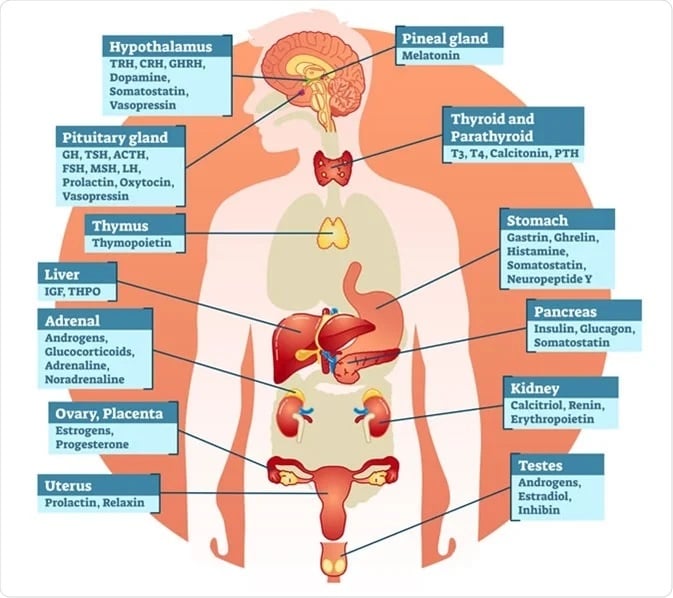
Small molecules play a pivotal role in Endocrinology Research. These are low molecular weight compounds that have a significant impact on the endocrine system, hormones, and their receptors. Here are some key aspects of how small molecules are involved in this field:
- Hormone Mimetics and Inhibitors: Small molecules are used to develop synthetic compounds that mimic the actions of hormones or inhibit their effects. For example, drugs like metformin for diabetes management and selective estrogen receptor modulators (SERMs) for breast cancer treatment are used to either mimic or block hormonal activity.
- Receptor Modulation: Small molecules can bind to hormone receptors and modulate their activity. This is crucial in developing drugs that target specific hormone receptors, like the use of small molecule agonists and antagonists to regulate thyroid hormone receptors.
- Metabolism Regulation: Endocrinology research often focuses on metabolism and how hormones like insulin regulate it. Small molecules are employed to understand and develop drugs targeting enzymes involved in metabolism, such as glucagon-like peptide-1 (GLP-1) agonists for diabetes treatment.
- Steroid Hormone Production: Small molecules may be utilized to influence the production of steroid hormones in the adrenal glands or gonads. This is essential for conditions like Cushing's syndrome or polycystic ovary syndrome (PCOS).
- Hormone Assays: In laboratory research, small molecules are used as tracers or markers in hormone assays. For instance, small molecule fluorophores can be attached to antibodies to detect hormone levels in blood samples.
Drug Development: Endocrinology research relies on small molecules as potential drug candidates. Researchers design and test small molecules for their effectiveness in modulating hormonal pathways, with the goal of developing new therapies for endocrine disorders.
In summary, small molecules are indispensable tools in Endocrinology Research, enabling scientists to better understand the endocrine system's intricacies and develop novel treatments for a wide range of hormonal disorders and conditions. Their versatility and specificity make them valuable assets in advancing our knowledge of endocrinology and improving patient care.
Endocrinology Disease Products
Endocrinology Research Products
Kisspeptin Receptor
Leptin Receptors
Melanocortin (MC) Receptors
Mineralocorticoid Receptors
Galanin Receptors
TRH Receptors
Ghrelin Receptors
Natriuretic Peptide Receptors
NPY Receptors
Motilin Receptor
PTH Receptor
