






-
Progestin
Medrogestone is an orally active progestin that primarily targets progesterone receptors. It exhibits significant local progestational activity and effectively maintains pregnancy in ovariectomized rat models. Additionally, Medrogestone inhibits ovulation and serves as a method for pregnancy prevention. It has also been shown to significantly reduce the severity of benign prostatic hypertrophy, making it useful in various reproductive and therapeutic research applications. -
EIDD-036 Prodrug
EIDD-1723 is a prodrug of EIDD-036, primarily targeting the progesterone receptor (PR) with an IC50 of 2.25 μM. This compound exhibits neuroprotective effects that may operate through both PR-dependent pathways and non-genomic mechanisms, including modulation of inflammatory responses and oxidative stress. EIDD-1723 is useful for investigating traumatic brain injury (TBI) and its potential therapeutic interventions. -
PGRMC2 Activator
CPAG-1 is a small-molecule activator of the progesterone receptor membrane component 2 (PGRMC2). It enhances mitochondrial heme delivery to the nucleus, promoting the activation of genes associated with thermogenesis in brown adipose tissue, such as Ucp1 and Pgc-1α, while also decreasing lipid accumulation. Additionally, CPAG-1 has demonstrated the potential to lower fasting blood sugar and insulin levels, and improve glucose tolerance and insulin sensitivity. This compound is valuable for researching the mechanisms underlying type 2 diabetes. -
Progesterone Receptor Antagonist
Onapristone is a potent progesterone receptor antagonist, exhibiting Kd values of 11.6 nM and 11.90 nM for the human endometrium and myometrium progesterone receptors, respectively. It demonstrates significant antitumor activity, making it valuable for research applications in oncology and reproductive biology. This compound is particularly useful for studies focused on the modulation of progesterone signaling pathways in the context of cancer and other related diseases. -
Progesterone Receptor Antagonist
Cymipristone is a potent progesterone receptor antagonist. It exhibits significant biological activity by inhibiting the effects of progesterone, which is crucial for maintaining pregnancy. This compound is primarily investigated for its potential application in the termination of intrauterine pregnancy and may have implications for reproductive health research. -
Progestagen
Tosagestin is a 19-nortestosterone-derived progestagen that primarily targets progestin receptors. It effectively suppresses ovarian function to inhibit ovulation and exhibits the ability to inhibit cell growth in T47D-S breast cancer cells. This compound is valuable for research applications involving reproductive biology and cancer studies. -
Progesterone Receptor Agonist
Norgestomet is a synthetic progesterone receptor agonist that exhibits high purity and strong binding affinity for the progesterone receptor. It is utilized in various research applications, including studies on reproductive biology and hormone regulation. The compound's efficacy makes it a valuable tool for exploring the biological mechanisms mediated by progesterone signaling. -
Contraceptive Agent
Anordrin is a contraceptive agent that primarily exerts its effects through estrogenic activity. It has been shown to induce a decrease in serum progesterone levels in rat models, as well as inhibit endometrial epithelial cell mitosis. Additionally, Anordrin demonstrates the ability to counteract non-alcoholic fatty liver disease (NAFLD) induced by Tamoxifen in mouse models, highlighting its dual role as both an anti-estrogenic and estrogenic agent. This compound is valuable for research applications focused on reproductive health and endocrine regulation. -
Progesterone Receptor Antagonist
ZK112993 is a potent antagonist of the progesterone receptor (PR). This compound has been shown to significantly inhibit the growth of T61 human tumors in nude mice, making it valuable for research in cancer biology and therapeutic applications targeting hormone-responsive tumors. The utility of ZK112993 extends to studies focused on progesterone signaling pathways and their implications in oncogenesis. -
Progesterone
Algestone acetophenide is a synthetic progesterone that functions primarily as a progestin. It is utilized in combination with estrogen to formulate long-acting injectable contraceptives, demonstrating efficacy in regulating menstrual cycles and preventing ovulation. Its applications extend to reproductive health research, offering insights into hormonal regulation and contraceptive technologies. -
Progesterone Receptor Agonist
Dexamethasone oxetanone is an antagonist of glucocorticoid receptors, specifically acting as a potent agonist for progesterone receptor isoforms A and B. This compound exhibits significant antiprogestin activity, making it valuable in studies exploring progesterone signaling pathways. Dexamethasone oxetanone is relevant for research applications in reproductive biology and endocrinology, particularly in understanding the modulation of hormone receptors and their biological effects. -
Progesterone Receptor Modulator
Brofoxine is a progesterone receptor modulator that exhibits anti-anxiety properties. It selectively targets the progesterone receptors to modulate their activity, contributing to its potential therapeutic effects. Brofoxine is primarily utilized in research focused on anxiety disorders and the roles of hormone regulation in mental health. -
Steroidal progestin
Melengesterol is a steroidal progestin belonging to the 17α-hydroxyprogesterone class, functioning primarily as an antineoplastic agent. This compound exhibits significant anti-cancer properties and is utilized in research exploring its effects on various hormone-dependent tumors. Its ability to modulate progesterone receptors makes it a valuable tool for studying steroid hormone signaling pathways in cancer biology. -
Progesterone Receptor Inhibitor
CP8754 is a selective antagonist of the human progesterone receptor (hPR), acting primarily by competitively inhibiting the binding of [3H]-progesterone. This compound effectively impedes progesterone-mediated signaling, as evidenced by its ability to inhibit both exogenous luciferase and endogenous alkaline phosphatase expression in vitro, and to suppress rabbit endometrial transformation in vivo. CP8754 exhibits minimal binding affinity for human glucocorticoid receptors, estrogen receptors, and rat androgen receptors, making it a valuable tool for investigating progesterone-related diseases, including breast cancer, endometriosis, uterine fibroids, and hormone-dependent tumors. -
PR antagonist
PF 02367982 is a selective progesterone receptor (PR) antagonist, exhibiting a potency with an IC50 value of 47.3 nM. This compound demonstrates oral bioactivity, making it suitable for in vivo research applications. PF 02367982 is primarily utilized in studies investigating the role of PR modulation in various biological systems and potential therapeutic interventions in hormone-related conditions. -
Progesterone Antagonist
Telapristone is a potent progesterone antagonist that specifically targets the progesterone receptor. This compound is instrumental in researching gynecological conditions such as uterine fibroids and endometriosis. Its ability to modulate progesterone signaling makes it a valuable tool for investigating the role of hormonal pathways in these disorders. -
Progestin Receptor Agonist
Norgestrienone is a progestin receptor agonist that mimics the effects of progesterone. It is primarily utilized in hormonal contraceptives, often in combination with ethinylestradiol, to regulate reproductive functions. Additionally, Norgestrienone features alkyne groups, enabling it to participate in copper-catalyzed azide-alkyne cycloaddition reactions, making it a versatile tool for chemical biology studies. Its applications extend to research on hereditary angioneurotic edema, providing insights into this condition's underlying mechanisms. -
Anabolic Agent
17α-Ethynyl-19-nor-Δ-5(6)-androsten-17β-ol-3-one is an anabolic agent that acts primarily through modulation of progestin receptors. As an impurity of Norethindrone, this compound retains biological activity relevant to the study of reproductive health disorders. It has utility in research applications focused on endometriosis and other hormonal regulation studies. -
Antiprogestin
Asoprisnil ecamate is an orally active antiprogestin that primarily targets progesterone receptors. It exhibits key biological activity in regulating reproductive processes and is utilized in research applications related to contraception and reproductive health studies. This compound serves as a valuable tool for investigating reproductive endocrine functions and therapeutic approaches in managing fertility-related conditions. -
Hydrocortisone Deriviative
11α-Hydroxytestosterone is a derivative of hydrocortisone that exhibits a relative binding affinity of 9% for the progesterone receptor compared to R5020. This compound demonstrates significant inhibitory effects on the growth and differentiation of human decidual cells in culture. It serves as a valuable reagent for research applications exploring steroid hormone pathways and cellular responses in reproductive biology. -
Progesterone Antagonist
Lilopristone is a potent progesterone antagonist that serves as a valuable tool in reproductive biology research. By blocking progesterone action at the endometrium and reducing its bioavailability, Lilopristone can induce menstruation, inhibit nidation, and facilitate pregnancy termination. Its unique mechanism makes it suitable for investigating antifertility effects and reproductive health studies. -
Progesterone Receptor Modulator
ORG 33628 is a potent and selective progesterone receptor modulator with significant anti-progestational and anti-glucocorticoid properties. This compound exhibits ovulation-inhibitory activity, making it valuable for research in reproductive biology. ORG 33628 has potential applications in the study of conditions related to the breast and endometrium, contributing to insights into hormonal regulation and related therapeutic strategies. -
Progestin
Algestone is a synthetic progestin that primarily acts on progesterone receptors to exert its hormonal effects. It is utilized in research related to hormonal contraception and reproductive health, demonstrating significant activity in modulating reproductive processes. Algestone's properties make it a valuable reagent for studies focusing on contraceptive development and endocrinology. -
Progesterone Receptor
Gestonorone Capronate is a synthetic progestin that primarily targets the progesterone receptor. It exhibits significant biological activity in regulating hormonal balance, making it useful in the treatment of conditions such as benign prostatic hypertrophy and endometrial cancer. This compound is valuable for research applications related to hormone signaling pathways and therapeutic interventions in progestin-responsive malignancies. -
TRβ Receptor Agonist
Axitirome is a potent TRβ receptor agonist and thyromimetic agent. This compound exhibits significant liver-selective activity, primarily enhancing cholesterol-lowering effects. Axitirome is utilized in research related to metabolic disorders and thyroid hormone signaling, providing valuable insights into the modulation of cholesterol homeostasis. -
THR-β Modulator
THR-β modulator-3 is a selective THR-β modulator that demonstrates a significant reduction in total fat mass and body weight. Its primary biological activity indicates potential utility in the management of obesity-related conditions. This compound is useful in research focused on metabolic regulation, adipogenesis, and the broader implications of thyroid hormone signaling in metabolic disorders. -
Thyrotropin Releasing Hormone Analogue
JTP 2942 is a thyrotropin-releasing hormone analogue that targets neuroregulatory pathways. This compound enhances the release of acetylcholine in the hippocampus and frontal cortex, demonstrating neuroprotective effects and cognitive enhancement. JTP 2942 exhibits a dose-dependent improvement in motor and neurological deficits in rat models of chronic focal cerebral ischemia, making it a valuable tool for research focused on cerebral ischemia and motor neuron diseases. -
THR Antagonist
NH-3 is a reversible antagonist of the thyroid hormone receptor (THR) with an IC50 of 55 nM. It effectively inhibits the binding of thyroid hormones to their receptor, consequently preventing cofactor recruitment. Additionally, NH-3 serves as a click chemistry reagent due to its alkyne group, enabling copper-catalyzed azide-alkyne cycloaddition (CuAAc) with azide-containing molecules. This compound is useful in studies related to thyroid function and receptor signaling pathways. -
Thyroid Hormone
Reverse T3 is a thyroid hormone that results from the deiodination of thyroxine. It functions primarily by inhibiting the sodium current induced by other thyroid hormone analogs in neonatal rat myocytes. This unique action makes Reverse T3 a valuable tool for investigating thyroid hormone receptor signaling and its physiological effects in various biological contexts. -
Anabolic Agent
pTH-Related Protein (1-34) is a fragment derived from parathyroid hormone-related protein and functions as an anabolic agent. This peptide is instrumental in stimulating bone formation and is primarily utilized in research focused on postmenopausal osteoporosis. Its application aids in exploring potential therapeutic interventions for bone density regulation and related metabolic disorders in human, mouse, and rat models. -
Thyroid Hormone Receptor
T3-ATA (S-isomer) is an active form of thyroid hormone that selectively targets thyroid hormone receptors. This compound is essential for studying thyroid hormone signaling pathways and their role in metabolic regulation. T3-ATA (S-isomer) can be utilized in research focused on thyroid-related disorders and cellular metabolism, providing insights into hormone-receptor interactions and downstream biological effects. -
PTH Fragment
pTH (1-37) (human) is a bioactive fragment of parathyroid hormone (PTH) that primarily targets the stimulation of cAMP production. This compound enhances alkaline phosphatase activity, promotes growth, and increases bone calcium content and mineral density in uremic animal models. pTH (1-37) (human) serves as a valuable tool for research into osteoporosis and associated bone health disorders. -
TSH Stimulator
Protirelin acetate is a potent thyrotropin-releasing hormone (TRH) analog that stimulates the release of thyroid-stimulating hormone (TSH) from the anterior pituitary gland. This neuropeptide plays a crucial role in the regulation of thyroid function and exhibits neuromodulatory properties. It is commonly used in research applications related to thyroid disorders, endocrine system studies, and neurophysiological investigations. -
Parathyroid Hormone
Glutaurine, an orally active hormone derived from parathyroid gland oxyphil cells, targets parathyroid hormone receptors. This compound exhibits significant biological activity, making it a valuable tool for research in antiepileptic and anti-amnesia studies. Its dual composition of glutamine and taurine residues contributes to its potential effectiveness in exploring therapeutic applications related to neuroprotection and neurological disorders. -
Parathyroid Hormone
Parathyroid hormone (1-34) (rat) is a peptide hormone that primarily targets bone metabolism through the activation of parathyroid hormone receptors. This compound is known to enhance both cortical and cancellous bone structure, making it a valuable tool in the study of osteogenesis and bone remodeling. It is particularly useful in research focused on osteoporosis and related bone disorders. -
TR-β Agonist
Elunetirom is a selective agonist of the thyroid hormone receptor beta (TR-β), designed as a prodrug with the capability to penetrate the central nervous system (CNS). This compound demonstrates potential in modulating pathways associated with major depressive disorder (MDD). Its targeted action on TR-β makes it a valuable reagent for researching neuropsychiatric conditions and exploring new therapeutic strategies. -
Thyroid Hormone Receptor
L-Thyroxine sodium xhydrate (Levothyroxine; T4) is a synthetic thyroid hormone targeting thyroid hormone receptors, primarily used in the treatment of hypothyroidism. It serves as a precursor for the biologically active hormone triiodothyronine (T3), which is generated through the action of deiodinase enzymes. This compound is essential for regulating metabolism, growth, and development, making it a valuable tool for research into thyroid function and related disorders. -
TR Antagonist
Thyroid hormone receptor antagonist (1-850) is a competitive and selective antagonist targeting thyroid hormone receptors (TR) with an IC50 of 1.5 μM. This compound effectively inhibits T3-mediated interactions between TRα and TRβ with nuclear receptor coactivators. Thyroid hormone receptor antagonist (1-850) is suitable for research focused on thyroid hormone signaling pathways and their implications in various biological processes, while exhibiting no effect on retinoic acid receptor alpha (RARα) activity. -
TRα Agonist
CO23 is a selective thyroid hormone receptor (TR) α agonist that plays a crucial role in the regulation of growth and development. This compound has significant biological activity in modulating metabolic processes and influencing gene expression related to thyroid hormone signaling. It is commonly employed in research applications aimed at understanding thyroid function and its implications in developmental biology and metabolic disorders. -
TRβ Agonist
VK-0214 is a selective agonist of the thyroid β receptor (TRβ), which modulates gene expression related to fatty acid metabolism. Its activation of ABCD2 leads to a reduction in very long-chain fatty acid (VLCFA) accumulation, providing a potential therapeutic approach for glioblastoma multiforme. VK-0214 is pertinent for research into X-linked adrenoleukodystrophy (X-ALD) and related metabolic disorders. -
TRα1 Inhibitor
Debutyldronedarone hydrochloride is a selective inhibitor of the thyroid hormone receptor α1 (TRα1), derived from the main metabolite of Dronedarone. This compound effectively inhibits T3 binding to TRα1 and TRβ1 by 77% and 25%, respectively. It is primarily utilized in research related to arrhythmic conditions, providing insights into the mechanisms of thyroid hormone signaling in cardiac physiology. -
TRα/β Antagonist
TR Antagonist 2 is a competitive antagonist of thyroid hormone receptors TRα and TRβ with an IC50 of 47 nM. By competing with triiodothyronine (T3) for binding to the ligand-binding domain, it disrupts receptor-coactivator complex formation, thereby inhibiting target gene transcription and reducing the hypermetabolic effects associated with thyroid hormones. This compound is valuable for research into conditions such as hyperthyroidism and thyrotoxicosis, providing insights into therapeutic strategies for these disorders. -
Antihyperlipidaemic Agent
Omzotirome is a functional analog of iodothyronines that acts as an antihyperlipidaemic agent. It is primarily used in research focused on hyperlipidaemia, exploring its effects on lipid metabolism and regulation. This compound may provide insights into the therapeutic potential for managing dyslipidemia and related metabolic disorders. -
Thyroid Hormone Receptor
T4-ATA (S-isomer) selectively targets the thyroid hormone receptor, functioning as an active form of thyroid hormone. It exhibits significant biological activity in modulating gene expression related to metabolism, growth, and development. This compound is valuable for research applications focused on thyroid hormone signaling pathways and associated disorders. -
THR-β Agonist
ZTA-261 is a selective agonist of the thyroid hormone receptor β subtype (THR-β) with an IC50 value of 6.3 nM. This compound enhances lipid metabolism and promotes reductions in body weight and visceral fat through a liothyronine-mediated pathway. ZTA-261 is suitable for research into obesity and metabolic disorders, making it a valuable tool for studies on energy homeostasis and therapeutic interventions in related conditions. -
PTH Agonist
Canvuparatide is a prodrug that functions as a potent agonist of parathyroid hormone (PTH). By releasing the bioactive PTH[1-32] peptide with a fatty acylated lysine at the C-terminus, it significantly extends the compound's half-life. This unique mechanism makes Canvuparatide a valuable tool for addressing the symptoms of hypoparathyroidism, including hypocalcemia and hyperphosphatemia, facilitating research into therapeutic interventions for these conditions. -
Thyroxine Derivative
Thyroxine methyl ester is a derivative of thyroxine, primarily targeting thyroid hormone receptors. This compound exhibits biological activity that influences metabolic processes and cellular growth. It is used in research applications related to thyroid function, metabolic regulation, and the study of thyroid-related disorders. -
THR-β Agonist
THR-β Agonist 2 is a selective agonist of the thyroid hormone receptor beta (THR-β), facilitating metabolic regulation. This compound exhibits significant biological activity relevant to the study of various metabolic disorders, including obesity, hyperlipidemia, hypercholesterolemia, diabetes, and conditions such as steatosis and non-alcoholic steatohepatitis (NASH). THR-β Agonist 2 is a valuable reagent for research aimed at understanding the mechanisms underlying metabolic diseases and potential therapeutic interventions. -
Thyroid Hormone
3,5,3'-Triiodo-D-thyronine, a thyroid hormone, primarily targets thyroid hormone receptors to regulate metabolic processes. This compound demonstrates biological activity by modulating gene expression involved in energy metabolism and growth regulation. Research applications include studies on thyroid function, metabolic disorders, and conditions associated with abnormal plasma creatine phosphokinase (CPK) levels. Its effectiveness as a therapeutic agent can be assessed in various experimental models related to thyroid hormone signaling. -
TRH-DE Inhibitor
Glp-Asn-Pro-AMC is a selective inhibitor of thyrotropin-releasing hormone degrading enzyme (TRH-DE), exhibiting a Ki value of 0.97 μM. This compound is valuable for studying the role of TRH-DE in metabolic and neuroendocrine regulation. Its inhibitory action on TRH-DE makes it a useful tool in research related to thyroid hormone regulation and potential therapeutic interventions in conditions impacted by TRH signaling.
Endocrinology-Hormones
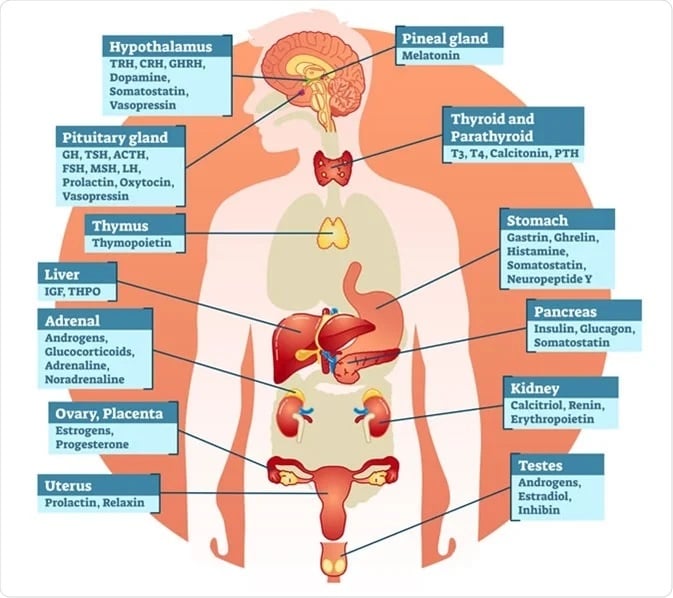
Small molecules play a pivotal role in Endocrinology Research. These are low molecular weight compounds that have a significant impact on the endocrine system, hormones, and their receptors. Here are some key aspects of how small molecules are involved in this field:
- Hormone Mimetics and Inhibitors: Small molecules are used to develop synthetic compounds that mimic the actions of hormones or inhibit their effects. For example, drugs like metformin for diabetes management and selective estrogen receptor modulators (SERMs) for breast cancer treatment are used to either mimic or block hormonal activity.
- Receptor Modulation: Small molecules can bind to hormone receptors and modulate their activity. This is crucial in developing drugs that target specific hormone receptors, like the use of small molecule agonists and antagonists to regulate thyroid hormone receptors.
- Metabolism Regulation: Endocrinology research often focuses on metabolism and how hormones like insulin regulate it. Small molecules are employed to understand and develop drugs targeting enzymes involved in metabolism, such as glucagon-like peptide-1 (GLP-1) agonists for diabetes treatment.
- Steroid Hormone Production: Small molecules may be utilized to influence the production of steroid hormones in the adrenal glands or gonads. This is essential for conditions like Cushing's syndrome or polycystic ovary syndrome (PCOS).
- Hormone Assays: In laboratory research, small molecules are used as tracers or markers in hormone assays. For instance, small molecule fluorophores can be attached to antibodies to detect hormone levels in blood samples.
Drug Development: Endocrinology research relies on small molecules as potential drug candidates. Researchers design and test small molecules for their effectiveness in modulating hormonal pathways, with the goal of developing new therapies for endocrine disorders.
In summary, small molecules are indispensable tools in Endocrinology Research, enabling scientists to better understand the endocrine system's intricacies and develop novel treatments for a wide range of hormonal disorders and conditions. Their versatility and specificity make them valuable assets in advancing our knowledge of endocrinology and improving patient care.
Endocrinology Disease Products
Endocrinology Research Products
Kisspeptin Receptor
Leptin Receptors
Melanocortin (MC) Receptors
Mineralocorticoid Receptors
Galanin Receptors
TRH Receptors
Ghrelin Receptors
Natriuretic Peptide Receptors
NPY Receptors
Motilin Receptor
PTH Receptor
