






-
Non-steroidal Estrogen
4-tert-Octylphenol monoethoxylate is a non-steroidal estrogen that functions as an alkylphenolethoxylate (APE), specifically deriving from the breakdown of non-ionic surfactants such as 4-tert-octylphenol polyethoxylate. It exhibits estrogenic activity, making it relevant in studies of endocrine disruption and environmental toxicology. This compound has been detected in wastewater effluent, emphasizing its significance in research related to environmental contamination and its impact on aquatic ecosystems. -
ERα/ERβ Antagonist
ERα/ERβ antagonist-1 is a selective antagonist targeting estrogen receptors ERα and ERβ. It inhibits the activity of these receptors in a dose-dependent manner, demonstrating significant effects in HepG2 liver cell lines. This compound is valuable for research applications focused on estrogen signaling and its implications in various biological processes, including hormone-related diseases and cancer studies. -
Antioxidant
4-(Ethoxymethyl)phenol is an effective antioxidant that targets oxidative stress mechanisms. Derived from the leaf extract of Amburana cearensis, it exhibits in vitro cytogenotoxic properties, making it a valuable compound for investigations into respiratory diseases and inflammation. This reagent can be utilized in research focused on oxidative damage and its implications in various biological processes. -
Estrogen Synthesis Promoting Factor
Neo-sagittasine A is an estrogen synthesis promoting factor that enhances estrogen biosynthesis in human ovarian granulosa-like KGN cells. This compound is isolated from the plant Epimedium brevifolium and is useful in research applications related to reproductive biology and hormone regulation. Its ability to promote estrogen production makes it a valuable reagent for studies investigating endocrine functions and associated disorders. -
Estrogen Receptor Anolog
10-Chloroestra-1,4-diene-3,17-dione is an analog of the estrogen receptor, primarily targeting this pathway to modulate estrogenic activity. This compound demonstrates significant biological activity in studies involving hormone-related signaling and receptor interactions. It is commonly utilized in research applications focused on endocrine modulation, cancer biology, and the exploration of estrogen-related mechanisms in cellular processes. -
ERβ Agonist
(-)-Erteberel is a selective agonist of the estrogen receptor beta (ERβ). This compound plays a significant role in the investigation of diseases influenced by ERβ, including prostate cancer. Its specificity for ERβ makes it a valuable tool for exploring the receptor's biological functions and potential therapeutic applications. -
Estrogen Receptor Antagonist
4-Hydroxytoremifene is an estrogen receptor antagonist that effectively inhibits the binding of estradiol to its receptor in target tissues. This compound is utilized in research to explore mechanisms of estrogen action and its role in various hormonal therapies, particularly in the context of breast cancer. Its ability to modulate estrogen signaling makes it a valuable tool for studying hormone-responsive diseases. -
Anti-estrogen Deficiency Agent
LY88074 Trimethyl Ether is an anti-estrogen deficiency agent that targets estrogen signaling pathways. It effectively inhibits conditions associated with estrogen deprivation syndrome, such as osteoporosis and hyperlipidemia. This compound serves as a valuable tool in research applications focused on understanding and mitigating the effects of estrogen deficiency. -
Estrogen Receptor/ERR Agonist
NNC45-0781 is an estrogen receptor (ER) partial agonist with tissue-selective properties. It exhibits key biological activity by modulating ER signaling pathways, making it valuable for research on estrogen-related physiological processes and conditions. NNC45-0781 is particularly relevant in investigations of hormone-dependent cancers and the study of estrogen's role in reproductive biology. -
HNF4α Antagonist
BI-6015 is an antagonist of hepatocyte nuclear factor 4α (HNF4α), effectively inhibiting the expression of HNF4α target genes. By repressing insulin promoter activity, it serves as a valuable tool for studying the regulatory mechanisms governed by HNF4α. BI-6015 is applicable in research focused on cancer and diabetes, providing insights into metabolic and oncogenic pathways. -
COUP-TFII Inhibitor
NR2F2-IN-1 free base is a selective inhibitor targeting the orphan nuclear receptor COUP-TFII (NR2F2). This compound effectively suppresses COUP-TFII-driven expression of the NGFIA reporter by binding to the ligand-binding domain of COUP-TFII, interfering with its interactions with transcriptional regulators such as FOXA1. NR2F2-IN-1 is suitable for research applications focused on elucidating the role of COUP-TFII in gene regulation and its implications in various biological processes. -
NR2F1 Agonist
NR2F1 agonist 1 is a selective agonist of the nuclear receptor NR2F1, designed to activate dormancy programs in malignant cells. This compound up-regulates NR2F1 and its downstream target genes, leading to neural crest-like differentiation and growth suppression in head and neck squamous cell carcinoma (HNSCC). Additionally, NR2F1 agonist 1 has demonstrated the ability to inhibit tumor growth in preclinical mouse models, making it a valuable tool for research into cancer dormancy and therapeutic strategies. -
SF-1/LRH-1 Agonist
RJW103 is an acid-stable agonist of SF-1 (NR5A1) and LRH-1, demonstrating pEC50 values of 6.5 and 5.9, respectively. This compound effectively activates SF-1- and LRH-1-mediated transcription of endogenous target genes. Research applications include investigations in cancer biology, endocrinology, and metabolic diseases, particularly in the context of adrenocortical tumors. -
LRH-1/SF-1 Agonist
GSK8470 is a potent LRH-1 and SF-1 agonist, with EC50 values of 0.43 μM and 0.054 μM, respectively. This compound enhances the expression of small heterodimer chaperones (SHPs), a critical target gene regulated by LRH-1, in hepatocytes. GSK8470 is valuable for research applications involving the modulation of nuclear hormone receptor signaling pathways and related metabolic processes. -
SF-1 Inhibitor
SID 7969543 is a selective inhibitor of steroidogenic factor 1 (SF-1, NR5A1) with an IC50 value of 760 nM. This compound effectively inhibits SF-1-mediated luciferase expression with an impressive IC50 of 30 nM. SF-1 plays a crucial role as a transcription factor within the nuclear receptor superfamily, making SID 7969543 valuable for research involving steroidogenesis and related pathways. -
LRH-1 Antagonist
7-[4-(2-Piperidinyl)ethoxy]benzoyl Raloxifene is an LRH-1 antagonist, exhibiting an IC50 of 3.1 μM. This compound is valuable for studying the role of LRH-1 in various biological processes, including lipid metabolism and endocrine signaling. Its pharmacological properties make it a suitable tool for investigating potential therapeutic targets in metabolic diseases and hormone-related conditions. -
TLX Modulator
TLX Agonist 1 acts as a modulator for the orphan nuclear receptor TLX (NR2E1), exhibiting an EC50 of 1 μM and a Kd of 650 nM. This compound enhances the transcriptional repressive activity of TLX, making it a valuable tool for research into gene regulation and neurogenesis. Its unique mechanism supports investigations into the role of TLX in various biological processes and potential therapeutic applications. -
NR2E3 Agonist
NR2E3 Agonist 1 is a small molecule specifically designed to activate the photoreceptor-specific nuclear receptor NR2E3, demonstrating an EC50 value of less than 200 nM. This compound plays a critical role in research focused on retinal diseases, particularly retinitis pigmentosa, by modulating NR2E3 activity to explore its effects on photoreceptor development and function. -
SF-1 Inhibitor
SID7970631 is a selective inhibitor of Steroidogenic Factor-1 (SF-1), exhibiting potent activity with an IC50 of 255 nM. This isoquinolinone analog is primarily utilized in cancer research, facilitating the investigation of SF-1's role in tumorigenesis and potential therapeutic strategies. Its specificity and efficacy make SID7970631 a valuable tool for studying pathways associated with steroidogenesis and related malignancies. -
GPR174 Agonist
LysoPalloT-NH-amide-C3-ph-m-O-C11 is a potent agonist of GPR174, exhibiting an EC50 of 34 nM. This compound is utilized in research to elucidate the role of GPR174 in various biological processes, including immune modulation and potential therapeutic applications in autoimmune diseases. It serves as a valuable tool for studying GPR174 signaling pathways and their impact on cellular responses. -
COUP-TFII Inhibitor
NR2F2-IN-1 is a potent and selective inhibitor of the orphan nuclear receptor COUP-TFII (NR2F2). It significantly inhibits COUP-TFII-driven expression of the NGFIA reporter by directly binding to the ligand-binding domain of COUP-TFII, thereby disrupting its interactions with transcriptional regulators such as FOXA1. This inhibition effectively suppresses COUP-TFII activity on the regulation of target genes, making NR2F2-IN-1 a valuable tool for studying the role of COUP-TFII in various biological processes and diseases. -
Orphan Nuclear Receptor Inhibitor
LRH-1 Inhibitor-3 is a small molecule that specifically inhibits the transcriptional activity of the orphan nuclear receptor LRH-1. By downregulating the expression of genes linked to cell growth and proliferation, this compound has demonstrated potential in reducing proliferation in human pancreatic, colon, and breast adenocarcinoma cell lines. LRH-1 Inhibitor-3 serves as a valuable molecular probe for exploring the role of LRH-1 in various cancer types and may provide insights into targeted cancer therapies. -
Orphan Nuclear Receptor
Photoregulin1 targets orphan nuclear receptors to modulate gene expression in retinal cells. This compound has demonstrated the potential to slow photoreceptor degeneration in mouse models of retinitis pigmentosa, making it valuable for research into retinal diseases and regenerative therapies. Its mechanism of action offers insights into the underlying biology of photoreceptor cell survival and degeneration. -
NR2F6 Modulator
NR2F6 modulator-2 is a selective modulator of the orphan nuclear receptor NR2F6, which plays a crucial role in gene regulation and cellular processes. This compound demonstrates the ability to inhibit the recruitment of the bio-NSD1 peptide, with an IC50 value of 2.0 equivalents of NR2F6. NR2F6 modulator-2 is intended for research applications in the fields of cancer biology and immunology, contributing to the understanding of NR2F6's role in various pathophysiological conditions. -
TLX Agonist
TLX Agonist 3 is a potent and selective agonist of the tailless homolog (TLX, NR2E1) that exhibits an EC50 of 0.25 μM and a Kd of 1.6 μM. This compound demonstrates high specificity for TLX over related nuclear receptors and promotes TLX oligomerization with an EC50 of 5.0 μM. TLX Agonist 3 is utilized in research focused on neurodegenerative diseases, providing insights into the role of TLX in neuronal function and disease mechanisms. -
LRH-1 Antagonist
LRH-1 antagonist-1 is a selective antagonist of Liver Receptor Homolog-1 (LRH-1) with a Kd of 1.8 μM. This compound effectively inhibits the transcriptional activity of LRH-1, leading to reduced expression of G0S2 and subsequent inhibition of proliferation in LRH-1-positive cancer cells. It is suitable for research applications in pancreatic, colon, and breast cancer studies, where targeting LRH-1 may provide valuable insights into tumor growth and progression. -
SF-1 Antagonist
SF-1 antagonist-1 is a potent inhibitor of steroidogenic factor 1 (SF-1), demonstrating an EC50 value of less than 200 nM in modulating SF-1 transcriptional activity. This compound effectively inhibits the proliferation of rat Leydig tumor cells, making it a valuable tool in cancer research. SF-1 antagonist-1 provides insights into the role of SF-1 in tumor biology and offers potential for therapeutic exploration in malignancies associated with steroidogenesis. -
GPR27 Agonist
GPR27 Agonist-1 is a selective agonist of the GPR27 receptor, exhibiting a pEC50 of 6.34. This compound is valuable for investigating the role of GPR27 in various biological processes and its potential implications in metabolic disorders. Its specific activation of GPR27 makes it an essential tool for research in receptor biology and pharmacology. -
LRH-1 Antagonist
LRH-1 antagonist-1 dihydrochloride is a selective antagonist of Liver Receptor Homolog-1 (LRH-1), exhibiting a Kd of 1.8 μM. This compound effectively inhibits the transcriptional activity of LRH-1, leading to a decrease in the expression of G0S2. Furthermore, it demonstrates the ability to suppress the proliferation of LRH-1-positive cancer cells, making it a valuable tool for research in pancreatic, colon, and breast cancer. -
LRH-1/SF-1 Agonist
Iso-RJW100 is a dual agonist of liver receptor homologue-1 (LRH-1) and steroidogenic factor-1 (SF-1), demonstrating pEC50 values of 6.4 and 7.2, respectively. This compound significantly modulates the activity of LRH-1 and SF-1, key regulators in steroidogenesis and metabolic processes. Iso-RJW100 is valuable for research in endocrine signaling, metabolic regulation, and associated disease models. -
HNF4α Activator.
Benfluorex is an activator of hepatic nuclear factor 4 alpha (HNF4α), a key transcription factor involved in regulating glucose and lipid metabolism. Its biological activity has been linked to potential applications in the study of metabolic disorders, particularly diabetes and dyslipidemia. Researchers may utilize Benfluorex to investigate its effects on gene expression and metabolic pathways associated with HNF4α activation. -
PXR Antagonist
SJPYT-310 is a selective ligand for the Pregnane X Receptor (PXR), functioning as an antagonist. This compound effectively inhibits PXR-mediated transcriptional activity, providing insights into drug metabolism and cellular responses to xenobiotics. SJPYT-310 is suitable for research applications exploring the role of PXR in pharmacology and toxicology, while demonstrating a favorable safety profile with no significant cytotoxicity observed. -
PXR Agonist
SJB7 is a potent agonist of the pregnane X receptor (PXR), a key regulator in drug metabolism and excretion. By stabilizing the activation function 2 (AF-2) helix in an "inward" conformation, SJB7 enhances PXR-mediated transcriptional activity. This compound is valuable for research applications involving the study of xenobiotic response and the modulation of metabolic pathways. -
PXR Ligand
4-Chloro-2-(trifluoroacetyl)aniline is a potent ligand for the Pregnane X receptor (PXR). This compound is notable for its ability to induce Cyp3a11 mRNA expression, making it a valuable tool in studies of PXR-mediated drug metabolism and detoxification pathways. Its research applications are particularly relevant in pharmacology and toxicology, where understanding PXR activation can inform drug interactions and therapeutic efficacy. -
Cholic Acid Conjugated With L-glutamic Acid
N-Cholyl-L-glutamic acid (GluCA) is a conjugate of cholic acid and L-glutamic acid, primarily targeting the pregnane X receptor (PXR). This compound is known to enhance the expression of PXR and induce the downstream target gene Cyp3a11. N-Cholyl-L-glutamic acid serves as a valuable tool in researching the mechanisms underlying Crohn's disease and other conditions related to altered PXR signaling. -
PXR Agonist
N-Cholyl-L-threonine is a potent agonist of the pregnane X receptor (PXR). This compound, a conjugate of cholic acid and L-threonine, facilitates the modulation of PXR signaling pathways. Its biological activity makes N-Cholyl-L-threonine a valuable reagent for studies related to Crohn's disease and other gastrointestinal disorders. -
PXR Activator
Cholic acid-Glu is a derivative of cholic acid that functions as a PXR (Pregnane X Receptor) activator. It has been shown to increase PXR activation, leading to a significant upregulation of the downstream target gene Cyp3a11 in small intestinal organoid tissue. This compound is particularly relevant for research on inflammatory bowel diseases, such as Crohn’s disease, due to its altered levels in affected individuals. -
Progesterone Receptor Agonist
Clogestone acetate is a potent progesterone receptor agonist that demonstrates notable biological activity in modulating reproductive hormones. In preclinical studies, it has been shown to reduce adrenal and ovarian weights, along with serum and adrenocortical ketone levels in rodent models. This compound is utilized in research exploring the roles of progesterone in various physiological processes and may provide insights into hormonal regulation and endocrine function. -
Progesterone Receptor Antagonist
PF-02413873 is a selective, fully competitive, and orally active nonsteroidal antagonist of the progesterone receptor (PR) with a Ki value of 2.6 nM. This compound effectively inhibits progesterone binding and PR nuclear translocation, demonstrating significant activity in blocking endometrial growth in vivo. PF-02413873 is valuable for research applications focused on reproductive biology and related therapeutic strategies. -
Progesterone Receptor Agonist
Promegestone is a potent progesterone receptor (PR) agonist, recognized for its ability to modulate endocrine pathways. This progestin compound serves as a valuable tool in cancer research, enabling investigations into the hormonal regulation of tumor growth and differentiation. Its selective activity on the PR makes it an important reagent for studies focused on reproductive biology and related therapeutic applications. -
Progesterone Receptor
Norgestimate is a synthetic progestin with selective activity for the progesterone receptor, demonstrating minimal androgenic effects. It is primarily utilized as an oral contraceptive due to its effective progestational properties. In addition to its hormonal applications, Norgestimate serves as a click chemistry reagent, featuring an alkyne group that facilitates copper-catalyzed azide-alkyne cycloaddition (CuAAc) with azide-containing compounds, making it valuable for biochemical research and drug development. -
Parenteral Progestogen
Norethisterone enanthate is a long-acting parenteral progestogen that primarily targets progesterone receptors. This compound exhibits significant biological activity in hormone regulation and is utilized in various clinical and research applications, including contraception and hormone replacement therapy. Additionally, norethisterone enanthate features an alkyne group, enabling it to participate in copper-catalyzed azide-alkyne cycloaddition (CuAAc) reactions, making it valuable as a reagent in click chemistry for diverse biochemical studies. -
Contraceptive Agent
Melengestrol acetate is a synthetic progestin that primarily targets progesterone receptors. It exerts contraceptive effects by promoting endometrial proliferation and maintaining pregnancy, while also delaying menstrual activity. In addition to its use as a contraceptive agent in livestock to suppress estrus and promote growth, melengestrol acetate has demonstrated efficacy in inhibiting both androgen-dependent and independent prostatic tumors in vivo, making it a valuable compound for cancer research applications. -
PGRMC1 Antagonist
AG-205 is a selective antagonist of progesterone receptor membrane component 1 (PGRMC1), exhibiting a potent inhibitory effect on ceramide glucosyltransferase (CGT) with an IC50 of 50 μM in rat models. This compound demonstrates significant antimitotic, antimigratory, and anti-invasive properties, particularly in ovarian and breast cancer cells. AG-205 enhances the expression of genes involved in cholesterol biosynthesis and steroidogenesis while promoting apoptotic regulation of the cell cycle. Its diverse biological activity positions AG-205 as a valuable tool for investigating mechanisms underlying renal and breast cancer progression. -
SPRM
Vilaprisan is a selective progesterone receptor modulator (SPRM) that targets progesterone receptors. It demonstrates notable anti-proliferative effects by inhibiting cell proliferation and promoting apoptosis, particularly in uterine leiomyoma. This compound offers oral efficacy and contributes significantly to research on therapeutic interventions for uterine conditions. -
PR Antagonist
PR Antagonist 1 is a selective progesterone receptor (PR) antagonist that effectively inhibits the activity of PR. This compound is instrumental in studying progesterone-related pathologies, including endometriosis and uterine fibroids, making it valuable for research focused on reproductive health and hormonal regulation. Its specificity for PR allows for targeted investigations into the underlying mechanisms of these disorders. -
Progestational Agent
17α-Hydroxyprogesterone acetate is a progestational agent that primarily acts on progesterone receptors. It exhibits significant progestational activity, contributing to the maintenance of pregnancy. Additionally, this compound has been shown to possess anti-inflammatory effects at the murine maternal-fetal interface, making it relevant for research in reproductive biology and inflammation modulation. -
Progesterone Receptor Antagonist
WAY-255348 is a non-steroidal antagonist of the progesterone receptor (PR), exerting its effects by binding to the PR and inhibiting progesterone-induced nuclear translocation, phosphorylation, and promoter interactions. This compound is useful in the study of reproductive disorders and PR-positive breast cancer, providing valuable insights into PR-mediated signaling pathways and potential therapeutic interventions in these conditions. -
Progesterone Receptor Inhibitor
Mifepristone methochloride is a selective progesterone receptor inhibitor. It functions as a glucocorticoid antagonist, effectively blocking peripheral glucocorticoid and progesterone receptors. This compound has demonstrated minimal effects on intraocular pressure in preclinical studies, making it suitable for research into ocular pharmacology. The water-soluble formulation of Mifepristone methochloride is designed to enhance drug penetration in ocular tissues, facilitating studies on its therapeutic potential in eye diseases. -
Active Metabolite of EIDD-1723
EIDD-036 is the active metabolite of EIDD-1723 and functions as a C-20 oxime derivative of Progesterone, with a notable binding affinity for the progesterone receptor (PR) demonstrated by an IC50 of 171 nM. This compound effectively penetrates the blood-brain barrier and is associated with potential therapeutic applications in acute trauma settings. EIDD-036 is specifically relevant for research in traumatic brain injury (TBI), aiding in the exploration of neuroprotective strategies following cerebral insult.
Endocrinology-Hormones
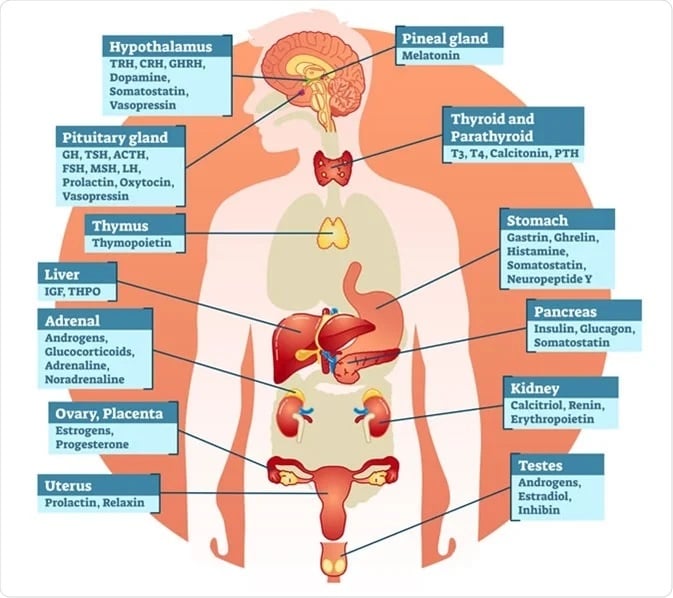
Small molecules play a pivotal role in Endocrinology Research. These are low molecular weight compounds that have a significant impact on the endocrine system, hormones, and their receptors. Here are some key aspects of how small molecules are involved in this field:
- Hormone Mimetics and Inhibitors: Small molecules are used to develop synthetic compounds that mimic the actions of hormones or inhibit their effects. For example, drugs like metformin for diabetes management and selective estrogen receptor modulators (SERMs) for breast cancer treatment are used to either mimic or block hormonal activity.
- Receptor Modulation: Small molecules can bind to hormone receptors and modulate their activity. This is crucial in developing drugs that target specific hormone receptors, like the use of small molecule agonists and antagonists to regulate thyroid hormone receptors.
- Metabolism Regulation: Endocrinology research often focuses on metabolism and how hormones like insulin regulate it. Small molecules are employed to understand and develop drugs targeting enzymes involved in metabolism, such as glucagon-like peptide-1 (GLP-1) agonists for diabetes treatment.
- Steroid Hormone Production: Small molecules may be utilized to influence the production of steroid hormones in the adrenal glands or gonads. This is essential for conditions like Cushing's syndrome or polycystic ovary syndrome (PCOS).
- Hormone Assays: In laboratory research, small molecules are used as tracers or markers in hormone assays. For instance, small molecule fluorophores can be attached to antibodies to detect hormone levels in blood samples.
Drug Development: Endocrinology research relies on small molecules as potential drug candidates. Researchers design and test small molecules for their effectiveness in modulating hormonal pathways, with the goal of developing new therapies for endocrine disorders.
In summary, small molecules are indispensable tools in Endocrinology Research, enabling scientists to better understand the endocrine system's intricacies and develop novel treatments for a wide range of hormonal disorders and conditions. Their versatility and specificity make them valuable assets in advancing our knowledge of endocrinology and improving patient care.
Endocrinology Disease Products
Endocrinology Research Products
Kisspeptin Receptor
Leptin Receptors
Melanocortin (MC) Receptors
Mineralocorticoid Receptors
Galanin Receptors
TRH Receptors
Ghrelin Receptors
Natriuretic Peptide Receptors
NPY Receptors
Motilin Receptor
PTH Receptor
