






-
ER Antagonist
Estrogen Receptor Antagonist 4 is a selective antagonist of the estrogen receptor (ER). By inhibiting the estrogen signaling pathway, it plays a crucial role in regulating cell growth, differentiation, and apoptosis. This compound is primarily utilized in cancer research, providing insights into the therapeutic targeting of estrogen-dependent malignancies. -
Estrogen Receptor α Antagonist
Raloxifene 4-Monomethyl Ether is an antagonist of the estrogen receptor α. This compound demonstrates significant biological activity by inhibiting MCF-7 breast cancer cells, with an IC50 value of 1 μM and a pIC50 of 6. It serves as a valuable tool for research applications related to estrogen signaling and breast cancer therapeutics. -
Antiestrogen
Mepitiostane is an orally active steroidal antiestrogen that inhibits estrogen receptor activity. This compound demonstrates potential biological activity in the research of breast cancer, making it valuable for studies aimed at understanding estrogen-related tumorigenesis and therapeutic interventions. Its unique mechanism allows for the exploration of antiestrogen properties in various cancer models. -
Selective Estrogen Receptor Modulator
NKS-01 is a selective estrogen receptor modulator (SERM) that exhibits targeted activity on estrogen receptors. This compound is primarily utilized in cancer research, specifically in the study of estrogen receptor-positive breast cancer, where it may influence tumor growth and proliferation. Its ability to selectively modulate estrogen receptor activity makes it a valuable tool for investigating therapeutic strategies in hormone-related malignancies. -
ERRγ Inverse Agonist
ERRγ inverse agonist 2 is a potent and selective inverse agonist targeting estrogen-related receptor gamma (ERRγ), demonstrating a Kd value of 6.5 μM. This compound effectively inhibits the expression of hepcidin, fibrinogen, and gluconeogenic genes. ERRγ inverse agonist 2 exhibits notable biological activities, including antimicrobial, anticoagulant, and antidiabetic effects, making it a valuable tool for research in metabolic disorders and inflammation. -
Estrogen Receptor Modulator
SR 16234, a selective estrogen receptor modulator, targets estrogen receptors to exert its biological effects. This compound has shown promise in the research of pain symptoms associated with endometriosis, making it a valuable tool for studies investigating the role of estrogen modulation in pain management. Its specific activity provides insights into the underlying mechanisms of endometriosis-related discomfort. -
Estrogen Receptor/ERR Agonist
WAY-214156 is a synthetic nonsteroidal compound that selectively agonizes the estrogen receptor beta (ERβ). It has been shown to exhibit robust biological activity, impacting various signaling pathways associated with estrogenic effects. This compound is valuable for research applications focusing on hormone signaling, endocrine regulation, and potential therapeutic strategies targeting ERβ-related disorders. -
ERα Modulator
Methylpiperidino pyrazole (MPP) is a selective modulator of the estrogen receptor alpha (ERα). This compound demonstrates significant pro-apoptotic effects in endometrial cancer and oLE cell lines, counteracting the positive influence of beta-estradiol. Additionally, MPP exhibits mixed agonist and antagonist activity on murine uterine ERα in vivo, making it a valuable tool for research in estrogen signaling and related therapeutic applications. -
Estrogen Receptor Agonist
Dehydrodiconiferyl alcohol is an estrogen receptor agonist that plays a significant role in promoting BMP-2-induced osteoblastogenesis. Additionally, this compound exhibits anti-inflammatory properties by inactivating NF-κB pathways. It is relevant for research in bone metabolism and inflammatory response modulation. -
Estrogen Receptor Inhibitor
Yp537 is an estrogen receptor inhibitor that disrupts the dimerization of the human estrogen receptor. This action effectively impedes estrogen-mediated signaling pathways, making it valuable for research on hormone-dependent cancers and other estrogen-related diseases. Yp537 is suitable for studying the molecular mechanisms underlying estrogen receptor activity and evaluating potential therapeutic strategies targeting these pathways. -
ERα Inhibitor
OBHS is an inhibitor of estrogen receptor α (ERα), providing a crucial tool for studying estrogen signaling pathways. This compound is primarily utilized in research applications focusing on hormone-related cancers and endocrine disorders. Additionally, OBHS can function as a blowing agent, offering versatility for various chemical processes. -
Active Product
2,4'-Dihydroxybenzophenone-1 functions as an active compound exhibiting estrogenic activities. This reagent demonstrates oral bioactivity and offers protective effects against acetaminophen-induced hepatotoxicity in C57BL/6J mice. It is a valuable tool for research applications centered around estrogen receptor modulation and liver toxicity studies. -
Estrogen Receptor Ligand
Ent-Estradiol is a selective ligand for the estrogen receptors, specifically targeting both ERα and ERβ. As the enantiomer of 17β-Estradiol, it exhibits minimal estrogenic activity, making it valuable for studies that require the modulation of estrogen receptors without significant hormonal effects. Ent-Estradiol demonstrates varying inhibitory concentrations with IC50 values of 24.9 nM, 9.59 nM, and 8.17 nM for human, rat, and mouse ERβ, respectively, and 151 nM, 246 nM, and 268 nM for ERα across the same species. This compound is instrumental in researching menopausal physiological changes and receptor-specific mechanisms. -
Estrogen
Cyclodiol is an estrogen that functions by binding to estrogen receptors, modulating gene expression and influencing various biological processes. It is primarily utilized in fertility control in females and as an oral contraceptive, often in combination with progestins. Its applications extend to reproductive health research, aiding in the understanding of hormonal regulation and contraceptive efficacy. -
ERα Degrader
(1S,3R)-GNE-502 is a selective estrogen receptor alpha (ERα) degrader, exhibiting a potent EC50 of 13 nM in MCF7 human breast cancer cells. This compound effectively downregulates ERα levels, making it a valuable tool for investigating estrogen-mediated signaling pathways in cancer research. Its application extends to exploring therapeutic strategies for ERα-positive breast cancer and understanding the biological mechanisms underlying estrogen receptor regulation. -
GPER Agonist
CITFA is a GPER agonist that stimulates the G-protein coupled estrogen receptor. This compound has demonstrated the ability to promote neurite growth in hippocampal neurons derived from rat embryos (E18), making it a valuable tool for studying neuronal development and the effects of estrogenic signaling in neurobiology. Its application may extend to research on neuroprotection and neurodegenerative diseases. -
Estrogen Receptor Antagonist
Estrogen receptor antagonist 5 is a potent inhibitor of the estrogen receptor, a transcriptional regulatory protein that modulates various biological responses through its binding with endogenous estrogens. This compound is valuable for research related to metastatic disease, providing insights into its mechanisms and potential therapeutic targets. It serves as a critical tool for studies investigating estrogen signaling pathways and their role in cancer progression. -
ERα Degrader
PSDalpha is an estrogen receptor alpha (ERα) degrader that features a conjugation of a photosensitizer (PS), triphenylamine benzothiadiazole (TB), and 17β-estradiol through an acetylene bond. It demonstrates potent anti-proliferative effects on MCF-7 breast cancer cells. PSDalpha exhibits a maximum absorption wavelength of 465 nm in the visible spectrum, making it suitable for photodynamic therapy applications and studies related to ERα-targeted cancer treatments. -
Endocrine Hormone
Ripafollitropin alfa (bovine) is a recombinant fusion protein of follicle-stimulating hormone (FSH) and chorionic gonadotropin (CG), targeting the endocrine system. This reagent facilitates the regulation of reproductive functions, promoting ovarian follicle development and maturation. It is primarily used in reproductive biology research and fertility studies, enabling insights into hormonal mechanisms and therapeutic strategies for reproductive disorders. -
Anti-tumor Agent
3'-Hydroxymirificin is a natural compound derived from the roots of Pueraria lobata, functioning primarily as an anti-tumor agent. It exhibits estrogenic activity and demonstrates significant anti-proliferative effects on MCF-7 human breast carcinoma cells. This compound is valuable for research focused on breast cancer treatments and the modulation of estrogen pathways in cancer biology. -
Estrogen Receptor β Agonist
Estrogen Receptor Modulator 6 is a selective agonist for Estrogen Receptor β, demonstrating a Ki value of 0.44 nM. With a 19-fold selectivity for ERβ over ERα (Ki = 8.4 nM), this compound enhances ERβ-mediated signaling, making it a valuable tool for studies in estrogen signaling pathways and related therapeutic research. Its selective action positions it as a potential candidate for investigating disorders influenced by estrogen receptor activity. -
Estrogen Receptor Antagonist
Estrogen receptor antagonist 6 acts as a potent antagonist of the estrogen receptor, a ligand-activated transcriptional regulatory protein implicated in various biological processes mediated through endogenous estrogens. This compound is valuable for research applications focusing on metastatic disease, as it can effectively disrupt estrogen signaling pathways. Its use may facilitate investigations into the role of estrogen receptors in cancer progression and treatment resistance. -
Estrogen Receptors Antagonist
Estrogen Receptor Antagonist 7 is a potent inhibitor of estrogen receptors (ER), demonstrating significant antiproliferative activity in breast and ovarian cancer cells. This compound exhibits anticancer and anti-uterotrophic activities, making it a valuable reagent for research focused on estrogen-mediated signaling pathways and related oncological studies. Its applications extend to investigating the role of estrogen in cancer cell biology, as well as potential therapeutics targeting estrogen-dependent tumors. -
Estrogen Receptor Degrader
ER Degrader 4 is a selective estrogen receptor degrader (SERD) that operates through degradation of the estrogen receptor. This compound exhibits significant anti-tumor activity, making it valuable in research focused on estrogen-dependent cancers. Its oral bioavailability enhances its utility in preclinical studies exploring therapeutic strategies for breast cancer and other estrogen-related malignancies. -
Raloxifene Analog
Raloxifene dimethyl ester hydrochloride is a synthetic analog of Raloxifene, designed to selectively modulate estrogen receptors. This compound exhibits significant antiestrogenic activity in breast tissue while functioning as an estrogen agonist in bone tissue, making it valuable for osteoporosis research and hormone-related studies. Its unique pharmacological profile enables exploration of therapeutic applications in breast cancer and bone health. -
Estrogen Receptor/ERR
Stilbestrol dipropionate is a synthetic estrogenic compound that primarily targets the estrogen receptor (ERR). It exhibits hormone-suppressive activity relevant for the treatment of recurrent prostate cancer. Additionally, Stilbestrol dipropionate can be utilized in a range of research applications focused on conditions associated with estrogen deficiency, making it a valuable tool for studying hormone-related pathways in various biological contexts. -
Tamoxifen Analog
Panomifene is a tamoxifen analog that exhibits antiestrogenic activity. This compound is valuable for studying the mechanisms of breast cancer and evaluating potential therapeutic strategies. Researchers can utilize Panomifene to explore its effects on estrogen receptor modulation and its impact on cancer cell proliferation. -
ERβ Ligand
(R)-DPN is a selective ligand for estrogen receptor beta (ERβ), exhibiting an EC50 of 0.8 nM for ERβ and significantly higher affinity compared to ERα, with an EC50 of 2.9 nM. This compound demonstrates notable cytotoxic effects in HEC-1 and U2OS cell lines, with EC50 values of 286 nM and 205 nM, respectively. (R)-DPN is invaluable for research in hormonal regulation, cancer biology, and the exploration of ERβ signaling pathways. -
Antiestrogen
RU58668 is a steroidal antiestrogen that inhibits estrogen receptor activity, making it a powerful antiproliferative agent in hormone-sensitive breast cancer models such as MCF-7 cells. This compound is primarily utilized in research applications focused on breast cancer biology and the mechanistic study of antiestrogen therapies. Its ability to modulate estrogen signaling pathways provides valuable insights into the development of therapeutic strategies against estrogen receptor-positive tumors. -
Estrogen Receptor/ERR Antagonist
ERRγ Inverse Agonist 1 is a selective inverse agonist of the estrogen-related receptor gamma (ERRγ) with an IC50 value of 40 nM. This compound exhibits potent antagonistic activity, making it useful for investigating the role of ERRγ in various biological processes. It is particularly relevant for research applications focused on metabolic regulation and cancer biology, where modulation of ERRγ signaling is of interest. -
FSH Receptor Agonist
MK-8389 is an orally active low molecular weight allosteric agonist of the follicle-stimulating hormone (FSH) receptor. This compound enhances FSH receptor signaling, impacting various physiological processes, including thyroid function regulation. MK-8389 is useful in research applications related to reproductive biology and endocrinology, providing insights into FSH receptor-mediated pathways. -
Estrogen Receptor Partial Agonist
Geranium oil functions as a partial agonist of the estrogen receptor (ER), promoting enhanced cytotoxicity in the presence of Tamoxifen (TMX) in GT1-7 cells. Its mechanism indicates potential for investigating the neurotoxic effects of TMX on the central nervous system. This compound is valuable for research related to neurological disorders, including dementia, offering insights into the interplay between estrogen signaling and neurodegenerative processes. -
ER Agonist
TTC-352 is an orally bioavailable selective partial agonist of the human estrogen receptor (ER) α, classified as a ShERPA. It effectively inhibits the proliferation of estrogen receptor-positive breast cancer cells, demonstrating significant antitumor activity. Additionally, TTC-352 promotes tumor regression by facilitating the translocation of ERα from the nucleus to extranuclear locations, making it a valuable tool for research in breast cancer therapeutics. -
ERRα Inhibitor
Estrogen Receptor Modulator 8 is a potent ERRα inhibitor, exhibiting an IC50 of 0.437 nM in MCF-7 cells. This compound effectively inhibits the proliferation of MCF-7 cells with an IC50 value of 0.1 nM. It serves as a valuable tool for studying estrogen receptor signaling pathways and their implications in cancer research. -
Estradiol Inhibitor
Triisopropyl phosphate is an estradiol inhibitor that exerts anti-estrogenic activity by inhibiting TFF1 and EGR3 gene expression. It demonstrates the ability to suppress estradiol-induced proliferation in MCF-7 cells, with an EC50 of 341 μM. Additionally, it inhibits estrogen response element (ERE)-stimulated luciferase activity in MVLN cells with an EC50 of 900 μM, making it a valuable tool for research in estrogen signaling pathways. -
Insecticide
o,p'-DDT (2,4'-DDT) is a chlorinated organic compound primarily used as an insecticide, exhibiting estrogenic activity. This pesticide demonstrates persistence in the environment, leading to bioaccumulation in various organisms and potential disruption of the endocrine system. Its applications in agriculture focus on the control of insect pests, though the associated toxic effects have raised significant concerns regarding environmental and health impacts. Research on o,p'-DDT continues to investigate its long-term consequences in ecosystems. -
UV Screener/Stabilizer
Octrizole is a UV screener and stabilizer that effectively prevents yellowing and degradation in various products. It demonstrates significant cytotoxicity to MVLN cells at concentrations exceeding 50 μM while exhibiting no apparent estrogenic activity. This compound is valuable in research applications focused on photostability and the assessment of cytotoxic effects of UV filters in cellular models. -
Estrogen Receptor/ERR Activator
Phenolphthalol is an estrogen receptor (ER) activator known for its laxative properties. It demonstrates estrogenic activity and can influence various biological pathways related to estrogen signaling. This compound is primarily utilized in research applications investigating hormonal regulation, receptor activity, and relevant pharmacological studies. -
Estrogen Analog
(E)-Broparestrol is a tetrasubstituted olefin that functions as an estrogen analog. It exhibits significant biological activity relevant to dermatological applications, making it valuable in the study and treatment of skin-related conditions influenced by estrogens. Its properties facilitate research in hormone signaling and the development of therapeutic strategies targeting estrogen receptors. -
ER Ligand
4,4'-(Cyclohexylidenemethylene)diphenol is a symmetric cyclic nonsteroidal estrogen that serves as a selective ligand for estrogen receptors ERα and ERβ. This compound exhibits a high binding affinity, making it valuable in research focused on estrogen-related pathways and hormonal signal transduction. Its unique properties enable investigations into various biological processes, including cancer biology, reproductive health, and endocrine function. -
Antiosteoporosis Agent
Isopaucifloral F is a naturally derived sesquiterpene functioning as an orally active estrogen receptor beta (ERβ) agonist, with an EC50 of 46.96 μM. This compound exhibits notable antiosteoporosis activity, making it a valuable tool for research focused on bone health and related diseases. With an established LD50 in rats greater than 5 mg/kg, Isopaucifloral F presents a promising avenue for further investigation into osteoporosis treatment strategies. -
Racemic Form of Hexestrol
(Rac)-Hexestrol is the racemic form of Hexestrol, a synthetic non-steroidal estrogen. It primarily serves as an internal standard for quantitative analyses in analytical chemistry, ensuring accuracy and reliability in experimental results. This compound is integral for research applications requiring detailed understanding of estrogenic activity and its implications in biological systems. -
ER Agonist
17-Epiestriol is an estrogen metabolite that acts as a selective estrogen receptor (ER) β agonist. It is known to inhibit the mRNA and protein expression of vascular cell adhesion molecule VCAM-1 induced by tumor necrosis factor α (TNFα), thereby preventing NF-κB migration to the nucleus. Additionally, 17-epiestriol promotes the expression of endothelial nitric oxide synthase at both mRNA and protein levels. This compound is useful in research related to vascular inflammation and endothelial function. -
ERα Agonist
Tschimganidin is an ERα agonist that demonstrates an IC50 of 1.4 μM. This terpenoid compound, derived from plants of the Apiaceae family, exhibits anti-obesity activity. It is applicable in research focused on endocrine and metabolic disorders, contributing valuable insights into mechanisms of action related to estrogen receptor modulation and metabolic regulation. -
ERa/ERβ Ligand
ER ligand-10 is a dual ligand for estrogen receptors ERα and ERβ, exhibiting weak estrogenic activity. This compound is primarily utilized in research focused on understanding the biological roles of estrogen receptors in various physiological and pathological contexts. Its ability to selectively interact with both ER subtypes makes it a valuable tool for investigating receptor-mediated signaling pathways and their implications in diseases such as breast cancer and osteoporosis. -
EstrogenReceptor (E2R) Inhibitor
Metahexestrol functions as an estrogen receptor (E2R) inhibitor, demonstrating significant antitumor activity. It effectively inhibits the proliferation of estrogen receptor-positive MCF-7 human breast cancer cells with an ED50 of 1.0 μM. Notably, Metahexestrol also shows inhibitory effects on estrogen receptor-negative MDA-MB-231 cells, indicating that its antiproliferative action may occur independently of the E2R pathway. This compound is valuable for research focused on estrogen-dependent breast cancer. -
SERM
LY2066948 is a selective estrogen receptor modulator (SERM) that exhibits high affinity for estrogen receptors ERα and ERβ, with Ki values of 0.51 nM and 1.36 nM, respectively. This compound demonstrates potent antiestrogenic activity, effectively blocking uterine weight gain induced by Ethynyl estradiol in immature rats. LY2066948 is employed in research related to uterine fibroids and myomas, contributing to the understanding of estrogen-related pathologies. -
Endocrine-disrupting compound
3-Chlorobisphenol A is a chlorinated derivative of bisphenol A that functions as an endocrine-disrupting compound. It interacts with estrogen receptors, leading to alterations in hormone signaling pathways. This compound is relevant in research focused on endocrine disruption and its implications in environmental health and toxicology, particularly in the study of plastics and their effects on human health. -
Estrogen Receptor/ERR
Lactandrate targets the estrogen receptor alpha (ERα) as a D-high nitrogen steroid alkylating agent. It exhibits a significant growth inhibitory effect on breast cancer cells, with a GI50 value ranging from 5 to 65 μM. In vivo studies have demonstrated its anti-tumor activity in mouse models of breast cancer, including MXT and CD8F1 strain tumors, as well as in human xenograft MX-1 models. Lactandrate serves as a valuable reagent for research in cancer biology, particularly in studying estrogen receptor modulation and breast cancer therapeutics. -
ER Modulator
Glyceollin I is a selective estrogen receptor (ER) modulator that exhibits anticancer, antioxidant, and anti-inflammatory activities. This compound is particularly promising for research in estrogen-related cancers, such as breast and ovarian cancer, as well as metabolic disorders, including hypercholesterolemia. Its unique mechanism enables the investigation of therapeutic strategies targeting estrogen pathways in various disease states.
Endocrinology-Hormones
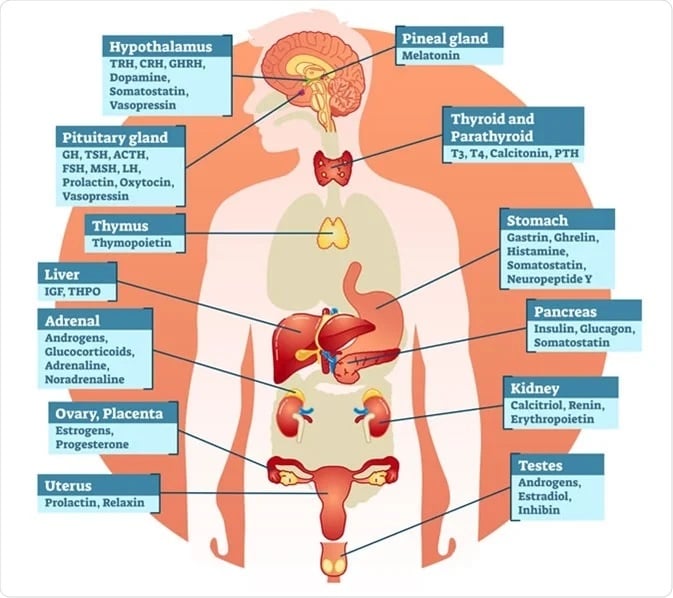
Small molecules play a pivotal role in Endocrinology Research. These are low molecular weight compounds that have a significant impact on the endocrine system, hormones, and their receptors. Here are some key aspects of how small molecules are involved in this field:
- Hormone Mimetics and Inhibitors: Small molecules are used to develop synthetic compounds that mimic the actions of hormones or inhibit their effects. For example, drugs like metformin for diabetes management and selective estrogen receptor modulators (SERMs) for breast cancer treatment are used to either mimic or block hormonal activity.
- Receptor Modulation: Small molecules can bind to hormone receptors and modulate their activity. This is crucial in developing drugs that target specific hormone receptors, like the use of small molecule agonists and antagonists to regulate thyroid hormone receptors.
- Metabolism Regulation: Endocrinology research often focuses on metabolism and how hormones like insulin regulate it. Small molecules are employed to understand and develop drugs targeting enzymes involved in metabolism, such as glucagon-like peptide-1 (GLP-1) agonists for diabetes treatment.
- Steroid Hormone Production: Small molecules may be utilized to influence the production of steroid hormones in the adrenal glands or gonads. This is essential for conditions like Cushing's syndrome or polycystic ovary syndrome (PCOS).
- Hormone Assays: In laboratory research, small molecules are used as tracers or markers in hormone assays. For instance, small molecule fluorophores can be attached to antibodies to detect hormone levels in blood samples.
Drug Development: Endocrinology research relies on small molecules as potential drug candidates. Researchers design and test small molecules for their effectiveness in modulating hormonal pathways, with the goal of developing new therapies for endocrine disorders.
In summary, small molecules are indispensable tools in Endocrinology Research, enabling scientists to better understand the endocrine system's intricacies and develop novel treatments for a wide range of hormonal disorders and conditions. Their versatility and specificity make them valuable assets in advancing our knowledge of endocrinology and improving patient care.
Endocrinology Disease Products
Endocrinology Research Products
Kisspeptin Receptor
Leptin Receptors
Melanocortin (MC) Receptors
Mineralocorticoid Receptors
Galanin Receptors
TRH Receptors
Ghrelin Receptors
Natriuretic Peptide Receptors
NPY Receptors
Motilin Receptor
PTH Receptor
