






-
VDR Antagonist
TEI-9647 is a potent and specific antagonist of the vitamin D receptor (VDR), functioning as a Vitamin D3 lactone analogue. It effectively inhibits VDR/VDRE-mediated genomic actions of 1α,25(OH)2D3, thereby suppressing bone resorption and HL-60 cell differentiation triggered by this active form of vitamin D. TEI-9647 is a valuable tool for investigating pathological conditions such as Paget's disease, where it may help mitigate excessive bone resorption and osteoclast formation. -
VDR Antagonist
TEI-9648 is a potent and specific antagonist of the vitamin D receptor (VDR). It effectively inhibits the genomic actions mediated by 1α,25(OH)2D3, blocking associated biological pathways. Additionally, TEI-9648 impedes the differentiation of HL-60 cells induced by 1α,25(OH)2D3. This compound demonstrates potential applications in research related to bone metabolism and VDR signaling pathways. -
Photoproduct of Vitamin D3
5,6-trans-Vitamin D3, a photoproduct of Vitamin D3, plays a vital role in modulating cellular responses. This compound promotes cell differentiation while inhibiting the proliferation of cancer cells. Its biological activities make it relevant for research focused on cancer biology, cellular signaling, and vitamin D metabolism. -
1α,25(OH)2D3 Metabolite
(1S)-Calcitriol is an active metabolite of 1α,25-dihydroxyvitamin D3, specifically targeting the vitamin D receptor (VDR). This compound exhibits significant biological activity, including the inhibition of keratinocyte proliferation and the suppression of parathyroid hormone secretion. Its VDR-mediated effects make (1S)-Calcitriol relevant for research in skin disorders, metabolic bone diseases, and the regulation of calcium homeostasis. -
VDR Antagonist
ZK159222 is a potent vitamin D receptor (VDR) antagonist, functioning as a 25-carboxylic ester derivative of 1α,25-(OH)2D3. Its mechanism of action involves preventing ligand-induced interactions between the vitamin D receptor and coactivators, thereby inhibiting the receptor's activity. ZK159222 also exhibits partial agonist characteristics, making it valuable for research into VDR signaling pathways and potential therapeutic applications in diseases related to vitamin D metabolism. -
Vitamin D Analog
Dihydrotachysterol is a synthetic analog of vitamin D that primarily targets the vitamin D receptor. This compound exhibits key biological activity by enhancing intestinal calcium absorption and mobilizing calcium from bone, making it valuable in the study of conditions such as hypocalcemia and hypoparathyroidism. Dihydrotachysterol is widely used in research applications focusing on calcium homeostasis and related metabolic disorders. -
VD/VDR Activator
Maxacalcitol-d6 is the deuterated form of Maxacalcitol (22-Oxacalcitriol), an analog of vitamin D3 that acts as a selective activator of the vitamin D receptor (VDR). This compound exhibits non-calcemic properties and is utilized in research to explore the roles of VDR in various biological processes. Maxacalcitol-d6 is particularly valuable for studies investigating calcium metabolism, bone health, and related signaling pathways. -
Vitamin C Intermediate
L-Galactose is a crucial intermediate in the biosynthesis of vitamin C (L-ascorbic acid) in plants. Through the VTC2 cycle, it undergoes enzymatic conversions that contribute to antioxidant activities, cellular integrity, and the regulation of carbon flow in photosynthesis. This compound is valuable for investigating the synthesis pathways of vitamin C and exploring its physiological roles in plant biology. -
VD/VDR Antagonist
Windaus ketone is a vitamin D (VD) antagonist that inhibits the activity of the vitamin D receptor (VDR). This compound is valuable in research focused on understanding vitamin D signaling pathways and their implications in various biological processes, including bone metabolism and immune function. Its antagonistic properties make it an important tool for studying the effects of disrupting VD/VDR interactions in cellular and molecular research. -
Vitamin D3 Analog
Calcitriol Derivatives are analogs of Vitamin D3 that primarily target vitamin D receptors. These compounds exhibit potent biological activity, influencing calcium homeostasis and bone metabolism. They are widely utilized in research to explore pathways related to bone health, immune response modulation, and cellular differentiation. -
Anticoagulant
Chlorindione is a potent anticoagulant that functions as a vitamin K1 antagonist. By inhibiting the synthesis of vitamin K-dependent clotting factors, it effectively reduces thrombus formation. This reagent is primarily utilized in research to study coagulation pathways and the mechanisms of anticoagulation therapy. -
Vitamin D3 Intermediate
Previtamin D3 is a key intermediate in the biosynthesis of cholecalciferol, commonly known as vitamin D3. It plays a crucial role in the metabolic pathway leading to the synthesis of this essential nutrient, which is vital for calcium homeostasis and bone health. Previtamin D3 is utilized in research applications focused on vitamin D metabolism and its implications in various physiological processes. -
VD/VDR Antagonist
Coumetarol is a vitamin K antagonist that acts primarily as a vascular endothelial growth factor (VEGF) and vitamin D receptor (VDR) antagonist. It is utilized in research to study mechanisms related to coagulation, as well as potential implications in cancer biology and cardiovascular diseases. This compound is valuable for investigating the role of vitamin K in various biological processes and evaluating its effects on cell signaling pathways. -
VD Epi-Analogue
CB1151 is a 20-epi analogue of 1,25-dihydroxyvitamin D3 (VD) that targets the vitamin D receptor (VDR). This compound demonstrates significant anti-tumor activity, effectively inhibiting the growth of MCF-7 breast cancer cells with an IC50 value of 0.82 nM. CB1151 is primarily utilized in research focusing on cancer biology and the mechanisms of vitamin D in therapeutic applications. -
Doxercalciferol Isomer
trans-Doxercalciferol is an isomer of Doxercalciferol, which is a Vitamin D2 analog that functions as an activator of the Vitamin D receptor. This compound plays a critical role in calcium homeostasis and bone metabolism, making it important for research into renal disease prevention and the modulation of immune responses. Its ability to influence cellular differentiation and proliferation makes trans-Doxercalciferol valuable for studies in various areas of biomedical research. -
Vitamin D3 Analogue
Atocalcitol is a vitamin D3 analogue that primarily targets the vitamin D receptor. It exhibits significant biological activity in modulating keratinocyte proliferation and differentiation, making it a valuable tool for psoriasis research. Its effects on immune response regulation also provide insights into potential therapeutic applications for autoimmune conditions related to skin health. -
Vitamin D Derivant
Butyrate-Vitamin D3 (Butyrate-Cholecalciferol) is a novel derivative of Vitamin D3, where a hydroxyl group is substituted with a butyric acid moiety. This compound modulates gene expression and enhances cellular functions while exhibiting anti-inflammatory properties. Butyrate-Vitamin D3 is valuable for research on immune regulation, metabolic disorders, and cancer biology, providing insights into the interplay between these critical processes. -
Calcitriol Isomer
(1R,5Z)-Calcitriol is an isomer of calcitriol, the most biologically active metabolite of vitamin D. This compound functions as a vitamin D receptor (VDR) agonist, influencing calcium metabolism and bone health. Its biological activity makes it valuable in research focused on bone disorders, immunomodulation, and calcium signaling pathways. -
VDR Agonist
VDR Agonist 2 is a potent compound that acts as an agonist for the vitamin D receptor (VDR). This reagent effectively inhibits the TGF-β1-induced activation of hepatic stellate cells (HSC), demonstrating significant anti-hepatic fibrosis effects in both in vitro and in vivo studies. It is suitable for research applications focused on liver fibrosis and the mechanistic understanding of VDR-mediated pathways. -
Vitamin D Analog
22-Hydroxyvitamin D3 is a novel vitamin D analog that lacks agonist activity in both intestinal and bone tissues. Its unique profile makes it a valuable tool for research into vitamin D metabolism and signaling pathways. This compound can be utilized in studies investigating the modulation of calcium homeostasis and potential therapeutic applications in vitamin D-related disorders. -
Anticoagulant
Tioclomarol is a coumarin anticoagulant that acts as a vitamin K antagonist. By inhibiting vitamin K-dependent clotting factors, it effectively reduces the risk of thromboembolic events. Tioclomarol is utilized in various research applications related to coagulation processes and the study of anticoagulant therapies. -
Vitamin D Analogue
Pyrocholecalciferol is a vitamin D analogue that arises from the photochemical transformation of 7-dehydrocholesterol (7-DHC). This compound exhibits significant biological activity in regulating calcium and phosphate homeostasis, playing a crucial role in bone health and metabolic processes. Its applications extend to studies involving vitamin D signaling pathways and the exploration of related metabolic disorders. - 5,6-trans-Vitamin D2 is an isomer of Vitamin D2, primarily known for its role in regulating calcium and phosphate metabolism. This compound demonstrates significant biological activity related to bone health and immune function, making it valuable in various research applications. It is often utilized in studies focused on vitamin D receptor activation and its effects on cellular processes in health and disease.
-
Vitamin D Analog
2MD is an orally active vitamin D analog that primarily targets bone metabolism. It stimulates periosteal bone formation while decreasing trabecular bone resorption, effectively restoring both trabecular and cortical bone mass and strength. Additionally, 2MD regulates genes associated with intraocular pressure (IOP) and has been shown to reduce IOP in non-human primates, making it a valuable tool for research in bone health and ocular physiology. -
VD/VDR Inhibitor
(R)-Acenocoumarol is a vitamin K epoxide reductase inhibitor, serving as a potent orally active anticoagulant. It exhibits superior in vivo anticoagulant potency compared to Warfarin, attributed to its longer plasma elimination half-life and slower plasma clearance rate. This compound is particularly valuable in research applications focused on coagulation studies and the pharmacodynamics of anticoagulants. Its unique chiral center allows for exploration into the distinct biological activities of its enantiomeric forms. -
Vitamin D Analogue
Tisocalcitate is a Vitamin D analogue that primarily targets the vitamin D receptor. It exhibits anti-proliferative and immunomodulatory effects, making it valuable for research on plaque-type psoriasis. Its use in scientific studies contributes to understanding the therapeutic potential of vitamin D derivatives in skin disorders. -
Phosphodiesterase Inhibitor
Pefcalcitol, a phosphodiesterase inhibitor, exhibits potential as a therapeutic agent for psoriasis management. Its unique 16-en-22-oxa-vitamin D3 structure contributes to its biological activity, influencing cellular signaling pathways associated with skin inflammation and proliferation. This reagent is instrumental in pharmacological research aimed at understanding psoriasis pathophysiology and developing innovative treatment strategies. -
Vitamin D analogue
Ro-65-2299 is an orally active vitamin D analogue that functions as a potential agonist of the vitamin D receptor (VDR), with an effective dose (ED50) of 180 nM. It promotes thickening of the epidermis and demonstrates antipsoriatic activity in hairless mice, with an ED50 of 7.5 mg/kg. This compound is suitable for research into inflammation and immunology, particularly in the context of psoriasis and related skin disorders. -
Vitamin D₃ Analogue
19-Nor-22-oxa-1a,25(OH)2-VD3 is a vitamin D₃ analogue that exhibits low affinity for the vitamin D receptor (VDR) and minimal binding to the vitamin D binding protein (DBP). This compound effectively induces the differentiation of HL-60 cells and promotes G₀-G₁ phase cell cycle arrest. It serves as a valuable tool for investigating conditions such as excessive hyperparathyroidism in biological research. -
Vitamin D3 Derivatives
Pre-vitamin D3 decanoate is a vitamin D3 derivative involved in the metabolic conversion to active vitamin D forms. Upon administration, it is first converted to 25-hydroxyvitamin D3 in the liver and subsequently transformed into 1,25-dihydroxyvitamin D3 in the kidneys. This compound is particularly relevant for research into diseases related to vitamin D deficiency, including osteoporosis, autoimmune disorders, and particular cancers, due to its role in modulating calcium metabolism and immune function. Its unique formulation enhances the stability and bioavailability of vitamin D3, making it a valuable tool in biomedical research. -
Antieoagulant Agent
Coumachlor is an orally active anticoagulant agent and a vitamin K antagonist. It interferes with the synthesis of vitamin K-dependent clotting factors, thereby inhibiting the coagulation cascade. Coumachlor is primarily used in research related to thrombosis and hemostasis, providing insight into the mechanisms of blood coagulation and potential therapeutic interventions. -
VD/VDR
Chol-5-en-24-al-3β-ol is a steroid compound that serves as a derivative of Vitamin D3, targeting the Vitamin D receptor (VDR). This compound is known for its biological activity in modulating calcium homeostasis and influencing gene expression related to bone and immune health. Research applications include studies on vitamin D metabolism, signaling pathways, and potential therapeutic effects in various diseases. -
VD/VDR
Vitamin D-C22 acid is an analog of vitamin D that targets the vitamin D receptor (VDR). Its [125I]-labeled form is utilized in the development of detection methods for vitamin D metabolites. Additionally, [125I]Vitamin D-C22 acid serves as a tracer in radioimmunoassays, facilitating the quantification of vitamin D levels in research applications. -
VKOR Antagonist
Tecarfarin is an orally active, non-competitive antagonist of vitamin K epoxide reductase (VKOR), which plays a critical role in the activation of vitamin K-dependent clotting factors II, VII, IX, and X. By inhibiting VKOR, Tecarfarin exhibits significant antithrombotic activity, making it valuable for research in coagulation disorders and anticoagulation therapies. This compound is useful in studying the mechanisms of thromboembolism and the development of novel anticoagulant agents. -
angiotensin-converting enzyme Inhibitor, renin Inhibitor
Lyciumin D functions as both an angiotensin-converting enzyme inhibitor and a renin inhibitor. This compound demonstrates significant potential in the modulation of the renin-angiotensin system, making it a valuable tool for research into hypertension and related cardiovascular conditions. Its multimodal mechanism can facilitate studies aimed at understanding blood pressure regulation and developing therapeutic strategies for hypertension management. -
Renin Inhibitor
Imarikiren hydrochloride is a potent renin inhibitor that disrupts the renin-angiotensin (RA) system. This compound demonstrates significant biological activity in the context of cardiovascular and renal diseases, making it valuable for research related to hypertension, heart failure, and diabetic nephropathy. Its mechanism of action provides insights into the modulation of blood pressure and kidney function, facilitating the exploration of therapeutic strategies for these conditions. -
Renin Inhibitor
SQ 33800 is a highly potent inhibitor of human renin, exhibiting an IC50 value of 0.35 nM. This compound is instrumental in the study of cardiovascular diseases, providing insights into the regulation of blood pressure and fluid balance. Researchers can utilize SQ 33800 to explore the implications of renin inhibition in various cardiovascular-related conditions. -
Direct Renin Inhibitor
SPH3127 is a highly potent and orally active direct renin inhibitor, demonstrating an IC50 of 0.4 nM against recombinant human renin and 0.45 nM for human plasma renin activity. This compound exhibits significant antihypertensive properties, making it a valuable tool for research focused on essential hypertension and related cardiovascular studies. Its mechanism of action as a direct renin inhibitor allows for detailed investigation into the renin-angiotensin-aldosterone system and its implications in hypertension management. -
Renin Inhibitor
Zankiren is a selective renin inhibitor that reduces the formation of angiotensin II, leading to its renal vasodilator effects. This compound is valuable for research focused on hypertension and cardiovascular diseases, as it specifically modulates renal hemodynamics without interfering with other vasodilatory pathways. Its ability to target renin makes Zankiren an important tool for studying the renin-angiotensin system and its implications in various pathological conditions. -
Renin Inhibitor
SQ 32970 is a tripeptidic inhibitor targeting renin, a key enzyme in the regulation of blood pressure. This compound exhibits potent inhibition of endothia protease activity, making it valuable for studies related to hypertension and cardiovascular research. SQ 32970 serves as a useful tool for investigating the physiological and pathological roles of the renin-angiotensin system. -
Renin Inhibitor
SQ 31844 is a novel renin inhibitor from the imidazolidinol class, specifically targeting the enzyme renin. This compound demonstrates potent in vitro inhibition of primate renin while showing no significant effects on renin from rat, pig, or dog. In vivo studies in sodium-deprived cynomolgus monkeys reveal a dose-dependent reduction in plasma renin activity (PRA) and arterial blood pressure, particularly at higher intravenous doses. Notably, oral administration of SQ 31844 at 50 μmol/kg leads to an 80% reduction in PRA. SQ 31844 serves as a valuable tool for exploring renin-related cardiovascular research and hypertension studies. -
Renin Inhibitor
Renin IN-2 is a selective inhibitor of human renin, exhibiting an IC50 value of 0.059 μM. This compound demonstrates oral efficacy and is applicable in the study of hypertension. Research utilizing Renin IN-2 can provide insights into renin's role in the regulation of blood pressure and related cardiovascular conditions. -
Renin Antagonist
EMD 55068 is a potent renin antagonist that effectively inhibits the enzyme's activity, thereby modulating the renin-angiotensin-aldosterone system. This compound has demonstrated efficacy in reducing taurocholate uptake, making it a valuable tool for studying renal function and hypertension-related research. EMD 55068 is of interest for investigations into cardiovascular diseases and the physiological implications of renin inhibition. -
Renin Inhibitor
Renin-IN-4 is a potent renin inhibitor that modulates the renin-angiotensin system. This compound is primarily studied for its implications in cardiovascular diseases, as it plays a crucial role in regulating blood pressure and fluid balance. Renin-IN-4 serves as a valuable tool for investigating the pathophysiology of hypertension and related cardiovascular disorders. -
Renin Inhibitor
Ciprokiren is a potent renin inhibitor, exhibiting IC50 values of 0.07 nM in buffer and 0.65 nM in plasma. This compound can be applied transdermally while maintaining hemodynamic effects without reducing plasma renin activity or plasma immunoreactive angiotensin II levels. Ciprokiren demonstrates significant antihypertensive efficacy, making it a valuable tool for hypertension research and the study of renin-angiotensin system modulation. -
Renin Inhibitor
CGP 29287 is a potent inhibitor of renin, the enzyme responsible for the conversion of angiotensinogen to angiotensin I in the renin-angiotensin system. By selectively inhibiting renin activity, CGP 29287 plays a critical role in studying the regulation of blood pressure and cardiovascular function. This compound is useful in research applications focusing on hypertension, heart failure, and related metabolic disorders. -
Renin Inhibitor
CP-85339 is a tetrapeptide compound that functions as a selective renin inhibitor, effectively modulating the renin-angiotensin-aldosterone system. It demonstrates significant biological activity by decreasing plasma renin levels, which can contribute to lowering blood pressure. This reagent is utilized in research applications related to cardiovascular diseases and hypertension studies, providing insights into the therapeutic potential of renin inhibition. -
Renin Inhibitor
SQ 30774 is a selective renin inhibitor that demonstrates potent in vitro activity in primate models. This compound effectively reduces plasma renin activity (PRA) and has been shown to lower arterial blood pressure in vivo. SQ 30774 is valuable for research applications focusing on hypertension and the renin-angiotensin system, providing insights into cardiovascular regulation and potential therapeutic interventions. -
Renin Inhibitor
Terlakiren is an orally active renin inhibitor that effectively modulates blood pressure regulation. With an IC50 value of 0.7 nM against human renin, Terlakiren demonstrates potent inhibition, making it a valuable tool for studying hypertension and related cardiovascular conditions. This compound is useful in research focused on renin-angiotensin system modulation and potential therapeutic interventions for hypertension. -
Renin Inhibitor
L-363564 is a potent renin inhibitor that plays a critical role in the modulation of the renin-angiotensin-aldosterone system (RAAS). This compound is primarily utilized in cardiovascular disease research, aiding in the investigation of hypertension and related conditions. Its ability to effectively inhibit renin activity makes it a valuable tool for exploring therapeutic strategies in this area.
Endocrinology-Hormones
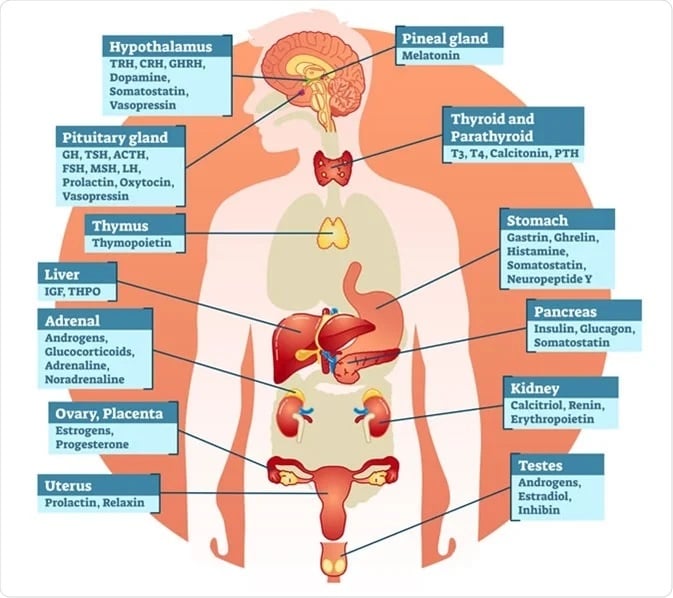
Small molecules play a pivotal role in Endocrinology Research. These are low molecular weight compounds that have a significant impact on the endocrine system, hormones, and their receptors. Here are some key aspects of how small molecules are involved in this field:
- Hormone Mimetics and Inhibitors: Small molecules are used to develop synthetic compounds that mimic the actions of hormones or inhibit their effects. For example, drugs like metformin for diabetes management and selective estrogen receptor modulators (SERMs) for breast cancer treatment are used to either mimic or block hormonal activity.
- Receptor Modulation: Small molecules can bind to hormone receptors and modulate their activity. This is crucial in developing drugs that target specific hormone receptors, like the use of small molecule agonists and antagonists to regulate thyroid hormone receptors.
- Metabolism Regulation: Endocrinology research often focuses on metabolism and how hormones like insulin regulate it. Small molecules are employed to understand and develop drugs targeting enzymes involved in metabolism, such as glucagon-like peptide-1 (GLP-1) agonists for diabetes treatment.
- Steroid Hormone Production: Small molecules may be utilized to influence the production of steroid hormones in the adrenal glands or gonads. This is essential for conditions like Cushing's syndrome or polycystic ovary syndrome (PCOS).
- Hormone Assays: In laboratory research, small molecules are used as tracers or markers in hormone assays. For instance, small molecule fluorophores can be attached to antibodies to detect hormone levels in blood samples.
Drug Development: Endocrinology research relies on small molecules as potential drug candidates. Researchers design and test small molecules for their effectiveness in modulating hormonal pathways, with the goal of developing new therapies for endocrine disorders.
In summary, small molecules are indispensable tools in Endocrinology Research, enabling scientists to better understand the endocrine system's intricacies and develop novel treatments for a wide range of hormonal disorders and conditions. Their versatility and specificity make them valuable assets in advancing our knowledge of endocrinology and improving patient care.
Endocrinology Disease Products
Endocrinology Research Products
Kisspeptin Receptor
Leptin Receptors
Melanocortin (MC) Receptors
Mineralocorticoid Receptors
Galanin Receptors
TRH Receptors
Ghrelin Receptors
Natriuretic Peptide Receptors
NPY Receptors
Motilin Receptor
PTH Receptor
