






Epigenetics
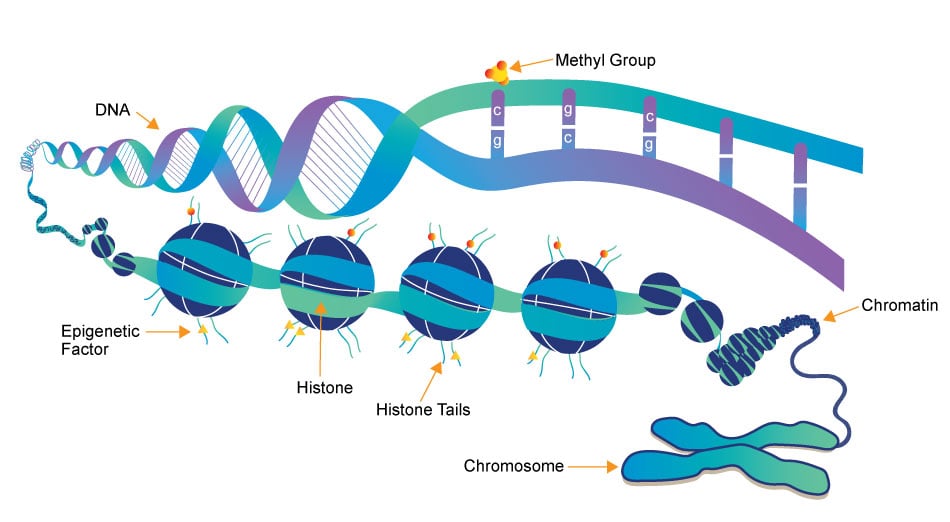
Epigenetics research delves into the molecular mechanisms that control gene expression and cellular traits without altering the underlying DNA sequence. One crucial aspect of this field is the role of small molecules, which act as powerful regulators of epigenetic modifications. These small compounds, typically comprising a few dozen to a few hundred atoms, have emerged as essential tools in understanding and manipulating the epigenome.
- DNA Methylation Inhibitors: Small molecules like 5-azacytidine and 5-aza-2'-deoxycytidine are DNA methyltransferase inhibitors. They block the addition of methyl groups to DNA, leading to DNA demethylation. This can reactivate silenced genes, potentially offering therapeutic avenues for conditions like cancer.
- HDAC inhibitors: HDACs remove acetyl groups from histone proteins, contributing to gene repression. Small molecule HDAC inhibitors, such as Vorinostat and Romidepsin, can reverse this process by increasing histone acetylation, allowing genes to be more accessible for transcription. These inhibitors are being explored for cancer therapy and other conditions.
- Histone Methyltransferase Inhibitors: Small molecules like GSK126 inhibit specific histone methyltransferases, affecting histone methylation patterns. This can alter gene expression, making them promising candidates for cancer and other diseases with epigenetic dysregulation.
- RNA Modulators: Small molecules can also target non-coding RNAs involved in epigenetic regulation. For instance, small molecules called small interfering RNAs (siRNAs) can be designed to target and degrade specific long non-coding RNAs, influencing gene expression.
- Epigenetic Reader Domain Inhibitors: These small molecules target proteins that recognize and bind to specific epigenetic marks. Examples include inhibitors of bromodomain-containing proteins (BET inhibitors), which can disrupt gene regulation by interfering with protein-DNA interactions.
Small molecules in epigenetics research not only provide insights into the fundamental biology of gene regulation but also hold immense promise for developing novel therapeutics. Their ability to selectively modulate specific epigenetic marks and pathways has led to ongoing clinical trials and drug development efforts for various diseases, including cancer, neurological disorders, and inflammatory conditions. Understanding and harnessing the power of these small molecules is at the forefront of modern epigenetics research, offering new hope for precision medicine and targeted therapies.
3 key components involved in the regulation of epigenetic modifications
Epigenetics Writer
Epigenetics writers are enzymes responsible for adding chemical marks or modifications to DNA or histone proteins. These marks include DNA methylation (addition of methyl groups to DNA) and histone modifications (such as acetylation, methylation, phosphorylation, etc.).
Epigenetics Reader
Function: Epigenetics readers are proteins that can recognize and bind to specific epigenetic marks on DNA or histones. These reader proteins interpret the epigenetic code and facilitate downstream cellular processes, such as gene activation or repression.
Epigenetics Eraser
Function: Epigenetics erasers are enzymes responsible for removing or reversing epigenetic marks on DNA or histones. This process allows for the dynamic regulation of gene expression and the resetting of epigenetic states during various stages of development and in response to environmental changes.
-
BRDT-BD2 Inhibitor
CDD-1154 is an aminopyrimidine analog that functions as a specific inhibitor of the bromodomain testis-specific protein BRDT-BD2, with an IC50 of 139 nM. This compound is primarily utilized in male contraceptive research, providing valuable insights into fertility regulation and the development of novel contraceptive methods. Its selective activity against BRDT-BD2 supports investigations into potential therapeutic applications in reproductive health. -
BRD4 Inhibitor
BRD4 Inhibitor-29 is a selective bromodomain-containing protein 4 (BRD4) inhibitor with an IC50 of less than 100 nM. This compound exhibits notable antiproliferative effects against prostate cancer cells, making it a valuable tool for investigating the role of BRD4 in cancer biology and therapeutic applications. It can be utilized in research aimed at understanding the mechanisms of tumorigenesis and developing new treatment strategies for BRD4-dependent cancers. -
CBP Inhibitor
DC-CPin7 is a selective inhibitor of the CREB-binding protein (CBP) bromodomain, demonstrating an IC50 value of 2.5 μM. This compound modulates CBP-mediated signaling pathways, making it relevant for studies involving transcriptional regulation and epigenetic modifications. DC-CPin7 is suitable for research applications focused on cancer biology and other diseases linked to dysregulated gene expression. -
BET Inhibitor
XL-126 is a selective inhibitor of the bromodomain and extraterminal (BET) protein family, specifically targeting BD1 with a Kd of 8.9 nM. This compound demonstrates significant anti-inflammatory properties while preserving platelet function, making it a valuable tool for research into inflammatory disorders and hematological conditions. XL-126 is particularly useful in studies aimed at understanding the role of BET proteins in disease pathways and therapeutics. -
BRD4 Inhibitor
Penipanoid C is a selective BRD4 inhibitor derived from the marine sediment-derived fungus Penicillium paneum SD-44. This compound exhibits anti-inflammatory properties and demonstrates cytotoxic effects on SMMC-7721 cells. Penipanoid C serves as a valuable tool for research into inflammatory diseases and related therapeutic applications. -
BRD4-BD1 Inhibitor
BRD4-BD1-IN-2 is a selective inhibitor of BRD4-BD1, exhibiting an IC50 of 2.51 µM, demonstrating a 20-fold selectivity over BD2. This compound is valuable in research focused on cancer and cardiovascular diseases, facilitating the investigation of BRD4’s role in oncogenic processes and cardiac function. Its specificity makes it a useful tool for probing the biological mechanisms underlying these conditions. -
BET Inhibitor
XY153 is a BD2-selective BET inhibitor that primarily targets the bromodomain 2 (BD2) of the BRD4 protein. It exhibits potent binding affinity to BRD4 BD2, BRD3 BD2, and BRD2 BD2, with IC50 values of 0.79 nM, 5.31 nM, and 5.09 nM, respectively. XY153 demonstrates significant antiproliferative effects across various tumor cell lines and is applicable in research focused on acute myeloid leukemia (AML) and cancer therapeutics. -
SMARCA2-BRD Inhibitor
DCSM06-05 is a potent inhibitor of the SMARCA2-BRD interaction, exhibiting an IC50 value of 9 µM and a Kd value of 22.4 µM. This compound is instrumental in studies focused on chromatin remodeling and precision oncology, as it modulates the activity of the SWI/SNF complex. Research applications include investigating the role of SMARCA2 in tumorigenesis and therapeutic resistance in various cancers. -
BET Bromodomain Inhibitor
BET bromodomain inhibitor 3 selectively inhibits BET bromodomains, demonstrating an inhibitory effect against BrdT with a Ki value greater than 40 µM. This compound is instrumental in studying various biological processes and has potential applications in research related to contraception, cancer, and cardiovascular diseases. Its mechanism of action makes it a valuable tool for investigating the role of BET proteins in gene regulation and associated pathologies. -
SMARCA2 ATPase Inhibitor
SMARCA2-IN-10 is a selective inhibitor of the SMARCA2 ATPase domain, with an IC50 value of 17.676 μM. This compound has been shown to induce cell death in tumors lacking SMARCA4, making it a valuable tool for investigating SMARCA4-mutant non-small cell lung cancer, small cell ovarian carcinoma, and melanoma. Its targeting of the SMARCA2 ATPase offers significant potential for advancing research in these cancer types. -
SMARCA2/4 Inhibitor
SMARCA2/4-IN-1 is a selective inhibitor targeting SMARCA2 and SMARCA4, with reported IC50 values of 3.8 µM and 1.7 µM, respectively. This compound demonstrates significant inhibition of these chromatin remodeling factors, making it a valuable tool for studying epigenetic regulation and its impact on gene expression. It has potential applications in cancer research and therapeutic investigations aimed at manipulating chromatin dynamics. -
PBRM1 Bromodomain Inhibitor
PBRM1-BD2-IN-4 is a selective inhibitor of the PBRM1 bromodomain, exhibiting Kd values of 5.5 μM and 11.1 μM for PBRM1-BD2 and PBRM1-BD5, respectively, with an IC50 of 0.2 μM for PBRM1-BD2. This compound is instrumental in studying the role of PBRM1 in cancer biology and may contribute to the development of anticancer therapies targeting bromodomain-containing proteins. Its high potency and specificity make it a valuable tool for research focused on epigenetic regulation in cancer contexts. -
BRD4 Inhibitor
BRD4 Inhibitor-34 is a selective inhibitor of the bromodomain and extraterminal (BET) protein BRD4, exhibiting an IC50 value of 24 μM. This compound effectively disrupts BRD4's interaction with acetylated lysines, leading to the modulation of gene expression and cellular signaling pathways. BRD4 Inhibitor-34 is utilized in research applications involving cancer biology, inflammation, and epigenetic regulation, providing valuable insights into the therapeutic potential against various diseases. -
SMARCA Inhibitor
SMARCA2-IN-4 is a selective inhibitor of the SWI/SNF chromatin remodeling complex, specifically targeting the bromodomains of SMARCA proteins. This compound demonstrates high binding affinity for PB1, SMARCA2B, and SMARCA4, with dissociation constants (Kd) of 124 nM, 262 nM, and 417 nM, respectively. SMARCA2-IN-4 is valuable for studies investigating the roles of chromatin remodeling in gene expression and cellular processes, offering potential insights into cancer biology and epigenetic regulation. -
BET Inhibitor
BET-IN-1 is a potent inhibitor of bromodomain and extraterminal (BET) proteins, which play a crucial role in regulating gene expression through acetylated lysine recognition. It demonstrates significant brain penetration and favorable metabolic stability, making it a valuable tool for studying the role of BET proteins in various cellular processes. BET-IN-1 is particularly applicable in research related to cancer biology and neurodegenerative disorders, aiding in the exploration of therapeutic strategies targeting epigenetic regulation. -
BRD4 Inhibitor
CeMMEC2 is a potent inhibitor of the bromodomain-containing protein 4 (BRD4) with an IC50 of 0.9 μM. This compound effectively disrupts BRD4-driven transcriptional programs, making it a valuable tool for studying epigenetic regulation. CeMMEC2 is particularly useful in cancer research and the investigation of inflammatory diseases, providing insights into therapeutic strategies targeting BRD4-mediated pathways. -
BRD4 Inhibitor
BRD4-IN-6 is a selective inhibitor of the Bromodomain-containing protein 4 (BRD4), a critical regulator of gene expression and a key target in cancer research. This compound effectively disrupts the BRD4-dependent transcriptional activation, leading to decreased cell proliferation in various cancer models. Its application extends to studying the mechanisms of BRD4 in epigenetic regulation and the development of potential therapeutic strategies for cancer treatment. -
CBP Bromodomain Inhibitor
Y08284 is a potent and selective inhibitor of the CBP bromodomain, exhibiting an IC50 of 4.21 nM. This compound effectively suppresses the proliferation of prostate cancer cell lines, including LNCaP, C4-2B, and 22Rv1. Its significant antitumor activity makes Y08284 a valuable tool for research focused on prostate cancer biology and bromodomain-related processes. -
CBP Bromodomain Inhibitor
Y08175 is a highly potent inhibitor of the CBP bromodomain, demonstrating significant inhibitory capacity with IC50 values of 37 nM and 178.15 nM in AlphaScreen and HTRF assays, respectively. This compound is valuable for investigating the role of CBP in oncogenic processes, particularly in the context of prostate cancer research. Its ability to selectively target the CBP bromodomain makes it a useful tool for studying bromodomain-mediated transcriptional regulation and associated pathways. -
BET Bromodomain Inhibitor
BET Bromodomain Inhibitor 2 selectively targets the bromodomains of BET proteins, exhibiting a potent inhibitory effect with an IC50 of 14.1 µM. This compound is critical for modulating gene expression linked to cancer and inflammation by disrupting the interaction between acetylated histones and BET proteins. It is applicable in various research contexts, including oncology and epigenetics studies, providing invaluable insights into therapeutic strategies targeting bromodomain-containing proteins. -
BRD4 Inhibitor
BRD4-IN-9 is a potent inhibitor of BRD4, exhibiting an IC50 value of 9.4 nM. It demonstrates significant efficacy in suppressing tumor growth, specifically in a mouse melanoma xenograft model. This compound is valuable for research focusing on cancer biology and epigenetic regulation. -
Bromodomain Inhibitor
Bromodomain inhibitor-10 is a selective bromodomain inhibitor that targets BRD4-1 and BRD4-2 with Kd values of 15.0 nM and 2500 nM, respectively. This compound effectively inhibits the production of IL-12p40, making it valuable in studies related to immune response and inflammation. It is suitable for research applications investigating the roles of bromodomain proteins in various biological processes and disease states. -
p300/CBP Bromodomain Inhibitor
CZL-077 is a selective and potent inhibitor of the bromodomains of p300 and CBP, with IC50 values of 0.034 μM and 0.052 μM, respectively. It demonstrates high specificity for p300/CBP over BET proteins, making it a valuable tool in the study of epigenetic regulation. CZL-077 effectively inhibits the growth of multiple myeloma and prostate cancer cell lines, with IC50 values of 0.024 μM in OPM-2 and 5.6 μM in 22RV1 cells. Additionally, it exhibits significant antitumor activity in xenograft mouse models, supporting its potential use in cancer research. -
BRD4 Inhibitor
BRD4 Inhibitor-27 targets the bromodomain protein BRD4, demonstrating inhibitory activity with IC50 values of 9.6 μM for BRD4 BD1 and 11.3 μM for BRD4 BD2. This compound is valuable for research in cancer biology, providing insights into the roles of BRD4 in tumorigenesis and potential therapeutic applications in cancer treatment. -
SMARCA2/4 Inhibitor
SMARCA2-IN-6 is a potent inhibitor of SMARCA2 and SMARCA4, exhibiting IC50 values under 5 nM for both targets. This compound effectively suppresses KRT80 gene expression in H1299 cells with an IC50 of 26 nM, and demonstrates significant antiproliferative effects in BRG1-mutant SKMEL5 cells, with an IC50 of 13 nM. SMARCA2-IN-6 serves as a valuable tool for research applications focused on chromatin remodeling and associated oncogenic pathways. -
BRD4 Inhibitor
BRD4-IN-7 is a selective inhibitor of the bromodomain-containing protein 4 (BRD4). By targeting BRD4, this compound plays a crucial role in modulating gene expression and has been shown to disrupt the interaction between BRD4 and acetylated histones. Its primary applications include cancer research and investigations into various diseases involving epigenetic regulation, making it a valuable tool for further studies on transcriptional control and associated pathways. -
BRD4-1 Inhibitor
Bromodomain inhibitor-9 is a selective inhibitor of BRD4-1, exhibiting a Kd of 12 nM. This compound has been shown to play a significant role in modulating biological pathways related to systemic and tissue inflammation, lipid metabolism, fibrosis, and chronic autoimmune diseases. Its application in research provides valuable insights into the therapeutic potential for addressing these conditions. -
BET Inhibitor
Y08060 is a selective inhibitor of Bromodomain and Extra-Terminal (BET) proteins. It demonstrates significant anti-proliferative effects on C4-2B and LNCaP prostate cancer cell lines, with IC50 values of 3.23 μM and 4.41 μM, respectively. Additionally, Y08060 effectively suppresses colony formation and androgen receptor (AR) expression in these cell lines, making it a valuable tool for research applications targeting prostate cancer biology. -
Bromodomain Inhibitor
Bromodomain inhibitor-13 is a selective inhibitor targeting bromodomain-containing proteins (BCPs), including SMARCA2, SMARCA4, and the bromodomain of PB1. It exhibits potent binding affinity with KD values of 37 nM for SMARCA2, 53 nM for SMARCA4, and 30 nM for PB1(5), alongside a KD of 190 nM for PB1(2). This compound is valuable for research into epigenetic regulation and the role of bromodomains in various cellular processes, making it a useful tool for studying gene expression modulation and protein interactions in cancer and other diseases. -
Bromodomain Inhibitor
Bromodomain inhibitor-12 is a selective bromodomain inhibitor that interferes with the interaction between bromodomain-containing proteins and acetylated lysines. This compound exhibits significant biological activity in modulating chromatin dynamics and has potential applications in the study of autoimmune and inflammatory diseases. Its ability to inhibit bromodomain-mediated signaling pathways makes it a valuable tool for investigating therapeutic strategies in these conditions. -
BET Inhibitor
BRD4 Inhibitor-19 is a small molecule inhibitor targeting the bromodomain and extraterminal (BET) family, specifically inhibiting BRD4 with an IC50 of 55 nM at the BRD4-BD1 site. This compound exhibits significant anti-proliferative effects, making it a valuable tool in the study of multiple myeloma and related hematological malignancies. Researchers can utilize BRD4 Inhibitor-19 to explore the roles of BET proteins in cancer biology and evaluate potential therapeutic strategies in targeting aberrant gene expression. -
BET Inhibitor
BET-IN-27 is a potent inhibitor of bromodomain and extraterminal (BET) proteins, demonstrating IC50 values of 3.3 nM for BRD4-BD2, 3.4 nM for BRD4-BD1, 4.1 nM for BRD2-BD1, 20.4 nM for BRD3-BD1, and 42.0 nM for BRDT-BD1. This compound exhibits significant anti-proliferative effects, making it a valuable tool for research in cancer biology and therapeutic development targeting BET protein pathways. Its selective inhibition profile allows for further exploration of BET proteins in various disease models. -
BET Inhibitor
BETi-211 is a potent BET inhibitor with a Ki value of less than 1 nM. It selectively inhibits the growth of triple-negative breast cancer (TNBC) cell lines, exhibiting an IC50 of less than 1 μM. BETi-211 effectively induces degradation of BET proteins, leading to significant suppression of tumor growth in xenograft models of breast cancer, making it a valuable tool for cancer research and therapeutic development. -
BRD4 Inhibitor
BRD4 Inhibitor-33 is a selective inhibitor of Bromodomain-containing protein 4 (BRD4), which plays a crucial role in regulating gene expression through the recognition of acetylated lysines. This compound has demonstrated significant potential in studies related to acute and chronic kidney diseases, making it valuable for researchers investigating therapeutic approaches for renal pathologies. Its mechanism of action may facilitate insights into the molecular underpinnings of kidney dysfunction and inform future treatment strategies. -
CBP/EP300 Inhibitor
I-CBP112 hydrochloride is a selective inhibitor of CBP and EP300, acting through direct binding to their bromodomains with dissociation constants of 142 nM and 625 nM, respectively. This compound has been shown to significantly diminish the leukemia-initiating potential of MLL-AF9(+) acute myeloid leukemia cells both in vitro and in vivo, demonstrating dose-dependent efficacy. Additionally, I-CBP112 enhances the cytotoxic effects of the BET bromodomain inhibitor JQ1 and doxorubicin, making it a valuable tool for research in cancer therapeutics and epigenetic regulation. -
BRD4 Inhibitor
BRD4 Inhibitor-32 is a potent inhibitor of the Bromodomain-containing protein 4 (BRD4), targeting the interaction between BRD4 and acetylated histones. This compound exhibits significant biological activity in the modulation of inflammatory pathways and has potential applications in the study of acute and chronic kidney diseases. It serves as a valuable tool in research aimed at understanding the role of BRD4 in renal pathophysiology and therapeutic intervention. -
BET Inhibitor
BET-IN-24 is a bromodomain and extra-terminal (BET) inhibitor that selectively targets BET proteins. This compound is known to modulate gene expression and has demonstrated significant biological activity in various research contexts, including virology, heart failure, inflammation, central nervous system (CNS) diseases, and cancer. Its ability to inhibit BET proteins makes it a valuable tool for exploring the underlying mechanisms of these conditions and assessing potential therapeutic strategies. -
CBP/p300 Inhibitor
XDM-CBP is a potent inhibitor of the CBP/p300 transcriptional co-activators. This compound effectively disrupts CBP/p300-mediated signaling pathways, making it valuable for investigating the role of these proteins in various malignancies, including malignant melanoma, breast cancer, and leukemia. XDM-CBP serves as an important tool in cancer research, aiding in the understanding of tumorigenesis and potential therapeutic strategies. -
BRDT-BD2 Inhibitor
CDD-1147 is a selective inhibitor of the BRDT-BD2 domain, exhibiting an IC50 of 94 nM. This compound is primarily utilized in research investigating non-hormonal contraceptive methods for males. Its ability to hinder BRDT interactions facilitates the exploration of reproductive targets, contributing to the advancement of male contraceptive solutions. -
CBP bromodomain Inhibitor
CBP/p300-IN-24 is a selective inhibitor of the CBP bromodomain, exhibiting an IC50 of 32 μM and demonstrating notable selectivity over the BRD4 BD-1 bromodomain. This compound interacts with the acetyl lysine binding pocket, establishing hydrogen bonds with Asn1168 and a solvent-mediated hydrogen bond with Tyr1125, alongside hydrophobic interactions with Leu1120, Ile1122, and Val1174. CBP/p300-IN-24 is useful for investigating the role of CBP in various signaling pathways and disease states, particularly in cancer research and epigenetic studies. -
JAK3 Inhibitor
JAK3-IN-13 is a selective and orally bioavailable inhibitor of JAK3, exhibiting IC50 values of 4728, 2039, 8, and 365 nM against NK1, JNK2, JNK3, and Tyk2, respectively. This compound demonstrates significant antiproliferative effects and induces cell cycle arrest in the G0/G1 phase. JAK3-IN-13 is particularly relevant for research applications focused on tumor biology and the modulation of immune responses. -
PIM-3 Inhibitor
M-110 is a selective, ATP-competitive inhibitor of PIM kinases, prominently targeting PIM-3 with an IC50 of 47 nM. This compound exhibits inhibitory activity against PIM-1 and PIM-2 with IC50 values around 2.5 μM. M-110 has demonstrated efficacy in curtailing the proliferation of prostate cancer cell lines, exhibiting IC50 values ranging from 0.6 to 0.9 μM. This makes M-110 a valuable tool for studying PIM kinase signaling pathways and their role in cancer biology. -
Pim-2 Inhibitor
HJ-PI01, a potent Pim-2 inhibitor, effectively induces apoptosis and autophagic cell death in cancer cells. This compound demonstrates significant anti-tumor activity in vivo, notably inhibiting tumor growth in MDA-MB-231 xenograft mouse models. HJ-PI01 serves as a valuable tool for cancer research, facilitating investigations into the therapeutic implications of Pim-2 inhibition. -
PIM Inhibitor
Uzansertib is a potent, orally active pan-PIM kinase inhibitor that operates through ATP-competitive mechanisms, exhibiting IC50 values of 0.24 nM, 30 nM, and 0.12 nM for PIM1, PIM2, and PIM3, respectively. This compound demonstrates significant anti-proliferative activity across a range of hematologic tumor cell lines, making it a valuable tool for research in cancer biology and therapeutic development. Researchers can utilize Uzansertib to explore the roles of PIM kinases in tumorigenesis and potential treatment strategies. -
Pim-1/2 Kinase Inhibitor
Pim-1/2 kinase inhibitor 1 is a selective inhibitor of Pim-1 and Pim-2 kinases, targeting their phosphorylation activity. This compound effectively disrupts the phosphorylation of key substrates, including 4E-BP1 and p27Kip1, which are crucial for cell cycle regulation and protein synthesis. Pim-1/2 kinase inhibitor 1 is primarily utilized in cancer research, particularly in studies focusing on the mechanisms underlying prostate cancer progression. -
PIM Inhibitor
AZD1897 is a potent inhibitor of PIM1, PIM2, and PIM3 kinases, demonstrating IC50 values of less than 3 nM for each target. This compound exhibits significant anticancer activity, particularly in acute myeloid leukemia (AML) cells, where it shows a synergistic effect when used in combination with Capivasertib. The mechanism of action involves the inhibition of critical cellular pathways, including mTOR and MCL1, making AZD1897 a valuable tool for cancer research. -
Pim Inhibitor
K00135 is a potent and selective inhibitor of PIM kinases, primarily targeting PIM1, PIM2, and PIM3. This compound demonstrates significant inhibition of cell survival and clonogenic growth in acute leukemia cells. Additionally, K00135 effectively reduces the phosphorylation of downstream targets of the PIM signaling pathway, making it a valuable tool for cancer research focusing on PIM kinase-related mechanisms. -
Pim/DAPK3 Inhibitor
HS56 is an ATP-competitive dual inhibitor of Pim kinases and DAPK3, demonstrating Ki values of 0.26 μM for DAPK3, 0.208 μM for Pim-3, and over 100 μM for Pim-2 and Pim-1. This compound effectively inhibits LC20 phosphorylation and smooth muscle contraction, leading to a reduction in blood pressure in spontaneously hypertensive mouse models. HS56 is suitable for research investigating the mechanisms and potential treatments for hypertension. -
Pim-1 Kinase Inhibitor
Pim-1 Kinase Inhibitor 13 is a selective inhibitor of Pim-1 kinase, exhibiting an IC50 of 4.41 μM. This compound is instrumental in the study of immunological processes and cancer biology, providing valuable insights into Pim-1's role in cell survival and proliferation. Its application in research may facilitate the development of targeted therapies for malignancies associated with aberrant Pim-1 activity. -
Pim Inhibitor
DHPCC-9 is a selective inhibitor of Pim kinase, a critical regulator of cell survival and proliferation. This compound demonstrates potent biological activity in modulating cancer cell growth and has significant implications for cancer research, particularly in the investigation of therapeutic strategies targeting the Pim signaling pathway. Researchers can utilize DHPCC-9 to explore its effects on cellular responses and potential applications in developing anti-cancer therapies.
