






-
5α-reductase Activator
Glutamic acid-alanine-glycine mixture serves as an activator of testosterone 5α-reductase, enhancing its enzymatic activity and promoting prostate function through elevated free amino acid levels. This compound demonstrates a complex interaction with testosterone and estradiol, as it inhibits 5α-reductase activity in combination, leading to decreased free amino acids. The mixture is valuable for research into prostate health and endocrine disorders, providing insights into regulatory mechanisms of steroid metabolism. -
5a-reductase Inhibitor
(15α)-15,26-Dihydroxylanosta-7,9(11),24-trien-3-one is a potent inhibitor of 5α-reductase, exhibiting an IC50 value of 41.9 μM. This compound effectively inhibits testosterone-induced growth in the ventral prostate of rat models. It holds potential for research applications focused on benign prostatic hyperplasia (BPH) and other conditions linked to 5α-dihydrotestosterone (DHT), including acne and male pattern baldness. -
5 alpha-Reductase Inhibitor
Turosteride is a selective inhibitor of 5 alpha-reductase, demonstrating IC50 values of 55 nM and 53 nM for human and rat prostatic enzymes, respectively. This compound effectively reduces prostate and seminal vesicle weights, making it valuable in research related to benign prostatic hyperplasia and androgenic activity modulation. Turosteride can be instrumental in studies investigating the role of 5 alpha-reductase in prostatic diseases and hormone regulation. -
Steroid 5α-Reductase Inhibitor
MK-0434 is an orally active inhibitor of steroid 5α-reductase, acting primarily to inhibit the conversion of testosterone into dihydrotestosterone (DHT). By reducing DHT levels, MK-0434 plays a significant role in the investigation of benign prostatic hyperplasia and other androgen-mediated conditions. This compound serves as a useful tool for researchers studying the hormonal pathways involved in prostate health and related disorders. -
5α-reductase Inhibitor
MK-0963 is a steroidal inhibitor of 5α-reductase, effectively reducing serum dihydrotestosterone (DHT) levels in a dose-dependent manner. This compound is valuable for studying dihydrotestosterone-related conditions, including benign prostatic hyperplasia (BPH). Its ability to modulate DHT concentrations makes MK-0963 a significant tool in research aimed at understanding and treating disorders associated with androgen metabolism. -
5α-Reductase Inhibitor
FR-146687 is a selective and orally bioavailable inhibitor of 5α-reductase, demonstrating IC50 values of 1.7 nM and 4.6 nM for rat and human enzymes, respectively. This compound exhibits specific inhibitory activity without affecting other steroid oxidoreductases. FR-146687 is utilized in research focused on disorders related to androgen metabolism and can aid in the development of therapeutic interventions targeting 5α-reductase-related pathways. -
5 alpha Reductase Inhibitor
5α-reductase-IN-1 is a potent inhibitor of 5α-reductase, an enzyme implicated in androgen metabolism. This compound is primarily utilized in research focused on androgenetic alopecia and may be investigated in conjunction with minoxidil to explore synergistic effects in hair regrowth studies. Its role in modulating testosterone derivatives offers valuable insights into potential therapeutic strategies for hair loss disorders. -
Drug Derivative
Flumedroxone acetate is a synthetic glucocorticoid derivative that primarily targets the glucocorticoid receptor. It exhibits anti-inflammatory and immunosuppressive activities, making it useful in research applications related to inflammation, autoimmune diseases, and other disorders governed by the immune system. Its bioactivity enables investigations into the mechanisms of steroid resistance and therapeutic strategies for related pathologies. -
RORγ Agonist
Zymostenol (5a-Cholest-8-en-3b-ol) is a RORγ agonist with an EC50 of 1 μM. This compound plays a significant role as a late-stage precursor in cholesterol biosynthesis, facilitating the modulation of immune responses. Zymostenol is primarily utilized in research applications focused on investigating the mechanisms of RORγ signaling and its implications in various biological processes and diseases. -
Kynurenine Derivatives
N-Formylkynurenine is an intermediate in the catabolism of tryptophan and a formylated derivative of kynurenine. This compound is produced through the enzymatic activity of heme dioxygenases and plays a significant role in the kynurenine pathway. It is utilized in research focused on neurobiological processes, immune response modulation, and metabolic disorders related to tryptophan metabolism. -
Steroid
Alclometasone dipropionate is a topical steroid compound that primarily targets glucocorticoid receptors. It exhibits potent anti-inflammatory and antipruritic activities, making it effective in alleviating symptoms associated with dermatitis and skin itch. This compound is widely utilized in research to investigate its therapeutic potential in dermatological conditions and to better understand the mechanisms underlying skin inflammation. -
Biochemical Reagent
Triamcinolone acetonide acetate is a synthetic corticosteroid primarily targeting glucocorticoid receptors. It exhibits anti-inflammatory and immunosuppressive properties, making it relevant for research in inflammation, autoimmune diseases, and cancer. This biochemical reagent is also utilized in various assays to study steroid hormone signaling and therapeutic applications. -
ER inhibitor
4,4'-Oxydiphenol is a known estrogen receptor inhibitor, exhibiting an IC50 value of 60 μM. This compound manifests significant biological activity by modulating estrogen signaling pathways, making it a useful tool for exploring estrogen receptor-related mechanisms. It is pertinent for research applications in cancer biology, particularly in studies focused on hormone-dependent tumors and endocrine regulation. -
Estrogen Receptor Modulator
Fispemifene is an orally active selective estrogen receptor modulator that exhibits both anti-inflammatory and antiestrogenic properties. It has been demonstrated to reduce glandular inflammation in animal models of chronic nonbacterial prostatitis, making it a valuable tool for research in inflammatory and hormonal regulation. Its mechanism of action targets estrogen receptors, providing insights into treatment strategies for associated conditions. -
Estrogen Receptor Degrader
Taragarestrant is a selective estrogen receptor degrader (SERD) that exhibits potent oral activity. It effectively degrades estrogen receptors in various estrogen receptor-positive (ER+) breast cancer cell lines and xenograft models. This compound is valuable for research focused on targeting ER+ breast cancer and investigating therapeutic strategies for estrogen-driven malignancies. -
SERM
Bazedoxifene hydrochloride is a nonsteroidal selective estrogen receptor modulator (SERM) that targets estrogen receptors ERα and ERβ, with IC50 values of 23 nM and 99 nM, respectively. This compound exhibits significant biological activity by inhibiting IL-6/GP130 protein-protein interactions, making it valuable in osteoporosis research. Additionally, Bazedoxifene hydrochloride is also utilized in studies related to pancreatic cancer, providing insights into its therapeutic potential and mechanisms of action. -
Estrogen Receptor Degrader
ZN-c5 is a selective estrogen receptor degrader (ERD) that effectively targets both estrogen receptor alpha (ERα) and beta (ERβ) with high affinity, exhibiting IC50 values of 0.4 nM and 0.8 nM, respectively. This compound demonstrates significant potency in cellular assays, specifically in MCF-7 breast cancer cells, with an IC50 of 0.3 nM. ZN-c5 has also been shown to inhibit tumor growth in xenograft models, including MCF-7 and WHIM20, making it a valuable tool for research in breast cancer therapeutics. -
ER Degrader
GNE-502 is a potent oral degrader targeting the estrogen receptor (ER). It exhibits significant biological activity by promoting the degradation of ER, which is crucial for the regulation of breast cancer cell proliferation. This compound is valuable for research applications aimed at understanding ER signaling pathways and developing therapeutic strategies for estrogen-dependent tumors. -
Estrogen Receptor/ERR Antagonist
Giredestrant tartrate is a non-steroidal estrogen receptor (ER) antagonist, specifically targeting the ER. This compound demonstrates potent competition with estradiol for binding to the receptor, leading to a conformational alteration in the ER ligand binding domain. Giredestrant tartrate is primarily utilized in research applications focused on exploring anti-tumor mechanisms linked to estrogen signaling pathways. -
ER Antagonist
Estrogen receptor antagonist 2 is a selective downregulator of estrogen receptors, particularly targeting the estrogen receptor alpha (ERα). By inhibiting estrogen signaling, this compound may play a critical role in breast cancer research, as estrogen is a key driver of breast cancer progression. Estrogen receptor antagonist 2 is suitable for studies focused on understanding and potentially treating estrogen-dependent malignancies. -
Androgen Receptor Antagonist
Androgen Receptor Allosteric Antagonist 1 is a competitive allosteric inhibitor of the androgen receptor, exhibiting a Ki of 9 μM. This compound effectively inhibits R1881-mediated transcriptional activity and cell proliferation, making it a valuable tool for studying prostate cancer. Its unique mechanism of action allows for detailed exploration of androgen receptor signaling pathways in cancer research. -
Estrogen Receptor/ERR Modulator
Zuclomiphene-d5 citrate is a deuterium-labeled analog of Zuclomiphene citrate, functioning as an estrogen receptor modulator. This compound exhibits antiestrogenic activity and has demonstrated potential in reducing cholesterol levels. It is suitable for research applications in endocrinology and the study of metabolic diseases. -
Isomer
(R)-OP-1074 is an isomer of OP-1074, designed as a control compound for experimental studies. It serves as a valuable tool in evaluating the selective estrogen receptor degradation activity of OP-1074, a potent anti-estrogen drug. Specifically, OP-1074 acts as a selective ER degrader with demonstrated anti-estrogenic effects against both estrogen receptors ERα and ERβ, inhibiting 17β-estradiol (E2)-stimulated transcription at IC50 values of 1.6 and 3.2 nM, respectively. Its role in research applications includes studies on hormone signaling and estrogen receptor biology. -
ERα Activator
Desketoraloxifene is a selective estrogen receptor alpha (ERα) activator that functions at an AP-1 site. This compound demonstrates significant biological activity in modulating estrogen signaling pathways, making it a valuable tool in research focused on osteoporosis and breast cancer. Its ability to selectively activate ERα provides insights into the therapeutic potential of estrogen-related treatments in these diseases. -
ER-α Binder
CHEMBL4224880 is a selective binder of estrogen receptor-alpha (ER-α), which plays a critical role in mediating estrogen signaling pathways. This compound exhibits biological activity that can influence gene expression and cellular processes associated with hormonal regulation. It is applicable in research focused on understanding hormone-driven diseases, such as breast cancer, and for the development of therapeutics targeting estrogen-related pathways. -
ERα Degrader
PVTX-321 is a potent estrogen receptor α (ERα) degrader, exhibiting an effective degradation capacity with a DC50 value of 0.15 nM in MCF-7 cells. Additionally, it demonstrates inhibitory activity against mutant ERα with an IC50 of 59 nM. This compound offers valuable research applications in the study of ER+/HER2- breast cancer, providing a mechanism for targeting estrogen receptor signaling in therapeutic contexts. -
Estrogen Receptor Modulator
Raloxifene 6-glucuronide is a primary metabolite of Raloxifene and functions as an estrogen receptor modulator. This compound is metabolized predominantly by UGT1A1 and UGT1A8, demonstrating an IC50 of 290 μM for estrogen receptor binding. Raloxifene 6-glucuronide acts as a full agonist at nanomolar concentrations, activating the TGFβ3 promoter while also inhibiting the expression of the vitellogenin promoter that contains the estrogen response element. It is valuable in research applications involving estrogen signaling and receptor modulation. -
Estrogen Receptor Degrader
ERα degrader 5 is a selective estrogen receptor degrader (SERD) that targets estrogen receptor alpha (ERα) with a reported EC50 of 1.1 nM. This compound effectively induces degradation of ERα, demonstrating significant antitumor activity in vivo. It is a valuable tool for research focused on breast cancer and estrogen receptor signaling pathways. -
Estrogen Receptor/ERR
Conjugated estrogen sodium primarily targets estrogen receptors (ERR) and functions as a replacement therapy for menopausal symptoms. It exhibits key biological activities including alleviation of moderate to severe hot flashes and improvements in vaginal atrophy associated with decreased estrogen levels. This compound is widely used in research to investigate estrogen's physiological effects and its role in various hormonal therapies. -
Estrogen Receptor Degrader
ERα degrader 8 is a selective estrogen receptor degrader that effectively targets and degrades the estrogen receptor alpha (ERα). It demonstrates potent biological activity, exhibiting an IC50 value of 0.15 μM in MCF-7 breast cancer cells. This compound is valuable for research applications aimed at exploring mechanisms of hormone-dependent cancer progression and therapeutic strategies for ERα-positive tumors. -
GPER activator
GPER Activator 1 is a selective activator of the G protein-coupled estrogen receptor (GPER). This compound has been shown to exhibit dual inhibition of inflammation induced by TNFα and IL-6, making it a valuable tool for investigating the role of GPER in inflammatory responses. Its non-cytotoxic nature further supports its application in various biological research settings. -
Antiestrogenic Compound
Trioxifene mesylate is an antiestrogenic compound that exhibits mixed agonist-antagonist activity on estrogen receptor target tissues. This unique profile enables it to modulate estrogen signaling, making it a valuable tool for studying estrogen-related biological processes. Trioxifene mesylate is primarily utilized in cancer research, particularly in investigations of estrogen receptor-positive malignancies and therapeutic strategies for breast cancer. -
ER modulator
Estrogen Receptor Modulator 7 is a selective modulator targeting estrogen receptors, exhibiting significant activity in altering receptor signaling pathways. It serves as a valuable tool for investigating the role of estrogen in cancer biology, particularly in studies examining hormone-driven tumors. This compound facilitates research into therapeutic approaches for estrogen-related malignancies. -
Estrogenic Substance
4-Chlorodiphenyl ether is an estrogenic compound that mimics the action of endogenous estrogens. It has been shown to support the survival of endometriotic cysts and is linked to the proliferation of endometriotic implants. This reagent is valuable for research focused on understanding the mechanisms of endometriosis and the role of estrogenic substances in this condition. -
ER Degrader
ER Degrader 2 is a potent degrader of the estrogen receptor (ER), which is crucial for regulating various cellular processes such as growth, differentiation, and apoptosis. This compound is particularly relevant for cancer research, especially in studies focused on hormone-dependent malignancies. By selectively targeting ER, ER Degrader 2 facilitates the investigation of estrogen signaling pathways and their implications in oncogenesis. -
ERβ Agonist
WAY-166818 is a synthetic nonsteroidal estrogen that acts as a selective agonist of estrogen receptor beta (ERβ). This compound exhibits prominent biological activity related to the modulation of estrogenic signaling pathways, making it valuable for studying ERβ functions in various physiological and pathological contexts. Its application extends to research in areas such as reproductive biology, cancer, and cardiovascular health. -
Estrogen Agonist
4',2-Dihydroxy-4,6-dimethoxydihydrochalcone is an estrogen agonist that demonstrates binding affinity for the bovine uterine estrogen receptor, exhibiting an IC50 of 15 μM. This compound is valuable for research applications related to estrogen signaling pathways and can be utilized in studies investigating hormone-related biological processes, including cell proliferation and differentiation. Its structural characterization enables further exploration in drug discovery and developmental biology. -
Estradiol Prodrug
Estradiol acetate is an orally active prodrug of estradiol, designed to be converted into its active form in the body. It exhibits significant activity in alleviating the frequency and severity of symptoms associated with menopause. This compound is valuable for research focused on understanding and treating menopausal symptoms and related hormonal changes. -
GDC-0927 (R)-enantiomer
(R)-GDC-0927 is the (R)-enantiomer of GDC-0927, a potent inhibitor of the Src family kinases. This compound exhibits significant biological activity in modulating cell signaling pathways involved in cancer progression and metastasis. It is utilized in research related to oncogenesis, therapeutic targets in cancer biology, and the exploration of kinase inhibitors for potential therapeutic applications. -
ERβ Agonist
(S)-STO021 is a selective agonist of estrogen receptor beta (ERβ), demonstrating oral bioactivity. This compound exhibits a dual mechanism by inhibiting osteoclast activity while promoting osteoblast function, making it a valuable tool for research into osteoporosis and bone health. Its specific action on ERβ positions (S)-STO021 as a potential candidate for studying therapeutic strategies in bone-related disorders. -
Herbal Remedy
Cimicifuga racemosa extract exhibits antiestrogenic properties originating from the plant Cimicifuga racemosa. This extract is primarily utilized for its potential to alleviate menopausal symptoms, including hot flashes and night sweats. It serves as a valuable resource in research focused on herbal remedies and their applications in women's health. -
ER Antagonist
Estrogen Receptor Antagonist 1 is a selective antagonist of the estrogen receptor, primarily targeting the estrogen receptor alpha (ERα). This compound exhibits significant biological activity in inhibiting estrogen (E2) signaling, which plays a crucial role in the progression of breast cancer. Estrogen Receptor Antagonist 1 is intended for research applications focused on breast cancer pathology and therapeutic interventions. -
ERα Degrader
ERα Degrader 11 is a selective degrader targeting the estrogen receptor alpha (ERα). This compound effectively facilitates the degradation of ERα, making it a valuable tool for probing estrogen receptor status in ER-positive breast cancer cells. Its specific action allows researchers to investigate the role of ERα in cancer biology and develop targeted therapeutic strategies. -
ERα Inhibitor
VPC-16606 is a selective inhibitor of the estrogen receptor alpha (ERα), specifically targeting its activation function 2 (AF2) domain. This compound effectively disrupts the interaction between ERα and coactivators, inhibiting the activity of both wild-type and drug-resistant mutant forms of ERα. VPC-16606 demonstrates significant potency against hormone-resistant breast cancer cells, making it a valuable tool for research in breast cancer mechanisms and therapeutic development. -
ERα Degrader
F0840-0093 is a selective estrogen receptor α (ERα) degrader. It demonstrates potent antiproliferative activity against T47D breast cancer cells, with an IC50 value of 4.65 μM. This compound holds promise for advancing research in estrogen receptor-positive (ER+) breast cancer therapies. -
Anticancer Agent
Tamoxifen analog II is a cyclopropyl derivative of Stilbene, functioning as a nonsteroidal antiestrogen. It exhibits notable antiestrogenic activity, effectively inhibiting the growth of DMBA-induced rat mammary tumors. This compound is valuable for research applications focused on cancer biology and the evaluation of therapeutic strategies in breast cancer treatment. -
ERβ Agonist
FERb 033 is a selective and potent estrogen receptor beta (ERβ) agonist with a Ki value of 7.1 nM and an EC50 of 4.8 nM. This compound demonstrates remarkable 62-fold selectivity over the estrogen receptor alpha (ERα), making it a valuable tool for research applications focused on ERβ signaling pathways. FERb 033 is useful for studies related to hormone regulation, endocrine system research, and potential therapeutic interventions involving estrogen receptors. -
FSH Negative Allosteric Modulators
ADX68692 is a selective negative allosteric modulator of the follicle-stimulating hormone (FSH) receptor, exhibiting a log IC50 of -5.71. This compound effectively inhibits hCG-induced cAMP production and β-arrestin 2 recruitment in HEK293 cells. ADX68692 demonstrates partial efficacy in mLTC-1 and primary rat Leydig cells, leading to reduced FSHR-mediated cAMP, progesterone, and estradiol production. Additionally, it has been shown to decrease the number of oocytes recovered from the ampullae, making it a valuable tool for studying reproductive biology and hormonal regulation. -
Estrogen Derivative
J 628 is an estrogen derivative that primarily targets estrogen receptors. It exhibits antifertility effects and is utilized in research to explore reproductive health and associated mechanisms in animal models such as mice, rats, and rabbits. This compound serves as a valuable tool for investigating the physiological impacts of estrogen signaling and its implications for fertility regulation. -
Estrogen Receptor/ERR
RU-39411 is a steroidal anti-estrogen that targets the estrogen receptor (ERR) with mixed estrogenic and antiestrogenic properties. It demonstrates significant inhibitory effects on cell proliferation in the MCF-7 breast cancer model, linked to its binding affinity for the estrogen receptor. RU-39411 effectively downregulates the estrogen binding capacity in cells without altering estrogen receptor mRNA levels, suggesting that the incorporation of its side chain modifies typical steroidal estrogen antagonist behavior. Additionally, RU-39411 promotes the synthesis of progesterone receptors, supporting its role as an active estrogen.
Endocrinology-Hormones
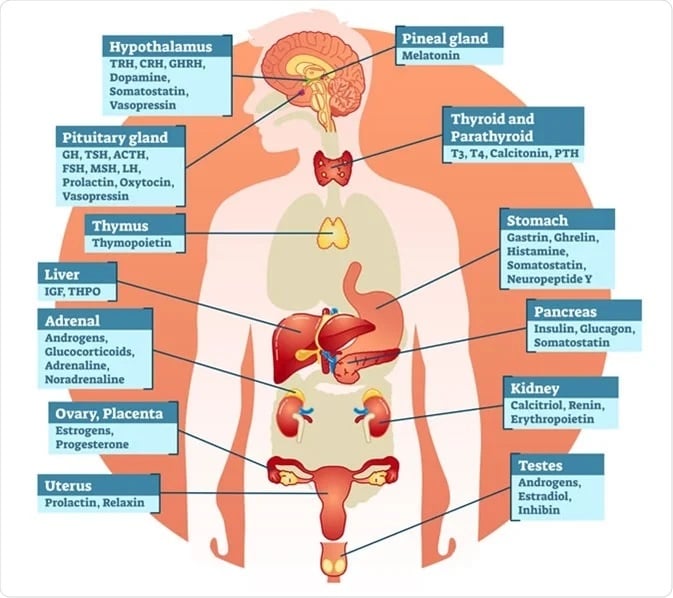
Small molecules play a pivotal role in Endocrinology Research. These are low molecular weight compounds that have a significant impact on the endocrine system, hormones, and their receptors. Here are some key aspects of how small molecules are involved in this field:
- Hormone Mimetics and Inhibitors: Small molecules are used to develop synthetic compounds that mimic the actions of hormones or inhibit their effects. For example, drugs like metformin for diabetes management and selective estrogen receptor modulators (SERMs) for breast cancer treatment are used to either mimic or block hormonal activity.
- Receptor Modulation: Small molecules can bind to hormone receptors and modulate their activity. This is crucial in developing drugs that target specific hormone receptors, like the use of small molecule agonists and antagonists to regulate thyroid hormone receptors.
- Metabolism Regulation: Endocrinology research often focuses on metabolism and how hormones like insulin regulate it. Small molecules are employed to understand and develop drugs targeting enzymes involved in metabolism, such as glucagon-like peptide-1 (GLP-1) agonists for diabetes treatment.
- Steroid Hormone Production: Small molecules may be utilized to influence the production of steroid hormones in the adrenal glands or gonads. This is essential for conditions like Cushing's syndrome or polycystic ovary syndrome (PCOS).
- Hormone Assays: In laboratory research, small molecules are used as tracers or markers in hormone assays. For instance, small molecule fluorophores can be attached to antibodies to detect hormone levels in blood samples.
Drug Development: Endocrinology research relies on small molecules as potential drug candidates. Researchers design and test small molecules for their effectiveness in modulating hormonal pathways, with the goal of developing new therapies for endocrine disorders.
In summary, small molecules are indispensable tools in Endocrinology Research, enabling scientists to better understand the endocrine system's intricacies and develop novel treatments for a wide range of hormonal disorders and conditions. Their versatility and specificity make them valuable assets in advancing our knowledge of endocrinology and improving patient care.
Endocrinology Disease Products
Endocrinology Research Products
Kisspeptin Receptor
Leptin Receptors
Melanocortin (MC) Receptors
Mineralocorticoid Receptors
Galanin Receptors
TRH Receptors
Ghrelin Receptors
Natriuretic Peptide Receptors
NPY Receptors
Motilin Receptor
PTH Receptor
