






Epigenetics
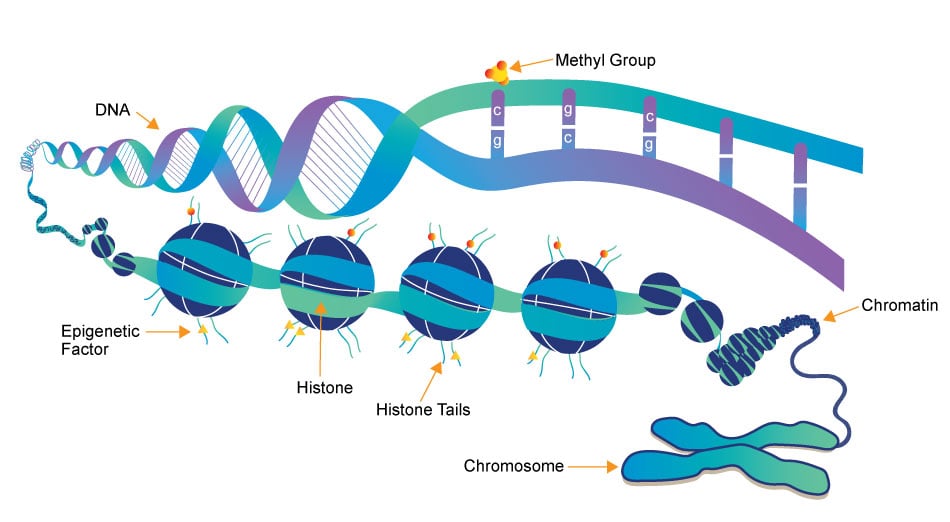
Epigenetics research delves into the molecular mechanisms that control gene expression and cellular traits without altering the underlying DNA sequence. One crucial aspect of this field is the role of small molecules, which act as powerful regulators of epigenetic modifications. These small compounds, typically comprising a few dozen to a few hundred atoms, have emerged as essential tools in understanding and manipulating the epigenome.
- DNA Methylation Inhibitors: Small molecules like 5-azacytidine and 5-aza-2'-deoxycytidine are DNA methyltransferase inhibitors. They block the addition of methyl groups to DNA, leading to DNA demethylation. This can reactivate silenced genes, potentially offering therapeutic avenues for conditions like cancer.
- HDAC inhibitors: HDACs remove acetyl groups from histone proteins, contributing to gene repression. Small molecule HDAC inhibitors, such as Vorinostat and Romidepsin, can reverse this process by increasing histone acetylation, allowing genes to be more accessible for transcription. These inhibitors are being explored for cancer therapy and other conditions.
- Histone Methyltransferase Inhibitors: Small molecules like GSK126 inhibit specific histone methyltransferases, affecting histone methylation patterns. This can alter gene expression, making them promising candidates for cancer and other diseases with epigenetic dysregulation.
- RNA Modulators: Small molecules can also target non-coding RNAs involved in epigenetic regulation. For instance, small molecules called small interfering RNAs (siRNAs) can be designed to target and degrade specific long non-coding RNAs, influencing gene expression.
- Epigenetic Reader Domain Inhibitors: These small molecules target proteins that recognize and bind to specific epigenetic marks. Examples include inhibitors of bromodomain-containing proteins (BET inhibitors), which can disrupt gene regulation by interfering with protein-DNA interactions.
Small molecules in epigenetics research not only provide insights into the fundamental biology of gene regulation but also hold immense promise for developing novel therapeutics. Their ability to selectively modulate specific epigenetic marks and pathways has led to ongoing clinical trials and drug development efforts for various diseases, including cancer, neurological disorders, and inflammatory conditions. Understanding and harnessing the power of these small molecules is at the forefront of modern epigenetics research, offering new hope for precision medicine and targeted therapies.
3 key components involved in the regulation of epigenetic modifications
Epigenetics Writer
Epigenetics writers are enzymes responsible for adding chemical marks or modifications to DNA or histone proteins. These marks include DNA methylation (addition of methyl groups to DNA) and histone modifications (such as acetylation, methylation, phosphorylation, etc.).
Epigenetics Reader
Function: Epigenetics readers are proteins that can recognize and bind to specific epigenetic marks on DNA or histones. These reader proteins interpret the epigenetic code and facilitate downstream cellular processes, such as gene activation or repression.
Epigenetics Eraser
Function: Epigenetics erasers are enzymes responsible for removing or reversing epigenetic marks on DNA or histones. This process allows for the dynamic regulation of gene expression and the resetting of epigenetic states during various stages of development and in response to environmental changes.
-
SIRT3 Inhibitor
SIRT3-IN-1 is a potent Sirtuin 3 (SIRT3) inhibitor with an IC50 value of 0.043 μM. This compound selectively inhibits SIRT3, making it a valuable tool for studying the role of SIRT3 in acute myeloid leukemia (AML) and other related conditions. Its specific action on SIRT3 allows for targeted investigations into cellular metabolism, oxidative stress response, and potential therapeutic strategies in AML research. -
SIRT7 Inhibitor
YZL-51N is a selective inhibitor of SIRT7, with an IC50 value of 12.71 μM. By occupying the NAD+ binding pocket, YZL-51N inhibits SIRT7 enzyme activity, thereby compromising DNA damage repair mechanisms and reducing cancer cell viability. Its demonstrated anti-tumor activity makes YZL-51N a valuable tool for cancer research applications. -
SIRT1 Inhibitor
SIRT1-IN-3 is a selective inhibitor of SIRT1, exhibiting an IC50 value of 4.2 μM. This compound effectively modulates SIRT1 activity, making it a valuable tool for studies investigating the role of SIRT1 in various biological processes. Research applications include the exploration of SIRT1's involvement in metabolism, aging, and stress response pathways. -
SIRT1 Inhibitor
SIRT1-IN-2 is a potent and selective inhibitor of SIRT1 (silent information regulator 1), demonstrating an IC50 value of 1.6 μM. This compound plays a critical role in research focused on understanding the regulation of cellular metabolism, aging, and stress response pathways. Its specific inhibition of SIRT1 makes it a valuable tool for studying related biological processes and therapeutic interventions. -
Sirt2 Inhibitor
Sirt2-IN-2 is a selective inhibitor of the Sirtuin 2 (Sirt2) enzyme, exhibiting an IC50 of 0.118 μM. This compound is instrumental in research aimed at studying the role of Sirt2 in cellular processes and its implications in neurodegenerative diseases. Its use facilitates investigations into the potential therapeutic effects of Sirt2 modulation. -
Sirt2 inhibitor
SirReal-1 is a selective inhibitor of SIRT2, with an IC50 of 3.7 μM. This compound is utilized in research to investigate the biological role of SIRT2 in various cellular processes and its potential implications in cancer and neurodegenerative diseases. SirReal-1 serves as a valuable tool for elucidating the mechanisms of SIRT2-related signaling pathways. -
Sirtuin Inhibitor
Sirtuin-1 Inhibitor 1 is a selective inhibitor of Sirtuin-1, a key regulator in metabolic processes and cellular aging. This compound demonstrates potential in the study of obesity-related diabetes and age-associated diseases by modulating the activity of Sirtuin-1. Its application in research can enhance understanding of metabolic disorders and the molecular underpinnings of aging. -
SIRT2 Inhibitor
SIRT2-IN-11 is a selective inhibitor of the SIRT2 enzyme, exhibiting an IC50 value of 18.5 μM. This compound induces apoptosis in a p53-dependent manner, leading to the upregulation of CDKN1A, PUMA, and NOXA, along with increased p53 acetylation. SIRT2-IN-11 is a valuable tool for investigating p53-related cancer mechanisms and therapeutic strategies. -
SIRT2 Inhibitor
AC-93253 is a potent and selective inhibitor of SIRT2, achieving an IC50 value of 6 μM. This compound is instrumental in investigating the role of SIRT2 in tumor biology and may aid in the development of therapeutic strategies targeting SIRT2-related pathways in cancer research. Its specificity enhances the potential for targeted studies in cellular and molecular biology. -
SIRT2 Inhibitor
MIND4-19 is a selective inhibitor of SIRT2, demonstrating an IC50 value of 7.0 μM. This compound is primarily utilized in research related to Huntington's disease, offering insights into the therapeutic potential of SIRT2 modulation in neurodegenerative disorders. Its potency and target specificity make MIND4-19 a valuable tool for studying the role of SIRT2 in disease mechanisms and potential treatments. -
Sirtuin Inhibitor
Z26395438 is a potent inhibitor of Sirtuin-1, exhibiting an IC50 value of 1.6 μM. This compound is instrumental in research involving metabolic regulation, aging, and cellular stress responses. Its ability to modulate Sirtuin activity highlights its potential applications in studying various physiological and pathological processes. -
SIRT1 Inhibitor
CHIC35 is a selective inhibitor of SIRT1, exhibiting an IC50 of 0.124 μM. It demonstrates preferential inhibition of SIRT1 over SIRT2 (IC50=2.8 μM) and SIRT3 (IC50>100 μM). This compound is recognized for its anti-inflammatory properties and is applicable in research related to CHARGE syndrome. -
SIRT Inhibitor
SIRT1/2/3-IN-2 is a potent inhibitor of SIRT1, SIRT2, and SIRT3, exhibiting inhibition rates of 27%, 72%, and 71% respectively at a concentration of 200 μM. This compound is instrumental in studying the roles of sirtuins in various biological processes, particularly their involvement in cancer biology. SIRT3, known as a potential tumor suppressor or promoter, has been linked to lymph node-positive breast cancer and oral squamous cell carcinoma, making SIRT1/2/3-IN-2 valuable for cancer research applications. -
SIRT2 Inhibitor
SIRT2-IN-10 is a selective inhibitor of SIRT2, exhibiting an inhibitory concentration (IC50) of 1.3 μM. This compound is instrumental in studying its role in cancer pathology and neurodegenerative disorders, enabling research into potential therapeutic applications. Its ability to modulate SIRT2 activity makes it a valuable tool for investigating cellular mechanisms and disease progression. -
SIRT7 Inhibitor
Epigenetic factor-IN-1 is a selective SIRT7 inhibitor that plays a crucial role in modulating epigenetic regulation. It demonstrates a strong binding affinity for the SIRT7 protein, making it an important tool for exploring the mechanisms of epigenetic modifications. This compound is particularly relevant for liver cancer research, providing insights into the role of SIRT7 in cancer biology and therapeutic development. -
sirtuin SirT2 Inhibitor
Tenovin-D3 hydrochloride is a selective inhibitor of the sirtuin SirT2, which plays a crucial role in cellular regulation. This compound has been shown to enhance the expression of p21 (CDKN1A) independently of the p53 pathway. It is suitable for research applications focused on aging, cancer biology, and the modulation of cellular stress responses to explore the therapeutic potential of sirtuin inhibition. -
SIRT2 Inhibitor
Sirt2-IN-6 is a potent and selective inhibitor of SIRT2, exhibiting an IC50 of 0.815 μM. It demonstrates significant biological activity in modulating SIRT2-related pathways and is valuable for cancer research applications. This compound facilitates the exploration of SIRT2's role in oncogenesis and therapeutic development. -
SIRT1/2 Inhibitor
hsa62 is a dual inhibitor targeting SIRT1 and SIRT2, demonstrating IC50 values of 1.3 μM and 5.5 μM, respectively. This compound effectively modulates the activity of sirtuins, enzymes involved in various cellular processes, including metabolism and aging. hsa62 is suitable for research investigating the role of sirtuins in cellular regulation, disease models, and therapeutic applications. -
SIRT5 Inhibitor
SIRT5 Inhibitor 6 is a selective and potent inhibitor of SIRT5 that functions through a substrate-competitive mechanism, demonstrating an IC50 value of 3.0 μM. This compound shows promise in therapeutic applications for septic acute kidney injury (AKI) in vivo, making it a valuable tool for research in kidney health and related pathologies. -
SIRT1/SIRT2 Inhibitor
Guttiferone G is a selective inhibitor of the human SIRT1 and SIRT2 deacetylases, exhibiting IC50 values of 9 μM and 22 μM, respectively. This compound demonstrates weak cytotoxicity in the A2780 human ovarian cancer cell line, with an IC50 of 8.0 μg/mL. Guttiferone G is derived from Garcinia macrophylla and may serve as a valuable tool in research studies exploring SIRT1 and SIRT2 modulation in cellular processes. -
SIRT5 Inhibitor
SIRT5 inhibitor 5 is a potent inhibitor of the SIRT5 enzyme, exhibiting an IC50 value of 0.21 µM. This compound functions as a substrate-competitive inhibitor, specifically not occupying the NAD+-binding pocket, thereby modulating SIRT5 activity. SIRT5 inhibitor 5 is valuable in research focused on elucidating the role of SIRT5 in metabolic pathways and providing insights into its potential implications in various diseases. -
SIRT5 Inhibitor
SIRT5 Inhibitor 4 is a selective inhibitor of the SIRT5 enzyme, demonstrating an IC50 value of 26.4 μM. This compound exhibits minimal activity against other SIRT subtypes, with an IC50 greater than 400 μM, underscoring its specificity. It serves as a valuable tool for investigating the biological roles of SIRT5 in metabolic regulation and related pathways. Research applications include studying SIRT5's involvement in cellular processes and potential therapeutic targets in metabolic disorders. -
SIRT2 Inhibitor
AGK7 is a selective inhibitor of sirtuin 2 (SIRT2), demonstrating significant neuroprotective effects in the context of Parkinson's disease. This compound has been shown to alleviate alpha-synuclein toxicity and improve inclusion morphology in cellular models. In addition, AGK7 effectively protects against dopaminergic cell death in both in vitro studies and Drosophila models, making it a valuable tool for researching neurodegenerative disorders. -
SIRT3 Inhibitor
SIRT-IN-5 is a selective inhibitor of SIRT3, demonstrating an IC50 value of 2.88 μM. This compound has been shown to promote the differentiation of multiple myeloma cells, facilitating increased expression of differentiation antigens such as CD49e, as well as enhancement of human immunoglobulin light chains λ and κ. SIRT-IN-5 is a valuable tool in research focused on the modulation of cellular differentiation processes in hematological malignancies. -
SIRT1/2 Inhibitor
Sirtuin-IN-1 is a selective inhibitor of SIRT1 and SIRT2, with IC50 values of 6.2 μM and 4.2 μM, respectively. This compound has been shown to induce G1 phase cell cycle arrest, demonstrating its potential as an anti-cancer agent. Sirtuin-IN-1 is particularly effective against glioma, making it a valuable tool for research into cancer therapeutics and the exploration of sirtuin-related biological pathways. -
SIRT1 Inhibitor
Sirtuin Modulator 4 is a selective SIRT1 inhibitor, demonstrating an EC50 value of 51-100 μM. This compound plays a critical role in modulating cellular pathways associated with lifespan extension and offers potential in researching a variety of conditions, including diabetes, obesity, neurodegenerative diseases, cardiovascular disorders, inflammation, and cancer. Its ability to inhibit SIRT1 makes it a valuable tool for studying the therapeutic implications of sirtuin regulation in metabolic and age-related diseases. -
SIRT2 Inhibitor
SIRT2-IN-14 is a selective inhibitor of SIRT2, demonstrating an IC50 value of 0.196 μM. This compound effectively modulates SIRT2 activity, making it a valuable tool for studying the role of SIRT2 in various biological pathways. Research applications may include investigations into neurodegenerative diseases, cancer biology, and cellular metabolism, providing insights into the therapeutic potential of targeting SIRT2. -
SIRT5 Inhibitor
SIRT5 inhibitor 2 is a selective inhibitor of the SIRT5 enzyme, exhibiting an IC50 value of 2.3 μM. It effectively inhibits SIRT5-dependent desuccinylation processes, making it a valuable tool for investigating the roles of SIRT5 in various biological contexts. This compound is suitable for research applications focusing on cancer biology and neurodegenerative diseases, aiding in the exploration of therapeutic strategies targeting SIRT5 activity. -
SIRT1 Inhibitor
ZINC08792355 is a selective SIRT1 inhibitor that plays a crucial role in the regulation of cellular processes associated with aging, metabolic disorders, and oncogenesis. This compound facilitates the exploration of SIRT1-related pathways in research on age-related diseases, diabetes, and cancer, making it a valuable tool for investigators studying these important biological phenomena. -
SIRT2 Inhibitor
SR94 is a selective SIRT2 inhibitor that features a unique six-membered ring structure with variable R2 substituents. This compound demonstrates potential in the investigation of cancer, ischemia-reperfusion injury, and neurodegenerative diseases. Its targeted inhibition of SIRT2 makes it a valuable tool for understanding the role of this enzyme in various biological processes and disease states. -
SIRT5 Inhibitor
SIRT5 Inhibitor 7 is a selective substrate-competitive inhibitor targeting SIRT5, known for its anti-inflammatory properties. This compound effectively regulates protein succinylation and reduces the release of pro-inflammatory cytokines, offering potential renal protective effects. SIRT5 Inhibitor 7 demonstrates notable in vivo efficacy in mouse models of acute kidney injury induced by lipopolysaccharide (LPS) and cecal ligation/perforation (CLP), making it a valuable tool for researching sepsis-related kidney damage. -
SIRT1 Inhibitor
ZINC08792229 is a potent inhibitor of SIRT1, a nicotinamide adenine dinucleotide (NAD+)-dependent deacetylase playing a crucial role in cellular regulation. This compound exhibits significant biological activity that may contribute to research on SIRT1-related diseases, including aging, diabetes, and cancer. It serves as a valuable tool for exploring the therapeutic potential of targeting SIRT1 in various pathological conditions. -
SIRT1/SIRT2 Inhibitor
Aristoforin, a hypericin derivative, selectively inhibits SIRT1 and SIRT2, resulting in G1 phase cell cycle arrest. This compound also scavenges hydroxyl free radicals and demonstrates protective effects against Fe2+-induced DNA breakage. Aristoforin is valuable for research in the context of breast cancer and colon adenocarcinoma studies. -
SIRT3 Inhibitor
SIRT3-IN-2 is a selective inhibitor of the SIRT3 enzyme, demonstrating a reduction of SIRT3 activity by 39% at a concentration of 200 µM. This compound is valuable for investigations into metabolic homeostasis and its implications in tumor suppression. SIRT3-IN-2 can be utilized in research aimed at understanding the regulatory roles of sirtuins in cellular metabolism and cancer biology. -
SIRT2 Inhibitor
SIRT2-IN-15 is a selective inhibitor of the SIRT2 deacetylase and deamyloacylase enzymes, demonstrating IC50 values of 7 μM and 37 μM, respectively. This compound modulates cellular acetylation states, making it a valuable tool for investigating the roles of SIRT2 in various biological processes, including neurodegenerative diseases, cancer metabolism, and aging. SIRT2-IN-15 can be utilized in research applications focusing on the molecular mechanisms of SIRT2-related pathways and potential therapeutic targets. -
SIRT2 Inhibitor
A2B57 is a selective inhibitor of SIRT2, exhibiting an IC50 value of 6.3 µM. This compound effectively modulates the activity of SIRT2, making it a valuable tool for exploring the role of this enzyme in various biological processes. Its application extends to studies in neurodegeneration, metabolism, and cellular stress responses, providing insights into SIRT2-related pathways. -
SIRT1/2/3 Inhibitor
SIRT-IN-6 is a pan-inhibitor targeting SIRT1, SIRT2, and SIRT3, with IC50 values exceeding 50 μM. This compound is valuable for studying its effects in metabolic, inflammatory, oncologic, and neurodegenerative disorders. Its broad inhibition profile makes it a suitable tool for elucidating the roles of sirtuins in various biological processes and disease states. -
SIRT2 Inhibitor
A1B11 is a selective inhibitor of Sirtuin 2 (SIRT2) with an IC50 value of 5.3 μM. This compound is primarily utilized in research focused on neurodegenerative diseases, where SIRT2 modulation plays a critical role in the underlying mechanisms of pathology. A1B11 provides a valuable tool for investigating the therapeutic potential of SIRT2 inhibition in various neurodegenerative conditions. -
SMARCA2 Inhibitor
FHD-909 is a selective inhibitor of SMARCA2 (BRM), exhibiting IC50 values of 2.5 nM for SMARCA2 and 123.7 nM for SMARCA4. This compound serves as a valuable tool for the investigation of BAF complex-related disorders, including various cancer types. Researchers can leverage FHD-909 to elucidate the role of SMARCA2 in oncogenesis and other pathological conditions associated with chromatin remodeling. -
DNA Methyltransferase Inhibitor
N-Acetyl-S-geranylgeranyl-L-cysteine is a potent inhibitor of DNA methyltransferases. This compound effectively disrupts beta-2 integrin-induced actin polymerization, demonstrating an IC50 of 45 nM. It serves as a valuable tool in studying epigenetic regulation and cellular signaling pathways related to cancer and other diseases. -
TET Inhibitor
Bobcat339 is a selective inhibitor of the TET enzymes, exhibiting IC50 values of 33 μM and 73 μM for TET1 and TET2, respectively. This compound is significant for studies in epigenetics, including the modulation of DNA methylation and gene expression. Bobcat339 serves as a valuable tool for researchers exploring the therapeutic potential of targeting TET enzymes in various biological contexts. -
DNMT3A Inhibitor
DNMT3A-IN-1 is a selective inhibitor of the DNA methyltransferase 3A (DNMT3A) enzyme. It exhibits inhibitory activity with KI values between 9.16 to 18.85 μM when measured with AdoMet and 11.37 to 23.34 μM using poly dI-dC. This compound has been shown to induce apoptosis in acute myeloid leukemia (AML) cell lines, making it a valuable tool in the study of epigenetic regulation and potential therapeutic applications in cancer research. -
METTL1-WDR4 Inhibitor
METTL1-WDR4-IN-2 is a selective inhibitor of the METTL1-WDR4 methyltransferase complex, exhibiting an IC50 value of 41 μM. This compound demonstrates significant selectivity, with IC50 values of 958 μM against METTL3-14 and 208 μM against METTL16. METTL1-WDR4-IN-2 is valuable for investigating the role of RNA methylation in cancer and other biological processes related to epitranscriptomics. -
DNMT1 Inhibitor
(R)-GSK-3685032 is a reversible inhibitor selectively targeting DNMT1, exhibiting a non-time-dependent and noncovalent mechanism of action. With an IC50 value of 0.036 μM, it effectively induces significant loss of DNA methylation and promotes transcriptional activation. This compound is suitable for research applications exploring epigenetic modifications in cancer biology, particularly in studies focused on cancer cell growth inhibition. -
DNA Methyltransferase Inhibitor
DC_517 is a selective inhibitor of DNA methyltransferase 1 (DNMT1), exhibiting an IC50 of 1.7 μM and a Kd of 0.91 μM. This compound effectively modulates DNA methylation patterns, making it a valuable tool for studies related to epigenetic regulation, gene expression, and cancer research. Research applications include exploring the roles of DNMT1 in cellular processes and evaluating potential therapeutic strategies for diseases associated with abnormal DNA methylation. -
DNMT1 Inhibitor
5-Aza-4'-thio-2'-deoxycytidine is a potent inhibitor of DNA methyltransferase I (DNMT1). As a sulfur-containing deoxycytidine analog, it induces DNA hypomethylation and exhibits antitumor properties. This compound is primarily utilized in cancer research to investigate mechanisms of epigenetic regulation and to evaluate therapeutic strategies aimed at reversing promoter methylation in various malignancies. -
DNMT1 Inhibitor
GSK3735967 is a selective, reversible inhibitor of DNA methyltransferase 1 (DNMT1), demonstrating an IC50 value of 40 nM. Featuring a planar dicyanopyridine core, GSK3735967 specifically targets DNMT1 when bound to hemimethylated CpG dinucleotides. Its unique three-binding site configuration allows for interaction with histone H4K20me3, facilitating research into epigenetic regulation and potential therapeutic applications in cancer and other diseases associated with aberrant DNA methylation. -
DNA Methyltransferase Inhibitor
DNMT-IN-6 is a potent DNA methyltransferase inhibitor targeting DNMT1, DNMT3A, and DNMT3B. It promotes demethylation and restores expression of the TMS1 tumor suppressor gene, leading to apoptosis and G2/M phase cell cycle arrest. Additionally, DNMT-IN-6 disrupts mitochondrial integrity and activates the intrinsic caspase cascade (caspases 3, 7, and 9). This compound demonstrates potential in inhibiting tumor growth and enhancing survival in xenograft models, making it a valuable tool for cancer research, particularly in the study of diffuse large B-cell lymphoma. -
DNMT1 Inhibitor
DNMT1-IN-3 is a potent inhibitor of DNA methyltransferase 1 (DNMT1), exhibiting an IC50 of 0.777 μM and a KD of 0.183 μM. This compound selectively binds to the S-adenosyl-l-methionine (SAM) site on DNMT1, effectively disrupting its methylation activity. DNMT1-IN-3 demonstrates significant biological activity by inhibiting cell proliferation in K562 cells, primarily through the induction of apoptosis and cell cycle arrest in the G0/G1 phase. Its properties make it a valuable tool for research in hematologic tumors and epigenetic regulation. -
DNMT Inhibitor
DNMT-IN-1 is a potent inhibitor of DNA methyltransferases (DNMTs), exhibiting an EC50 value of 3.2 µM. This compound demonstrates significant antiproliferative activity, making it valuable for research applications involving epigenetic regulation and cancer biology. DNMT-IN-1 provides a useful tool for studying the role of DNA methylation in various diseases and therapeutic contexts.
