






-
Anti-Inflammatory Agent
Methylprednisolone aceponate is a glucocorticoid with a specific mechanism of action as a selective glucocorticoid receptor ligand, primarily functioning as an anti-inflammatory agent. It exhibits weak systemic effects, making it particularly useful in the treatment of localized inflammatory conditions. This compound is valuable for research applications targeting eczema and other inflammatory skin disorders, aiding in the understanding of their pathophysiology and potential treatments. -
Glucocorticoid Receptor Antagonist
Cort108297 is a selective glucocorticoid receptor (GR) antagonist with a high affinity, exhibiting a Ki value of 0.45 nM. This compound effectively modulates GR signaling pathways, making it a valuable tool for elucidating the role of glucocorticoids in various biological processes. Research applications may include studies on inflammation, metabolic regulation, and stress response mechanisms. -
Glucocorticoid Metabolism Marker
Tetrahydrocortisone is a corticosteroid and a crucial marker for glucocorticoid metabolism, formed from endogenous glucocorticoids via the enzyme AKR1D1 (5β-reductase). This compound plays a vital role in maintaining glucocorticoid metabolic homeostasis and is regulated by the glucocorticoid receptor (GR). Tetrahydrocortisone is valuable for mechanistic investigations of metabolic diseases, including non-alcoholic fatty liver disease (NAFLD) and type 2 diabetes, and serves as a reliable biomarker for assessing AKR1D1 activity and glucocorticoid metabolic status in vivo. -
GR Agonist
GSK9027 is a non-steroidal agonist of the glucocorticoid receptor (GR), exhibiting partial agonistic activity on the 2×glucocorticoid response element (GRE) reporter system. This compound demonstrates intrinsic activities comparable to dexamethasone, making it a valuable tool for investigating GR-mediated signaling pathways. GSK9027 can be utilized in research applications focused on inflammation, immune response modulation, and drug development related to glucocorticoid therapies. -
Stable Isotope
Cortisone-d8 is a deuterium-labeled derivative of cortisone, a biologically active metabolite of cortisol and a member of the glucocorticoid class. This stable isotope is utilized in metabolic studies and has applications in pharmacokinetic research and the characterization of glucocorticoid receptor interactions. Cortisone exhibits immunosuppressive and anti-inflammatory properties, contributing to its role in a variety of therapeutic applications. -
Glucocorticoid Receptor Agonist
ZK 216348 is a selective nonsteroidal glucocorticoid receptor agonist, exhibiting an IC50 of 20.3 nM. This compound also interacts with progesterone and mineralocorticoid receptors, with IC50 values of 20.4 nM and 79.9 nM, respectively. ZK 216348 demonstrates significant anti-inflammatory properties comparable to those of Prednisolone while minimizing transactivation-related side effects, making it a valuable tool for research in inflammation and related conditions. -
Drug Metabolite
Beclomethasone 17-propionate is a potent glucocorticoid receptor (GR) agonist and an active metabolite of Beclomethasone dipropionate. It demonstrates a higher affinity for the GR, making it more effective in modulating glucocorticoid activity. This compound effectively suppresses cytokine production in lung macrophages associated with chronic obstructive pulmonary disease (COPD), making it valuable for research in inflammation and respiratory disorders. -
Glucocorticoid
Tetrahydrocorticosterone is a glucocorticoid that functions primarily through binding to the glucocorticoid receptor (GR), thus modulating inflammatory responses. It plays a crucial role in the regulation of carbohydrate, protein, and fat metabolism. This compound is naturally produced by the adrenal glands and is extensively utilized in research focusing on inflammation, metabolic disorders, and endocrine function. Its diverse biological activities make it a valuable reagent for studying glucocorticoid signaling pathways and their implications in various physiological and pathological conditions. -
Glucocorticoid
Clobetasone butyrate is a synthetic glucocorticoid that modulates inflammation primarily through its action on glucocorticoid receptors. It exhibits potent topical anti-inflammatory activity, making it effective for treating corticosteroid-responsive dermatoses such as atopic dermatitis and psoriasis. This compound is useful for research focused on skin inflammation and therapeutic approaches to dermatological conditions. -
GR Modulator
Dazucorilant is a selective and high-affinity non-steroidal modulator of the glucocorticoid receptor (GR), demonstrating a Ki value of less than 1 nM in vitro. This compound is primarily utilized in research focused on neurological disorders, offering a valuable tool to investigate GR-related mechanisms and therapeutic potentials in conditions influenced by glucocorticoid signaling. -
Inhaled Glucocorticoid
Mometasone is an inhaled glucocorticoid that primarily targets the glucocorticoid receptor, exerting anti-inflammatory effects. It is effective in managing mild asthma, particularly in patients exhibiting low sputum eosinophil levels. Additionally, mometasone is valuable in research applications related to chronic hand eczema and rhinosinusitis, providing insights into inflammatory processes and treatment strategies. -
Stable Isotope
Budesonide-d8 is a deuterium-labeled analog of Budesonide, which acts primarily as a glucocorticoid receptor agonist. This compound exhibits anti-inflammatory properties essential for the management of asthma and has been shown to reduce lung tumor size, reverse DNA hypomethylation, and modulate mRNA expression of various genes. Budesonide-d8 serves as a valuable tool in pharmacokinetic and metabolic research, providing insights into the pharmacological effects and mechanisms of Budesonide in vivo. -
Androgen Receptor/glucocorticoid Receptor Inhibitor
GA32 is a dual inhibitor of the androgen receptor (AR) and glucocorticoid receptor (GR), exhibiting IC50 values of 0.13 μM for AR and 0.83 μM for GR. This compound effectively inhibits the proliferation of castration-resistant prostate cancer cells that exhibit resistance to Enzalutamide, demonstrating its potential in both in vitro and in vivo research applications. GA32 serves as a valuable tool for studies focused on targeting AR and GR pathways in cancer biology. -
Anticoagulant Rodenticide
Flocoumafen is an orally active vitamin K epoxide reductase inhibitor that functions primarily as an anticoagulant rodenticide. Its mechanism involves a prolonged inhibition of blood coagulation, leading to effective rodent control. In addition to its primary target, Flocoumafen interacts with several other proteins, including prostaglandin F synthase and the glucocorticoid receptor 2. This second-generation anticoagulant displays a half-life of 177.4 hours, contributing to its lethal efficacy against rodent populations. -
Glucocorticoid Receptor Agonist
GSK866, also known as (S)-GSK47866A, is a selective agonist of the glucocorticoid receptor, exhibiting an IC50 of 4.6 nM. This compound is utilized in research to explore the biological effects mediated by glucocorticoid receptor activation, including anti-inflammatory responses and cell signaling pathways. Its potency makes GSK866 a valuable tool in studies aimed at understanding the therapeutic potential of glucocorticoids in various diseases. -
Glucocorticoid Receptor Agonist
BAY 1003803 is a selective glucocorticoid receptor agonist that acts by modulating the inflammatory response associated with skin conditions. This compound is primarily utilized in the investigation of psoriasis and severe atopic dermatitis, making it a valuable tool for studying therapeutic approaches in dermatological research. -
GSK866 Enantiomer
(R)-GSK866 is the (R)-enantiomer of GSK866, a selective agonist for the glucocorticoid receptor with an IC50 of 4.6 nM. This compound is valuable for research applications related to inflammation, immune response modulation, and various glucocorticoid receptor signaling pathways. Its specificity and potency make it an important tool for studying the therapeutic potential of glucocorticoid receptor modulation in diverse biological contexts. -
Glucocorticoid Receptor Antagonist
PT150 is a competitive glucocorticoid receptor antagonist with oral bioavailability. It exhibits neuroprotective effects, making it a valuable tool in the study of Parkinson’s disease and related neurodegenerative disorders. Its unique pharmacological profile allows for insights into glucocorticoid signaling pathways in various biological contexts. -
Glucocorticoid
Hydrocortisone aceponate is a potent topical glucocorticoid that targets the glucocorticoid receptor. It exhibits anti-inflammatory and immunosuppressive activities, making it effective in the treatment of a variety of dermatoses. This compound is widely utilized in research to investigate the mechanisms of skin inflammation and the therapeutic potential of corticosteroids in dermatological conditions. -
Glucocorticoid Receptor Modulator
C108297 is a selective glucocorticoid receptor (GR) modulator, exhibiting a binding affinity (Ki) of 0.7 nM for GR and a functional Ki of 0.6 nM in reporter gene assays. It has demonstrated the ability to mitigate obesity by decreasing caloric intake while promoting lipolysis and fat oxidation, as well as reducing inflammation. This compound serves as a valuable tool for studying metabolic disorders and the inflammatory response in various biological contexts. -
Glucocorticoid Receptor Agonist
Dagrocorat hydrochloride is a selective partial agonist of the glucocorticoid receptor, exhibiting high affinity and oral bioavailability. This compound functions as a time-dependent reversible inhibitor of CYP3A and CYP2D6, demonstrating inhibitory activity with IC50 values of 1.3 μM and Ki of 0.57 μM, respectively, in human liver microsomes. Dagrocorat hydrochloride is primarily utilized in research related to rheumatoid arthritis, facilitating studies on glucocorticoid signaling pathways and related therapeutic applications. -
Glucocorticoid Receptor Agonist
5α-Tetrahydrocorticosterone is a potent glucocorticoid receptor agonist and a metabolite of corticosterone. It exhibits significant anti-inflammatory activity when applied topically, making it valuable for studying inflammatory skin conditions. In rat hepatocyte studies, it effectively reduces metabolites that bind to the glucocorticoid receptor, demonstrating a dissociation constant (Kd) of 268 nM. This compound is suitable for research focused on the mechanisms of glucocorticoid action and its therapeutic potential in skin inflammation. -
Glucocorticoid Receptor Antagonist
IONIS-GCCRRx is a glucocorticoid receptor antagonist designed as a 2'-O-methoxyethyl (2'-MOE) antisense oligonucleotide (ASO). This compound selectively inhibits glucocorticoid receptor activity, making it valuable in research on inflammatory diseases and metabolic disorders. Its unique mechanism allows for specific modulation of gene expression, facilitating studies on the pathophysiology of glucocorticoid-related conditions. -
Lucocorticoid Receptor Modulator
HP210 is a selective glucocorticoid receptor modulator (SGRM) that primarily targets the glucocorticoid receptor. It effectively inhibits the mRNA expression of pro-inflammatory cytokines IL-1β and IL-6. HP210 is a valuable tool for investigating inflammation-related diseases and exploring therapeutic strategies for conditions driven by glucocorticoid signaling. -
Glucocorticoid
Loteprednol is a synthetic corticosteroid targeting glucocorticoid receptors. It exhibits significant anti-inflammatory, antiallergic, and immunosuppressive activities. This compound is primarily utilized in research related to ocular inflammation, providing insights into therapeutic strategies for various eye disorders. -
Glucocorticoid Receptor Modulator
Prednisolone Tebutate functions as a glucocorticoid receptor modulator, exhibiting significant anti-inflammatory and immunosuppressive properties. It is utilized in research applications focused on inflammation and immune response regulation, making it valuable for studies exploring glucocorticoid signaling pathways and therapeutic interventions in various inflammatory diseases. -
Glucocorticoid Receptor Modulator
Amebucort is a synthetic glucocorticoid receptor modulator that exhibits potent anti-inflammatory activity. By binding to the glucocorticoid receptor, it regulates gene expression associated with inflammatory response, making it a valuable tool for studying inflammatory disorders. This compound is of particular interest in research focused on autoimmune diseases, chronic inflammation, and related therapeutic applications. -
Budesonide Metabolite
16α-Hydroxy-11-keto prednisolone is a metabolite of Budesonide, targeting the glucocorticoid receptor. This compound exhibits anti-inflammatory properties and is primarily utilized in research related to asthma, rhinitis, and inflammatory bowel disease. Its role in elucidating the effects of glucocorticoids makes it a valuable reagent for studies focusing on respiratory and gastrointestinal inflammation. -
Dexamethasone Metabolite
6β-Hydroxy dexamethasone is an active metabolite of the synthetic glucocorticoid dexamethasone, primarily involved in modulating glucocorticoid receptor activity. This compound exhibits anti-inflammatory and immunosuppressive properties, making it significant for research in chronic inflammatory disorders and autoimmune diseases. Its role as a glucocorticoid metabolite provides insights into drug metabolism and pharmacokinetics, supporting studies related to steroid efficacy and safety. -
Glucocorticoid Receptor Modulator
Zavacorilant is a selective glucocorticoid receptor modulator that alters GR activity, providing potential therapeutic benefits in various conditions. It exhibits distinct biological activity by promoting the anti-inflammatory effects while minimizing unwanted side effects associated with glucocorticoid therapy. This compound is particularly relevant in research focused on inflammation, autoimmune disorders, and metabolic diseases. -
Progesterone Receptor Agonist
Demegestone is a selective agonist of the progesterone receptor. It exhibits significant biological activity in modulating progesterone signaling pathways, making it a valuable tool for research in reproductive biology and endocrine function. Its use is relevant for studies involving hormonal regulation, pregnancy, and associated disorders. -
Glucocorticoid Receptor Agonist
GR 250495X is a glucocorticoid receptor agonist designed for localized action in the lungs. As an antedrug, it undergoes rapid metabolism and inactivation in the bloodstream, reducing systemic side effects. This reagent is particularly valuable in asthma research, providing insights into therapeutic mechanisms and efficacy in pulmonary conditions. -
Glucocorticoids Receptor Agonist
Glucocorticoids Receptor Agonist 3 is a potent activator of the glucocorticoid receptor, functioning by modulating inflammation and metabolic processes through receptor activation. This compound is primarily utilized in research focused on obesity, diabetes, and inflammatory diseases, providing insights into the underlying mechanisms and potential therapeutic strategies for these conditions. -
Glucocorticoid Receptor Modulator
Glucocorticoid receptor-IN-1 is a selective modulator of the glucocorticoid receptor (GR) known for its potent anti-inflammatory properties. It demonstrates significant transcriptional repressive activity with an IC50 of 2.11 nM against human matrix metalloproteinase 1 (hMMP1) and exhibits transcriptional activation with an EC50 of 5.59 nM against mouse mammary tumor virus (MMTV). This compound is suitable for research applications focused on inflammation and GR signaling pathways. -
PR Antagonist
JNJ-1250132 is a potent oral steroidal antagonist of the progesterone receptor (PR), exhibiting an IC50 of 1.3 nM. Its primary mechanism involves inhibiting the receptor's binding to DNA, making it valuable for studying PR-mediated processes. Additionally, JNJ-1250132 acts as a competitive inhibitor for both the human glucocorticoid receptor (GR) with an IC50 of 0.50 nM and the rat androgen receptor (AR) with an IC50 of 5.6 nM. This compound's selective profile also shows weak inhibition of the human estrogen receptor (ER), providing insights for research on hormone receptor pathways. -
Glucocorticoid Receptor Modulator
Glucocorticoid Receptor Modulator 2 is a selective modulator of the glucocorticoid receptor, exhibiting an IC50 value of less than 100 nM. This compound is relevant for investigations into inflammatory and immune disorders, as it influences the glucocorticoid signaling pathway. Its pharmacological profile makes it a valuable tool for understanding the mechanisms of action underlying various disease states. -
Glucocorticoid
Cloprednol is a synthetic glucocorticoid that acts primarily through the modulation of glucocorticoid receptors. It exhibits significant anti-inflammatory activity, making it a valuable tool for studying inflammatory conditions such as asthma. Additionally, Cloprednol may be applied in research involving immune response regulation and the investigation of corticosteroid-related mechanisms. -
Glucocorticoid Receptor Agonist
LEO 134310 is a selective, non-steroidal agonist of the glucocorticoid receptor (GR). With an EC50 of 14 nM, it exhibits high affinity in GR binding assays. This compound is designed for topical research and has potential applications in studying skin diseases. -
GR Modulator/MR Antagonist
Miricorilant (CORT 118335) functions as a dual selective glucocorticoid receptor (GR) modulator and mineralocorticoid receptor (MR) antagonist. It exhibits significant potential in modulating the effects of glucocorticoids and antagonizing mineralocorticoid activity. This compound is primarily utilized in research focusing on hypothalamic-pituitary-adrenal (HPA) axis disorders, contributing to studies aimed at understanding stress responses and related pathophysiologies. -
Stable Isotope
Beclomethasone-d5 is a deuterium-labeled analogue of Beclometasone, a potent glucocorticoid receptor agonist. This stable isotope is utilized in quantitative analysis of glucocorticoid metabolism and pharmacokinetics. Beclomethasone-d5 serves as an effective tool in research applications focused on inflammatory responses and hormonal regulation. -
Glucocorticoid receptor Modulator
2-O-trans-p-Coumaroylalphitolic acid is a selective modulator of the glucocorticoid receptor (GR). This triterpene, derived from jujube plants, exhibits significant biological activity relevant to the study of obesity. Its mechanism of action is crucial for research applications focused on metabolic disorders and the modulation of GR-related pathways. -
Corticosteroid
Flucloronide is a synthetic corticosteroid that primarily targets glucocorticoid receptors. It exhibits potent anti-inflammatory properties, making it effective in the treatment of various inflammatory skin conditions. This reagent is commonly used in research focused on dermatological therapies and the modulation of immune responses. -
Glucocorticoid Receptor Agonist
Glucocorticoids Receptor Agonist 1 is a selective glucocorticoid receptor agonist characterized by its arylpyrazole structure. This compound exhibits significant anti-inflammatory properties while preserving insulin secretion, making it suitable for research in metabolic and inflammatory conditions. It is valuable for investigating the role of glucocorticoids in various biological processes and therapeutic applications. -
Glucocorticoid Receptor Modulator
Fluazacort is a glucocorticoid receptor modulator known for its anti-inflammatory properties. This oxazolino corticosteroid is utilized in research related to inflammation, immunology, and metabolic diseases, providing insights into cellular mechanisms and therapeutic targets. Fluazacort's ability to modulate GR activity makes it a valuable tool for studying the effects of glucocorticoids in various biological contexts. -
Glucocorticoid Receptor Modulator
JTP-117968 is a selective glucocorticoid receptor modulator that acts as a non-steroidal SGRM with an IC50 of 6.8 nM. This compound demonstrates enhanced transrepression/transactivation dissociation, making it a valuable tool for studying glucocorticoid signaling pathways. Its unique pharmacological profile supports research in inflammation, autoimmune diseases, and other conditions where modulation of glucocorticoid activity may be beneficial. -
Glucocorticoid Receptor Agonist
MK-5932 is a selective, orally active dissociated partial agonist of the glucocorticoid receptor. It demonstrates significant inhibition of interleukin-6 (IL-6) and induces lymphopenia, contributing to its anti-inflammatory properties. Additionally, MK-5932 is capable of normalizing glucose levels, making it a valuable tool for research in inflammation and metabolic disorders. -
Glucocorticoid Receptor Agonist
Glucocorticoids receptor agonist 2 is a potent agonist of the glucocorticoid receptor, designed to exert anti-inflammatory effects. This arylpyrazole derivative provides an effective therapeutic mechanism without compromising insulin secretion, making it advantageous for research in inflammation and metabolic studies. It is suitable for investigations into glucocorticoid signaling and related biological pathways. -
Glucocorticoid Receptor Antagonist
A-348441 is a selective glucocorticoid receptor antagonist that primarily targets the liver. This compound has been shown to effectively lower glucose levels in hepatic tissues. A-348441 is valuable for research into metabolic disorders, particularly in the study of type 2 diabetes and related metabolic diseases. -
Glucocorticoid Receptor Modulator
Glucocorticoid receptor modulator 3 is a potent thioester-containing modulator of the glucocorticoid receptor with an IC50 of 0.6 nM. This compound is designed to facilitate the rapid inactivation of unconjugated payloads via hepatic metabolism, thereby reducing systemic exposure. Its specific activity makes it a valuable tool in the development of antibody-drug conjugates (ADCs) aimed at treating autoimmune diseases. -
Glucocorticoid Receptor Agonist
Butixocort (propionate) is a potent agonist of the glucocorticoid receptor, exhibiting significant anti-inflammatory activity. This compound is primarily utilized in research related to inflammation, immunology, and metabolic diseases, including conditions such as asthma and arthritis. Its ability to modulate glucocorticoid signaling makes it valuable for exploring therapeutic interventions in these areas.
Endocrinology-Hormones
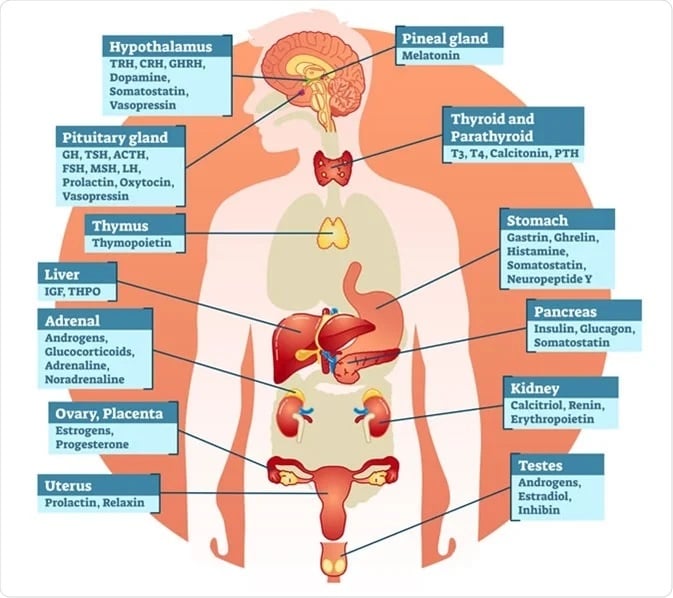
Small molecules play a pivotal role in Endocrinology Research. These are low molecular weight compounds that have a significant impact on the endocrine system, hormones, and their receptors. Here are some key aspects of how small molecules are involved in this field:
- Hormone Mimetics and Inhibitors: Small molecules are used to develop synthetic compounds that mimic the actions of hormones or inhibit their effects. For example, drugs like metformin for diabetes management and selective estrogen receptor modulators (SERMs) for breast cancer treatment are used to either mimic or block hormonal activity.
- Receptor Modulation: Small molecules can bind to hormone receptors and modulate their activity. This is crucial in developing drugs that target specific hormone receptors, like the use of small molecule agonists and antagonists to regulate thyroid hormone receptors.
- Metabolism Regulation: Endocrinology research often focuses on metabolism and how hormones like insulin regulate it. Small molecules are employed to understand and develop drugs targeting enzymes involved in metabolism, such as glucagon-like peptide-1 (GLP-1) agonists for diabetes treatment.
- Steroid Hormone Production: Small molecules may be utilized to influence the production of steroid hormones in the adrenal glands or gonads. This is essential for conditions like Cushing's syndrome or polycystic ovary syndrome (PCOS).
- Hormone Assays: In laboratory research, small molecules are used as tracers or markers in hormone assays. For instance, small molecule fluorophores can be attached to antibodies to detect hormone levels in blood samples.
Drug Development: Endocrinology research relies on small molecules as potential drug candidates. Researchers design and test small molecules for their effectiveness in modulating hormonal pathways, with the goal of developing new therapies for endocrine disorders.
In summary, small molecules are indispensable tools in Endocrinology Research, enabling scientists to better understand the endocrine system's intricacies and develop novel treatments for a wide range of hormonal disorders and conditions. Their versatility and specificity make them valuable assets in advancing our knowledge of endocrinology and improving patient care.
Endocrinology Disease Products
Endocrinology Research Products
Kisspeptin Receptor
Leptin Receptors
Melanocortin (MC) Receptors
Mineralocorticoid Receptors
Galanin Receptors
TRH Receptors
Ghrelin Receptors
Natriuretic Peptide Receptors
NPY Receptors
Motilin Receptor
PTH Receptor
