






-
AR Antagonist
AR Antagonist 3 is a selective androgen receptor (AR) antagonist with a measured IC50 of 0.47 µM, demonstrating strong potency in blocking AR activity. It effectively reduces FRET signal in a dose-dependent manner, with an IC50 of 18.05 μM. In preclinical studies, AR Antagonist 3 has shown significant inhibition of tumor growth upon intratumoral administration, making it a valuable tool for research in androgen receptor-related cancer therapies. -
AR Antagonist
Galloylalbiflorin is an androgen receptor (AR) antagonist with an IC50 of 53.3 μM, isolated from the roots of Paeonia lactiflora. This compound demonstrates notable anti-androgenic activity, making it valuable for research related to androgen signaling pathways and its implications in diseases such as prostate cancer. It serves as a useful tool for investigating AR-related biological processes and therapeutic applications in hormone-related disorders. -
Stable Isotope
Ostarine-d4 is a deuterated form of Ostarine, primarily functioning as a stable isotope. This labeled compound is utilized in pharmacokinetic studies, enabling accurate tracking of Ostarine metabolism and distribution within biological systems. Its application is critical for research on selective androgen receptor modulators and their effects on muscle and bone metabolism. -
Androgen Receptor
Trestolone is a synthetic anabolic-androgenic steroid that primarily targets the androgen receptor. It exhibits significant anabolic activity, promoting muscle growth and development while also enhancing physical performance. Trestolone is commonly utilized in research applications focused on muscle physiology, testosterone effects, and various anabolic processes. -
Androgen Receptor Modulator
GTx-027 is a selective androgen receptor modulator (SARM) that exhibits potent transactivation of the androgen receptor (AR) with an EC50 of 1.8 nM. This non-steroidal compound selectively promotes anabolic processes, leading to increased muscle weight while sparing androgenic effects on secondary sexual organs. GTx-027 is primarily utilized in research related to breast cancer and stress urinary incontinence (SUI). -
Androgen Receptor Antagonist
PF-998425 is a selective nonsteroidal androgen receptor (AR) antagonist, demonstrating significant potency with an IC50 of 37 nM in AR binding assays and 43 nM in cellular assays. This compound exhibits minimal activity towards common receptors and enzymes, such as the progesterone receptor. PF-998425 is relevant for research applications involving sebum control and the investigation of androgenetic alopecia. -
NSAA
RD162 is a diarylthiohydantoin and a non-steroidal antiandrogen (NSAA) that exhibits selective binding to the androgen receptor (AR). This compound is notable for its ability to induce tumor regression in mouse models of castration-resistant human prostate cancer, highlighting its potential as a therapeutic agent in prostate cancer research. RD162 serves as a valuable tool for studying AR-targeted therapies and the mechanisms underlying castration resistance in prostate malignancies. -
Anti-Androgenic Agent
N-Nitrosodicyclohexylamine (NDCHA) is an N-nitroso compound known for its anti-androgenic properties. It acts as a competitive antagonist of the androgen receptor (AR), effectively inhibiting the binding of 5α-dihydrotestosterone. Additionally, NDCHA reduces the protein levels of AR, making it a valuable tool for investigating androgen signaling pathways and potential therapeutic targets in androgen-related disorders. -
Androgen Receptor Inhibitor
Bifluranol is an androgen receptor inhibitor that functions by blocking the action of androgens, which are hormones that can promote the growth of certain cancers. This compound exhibits anti-androgenic activity, making it valuable in research addressing hormone-dependent cancers, such as prostate cancer. Bifluranol can be utilized in studies focused on understanding androgen signaling pathways and developing therapeutic strategies targeting androgen-related conditions. -
AR Modulator
TLB 150 Benzoate is an androgen receptor modulator that demonstrates a potent activity with an IC50 of 0.13 μM. This compound is designed for research applications focused on androgen signaling pathways and may provide insights into steroid receptor biology. It is suitable for investigating the modulation of androgen receptor activity in various cellular models. -
3β-androstanediol Analog
Apoptone is a 3β-androstanediol analog that primarily targets the androgen receptor. This compound is known to reduce the expression of the androgen receptor and decrease intratumoral androgen levels. Apoptone demonstrates significant anticancer activity, particularly against castration-resistant prostate cancer, making it a valuable tool for cancer research and therapeutic studies. -
Stable Isotope
Nilutamide-d6 is a deuterium-labeled derivative of Nilutamide, a non-steroidal anti-androgen agent primarily targeting androgen receptors. This stable isotope is utilized in metabolic studies and pharmacokinetic research of Nilutamide, particularly in the context of metastatic prostate carcinoma. Its precise labeling allows for enhanced tracking and quantification of drug metabolism and efficacy in various biological systems. -
Anti-Androgen Agent
Chlormadinone is an anti-androgen agent that acts by inhibiting androgen receptors. This compound is primarily used in the research of benign prostatic hyperplasia (BPH), as it modulates testosterone activity and can influence prostate growth and function. Its application extends to the investigation of hormonal regulation in various prostate conditions. -
Anabolic Androgenic Steroid
6α-Chloro testosterone is an anabolic androgenic steroid that functions primarily through androgen receptor modulation. It exhibits significant anabolic activity, promoting muscle growth and enhancing physical performance. This compound is utilized in research involving androgenic effects, muscle metabolism, and hormonal studies in both in vitro and in vivo models. -
Thiohydantoin Derivative
CH4933468 is a thiohydantoin derivative that functions as a pure antagonist of the androgen receptor (AR). This compound effectively inhibits AR-mediated transactivation and suppresses the proliferation of LNCaP and LNCaP-BC2 cancer cell lines. CH4933468 is particularly relevant for research in castration-resistant prostate cancer (CRPC), providing a valuable tool for investigating therapeutic strategies in this context. -
Androgen receptor Inhibitor
Androgen receptor-IN-5 is a potent inhibitor of the androgen receptor, demonstrating significant anticancer activity. This compound also disrupts the production of pro-inflammatory cytokines, including IL-17A, IL-17F, and IFN-γ, making it a valuable tool for studying androgen receptor signaling and its role in cancer and immune responses. Its multifaceted activity positions Androgen receptor-IN-5 as a promising candidate for research in cancer therapeutics and inflammation modulation. -
Anti-Cancer Agent
WCA-814 is a conjugate that functions as an androgen receptor (AR) antagonist and Hsp90 inhibitor. This compound effectively induces degradation of full-length androgen receptors as well as the AR-V7 variant. WCA-814 demonstrates notable cytotoxicity in prostate cancer cells, with an IC50 of 171.2 nM, and 26.5 nM and 22 nM for LNCaP and 22Rv1 cell lines, respectively. This makes it a valuable tool for research in prostate cancer therapeutics and underlying mechanisms of androgen receptor signaling. -
Androgen Receptor Antagonist
Androgen Receptor Antagonist 7 is a potent antagonist of the androgen receptor (AR) with an IC50 value of 1.18 µM. This compound demonstrates biological activity in vitro, effectively inhibiting the expression of AR target genes in a dose- and time-dependent manner, with a GI50 of 7.9 µM. It is primarily used in research related to androgen signaling pathways and may aid in studies of hormone-driven diseases, such as prostate cancer. -
Androgen Receptor Antagonist
Androgen Receptor Antagonist 10 is a selective antagonist of the androgen receptor, a key target in the modulation of androgen-related biological processes. This compound effectively reduces wax ester accumulation in the golden Syrian hamster model, demonstrating its potential utility in studies related to lipid metabolism and hormonal regulation. Its application in research may extend to exploring androgen receptor signaling pathways and their implications in metabolic disorders. -
Androgen Antagonist
Gumelutamide monosuccinate is an androgen antagonist that functions primarily by inhibiting androgen receptor signaling. This tetrahydropyridopyrimidine compound exhibits notable antineoplastic activity, making it relevant for research in cancer treatment, particularly in hormone-sensitive tumors. Its mechanism of action facilitates investigations into therapeutic strategies aimed at disrupting androgen-driven pathways in oncology. -
Androgenic Compound
Androstatrione is an androgenic compound that primarily targets androgen receptors. It exhibits significant biological activity by modulating androgen-dependent pathways, making it valuable for research in hormonal regulation and potential therapeutic applications in prostate cancer and androgen-related disorders. Additionally, it can be utilized in studies investigating the effects of androgens on cell proliferation and differentiation. -
Endogenous Metabolite
Estromustine is the active metabolite of Estramustine phosphate, primarily targeting the mutant androgen receptor (m-AR). It demonstrates an EC50 of 2.6 μM in LNCaP prostate cancer cells and exhibits cytotoxicity with an IC50 of 9.73 μM. This compound is valuable for research focused on androgen receptor mutations and their role in prostate cancer therapeutics. -
Androgen Receptor Ligand/Estrogen Receptor Agonist
4-sec-Butylphenol is an androgen receptor ligand, exhibiting a binding affinity with a pIC50 value of 4.07. Additionally, it acts as an estrogen receptor agonist, contributing to its significant biological activity. This compound is commonly detected in industrial effluents and production water from oil and gas extraction, as well as in samples from river water, making it relevant for environmental research and toxicology studies. -
Androgen Receptor Antagonist
Androgen Receptor Antagonist 13 is an orally active antagonist of the androgen receptor, exhibiting an IC50 of 0.20 μM. This compound is particularly relevant in prostate cancer research, serving as a valuable tool for studying androgen signaling pathways and potential therapeutic interventions in androgen-dependent malignancies. -
Stable Isotope
Flutamide-d7 is a deuterated form of Flutamide, serving as a stable isotope used in metabolic and pharmacokinetic studies. This compound is instrumental in tracing the metabolic pathways of Flutamide, enhancing the understanding of its pharmacodynamics and pharmacokinetics. Flutamide-d7 is primarily applied in research focused on androgen receptor modulation and anti-androgen therapies. -
AR Antagonist
(–)-JJ-450 is a non-competitive antagonist targeting the androgen receptor (AR). It demonstrates superior potency compared to its enantiomer, inhibiting androgen-induced AR activity and exhibiting a distinct mechanism of action that differs from Enzalutamide. (–)-JJ-450 effectively reduces the transcriptional activity of both wild-type AR and the mutant ARF876L by preventing AR nuclear translocation and facilitating the nuclear degradation of unbound AR. This compound is particularly relevant for research into castration-resistant prostate cancer (CRPC) that shows resistance to Enzalutamide. -
Antiandrogen Agent
Bicalutamide sulfide is a nonsteroidal antiandrogen agent that targets androgen receptors to inhibit androgen activity. It demonstrates significant biological activity in the study of androgen-responsive benign and malignant diseases. This compound is useful for research applications involving prostate cancer and other conditions influenced by androgens. -
AR Degrader/CYP17A1 Inhibitor
YXG-158 is an orally active androgen receptor (AR) degrader and CYP17A1 inhibitor. It exhibits AR degradation activity with a DC50 value of 1.28 μM and inhibits CYP17A1 with an IC50 value of 100 nM. This compound is particularly relevant for research applications focused on enzalutamide-resistant prostate cancer, providing a valuable tool for investigating therapeutic strategies in this context. -
AR Antagonist
BMS-779333 is an orally active antagonist of the androgen receptor (AR). This compound demonstrates potential in the research of prostate cancer by inhibiting AR-mediated signaling pathways, thus implicating it in the modulation of tumor growth. Additionally, BMS-779333 may play a role in exploring therapeutic approaches for seizure disorders. -
AR Antagonist/Degrader
AR Antagonist 4 is a potent orally active androgen receptor (AR) antagonist with an IC50 of 246.6 nM against wild-type AR. In addition to its antagonistic properties, it functions as an AR degrader with a DC50 of 2.84 μM. This dual activity positions AR Antagonist 4 as a valuable tool in research related to androgen signaling, hormone-dependent cancers, and potential therapeutic approaches targeting the AR pathway. -
Androgen Receptor Modulator
S-40503 is a selective androgen receptor modulator that exhibits oral bioavailability. This compound has been shown to significantly enhance bone mineral density (BMD) and improve the biomechanical strength of femoral cortical bone. S-40503 is valuable for research applications focusing on bone health, skeletal muscle function, and the therapeutic potential of androgen modulation. -
AR/ARV7 Inhibitor
AR/AR-V7-IN-1 is a potent inhibitor of the androgen receptor (AR) and its splice variant AR-V7, with an IC50 of 172.85 nM. This compound effectively suppresses cell proliferation in LNCaP and 22RV1 cell lines, exhibiting IC50 values of 4.87 μM and 2.07 μM, respectively. Additionally, AR/AR-V7-IN-1 demonstrates significant tumor growth inhibition in 22RV1 xenograft models, making it a valuable tool for prostate cancer research. -
Linker of RNAi Agent To Antibodies
Di(5-(methylsulfonyl)-1,3,4-oxadiazol-2-yl)-benzene-amide-PEG4-ester-2,3,5,6-F-Ph serves as a linker for conjugating RNA interference (RNAi) agents targeting the Androgen Receptor (AR). This compound facilitates the inhibition of AR gene expression and reduces AR activity, making it valuable for studies in spinal and bulbar muscular atrophy (SBMA). Its unique design enables efficient targeting of ligands, such as antibodies, enhancing therapeutic strategies in gene regulation research. -
Androgen Receptor Modulator
Androgen Receptor Modulator 3 is a selective modulator targeting the androgen receptor. This compound demonstrates potential in promoting muscle growth and mitigating sarcopenia in research settings, making it valuable for studies focused on muscle wasting disorders and related therapeutic strategies. Its ability to selectively influence androgen receptor activity offers a unique tool for investigating muscle biology and age-related health conditions. -
Stable Isotope
Cyproterone acetate-d3 is a deuterated form of Cyproterone acetate, a synthetic steroid exhibiting anti-androgenic and progestogenic activities. It demonstrates an IC50 of 7.1 nM and binds selectively to progesterone and glucocorticoid receptors. This stable isotope is valuable for research applications involving hormonal regulation, receptor signaling studies, and metabolic pathway investigations involving steroid hormones. -
Androgen Receptor Antagonist
(rel)-BMS-641988 is a nonsteroidal androgen receptor antagonist that selectively inhibits androgen receptor activity. This compound demonstrates potent biological activity in blocking androgen-dependent signaling pathways, making it a valuable tool in prostate cancer research. Its application in studies of androgen receptor regulation contributes to the understanding of therapeutic strategies for prostate cancer treatment. -
AR antagonists
Androgen Receptor Antagonist 11 (compound N29) is a selective and orally bioavailable antagonist of the androgen receptor (AR), exhibiting an IC50 value of 18 nM. This compound is designed to inhibit AR activity, making it valuable for studies related to androgen-dependent diseases, such as prostate cancer and androgenic alopecia. Its specificity and potency allow for targeted research into AR-related signaling pathways and therapeutic interventions. -
AR BF3 Inhibitor
VPC13163 is a potent inhibitor of the androgen receptor (AR) BF3 domain, exhibiting an IC50 value of 0.31 µM. This compound demonstrates significant anticancer activity, making it a valuable tool for research in prostate cancer and other androgen-dependent malignancies. Its ability to selectively target the AR BF3 domain allows for the exploration of new therapeutic strategies in androgen receptor-mediated pathways. -
Selective Androgen Receptor Modulator
MK-3984 is a selective androgen receptor modulator (SARM) that primarily targets androgen receptors to elicit anabolic effects in muscle tissue. It demonstrates potential for promoting muscle growth and mitigating muscle wasting, particularly in cancer-related cachexia research. MK-3984 serves as a valuable tool for studying the therapeutic applications of SARMs in muscle preservation and enhancement. -
Androgen Receptor Antagonist
AR Antagonist 10 is a potent androgen receptor (AR) antagonist that demonstrates an IC50 value of 0.04 μM. It employs dual mechanisms of action by disrupting AR dimerization and promoting AR degradation through the ubiquitin-proteasome pathway. This compound shows significant efficacy against drug-resistant AR variants and effectively inhibits tumor growth in LNCaP xenograft models. AR Antagonist 10 has potential applications in the treatment of drug-resistant prostate cancer. -
Androgen Receptor Antagonist
AR Antagonist 12 is a potent androgen receptor (AR) antagonist that selectively targets wild-type AR and the AR-F877L variant, demonstrating IC50 values of 119.3 μM and 98.2 μM, respectively. This compound effectively reduces the protein levels of AR, AR-V7, and PSA in a dose-dependent and time-dependent manner, showcasing its therapeutic potential. AR Antagonist 12 is particularly useful for investigating resistance mechanisms in prostate cancer, including studies related to Enzalutamide responsiveness. -
Androgen Receptor Antagonist
Androgen receptor antagonist 4 is a potent antagonist of the androgen receptor (AR) with an IC50 of 0.15 μM. This compound effectively inhibits AR transcriptional activity, suppresses downstream target gene expression of AR, and prevents dihydrotestosterone (DHT)-induced AR nuclear translocation. It demonstrates promising anticancer properties, making it a valuable tool for studies related to androgen receptor signaling and its implications in cancer research. -
Androgen Receptor Modulator
(+)-JNJ-37654032 is a selective androgen receptor modulator (SARM) that demonstrates oral bioactivity. This compound has been shown to exhibit anabolic effects on muscle tissue, making it a valuable tool for researching muscle-wasting diseases and related disorders. Its specificity for androgen receptors allows for targeted studies in the context of therapeutic applications for conditions involving muscle loss. -
AR Inhibitor
AR Antagonist 6 is a diphenyl ether compound that acts as a selective androgen receptor (AR) antagonist, binding to the receptor with an affinity of 120 nM. This compound demonstrates low toxicity and shows promising in vitro activity in the golden Syrian hamster ear model. It serves as a valuable tool for research applications involving the modulation of androgen receptor signaling in various biological contexts. -
Androgen Receptor Inhibitor
Androgen receptor-IN-4 is a potent androgen receptor inhibitor that selectively targets the androgen receptor signaling pathway. This compound is particularly valuable for investigating the mechanisms underlying androgen-dependent conditions, including Kennedy's disease. Its application in research can contribute to a better understanding of therapeutic strategies for androgen receptor-related disorders. -
Androgen Receptor
HG122 is a selective compound that targets the androgen receptor (AR), promoting its degradation via the proteasome pathway. This mechanism inhibits the proliferation of castration-resistant prostate cancer cells, making HG122 a valuable tool for research in prostate cancer therapeutics and androgen signaling pathways. Its efficacy in disrupting AR signaling underscores its potential in studying therapeutic strategies for hormone-resistant cancers. -
Androgen Receptor Inhibitor
AR Antagonist 2 is a potent inhibitor of the androgen receptor (AR), demonstrating an IC50 of 0.95 μM. This compound is crucial for cancer research, particularly in studies exploring androgen-driven pathways and potential therapeutic strategies in hormone-dependent malignancies. Its efficacy makes it a valuable tool for investigating AR-related biological mechanisms. -
Androgen Receptor Antagonist
Androgen Receptor Antagonist 12 is a potent orally active antagonist of the androgen receptor, exhibiting an IC50 of 0.30 μM. It effectively inhibits the transcriptional activity of variant androgen receptor mutants and suppresses the proliferation of androgen receptor-positive prostate cancer cell lines. Additionally, this compound obstructs androgen receptor nuclear translocation and demonstrates tumor growth inhibition in a C4-2B xenograft mouse model. Androgen Receptor Antagonist 12 is a valuable tool for research in prostate cancer biology. -
Antiandrogen Agent
Ludaterone is an antiandrogen agent that functions by inhibiting androgen receptor activity. It exhibits strong antiandrogenic properties, making it relevant in research focused on androgen-dependent diseases, such as prostate cancer. This compound is valuable for studies investigating hormonal modulation and potential therapeutic strategies for androgen-related disorders. -
Androgen Receptor Ligand
Androgen Receptor Ligand 4 is a selective ligand for the androgen receptor, exhibiting an IC50 greater than 100 µM. This compound is valuable in research applications focused on androgen signaling pathways and their role in adolescent development. Its function in modulating androgen receptor activity makes it essential for studies investigating hormonal influences on growth and maturation.
Endocrinology-Hormones
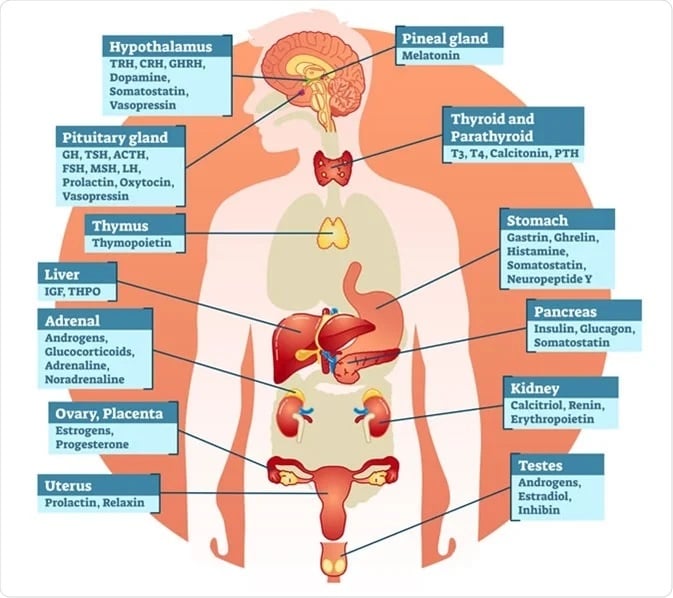
Small molecules play a pivotal role in Endocrinology Research. These are low molecular weight compounds that have a significant impact on the endocrine system, hormones, and their receptors. Here are some key aspects of how small molecules are involved in this field:
- Hormone Mimetics and Inhibitors: Small molecules are used to develop synthetic compounds that mimic the actions of hormones or inhibit their effects. For example, drugs like metformin for diabetes management and selective estrogen receptor modulators (SERMs) for breast cancer treatment are used to either mimic or block hormonal activity.
- Receptor Modulation: Small molecules can bind to hormone receptors and modulate their activity. This is crucial in developing drugs that target specific hormone receptors, like the use of small molecule agonists and antagonists to regulate thyroid hormone receptors.
- Metabolism Regulation: Endocrinology research often focuses on metabolism and how hormones like insulin regulate it. Small molecules are employed to understand and develop drugs targeting enzymes involved in metabolism, such as glucagon-like peptide-1 (GLP-1) agonists for diabetes treatment.
- Steroid Hormone Production: Small molecules may be utilized to influence the production of steroid hormones in the adrenal glands or gonads. This is essential for conditions like Cushing's syndrome or polycystic ovary syndrome (PCOS).
- Hormone Assays: In laboratory research, small molecules are used as tracers or markers in hormone assays. For instance, small molecule fluorophores can be attached to antibodies to detect hormone levels in blood samples.
Drug Development: Endocrinology research relies on small molecules as potential drug candidates. Researchers design and test small molecules for their effectiveness in modulating hormonal pathways, with the goal of developing new therapies for endocrine disorders.
In summary, small molecules are indispensable tools in Endocrinology Research, enabling scientists to better understand the endocrine system's intricacies and develop novel treatments for a wide range of hormonal disorders and conditions. Their versatility and specificity make them valuable assets in advancing our knowledge of endocrinology and improving patient care.
Endocrinology Disease Products
Endocrinology Research Products
Kisspeptin Receptor
Leptin Receptors
Melanocortin (MC) Receptors
Mineralocorticoid Receptors
Galanin Receptors
TRH Receptors
Ghrelin Receptors
Natriuretic Peptide Receptors
NPY Receptors
Motilin Receptor
PTH Receptor
