






-
Estrogen Receptor/ERR Modulator
Dihydroresveratrol is a potent modulator of estrogen receptors, functioning as a phytoestrogen with significant biological activity. It exhibits proliferative effects in androgen-independent prostate and breast cancer cell lines, demonstrating activity at picomolar and nanomolar concentrations. This compound is valuable for research applications focused on hormone receptor signaling and cancer biology. -
Estrogen Receptor Degrader
Imlunestrant tosylate is a potent and selective estrogen receptor degrader (SERD) that exhibits pure antagonistic properties. This compound effectively leads to prolonged inhibition of estrogen receptor-dependent gene transcription and cellular proliferation. Imlunestrant tosylate is valuable for research focused on estrogen receptor-positive advanced breast cancer (ER+ aBC) and endometrial endometrioid cancer (EEC). -
a-UPR Activator
ErSO is a selective anticipatory unfolded protein response (a-UPR) activator that targets estrogen receptor alpha (ERα). It induces robust and sustained cytotoxic effects through the activation of the a-UPR pathway. This compound is valuable for research in cancer biology, particularly in studies investigating the role of ERα in tumor cell stress responses and therapeutic resistance. -
Estrogen Receptor Modulator
Pipendoxifene is a selective estrogen receptor modulator (SERM) that targets estrogen receptors to modulate their activity. It exhibits key biological activity by influencing estrogenic effects in tissues, making it useful in the study of estrogen-related physiological processes and diseases. Its applications include research into hormone-dependent cancers, osteoporosis, and other conditions linked to estrogen signaling. -
ERRα Agonist
DS45500853 is an agonist of estrogen-related receptor α (ERRα), functioning by inhibiting the interaction between the receptor-interacting protein 140 (RIP140) corepressor peptide and the GST-ERRα ligand-binding domain, with an IC50 value of 0.80 μM. This compound is relevant for research into metabolic disorders, particularly type 2 diabetes mellitus (T2DM), providing insights into ERRα signaling pathways and their implications in metabolic regulation. -
Viral Endonuclease Inhibitor
Licoflavone C is a viral endonuclease inhibitor with broad-spectrum antiviral activity. It exhibits estrogen-like properties and effectively inhibits the replication of various bunyaviruses, including severe fever with thrombocytopenia syndrome virus (SFTSV) and lymphocytic choriomeningitis virus, through a non-substrate competitive mechanism. Licoflavone C demonstrates an IC50 of 35.5 μM against SFTSV CEN, with a Kd of 9.53 μM. Additionally, it exhibits low cytotoxicity and genotoxicity while inducing apoptosis and alleviating chemotherapy-induced chromosomal damage. This compound is valuable for research on viral infections, particularly mechanisms related to severe fever with thrombocytopenia syndrome. -
Estrogen Precursor
10β,17β-dihydroxyestra-1,4-dien-3-one (DHED) is a brain-targeting bioprecursor of the primary human estrogen, 17β-estradiol. It exhibits significant therapeutic potential in alleviating hot flashes associated with thermoregulatory dysfunction in rat models. This compound is valuable for research focused on hormonal regulation and the neuroendocrine system, particularly in the context of menopausal symptoms and estrogen-related physiological processes. -
Hormone
Nilestriol is an estriol derivative that primarily acts as a non-steroidal estrogen. It has demonstrated the ability to inhibit bone loss associated with osteoporosis, particularly in models such as ovariectomized rats and postmenopausal women. Nilestriol is useful in research aimed at understanding estrogen's role in bone health and its potential therapeutic applications in osteoporosis management. -
Androgen Receptor Antagonist/Degrader
UT-34 is a selective, orally bioactive second-generation pan-androgen receptor (AR) antagonist and degrader. It exhibits potent inhibition with IC50 values of 211.7 nM, 262.4 nM, and 215.7 nM for wild-type AR and variants F876L-AR and W741L-AR, respectively. By binding to the ligand-binding domain and the functional AF-1 domain of AR, UT-34 employs the ubiquitin-proteasome pathway to facilitate AR degradation. This compound demonstrates promising anti-prostate cancer activity, making it valuable for research in androgen signaling and cancer therapeutics. -
FSHR Agonist
FSHR Agonist 1 is a high-affinity allosteric agonist for the follicle-stimulating hormone receptor (FSHR), exhibiting a pEC50 value of 7.72. This compound forms significant interactions with the transmembrane domain, leading to the direct activation of FSHR. FSHR Agonist 1 is utilized in research applications focusing on reproductive biology and endocrine signaling pathways. -
a-UPR Activator
ErSO-DFP is an anticipatory unfolded protein response (a-UPR) activator with enhanced selectivity for estrogen receptor alpha-positive (ERα+) cancer cells, exhibiting a broader selectivity profile compared to its predecessor, ErSO. This compound demonstrates significant antitumor activity against MCF-7 cancer models in murine studies. Additionally, ErSO-DFP is capable of crossing the blood-brain barrier, making it a valuable tool for research in cancer therapeutics and neuro-oncology applications. -
ERα Antagonist
GNE-149 is a potent antagonist of estrogen receptor alpha (ERα) with an IC50 of 0.053 nM, demonstrating high selectivity as a selective estrogen receptor degrader (SERD). This compound exhibits significant biological activity in the modulation of ERα signaling pathways, making it a valuable tool in breast cancer research. Its ability to degrade ERα may provide insights into therapeutic strategies targeting estrogen-dependent tumors. -
ERRα Agonist
DS20362725 is an agonist of the estrogen-related receptor alpha (ERRα). It demonstrates potent inhibition of the binding between receptor-interacting protein 140 (RIP140) corepressor peptide and the GST-ERRα ligand-binding domain, with an IC50 value of 0.6 μM. This compound is valuable for research on metabolic disorders, particularly type 2 diabetes mellitus (T2DM), enabling investigations into ERRα's role in metabolic regulation. -
ERRα Agonist
DK3 is a potent and selective agonist of the estrogen-related receptor alpha (ERRα). This compound modulates ERRα activity, leading to downstream effects on cellular metabolism and gene expression. DK3 has significant implications for research in metabolic disorders, cancer biology, and endocrine signaling, making it a valuable tool for elucidating the role of ERRα in various biological processes. -
Estrogen Receptor/ERR Inhibitor
α-Zearalenol is a mycotoxin that acts as an inhibitor of estrogen receptors (ER). As a derivative of zearalenone, it exhibits a high affinity for these receptors, leading to significant xenoestrogenic effects that can result in reproductive disorders in animals. This compound is utilized in research to study the impact of estrogenic exposure and its implications in endocrine disruption and reproductive health. -
Estrogen Receptor/ERR Antagonist
Nafoxidine is a nonsteroidal estrogen receptor (ER) antagonist that exhibits notable antitumor activity, particularly in breast cancer models. By inhibiting estrogen receptor-mediated signaling pathways, Nafoxidine is instrumental in studying the biological effects of estrogen in cancer research. Its ability to block ER activity makes it a valuable tool for investigating therapeutic strategies and understanding estrogen's role in tumor progression. -
Estrogen Receptor Modulator
(E)-4-Hydroxytamoxifen is an estrogen receptor modulator that exhibits anti-estrogenic activity. As a selective agent, it is primarily utilized in research related to breast cancer, where it helps to investigate the effects of estrogen receptor signaling on tumor growth and progression. This compound serves as a valuable tool in studies exploring therapeutic approaches to hormone-responsive cancers. -
Estrogen Receptor/ERR Modulator
Idoxifene is a selective estrogen receptor modulator (SERM) that exhibits tissue-specific activity. Its primary mechanism involves selective modulation of estrogen receptors, influencing estrogen-dependent biological processes. Idoxifene has shown promise in research applications related to hormone-responsive cancers and other conditions influenced by estrogen signaling. Its unique properties make it a valuable tool for investigating the role of estrogens in various biological contexts. -
Estrone Sulfatase Inhibitor
3-Formylsalicylic acid is a noncompetitive inhibitor of estrone sulfatase, displaying an IC50 value of 0.15 mM and a Ki value of 0.12 mM. This compound demonstrates low acute toxicity, making it a suitable candidate for research applications aimed at studying estrogen metabolism and related pathways in cancer biology. Its inhibitory effects on estrone sulfatase may provide insights into therapeutic strategies for hormone-dependent tumors. -
FSHR NAM
ADX61623 is a potent negative allosteric modulator of the follicle-stimulating hormone receptor (FSHR). This compound exhibits luteinizing hormone receptor activity while displaying no significant interaction with thyroid-stimulating hormone receptors. ADX61623 is valuable for research on estrogen-dependent diseases, facilitating investigations into reproductive endocrinology and related therapeutic approaches. -
ERRγ Agonist
ERRγ agonist-1 is a selective agonist of estrogen-related receptor gamma (ERRγ), enhancing its transcriptional activity. This compound demonstrates significant biological activity in the modulation of metabolic and neuroprotective pathways. ERRγ agonist-1 is suitable for research applications focused on neuropsychological disorders and metabolic diseases, providing insights into the underlying mechanisms of these conditions. -
Estrogen Receptor Degrader
Taragarestrant meglumine is a selective estrogen receptor degrader (SERD) known for its potent activity against estrogen receptors. This compound effectively inhibits the growth of estrogen receptor-positive (ER+) breast cancer cell lines and demonstrates significant efficacy in xenograft models. It serves as a valuable tool for research into targeted therapies for ER+ breast cancer, aiding in the understanding of estrogen receptor biology and the potential for innovative treatment strategies. -
Androgen blocker
Cyproterone is an antiandrogen that functions by blocking androgen receptors, thereby inhibiting the actions of testosterone. It is primarily utilized in research investigating hypersexuality and prostate cancer, offering insights into hormonal regulation and therapeutic approaches to these conditions. Cyproterone serves as a valuable tool in studying androgen-mediated pathways and their implications in various diseases. -
Estrogen Receptor Antagonist
(Rac)-Acolbifene is a racemic estrogen receptor antagonist with dual anti-estrogenic and estrogenic properties. It features a piperidine ring in its structure and demonstrates a relative binding affinity (RBA) of 380. This compound is utilized in research applications focused on endocrine regulation, potential therapies for hormone-related conditions, and studies exploring estrogen receptor signaling pathways. -
GPR30 Agonist
GPR30 agonist-1 is a selective agonist of G protein-coupled receptor 30 (GPR30). It demonstrates significant vasorelaxant activity, making it a useful tool for exploring vascular biology and related therapeutic areas. Research applications include studies on cardiovascular function, hormone signaling, and potential treatments for vascular disorders. -
Estrogen Receptor Antagonist
Enclomiphene is a potent non-steroidal estrogen receptor antagonist, primarily acting through its antioestrogenic properties. This compound is instrumental in research related to ovarian dysfunction, testosterone deficiency, male hypogonadism, and type 2 diabetes. Its oral bioavailability allows for convenient administration in various experimental settings. -
ER-α Degrader
Bexirestrant is an orally bioavailable ER-α degrader that targets estrogen receptor alpha for degradation. This compound exhibits significant antiestrogenic and antineoplastic activities, making it a valuable tool in studies of estrogen-related cancers. Bexirestrant is ideal for research focused on therapeutic strategies in hormone-driven malignancies. -
Estrogen/Contraceptive
Estradiol enanthate is a synthetic form of estrogen that acts primarily on estrogen receptors. It is utilized as an injectable contraceptive, often in combination with Dihydroxyprogesterone acetophenide, to effectively prevent ovulation. Additionally, estradiol enanthate induces withdrawal bleeding, mimicking a natural menstrual cycle, making it useful in reproductive health research and hormone therapy studies. -
Estrogen Receptor Modulator
Y134 is a selective estrogen receptor modulator (SERM) that exhibits significant antagonist activity against both ERα and ERβ. With a remarkable 121.1-fold selectivity for ERα (Ki=0.09 nM) compared to ERβ (Ki=11.31 nM), Y134 effectively inhibits estrogen-stimulated proliferation in ER-positive human breast cancer cells. This compound is valuable for research applications focused on breast cancer biology and the modulation of estrogenic signaling pathways. -
ERα Agonist
GTX-758 is a selective estrogen receptor alpha (ERα) agonist that is orally active and nonsteroidal in nature. It exhibits significant biological activity in promoting ERα signaling pathways, making it a valuable reagent in the study of castration-resistant prostate cancer (CRPC). GTX-758 is essential for investigating the role of ERα in cancer progression and potential therapeutic strategies targeting this pathway. -
ERα Agonist
Estrogen receptor-agonist-1 is a selective agonist of the estrogen receptor alpha (ERα), exhibiting high-affinity binding. This compound significantly activates ERα signaling pathways, making it instrumental in studies related to hormonal regulation, cancer research, and endocrine system functions. Its robust activity positions it as a valuable tool in exploring the mechanistic roles of estrogen in various biological processes. -
ERβ Antagonist
Estrogen receptor β antagonist 2 is a selective antagonist of estrogen receptor β (ERβ), demonstrating an IC50 of 0.63 µM for ERβ and 109.10 µM for ERα. This compound effectively inhibits ERβ-mediated signaling pathways, making it a valuable tool for studying ERβ functions in various biological contexts. Its application includes the investigation of estrogen-related diseases and understanding the role of ERβ in hormonal signaling and cell proliferation. -
ERβ Agonist
AC-186 is a selective non-steroidal estrogen receptor β (ERβ) agonist, exhibiting an EC50 of 6 nM for ERβ and 5000 nM for ERα. This compound demonstrates pronounced neuroprotective effects in male rat models of Parkinson's disease, highlighting its potential application in studying gender-specific neuroprotection and ERβ-related biological pathways. Researchers may utilize AC-186 to explore the therapeutic implications of estrogenic signaling in neurodegenerative conditions. -
ERRα/γ Inverse Agonist
SLU-PP-1072 is a dual inverse agonist targeting ERRα and ERRγ. It demonstrates significant efficacy in prostate cancer research by disrupting cellular metabolism and inducing apoptosis through the dysregulation of the cell cycle. This compound serves as a valuable tool for studying the roles of nuclear receptors in cancer progression and metabolism. -
ERRβ/γ Agonist
SR19881 is a potent dual agonist of estrogen-related receptors β (ERRβ) and γ (ERRγ), exhibiting EC50 values of 0.39 μM and 0.63 μM, respectively. This compound plays a critical role in cellular metabolism and energy homeostasis, making it valuable for research applications focused on metabolic diseases and cancer biology. Its ability to modulate ERR signaling pathways allows for exploration of therapeutic strategies targeting these receptors. -
UV Filter
2,3,4-Trihydroxybenzophenone is a hydroxylated benzophenone that functions as an effective UV filter. It exhibits estrogenic activity and has been identified as a quorum sensing inhibitor, as well as an inhibitor of the enzyme tyrosinase (EC 1.14.18.1). Additionally, this compound serves as a metabolite found in human urine, rats, and various drugs, making it relevant for studies investigating metabolic pathways and environmental effects. -
Estrogen Receptor/ERR Agonist
Zeranol is an estrogen receptor agonist derived from the mycoestrogen zearalenone. It exhibits potent estrogenic activity, making it valuable in research focused on endocrine function and estrogen signaling. Additionally, Zeranol is utilized in agricultural studies as a growth promoter in livestock, providing insights into its effects on animal physiology and growth enhancement. -
Selective ER Degrader (PA-SERD)
OP-1074 is a selective estrogen receptor degrader (PA-SERD) that exhibits potent anti-estrogenic activity against both estrogen receptor alpha (ERα) and estrogen receptor beta (ERβ). It effectively inhibits 17β-estradiol (E2)-stimulated transcription, demonstrating IC50 values of 1.6 nM for ERα and 3.2 nM for ERβ. This compound is valuable for research applications focused on hormonal signaling pathways and targeting estrogen-related cancers. -
Nonsteroidal Estrogen
Paroxypropione is a nonsteroidal estrogen that functions primarily as an antigonadotropin. It exhibits key biological activity by modulating the secretion of gonadotropic hormones, thus influencing reproductive processes. This compound is utilized in various research applications, particularly in studies related to hormonal regulation, fertility, and endocrine system disorders. -
ERα Inhibitor
TPBM is a selective estrogen receptor α (ERα) inhibitor with an IC50 value of 9 μM for the 17β-estradiol (E2)-ERα complex. This compound effectively diminishes the recruitment of E2·ERα to endogenous estrogen-responsive genes. Additionally, TPBM demonstrates the capacity to inhibit E2-dependent proliferation of ERα-positive cancer cells, exhibiting an IC50 of 5 μM. Notably, TPBM is non-toxic to normal cells and does not interfere with estrogen-independent cell growth, making it a valuable tool for research in hormone-responsive signaling pathways and cancer biology. -
Partial ER Agonist
GNE-274 is a selective partial estrogen receptor (ER) agonist that enhances the chromatin accessibility of ER-DNA binding sites, distinguishing it from traditional ER degrader compounds. This compound functions by inhibiting the ligand-binding domain (LBD) of ER, making it a valuable tool in breast cancer research. GNE-274 offers insights into ER signaling pathways and can be instrumental in studies investigating ER-mediated gene regulation and cancer progression. -
ErSO Dextrorotatory Enantiomer
(S)-ErSO is the dextrorotatory enantiomer of ErSO, exhibiting distinct stereochemical properties. This compound is characterized by its inactivity in MCF-7 cells, making it a useful control in studies involving this cell line. Researchers may employ (S)-ErSO in mechanistic studies to elucidate the biological activity of its counterpart, providing insights into the role of stereochemistry in cellular responses. -
Estrogen Receptor Modulator
Endoxifen (E-isomer) is an estrogen receptor modulator that primarily exerts its effects through antiestrogenic activity. This compound is of interest in cancer research, particularly in the study of hormone-dependent tumors, as it can inhibit the growth of estrogen-responsive tissues. Endoxifen (E-isomer) is often utilized in research to explore therapeutic strategies in breast cancer treatment. -
Estrogen Receptor/ERR Activator
Lindleyin is an estrogen receptor (ER) activator derived from Rhei rhizoma. It exhibits estrogenic activity by specifically binding to the ERα subtype, thereby mediating hormonal effects. This compound is useful for research related to hormonal signaling, women's health, and estrogen receptor-related pathways. -
Estrogen Receptor/ERR Modulator
Zuclomiphene citrate is a cis isomer of Clomiphene citrate that functions as an estrogen receptor modulator. This compound exhibits antiestrogenic activity and has been shown to reduce cholesterol levels. Its unique properties make Zuclomiphene citrate valuable in studies related to endocrinology and metabolic diseases, providing insights into hormonal regulation and metabolic pathways. -
FSH Receptor Agonist
TOP5668 is an allosteric agonist of the follicle-stimulating hormone (FSH) receptor, demonstrating oral bioactivity. This compound stimulates testosterone production in stromal cells and facilitates follicular genesis and superovulation in rat models. It is suitable for research applications in reproductive biology and endocrinology. -
AEBS Ligand
PBPE hydrochloride is a selective ligand for the anti-estrogen binding site (AEBS), exhibiting a binding affinity (Ki) of 8.79 nM. As a derivative of tamoxifen, this compound is useful in studying estrogen receptor signaling pathways and their role in various biological processes, including cancer research. PBPE hydrochloride serves as a valuable tool for investigating the mechanisms of estrogen receptor modulation and its therapeutic implications. -
ERRα Inverse Agonist
ERRα antagonist-2 is an inverse agonist of the estrogen-related receptor alpha (ERRα), exhibiting an IC50 of 0.80 μM. This compound effectively inhibits the migration and invasion of the ER-negative MDA-MB-231 breast cancer cell line. Furthermore, ERRα antagonist-2 demonstrates the ability to suppress breast cancer growth in vivo, making it a valuable tool for research into breast cancer therapies and the role of ERRα in cancer progression. -
Estrogen Receptor Modulator
Estrogen receptor modulator 1 is a selective estrogen receptor modulator (SERM) that demonstrates oral bioactivity with a pIC50 of 0.46. This compound effectively induces regression of Tamoxifen-resistant and hormone-independent xenograft tumors, making it a valuable tool for studying estrogen receptor signaling pathways and tumor resistance mechanisms. Its unique properties support research in cancer therapeutic strategies targeting estrogen receptors. -
Estrogen Receptor Inhibitor
Estrogen receptor-IN-1 is a potent inhibitor of the estrogen receptor (ER), demonstrating IC50 values of 13 µM for ERα and 5 µM for ERβ. This compound is utilized in research to investigate estrogen signaling pathways and the role of estrogen receptors in various biological processes, including cancer progression and hormone-related disorders. Its selective inhibition provides a valuable tool for studying ER function and therapeutic potential in related diseases.
Endocrinology-Hormones
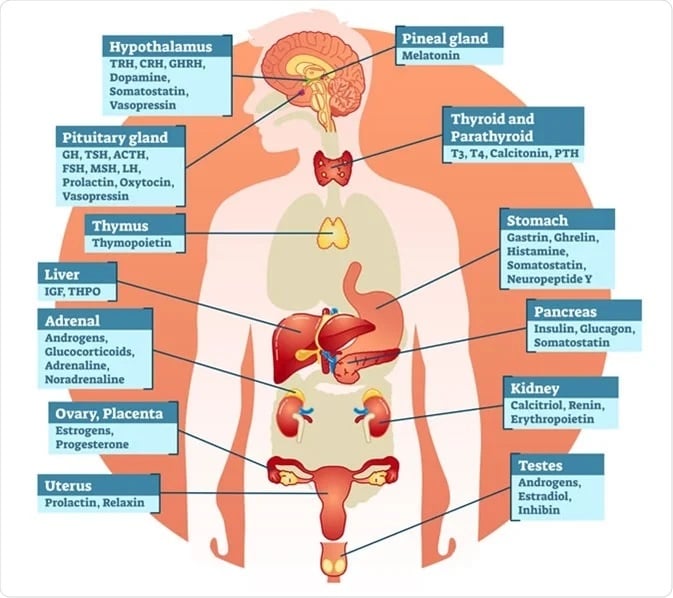
Small molecules play a pivotal role in Endocrinology Research. These are low molecular weight compounds that have a significant impact on the endocrine system, hormones, and their receptors. Here are some key aspects of how small molecules are involved in this field:
- Hormone Mimetics and Inhibitors: Small molecules are used to develop synthetic compounds that mimic the actions of hormones or inhibit their effects. For example, drugs like metformin for diabetes management and selective estrogen receptor modulators (SERMs) for breast cancer treatment are used to either mimic or block hormonal activity.
- Receptor Modulation: Small molecules can bind to hormone receptors and modulate their activity. This is crucial in developing drugs that target specific hormone receptors, like the use of small molecule agonists and antagonists to regulate thyroid hormone receptors.
- Metabolism Regulation: Endocrinology research often focuses on metabolism and how hormones like insulin regulate it. Small molecules are employed to understand and develop drugs targeting enzymes involved in metabolism, such as glucagon-like peptide-1 (GLP-1) agonists for diabetes treatment.
- Steroid Hormone Production: Small molecules may be utilized to influence the production of steroid hormones in the adrenal glands or gonads. This is essential for conditions like Cushing's syndrome or polycystic ovary syndrome (PCOS).
- Hormone Assays: In laboratory research, small molecules are used as tracers or markers in hormone assays. For instance, small molecule fluorophores can be attached to antibodies to detect hormone levels in blood samples.
Drug Development: Endocrinology research relies on small molecules as potential drug candidates. Researchers design and test small molecules for their effectiveness in modulating hormonal pathways, with the goal of developing new therapies for endocrine disorders.
In summary, small molecules are indispensable tools in Endocrinology Research, enabling scientists to better understand the endocrine system's intricacies and develop novel treatments for a wide range of hormonal disorders and conditions. Their versatility and specificity make them valuable assets in advancing our knowledge of endocrinology and improving patient care.
Endocrinology Disease Products
Endocrinology Research Products
Kisspeptin Receptor
Leptin Receptors
Melanocortin (MC) Receptors
Mineralocorticoid Receptors
Galanin Receptors
TRH Receptors
Ghrelin Receptors
Natriuretic Peptide Receptors
NPY Receptors
Motilin Receptor
PTH Receptor
