






-
angiotensin-converting enzyme inhibitor
Lisinopril (MK-521) is angiotensin-converting enzyme inhibitor, used in treatment of hypertension, congestive heart failure, and heart attacks. -
VDR activator
Alfacalcidol-D6, a deuterated Alfacalcidol (1-hydroxycholecalciferol; Alpha D3; 1.alpha.-Hydroxyvitamin D3), is a non-selective VDR activator medication. -
FFAR1/GPR40 activator
GPR40 Activator 1 is a potent GPR40 activator for treatment of type 2 diabetes. -
Androgen receptor antagonist
Nilutamide (Nilandron) is a non-steroidal anti-androgen drug proposed in the treatment of metastatic prostatic carcinoma. -
GnRHR antagonist
Elagolix is a highly potent, selective, orally-active, short-duration, non-peptide antagonist of the gonadotropin-releasing hormone receptor (GnRHR) (KD = 54 pM). - 24R-Calcipotriol(PRI 2202) is an impurity of Calcipotriol; Calcipotriol (MC 903; Calcipotriene) is a ligand of VDR-like receptors.
- Impurity F of Calcipotriol; Calcipotriol (MC 903; Calcipotriene) is a ligand of VDR-like receptors.
-
estrogen receptor modulator
Ospemifene is a non-hormonal selective estrogen receptor modulator (SERM). -
androgen receptor modulator
LGD-4033 is an investigational selective androgen receptor modulator for treatment of conditions such as muscle wasting and osteoporosis, currently under development by Ligand Pharmaceuticals. -
FFA4/GPR120 agonist
GSK137647A is a selective FFA4 agonist, with pEC50 of 6.3, 6.2, and 6.1 for human, Mouse and Rat FFA4, respectively. -
Androgen Receptor Inhibitor
SC428 is a selective androgen receptor (AR) inhibitor that targets the N-terminal domain, effectively reducing the transactivation of various isoforms including AR-V7, AR-v567es, and full-length AR (AR-FL) along with its LBD mutants. This compound inhibits the nuclear translocation, chromatin binding, and subsequent transcription of AR-regulated genes in response to androgens. Additionally, SC428 demonstrates significant anti-proliferative effects on tumor cells in vitro and promotes apoptosis in vivo, particularly in mice bearing 22RV1 xenografts. Its application in cancer research highlights its potential utility in targeting androgen-dependent tumors. -
Androgen Receptor PROTAC Degrader
PROTAC AR Degrader-8 is an androgen receptor (AR) PROTAC degrader that effectively induces degradation of full-length AR (AR-FL) with DC50 values of 0.018 μM in 22Rv1 cells and 0.14 μM in LNCaP cells, as well as degrading the AR-V7 variant with a DC50 of 0.026 μM in 22Rv1 cells. This compound exhibits potent inhibition of cancer cell proliferation, with IC50 values of 0.038 μM and 1.11 μM in 22Rv1 and LNCaP cells, respectively. PROTAC AR Degrader-8 induces G2/M cell cycle arrest and promotes apoptosis in 22Rv1 cells, demonstrating significant anticancer efficacy in both murine and zebrafish models. It is a valuable tool for investigating mechanisms underlying prostate cancer and castration-resistant prostate cancer. -
ERα/ERβ AModulator
Ferutinin, a natural terpenoid compound, modulates estrogen receptors ERα and ERβ, acting as an agonist with an IC50 of 33.1 nM for ERα and exhibiting antagonist properties with an IC50 of 180.5 nM for ERβ. This compound enhances calcium permeability in lipid bilayer membranes and mitochondria, functioning as an electrogenic Ca2+-ionophore. Ferutinin displays a range of biological activities including estrogenic, antitumor, antibacterial, and anti-inflammatory effects, making it a valuable tool for research in cancer biology, hormonal regulation, and inflammation pathways. -
PROTAC ERα Degrader
PROTAC ERα Degrader-4 is a selective degrader targeting estrogen receptor alpha (ERα) through the PROTAC mechanism. It exhibits potent inhibitory activity with a Ki value of 5.08 μM, effectively leading to the degradation of ERα in both Tamoxifen-sensitive and resistant ER+ breast cancer cells, as well as in ERα-mutated breast cancer cell lines. Additionally, PROTAC ERα Degrader-4 induces apoptosis, making it a valuable tool for cancer research aimed at understanding and combating ERα-driven malignancies. -
Estrogen Receptor Modulator
Droloxifene is a selective estrogen receptor modulator (SERM) derived from Tamoxifen. It exhibits antiestrogenic and anti-implantation properties, making it relevant for research in reproductive health. In cellular studies, Droloxifene has been shown to induce p53 expression and promote apoptosis in MCF-7 breast cancer cells. Additionally, it demonstrates protective effects against bone loss in ovariectomized rat models, highlighting its potential applications in osteoporosis research. -
ERα Inhibitor
Isocurcumenol is an estrogen receptor alpha (ERα) inhibitor derived from the rhizomes of Curcuma zedoaria. It demonstrates significant anti-tumor activity, exhibiting IC50 values of 99.1 μg/mL in Dalton's lymphoma ascites (DLA) cells and 178.2 μg/mL in KB cells. This compound has potential applications in cancer research, particularly in exploring targeted therapies for hormone-dependent tumors. -
GR/IL-6 Inhibitor
Glucocorticoid receptor/IL-6-IN-1 is a selective dual inhibitor that targets both the glucocorticoid receptor (GR) and the IL-6 signaling pathway, demonstrating IC50 values of 120 nM and 59 nM, respectively. This compound effectively inhibits IL-6-induced phosphorylation of JAK/STAT3, thereby blocking the transcription of inflammatory cytokines. Glucocorticoid receptor/IL-6-IN-1 is a valuable tool for investigating inflammatory diseases, including rheumatoid arthritis and asthma. -
ERα Antagonist
ERα antagonist 1 is a selective covalent antagonist of estrogen receptor α (ERα). It has demonstrated the ability to induce apoptosis and arrest the cell cycle in the G0/G1 phase in MCF-7 breast cancer cells. This compound is valuable for research focused on understanding estrogen signaling pathways and the development of targeted therapies for ERα-positive tumors. -
RORγ Inhibitor
W6134 is a potent and selective covalent inhibitor of RORγ, displaying an IC50 of 0.21 μM. This compound demonstrates remarkable selectivity for RORγ over RORα, RXRγ, and ERRγ. W6134 effectively suppresses RORγ transcriptional activity and has been shown to inhibit proliferation and colony formation while inducing apoptosis in castration-resistant prostate cancer (CRPC) cells. It is a valuable tool for investigating the mechanisms and treatment strategies for CRPC. -
GnRHR Antagonist
Degarelix acetate hydrate is a competitive and reversible gonadotropin-releasing hormone receptor (GnRHR) antagonist. This compound effectively inhibits the GnRH signaling pathway, making it a valuable tool in prostate cancer research. It is used to study the modulation of hormone levels and the impact on tumor growth dynamics. -
ERα Degrader
OBHSA is a selective estrogen receptor alpha (ERα) degrader that facilitates the degradation of cyclin D1, effectively bypassing resistance to Tamoxifen. By inducing an increase in intracellular reactive oxygen species, OBHSA activates the unfolded protein response (UPR) excessively, leading to apoptosis in susceptible cells. Additionally, OBHSA serves as an ERα ligand for the synthesis of PROTAC degraders, making it a valuable tool in the study of ERα-mediated pathways and therapeutic resistance in cancer research. -
Anticancer Agent/Immune Modulator/GPR120 Activator
Phytosphingosine is a bioactive sphingolipid that functions primarily as an immunomodulator and activator of GPR120. Exhibiting anti-inflammatory, antibacterial, and anticancer properties, Phytosphingosine can induce apoptosis in various cell types. Its role in regulating immune responses makes it a valuable reagent for research on inflammatory skin diseases and type II diabetes. Additionally, with an IC50 value of 33.4 μM, Phytosphingosine enhances understanding of GPR120-mediated pathways. -
Mineralocorticoid/Glucocorticoid Receptor Agonist
Fludrocortisone is an orally active mineralocorticoid and glucocorticoid receptor agonist. It exhibits significant anti-inflammatory properties by suppressing pro-inflammatory cytokine expression, including CCL2, IL-6, and IL-8 levels, while enhancing renal sodium and water transport, which contributes to increased plasma volume and blood pressure. Additionally, fludrocortisone induces key signaling pathways such as PI3K/Akt, mTOR, and ERK1/2, and is utilized in research applications related to congenital adrenal hyperplasia, postural hypotension, and adrenal insufficiency. -
ER Modulator
MPP hydrochloride is a potent selective modulator of the estrogen receptor (ER). It has been shown to induce significant apoptosis in endometrial cancer and oLE cell lines while antagonizing the positive effects of beta-estradiol. In vivo studies reveal its mixed agonist/antagonist activity on murine uterine ERalpha, making it a valuable tool for research into estrogen-related pathways and cancer therapeutics. -
GPR35 Agonist
Bufrolin is a potent agonist of GPR35, known for its ability to promote the interaction between β-arrestin-2 and both human GPR35a and rat GPR35. This compound exhibits significant antiallergic properties by stabilizing mast cells and inhibiting inflammatory responses associated with internalization peptides. Bufrolin is valuable for research into anti-inflammatory mechanisms and therapeutic applications targeting GPR35-related pathways. -
Glucocorticoid Receptor Activator
Flunisolide hemihydrate is an orally active glucocorticoid receptor activator with potent anti-inflammatory properties. It induces eosinophil apoptosis, making it a valuable tool for researchers investigating asthma, rhinitis, and various inflammatory conditions. Its mechanism of action supports studies focused on the modulation of inflammatory pathways and the therapeutic applications of corticosteroids in respiratory diseases. -
ERα Degrader
ERα degrader 14 is a selective degrader of estrogen receptor alpha (ERα), primarily functioning through targeted proteasomal degradation. This compound demonstrates potent anti-proliferative effects in ERα-positive breast cancer cell lines, including MCF-7 and T47D, by inducing cell cycle arrest, inhibiting cell migration, and promoting apoptosis. Additionally, ERα degrader 14 effectively suppresses tumor growth in in vivo mouse models, making it a valuable tool for research in breast cancer biology and therapeutic development. -
Estrogen Receptor Modulator
rel-Levormeloxifene is a selective estrogen receptor modulator (SERM) that primarily targets estrogen receptors. This compound effectively inhibits the proliferation of leukemia cells, demonstrating an IC50 of approximately 7 μM. Additionally, rel-Levormeloxifene induces cell cycle arrest at the G0/G1 phase and promotes apoptosis. It also facilitates myelogenesis differentiation while enhancing reactive oxygen species (ROS) production in K562 cells, making it a valuable reagent for research in leukemia and related hematological disorders. -
Androgen Receptor Degrader
ZC9 is a novel androgen receptor (AR) degrader that directly binds to AR, inhibiting its Dihydrotestosterone-induced nuclear translocation. By promoting AR degradation through the ubiquitin-proteasome system, ZC9 effectively suppresses AR transcriptional activity, leading to a significant decrease in the mRNA levels of downstream genes such as PSA, TMPRSS2, and PMEPA1. Additionally, ZC9 induces apoptosis and demonstrates notable anticancer effects in prostate cancer models, making it a valuable tool for research in androgen signaling and cancer therapeutics. -
Estrogen Receptor
BMI-135 is a selective estrogen receptor agonist that mimics estrogen activity. This compound has been shown to induce a rapid endoplasmic reticulum stress response (unfolded protein response, UPR) and promote apoptosis in breast cancer cells. BMI-135 serves as a valuable tool for studying the mechanisms of estrogen signaling and the therapeutic potential of targeting estrogen receptors in breast cancer research. -
Estrogen Receptor Epitope
ERα17p is an epitope derived from the CaM binding site on estrogen receptor alpha (ERα), facilitating its interaction with calmodulin (CaM) in a calcium-dependent manner. This peptide has been shown to regulate the migration of various breast cancer cell lines, including MCF-7, SK-BR-3, T47D, and MDA-MB-231, by activating Rho/ROCK and PI3K/Akt signaling pathways. Additionally, ERα17p exhibits inhibitory effects on breast cancer cell proliferation, induces apoptosis, and suppresses tumor growth in murine models, making it a valuable tool for cancer research. -
EGFR Inhibitor, Estrogen Receptor Inhibitor, Progesterone Receptor Inhibitor
4,7-Dihydroxycoumarin is a potent inhibitor of the epidermal growth factor receptor (EGFR) as well as estrogen and progesterone receptors. It exhibits significant cytotoxicity against breast cancer cells, with an IC50 value of 18.36 μg/mL. This compound is valuable for research focused on breast cancer treatment and the exploration of hormone receptor interactions. -
Glucocorticoid Receptor Agonist
Fluocinolone (Acetonide) is a glucocorticoid receptor agonist that exhibits significant anti-inflammatory and anti-lipid accumulation effects. It promotes the proliferation of dermal papilla cells (DPCs) and shows potential in the repair of injured pulp tissues. This compound is also valuable in research focused on mitigating chemotherapy-induced peripheral neuropathy associated with Paclitaxel. -
SHRs Agonist
Triamcinolone is a long-acting corticosteroid that acts as a glucocorticoid receptor agonist. It exhibits multiple biological activities, including anti-inflammatory, anti-oedematous, anti-proliferative, anti-angiogenic, immunomodulatory, and neuroprotective effects. This compound is widely utilized in research for the treatment of various dermatological conditions, immune disorders, and ocular diseases. -
RORγt Inverse Agonist
BMS-986251 is a selective RORγt inverse agonist with an EC50 of 12 nM in RORγt GAL4 assays. It effectively inhibits IL-17 production with an EC50 of 24 nM in human whole blood assays. BMS-986251 exhibits significant efficacy in preclinical models of psoriasis, including mouse acanthosis and Imiquimod-induced models, making it a valuable tool for research in autoimmune and inflammatory diseases. -
Androgen Receptor Inhibitor
Ac-PPPHPHARIK-NH2 is an androgen receptor inhibitor that disrupts the interaction between the androgen receptor and Src. By preventing this binding, it effectively inhibits androgen or estrogen-induced receptor activation in cancer cells, thereby modulating related signaling pathways. This compound has been shown to impede cell cycle progression and suppress tumor growth, making it a valuable tool for research in cancer biology and hormone receptor signaling. -
Stable Isotope
Dexamethasone-4,6α,21,21-d4 is a deuterated derivative of Dexamethasone, functioning as a glucocorticoid receptor agonist. It exhibits potent anti-inflammatory properties, including the modulation of neutrophil and monocyte surface markers such as CD11b and CD18, which are crucial for immune cell activation and migration. This reagent is particularly relevant for research on inflammatory responses, including studies related to COVID-19, as well as investigations into exosome-mediated microRNA regulation in macrophage activation. -
Stable Isotope
Dexamethasone-d5 is a deuterium-labeled analog of the glucocorticoid receptor agonist Dexamethasone. It is known to reduce the expression of CD11b, CD18, and CD62L on neutrophils, as well as CD11b and CD18 on monocytes, thereby modulating immune responses. This stable isotope is particularly valuable in research applications studying the mechanics of inflammation, including the regulation of exosomal microRNA-155 production in lipopolysaccharide-stimulated macrophages, and its efficacy in managing conditions such as COVID-19. -
Stable Isotope
Dexamethasone-d4 is a deuterium-labeled derivative of Dexamethasone, which acts as a potent glucocorticoid receptor agonist. This compound has notable biological activities, including the modulation of immune cell marker expression by decreasing levels of CD11b, CD18, and CD62L on neutrophils, as well as CD11b and CD18 on monocytes. Dexamethasone-d4 is particularly valuable for research applications related to anti-inflammatory responses and the investigation of COVID-19 pathophysiology, as it inhibits exosome production containing inflammatory microRNA-155 during macrophage activation. -
GnRH Antagonist
Teverelix is a GnRH antagonist that binds competitively and reversibly to GnRH receptors, inhibiting the release of luteinizing hormone (LH) and follicle-stimulating hormone (FSH). This compound plays a critical role in the study of disorders related to reproductive hormone regulation, including prostatic hyperplasia, endometriosis, and prostate cancer. Its selective mechanism makes it a valuable tool for research in endocrinology and oncology. -
GPR75 Inhibitor
(Rac)-AAA is a potent inhibitor of GPR75, targeting the receptor to modulate key signaling pathways. This compound effectively blocks the downregulation of GPR75 expression induced by 20-HETE, leading to the inhibition of downstream pathways such as EGFR, AKT, NF-κB, and FAK. (Rac)-AAA also reverses 20-HETE-mediated epithelial-mesenchymal transition, characterized by the downregulation of vimentin and upregulation of E-Cadherin, while reducing MMP-2 activity and cancer cell migration. Additionally, it mitigates the upregulation of HIC-5 and affects the localization of PKC-α and phosphorylated AKT, making (Rac)-AAA a significant tool in the study of castration-resistant prostate cancer. -
Estrogen Receptor Agonist, Voltage-Gated Sodium Channel Blocker, PI3K-AKT/JNK Signaling Modulator,
Propylparaben sodium acts as a weak estrogen receptor agonist and serves as a voltage-gated sodium channel blocker, while also modulating the PI3K-AKT and JNK signaling pathways. It is known to induce oxidative stress, affecting the estrous cycle and hormone levels, as well as ovarian reserve function. Propylparaben sodium can inhibit the growth of antral follicles and influence the accumulation of steroid hormones in follicle culture media. This compound is suitable for research related to ovarian aging and myocardial ischemia-reperfusion injury. -
Androgen Receptor Antagonist
AR Antagonist 15 is an orally bioavailable antagonist of the androgen receptor (AR), exhibiting an IC50 of 97 nM for ART787A. This compound inhibits AR nuclear translocation, prevents AR homodimerization, and suppresses transcription of AR-regulated genes through competitive binding at the ligand binding pocket. Additionally, AR Antagonist 15 significantly reduces prostate-specific antigen (PSA) levels and induces apoptosis by decreasing the expression of proteins involved in apoptotic pathways. This reagent is relevant for studies investigating the mechanisms of prostate cancer.
Endocrinology-Hormones
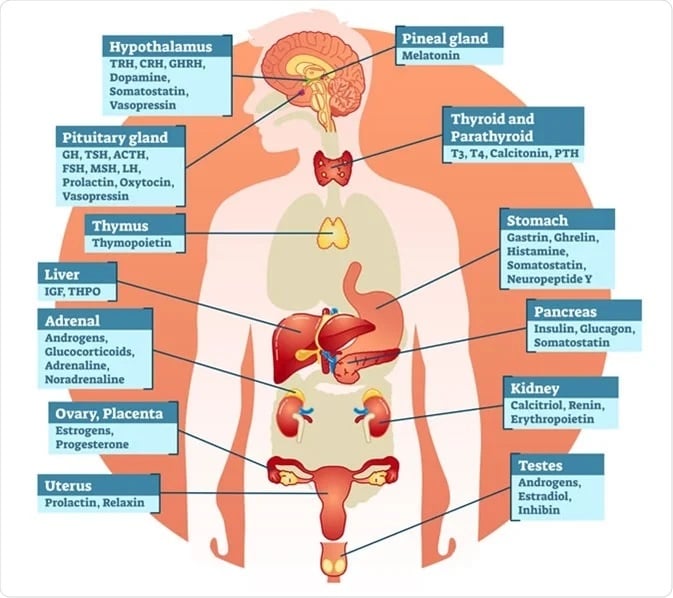
Small molecules play a pivotal role in Endocrinology Research. These are low molecular weight compounds that have a significant impact on the endocrine system, hormones, and their receptors. Here are some key aspects of how small molecules are involved in this field:
- Hormone Mimetics and Inhibitors: Small molecules are used to develop synthetic compounds that mimic the actions of hormones or inhibit their effects. For example, drugs like metformin for diabetes management and selective estrogen receptor modulators (SERMs) for breast cancer treatment are used to either mimic or block hormonal activity.
- Receptor Modulation: Small molecules can bind to hormone receptors and modulate their activity. This is crucial in developing drugs that target specific hormone receptors, like the use of small molecule agonists and antagonists to regulate thyroid hormone receptors.
- Metabolism Regulation: Endocrinology research often focuses on metabolism and how hormones like insulin regulate it. Small molecules are employed to understand and develop drugs targeting enzymes involved in metabolism, such as glucagon-like peptide-1 (GLP-1) agonists for diabetes treatment.
- Steroid Hormone Production: Small molecules may be utilized to influence the production of steroid hormones in the adrenal glands or gonads. This is essential for conditions like Cushing's syndrome or polycystic ovary syndrome (PCOS).
- Hormone Assays: In laboratory research, small molecules are used as tracers or markers in hormone assays. For instance, small molecule fluorophores can be attached to antibodies to detect hormone levels in blood samples.
Drug Development: Endocrinology research relies on small molecules as potential drug candidates. Researchers design and test small molecules for their effectiveness in modulating hormonal pathways, with the goal of developing new therapies for endocrine disorders.
In summary, small molecules are indispensable tools in Endocrinology Research, enabling scientists to better understand the endocrine system's intricacies and develop novel treatments for a wide range of hormonal disorders and conditions. Their versatility and specificity make them valuable assets in advancing our knowledge of endocrinology and improving patient care.
Endocrinology Disease Products
Endocrinology Research Products
Kisspeptin Receptor
Leptin Receptors
Melanocortin (MC) Receptors
Mineralocorticoid Receptors
Galanin Receptors
TRH Receptors
Ghrelin Receptors
Natriuretic Peptide Receptors
NPY Receptors
Motilin Receptor
PTH Receptor
