






-
ERα Degarder
X15695 is a selective estrogen receptor alpha (ERα) degrader that functions as an aryl hydrocarbon receptor (AHR) ligand. By facilitating the formation of a complex between AHR and ERα, X15695 promotes the proteasomal degradation of ERα, leading to the inhibition of breast cancer cell proliferation. Additionally, it induces cell cycle arrest and apoptosis. This compound is valuable for research in breast cancer biology and therapeutics. -
GPR91 Ligand
Succinate calcium primarily targets the G protein-coupled receptor GPR91 and serves as a significant intermediate in the citric acid cycle. This compound is known to enhance the amplitude of calcium transients in cardiac muscle cells while also accelerating their decay rate. Additionally, succinate calcium has been implicated in inducing myocardial apoptosis, making it valuable for research into cardiac physiology and pathology. -
Progesterone Receptor Modulator
Telapristone acetate is a potent progesterone receptor modulator that effectively inhibits the proliferation of ovarian cancer cells by inducing cell cycle arrest and apoptosis. This compound has demonstrated efficacy in reducing the incidence and progression of both spontaneous and chemically induced mammary tumors in animal models. Telapristone acetate is valuable for research focused on breast and ovarian cancer, providing insights into its therapeutic potential and mechanisms of action. -
ERα Antagonist
ER covalent antagonist-1 is a selective antagonist of estrogen receptor α (ERα). It effectively inhibits the proliferation of ERα-positive MCF-7 cells, with an IC50 value of 0.98 μM, and promotes cell cycle arrest in the G0/G1 phase while inducing apoptosis. In vivo studies demonstrate its significant antitumor efficacy in mouse models, highlighting its potential for research in cancer therapeutics targeting estrogen signaling pathways. -
HGPRT Inhibitor
2′-Deoxy-GDP trisodium is a potent inhibitor of hypoxanthine phosphoribosyltransferase (HGPRT), exhibiting an IC50 value of 12.5 μM. As a guanosine monophosphate (GMP) analogue, it plays a significant role in research related to purine metabolism and the recycling pathway in protozoan parasites. This reagent is valuable for studying HGPRT's function and its implications in parasitic diseases. -
Glucocorticoid Agonist
BI 653048 is a selective, orally active nonsteroidal glucocorticoid agonist, targeting the glucocorticoid receptor with an IC50 of 55 nM. It inhibits CYP enzyme isoforms including CYP1A2, CYP2D6, CYP2C9, CYP2C19, and CYP3A4, while exhibiting a reduced affinity for the hERG ion channel (IC50 > 30 μM). Additionally, BI 653048 serves as an HCV NS3 protease inhibitor, demonstrating potential for reducing viral loads in hepatitis C virus infections. This compound is valuable in studies related to glucocorticoid signaling and antiviral research. -
GPR39 Agonist
Glycolithocholic acid 3-sulfate disodium functions as a GPR39 agonist, exhibiting EC50 values of 47.9 and 66.8 μM in the absence of Zn2+, and 8 and 8.7 μM in the presence of Zn2+ in M39-20 and hGPR39-2 cell lines, respectively. This compound activates GPR39 receptors to promote intracellular calcium signaling without relying on Zn2+ binding sites H17 and H19. Additionally, it demonstrates the ability to inhibit HIV-1 replication in vitro. Glycolithocholic acid 3-sulfate disodium is a valuable tool for investigating HIV infection and gallbladder disease mechanisms. -
GPR15 Antagonist
GPR15 antagonist-1 is a selective antagonist of the G protein-coupled receptor 15 (GPR15). This compound is implicated in critical biological processes related to HIV infection, colonic inflammation, and smoking-related diseases. GPR15 antagonist-1 serves as a valuable tool for research exploring the therapeutic potential of modulating GPR15 activity in various pathological contexts. -
GPR120 Agonist
9-PAHSA is a potent endogenous agonist of the GPR120 receptor, demonstrating an EC50 of 18 μM. This compound effectively inhibits LPS-induced inflammatory responses by blocking the NF-κB pathway, showcasing its anti-inflammatory properties. Additionally, 9-PAHSA promotes adipocyte browning, enhances glucose uptake, and diminishes lipid accumulation, while supporting mitochondrial function in steatotic hepatocytes. It also exhibits neuroprotective effects by modulating the expression of REST and BDNF in the prefrontal cortex of diabetic mice, preventing cognitive deficits and abnormal social behaviors. 9-PAHSA is valuable for research into diabetes-related cognitive impairment, obesity, and non-alcoholic fatty liver disease. -
HGPRT/TBrHGPRT1 Inhibitor
HGPRT/TBrHGPRT1-IN-1 is a selective inhibitor of human hypoxanthine-guanine phosphoribosyltransferase (HGPRT) and Trypanosoma brucei HGPRT1 (TBrHGPRT1), with a Ki value of 3 nM for both targets. This compound effectively reduces cell growth through its targeted inhibition mechanism. HGPRT/TBrHGPRT1-IN-1 is particularly valuable for research applications in the fields of infectious diseases and oncology. -
Renin/HIV-1 Protease Inhibitor
PD 134922 is a potent inhibitor of renin and HIV-1 protease, exhibiting an IC50 of 15 nM against HIV-1 protease. This compound is valuable in studies focused on the modulation of blood pressure regulation through renin inhibition and provides insights into HIV-1 protease activity. Its application extends to research in antiviral therapies and blood pressure-related disorders, making it a useful tool for scientists in pharmacological studies. -
RORγ/DHODH Inhibitor
Izumerogant (IMU-935) is an orally active dual inhibitor of RORγ and DHODH, with IC50 values of 10 nM and 98 nM, respectively. This compound effectively disrupts the replication of various viruses, including SARS-CoV-2, HCMV, and HAdV5, demonstrated by EC50 values ranging from 3.6 to 17 nM. Izumerogant serves as a valuable tool for investigating antiviral mechanisms and therapeutic strategies against viral infections. -
Stable Isotope
Fluticasone propionate-d5 is a deuterium-labeled derivative of fluticasone propionate, a potent topical anti-inflammatory corticosteroid. This compound selectively binds to the glucocorticoid receptor, exhibiting an absolute affinity (KD) of 0.5 nM, and demonstrates minimal interaction with other steroid receptors. It is primarily utilized in research involving anti-inflammatory and potential antiviral activities, making it a valuable reagent for studies focused on corticosteroid receptor mechanism and function. -
Estrogen Receptor Degrader
Rintodestrant is an orally active, non-steroidal selective estrogen receptor degrader. Its primary mechanism involves the degradation of estrogen receptors, leading to reduced estrogen signaling. Additionally, Rintodestrant functions as a CDK4/6 inhibitor, which may further enhance its therapeutic potential. This compound is relevant for research applications in breast cancer treatment and the study of estrogen receptor-related pathways. -
RORγ/DHODH Inhibitor
RORγ/DHODH-IN-2 is a potent dual inhibitor of RORγ and DHODH, exhibiting IC50 values of 11.9 nM and 90 nM, respectively. This compound demonstrates significant antiviral activity against multiple viruses, including SARS-CoV-2, HCMV, HAdV5, and MPXV, with IC50 values of 27 nM, 20 nM, 9.1 nM, and 1.8 nM, respectively. RORγ/DHODH-IN-2 is ideal for research applications targeting immune signaling pathways and viral infections. -
Dexamethasone-Glucocorticoid Receptor Inhibitor
Collismycin B is a potent inhibitor of the dexamethasone-glucocorticoid receptor, exhibiting an IC50 value of 10 µM. This compound demonstrates notable antimicrobial activity, making it a valuable tool for research in microbial pathogenesis. Additionally, Collismycin B exhibits cytotoxic properties, offering potential applications in cancer research and therapeutic development. -
Androgen Receptor Inhibitor
Fenarimol is a selective androgen receptor inhibitor with an IC50 value of 19 µM. This compound has been shown to downregulate the mRNA expression of key genes, including PBP C3, ODC, and IGF-1. Fenarimol serves as a valuable tool in research investigating androgen signaling pathways and its role in various biological processes. Additionally, its fungicidal properties may provide insights into the interplay between hormonal regulation and fungal growth mechanisms. -
GPR17 Modulator
ASN02563583 is a GPR17 modulator that exhibits an IC50 value of 0.64 nM in the [35S]GTPγS binding assay, indicating its potency in regulating GPR17 receptor activity. This compound is particularly relevant for research focused on neurological diseases, providing insights into the role of GPR17 in related pathophysiological processes. -
GPR17 Antagonist
GPR17 Antagonist 1 is a selective antagonist of the GPR17 receptor, which is involved in various physiological processes. This compound exhibits significant inhibitory activity on GPR17, making it a valuable tool for studying metabolic disorders such as diabetes and obesity. Its application in pharmacological research contributes to the understanding of GPR17's role in these diseases and may aid in the development of therapeutic strategies. -
GPR17 Agonist
ASN04421891 is a potent GPR17 agonist, exhibiting nanomolar EC50 and high specificity. This compound facilitates the maturation of oligodendrocyte precursor cells into mature myelinating oligodendrocytes, making it a valuable tool for investigating neurodegenerative diseases. ASN04421891 is applicable in research related to cerebral and cardiac ischemia, multiple sclerosis, schizophrenia, depression, Alzheimer's disease, Parkinson's disease, Huntington's chorea, amyotrophic lateral sclerosis (ALS), and various neuroinflammatory disorders. -
GPR110 Agonist
GPR110 peptide agonist P12 is an agonist targeting the GPR110 receptor. This peptide significantly enhances the initial rate of G protein GTPγS binding stimulated by GPR110, effectively mimicking natural ligands. By inducing dissociation between the receptor's extracellular domain and its seven transmembrane domains, P12 exposes the β-strand-13/stalk region of the 7TM domain, facilitating G protein signaling activation. This compound is valuable for research into developmental disorders and cancers associated with GPR110 pathways. -
GPR17 Modulator
GPR17 modulator-1 is a potent modulator of the G protein-coupled receptor GPR17, exhibiting an IC50 of less than 10 nM for human GPR17 in CHO cells. This compound demonstrates moderate pharmacokinetic properties in murine models and is capable of crossing the blood-brain barrier. GPR17 modulator-1 is valuable for research focused on neuroinflammatory disorders and central nervous system-related applications. -
Renin Substrate
Renin FRET Substrate I is a selective substrate for human renin, featuring the specific cleavage site found in the N-terminal peptide of human angiotensinogen. This reagent facilitates the study of renin activity through FRET-based assays, enabling researchers to investigate the role of renin in the renin-angiotensin system and its implications in hypertension and cardiovascular diseases. Its use in enzymatic assays allows for the precise measurement of renin activity in biological samples. -
GPRC5A Agonist
7-Fluorotryptamine hydrochloride acts as a potent agonist of GPRC5A, promoting β-arrestin recruitment through GPRC5A activation. This compound is valuable for studying immune and cancer signaling pathways, providing insights into the mechanisms of GPRC5A in various biological contexts. Its role in modulating receptor activity makes it a useful tool for researchers investigating related biochemical processes. -
GPR35 Agonist
GPR35 Agonist 2 is a highly effective compound that specifically activates the GPR35 receptor, demonstrating EC50 values of 26 nM and 3.2 nM in β-arrestin recruitment and Ca2+ release assays, respectively. This agonist plays a significant role in advancing research related to GPR35 signaling pathways and their implications in various physiological processes. Its potent activity makes it suitable for studies investigating the therapeutic potential of targeting GPR35 in metabolic and inflammatory conditions. -
GPR183 Inverse Agonist
GPR183 inverse agonist-1 is a potent inverse agonist targeting the G protein-coupled receptor GPR183. It effectively inhibits GPR183-mediated Gi activation and prevents β-arrestin2 recruitment, thereby blocking the migration of peripheral blood mononuclear cells (PBMCs). This compound is valuable for research into inflammatory, autoimmune, and neoplastic disorders, enabling scientists to explore its therapeutic potential in these fields. -
GPR18 Agonist
PSB-KK1415 is a selective agonist for the human orphan G protein-coupled receptor GPR18, exhibiting an EC50 value of 19.1 nM. This compound has been identified to modulate receptor activity and can be utilized in various biological research applications, including studies of neurological processes and potential therapeutic pathways. Its specificity for GPR18 makes it a valuable tool for exploring receptor signaling mechanisms and their implications in health and disease. -
GPR18 Agonist
PSB-KK1445 is a potent and selective GPR18 agonist, exhibiting EC50 values of 45.4 nM for human GPR18 and 124 nM for mouse GPR18. It demonstrates over 200-fold selectivity against both cannabinoid receptor subtypes, GPR55, and GPR183. This compound is valuable for research applications exploring the physiological roles of GPR18 in various biological processes and potential therapeutic uses related to the endocannabinoid system. -
GPR55 Antagonist
PSB-SB-487 is a potent antagonist of GPR55, exhibiting an IC50 value of 0.113 µM, and acts as an agonist for the CB2 receptor with a Ki value of 0.292 µM. This compound is valuable for investigating various biological processes and disease states, including diabetes, Parkinson’s disease, neuropathic pain, and cancer. Its dual activity makes it a significant tool for understanding the role of cannabinoid receptors in disease mechanisms and potential therapeutic interventions. -
GPR55 Fluorescent Ligand
Tocrifluor 1117 is a selective fluorescent ligand targeting the GPR55 receptor. This compound serves as a valuable tool in research for visualizing the cellular distribution of cannabinoid receptors, including GPR55, in live tissues. With excitation and emission maxima at 543 nm and 590 nm, respectively, Tocrifluor 1117 enhances the understanding of cannabinoid receptor localization and function in various biological contexts. -
GPR18 Agonist
PSB-KD107 is an agonist of the GPR18 receptor, a cannabinoid-activated orphan G-protein-coupled receptor. This compound exhibits anti-inflammatory activity and is applicable in research related to Duchenne muscular dystrophy, making it a valuable tool for investigating inflammation-related pathways and therapeutic interventions in muscle degeneration. -
GPR133 Agonist
AP-503 is a selective agonist of GPR133 (also known as ADGRD1), exhibiting an EC50 value of 1.21 nM. This compound is of significant interest in research focused on mitigating muscle-related diseases and addressing vestibular dysfunction. Its precise modulation of GPR133 activity presents opportunities for elucidating the receptor's role in associated physiological pathways. -
GPER Agonist
(3aS,4R,9bR)-G-1 is a selective agonist of the G protein-coupled receptor GPR30, exhibiting a Ki value of approximately 7 nM. This compound activates rapid signaling pathways, including intracellular calcium mobilization and PI3K signaling, which are implicated in promoting uterine epithelial cell proliferation and exhibiting antidepressant effects. (3aS,4R,9bR)-G-1 holds potential for research applications in breast cancer and depression studies. -
Androgen Receptor Inhibitor
AZD9750 is an orally bioavailable proteolysis-targeting chimera (PROTAC) that acts as an androgen receptor (AR) inhibitor. It facilitates the proteasome-dependent degradation of both wild-type AR and the ARL702H resistance mutant by targeting and binding to AR and cereblon (CRBN). In in vitro studies, AZD9750 effectively inhibits AR signaling and demonstrates significant anti-tumor activity in mouse prostate cancer xenograft models. This compound is valuable for research focused on prostate cancer. -
Metabolite of Hydrocortisone
20β-Dihydrocortisol is a metabolite of Hydrocortisone that acts as a weak endogenous agonist of the glucocorticoid receptor (GR). This compound is generated from Hydrocortisone through the action of carbonyl reductase 1 (CBR1) in an NADPH-dependent process. Its unique properties make 20β-Dihydrocortisol valuable for investigating metabolic disorders such as obesity and its impact on glucocorticoid signaling pathways. -
Glucocorticoid Receptor Antagonist
CP-394531 is a highly selective non-steroidal antagonist of the glucocorticoid receptor (GR), exhibiting a Ki value of 0.1 nM. It demonstrates minimal binding to the androgen receptor (AR) (Ki = 130 nM) and negligible effects on the progesterone receptor and estrogen receptors (ERα, ERβ). CP-394531 effectively inhibits the agonistic effects of Dexamethasone with a Kif of 4.1 nM. This compound is valuable for researching a variety of conditions, including diabetes, obesity, depression, neurodegenerative disorders, glaucoma, and Cushing's disease. -
Glucocorticoid Steroid Hormone
Cortodoxone, a glucocorticoid steroid hormone, primarily functions as a glucocorticoid antagonist. It enhances tryptophan oxygenase (TO) activity and promotes the secretion of corticosterone. This compound is significant in research focused on T cell proliferation and activation, providing insights into immune response regulation. -
Glucocorticoid
Hydrocortisone hemisuccinate sodium is a potent glucocorticoid that exhibits significant anti-inflammatory properties by inhibiting proinflammatory cytokines, with IC50 values of 6.7 μM for IL-6 and 21.4 μM for IL-3. This compound is useful for research applications related to ulcerative colitis (UC), enabling the investigation of the underlying mechanisms of inflammation and potential therapeutic interventions. -
Nasal Spray
Fluticasone furoate is a synthetic trifluorinated corticosteroid that targets the glucocorticoid receptor with a high affinity (Kd of 0.3 nM). It exhibits significant anti-inflammatory and anti-asthmatic properties while maintaining low systemic exposure. This compound is primarily utilized in the treatment of allergic rhinitis, providing effective relief from nasal inflammation and associated symptoms. -
Anti-Inflammatory Agent
Methylprednisolone aceponate is a glucocorticoid with a specific mechanism of action as a selective glucocorticoid receptor ligand, primarily functioning as an anti-inflammatory agent. It exhibits weak systemic effects, making it particularly useful in the treatment of localized inflammatory conditions. This compound is valuable for research applications targeting eczema and other inflammatory skin disorders, aiding in the understanding of their pathophysiology and potential treatments. -
Glucocorticoid Receptor Antagonist
Cort108297 is a selective glucocorticoid receptor (GR) antagonist with a high affinity, exhibiting a Ki value of 0.45 nM. This compound effectively modulates GR signaling pathways, making it a valuable tool for elucidating the role of glucocorticoids in various biological processes. Research applications may include studies on inflammation, metabolic regulation, and stress response mechanisms. -
Glucocorticoid Metabolism Marker
Tetrahydrocortisone is a corticosteroid and a crucial marker for glucocorticoid metabolism, formed from endogenous glucocorticoids via the enzyme AKR1D1 (5β-reductase). This compound plays a vital role in maintaining glucocorticoid metabolic homeostasis and is regulated by the glucocorticoid receptor (GR). Tetrahydrocortisone is valuable for mechanistic investigations of metabolic diseases, including non-alcoholic fatty liver disease (NAFLD) and type 2 diabetes, and serves as a reliable biomarker for assessing AKR1D1 activity and glucocorticoid metabolic status in vivo. -
Corticosteroid
Fluocinolone is a potent corticosteroid that primarily targets the inflammatory response in tissues. It exhibits strong anti-inflammatory and immunosuppressive activities, making it effective in alleviating symptoms such as redness, itching, and swelling associated with various dermatological disorders. Fluocinolone is commonly utilized in research applications focused on skin inflammation and corticosteroid therapy. -
Smo Agonist
Fluticasone is a synthetic corticosteroid that acts as an agonist of the Smoothened (Smo) receptor, with an IC50 value of 99 nM. This compound activates Hedgehog signaling pathways, promoting the proliferation of primary neuronal stem or precursor cells. Fluticasone is utilized in respiratory research and can provide insights into mechanisms related to cell growth and differentiation within the context of Hedgehog signaling. -
GR Agonist
GSK9027 is a non-steroidal agonist of the glucocorticoid receptor (GR), exhibiting partial agonistic activity on the 2×glucocorticoid response element (GRE) reporter system. This compound demonstrates intrinsic activities comparable to dexamethasone, making it a valuable tool for investigating GR-mediated signaling pathways. GSK9027 can be utilized in research applications focused on inflammation, immune response modulation, and drug development related to glucocorticoid therapies. -
Stable Isotope
Cortisone-d8 is a deuterium-labeled derivative of cortisone, a biologically active metabolite of cortisol and a member of the glucocorticoid class. This stable isotope is utilized in metabolic studies and has applications in pharmacokinetic research and the characterization of glucocorticoid receptor interactions. Cortisone exhibits immunosuppressive and anti-inflammatory properties, contributing to its role in a variety of therapeutic applications. -
Glucocorticoid Receptor Agonist
ZK 216348 is a selective nonsteroidal glucocorticoid receptor agonist, exhibiting an IC50 of 20.3 nM. This compound also interacts with progesterone and mineralocorticoid receptors, with IC50 values of 20.4 nM and 79.9 nM, respectively. ZK 216348 demonstrates significant anti-inflammatory properties comparable to those of Prednisolone while minimizing transactivation-related side effects, making it a valuable tool for research in inflammation and related conditions. -
Drug Metabolite
Beclomethasone 17-propionate is a potent glucocorticoid receptor (GR) agonist and an active metabolite of Beclomethasone dipropionate. It demonstrates a higher affinity for the GR, making it more effective in modulating glucocorticoid activity. This compound effectively suppresses cytokine production in lung macrophages associated with chronic obstructive pulmonary disease (COPD), making it valuable for research in inflammation and respiratory disorders. -
Glucocorticoid
Tetrahydrocorticosterone is a glucocorticoid that functions primarily through binding to the glucocorticoid receptor (GR), thus modulating inflammatory responses. It plays a crucial role in the regulation of carbohydrate, protein, and fat metabolism. This compound is naturally produced by the adrenal glands and is extensively utilized in research focusing on inflammation, metabolic disorders, and endocrine function. Its diverse biological activities make it a valuable reagent for studying glucocorticoid signaling pathways and their implications in various physiological and pathological conditions. -
Glucocorticoid
Clobetasone butyrate is a synthetic glucocorticoid that modulates inflammation primarily through its action on glucocorticoid receptors. It exhibits potent topical anti-inflammatory activity, making it effective for treating corticosteroid-responsive dermatoses such as atopic dermatitis and psoriasis. This compound is useful for research focused on skin inflammation and therapeutic approaches to dermatological conditions.
Endocrinology-Hormones
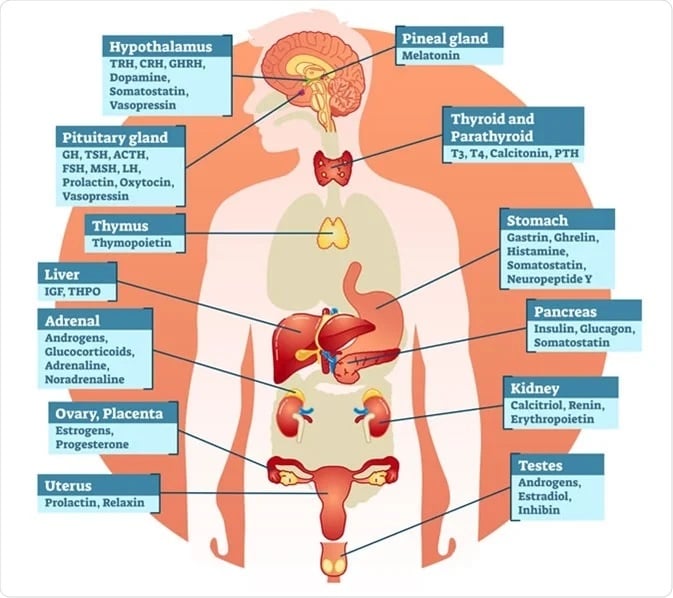
Small molecules play a pivotal role in Endocrinology Research. These are low molecular weight compounds that have a significant impact on the endocrine system, hormones, and their receptors. Here are some key aspects of how small molecules are involved in this field:
- Hormone Mimetics and Inhibitors: Small molecules are used to develop synthetic compounds that mimic the actions of hormones or inhibit their effects. For example, drugs like metformin for diabetes management and selective estrogen receptor modulators (SERMs) for breast cancer treatment are used to either mimic or block hormonal activity.
- Receptor Modulation: Small molecules can bind to hormone receptors and modulate their activity. This is crucial in developing drugs that target specific hormone receptors, like the use of small molecule agonists and antagonists to regulate thyroid hormone receptors.
- Metabolism Regulation: Endocrinology research often focuses on metabolism and how hormones like insulin regulate it. Small molecules are employed to understand and develop drugs targeting enzymes involved in metabolism, such as glucagon-like peptide-1 (GLP-1) agonists for diabetes treatment.
- Steroid Hormone Production: Small molecules may be utilized to influence the production of steroid hormones in the adrenal glands or gonads. This is essential for conditions like Cushing's syndrome or polycystic ovary syndrome (PCOS).
- Hormone Assays: In laboratory research, small molecules are used as tracers or markers in hormone assays. For instance, small molecule fluorophores can be attached to antibodies to detect hormone levels in blood samples.
Drug Development: Endocrinology research relies on small molecules as potential drug candidates. Researchers design and test small molecules for their effectiveness in modulating hormonal pathways, with the goal of developing new therapies for endocrine disorders.
In summary, small molecules are indispensable tools in Endocrinology Research, enabling scientists to better understand the endocrine system's intricacies and develop novel treatments for a wide range of hormonal disorders and conditions. Their versatility and specificity make them valuable assets in advancing our knowledge of endocrinology and improving patient care.
Endocrinology Disease Products
Endocrinology Research Products
Kisspeptin Receptor
Leptin Receptors
Melanocortin (MC) Receptors
Mineralocorticoid Receptors
Galanin Receptors
TRH Receptors
Ghrelin Receptors
Natriuretic Peptide Receptors
NPY Receptors
Motilin Receptor
PTH Receptor
