






-
Glucocorticoid Receptor Modulator
BMS-791826 is a selective glucocorticoid receptor modulator that targets glucocorticoid receptors to exert its biological effects. This compound effectively inhibits AP-1 and NF-κB-dependent signaling pathways, making it a valuable tool for studying the mechanisms underlying inflammatory diseases. Research applications include the exploration of potential therapeutic strategies for conditions associated with dysregulated glucocorticoid receptor activity. -
GPR109B Agonist
D-Kynurenine functions as an agonist for the G protein-coupled receptor GPR109B. This compound acts as a bioprecursor for kynurenic acid (KYNA) and 3-hydroxykynurenine, making it relevant for studies involving metabolic pathways. Additionally, D-kynurenine is utilized in fluorometric assays for D-amino acid oxidase and has been shown to promote epithelial-to-mesenchymal transition through the activation of the aryl hydrocarbon receptor (AHR), highlighting its potential applications in cancer research and cellular biology. -
ASGPR Ligand
tri(GalNAc-PEG2)-PEG4-cyclo(Ac-DCAW-{Arg(3F-Ph)-PEG2}-LGELVWCT) (Cys2-Cys12) is a potent ligand for the asialoglycoprotein receptor (ASGPR), facilitating targeted delivery to lysosomes. This compound is specifically designed for applications in lysosome-targeting chimera (LYTAC) research, offering enhanced cellular uptake and improved therapeutic efficacy. Its unique structure enables effective receptor recognition and binding, making it a valuable tool for studying ASGPR-mediated pathways. -
GPR34 Antagonist
YL-365 is a potent and selective antagonist of the GPR34 receptor, exhibiting an IC50 value of 17 nM. By binding to a specific region within the orthosteric binding pocket, YL-365 induces allosteric modifications that stabilize the receptor in an inactive state. It effectively down-regulates the pro-inflammatory gene iNOS in M1 microglia, consequently suppressing pro-inflammatory responses. Additionally, YL-365 demonstrates dose-dependent reduction of mechanical allodynia in mouse models of neuropathic pain, making it a valuable tool for studying inflammatory mechanisms and potential treatments for neuropathic conditions. -
GPR3 Agonist
GPR3 Agonist-2 is a potent full agonist of the G protein-coupled receptor 3 (GPR3), exhibiting an IC50 of 260 nM. This compound is instrumental in studies exploring the physiological and pathological roles of GPR3, including its involvement in neurodevelopment and potential implications in neurodegenerative diseases. GPR3 Agonist-2 serves as a valuable tool for research applications in signaling pathways mediated by GPR3. -
GPR17 Agonist
GPR17 Agonist 1 is a selective and potent agonist of the GPR17 receptor with an EC50 value of 35 pM. This compound demonstrates weak activation of the P2Y receptor, making it a useful tool for studies related to neurobiology. GPR17 Agonist 1 is particularly applicable in research focused on neurological diseases, offering insights into receptor signaling and its implications in various pathophysiological conditions. -
GPR27 Agonist
PT-91 is a potent agonist of the GPR27 receptor, known for its ability to enhance receptor activation. This compound demonstrates significant metabolic stability and effective brain exposure in murine models, making it a valuable tool for investigating the role of GPR27 in neurological research and potential therapeutic applications. Its unique profile supports studies related to neurodegenerative diseases and cognitive functions. -
Anti-GPRC5D Antibody
Vemzatatug is a humanized IgG1κ monoclonal antibody that targets GPRC5D, playing a crucial role in antitumor activity. This reagent is particularly relevant for research involving multiple myeloma (MM) and may aid in understanding tumor progression and therapeutic responses. It serves as a valuable tool for exploring GPRC5D's role in cancer biology and therapeutic interventions. -
GPR17 Agonist
PSB-1737 is a selective agonist of the GPR17 receptor, exhibiting an EC50 of 270 nM for human GPR17, with significantly reduced activity on murine GPR17 (EC50 > 10 μM). This compound does not exhibit significant inhibition at the glycine binding site of NMDA receptors, nor does it show notable activity on P2Y receptor subtypes. PSB-1737 is valuable for research in the context of demyelinating diseases, such as multiple sclerosis, and inflammatory-related anemia. -
GPR34 Agonist
GPR34 Agonist 1 is a lysophosphatidylserine analogue that selectively activates the GPR34 receptor. This compound facilitates the modulation of GPR34-mediated signaling pathways, making it a valuable tool for investigating the physiological roles of this receptor in various biological processes. Its utility extends to research areas such as immunology and neurobiology, where GPR34 activity is implicated in inflammation and neurodevelopment. -
GPR18 Inhibitor
PSB-CB-27 is a potent and selective inhibitor of the GPR18 receptor with an IC50 of 0.65 μM. It exhibits a high degree of selectivity over human GPR55, CB1, and CB2 receptors. This compound effectively blocks GPR18 activation induced by Δ9-Tetrahydrocannabinol (THC), making it a valuable tool for investigating the roles of GPR18 in inflammatory diseases and cancer immunotherapy research. -
P2Y2R/GPR17 Antagonist
P2Y2R/GPR17 antagonist 1 is a selective antagonist targeting both the P2Y2 receptor (P2Y2R) and G protein-coupled receptor 17 (GPR17), with IC50 values of 3.17 µM and 1.67 µM, respectively. This compound exhibits promising metabolic stability in human liver microsomes, making it a valuable tool for research. It is particularly applicable in studies involving purinergic signaling and neuroinflammation, providing insights into therapeutic strategies for related diseases. -
MrgprX2 Antagonist
MrgprX2 antagonist-1 is a selective antagonist of the Mas-related G protein-coupled receptor X2 (MrgprX2). It exhibits potent inhibition of MrgprX2-mediated signaling, making it valuable for investigating the role of this receptor in various inflammatory skin disorders. This compound is suitable for research applications aimed at understanding and potentially developing therapeutic interventions for inflammatory conditions involving MrgprX2. -
MrgprX2 Antagonist
MrgprX2 antagonist-8 is a selective antagonist of the Mas-related G protein-coupled receptor X2 (MrgprX2). It effectively inhibits MrgprX2 signaling, making it useful for investigating the role of this receptor in various inflammatory disorders. This compound is valuable for research applications targeting pain perception, allergic responses, and other related conditions influenced by MrgprX2 modulation. -
MrgprX2 Antagonist
MrgprX2 antagonist-2 is a selective antagonist of the Mas-related G protein-coupled receptor X2 (MrgprX2). This compound has demonstrated significant activity in modulating inflammatory responses, making it a valuable tool for investigating cutaneous inflammatory disorders. Its application may facilitate the understanding of MrgprX2 signaling pathways in skin-related research. -
MrgprX2 Antagonist
MrgprX2 antagonist-9 is a selective antagonist of the Mas-related G protein-coupled receptor X2 (MrgprX2) with an IC50 value ranging from 0.1 to 100 nM. This compound exhibits significant potential for investigating the role of MrgprX2 in inflammatory processes. Its application in research can enhance the understanding of pain signaling and other pathophysiological conditions linked to this receptor. -
MrgprX1 Positive Allosteric Modulator
BCFTP is a potent and selective positive allosteric modulator of the human Mas-related G protein-coupled receptor X1 (MrgprX1). It enhances MrgprX1 signaling in HEK293 cells and effectively alleviates neuropathic pain-related behaviors in a humanized mouse model of chronic constrictive injury, demonstrating a MrgprX1-dependent mechanism. BCFTP has the potential to synergistically enhance the analgesic effects of psychoactive substances in this model. This compound serves as a valuable tool for research into neuropathic pain mechanisms and potential therapeutics. -
MrgprX2 Antagonist
MrgprX2 antagonist-3 is a selective antagonist of the Mas-related G protein-coupled receptor X2 (MrgprX2), primarily involved in mediating pruritic and inflammatory signaling. This compound exhibits significant efficacy in inhibiting MrgprX2-related pathways, making it a valuable tool for studying inflammatory skin disorders. Research applications include investigations into the role of MrgprX2 in various dermatological conditions and the development of novel therapeutic strategies targeting these pathways. -
MRGPRX2 Agonist
(R)-ZINC-3573 is a selective agonist of the Mas-related G protein-coupled receptor X2 (MRGPRX2), exhibiting an EC50 value of 740 nM. This compound serves as an effective probe for studying the biological functions of MRGPRX2, particularly in relation to pain and itch mechanisms. Its application in research contributes to understanding receptor signaling pathways and exploring therapeutic targets for related conditions. -
MRGPRX2 Antagonist
ZINC49534341 is an antagonist of the Mas-related G protein-coupled receptor X2 (MRGPRX2) with a binding affinity (Ki) of 32 nM. This compound negatively regulates MRGPRX2-mediated signaling pathways, demonstrating utility in research related to pain, inflammation, and mast cell activation. It serves as a valuable tool for investigating the role of MRGPRX2 in various biological processes and for potential therapeutic applications. -
MRGPR X4 Modulator
Nelremagpran is a potent modulator of MRGPR X4, exhibiting antagonist activity with an IC50 of less than 100 nM. This compound is valuable for investigating autoimmune diseases, including psoriasis, multiple sclerosis, Stevens-Johnson syndrome, and various chronic itch conditions. Its ability to selectively inhibit MRGPR X4 makes it a crucial tool for elucidating the role of this receptor in disease pathology and for the development of targeted therapeutic strategies. -
MrgprX2 Antagonist
MrgprX2 antagonist-5 is a selective antagonist of the MrgprX2 receptor, involved in the modulation of inflammatory responses. This compound demonstrates significant potential for the investigation of skin inflammatory disorders, particularly in elucidating the role of MrgprX2 in pathophysiological processes. Its application in research may enhance the understanding of therapeutic strategies targeting the MrgprX2 pathway. -
MRGPR X4 Modulator
MRGPRX4 modulator-1 is a potent antagonist of the mas-related G-protein receptor X4 (MRGPR X4), exhibiting an IC50 of less than 100 nM. This compound is valuable for investigating MRGPR X4-dependent pathologies, including itch, pain, and autoimmune disorders. Its ability to modulate MRGPR X4 activity makes it a crucial tool for research into these challenging conditions. -
MRGPRX1 Agonist
MRGPRX1 agonist 1 is a potent agonist of the Mas-related G protein-coupled receptor X1 (MRGPRX1), demonstrating an EC50 of 50 nM and over 50-fold selectivity against δ, μ, and κ opioid receptors. This compound is ineffective against MRGPRC11, which plays a role in inhibiting high voltage-activated (HVA) Ca2+ currents, thereby reducing neurotransmitter release and influencing nociceptive transmission in the spinal cord. MRGPRX1 agonist 1 is valuable for investigating mechanisms of chronic pain, particularly neuropathic pain, facilitating research into potential therapeutic strategies. -
MRGPRX2 Modulator
MRGPRX2 modulator-1 is a selective modulator of the mas-related G-protein coupled receptor X2 (MRGPRX2). It exhibits significant biological activity in modulating nociceptive pathways, making it a valuable tool for investigating mechanisms associated with inflammation, pain perception, and autoimmune disorders. This compound facilitates research into therapeutic strategies targeting MRGPRX2 in order to develop novel approaches for managing pain and inflammatory conditions. -
MrgprX2 Antagonist
MrgprX2 antagonist-4 is an antagonist of the Mas-related G protein-coupled receptor X2 (MrgprX2). This compound demonstrates significant biological activity in modulating inflammatory responses, making it valuable for research into skin inflammatory disorders. Its application can aid in understanding the pathways involved in skin inflammation and contribute to the development of therapeutic strategies targeting this receptor. -
MRGPRX4 Agonist
PSB-22034 is a selective agonist of the MRGPRX4 receptor, demonstrating EC50 values of 11.2 nM in Ca2+ mobilization assays and 30.0 nM in β-arrestin recruitment assays. This compound is valuable for investigating the physiological roles of MRGPRX4 and its involvement in pain, neurogenic inflammation, and other pathological processes. Its precise modulation of MRGPRX4 provides a tool for elucidating receptor functions in various biological contexts. -
MRGPRX4 Antagonist
1-(4-Fluorobenzyl)-1H-indazole-3-carboxylic acid acts as an antagonist of the Mas-related G protein-coupled receptor X4 (MRGPRX4). This compound, a metabolite of AB-FUBINACA, exhibits significant biological activity relevant to the modulation of pain and inflammation pathways. It is a valuable research tool for studying GPCR-related mechanisms and developing new therapeutic strategies targeting MRGPRX4. -
MRGPRX2 Modulator
MRGPRX2 modulator-3 is a selective modulator targeting the Mas-related G protein-coupled receptor X2 (MRGPRX2). This quinoline derivative exhibits significant potential in the modulation of various biological responses linked to MRGPRX2 activation. It is applicable in studies investigating MRGPRX2-related pathologies, including allergies, pruritus, pain, inflammation, and autoimmune disorders, making it a valuable tool for advancing research in these areas. -
MRGPRX1 PAM
MRGPRX1 agonist 4 is a potent positive allosteric modulator of the Mas-related G protein-coupled receptor X1 (MRGPRX1), exhibiting an EC50 value of 0.1 μM. This compound demonstrates favorable metabolic stability and oral bioavailability. MRGPRX1 agonist 4 has been shown to alleviate behavioral heat hypersensitivity in humanized MRGPRX1 mice models of neuropathic pain, making it a valuable tool for research in pain modulation and related therapeutic applications. -
MRGPRC11 Agonist
JHU-58 is a peptidomimetic agonist specifically targeting the MRGPRC11 receptors in mice and rats. It exhibits notable analgesic properties in mouse models of neuropathic pain, highlighting its potential for therapeutic applications. This reagent serves as a valuable tool for investigating the mechanisms underlying neuropathic pain and exploring novel pain management strategies. -
MRGPRX1 PAM
MRGPRX1 Agonist 2 is a potent positive allosteric modulator of the Mas-related G protein-coupled receptor X1 (MRGPRX1) with an EC50 value of 0.48 μM. This compound is primarily utilized in research focused on neuropathic pain, enabling the exploration of MRGPRX1's role in pain pathways. Its distinct mechanism of action makes it a valuable tool for understanding the modulation of nociceptive signals. -
MRGPRX2 Antagonist
MrgprX2-IN-1 is a selective antagonist of the Mas-related G-protein coupled receptor X2 (MRGPRX2). This compound effectively inhibits IgE-independent immune responses by blocking MRGPRX2-mediated mast cell degranulation and the subsequent release of inflammatory mediators. MrgprX2-IN-1 serves as a valuable tool for investigating pseudo-allergic reactions, chronic pruritus, and various inflammatory diseases. -
MRGPRD Agonist
(Rac)-EP-2825 is a MRGPRD agonist exhibiting an IC50 value between 100 and 500 nM. It plays a significant role in pain research, providing insights into the mechanisms of nociception and potential therapeutic interventions. This compound facilitates the exploration of MRGPRD pathways, contributing to a better understanding of pain modulation and associated biological processes. -
MRGPRX2 Antagonist
MrgprX2-IN-2 is a selective antagonist of the Mas-related G-protein coupled receptor X2 (MRGPRX2). By inhibiting MRGPRX2-mediated mast cell degranulation, MrgprX2-IN-2 effectively blocks IgE-independent immune responses, thereby reducing the release of inflammatory mediators. This compound is valuable for studies investigating pseudo-allergic reactions, chronic pruritus, and various inflammatory diseases. -
MRGPRX1 PAM
MRGPRX1 agonist 3 is a potent positive allosteric modulator of the Mas-related G protein-coupled receptor X1 (MRGPRX1), exhibiting an EC50 value of 0.22 μM. This compound is instrumental in the study of neuropathic pain, facilitating investigations into the modulation of pain pathways via MRGPRX1 activation. Its unique mechanism of action makes it a valuable tool for understanding the therapeutic potential of MRGPRX1 in pain management. -
Mas-related G-protein-coupled Receptor (MRGPR) Agonist
EP-3945 is a selective agonist of the Mas-related G protein-coupled receptor (MRGPR), demonstrating greater efficacy compared to β-Alanine. This receptor is significantly involved in mediating inflammatory pruritus and pain responses. EP-3945 specifically activates the Gq signaling pathway, with an EC50 value of 211.6 nM, enabling its application in studies focused on pain modulation and itch sensation research. -
MRGPR Antagonist
Setomagpran is a selective antagonist of the mas-related G protein-coupled receptor (MRGPR). This compound demonstrates significant anti-inflammatory activity, making it a valuable tool for investigating pathways associated with inflammation and pain. Its ability to modulate MRGPR signaling further supports research into therapeutic strategies for related disorders. -
MrgprX2 Antagonist
(R)-MrgprX2 antagonist-3 is a selective antagonist of the MrgprX2 receptor, recognized for its role in nociception and inflammatory responses. It exhibits significant potential in modulating pain and inflammation, making it a valuable tool for researching inflammatory skin disorders. This compound facilitates the exploration of therapeutic strategies aimed at targeting MrgprX2-related pathways. -
MRGPRX1 Agonist
4-Aminobenzimidamide Hydrochloride serves as a selective agonist for the Mas-related G protein-coupled receptor member X1 (MRGPRX1). This compound is instrumental in researching the signaling pathways involved in MRGPRX1-mediated analgesic effects. Its functional role in headache relief and pain modulation makes it a valuable tool for pharmacological studies focused on nociceptive pathways and pain management therapies. -
GPR142 Agonist
LY3325656 is a selective agonist of the GPR142 receptor, functioning primarily to enhance glucose-dependent insulin secretion. This compound demonstrates potential anti-diabetic effects, making it a valuable tool for research in type 2 diabetes. Its specificity for GPR142 allows for the exploration of pathways involved in insulin regulation and glucose metabolism. -
MCHR1 (GPR24) Antagonist
AZD1979 is a potent antagonist of the Melanin-concentrating hormone receptor 1 (MCHR1), exhibiting an IC50 of approximately 12 nM. This compound is primarily utilized in research aimed at understanding the physiological roles of MCHR1 in metabolic regulation and appetite control. Its antagonistic properties make it a valuable tool for studying the involvement of this receptor in various neurological and metabolic disorders. -
MCHR1 (GPR24) Agonist
Melanin Concentrating Hormone, salmon is a 19-amino-acid neuropeptide that acts as an agonist for MCHR1 (GPR24). This peptide plays a crucial role in regulating vital physiological functions such as food intake, energy balance, sleep regulation, and cardiovascular activity. Its interaction with the G protein-coupled receptor makes it a valuable tool for studying these biological pathways and investigating potential therapeutic targets related to metabolic and sleep disorders. -
MCHR1 (GPR24) Antagonist
Neuropeptide EI (rat) serves as an antagonist of the melanin-concentrating hormone receptor 1 (MCHR1, also known as GPR24). It displays functional activity by antagonizing MCH and exhibiting agonistic properties towards melanocyte-stimulating hormone (MSH). This compound is useful in research applications focused on neuropeptide signaling, metabolism, and behaviors related to feeding and energy balance. -
MCHR1 (GPR24) Antagonist
MCHR1 antagonist 1 is a selective antagonist of the melanin-concentrating hormone 1 (MCHR1) receptor, exhibiting a Kb of 1 nM and a Ki of 4 nM at human MCHR1. This compound effectively modulates the signaling pathways associated with MCHR1, making it a valuable tool in obesity research and studies focused on body weight regulation. Its specificity provides insights into the physiological roles of MCHR1 in metabolic processes. -
RZR/ROR Receptor Agonists
CGP52608 is a selective agonist for the RZR/ROR receptor, exhibiting notable anti-tumor activity with minimal interaction with the cell surface G-protein coupled melatonin receptor. This compound has been demonstrated to inhibit the proliferation of mouse 16/C breast cancer cells, making it a valuable tool in cancer research. Additionally, CGP52608 is effective in inducing vesicle formation in diatoms, providing insights into cellular mechanisms and developmental processes. -
GPR38 Agonist
DS-3801b is a potent non-macrolide agonist of the GPR38 receptor. It demonstrates significant biological activity as a gastrointestinal prokinetic agent, making it a valuable tool for the study of functional gastrointestinal disorders such as gastroparesis and chronic constipation. Research applications of DS-3801b include the exploration of therapeutic strategies that address impaired gastrointestinal motility. -
GPR7 Antagonist
CYM 50769 is a selective antagonist of the neuropeptides B and W receptor 1 (NPBWR1). This compound has been shown to inhibit NPW-23-induced cell proliferation in ATDC5 cells, providing valuable insights into its biological activity. CYM 50769 is utilized in research focused on endochondral bone formation, enabling investigation into the roles of neuropeptides in skeletal development and related disorders. -
Gpr35 Modulator
Gpr35 Modulator 3 is a selective modulator of the Gpr35 receptor, exhibiting an IC50 of less than 1 μM. This compound is valuable for investigating its role in various biological processes, including cell proliferation, immune responses, and inflammation. Researchers can utilize Gpr35 Modulator 3 to explore the receptor's implications in related diseases and potential therapeutic applications. -
GPR52 Modulator
GPR52 agonist-4 is a selective modulator of the G-protein-coupled receptor GPR52. It demonstrates significant biological activity relevant to neuropsychiatric disorders, making it a valuable tool for research in this area. The compound's selective action on GPR52 provides insights into potential therapeutic pathways for the treatment of neuropsychiatric diseases.
Endocrinology-Hormones
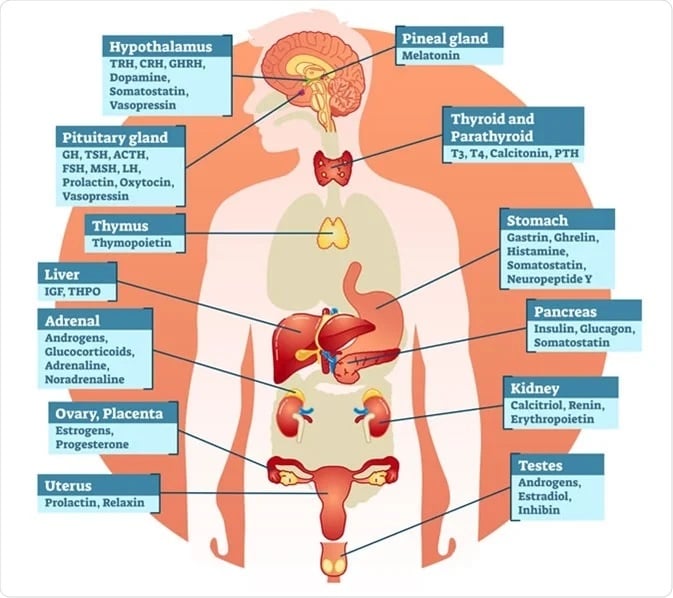
Small molecules play a pivotal role in Endocrinology Research. These are low molecular weight compounds that have a significant impact on the endocrine system, hormones, and their receptors. Here are some key aspects of how small molecules are involved in this field:
- Hormone Mimetics and Inhibitors: Small molecules are used to develop synthetic compounds that mimic the actions of hormones or inhibit their effects. For example, drugs like metformin for diabetes management and selective estrogen receptor modulators (SERMs) for breast cancer treatment are used to either mimic or block hormonal activity.
- Receptor Modulation: Small molecules can bind to hormone receptors and modulate their activity. This is crucial in developing drugs that target specific hormone receptors, like the use of small molecule agonists and antagonists to regulate thyroid hormone receptors.
- Metabolism Regulation: Endocrinology research often focuses on metabolism and how hormones like insulin regulate it. Small molecules are employed to understand and develop drugs targeting enzymes involved in metabolism, such as glucagon-like peptide-1 (GLP-1) agonists for diabetes treatment.
- Steroid Hormone Production: Small molecules may be utilized to influence the production of steroid hormones in the adrenal glands or gonads. This is essential for conditions like Cushing's syndrome or polycystic ovary syndrome (PCOS).
- Hormone Assays: In laboratory research, small molecules are used as tracers or markers in hormone assays. For instance, small molecule fluorophores can be attached to antibodies to detect hormone levels in blood samples.
Drug Development: Endocrinology research relies on small molecules as potential drug candidates. Researchers design and test small molecules for their effectiveness in modulating hormonal pathways, with the goal of developing new therapies for endocrine disorders.
In summary, small molecules are indispensable tools in Endocrinology Research, enabling scientists to better understand the endocrine system's intricacies and develop novel treatments for a wide range of hormonal disorders and conditions. Their versatility and specificity make them valuable assets in advancing our knowledge of endocrinology and improving patient care.
Endocrinology Disease Products
Endocrinology Research Products
Kisspeptin Receptor
Leptin Receptors
Melanocortin (MC) Receptors
Mineralocorticoid Receptors
Galanin Receptors
TRH Receptors
Ghrelin Receptors
Natriuretic Peptide Receptors
NPY Receptors
Motilin Receptor
PTH Receptor
