






-
Glucocorticoid receptor Modulator
2-O-trans-p-Coumaroylalphitolic acid is a selective modulator of the glucocorticoid receptor (GR). This triterpene, derived from jujube plants, exhibits significant biological activity relevant to the study of obesity. Its mechanism of action is crucial for research applications focused on metabolic disorders and the modulation of GR-related pathways. -
Corticosteroid
Flucloronide is a synthetic corticosteroid that primarily targets glucocorticoid receptors. It exhibits potent anti-inflammatory properties, making it effective in the treatment of various inflammatory skin conditions. This reagent is commonly used in research focused on dermatological therapies and the modulation of immune responses. -
Glucocorticoid Receptor Agonist
Glucocorticoids Receptor Agonist 1 is a selective glucocorticoid receptor agonist characterized by its arylpyrazole structure. This compound exhibits significant anti-inflammatory properties while preserving insulin secretion, making it suitable for research in metabolic and inflammatory conditions. It is valuable for investigating the role of glucocorticoids in various biological processes and therapeutic applications. -
Glucocorticoid Receptor Modulator
Fluazacort is a glucocorticoid receptor modulator known for its anti-inflammatory properties. This oxazolino corticosteroid is utilized in research related to inflammation, immunology, and metabolic diseases, providing insights into cellular mechanisms and therapeutic targets. Fluazacort's ability to modulate GR activity makes it a valuable tool for studying the effects of glucocorticoids in various biological contexts. -
Thiol Ester Corticosteroid
RS-21314 is a thiol ester corticosteroid that primarily targets inflammatory pathways. It exhibits significant anti-inflammatory activity, making it suitable for research applications focused on inflammation-related diseases and conditions. This compound can be utilized in studies investigating immune responses and the modulation of inflammatory mediators. -
Glucocorticoid Receptor Modulator
JTP-117968 is a selective glucocorticoid receptor modulator that acts as a non-steroidal SGRM with an IC50 of 6.8 nM. This compound demonstrates enhanced transrepression/transactivation dissociation, making it a valuable tool for studying glucocorticoid signaling pathways. Its unique pharmacological profile supports research in inflammation, autoimmune diseases, and other conditions where modulation of glucocorticoid activity may be beneficial. -
Glucocorticoid Receptor Agonist
MK-5932 is a selective, orally active dissociated partial agonist of the glucocorticoid receptor. It demonstrates significant inhibition of interleukin-6 (IL-6) and induces lymphopenia, contributing to its anti-inflammatory properties. Additionally, MK-5932 is capable of normalizing glucose levels, making it a valuable tool for research in inflammation and metabolic disorders. -
Glucocorticoid Receptor Agonist
Glucocorticoids receptor agonist 2 is a potent agonist of the glucocorticoid receptor, designed to exert anti-inflammatory effects. This arylpyrazole derivative provides an effective therapeutic mechanism without compromising insulin secretion, making it advantageous for research in inflammation and metabolic studies. It is suitable for investigations into glucocorticoid signaling and related biological pathways. -
Glucocorticoid Receptor Antagonist
A-348441 is a selective glucocorticoid receptor antagonist that primarily targets the liver. This compound has been shown to effectively lower glucose levels in hepatic tissues. A-348441 is valuable for research into metabolic disorders, particularly in the study of type 2 diabetes and related metabolic diseases. -
Glucocorticoid Corticosteroid
Betamethasone acetate is a glucocorticoid corticosteroid primarily utilized for its prenatal applications, particularly in the prevention of respiratory distress syndrome (RDS) in premature infants. Research indicates that it exhibits dose-dependent effects on somatic and neurological development in offspring when administered to pregnant rats. This compound is an important tool for studying antenatal interventions and their impacts on fetal development. -
Glucocorticoid Receptor Modulator
Glucocorticoid receptor modulator 3 is a potent thioester-containing modulator of the glucocorticoid receptor with an IC50 of 0.6 nM. This compound is designed to facilitate the rapid inactivation of unconjugated payloads via hepatic metabolism, thereby reducing systemic exposure. Its specific activity makes it a valuable tool in the development of antibody-drug conjugates (ADCs) aimed at treating autoimmune diseases. -
Glucocorticoid Receptor Agonist
Butixocort (propionate) is a potent agonist of the glucocorticoid receptor, exhibiting significant anti-inflammatory activity. This compound is primarily utilized in research related to inflammation, immunology, and metabolic diseases, including conditions such as asthma and arthritis. Its ability to modulate glucocorticoid signaling makes it valuable for exploring therapeutic interventions in these areas. -
Glucocorticoid Receptor Modulator
AL-438 is a selective glucocorticoid receptor modulator that exhibits potent activity with a Ki of 2.5 nM for the glucocorticoid receptor, along with lower affinities for other steroid receptors. This compound demonstrates significant anti-inflammatory properties, making it a valuable tool for research focused on inflammation and endocrine signaling pathways. Its oral bioavailability enhances its utility for in vivo studies in various therapeutic contexts. -
Glucocorticoid Receptor Modulator
Glucocorticoid receptor-IN-2 is a selective modulator of the glucocorticoid receptor (GR) that exhibits significant anti-inflammatory properties. This compound demonstrates notable transcriptional repressive activity with an IC50 of 0.171 nM against human matrix metalloproteinase 1 (hMMP1), while also showing comparable transcriptional activation activity with an EC50 of 0.94 nM against mouse mammary tumor virus (MMTV). It is a valuable reagent for research into GR-mediated pathways and the development of therapies targeting inflammation. -
Stable Isotope
Cortisone-13C3 is a stable isotope-labeled form of cortisone, specifically 13C-labeled at three sites. Cortisone, an oxidized metabolite of cortisol, exhibits anti-inflammatory and immunosuppressive properties through its interaction with the glucocorticoid receptor. This reagent is valuable for research applications in metabolic studies, pharmacokinetics, and the investigation of glucocorticoid signaling pathways in various biological contexts. -
Stable Isotope
Cortisone-d2 is a deuterium-labeled form of cortisone, an oxidized metabolite of cortisol, and a glucocorticoid. This stable isotope serves as a valuable tool for research applications, including metabolic studies and pharmacokinetic analysis. Cortisone exhibits notable immunosuppressive and anti-inflammatory properties, and its interactions with the glucocorticoid receptor can be examined through labeling to enhance the understanding of glucocorticoid dynamics in biological systems. -
Glucocorticoid Receptor Agonist
Tegacorat is a selective glucocorticoid receptor agonist with an EC50 of less than 100 nM. It modulates anti-inflammatory pathways and is valuable in the study of inflammatory diseases, contributing to understanding the underlying mechanisms of glucocorticoid action. This compound serves as a potential lead in developing therapeutic strategies targeting glucocorticoid receptor-mediated responses. -
Glucocorticoid Receptor Agonist
RU26988 is a selective agonist of the glucocorticoid receptor, exhibiting minimal affinity for mineralocorticoid receptors. This compound primarily modulates glucocorticoid signaling pathways, making it a valuable tool for investigating the role of glucocorticoids in various biological processes. Its specificity and activity render RU26988 suitable for research applications in endocrinology, immunology, and inflammation studies. -
Glucocorticoid Receptor
Rofleponide 21-palmitate specifically targets the glucocorticoid receptor, acting as a synthetic glucocorticoid. This compound exhibits potent anti-inflammatory and immunosuppressive properties, making it valuable for research in the fields of immunology and endocrinology. Its selective action allows for the study of glucocorticoid signaling pathways and therapeutic applications in conditions such as asthma and autoimmune diseases. -
GR Antagonist
LLY-2707 is a selective antagonist of the glucocorticoid receptor (GR). It exhibits potential biological activity in mitigating the effects of glucocorticoids, making it a valuable tool for research into diabetes management and the exploration of psychiatric disorders, including schizophrenia. -
GR Activator
Deacylcortivazol is a potent glucocorticoid receptor (GR) activator. It exhibits significant biological activity by modulating GR signaling pathways, which are crucial for various physiological processes, including inflammation and metabolism. This compound is primarily used in research applications that investigate the role of glucocorticoids in cellular responses and their therapeutic potential in inflammatory diseases and stress responses. -
Glucocorticoid
Rofleponide is a synthetic glucocorticoid that selectively binds to glucocorticoid receptors, exhibiting a high affinity for rat thymic receptors. This compound demonstrates significant anti-inflammatory activity in various experimental animal models. It is utilized in research to explore therapeutic pathways for inflammation-related conditions and to study glucocorticoid receptor signaling. -
Immunosuppressant
Prednisolone sodium succinate is a corticosteroid and prodrug of prednisolone, primarily functioning as an immunosuppressant. It exerts anti-inflammatory effects by modulating immune responses and inhibiting the production of pro-inflammatory cytokines. This compound is widely utilized in research to study immune modulation, inflammation, and potential therapeutic applications in autoimmune diseases and organ transplantation. -
Glucocorticoid Receptor Agonist
Benzodrocortisone is a glucocorticoid receptor agonist that demonstrates anti-inflammatory properties. It is primarily utilized in research investigating eye diseases, where it may help elucidate the role of glucocorticoids in ocular inflammation and related pathologies. Its action on the glucocorticoid receptor can provide insights into therapeutic approaches for various ocular conditions. -
Glucocorticoid Receptor Antagonist
LY2623091 is a potent glucocorticoid receptor antagonist known for its role in modulating mineralocorticoid signaling. This compound demonstrates significant potential in the treatment of refractory hypertension by inhibiting the action of glucocorticoids, thereby addressing hypertension mechanisms. Additionally, LY2623091 exhibits CYP3A4-dependent clearance, presenting possibilities for synergistic therapeutic strategies when used in conjunction with CYP3A4 inhibitors in research applications. -
Corticosteroid
Alclometasone is a glucocorticoid that primarily targets corticosteroid pathways, effectively inhibiting the release of pro-inflammatory mediators from leukocytes. It demonstrates significant anti-inflammatory properties, making it suitable for the treatment of corticosteroid-responsive dermatoses such as atopic dermatitis, eczema, psoriasis, and allergic dermatitis. This compound is valuable in research focused on immune responses and inflammatory skin conditions. -
Budesonide Impurity
Budesonide impurity C is a known impurity associated with Budesonide, a potent inhaled corticosteroid that acts as an agonist of the glucocorticoid receptor. This impurity may play a role in studying the pharmacological profiles and quality control of Budesonide formulations. It is relevant for research applications involving drug stability, metabolism, and the assessment of therapeutic efficacy in inflammatory conditions. -
Corticosteroid
Dexamethasone cipecilate is a corticosteroid designed to enhance local efficacy and longevity through the incorporation of a lipophilic functional group. This compound is suitable for use as a nasal spray and is particularly relevant in research applications related to rhinitis. Its unique formulation facilitates improved drug delivery and therapeutic outcomes in inflammatory conditions of the nasal mucosa. -
GR Ligand
(Rac)-GSK866 is a non-steroidal ligand that targets the glucocorticoid receptor (GR). This compound serves as an important tool for investigating GR functionality by providing insights into ligand binding mechanisms. The crystal structure of (Rac)-GSK866 in complex with the GR ligand-binding domain (PDB: 3E7C) can facilitate the exploration of GR-targeted therapeutic strategies and the development of novel GR modulators. -
Cortisol receptor Inhibitor
Toripristone is a selective cortisol receptor inhibitor that interferes with glucocorticoid signaling. This compound has demonstrated potential in enhancing antibacterial activity, particularly in the context of Mycobacterium avium complex infections when used in combination with clarithromycin. Toripristone is valuable for research in fields involving inflammation, infection, and hormonal regulation. -
Glucocorticoid Receptor Activator
Clobetasone 17-Propionate is a potent glucocorticoid receptor activator. It exhibits anti-inflammatory and immunosuppressive properties, making it valuable in the treatment of various dermatological conditions such as eczema and psoriasis. This compound is widely utilized in research applications focused on studying corticosteroid signaling pathways and their effects on immune responses and skin disorders. -
Glucocorticoid Receptor Control
6b-Hydroxy triamcinolone acetonide is a metabolite of the synthetic corticosteroid triamcinolone acetonide, produced through the action of cytochrome P450 isoforms CYP3A4, CYP3A5, and CYP3A7. This compound primarily targets glucocorticoid receptors, exerting anti-inflammatory and immunosuppressive effects. It serves as a valuable reagent in studies investigating glucocorticoid signaling pathways and corticosteroid metabolism. -
Fluticasone propionate Intermediate
Fluticasone 17β-carboxylic acid serves as a crucial intermediate in the synthesis of the glucocorticosteroid Fluticasone propionate. Its role in the production pathway is significant for developing anti-inflammatory and immunosuppressive agents. This compound is primarily utilized in research applications focused on corticosteroid pharmacology and the design of related therapeutic compounds. -
Antiglucocorticoid
RU-25055 is a potent antiglucocorticoid that effectively inhibits the production of early antigens in Epstein-Barr virus (EBV) in the presence of dexamethasone. This compound serves as a valuable tool in research focused on understanding the mechanisms of EBV infection and its associated diseases. Its role in modulating glucocorticoid activity makes it a significant agent for studies exploring antiviral strategies and immune response regulation. -
Glucocorticoid Receptor Control
Cortolone, also known as α-Cortolone, functions as a selective modulator of the glucocorticoid receptor. As a metabolite of the steroid hormone cortisol, it exhibits significant biological activity by influencing gene expression and immune response regulation. Cortolone is primarily utilized in research applications focused on studying the mechanisms of glucocorticoid action and its therapeutic implications in inflammatory and autoimmune disorders. -
Anti-glucocorticoid Agent
Roxibolone is an anti-glucocorticoid agent that acts as a potent antagonist of glucocorticoid receptors. This compound is effective in mitigating glucocorticoid-induced catabolism without exhibiting androgenic activity. Roxibolone is utilized in research studies focused on glucocorticoid-related metabolic disorders, providing insight into potential therapeutic approaches in this field. -
Glucocorticoid Receptor Modulator
Triamcinolone Benetonide is a synthetic glucocorticoid receptor modulator that exhibits significant anti-inflammatory properties. This compound is utilized primarily in research related to inflammatory processes and immune response regulation. Its ability to modulate glucocorticoid receptor activity makes it a valuable tool for studying corticosteroid mechanisms and investigating potential therapeutic applications in various inflammatory disorders. -
Glucocorticoid Receptor Control
11β-Hydroxyetiocholanolone is a potent modulator of the glucocorticoid receptor, acting as a metabolite of hydrocortisone. This compound is integral to studying glucocorticoid signaling pathways and their physiological impacts. Its biological activities make it valuable for research applications in endocrinology, stress response mechanisms, and the exploration of glucocorticoid receptor-related disorders. -
Glucocorticoid Receptor Ligand
Win 45164 is an orally active ligand of the glucocorticoid receptor, primarily known for its inhibitory effects on the pituitary-adrenal axis. It promotes liver glycogen deposition and thymus involution in adrenalectomized male rats, highlighting its physiological relevance. Additionally, Win 45164 exhibits significant anti-inflammatory properties, making it a valuable tool for research in inflammatory and neurological diseases. -
Prednisolone Metabolite
20α-Dihydro prednisolone is a metabolite of the corticosteroid prednisolone, primarily targeting glucocorticoid receptors. This compound exhibits anti-inflammatory and immunosuppressive properties, making it valuable for investigating the metabolic pathways of corticosteroids and their effects on inflammation and immune responses. It is useful in research applications related to endocrine disorders and pharmacokinetics of steroid medications. -
Glucocorticoid Receptor Antagonist
N-Demethyl Mifepristone serves as a glucocorticoid receptor antagonist, showing 61% affinity relative to its parent compound Mifepristone. This active metabolite is valuable in research investigating glucocorticoid signaling pathways and their implications in various biological processes. Its capacity to modulate receptor activity makes it a useful tool for studying hormonal regulation and potential therapeutic applications in endocrine disorders. -
Alcoholic Metabolite
22-Hydroxy Mifepristone is a hydroxylated alcoholic metabolite that exhibits both antiprogestational and antiglucocorticoidal activities. This compound contains an alkyne group, allowing it to participate in copper-catalyzed azide-alkyne cycloaddition (CuAAC) reactions with azide-containing molecules. With a relative binding affinity of 48% to the human glucocorticoid receptor, 22-Hydroxy Mifepristone serves as a valuable tool for research applications focusing on glucocorticoid signaling and receptor interactions. -
Glucocorticoid Receptor
Prednisolone farnesylate is a transdermal corticosteroid that primarily targets the glucocorticoid receptor. This compound exhibits potent anti-inflammatory activity, making it a valuable tool for research in inflammation and autoimmune responses. Its application includes investigation of glucocorticoid signaling pathways and potential therapeutic effects in inflammatory disorders. -
Glucocorticoid Receptor
Betamethasone 17-benzoate is a potent glucocorticoid receptor agonist. It exhibits anti-inflammatory and immunosuppressive properties, making it effective in the treatment of conditions such as recurrent aphthous ulcers. This compound is valuable for research applications related to corticosteroid mechanisms and therapeutic interventions in inflammatory diseases. -
Glucocorticoid Receptor
Timobesone is a synthetic corticosteroid that primarily targets the glucocorticoid receptor, exhibiting anti-inflammatory and immunosuppressive properties. Although not commercially marketed, it has potential applications in research related to inflammatory skin conditions and immune response modulation. Timobesone's ability to activate glucocorticoid signaling pathways makes it a valuable reagent for investigating corticosteroid effects in biological systems. -
Progesterone Receptor Activator
Cridanimod is a potent activator of the progesterone receptor (PR) that functions primarily through the induction of interferon-alpha (IFNα) and interferon-beta (IFNβ) expression. As a small-molecule immunomodulator and interferon inducer, it plays a crucial role in modulating immune responses. Cridanimod is primarily utilized in research applications focusing on reproductive biology, immunology, and the therapeutic potential of interferon-mediated pathways. -
SUCNR1 (GPR91) Antagonist
NF-56-EJ40 is a highly selective antagonist of the human SUCNR1 (GPR91), demonstrating potent inhibitory activity with an IC50 of 25 nM and a Ki of 33 nM. Its specificity minimizes interaction with rat SUCNR1, showcasing a Ki value of 17.4 nM when assessed against a humanized rat model. This compound is valuable for research applications targeting metabolic disorders and the role of SUCNR1 in physiological processes. -
hGPR91 Antagonist
hGPR91 antagonist 3 is a selective antagonist of the human GPR91 receptor, exhibiting potent inhibition with IC50 values of 35 nM and 135 nM for human and rat GPR91, respectively. This compound serves as a valuable tool in research applications focused on metabolic regulation, inflammation, and immune response modulation. Its oral bioactivity further enhances its utility in in vivo studies related to GPR91-mediated signaling pathways. -
SUCNR1 (GPR91) Antagonist
NF-56-EJ40 hydrochloride is a selective antagonist of the human SUCNR1 (GPR91) receptor, exhibiting an IC50 of 25 nM and a Ki of 33 nM. This compound demonstrates minimal activity against rat SUCNR1 while maintaining high affinity for humanized rat SUCNR1, evidenced by a Ki value of 17.4 nM. NF-56-EJ40 hydrochloride is suitable for research applications investigating the role of SUCNR1 in metabolic and cardiovascular diseases. -
NF-κB/AP-1 Inhibitor
Glucocorticoid receptor modulator 1 is a selective non-steroidal modulator that targets the glucocorticoid receptor, exhibiting potent inhibition of NF-κB and AP-1 with IC50 values of 9 nM and 130 nM, respectively. This compound effectively reduces the expression of key inflammatory cytokines, including IL-6, IL-1β, and TNF-α. Additionally, it demonstrates potential in alleviating dermatitis in preclinical models, making it a valuable tool for research in inflammation and immune response.
Endocrinology-Hormones
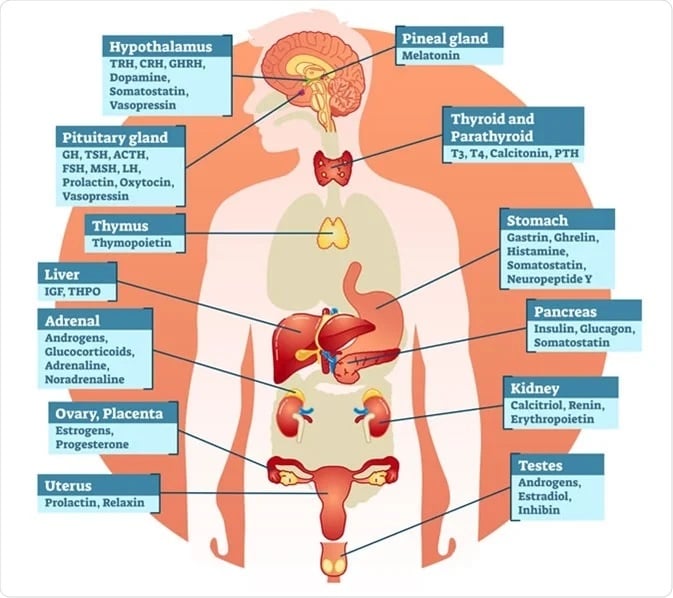
Small molecules play a pivotal role in Endocrinology Research. These are low molecular weight compounds that have a significant impact on the endocrine system, hormones, and their receptors. Here are some key aspects of how small molecules are involved in this field:
- Hormone Mimetics and Inhibitors: Small molecules are used to develop synthetic compounds that mimic the actions of hormones or inhibit their effects. For example, drugs like metformin for diabetes management and selective estrogen receptor modulators (SERMs) for breast cancer treatment are used to either mimic or block hormonal activity.
- Receptor Modulation: Small molecules can bind to hormone receptors and modulate their activity. This is crucial in developing drugs that target specific hormone receptors, like the use of small molecule agonists and antagonists to regulate thyroid hormone receptors.
- Metabolism Regulation: Endocrinology research often focuses on metabolism and how hormones like insulin regulate it. Small molecules are employed to understand and develop drugs targeting enzymes involved in metabolism, such as glucagon-like peptide-1 (GLP-1) agonists for diabetes treatment.
- Steroid Hormone Production: Small molecules may be utilized to influence the production of steroid hormones in the adrenal glands or gonads. This is essential for conditions like Cushing's syndrome or polycystic ovary syndrome (PCOS).
- Hormone Assays: In laboratory research, small molecules are used as tracers or markers in hormone assays. For instance, small molecule fluorophores can be attached to antibodies to detect hormone levels in blood samples.
Drug Development: Endocrinology research relies on small molecules as potential drug candidates. Researchers design and test small molecules for their effectiveness in modulating hormonal pathways, with the goal of developing new therapies for endocrine disorders.
In summary, small molecules are indispensable tools in Endocrinology Research, enabling scientists to better understand the endocrine system's intricacies and develop novel treatments for a wide range of hormonal disorders and conditions. Their versatility and specificity make them valuable assets in advancing our knowledge of endocrinology and improving patient care.
Endocrinology Disease Products
Endocrinology Research Products
Kisspeptin Receptor
Leptin Receptors
Melanocortin (MC) Receptors
Mineralocorticoid Receptors
Galanin Receptors
TRH Receptors
Ghrelin Receptors
Natriuretic Peptide Receptors
NPY Receptors
Motilin Receptor
PTH Receptor
