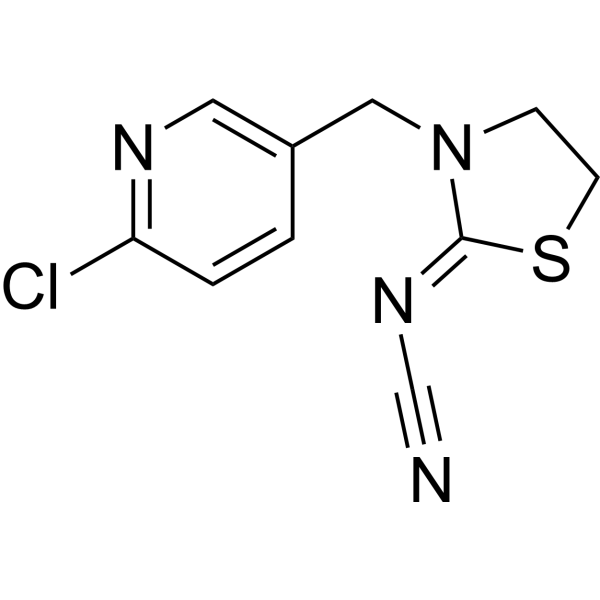
Thiacloprid is an orally active neurotoxic insecticide that functions as an agonist of nicotinic acetylcholine receptors (nAChR). It has been shown to reduce cellular viability, deplete reduced glutathione, and elevate malondialdehyde (MDA) levels, leading to cytotoxicity and oxidative stress. While Thiacloprid exhibits lower acute toxicity to honeybees compared to some other insecticides, it adversely affects their learning, memory, immune function, and overall survival. Additionally, this compound disrupts intestinal microbiota, increasing the risk of premature colony collapse in bumblebees. Thiacloprid is utilized in the broad-spectrum control of agricultural pests across various crops, including potatoes, cabbages, fruits, vegetables, and nuts.
Thiacloprid is an orally active neurotoxic insecticide that functions as an agonist of nicotinic acetylcholine receptors (nAChR). It has been shown to reduce cellular viability, deplete reduced glutathione, and elevate malondialdehyde (MDA) levels, leading to cytotoxicity and oxidative stress. While Thiacloprid exhibits lower acute toxicity to honeybees compared to some other insecticides, it adversely affects their learning, memory, immune function, and overall survival. Additionally, this compound disrupts intestinal microbiota, increasing the risk of premature colony collapse in bumblebees. Thiacloprid is utilized in the broad-spectrum control of agricultural pests across various crops, including potatoes, cabbages, fruits, vegetables, and nuts.
This calculator helps you calculate mass of compound based on solution concentration, volume and molecular weight in a specific solution using the formula: