Impurities & Reference Standards

Impurities & Reference Standards collects environmental contaminants, industrial chemicals and drug stereoisomers. Many entries are substances monitored in environmental and food analysis, such as the plasticizer dimethyl phthalate and the polycyclic aromatic hydrocarbon fluorene. Flame retardants are represented by the organophosphate triphenyl phosphate and by brominated compounds. Perfluorodecanoic acid belongs to the per- and polyfluoroalkyl substances (PFAS), a class known for persistence in the environment. A second group holds enantiomers and isomers of research compounds, such as (R)-Asundexian, the (R)-enantiomer of the factor XIa inhibitor asundexian. Such isomers support stereochemical comparison and the development of chromatographic separation methods. Process-related and degradation compounds of individual drugs are listed separately under Drug Impurity.

Items 1-25 of 361

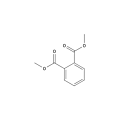
  • Dimethyl phthalate
    Cat. No.
    A17615

    Dimethyl phthalate

    Synonyms: NSC 15398

    Dimethyl phthalate, a known endocrine disruptor and one of the phthalate esters (PAEs), is a ubiquitous pollutant. Dimethyl phthalate is commonly used as a plasticizer to impart flexibility to rigid polyvinylchloride (PVC) resins.

    100 mg
    $320.00
    10 g
    $20.00
    All 3 sizes
  • (2S,3R,4S)-ASX-173
    Cat. No.
    A25099

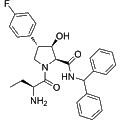
    (2S,3R,4S)-ASX-173

    (2S,3R,4S)-ASX-173 is an orally active inhibitor of asparagine synthetase (ASNS) with an IC50 of 0.113 μM and a Ki of 0.4 nM. This (2S,3R,4S)-enantiomer enhances the cytotoxic effects of L-asparaginase, resulting in disrupted nucleotide synthesis and promoting cell cycle arrest, apoptosis, and autophagy in leukemia cells. Additionally, (2S,3R,4S)-ASX-173 has demonstrated efficacy in slowing the growth of OCI-AML2 xenografts when used in combination with L-asparaginase, making it a valuable tool for research focused on acute lymphoblastic leukemia, acute myeloid leukemia, and colorectal cancer.

    5 mg
    $1,180.00
    10 mg
    $1,815.00
    All 4 sizes
  • (Iso)-Z-VAD(OMe)-FMK
    Cat. No.
    A25104

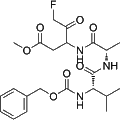
    (Iso)-Z-VAD(OMe)-FMK

    Synonyms: (Iso)-Z-Val-Ala-Asp(OMe)-FMK

    (Iso)-Z-VAD(OMe)-FMK is a caspase and UCHL1 inhibitor, acting as an important tool for studying apoptosis and proteasomal degradation pathways. This isomer of Z-VAD(OMe)-FMK offers a unique structure that may influence its biological interactions and efficacy. Researchers can utilize this reagent in various applications including cell death assays and drug discovery efforts targeting apoptotic mechanisms.

    1 mg
    $155.00
    5 mg
    $395.00
    All 7 sizes
  • Perfluorodecanoic acid
    Cat. No.
    A25282

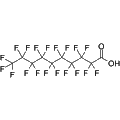
    Perfluorodecanoic acid

    Synonyms: PFDA

    Perfluorodecanoic acid (PFDA) is a perfluoroalkyl substance that exerts its effects through endoplasmic reticulum stress. It has been shown to induce dysfunction in rat fetal Leydig cells, resulting in altered lipid profiles and reduced testosterone biosynthesis in rat R2C Leydig cells. PFDA is useful for research investigating the mechanisms underlying fetal Leydig cell dysfunction and its implications on reproductive health.

    10 mg
    $20.00
    100 mg
    $25.00
    All 2 sizes
  • cis,trans-Germacrone
    Cat. No.
    A25661

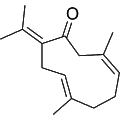
    cis,trans-Germacrone

    Cis,trans-Germacrone is an isomer of Germacrone, functioning primarily as an anticarcinogen. It demonstrates significant antitumor, antioxidant, and anti-inflammatory properties. Research indicates that cis,trans-Germacrone inhibits the proliferation of lung cancer cells and modulates the Akt/MDM2/p53 signaling pathway, leading to cell cycle arrest at the G1/S phase. This compound serves as a valuable tool for investigating cancer therapies and cell cycle regulation.

    25 mg
    $1,275.00
    50 mg
    $1,625.00
    All 3 sizes
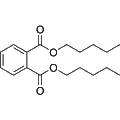
  • Dipentyl phthalate
    Cat. No.
    A25857

    Dipentyl phthalate

    Dipentyl phthalate is a plasticizer known for its endocrine-disrupting properties. It has been shown to enhance the phosphorylation of AMPK while reducing phosphorylation of AKT1 and decreasing SIRT1 levels. Additionally, dipentyl phthalate lowers levels of adrenocorticotropic hormone and is recognized as a testicular toxicant, making it relevant for studies in toxicology and endocrine research.

    1 g
    $20.00
    5 g
    $25.00
    All 4 sizes
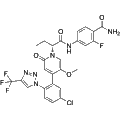
  • (R)-Asundexian
    Cat. No.
    A26168

    (R)-Asundexian

    Synonyms: (R)-BAY-2433334

    (R)-Asundexian is the enantiomer of Asundexian, primarily targeting the inhibition of factor Xa in the coagulation cascade. This reagent exhibits significant potential in research aimed at understanding cardiovascular diseases, particularly thrombotic and thromboembolic conditions, as well as conditions involving edema and ophthalmic diseases. Its specific mechanism enables the exploration of novel therapeutic approaches in these areas.

    5 mg
    $475.00
    10 mg
    $800.00
    All 3 sizes
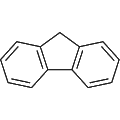
  • Fluorene
    Cat. No.
    A26254

    Fluorene

    Fluorene is a polycyclic aromatic hydrocarbon (PAH) that induces oxidative stress and inflammatory responses through the generation of reactive oxygen species (ROS) and superoxide dismutase (SOD). It is known to exacerbate lipid peroxidation and modulate antioxidant enzyme activity, leading to the upregulation of pro-inflammatory factors such as TNF-α and IL-6 in A549 cells. Additionally, Fluorene exhibits anxiolytic activity in vivo, making it a valuable compound for research into inflammation and neurological disorders.

    500 mg
    $20.00
    1 g
    $25.00
    All 3 sizes
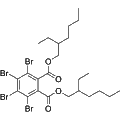
  • TBPH
    Cat. No.
    A26282

    TBPH

    TBPH (Tetrabromophthalic Anhydride) is a brominated flame retardant that primarily targets lipid metabolism pathways. It enhances hepatic steatosis, inflammation, and fibrosis in models of nonalcoholic steatohepatitis (NASH) by inducing dysregulation of phospholipid metabolism, specifically decreasing cardiolipin and phosphatidylserine levels. Further, TBPH disrupts endoplasmic reticulum-mitochondria (ER-Mito) interactions, contributing to mitochondrial dysfunction and triggering lung injury through a mitochondria-derived inflammatory response. This compound is valuable for investigating MFN2-mediated ER-mitochondria contacts and their impact on lipid homeostasis.

    250 mg
    $20.00
    1 g
    $25.00
    All 2 sizes
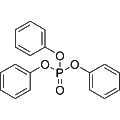
  • Triphenyl phosphate
    Cat. No.
    A26309

    Triphenyl phosphate

    Triphenyl phosphate is an organic phosphate flame retardant that primarily targets neuronal metabolism. It has been shown to disrupt placental tryptophan metabolism through the activation of the MAOA/ROS/NFκB pathway, contributing to neurobehavioral abnormalities. Additionally, Triphenyl phosphate promotes oxidative stress by inducing inflammatory mediators such as nuclear factor kappa B (NFκB), interleukin-6, and tumor necrosis factor α. Its potential to cause allergic contact dermatitis is also noteworthy, making it relevant for studies on environmental and health impacts.

    250 mg
    $20.00
    100 g
    $25.00
    All 3 sizes
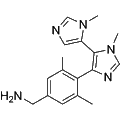
  • BI-9466
    Cat. No.
    A26561

    BI-9466

    BI-9466 is a negative control compound designed to target the NSD3-PWWP1 domain, exhibiting a Kd of 144 µM. This compound does not exhibit inhibitory activity against NSD3 due to the introduction of a basic nitrogen heterocycle at the 5-position, distinguishing it from its active counterpart, BI-9321. BI-9466 serves as a valuable tool in research applications requiring a control for studies involving NSD3-PWWP1 interactions.

    Out of stock

    All 3 sizes
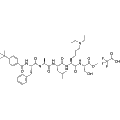
  • UNC-4219 TFA
    Cat. No.
    A26566

    UNC-4219 TFA

    UNC-4219 TFA serves as a methylated negative control for the CBX7-H3 antagonist UNC3866, demonstrating no interaction with the CBX7 protein at high concentrations. This compound is primarily utilized in research applications that assess the specificity and efficacy of CBX7 modulation, providing a valuable reference point in studies involving chromatin modification and gene regulation.

    Out of stock

    All 3 sizes
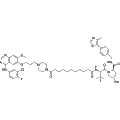
  • MS39N
    Cat. No.
    A28868

    MS39N

    MS39N is a negative control compound that selectively binds to the epidermal growth factor receptor (EGFR) without triggering receptor degradation. Its unique mechanism allows for the assessment of specific biological effects in experimental setups involving EGFR modulation. This compound is useful in studies aimed at understanding signaling pathways related to EGFR activity and for validating experimental results in various biological research applications.

    1 mg
    $375.00
    5 mg
    $725.00
    All 2 sizes
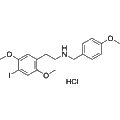
  • 25I-NBOMe 4-methoxy isomer hydrochloride
    Cat. No.
    A29367

    25I-NBOMe 4-methoxy isomer hydrochloride

    25I-NBOMe 4-methoxy isomer hydrochloride is a potent agonist of the 5-HT2A receptor. It exhibits high affinity for both rat and human 5-HT2A receptors, with binding affinities (Ki values) of 0.087 nM and 0.044 nM, respectively. This compound is utilized in research exploring serotonergic mechanisms and their implications in neuropharmacology, particularly in studies related to psychotropic effects and receptor signaling pathways.

    1 mg
    $200.00
    5 mg
    $615.00
    All 3 sizes
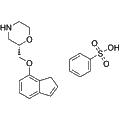
  • (S)-Indeloxazine benzenesulfonate
    Cat. No.
    A29866

    (S)-Indeloxazine benzenesulfonate

    Synonyms: (S)-AS1069562; (S)-YM-08054 benzenesulfonate

    (S)-Indeloxazine benzenesulfonate is the S-enantiomer of AS1069562, which acts primarily as a selective inhibitor of serotonin (5-HT) and norepinephrine (NE) reuptake with IC50 values of 0.35 μM and 3.3 μM, respectively. This compound exhibits curative-like analgesic effects and has potential applications in improving nerve function impairment through enhanced neurotrophic support. It is relevant in research focused on pain management and neurotherapeutics.

    25 mg
    $1,275.00
    50 mg
    $1,625.00
    All 3 sizes
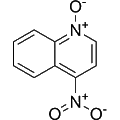
  • Nitrochin
    Cat. No.
    A30017

    Nitrochin

    Synonyms: 4-NQO

    Nitrochin (4-NQO) is a chemical carcinogen that primarily targets esophageal cells. It has been shown to induce the expression of oncostatin-M (OSM) and is associated with DNA damage. Additionally, Nitrochin promotes apoptosis through a p53-dependent mitochondrial signaling pathway, making it a valuable tool for research on cancer biology and cellular responses to genotoxic stress.

    100 mg
    $25.00
    200 mg
    $30.00
    All 6 sizes
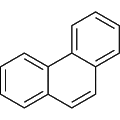
  • Phenanthrene
    Cat. No.
    A30299

    Phenanthrene

    Phenanthrene is a polycyclic aromatic hydrocarbon (PAH) known for its ability to induce inflammation, oxidative stress, and apoptosis in biological systems. This compound is widely utilized in environmental research for the detection and assessment of PAH pollution, allowing for the evaluation of ecological and health risks associated with exposure. Its role in studying cellular responses to toxicants makes it a valuable reagent in toxicological and environmental chemistry research.

    10 mg
    $20.00
    100 mg
    $25.00
    All 5 sizes
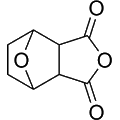
  • (Rac)-Norcantharidin
    Cat. No.
    A30312

    (Rac)-Norcantharidin

    Synonyms: (Rac)-NCTD

    (Rac)-Norcantharidin is a racemic form of Norcantharidin, a demethylated derivative of Cantharidin. It exhibits significant anticarcinogenic properties and demonstrates potent antitumor activity across various cancer cell lines. This compound is utilized in cancer research to explore its mechanisms of action and potential therapeutic applications in oncology.

    20 mg
    $25.00
    50 mg
    $30.00
    All 5 sizes
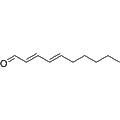
  • trans,trans-2,4-Decadienal
    Cat. No.
    A30719

    trans,trans-2,4-Decadienal

    trans,trans-2,4-Decadienal is a lipid peroxidation product derived from linoleic acid. This compound exhibits notable reactivity with cellular macromolecules, contributing to oxidative stress and potential cellular damage. It is utilized in research to investigate lipid peroxidation mechanisms, assess oxidative damage in various biological systems, and study its implications in disease processes associated with oxidative stress.

    1 g
    $20.00
    5 g
    $30.00
    All 2 sizes
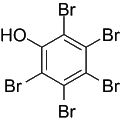
  • Pentabromophenol
    Cat. No.
    A30984

    Pentabromophenol

    Synonyms: PBP

    Pentabromophenol (PBP) is a brominated flame retardant known for its role in reducing the flammability of various materials in consumer products. PBP functions by promoting clathrin-mediated endocytosis, which accelerates the degradation of transforming growth factor-β (TGF-β) receptors and consequently inhibits the TGF-β signaling pathway. Additionally, PBP has been shown to induce apoptosis in peripheral blood mononuclear cells (PBMCs), making it relevant for studies in cell death and signaling pathways.

    1 g
    $20.00
    5 g
    $25.00
    All 3 sizes
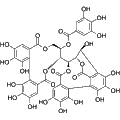
  • Casuarinin
    Cat. No.
    A31027

    Casuarinin

    Casuarinin is an active compound that can be isolated from the bark of Terminalia arjuna. It primarily induces apoptosis and facilitates cell cycle arrest in various cell types. This compound has potential applications in cancer research, providing insights into mechanisms of cell death and regulation of cell proliferation.

    1 mg
    $190.00
    25 mg
    $3,795.00
    All 4 sizes
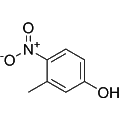
  • 3-Methyl-4-nitrophenol
    Cat. No.
    A31064

    3-Methyl-4-nitrophenol

    3-Methyl-4-nitrophenol is an environmental contaminant recognized for its presence in diesel exhaust particles and as a degradation product of the insecticide fenitrothion. This compound is known to induce apoptosis in nasal epithelial cells and enhances the permeability of the nasal epithelial barrier. Additionally, 3-Methyl-4-nitrophenol has been found to exhibit toxicity toward the female reproductive system, making it significant for research into environmental health and toxicology.

    1 mg
    $20.00
    1 g
    $25.00
    All 6 sizes
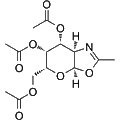
  • (6R)-FR054
    Cat. No.
    A31200

    (6R)-FR054

    (6R)-FR054 is a less active isomer of FR054, acting primarily as a modulator of biological pathways influenced by the parent compound. This reagent provides a valuable tool for comparative studies aimed at elucidating the mechanisms of action and specific contributions of the more active isomer. Researchers can utilize (6R)-FR054 in the development of experimental designs that require an understanding of molecular interactions and signaling processes.

    5 mg
    $25.00
    10 mg
    $35.00
    All 5 sizes
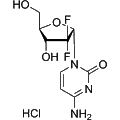
  • 1'-epi Gemcitabine hydrochloride
    Cat. No.
    A31393

    1'-epi Gemcitabine hydrochloride

    Synonyms: 1'-epi LY 188011 hydrochloride

    1'-epi Gemcitabine hydrochloride is an isomer of the nucleoside analog gemcitabine hydrochloride, primarily utilized as an experimental control in research settings. This compound exhibits significant biological activity by inhibiting DNA synthesis and repair mechanisms, leading to cellular autophagy and apoptosis. Its applications extend to cancer research, particularly in evaluating the effectiveness of antineoplastic agents and understanding their mechanisms of action.

    1 mg
    $175.00
    5 mg
    $445.00
    All 2 sizes
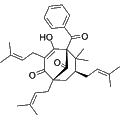
  • Nemorosone
    Cat. No.
    A31405

    Nemorosone

    Nemorosone is a bioactive compound primarily derived from the floral resin of Clusia rosea, known for its antiproliferative and anticarcinogenic properties. It effectively induces apoptosis in colorectal cancer cell lines such as HT-29 and LoVo, making it a valuable reagent for studying cancer biology and potential therapeutic applications. Its mechanisms of action may provide insights into novel cancer treatment strategies.

    1 mg
    $80.00
    5 mg
    $450.00
    All 3 sizes

Items 1-25 of 361

Added to your cart

View Cart Checkout

    Loading...