GHSR

Ghrelin receptor agonists and antagonists act on the growth hormone secretagogue receptor (GHSR). The receptor was cloned in 1996 from pituitary and hypothalamus as the target of synthetic growth hormone secretagogues. Its endogenous ligand, ghrelin, was identified in 1999 as an acylated stomach peptide that releases growth hormone. GHSR signaling links growth hormone release with appetite and energy balance, which makes the receptor a frequent subject in metabolism research. Anamorelin, capromorelin and ulimorelin are small-molecule GHSR agonists, and des-Gln14-Ghrelin is a natural ghrelin variant. PF-5190457 acts as an inverse agonist, while liver-expressed antimicrobial peptide 2 (LEAP-2) antagonizes the receptor.

2 Items

  • Emoghrelin
    Cat. No.
    A60543

    Emoghrelin

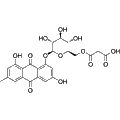
    Emoghrelin is a ghrelin receptor (GHSR) activator that promotes growth hormone secretion, making it a valuable anti-aging agent. Isolated from the traditional medicinal plant Heshouwu (Polygonum multiflorum), Emoghrelin's mechanism supports various biological activities tied to growth and regeneration processes. This compound is of particular interest in aging research and studies focused on metabolic regulation and endocrine functions.

    1 mg
    $335.00
    5 mg
    $855.00
    All 2 sizes
  • GHRF, porcine
    Cat. No.
    A60563

    GHRF, porcine

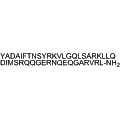
    GHRF, porcine is a growth hormone releasing factor peptide that acts as a potent inducer of growth hormone (GH) release. By binding to the growth hormone secretagogue receptor (GHSR), it stimulates the secretion of GH from the anterior pituitary gland. This reagent is valuable in studies focused on growth hormone regulation, metabolic processes, and endocrine signaling pathways.

    Out of stock

    All 3 sizes

2 Items

Added to your cart

View Cart Checkout

    Loading...